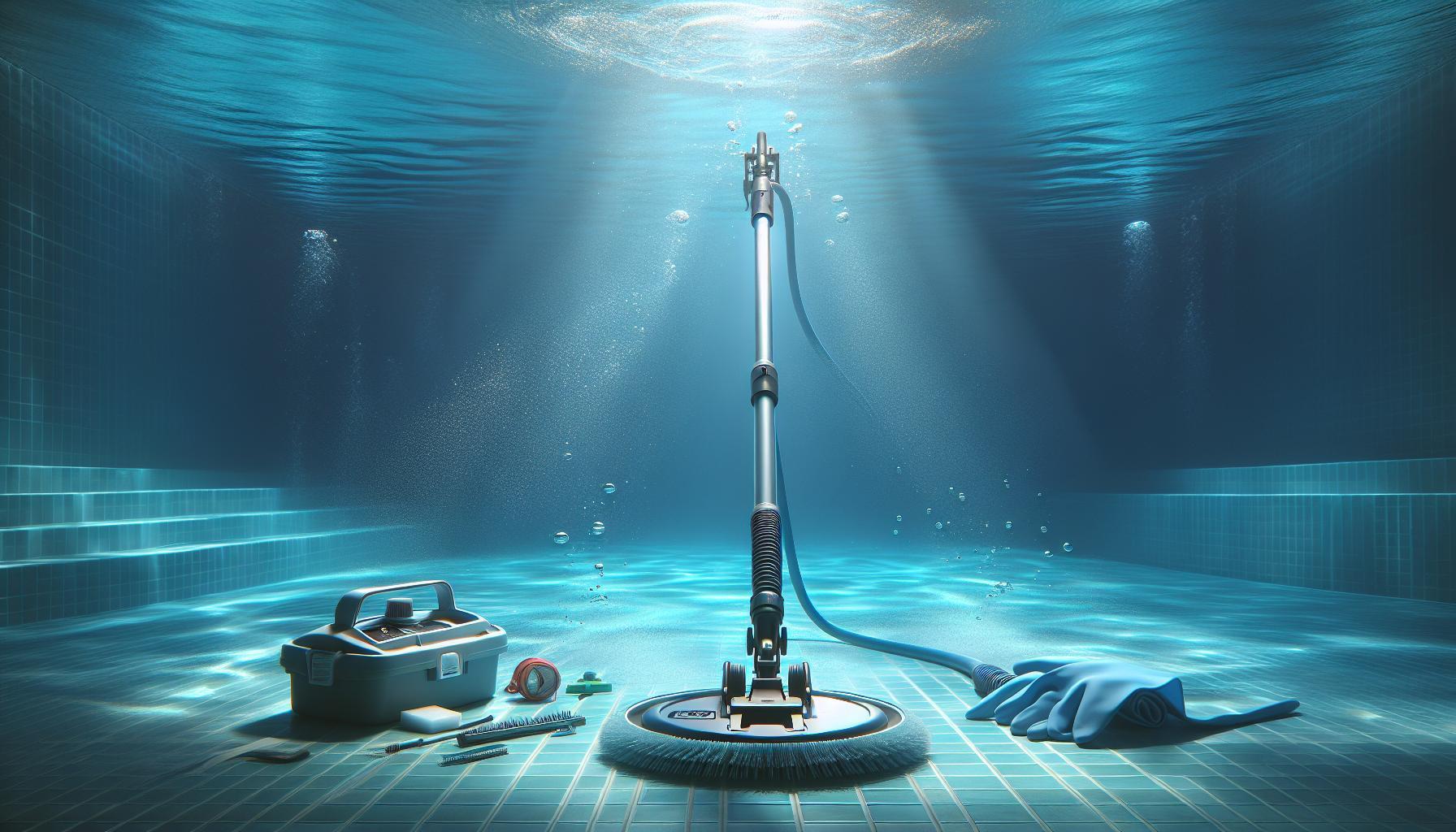
Cleaning pool tile is essential not just for aesthetics but also for maintaining a healthy swimming environment. Over time, tiles can accumulate grime and calcium deposits, leading to unattractive waterlines and potential growth of harmful bacteria. A clean tile surface not only enhances the overall look of your pool but also minimizes the need for expensive repairs and extensive maintenance.
Many pool owners face the frustrating challenge of buildup caused by hard water, algae, and organic debris. By learning effective cleaning techniques, you empower yourself to take control of your pool maintenance, ensuring it remains pristine and inviting for summer gatherings. In this guide, we’ll explore practical steps to restore the shine to your pool tiles and prevent future buildup, helping you enjoy a sparkling pool all season long. Discover how easy it can be to keep your pool in top shape, making your swimming experience safer and more enjoyable.
How to Know When Your Pool Tile Needs Cleaning
If you’ve noticed your pool tile losing its luster or developing visible stains, it’s crucial to address these issues promptly. The crystal-clear water of your pool should reflect the beauty of well-maintained tiles, not dullness or discoloration. Recognizing when it’s time to clean your pool tiles goes beyond mere aesthetics; it’s also about maintaining a healthy swimming environment. Factors such as water chemistry, environmental debris, and mineral deposits can significantly affect tile appearance.
Keep an eye out for specific indicators that suggest your pool tiles need cleaning. A common sign is the presence of calcium buildup, often appearing as a white, chalky residue along the waterline. You might also notice dark spots or stains where algae or dirt have accumulated. If you begin to see a difference in the way water interacts with the tiles-like increased surface tension or a gritty texture-this is another telltale sign that cleaning is overdue. Additionally, if your tiles start to feel slippery when wet, it could indicate a buildup of algae or film, both of which require immediate attention.
To stay proactive, consider establishing a routine inspection schedule. Checking your pool tiles every few weeks can help you catch minor issues before they escalate. Look for signs of discoloration, feel the surfaces for roughness, and monitor water clarity. Establishing good practices, such as brushing the tiles regularly and maintaining balanced water chemistry, not only enhances the visual appeal but also prolongs the life of your tiles, ensuring they remain safe and inviting for every swim.
The Best Tools and Products for Pool Tile Care
To keep your pool tiles looking pristine and functioning well, having the right tools and products at your disposal is essential. The right equipment not only makes the cleaning process easier but also helps maintain the quality and longevity of your tiles, allowing you to enjoy a sparkling pool year-round. Whether dealing with stubborn stains or routine maintenance, here’s a rundown of must-have tools and products for effective pool tile care.
Essential Cleaning Tools
- Tile Brush: A specialized tile brush with sturdy bristles is indispensable for scrubbing away tough stains, calcium deposits, and algae. Choose a brush with a designed angle for better reach, especially for tiles located near the waterline.
- Scrubbing Pad: For lighter cleaning tasks or maintenance, a nylon scrubbing pad can effectively remove debris and stains without scratching the tile surface.
- Pressure Washer: For a deep clean, a pressure washer can effortlessly remove grime and buildup. Ensure you use a low-pressure setting to avoid damaging the tiles.
Chemicals and Cleaning Solutions
When selecting cleaning solutions, it’s crucial to use products that are specifically formulated for pool tiles to avoid damaging the surface. Look for the following:
- PH Neutral Tile Cleaner: A pH-neutral cleaner is ideal for regular maintenance as it won’t harm the tiles and can effectively cut through buildup.
- Calcium Remover: For those persistent calcium deposits, a calcium remover can be a game-changer. Apply it carefully according to the manufacturer’s instructions to avoid damaging the grout.
- Eco-Friendly Cleaners: Many eco-friendly pool tile cleaners are available that are both effective and safe for the environment, ensuring that your maintenance routines do not harm your pool ecosystem.
Protective Gear
Cleaning pool tiles can expose you to harsh chemicals and debris, so protective gear is essential:
- Gloves: Always wear rubber gloves to protect your hands from chemicals and rough surfaces while cleaning.
- Goggles: Protect your eyes from splashes or debris when using harsh chemicals or a pressure washer.
By arming yourself with the right tools and products, you’ll find pool tile maintenance to be a more manageable and effective task. Regularly investing time and resources into proper cleaning methods will not only enhance your pool’s appearance but also extend the life of your tiles, ensuring a safer and more enjoyable swimming experience.
Step-by-Step Guide to Cleaning Pool Tile
Cleaning your pool tile is essential for maintaining its appearance and extending its lifespan, not to mention enhancing your overall swimming experience. Over time, tiles can accumulate dirt, grime, and calcium deposits, diminishing their shine and potentially leading to more significant issues if left unattended. Here’s a straightforward guide to effectively clean your pool tile and restore its original luster.
Start by gathering your materials. You will need a tile brush, a nylon scrubbing pad, a pressure washer, and pH-neutral tile cleaner. Before diving in, ensure that your pool is off and that you’ve donned the necessary protective gear, including rubber gloves and goggles to shield yourself from chemicals and debris.
Once ready, begin by removing any debris or loose dirt from the tile surface using a skimmer or a hand-held vacuum. After clearing the area, apply the pH-neutral cleaner generously to the affected tiles. Allow the cleaner to sit for about 5-10 minutes to penetrate the buildup. Using your tile brush, scrub the tiles in a circular motion to lift stains and grime. For stubborn areas or calcium deposits, a more targeted approach with the brush might be necessary.
After scrubbing, rinse the tiles thoroughly with a pressure washer. The pressure helps to remove any remaining cleaner and loosened dirt while providing a deep clean that a hose may not achieve. Make sure to use a low-pressure setting to avoid damaging the tiles. Once rinsed, inspect the tiles; if you notice any areas that still have stains or deposits, repeat the cleaning process in those spots.
Finally, for long-term maintenance, consider applying a protective sealant designed for pool tiles after they have thoroughly dried. This preventive measure helps keep your tiles shiny and reduces future buildup. With these steps in mind, you’ll have a sparkling clean pool that enhances your swimming enjoyment!
Eco-Friendly Methods for Cleaning Pool Tile
Cleaning pool tiles doesn’t have to involve harsh chemicals or toxic substances. Many eco-friendly methods exist that are effective, safe, and easy to implement, ensuring that your pool remains a healthy environment while still looking its best. Utilizing natural ingredients not only protects the ecosystem but also promotes a sustainable approach to pool maintenance.
One of the simplest methods involves the use of baking soda, a natural abrasive that effectively removes stains and buildup from pool tiles. To use it, create a paste by mixing baking soda with a small amount of water. Apply this paste to stained areas and let it sit for about 10-15 minutes. Then, scrub with a nylon pad or brush, rinse thoroughly, and admire the results. This method not only cleans effectively but also leaves your tiles without harmful residues.
Another green option is white vinegar, which is well-known for its cleaning properties. For routine cleanings, mix equal parts of white vinegar and water in a spray bottle. Spray directly onto tiles, allow it to sit for five minutes, and then scrub gently before rinsing off. The acetic acid in vinegar helps dissolve mineral deposits and organic residues without leaving behind harsh chemicals.
For those who prefer a more comprehensive solution, consider developing a natural citrus spray using lemon or orange peels. Citrus fruits contain natural acids that break down grease and grime. Blend peels with water, then strain to create a cleansing solution. Apply this to your tiles and follow the same scrubbing and rinsing process. The pleasant scent while cleaning is an added bonus!
Key Considerations:
- Always test a small area first to ensure there’s no adverse reaction with tile material.
- Inspect tiles regularly for early signs of buildup to avoid more extensive cleaning later.
- Stay safe by wearing gloves when using any cleaning solution, even natural ones, to protect your skin.
By adopting these eco-friendly methods, not only do you enhance the aesthetic appeal of your pool, but you also contribute positively to the environment. Regular maintenance using these natural solutions can help prevent calcium buildup and keep your tiles shiny, ensuring that your pool area remains an inviting oasis.
Preventing Calcium Buildup on Pool Tile
Calcium buildup can transform your once-pristine pool tiles into a dull and unsightly surface, often leading to more extensive maintenance down the line. Preventing this buildup is an essential part of pool care that not only keeps your pool looking its best but also saves you time and effort with less frequent deep cleaning required. By proactively managing factors that contribute to calcium deposits, you can maintain those glistening tiles and ensure a welcoming atmosphere for swimmers.
One of the most effective ways to prevent calcium buildup is to regularly monitor the water chemistry in your pool. High calcium levels in the water can lead to scaling on tiles. To combat this, you should test your pool water at least once a week, checking for calcium hardness along with pH and alkalinity levels. Aim to keep calcium hardness between 200-400 ppm (parts per million). If the levels are consistently high, consider partially draining and refilling your pool with softer water. This simple step can make a noticeable difference in keeping calcium deposits at bay.
Another practical approach is to consider using a quality pool water clarifier or scale preventer. These products work by binding the oils, debris, and minerals present in the water, allowing your filtration system to remove them more effectively. Applying these solutions following the manufacturer’s instructions can reduce the likelihood of calcium buildup and help maintain the clarity of your pool water. Additionally, regular skimming and vacuuming help eliminate debris before it breaks down and contributes to scale formation.
Lastly, incorporating an annual professional cleaning and inspection can be invaluable. These services not only tackle stubborn calcium deposits but also provide insights into your pool chemistry and maintenance routines. Professionals can identify potential issues early, allowing you to take corrective actions before problems escalate. By combining these routine checks with proactive chemistry management and using preventative products, you can keep your pool tiles smooth, clean, and shining throughout the swimming season and beyond.
Tips for Maintaining Shine After Cleaning
Maintaining the shine of your pool tiles after a deep clean is crucial not just for aesthetic appeal but also to simplify future maintenance. For many pool owners, the goal is to achieve that crystal-clear, reflective surface that makes a pool welcoming and relaxing. Fortunately, there are several effective strategies to uphold that shine long after you’ve cleaned.
Implementing a regular cleaning schedule is one of the best ways to keep your tiles looking their best. Aim to lightly scrub the surface with a soft brush at least once a week, which can help prevent the buildup of dirt and grime. Furthermore, using a diluted mixture of water and a mild pool-safe cleaner during these routine cleans can be particularly effective at retaining shine. Avoid abrasive cleaners or scouring pads, as these can scratch the surface and lead to more significant maintenance issues.
Another effective tip is to balance your pool’s water chemistry. High levels of calcium or other minerals can lead to deposits on your tiles. Testing water parameters regularly allows you to make necessary adjustments. Keeping the pH and alkalinity within recommended levels not only protects your tiles but also enhances their shine. Consider using a pool clarifier periodically, which helps bind particles in the water, making your filtration system more efficient at removing them, leading to clearer and brighter tiles.
Lastly, after cleaning, consider applying a protective swimming pool tile sealant. This can create a barrier against stains and buildup, making it significantly easier to maintain the shine. Sealants bond to the surface and help repel water and oils that might otherwise contribute to discoloration or cloudy appearances. Apply this product according to the manufacturer’s instructions for optimal results. By consistently following these steps, your pool tiles can remain radiant and inviting, ensuring your swimming experience is as enjoyable as possible.
Dealing with Stubborn Stains on Pool Tile
Stubborn stains on pool tile can be a significant nuisance, diminishing the aesthetic appeal of your pool and making it less inviting. These marks may originate from various sources-mineral deposits, algae, dirt, or even grease from sunscreen. Fear not, though; with the right approach and tools, you can effectively tackle those unsightly stains and restore your tiles to their original sparkle.
Begin by assessing the type of stain you’re dealing with, as this will often dictate the cleaning method to use. For common mineral deposits or calcium buildup, a vinegar and water solution is a fantastic first step. Combine equal parts of white vinegar and water into a spray bottle and generously apply it to the stained areas. Let it sit for about 10-15 minutes to penetrate the deposit, then use a soft brush to gently scrub the tiles. Rinse thoroughly with water to see the transformation.
For more challenging stains, consider creating a paste using baking soda mixed with a small amount of water. Apply the paste directly to the stain, allow it to sit for 30 minutes to an hour, and then scrub with a non-abrasive brush. The gentle abrasiveness of baking soda is effective without harming the tile’s surface. After scrubbing, rinse well with fresh water.
If stains persist despite these methods, you might resort to commercial cleaners specifically designed for pool tiles. Read the labels carefully and choose a product that’s safe for your pool’s interior. Always test any cleaner in a small, inconspicuous area first to ensure it does not cause discoloration or damage. Apply the cleaner according to the manufacturer’s instructions and scrub as needed, following up with a thorough rinse.
Regularly inspecting your pool tiles and addressing stains promptly is key to preventing more significant buildup. Creating a routine maintenance schedule, which includes visual checks and immediate action against stains, will save you time and effort in the long run. Keeping your pool sparkling not only enhances your enjoyment but also prolongs the life of your pool’s finish.
Regular Maintenance Routines for Pool Tile
To keep your pool tiles looking pristine and free from debris or discoloration, establishing a solid maintenance routine is crucial. Did you know that regular upkeep not only enhances your pool’s visual appeal but also extends the lifespan of your tiles? By adopting a systematic approach, you can prevent the accumulation of stains and calcium deposits that can detract from your pool’s beauty.
Start with weekly inspections of your pool tiles. Look for any signs of buildup, staining, or discoloration. Use a soft cloth or sponge to gently wipe down areas with visible debris. If you spot any early signs of trouble, such as minor mineral deposits, you can treat them immediately with a vinegar solution or baking soda paste, as detailed previously. Timing is key; addressing stains promptly can prevent the need for more intensive cleaning down the line.
In addition to your visual checks, implement a biweekly brushing schedule. Utilize a soft-bristled brush specifically designed for pool surfaces to gently scrub the tiles. Focus on the areas that receive the most water movement, as these are prone to algae growth. After brushing, it’s advisable to vacuum the pool to remove any loosened debris and ensure a clean environment.
Moreover, consider establishing a monthly deep cleaning session. This entails a thorough scrub of all tile surfaces along with the use of appropriate cleaning agents, if necessary. Always follow the manufacturer’s guidelines when selecting products to avoid damaging your tiles. This regular, deep cleaning not only helps maintain the shine of your tiles but also ensures any stubborn stains or scaling are effectively managed before they become a larger issue.
Finally, make it a point to check and balance your pool’s chemistry weekly. Keeping your water balanced helps prevent stains from forming in the first place. Pay particular attention to your pH and calcium hardness levels, as imbalances can significantly contribute to tile discoloration. By integrating these important maintenance habits into your pool care routine, you not only protect the aesthetic of your investment but also enhance your overall pool experience.
How to Protect Pool Tile During Winter
To protect your pool tiles during winter, establishing a proactive strategy is essential, as harsh winter conditions can lead to significant damage if left unchecked. Tiles can be susceptible to cracking from freezing temperatures and from the expansion of water trapped in crevices. Ensuring that your tiles remain resilient starts with proper winterizing of the entire pool, which will help safeguard not just the water but the surfaces directly exposed to the elements.
Begin by thoroughly cleaning your pool tiles before the winter season sets in. Remove any debris, stains, or calcium buildup. This step not only enhances the aesthetic of your tiles but also prevents these contaminants from damaging the surface when temperatures drop. After cleaning, consider applying a protective sealant specifically designed for pool tiles. This creates a barrier that can help prevent water absorption and minimize the impact of freezing conditions.
During the winter months, ensure that your pool is properly covered with a durable, weather-proof pool cover. This cover not only keeps out debris but also shields your tiles from harsh weather, UV exposure, and freezing rain. Additionally, monitor your pool’s water levels, as fluctuating levels can expose tiles and lead to unsightly stains or even weaken the grout. Aim to keep the water level consistent to mitigate these risks.
Finally, it’s beneficial to maintain your pool chemistry before the temperature drops, as balanced water prevents staining and keeps tiles protected during the freezing months. Regular checks of pH and alkalinity will ensure that no aggressive chemicals remain in the water which can cause damage. By implementing these strategies, you will not only extend the life of your pool tiles but also ensure they remain vibrant and beautiful when the warmer weather returns.
Identifying and Fixing Common Pool Tile Issues
Identifying the common issues your pool tiles may face is crucial for maintaining their beauty and functionality. Many pool owners observe unsightly stains, discoloration, or even cracks but may not know how to address these issues effectively. Regular inspections can help you spot problems early, allowing for simpler and less expensive remedies before they escalate into larger repairs.
One of the most frequent concerns is calcium buildup, often indicated by white or cloudy spots on your tiles. To remedy this, you should first test your pool’s water for calcium hardness. If levels are high, consider adjusting your water chemistry and employing a descaling product specifically designed for pool tiles. Regularly brushing the tiles with a soft-bristle brush can also help prevent accumulation.
Another prevalent issue is mildew or algae growth, particularly in shaded areas of the pool. You might notice green or black stains on the grout lines or tile surfaces. For prevention, maintain balanced water chemistry, ensuring proper chlorine levels. If stains have formed, a solution is to scrub the affected areas with a mixture of water and a mild detergent, followed by a thorough rinse. For persistent growth, a diluted solution of bleach can be applied, but ensure to follow safety precautions and guidelines.
For more severe damages like cracks or chips, you’ll want to take immediate action to prevent further deterioration. Small cracks can sometimes be fixed with specialized pool tile adhesive, while larger chips may require replacement tiles. If replacing tiles, ensure to choose ones that match the existing style and color for a cohesive look.
Keeping your pool tiles in pristine condition not only enhances the visual appeal of your backyard oasis but also prevents costly repairs down the line. Regular maintenance, coupled with proactive measures, empowers you to address these common issues head-on-ensuring your pool remains a source of joy and relaxation for years to come.
Understanding the Importance of Regular Pool Maintenance
Regular maintenance of pool tiles is not just an aesthetic choice; it plays a vital role in extending the life of your pool and preventing costly repairs. Neglecting these tasks can lead to unsightly stains, calcium buildup, and even structural damage over time. Did you know that water chemistry significantly impacts the condition of your tile? Keeping your pool water balanced is key to preventing issues such as discoloration or the growth of mildew and algae, which can damage not only the tiles but also the surrounding grout.
To effectively maintain your pool tiles, implement a consistent cleaning routine that includes brushing the tiles with a soft-bristle brush and testing water chemistry at least once a week. This proactive approach helps you detect early signs of trouble, such as cloudy areas or stains, before they escalate into more severe problems. For instance, if you notice white spots that indicate calcium buildup, you can address the issue by adjusting your water’s calcium hardness and applying a suitable descaling product. This attention to detail ensures that your pool remains a sparkling oasis, free from buildup, and extends the life of your tiles.
Additionally, regular maintenance prevents more extensive damage that often leads to expensive repairs later on. For example, small cracks can be quickly fixed with specialized adhesive if caught early, whereas waiting too long can result in significant structural issues that may require extensive renovations. Don’t underestimate the value of small steps; a little upkeep goes a long way in safeguarding your investment in a beautiful and functional pool.
Ultimately, embracing a regimen that prioritizes regular inspections and maintenance will not only enhance the beauty of your pool but also provide peace of mind. A well-maintained pool is a source of relaxation and enjoyment, free from the stress of unforeseen problems. By taking charge of your pool’s care, you’ll ensure that it remains a welcoming retreat for family and friends for years to come.
Frequently asked questions
Q: How do I remove hard water stains from pool tile?
A: To remove hard water stains from pool tile, mix equal parts of vinegar and water in a spray bottle. Spray the solution onto the stained areas, let it sit for a few minutes, and scrub with a soft brush. Rinse thoroughly with water afterward. For persistent stains, consider using a specialized pool tile cleaner. Refer to the section on “Dealing with Stubborn Stains on Pool Tile” in our article for more tips.
Q: What is the best cleaning solution for pool tile?
A: The best cleaning solution for pool tile varies based on the type of stains. For general cleaning, a mixture of baking soda and water works effectively. For calcium buildup, use a store-bought calcium stain remover or a diluted solution of white vinegar. Always test a small area first to ensure compatibility.
Q: Can you use bleach to clean pool tiles?
A: While bleach can disinfect pool tiles, it’s not the best choice for removing stains. Bleach may damage grout and surrounding surfaces. Instead, opt for pH-balanced cleaners or natural solutions like vinegar or baking soda for safer and more effective cleaning.
Q: How often should I clean my pool tile to maintain shine?
A: To maintain shine, clean your pool tile at least once a month. Regular cleaning prevents buildup and stains, keeping your tiles looking new. Incorporate this into your “Regular Maintenance Routines for Pool Tile” to ensure optimal results.
Q: What tools do I need to clean pool tiles effectively?
A: Essential tools for effective pool tile cleaning include a soft brush or sponge, a bucket, a vacuum for debris, and cleaning solutions like baking soda or vinegar. For more stubborn stains, consider a tile scrubber or power washer.
Q: Are there eco-friendly options for cleaning pool tile?
A: Yes, eco-friendly options for cleaning pool tile include using vinegar, baking soda, and lemon juice. These natural ingredients effectively remove stains without harmful chemicals. You can find more about eco-friendly cleaning methods in our article section dedicated to this topic.
Q: How can I prevent future buildup on my pool tiles?
A: To prevent future buildup on pool tiles, regularly brush the tiles, maintain proper chemical balance in the water, and use a water softener if necessary. Implementing these habits can significantly reduce calcium deposits and staining.
Q: What should I do if the grout between my pool tiles is discolored?
A: If the grout is discolored, try cleaning it with a mixture of hydrogen peroxide and baking soda. Apply the paste, scrub gently, and rinse thoroughly. Consider sealing the grout after cleaning to prevent future discoloration. For detailed procedures, see the “Identifying and Fixing Common Pool Tile Issues” section in our article.
To Conclude
Now that you’re equipped with the knowledge to clean and maintain your pool tiles for a lasting shine, it’s time to take action and dive into your cleaning routine. Remember, regular maintenance not only keeps your pool looking great but also prevents the buildup of grime that can lead to costly repairs down the line. For more expert tips on pool care, check out our guides on “Essential Pool Maintenance Tips” and “How to Balance Pool Chemicals Effectively.”
If you have questions or need personalized advice, don’t hesitate to explore our consultation services. Join our newsletter for ongoing insights and exclusive offers tailored for pool owners just like you. By staying proactive in your pool maintenance, you ensure a sparkling oasis for family and friends all season long. Share your cleaning success stories in the comments below, or connect with us on social media to join a community of enthusiastic pool lovers!