


Maintaining the perfect water level in your pool is essential for both aesthetics and functionality, and many homeowners are curious about using a toilet autofill valve as a solution. While these valves are an affordable option and work similarly to those found in toilets, understanding their pros and cons is crucial before making a decision.
Imagine enjoying a sparkling pool without the hassle of manual water leveling, especially during hot summer days or after heavy rainfall. However, the effectiveness and suitability of a toilet autofill system for your pool can vary based on your setup and maintenance needs. This article will explore the benefits and potential drawbacks of using a toilet autofill valve in your pool, empowering you to make an informed choice that enhances your pool experience.
Understanding Toilet Autofill Valves for Pools
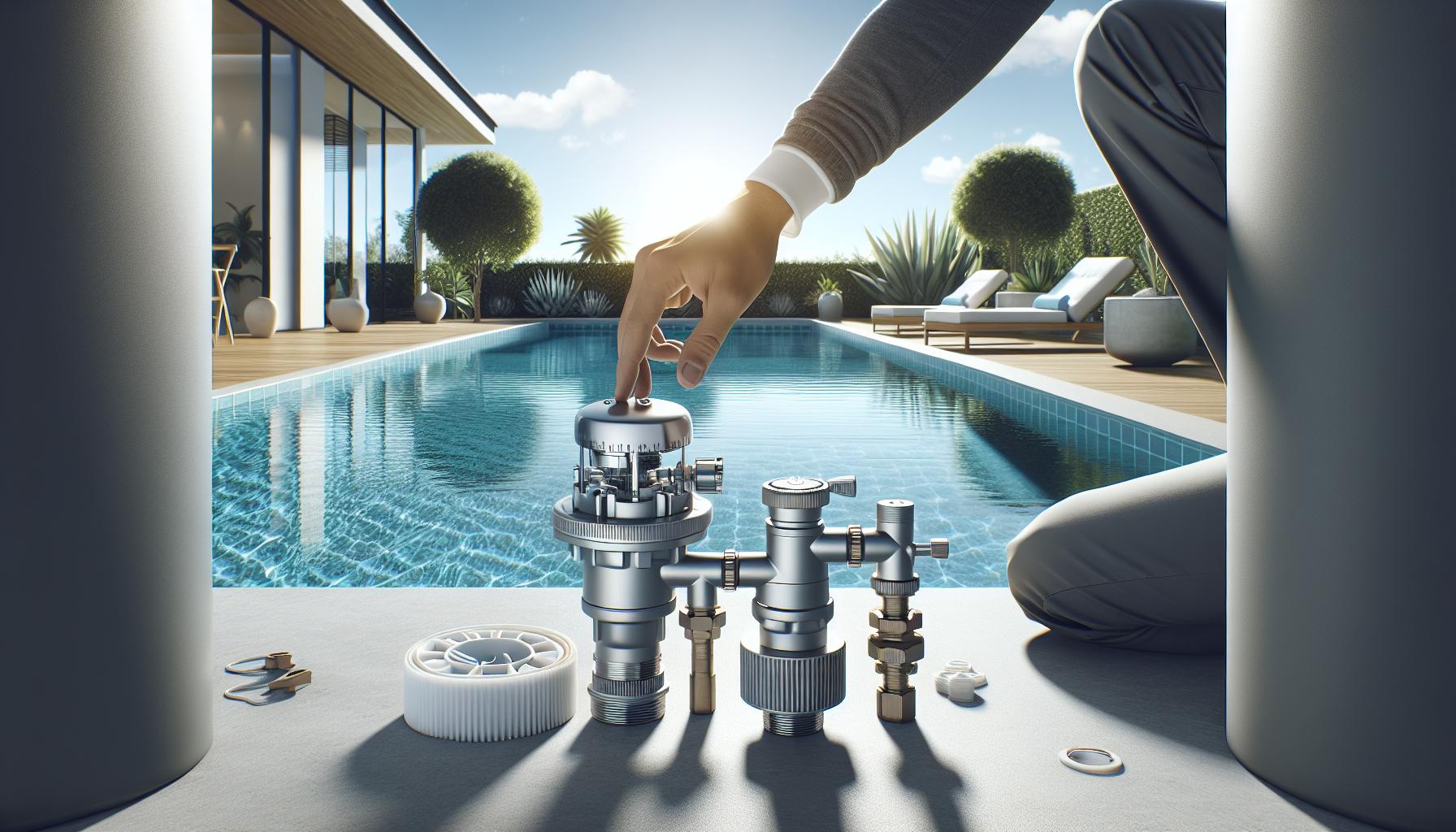
Toilet autofill valves, recognizable from their ubiquitous presence in bathroom fixtures, can be an intriguing solution for maintaining your pool’s water level. These valves operate similarly to the float mechanism in a toilet tank, using a buoyant float attached to a valve that regulates the flow of water. When the pool’s water level drops, the float descends, opening the valve to allow fresh water into the pool until the desired level is reached. This simple yet effective mechanism offers pool owners a convenient way to ensure their pools remain adequately filled without manual intervention.
Utilizing a toilet autofill valve for your pool comes with several advantages. One of the most notable benefits is the ease of maintenance; these valves are designed to resist clogs and buildup, making them suitable for outdoor use where debris can be a concern. Moreover, because they are readily available and usually more affordable than dedicated pool autofill systems, they provide a budget-friendly alternative for pool filling. However, it’s crucial to ensure that the water supply is suitable for pool use and that the valve is correctly calibrated to handle the specific water demands of your pool.
Despite their benefits, there are some potential drawbacks to consider. For instance, toilet autofill valves may not handle high water flow rates as effectively as specialized pool autofill systems, which can lead to water level fluctuations if not matched properly. Additionally, compatibility with existing pool plumbing can pose a challenge, as some configurations might require additional fittings or adjustments to work seamlessly. It’s also wise to regularly check for any signs of wear or malfunction, as failure to address issues early can lead to larger problems down the line.
When contemplating the use of a toilet autofill valve for your pool, it’s essential to weigh these pros and cons carefully, considering factors like the ease of installation and the specific needs of your pool system. By understanding the workings of these valves and implementing proper maintenance practices, you can take proactive steps toward ensuring your pool remains a welcoming and enjoyable space throughout the swimming season.
The Benefits of Using a Toilet Autofill Valve
Using a toilet autofill valve to maintain your pool’s water level can lead to a smoother, more efficient, and cost-effective experience for pool owners. One of the primary advantages is the affordability of these valves compared to traditional pool autofill systems. They are widely available and often less expensive, allowing homeowners to achieve a reliable filling solution without a hefty investment. This makes them particularly appealing for those looking to manage their pool budget wisely while ensuring the water level remains consistent throughout the swimming season.
Another significant benefit is the ease of maintenance that toilet autofill valves offer. Designed to prevent clogs and handle outdoor debris effectively, these valves are less prone to issues that can arise from the accumulation of leaves or dust in the pool area. Regular checks can ensure they stay in optimal condition, enabling you to spend more time enjoying your pool rather than worrying about its upkeep. Moreover, the simplicity of their design means that most homeowners can perform maintenance without needing specialized skills or tools, which empowers them to take control of their pool care.
Operational Efficiency
Toilet autofill valves function seamlessly, automatically adjusting the water flow to keep the pool at the desired level, much like how they work in a toilet tank. This functionality reduces the fluctuations in water level that can occur with manual filling, enhancing overall pool maintenance. A consistent water level is not only important for aesthetics and usability but also helps maintain proper chemical balance, which is crucial for a safe swimming environment. By ensuring that water levels remain steady, these valves can contribute to a healthier pool system with less frequent chemical adjustments.
Implementing a toilet autofill valve does require proper setup and calibration to accommodate the specific demands of your pool. However, once properly installed, they can significantly improve your pool care routine. They offer a practical, user-friendly solution to one of the most common challenges pool owners face-maintaining an adequate water level without constant manual oversight. By embracing this technology, pool owners can confidently enjoy their pools with the added peace of mind that comes from an efficiently managed water system.
Potential Drawbacks of Toilet Autofill Valves
While the allure of toilet autofill valves for pool systems is understandable, there are potential drawbacks that pool owners should consider before making the switch. One significant concern is related to durability. Although toilet autofill valves are designed for the steady operation required in bathrooms, the harsher outdoor environment presents unique challenges. Exposure to fluctuating temperatures, UV rays, and chemicals in pool water can lead to premature wear and tear. Regular maintenance checks are essential; inspecting for wear can prevent unexpected failures when you need reliable water levels the most.
Moreover, there can be compatibility issues when using a toilet autofill valve in a pool setting. These valves may not be designed to handle larger volumes of water typical of a pool compared to standard toilet applications. If improperly sized, the valve might struggle to maintain the water level efficiently, resulting in either overfilling or inconsistent water levels. Pool owners should ensure they select a model that is explicitly recommended for pool use, as this can greatly enhance performance and longevity.
Another consideration is potential noise. Toilet valves, when operating, can generate sounds that may be more noticeable in a quiet outdoor setting. Manufacturers have developed models with noise dampening features, but it remains a valid concern for those looking to maintain a peaceful pool environment. Evaluating the noise factor during the selection process can save future headaches.
Finally, the installation process can also pose challenges. While many homeowners feel comfortable handling basic pool maintenance, installing a toilet autofill valve requires specific plumbing skills, especially in ensuring proper connections and adjustments for optimal flow rates. If complications arise, it may necessitate professional assistance, thus impacting the overall cost-effectiveness of the switch from traditional autofill systems.
By weighing these considerations against the benefits, pool owners can make a more informed decision on whether a toilet autofill valve is the right solution for their needs.
Key Differences Between Autofill Valves and Pool Fills
Opting for a toilet autofill valve in your pool might seem like a practical choice, but understanding the distinctions between this type of system and traditional pool autofill valves is crucial. Both serve the same fundamental purpose-maintaining water levels-but their applications, designs, and functionalities differ significantly. Most notably, pool autofill systems are tailored to handle the specific demands and volumes associated with swimming pools, whereas toilet autofill valves are engineered for the comparatively modest requirements of a toilet tank.
One of the key differences lies in construction and flow capacity. Pool autofill valves are built to accommodate the larger volume of water that pools require, ensuring that they can refill quickly and efficiently, especially following heavy usage or evaporation. In contrast, toilet autofill valves are designed for smaller, slower flows typical in bathrooms. When a toilet autofill valve is used in a pool, it may underperform, leading to inadequate refill rates-potentially leaving your pool water low for extended periods. This aspect is particularly critical during peak swimming season when evaporation rates can spike due to increased heat.
Compatibility and Durability
When it comes to compatibility, standard pool autofill valves are designed to withstand outdoor environments, including exposure to chemicals, UV rays, and varying temperatures. Toilet autofill valves, however, are not built with these harsh outdoor conditions in mind, risking premature failure. Choosing a valve specifically designed for pool systems not only enhances longevity but also optimizes performance by ensuring the valve can handle fluctuations in demand and environment. If you’re considering a transition to a toilet autofill valve, be sure to assess its resilience against pool water properties and installation environment.
Ultimately, while both systems fulfill the need for consistent water levels, pool autofill valves offer a tailored solution that prioritizes reliability and efficiency specific to swimming pools. Understanding these differences ensures that you make a well-informed decision that supports long-term enjoyment and maintenance of your pool.
Installation Guide for Toilet Autofill Valves
Installing a toilet autofill valve for your pool can be a tempting solution for maintaining water levels, especially if you’re looking for a DIY approach. However, it is essential to proceed carefully to ensure effectiveness and safety. Before starting the installation, gather the necessary tools, including a wrench, Teflon tape, a hose that can withstand outdoor conditions, and the toilet autofill valve itself.
Begin by selecting a suitable location near your pool where the valve will be installed. Typically, this should be in a shaded area to protect it from direct sunlight, which can degrade components over time. Next, you’ll need to cut a piece of PVC pipe leading from the water source to the pool – this is where your valve will be connected. Ensure that the pipe diameter matches the inlet of your toilet autofill valve to avoid flow issues. Use Teflon tape on the threads to prevent leaks during installation.
Once the pipe is prepared, install the toilet autofill valve according to the manufacturer’s instructions. Secure it tightly but not excessively to avoid damage. After installation, connect a hose from the valve to the pool’s edge, ensuring it is submerged to prevent air from entering the system. As a final step, test the setup by running water and observing whether the valve engages and the water level stabilizes.
Throughout the installation process, pay attention to local regulations regarding water usage and ensure that the system is set up to prevent backflow, which can contaminate the pool. Regular inspections of the valve should be conducted to ensure it operates correctly, as maintaining this appliance is crucial for reliable pool management. Should you notice any issues, immediate troubleshooting can save time and prevent water waste. By following these steps, you can effectively install a toilet autofill valve that supports your pool’s water level management, although it’s important to be mindful of its limitations compared to traditional pool autofill systems.
Compatibility Factors for Pool Types
Using a toilet autofill valve for your pool can be a practical solution for maintaining water levels, but the compatibility of the valve with different pool types plays a crucial role in its effectiveness and overall performance. Different pool designs, sizes, and materials can significantly influence whether a toilet autofill valve will work efficiently. Understanding these factors can not only help you make an informed decision but can also minimize potential issues down the line.
When considering compatibility, it’s essential to evaluate the pool’s size and water features. For smaller pools or those with limited surface areas, a toilet autofill valve can be sufficient, as the water loss due to evaporation or splash-out is manageable. However, larger pools may require more robust autofill systems designed to handle higher water demands consistently. Additionally, pools equipped with features like waterfalls or fountains may need specialized valves capable of accommodating the increased flow requirements.
Another vital aspect is the pool’s material. Concrete, fiberglass, and vinyl pools may react differently to added water sources, especially if the water quality and treatment methods differ from standard pool water. If you plan to use a toilet autofill valve in a vinyl-lined pool, ensure that the valve does not introduce contaminants that could damage the liner over time. Furthermore, consider the plumbing configuration; the existing water supply and drainage systems must accommodate the plumbing alterations necessary for the autofill installation.
Practical Considerations
Before installation, assess the following compatibility factors:
- Size of the Pool: Ensure the valve can handle the pool’s volume.
- Water Features: Determine if additional flow is needed for fountains or waterfalls.
- Materials Used: Check if the valve is compatible with the pool’s liner and structure.
- Existing Plumbing: Ensure the valve connects smoothly with existing water sources without leaks.
By properly assessing these compatibility factors, pool owners can gain confidence in their choice to implement a toilet autofill valve, ensuring optimal performance while enjoying the benefits of reduced maintenance and consistent water levels.
Maintenance Tips for Autofill Valve Longevity
Maintaining a toilet autofill valve in your pool ensures uninterrupted operation and extends the lifespan of the system. Regular upkeep can help avoid costly repairs and water loss due to malfunctioning components. Here are some essential maintenance tips that every pool owner should follow to keep their autofill valve in peak condition.
Start by routinely checking the valve for any signs of leaks or damage. A simple visual inspection can reveal issues that may escalate if ignored. Look for water pooling around the valve or the connection points. If you notice any leaks, tightening the fittings might be all it takes to resolve the issue. However, if the leaks persist, replacing faulty parts-a common practice in valve maintenance-will prevent water waste and further complications.
Cleaning is crucial. Sediment and debris can accumulate in and around the autofill valve, causing blockages that interfere with its operation. To clean the valve, turn off the water supply and disassemble the valve as per the manufacturer’s instructions. Rinse the components in clean water to remove any buildup, paying particular attention to the float and the seat. After cleaning, reassemble and turn the water supply back on to ensure the valve operates smoothly.
Another important aspect of care is monitoring the water quality of your pool. High levels of chemicals or contaminants can wear down rubber seals and other materials in the autofill valve. Regularly test and balance your pool water, particularly pH and chlorine levels, to enhance the longevity of your plumbing components.
Lastly, schedule periodic checks-ideally at the start and end of the swimming season-so you can catch any issues before they become major problems. In these reviews, inspect the valve’s float mechanism for proper movement and functionality. A well-maintained toilet autofill valve will not only maintain the correct water level but also add to the overall efficiency of your pool system. Embrace these simple yet effective maintenance practices to ensure that your pool’s autofill system operates at its best all season long.
Troubleshooting Common Autofill Valve Issues
When it comes to managing a swimming pool’s water level, a malfunctioning autofill valve can be a source of frustration. Fortunately, many common issues with toilet autofill valves can be diagnosed and resolved with a few straightforward steps. Whether it’s not filling the pool adequately or running continuously, understanding the problem is the first step towards finding a solution.
Start by examining the float mechanism. If the float is stuck or not moving freely, it can prevent the valve from sealing properly. To address this, disconnect the water supply and check the float for any obstructions or debris. Gently move the float up and down to ensure it’s not caught on any parts of the valve. If the float is damaged, you may need to replace it to restore functionality.
Another frequent issue is the valve leaking, which can lead to water wastage and increased bills. Check the connections around the valve for signs of leaks. If water is pooling around the valve, it’s time to tighten the fittings. In cases where tightening doesn’t resolve the issue, inspect the washer or O-ring inside the valve; replacing these parts can often fix persistent leaks. Make sure to use parts compatible with your specific autofill model.
It’s also essential to consider water quality, as it can significantly affect the valve’s performance. High levels of chemicals, like chlorine, can deteriorate rubber components within the valve. Regularly test your pool water and maintain proper chemical balance to extend the life of your autofill system. As part of a maintenance routine, clean the valve periodically by disassembling it and rinsing out any sediment or buildup. This process not only improves functionality but also helps prevent blockages that can disrupt water flow.
Lastly, be vigilant about the valve’s operational behavior. If it fills the pool too often or not at all, it might be time to recalibrate the adjustment screw if your model has one. Refer to the manufacturer’s instructions for guidance on this adjustment. By being proactive with these troubleshooting steps, you can ensure your toilet autofill valve operates efficiently, providing seamless water management for your pool.
Cost Analysis: Toilet Autofill vs. Traditional Pool Fill
Understanding the financial implications is key when considering a toilet autofill valve versus traditional pool fill systems. While both systems aim to maintain the pool’s water level, their initial costs and long-term expenses can vary significantly, impacting your final decision. Toilet autofill valves are generally more budget-friendly upfront; they can be sourced at affordable prices and typically require less installation work compared to more complex traditional autofill systems. Their compatibility with existing plumbing may also lower installation costs, making them appealing for pool owners looking to save.
However, it’s essential to consider the long-term operational costs associated with both systems. Traditional pool filling methods may incur higher water bills if they rely on manual filling, especially in areas with high water rates. On the other hand, toilet autofill systems may lead to less wastage if installed correctly, but they can also become problematic if they malfunction, leading to continuous water flow and increased costs over time. Here’s a breakdown of what to consider:
Cost Breakdown
| Cost Factor | Toilet Autofill Valve | Traditional Pool Fill |
|---|---|---|
| Initial Purchase Cost | Low | Moderate to High |
| Installation Cost | Lower (simpler installation) | Higher (more complex setup) |
| Long-Term Maintenance | Variable (depends on usage and maintenance) | Generally low if well-installed |
| Water Use Costs | Potentially lower (less waste) | Higher (manual fills can lead to wastage) |
Making the right choice is about balancing your initial investment with potential long-term cost savings. If you are proactive about maintenance and monitoring, a toilet autofill valve can provide efficient water management with manageable costs. In contrast, for those seeking a more set-and-forget solution, traditional pool fills may be more suitable despite the higher initial setup costs. By weighing these factors carefully, you can ensure that your pool’s autofill system fits both your budget and your maintenance lifestyle effectively.
Comparing Different Autofill Valve Brands
When exploring the various options for autofill valves suitable for pools, it’s essential to consider the key brands in the market and how they stack up against each other. Different brands offer unique features, price points, and reliability, which can significantly impact the decision-making process for pool owners. Understanding these distinctions can lead to a more informed choice tailored to specific needs.
One of the most recognized brands in the industry is Pentair. Their autofill valves, such as the model T40F, employ a design similar to common toilet flush systems. These brass valves are known for their durability and effective float mechanisms, making them a reliable choice for maintaining consistent water levels. Users often cite their ease of installation and maintenance as significant advantages.
Another prominent brand is Hayward, which offers a variety of autofill solutions specifically engineered for swimming pools. Hayward’s valves are designed with advanced float systems that enhance responsiveness to water level changes while minimizing potential overflow. Many pool owners appreciate the versatility of Hayward products, which can be adapted for various pool configurations.
Fluidmaster is also a brand worth mentioning, especially for those on a budget. Their autofill valves are frequently used as cost-effective alternatives in smaller pools or residential setups. While they may lack some of the advanced features found in premium models, their straightforward design allows for easy replacements and repairs, which can be particularly beneficial for pool owners who prefer a DIY approach.
When selecting an autofill valve, it’s crucial to consider factors such as:
- Durability: Look for materials that withstand outdoor conditions.
- Compatibility: Ensure the valve fits well with your existing plumbing and pool system.
- Cost: Weighing both the initial price and long-term maintenance costs is essential.
- Customer Reviews: Insight from other pool owners can provide real-world perspectives on performance and reliability.
In summary, while evaluating different autofill valve brands, consider how their unique offerings align with your pool’s requirements and your maintenance preferences. The right choice can streamline your pool management, reduce hassle, and ultimately enhance your swimming experience.
User Experiences: Success Stories and Challenges
User experiences with toilet autofill valves in pools reveal a mix of success stories and challenges. Many pool owners appreciate the simplicity and cost-effectiveness of using toilet autofill valves for maintaining water levels. For example, a homeowner installing a Fluidmaster valve reported significant savings compared to traditional pool autofill options. The easy installation and compatibility with existing plumbing systems allowed them to set up the system quickly, ensuring their pool remained filled without constant manual checks.
However, it’s crucial to recognize potential pitfalls. Some users have encountered issues with water flow and float mechanisms. An individual using a Korky valve in their pool described how the float became stuck, leading to overflows. This situation emphasizes the importance of regular maintenance checks to ensure the valve operates effectively. Ensuring the valve is adequately adjusted and free from debris can prevent common problems.
Tips for Optimizing Your Valve Experience
To enhance the functionality of toilet autofill valves in pools, consider these practical steps:
- Regular Inspection: Check the valve periodically for any obstacles or debris that could impede operation.
- Adjust Float Levels: Ensure the float is adjusted to the right height to prevent overfilling.
- Choose Quality Brands: Brands like Pentair and Hayward have proven track records in the autofill market, which may offer better reliability.
By proactively addressing common issues and optimizing installations, homeowners can enjoy the benefits of using toilet autofill valves in pools while minimizing challenges. It’s all about finding that balance between cost-effectiveness and reliability for a hassle-free swimming experience.
Safety Considerations for Pool Water Automation
Automating pool water levels can significantly reduce maintenance and ensure consistent water quality, but it also introduces certain safety considerations that pool owners should keep in mind. One of the primary risks associated with using toilet autofill valves in pool systems is the potential for overfilling. If the float mechanism becomes jammed or fails to adjust properly, water levels can rise beyond the intended mark, leading to spills and possible environmental damage. To mitigate this risk, regular inspections of the valve system are essential. Ensure that the float operates freely, and keep the area around the valve clean and unobstructed.
Another crucial factor is the pressurization and backflow of water. Many toilet autofill valves are not designed for the flow rates typical in pool applications. Consequently, if not installed properly, there is a risk of water backing up into the domestic supply or contaminating the pool. To prevent backflow, installing a proper backflow prevention device is wise. This not only protects your pool water from potential contamination but also adheres to local plumbing regulations.
Additionally, consider the water source connected to the valve. The quality of water entering your pool is vital for maintaining its overall health, especially if you are in an area that may be prone to contaminants. Regular water testing and treatment can help prevent algae growth and other issues related to poor water quality. Implementing a routine cleaning schedule for the valve and surrounding plumbing will go a long way in ensuring long-term safety and functionality.
Lastly, consult with a professional during installation. A properly installed autofill valve system can prevent a range of challenges down the road, from mechanical failures to compliance issues. By approaching the automation of pool water levels with care and vigilance, you can enjoy the benefits while minimizing risks, creating a safe and enjoyable swimming environment for all.
Faq
Q: Can a toilet autofill valve damage my pool?
A: A toilet autofill valve is designed for water supply, but improper installation or maintenance can lead to leaks, which might damage pool equipment or surfaces. It’s essential to ensure the valve is correctly set up and regularly checked for any issues to prevent potential damage.
Q: How does a toilet autofill valve compare to traditional pool autofill systems?
A: While both systems use float mechanisms to maintain water levels, traditional pool autofills are specifically designed for pools, often with better flow control and specific features for pool environments. Toilet autofill valves can work, but they may require adjustments for optimal performance [2].
Q: What should I consider before using a toilet autofill valve for my pool?
A: Consider water quality, compatibility with your pool’s plumbing system, and the potential need for modification of the valve. Additionally, ensure that the valve is appropriately adjusted to prevent overfilling or leaks [1].
Q: How can I ensure my toilet autofill valve works efficiently?
A: Regular maintenance is key. Inspect the valve for blockages, ensure the float mechanism moves freely, and check for leaks. Adjusting the valve for appropriate water levels will also enhance efficiency [3].
Q: What are the potential costs of installing a toilet autofill valve versus a standard pool autofill?
A: The installation of a toilet autofill valve is generally lower than a specialized pool autofill system. However, consider long-term efficiency and potential repair costs before making a decision, as specialized systems may save on maintenance [3].
Q: Are there any safety concerns with using a toilet autofill valve for pool water?
A: Yes, ensure that the water feeding the autofill is treated properly to avoid contamination. Additionally, check for backflow prevention to maintain pool water quality and safety [1].
Q: Can I modify a toilet autofill valve to better suit my pool’s needs?
A: Yes, modifications can be made, such as adjusting the float height or changing the water supply connection. However, it’s crucial to ensure these changes won’t affect functionality or lead to leaks [2].
Q: Where can I find replacement parts for a toilet autofill valve used in my pool?
A: Home improvement stores and online retailers often carry compatible replacement parts. Always refer to the valve’s manufacturer for specific parts to ensure a proper fit and functionality [3].
Closing Remarks
Transforming your pool maintenance can be a game-changer, especially when considering whether to use a toilet autofill valve. Remember, while these valves offer convenience, they also come with specific pros and cons. If you’re still unsure, take a moment to explore our detailed comparison of alternatives to enhance your pool’s efficiency-check out our article on “Best Autofill Solutions for Swimming Pools.”
Ready to dive deeper? Explore our other resources for practical tips on maintaining pool water balance and maximizing equipment lifespan. Don’t miss the chance to subscribe to our newsletter for expert insights and exclusive offers that keep your pool in perfect shape year-round.
We’d love to hear your thoughts! Share your experiences or questions in the comments below and connect with our community of pool enthusiasts. Your next relaxing swim could be just a maintenance decision away.


