
The allure of a refreshing pool can turn any sunny day into a moment of romance, but is it really safe or sensible to take intimacy to the water? Many people are drawn to the idea of having sex in a pool, often fueled by myths and misconceptions. Understanding the realities, safety concerns, and potential risks can help you navigate this topic with confidence and insight.
As you consider whether to indulge in such an experience, it’s essential to address not only the practical aspects of safety and hygiene but also the emotional implications involved. This exploration will shed light on common misconceptions and equip you with the knowledge to make informed decisions. Dive into the myths, safety precautions, and genuine experiences surrounding this topic to discover what really goes on beneath the surface.
Can Swimming Pools Actually Be Safe for Intimacy?
Engaging in intimate moments in a swimming pool can evoke fantasies of romance and adventure, but this setting poses unique challenges that merit consideration. To make pool intimacy a positive experience, it is crucial to evaluate factors such as safety, hygiene, and mutual consent. Understanding these elements can help couples to cultivate a pleasurable and respectful environment while minimizing risks associated with such encounters.
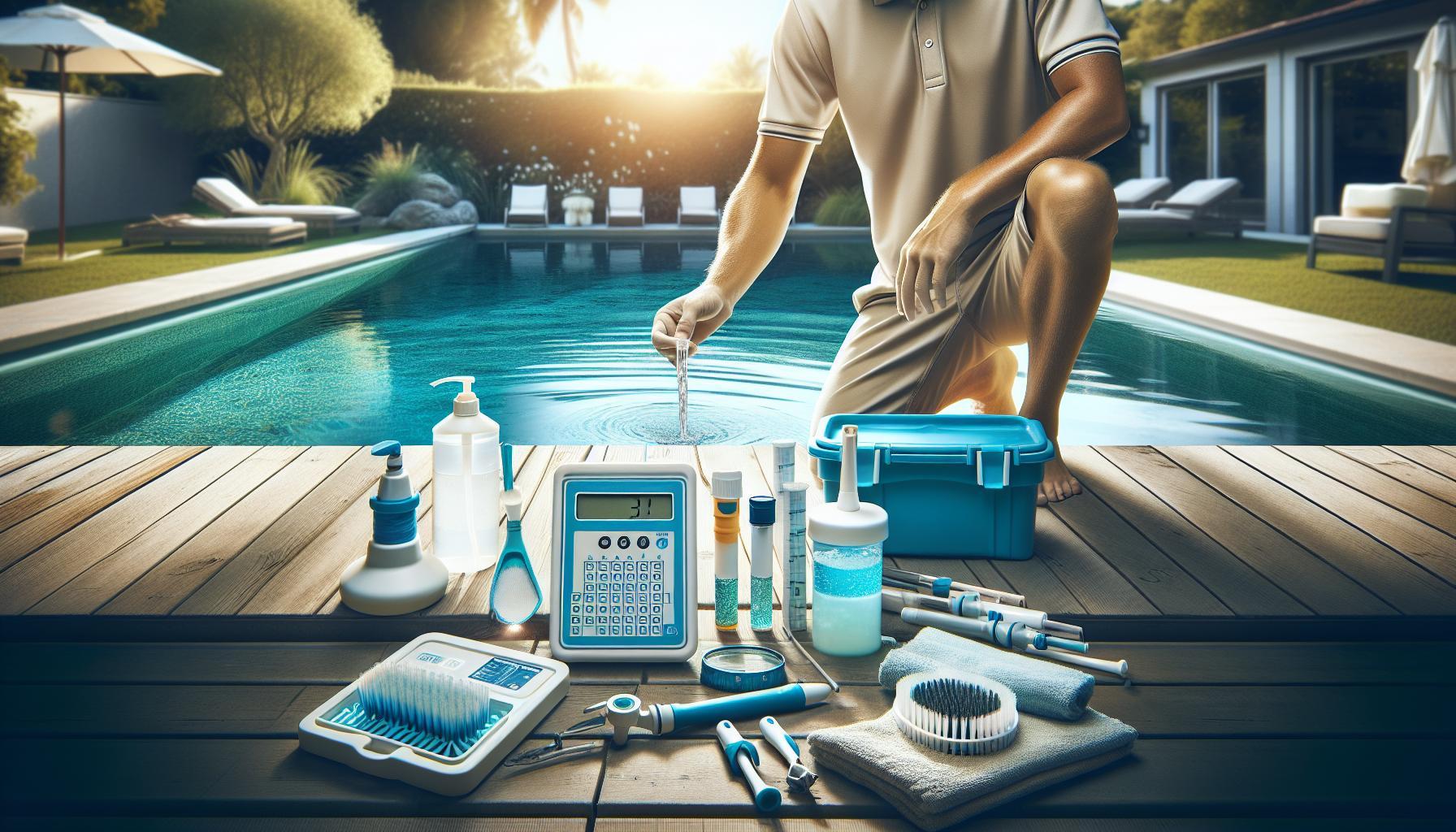
Ensuring that the pool environment is clean and well-maintained is one of the most significant aspects of safety. The presence of bacteria, algae, or chemical imbalances in the water can not only affect comfort but also pose health risks. Proper water chemistry is essential; pools should be regularly tested for pH levels and sanitizer effectiveness. Couples should familiarize themselves with safe practices, such as showering before entering the pool and limiting the use of chemical-laden products on the skin, which can react unpredictably with pool water.
Additionally, being mindful of the space around the pool is essential. Choosing a private setting can enhance comfort and intimacy while reducing the risk of unwanted interruptions or eyes. If access to a private pool isn’t feasible, setting clear boundaries and seeking times when the pool is less crowded can also help. Couples should prioritize communication, ensuring that both partners feel secure and enthusiastically consenting to the experience, laying the groundwork for a respectful and enjoyable encounter.
The Myths Surrounding Sex in Pools
Engaging in intimate activities within the soothing embrace of a swimming pool has often been romanticized in popular culture, leading to a host of myths that may cloud the reality of such encounters. One prevalent myth is that chlorine in pool water makes it safe to have sex because it kills bacteria. While chlorine is effective at managing pathogens, it doesn’t eliminate all health risks associated with intimate activities. For instance, the combination of water pressure and movements can create an opportunity for infections, both for the individuals involved and possibly for others who share the pool afterward.
Another misconception is that water acts as a natural lubricant, making sex in a pool more comfortable and enjoyable. However, water can wash away natural lubrication, leading to friction and discomfort, which might discourage a pleasurable experience. Instead, for those looking to enhance comfort, using a water-safe lubricant can be a practical solution, ensuring that both partners can enjoy the moment without unnecessary discomfort.
The idea that public pools are just as safe for intimacy as private pools is also misleading. Public settings often come with the risk of interruptions and potential legal repercussions. Depending on local laws and regulations, engaging in sexual activity in a public pool may be deemed indecent exposure or public lewdness, leading to unwanted attention from authorities. Couples seeking intimacy in a pool should prioritize finding a discreet, private setting where they can fully explore their connection without the concerns of onlookers.
Finally, many believe that having sex in the water is an entirely different experience than on land, often assuming buoyancy enhances intimacy. In reality, the restrictions of water can limit movement and make certain positions challenging. To make the experience more enjoyable, couples may want to experiment with different positions that align better with the water’s resistance, recognizing that comfort and ease of movement are key components of intimacy.
By addressing these myths, couples can enter their intimate moments in pools with realistic expectations and informed choices, ultimately enhancing their experience while prioritizing safety and comfort.
Understanding Risks: Health and Hygiene Concerns
Engaging in intimate activities in a pool can spark both curiosity and caution, primarily due to the underlying health and hygiene concerns. It’s essential to recognize that while water may feel like a sanitized environment, it can still harbor various bacteria and pathogens. The reality is that the risk of infection increases due to factors like water temperature, pool cleanliness, and exposure to pathogens often associated with human bodily fluids. Therefore, understanding these health implications is crucial for anyone considering intimacy in a swimming pool.
One significant risk involves the potential transmission of sexually transmitted infections (STIs). Although chlorine does help reduce some pathogens, it does not completely eliminate the risk of STIs or other infections such as urinary tract infections (UTIs). Water conditions, particularly in public pools where the balance of chemicals is harder to maintain, can exacerbate this risk. Moreover, intimate activities in the water might increase friction, leading to microtears in sensitive areas, further heightening the likelihood of infection. Therefore, regular maintenance of pool water quality and an awareness of personal health practices are imperative.
To mitigate risks, adhering to personal hygiene before engaging in intimate moments is key. Both partners should shower and clean themselves thoroughly, reducing the introduction of bacteria into the pool. Additionally, using barrier methods such as condoms can offer protection against STIs and reduce the risk of bacterial exchange, helping to ensure a safer experience. Furthermore, consider the use of water-safe lubricants to offset any discomfort caused by water washing away natural lubrication, promoting a more enjoyable encounter while lowering the risk of friction-related injuries.
Ultimately, being proactive about health and hygiene not only enhances the intimacy experience but also ensures that it occurs in a safer environment for both parties involved. By taking these precautions seriously, couples can navigate the complexities of pool intimacy with confidence, maintaining both their enjoyment and well-being.
The Impact of Water Chemistry on Intimacy

The water chemistry in a swimming pool plays a crucial role in both health and enjoyment, impacting not only the overall cleanliness and safety of the swimming environment but also the intimate experiences that might occur within it. Disruptions in water chemistry can lead to the prevalence of harmful bacteria, affecting comfort and increasing the risk of infections during intimate activities. Chlorine levels, pH balance, and alkalinity are essential components to monitor closely for a safe experience.
Maintaining the right chlorine level is vital. Below 1 ppm (parts per million) can result in insufficient sanitation, allowing bacteria and pathogens to thrive. Ideally, the free chlorine level should range between 2-4 ppm for optimal disinfection. Regular testing with pool test kits can ensure you stay on top of these levels. High chlorine levels, however, can also lead to skin irritation, which might detract from enjoyment during intimate moments. A balanced approach must also include pH levels, typically ideal between 7.2 and 7.8-levels outside this range can cause discomfort and infections, as it can alter the skin’s natural barriers.
Another significant factor is total alkalinity, which helps stabilize pH levels. Keeping this measure between 80-120 ppm allows for better control over pH changes, reducing the frequency and intensity of chemical fluctuations that can lead to irritation during intimacy. For best practices, it’s recommended that pool owners conduct water tests twice a week, especially during periods of heavy use. Consistent maintenance not only enhances the swimming experience but also instills a sense of security about health, especially when considering intimate encounters in the water.
To promote comfort further, consider incorporating water deodorants or specific antimicrobial treatments that can also assist in reducing the risk of infections. Such products can help in maintaining a more pleasant experience. Ensuring that water chemistry is optimal will not only enhance the swimming and intimacy experience but also reduce health-related concerns, allowing couples to enjoy their moments with reduced worry.
Is It Legal to Have Sex in a Pool?
Engaging in intimate activities in a pool can spark excitement and fantasy, but the legal implications can vary greatly depending on location. In many places, public decency laws prohibit sexual activity in public water bodies, including community pools, lakes, and beaches. Being caught in the act could result in serious legal ramifications, including charges of indecent exposure or public lewdness. Private property, however, raises a different set of legal questions. If a pool is on private property, the owners generally have the discretion to allow or restrict such activities, provided they are not violating local laws.
It’s essential to consider where you are located. In areas where nudity is common and sexual freedom is celebrated, regulations may be more relaxed. However, in more conservative regions, the repercussions can be severe. For instance, some states in the U.S. explicitly include terms regarding public sexual acts in their indecency statutes, while others may have interpretations of what constitutes public indecency that could encompass various intimate behaviors.
Another consideration is the potential impact on property owners. Should a couple be caught engaging in sexual activities in a rented pool, they risk not only ejection but also legal action from the property owner or community association. Contracts for private pool rentals may have clauses that explicitly forbid such conduct, underscoring the importance of reading terms of any rental agreements carefully.
In conclusion, while the allure of intimacy in a pool can be tempting, assessing the legal landscape where you are is crucial. Always prioritize understanding the laws governing your specific locality to avoid unwanted legal complications. Keeping the environment safe and respectful for all, whether in public or private settings, is not only wise but also fosters a responsible approach to romantic encounters in aquatic spaces.
Choosing the Right Pool: Private vs Public
Opting for a private or public pool can drastically impact the experience of intimacy, but understanding the nuances of each choice is essential. Private pools often provide a more controlled and secluded environment, which can foster a sense of safety and privacy that is ideal for intimate moments. However, they come with their own set of responsibilities, such as ensuring thorough maintenance and adhering to any existing property regulations. If renting a private space, it’s prudent to review the rental agreement carefully to avoid potential legal repercussions if intimacy is disallowed.
On the other hand, public pools can offer a more social atmosphere but present significant challenges regarding privacy and legality. These venues are usually under strict surveillance, meaning that engaging in sexual activity can easily lead to unwanted attention or legal consequences, such as charges for public indecency. It’s also important to remember that hygiene in public pools is more difficult to control, possibly detracting from the experience.
When choosing between private and public pools, consider the following factors:
- Privacy: Assess how important discretion is for you and your partner. Private pools typically provide a more secluded setting.
- Accessibility: Determine how easy it is to access each type of pool. Private pools often require advance planning, whereas public pools may have hours and regulations that dictate when they can be used.
- Legal implications: Familiarize yourself with local laws regarding public decency to make informed decisions, especially in public settings.
- Hygiene: Evaluate your comfort level with the cleanliness of a public pool versus a private one, as this may impact your overall experience.
By weighing these considerations, you can make a well-rounded decision about the best setting for your intimate moments. Ultimately, the right choice will align with your preferences for privacy, comfort, and safety, ensuring that your experience is both enjoyable and responsible.
Safe Practices for Pool Intimacy
Engaging in intimacy within a swimming pool can be an exhilarating experience, but it requires careful consideration and preparation to ensure both safety and enjoyment. One pivotal aspect of centers around communication with your partner. Establishing comfort levels and boundaries beforehand enhances the experience and fosters mutual respect. Open dialogue not only sets expectations but also allows both individuals to voice any concerns regarding privacy, safety, and comfort.
In addition to open communication, selecting the right time and setting plays a key role in creating a conducive atmosphere. Opt for times when the pool is less crowded, which can significantly reduce the likelihood of unexpected interruptions. For those choosing a public pool, late evenings or early mornings may offer quieter, more private experiences. If utilizing a private pool, think about planning the moment for after maintenance clean-up, ensuring the water is fresh and inviting.
It’s crucial to prioritize hygiene and health considerations, particularly when it comes to water quality. Pool intimacy can pose health risks if proper precautions aren’t taken, such as ensuring that both individuals are in good health, free of infections, and not under the influence of substances that could impair judgment. Additionally, consider using barrier methods, which not only enhance protection against infections but also alleviate worries about unintended consequences.
Lastly, always be mindful of the legal landscape surrounding intimate activities in pools. Familiarize yourself with local laws regarding public decency, as engaging in overt sexual activity in public places can lead to legal repercussions. Being aware of these guidelines ensures that both you and your partner can focus on enjoying your time together in the pool without the stress of potential legal implications looming over you.
By embracing these safe practices, you can cultivate an enjoyable and secure experience that nurtures intimacy while respecting privacy, health, and local regulations.
How to Increase Comfort and Safety in Water
Engaging in intimacy within water can often lead to an enchanting experience, but it’s essential to ensure both comfort and safety to enhance enjoyment. The right environment can make all the difference. First and foremost, attentiveness to temperature is crucial. If the water is too cold, it could cause discomfort or distract from the experience, while overly warm water can lead to fatigue. Aim for a comfortable temperature, typically between 78°F to 82°F (25.5°C to 27.7°C), as this range is typically pleasant for the majority of people.
To bolster physical comfort, consider the type of pool surface. Smooth surfaces offer greater ease and excitement but be aware of surroundings to prevent slips or falls. If you’re opting for intimacy in a home pool, setting up comfortable areas with floatation devices can enhance relaxation and stability. Adding soft pool floats or cushions can also provide additional comfort, making it easier to get into a comfortable position without worrying about the hardness of the pool’s floor.
Safety should always be a priority, especially in deeper areas or when water visibility is poor. Here are some practical steps to enhance safety while enjoying intimacy in a pool:
- Assessment of surroundings: Ensure the pool area is free of clutter or objects that can pose a risk of injury.
- Establish signals: Create hand signals or verbal cues to communicate comfort or discomfort, which can be particularly useful if either partner feels uneasy.
- Use of flotation devices: Incorporate resilient flotation devices that can support buoyancy and remove the need for both partners to bear full weight in the water.
- Establish boundaries: Determine areas within the pool that you feel most comfortable exploring, maintaining awareness of both partners’ feelings and comfort levels.
Finally, it’s wise to test the water quality and comfort before beginning. A quick dip without any intimate activities allows both partners to acclimatize while assessing the safety of the area. Set realistic expectations and remain adaptable; if one partner is feeling less comfortable, it might be best to pause or re-evaluate the setting. Such consideration not only creates a more enjoyable experience but fosters mutual respect and understanding in intimate situations.
Alternative Romantic Activities in a Pool Setting
Engaging in romantic activities within a pool setting can offer a refreshing twist to traditional date ideas. The combination of water’s buoyancy and the soothing effects on the body can create an enchanting atmosphere even without the need for intimacy. Think outside the box to enhance your pool time together, ensuring your experience is both memorable and enjoyable.
One fantastic option is to organize a romantic floating picnic. You can gather your favorite snacks, beverages, and a cozy blanket, then set sail on a pool float or inflatable raft. This not only adds a whimsical element but also provides a comfortable space to relax and enjoy each other’s company. To elevate the experience, consider playing soft music or lighting floating candles (safely, of course) to enhance the ambiance as day turns to night.
Crafting a mini spa day within your pool can also be a delightful alternative. Incorporate soothing elements such as essential oils in a diffuser placed safely outside the pool, as well as relaxing music. Guide your partner through a gentle water massage or share the relaxation of a quiet moment together while surrounded by warm water. Adding some water toys or games can stir a sense of playfulness, rekindling youthful joy and laughter that strengthens your bond.
For those looking for something more engaging, why not try some synchronized swimming routines? This can be fun while providing a light workout that brings you closer. You can create simple patterns or movements together, which can lead to laughter and a sense of accomplishment. If you’re up for a bit of friendly competition, dividing into teams for water games, such as pool volleyball or a floating obstacle course, can add an exhilarating twist to your date, keeping spirits high and fun flowing.
No matter the activity, the key to a successful romantic day at the pool is ensuring both partners feel comfortable and enjoy the experience. Discuss preferences openly, keep communication at the forefront, and make adjustments as needed. Enhancing your time in the pool with creative alternatives can add layers of fun, intimacy, and connection without crossing into the realm of intimacy – providing a fulfilling and shared experience that leaves lasting memories.
Real-life Experiences: What Couples Say
While the allure of intimacy in a pool setting can be exciting, many couples share mixed experiences and opinions on the topic. For some, the thrill of being in water can enhance their connection, while for others, it raises concerns about comfort and safety. Many couples find that the buoyancy of water provides a sense of freedom, allowing them to explore intimacy creatively, but they also highlight the importance of choosing the right environment.
One couple noted, “We enjoyed the feeling of weightlessness in the water, but it was distracting at times. It’s important to find a spot where there are no interruptions.” They emphasized ensuring the pool is private and secluded and suggested using floating devices to enhance comfort. Water can often feel slippery and less stable, so finding a suitable position that feels safe and supported is crucial for a pleasant experience.
Moreover, couples have shared how environmental factors can impact their enjoyment. “The temperature of the water made a huge difference,” one couple remarked. “Too cold, and it felt less inviting; too warm, and it was uncomfortable after a while.” Their advice is to be mindful of water temperature and to engage in activities like warm-up stretches together beforehand to get comfortable in the water.
In terms of hygiene and practicality, many couples echo the sentiment that maintaining clean water is essential. “The last thing you want is to worry about unsanitary conditions,” another couple mentioned. They found that discussing pool cleanliness before their rendezvous not only alleviated worries but added an element of trust and transparency to their relationship.
Ultimately, open communication is a common theme among couples who venture into intimacy in a pool setting. They suggest discussing boundaries and preferences beforehand, ensuring that both partners feel at ease. With the right approach, intimacy in a pool can transform into a memorable and exhilarating experience.
How to Respect Others in Shared Spaces
Engaging in intimacy in shared pool spaces requires a thoughtful approach that not only prioritizes personal enjoyment but also respects the comfort and privacy of others. While the thrill of romance is captivating, it’s crucial to consider the implications of your actions in environments that may be accessible to friends, neighbors, or the public.
To maintain a respectful atmosphere, it’s vital to choose the right location. Here are practical tips to ensure you and your partner can enjoy your time together discreetly and considerately:
- Select Private Settings: Whenever possible, opt for private pools rather than public ones. This could be a backyard pool or a rental property that prioritizes seclusion. The more private the setting, the better you can focus on intimacy without the concern of interruptions or unwanted attention.
- Time Your Visits Carefully: If using a public facility, consider visiting during off-peak hours when fewer people are around. Late evenings or early mornings may provide more privacy, allowing couples to explore without disturbing others.
- Keep Noise Levels Down: Being in a pool can amplify sounds, so maintain a low profile to avoid drawing attention to yourselves. Intimate moments can quickly become public spectacles in the right (or wrong) circumstances.
- Set Boundaries with Others: If you’re with friends or family, communicate your desire for privacy in a respectful manner. A simple conversation about needing some alone time can set the expectations without creating tension.
- Be Mindful of Shared Spaces: In public pools, remember that you’re in a communal setting. Avoid excessive displays of affection, which can make others uncomfortable. Instead, focus on subtle gestures that maintain intimacy without disregarding the presence of others.
Respecting the space and experiences of others not only enhances your enjoyment but also contributes to a more comfortable and enjoyable shared environment for everyone. By considering these strategies, couples can foster an atmosphere where romance coexists harmoniously with communal enjoyment, ensuring that intimacy can thrive without negatively impacting others.
Frequently asked questions
Q: Is it safe to have sex in a pool?
A: While having sex in a pool may seem appealing, it can pose safety risks such as slipping and injury. Moreover, the water can dilute the effectiveness of condoms, increasing the risk of sexually transmitted infections (STIs). Always consider safety precautions before engaging in intimacy in water.
Q: What are the health risks associated with pool intimacy?
A: Health risks of having sex in a pool include potential exposure to bacteria and infections, particularly in public pools. The presence of chlorine does not eliminate all health risks. Engaging in intimacy without proper hygiene can lead to urinary tract infections and other health issues.
Q: How does water temperature affect intimacy in a pool?
A: Water temperature can greatly influence intimacy. Warm water may enhance relaxation, making it enjoyable, while cold water can lead to discomfort and reduced sensitivity. Choose a comfortable temperature to enhance your experience and ensure safety while in the water.
Q: What precautions can be taken to ensure safety while having sex in a pool?
A: To ensure safety, choose a private pool, maintain good water hygiene, and avoid using slippery surfaces. Use waterproof lubrication to counteract water’s dilution effects on condoms, and be mindful of your surroundings to avoid accidents.
Q: Are there legal implications of having sex in a public pool?
A: Yes, having sex in a public pool can lead to legal issues, including charges of indecent exposure or trespassing. Always check local laws and regulations to avoid potential legal consequences and respect the privacy of others.
Q: Can intimacy in a pool lead to relationship problems?
A: Intimacy in a pool can lead to misunderstandings or jealousy, especially in shared spaces. Open communication about expectations and boundaries is essential to prevent potential conflicts and ensure a positive experience.
Q: How does alcohol consumption affect intimacy in a pool?
A: Alcohol can impair judgment and physical coordination, increasing the risk of accidents during pool intimacy. It can also affect one’s ability to make safe choices regarding consent and protection, so moderation is key.
Q: What romantic alternatives are there to sex in a pool?
A: Consider alternatives like sharing a warm bubble bath, cuddling in a hot tub, or enjoying a swim together while focusing on emotional intimacy. These options can enhance connection without the risks involved in sexual activity in a pool setting.
In Summary
As you explore the possibilities surrounding intimacy in a pool setting, remember that understanding the myths, safety measures, and realities we’ve discussed is key to enhancing your experience while prioritizing safety. If you’re looking for more insights on creating the perfect romantic environment, check out our articles on “Creating the Ideal Backyard Escape” and “Pool Safety Essentials for Couples.”
Don’t let hesitation hold you back-dive into your next adventure with confidence! Have questions or experiences to share? Join the conversation in the comments below or subscribe to our newsletter for expert tips and exclusive content. Your feedback helps us create valuable resources tailored just for you.
Stay safe, have fun, and make every splash a memorable one!