
A sparkling, clean pool floor is not just a visual delight; it’s essential for a safe swimming environment. Poor visibility due to debris and algae growth can turn enjoyable swims into a hazardous experience, making proper maintenance critical. This guide to effortless methods for cleaning the bottom of your pool will equip you with practical techniques and tips, ensuring your oasis remains inviting all season long.
Whether you’re battling pesky leaves, stubborn dirt, or unwanted algae, knowing how to effectively tackle these challenges empowers you to maintain the beauty of your pool with confidence. Dive into the actionable steps outlined in this article to transform your pool floor from a dingy space into a gleaming retreat. Let’s get started on making your pool the envy of the neighborhood!
Choosing the Right Tools for Pool Cleaning Success
Choosing the right tools for pool cleaning is essential for maintaining a sparkling floor and ensuring the overall health of your swimming pool. Whether you’re a new pool owner or looking to upgrade your cleaning arsenal, understanding the necessary equipment can make a significant difference in the ease and effectiveness of your cleaning routine. With the right tools, you’ll find that keeping your pool clean becomes a more manageable task.
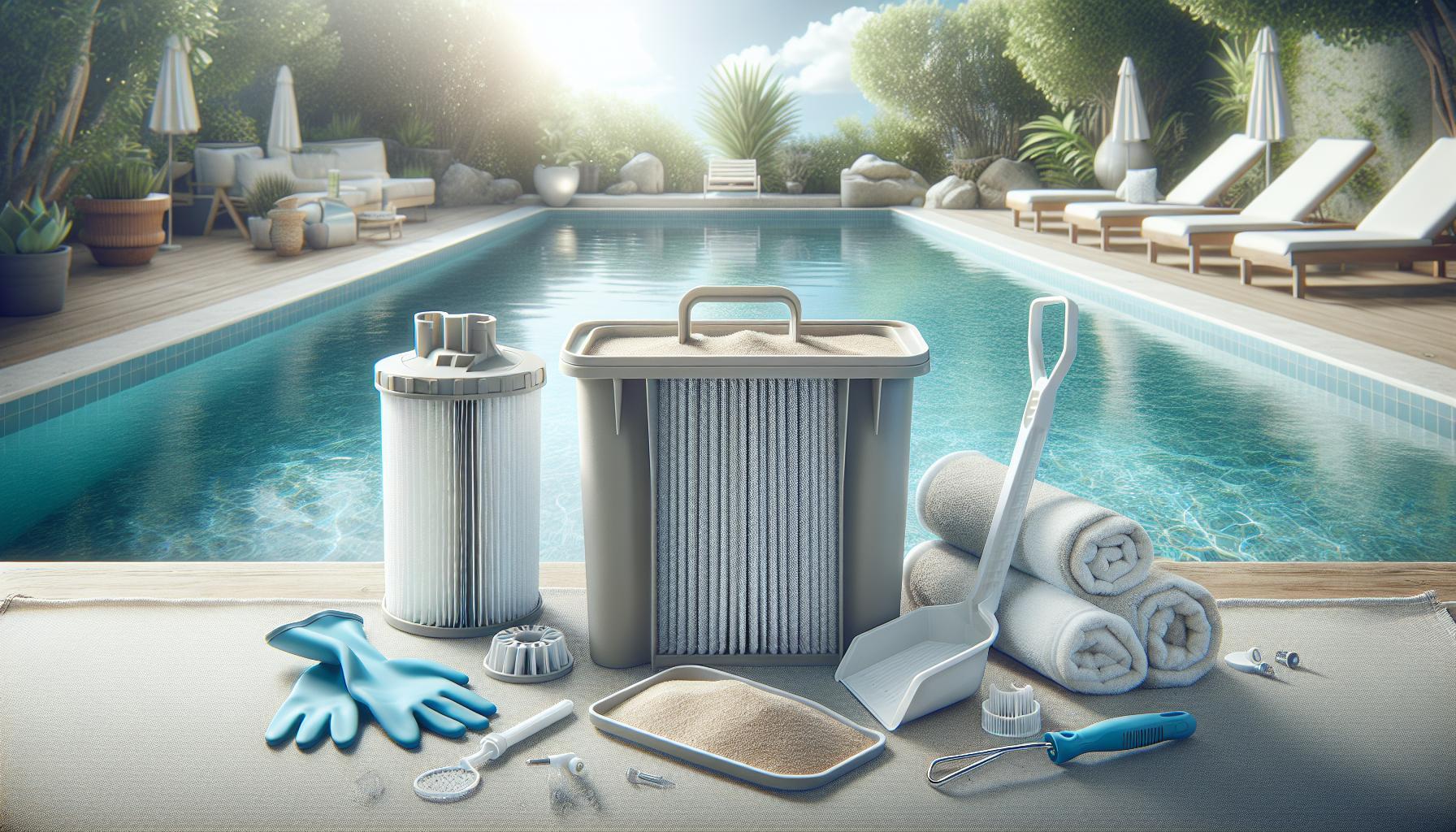
To start, a telescopic pole is invaluable, as it allows you to reach every corner of your pool. Pair this with a skimmer net to remove leaves and debris from the surface before they sink and settle on the pool floor. A good-quality pool brush is crucial for scrubbing the walls and floor, helping to prevent algae buildup and staining. Additionally, consider investing in a pool vacuum-either manual or automatic-to efficiently clean debris that settles on the bottom. A chemical testing kit will be very useful for monitoring water balance, ensuring that your pool is not only clean but also safe for swimming.
When assembling your cleaning toolkit, consider also adding chemical dispensers for ease of maintaining proper chemical levels in your pool. Each tool serves a specific purpose and, combined, they create a comprehensive cleaning strategy. Regular use of these essential tools will enhance your pool cleaning efforts, making the process easier and more effective for years to come. By gearing up with the right tools, you’ll be on your way to enjoying a clean, inviting pool that beckons you to take a dip any time the weather permits.
Essential Steps for Preparing Your Pool
Preparing your pool for cleaning is a crucial step that sets the tone for an effective maintenance routine. A well-prepared pool not only enhances the cleaning process but also ensures that the water remains crystal clear and chemical levels are balanced. Before diving into the deep end, take a few moments to follow these essential steps that will streamline your cleaning efforts.
Begin by removing any large debris from the pool’s surface. Use a skimmer net attached to a telescopic pole to catch leaves, insects, and other floating particles. This preliminary step prevents debris from sinking to the bottom, where it can accumulate and complicate the cleaning process. After skimming, take a moment to check the water level. Ideally, the water should be at the mid-point of your skimmer. If the level is too low, add water using a hose; if it’s too high, you may need to drain some out to prevent overflowing during the cleaning.
Next, test the water chemistry to ensure it is balanced before starting your cleaning. A chemical testing kit can help you gauge the pH, alkalinity, and chlorine levels in your pool. Ideally, pH should be between 7.2 and 7.8, while chlorine levels are best maintained around 1 to 3 parts per million (ppm). Maintaining balanced water chemistry helps protect your pool surfaces from staining and keeps the water safe for swimmers.
Once you’ve completed these initial preparations, it’s time to equip yourself with the right tools. Gather your pool brush, vacuum (manual or automatic), and any additional cleaning chemicals you might need. With all essentials at hand, you’ll be ready to tackle those stubborn residues lurking at the bottom of your pool, making the entire cleaning process more effective and less time-consuming. By starting with these essential steps, you create a proactive approach to pool maintenance that keeps your swimming environment in prime condition.
Effortless Techniques for Cleaning Pool Floors
Cleaning the bottom of your pool doesn’t need to be a daunting task; with the right techniques, you can achieve a sparkling floor with minimal effort. Regular maintenance is key. By integrating a few effortless methods into your routine, you ensure that debris and algae don’t accumulate, allowing you to enjoy clear and inviting water.
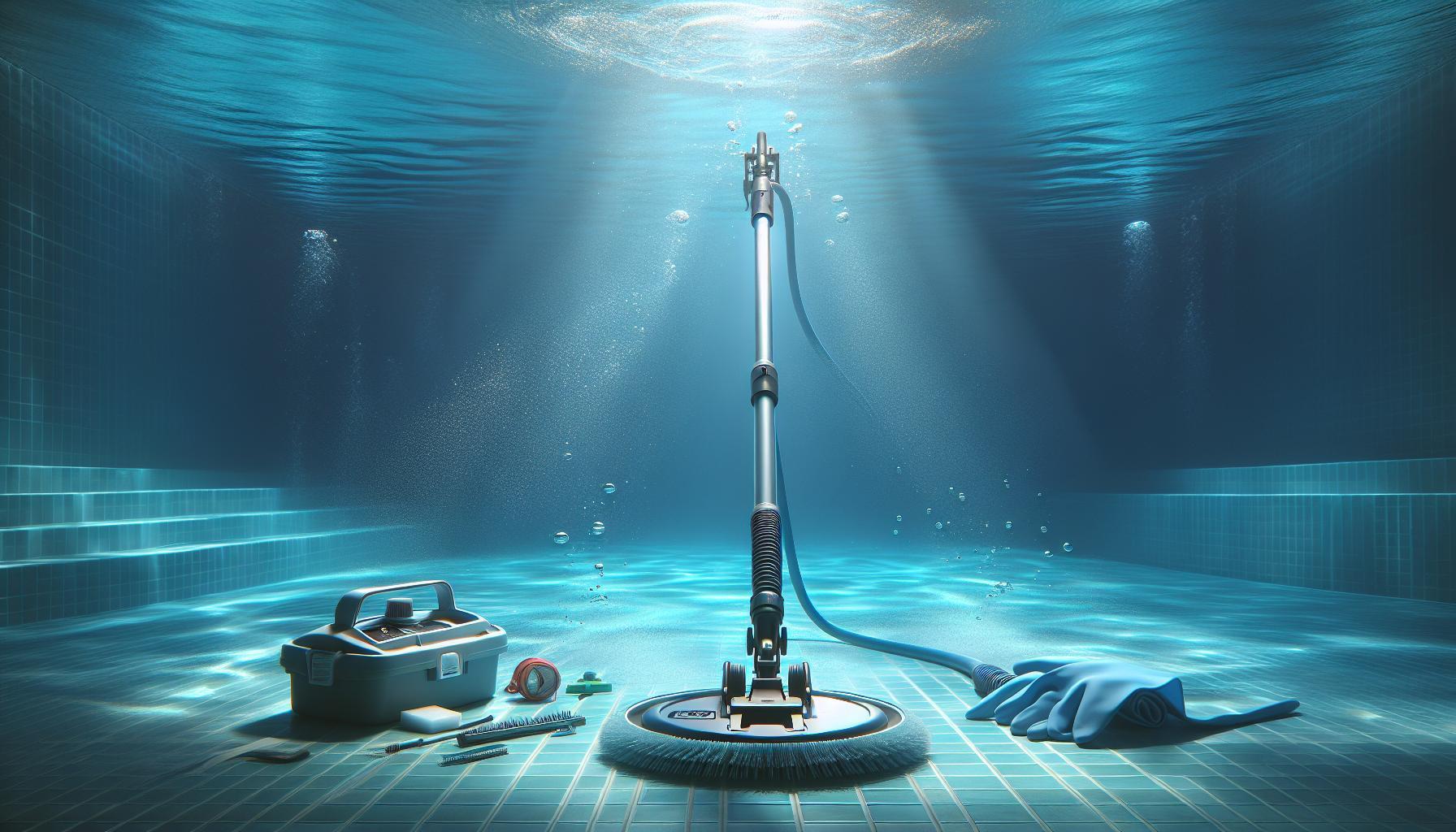
To begin, utilizing a robotic pool cleaner can be a game-changer. These automated devices efficiently navigate the pool floor, scrubbing surfaces and picking up dirt and debris without much manual effort. Simply set it up, let it do the work while you relax, and you’ll return to a beautifully clean pool. If you prefer a hands-on approach, a manual vacuum can also be effective. Attach your vacuum head to a telescopic pole and connect it to a hose, submerging it to the deepest part of the pool. Move slowly along the floor, allowing the vacuum to pick up debris and dirt while ensuring that you don’t agitate the sediment too much.
In addition to mechanical options, incorporating regular brushing into your routine is essential. Use a pool brush with nylon bristles and scrub the floor at least once a week. This not only removes debris but also helps prevent algae growth by disturbing microscopic organisms that may reside on the pool surfaces.
Another effective technique is to optimize your pool’s filtration system. Make sure your filter is running efficiently and set to operate for at least 8 to 12 hours daily, depending on pool usage. This ensures that particles suspended in the water are continuously being captured, reducing the frequency of cleaning needed at the bottom.
Combining these methods not only makes cleaning the pool floor effortless but also enhances the quality of your swimming environment, ensuring a safe and enjoyable experience.
Natural Homemade Solutions for Pool Cleaning
When it comes to maintaining a sparkling pool, many people overlook the power of natural homemade cleaning solutions. Not only are these eco-friendly choices gentle on your pool surfaces, but they are also effective and often more cost-efficient than commercial cleaners. By using simple ingredients commonly found in your kitchen, you can tackle dirt and algae buildup while ensuring your swimming environment remains safe and inviting.
One of the most effective natural solutions comes from the combination of baking soda and vinegar. Baking soda acts as a gentle abrasive, perfect for scrubbing away stains and dirt from the pool floor. Mix about one cup of baking soda with two cups of vinegar in a spray bottle, and apply it to areas with visible stains. Allow the mixture to sit for about 15-20 minutes before scrubbing with a pool brush, making it easier to lift tough grime.
Another great homemade cleaner involves using borax, which is a natural mineral with effective cleaning properties. Simply sprinkle borax directly on stains or cloudy areas, let it sit for a couple of hours, and then brush it off. This method not only helps with cleaning but can also aid in balancing your pool’s pH level, making your water safer and more comfortable for swimmers.
When feeling adventurous, try creating a citrus-infused cleaner. The acidity of citrus fruits like lemons and limes can cut through grease and grime. To make a brightening solution, mix the juice of two lemons with water in a spray bottle. Spray the affected areas in the pool and wipe down with a cloth or scrubber. Not only will this method clean your pool, but it will also leave a fresh and pleasant scent.
For ongoing maintenance between cleanings, consider using a mixture of water and salt. By adding about 1-2 cups of salt to your pool water, you take advantage of salt’s natural anti-bacterial properties, helping to keep algae at bay. This method is particularly useful in preventing algal blooms before they start, making your weekly maintenance routine even more effective.
Incorporating these natural homemade solutions will not only simplify your pool cleaning routine but also enhance the overall swimming experience while maintaining sustainability. By opting for these eco-friendly choices, you contribute to a healthier environment for both your family and the ecosystem.
Using a Pool Vacuum: Step-by-Step Guide
Using a pool vacuum effectively can transform a murky swimming pool floor into a sparkling oasis. Whether you have a manual or automatic vacuum, knowing how to use it properly can save you time and enhance your pool’s cleanliness. Follow these clear steps to achieve exceptional results with your pool vacuum.
First, gather all the necessary equipment. This typically includes your pool vacuum, a vacuum hose, and a skimmer or leaf net to remove larger debris before vacuuming. Begin by skimming the surface of the pool with the leaf net to eliminate leaves and debris that could clog the vacuum. This step clears the way for effective vacuuming, allowing the vacuum to focus on sediment and dirt on the pool floor.
Next, prepare the vacuum for use. Attach the vacuum head to the pole and connect the vacuum hose securely to the head. Submerge the vacuum head and gently push the hose underwater until air bubbles are no longer visible. This action primes the vacuum and helps create suction. If you’re using an automatic cleaner, ensure that the unit is correctly placed in the pool and connected to its power source.
Now it’s time to start vacuuming. If using a manual vacuum, move slowly and methodically across the pool floor in overlapping strokes, ensuring that every area is covered. For corners and steps, pay extra attention to these spots, as they tend to accumulate more debris. Try to maintain a consistent movement to allow the vacuum to pick up dirt efficiently. If you’re utilizing an automatic vacuum, monitor its progress; some models may require adjustments or assistance with navigating tricky areas.
After vacuuming, inspect the vacuum bag or filter to ensure it is not clogged; empty it if necessary. Finally, run the pool’s filtration system for a few hours to eliminate any remaining debris stirred up during the cleaning process. Regular vacuuming not only maintains a pristine pool but also contributes to a healthier swimming environment. Following these steps will empower you to tackle pool cleaning challenges confidently, ensuring a consistently sparkling pool.
Mastering the Art of Manual Pool Cleaning
Cleaning the bottom of your pool can seem daunting, but mastering manual pool cleaning techniques will empower you to enjoy a consistently sparkling oasis. While automatic vacuums have their place, manual cleaning allows for a thorough approach, ensuring that you don’t miss hidden debris and other contaminants that can settle in the corners and around steps. A few essential tools and techniques can turn this necessary chore into a manageable experience.
To get started, gather your supplies: a manual vacuum head, an extendable pole, a skimmer net, and a vacuum hose. Begin by using the skimmer net to remove any large debris on the surface of the water, such as leaves and twigs. Doing this first will prevent the skimmer from clogging and provide a clearer area for vacuuming. After skimming, it’s time to prepare the vacuum. Securely attach the vacuum head to the pole and connect one end of the vacuum hose to the vacuum head, ensuring a tight fit to avoid loss of suction.
Once equipped, it’s crucial to prime the vacuum hose for suction. Submerge the vacuum head into the water, holding it down to allow air to escape from the hose until bubbles cease. This will create a strong suction once you begin vacuuming. Make your way across the pool floor in slow, deliberate strokes, overlapping each pass slightly to ensure a thorough clean. Pay close attention to corners and steps, where debris often lingers. If you encounter stubborn spots, don’t hesitate to go over them multiple times to ensure they are adequately cleaned.
After you’ve vacuumed the entire pool, inspect your vacuum’s filter or bag for debris buildup. A clogged filter can reduce effectiveness and lead to additional cleaning challenges. Empty or clean it as necessary. Lastly, running your pool’s filtration system for a few hours will help to clear away any lingering particles stirred up during the manual vacuuming process. With regular practice and a mindful approach, you will not only maintain a sparkling clean pool but also gain confidence in handling common pool maintenance tasks.
Maintaining a Clean Pool: Best Practices
Maintaining a clean pool is essential not just for aesthetic reasons but also to ensure a safe and enjoyable swimming experience. Routine maintenance can prevent the buildup of algae, debris, and harmful bacteria that may compromise your pool’s chemical balance and clarity. By implementing best practices into your pool care routine, you can achieve a sparkling clean pool with minimal effort.
First and foremost, regular skimming and brushing are key components of effective pool maintenance. Skim the surface daily to remove floating debris such as leaves and insects, as these can degrade water quality and encourage algae growth. Additionally, brushing the walls and floor of your pool weekly will dislodge any stubborn dirt or algae, making it much easier to vacuum away. Focus on areas often neglected, such as corners and steps, which are prone to buildup.
Chemical balance is another fundamental aspect of pool upkeep. Test your water at least once a week to check the pH, chlorine, and alkalinity levels. Keeping the pH between 7.4 and 7.6 and ensuring adequate chlorine levels will help prevent cloudy water and keep it sanitized. If necessary, adjust your chemical levels gradually to avoid drastic changes that could stress pool equipment and irritate swimmers.
Routine Maintenance Schedule
- Daily: Skim the surface to remove debris.
- Weekly: Brush walls and floors; inspect and empty skimmer and pump baskets.
- Monthly: Deep clean filters, check for leaks, and assess water chemistry.
- Seasonally: Inspect pool equipment and cover or winterize as needed.
In the event that you encounter common issues such as cloudy water or persistent algae growth, immediate troubleshooting is essential. Cloudiness can often be resolved by adjusting chemical levels or adding clarifying agents, while persistent algae may require shock treatments or algaecides. Maintain a proactive stance: the sooner you address these problems, the easier and less costly they will be to resolve. With consistent attention and care, your pool will not only sparkle under the sun but also provide a refreshing retreat for family and friends.
Troubleshooting Common Pool Cleaning Issues
Keeping the bottom of your pool clean can sometimes feel like an ongoing battle, especially with the possibility of leaves, dirt, and algae sinking to the floor. However, by knowing how to troubleshoot common issues effectively, you can maintain that sparkling floor with ease. This proactive approach not only enhances your pool’s aesthetic but also eliminates potential health risks associated with murky or contaminated water.
One frequent issue pool owners face is stubborn debris that simply won’t budge. If you notice sediment settling in the corners, first adjust your cleaning technique by ensuring you are using a proper vacuum suited for your pool type. For ingrained dirt, try to brush the area with a pool brush to loosen the particles before vacuuming; make sure to use a stiffer brush for textured surfaces. If you encounter algae blooms, which can often be mistaken for dirt, it’s essential to act immediately. Brushing the affected area followed by a shock treatment can help eliminate these persistent nuisances.
Another common problem is cloudy water, which not only affects visibility but can indicate underlying issues like imbalanced chemicals or filter problems. Start by testing your water chemistry; pH levels between 7.4 and 7.6 are optimal for clarity and sanitation. If your pH is too high or too low, adjust it carefully, and consider running your filter continuously until clarity improves. Using a water clarifier can also help to bind small particles together, making it easier for the filter to remove them.
Lastly, if you notice a persistent cloudy appearance even after cleaning, check your pool filter. It’s essential to clean or replace your filter media regularly to ensure it functions effectively. A poorly operating filter may fail to remove dirt and debris adequately, contributing to ongoing cloudiness.
By being aware of these common pool cleaning issues and addressing them promptly, you’ll ensure that the bottom of your pool remains inviting and clear all season long. With the right tools, techniques, and chemical balance, maintaining a dazzling pool floor becomes not only achievable but also effortless.
When to Call a Professional Pool Cleaner
Some situations demand the expertise of a professional pool cleaner. While many pool maintenance tasks can be handled by diligent owners, certain challenges require specialized knowledge, experience, or equipment to ensure your pool remains clean, safe, and inviting. Recognizing when to step back and call in a professional is vital for preserving the longevity of your pool and its systems.
One of the primary indicators that it’s time to enlist professional help is when persistent chemical imbalances occur. If you’ve tested your water repeatedly and still face challenges in achieving the correct levels-such as pH, chlorine, or alkalinity-it may indicate a more significant issue with your pool’s filtration system or the need for a comprehensive shock treatment. Professionals can perform accurate diagnostics and treatments to stabilize your pool environment.
Signs of Damaged Pool Equipment
Should you encounter issues like leaks, unusual noises from equipment, or inadequate heating, these problems can escalate quickly if not addressed. Professionals have the tools and training to diagnose and repair equipment effectively, preventing costly long-term damage. Additionally, if your pool has a more complex system like a saltwater generator or an automated cleaning system, specialized training is often necessary to troubleshoot effectively.
Moreover, if your pool has endured a period of neglect-perhaps after a storm where debris has piled up or extreme weather has affected water clarity-professional service will be crucial. Experienced cleaners can efficiently and thoroughly restore your pool while ensuring that all safety and sanitary standards are met, allowing you to enjoy your oasis without the strains of heavy lifting and intense cleaning tasks.
In conclusion, knowing when to call in the experts can save you time, hassle, and potentially significant expenses. Regular maintenance is essential, but don’t hesitate to lean on professional services for those trickier situations that fall outside your comfort zone or ability. By combining your efforts with professional support, you can maintain a clean and safe swimming environment all season long.
Seasonal Cleaning Tips for Year-Round Clarity
To maintain a pool that sparkles year-round, it’s essential to adapt your cleaning strategies with the changing seasons. Each season presents unique challenges and opportunities for keeping your pool pristine. Understanding these seasonal variations can significantly enhance the clarity and cleanliness of your pool’s floor, ensuring a welcoming swim space at all times.
In the spring, prepare for the debris and dirt that come from melting snow and blooming plants. Begin with a thorough cleaning of the pool surface and floor. Remove any leaves, twigs, or dirt with a skimmer and vacuum system. Test and adjust the water chemistry after the winter hiatus, focusing on pH levels, alkalinity, and chlorine content. A well-balanced pool not only looks better but also prevents algae growth as temperatures rise.
As you transition into summer, the heat can increase the demand for pool maintenance. Regular brushings along the pool’s sides and floor, combined with frequent skimming, will prevent algae and sediment buildup. Implement a schedule for running the pool pump and filter to circulate water effectively. A good practice is to vacuum the pool at least once a week, particularly after heavy usage or rain, to remove debris. Additionally, keeping the water level at optimal capacity is vital, as evaporation can become significant during hot days.
In autumn, the falling leaves create a new set of challenges. Invest in a leaf net or cover to minimize debris accumulation. Your routine should include daily skimming and more frequent vacuuming as leaves and other debris can quickly cloud your pool water and settle at the bottom. Towards the end of the season, check the water balance again, preparing for the cooler months by considering a winterizing process, which may include lowering the water level slightly and ensuring all equipment is cleaned and stored properly.
Finally, in the winter, it’s critical to monitor your pool closely, especially if you live in colder climates. While many pools are covered, ensure that any uncovered pools are maintained with proper chemical levels and removed debris. Regularly check for stagnant water or ice buildup, and keep your pool free from snow accumulation if it’s not covered. When it is time for a thorough winter cleaning, vacuuming the pool, brushing walls, and checking equipment should all be on your checklist to prevent long-term damage.
By following these tailored seasonal strategies, you’ll not only keep your pool floor clean and inviting but also enjoy a consistently clear swimming experience, regardless of the weather. Embrace each season’s distinct maintenance needs, and your pool will thank you with crystal-clear waters all year round.
Keeping Your Pool Sparkling Between Cleanings
Maintaining the pristine appearance of your pool between cleanings requires consistent effort and smart strategies. One of the most effective methods to keep your pool sparkling is to establish a daily maintenance routine that focuses on minimizing debris and maintaining water clarity. Regular skimming and monitoring the water’s chemical balance are two key actions that can significantly enhance your pool’s condition. By committing even a small amount of time each day, you can effectively prevent the buildup of dirt and algae, ensuring that your pool remains an inviting oasis.
To start your daily routine, make it a habit to use a skimmer net at least once per day to remove floating debris such as leaves, insects, and other particles. This simple act not only keeps the surface looking clean but also prevents debris from sinking to the bottom, where it can become more difficult to remove. Alongside skimming, checking the water chemistry weekly is crucial. Use reliable test strips to measure pH and chlorine levels and adjust accordingly. Maintaining proper chemical balance helps in preventing algae growth and clarifying the water, offering a more enjoyable swimming environment.
Incorporating additional methods can further enhance your cleaning efforts. Investing in a pool brush and scrubbing the walls and floor every week helps dislodge any dirt or algae that might be starting to settle. For those with a more hands-on approach, consider creating a cleaning schedule that aligns with your pool usage patterns. Heavy swim days might necessitate more frequent clean-ups, such as vacuuming the pool to eliminate any loose debris that may have accumulated.
Lastly, using floating chlorinators or dissolving chlorine tablets can provide a consistent level of sanitation while you focus on other maintenance tasks. For a proactive approach, consider covering your pool when not in use, preventing debris from entering and reducing the need for constant cleaning. Remember, a little daily attention can save you from larger, more time-consuming cleaning jobs down the line, keeping your pool welcoming and sparkly for every swim.
Frequently Asked Questions
Q: How often should I clean the bottom of my pool?
A: You should clean the bottom of your pool at least once a week. Regular maintenance helps prevent algae growth and debris accumulation. During peak swimming seasons or after heavy storms, increase the frequency to keep the water clear and inviting.
Q: What tools do I need to clean my pool efficiently?
A: Essential tools include a pool vacuum, skimmer net, pool brush, and a telescoping pole. These tools allow you to remove debris, scrub the walls and floors, and reach all areas of your pool easily, ensuring an effective clean.
Q: Can I use household chemicals to clean my pool?
A: It’s best to avoid household chemicals, as they can disrupt the pool’s chemical balance. Instead, use pool-specific cleaning products or natural solutions like baking soda and vinegar. Always follow safety guidelines and recommended practices.
Q: What are the benefits of using a pool vacuum?
A: A pool vacuum helps effectively remove dirt, leaves, and debris from the pool floor and walls. It saves time and reduces manual scrubbing effort, resulting in a cleaner pool with minimal hassle. Regular vacuuming enhances overall water clarity.
Q: How can I prevent algae from growing on my pool floor?
A: To prevent algae, maintain proper water chemistry, including chlorine levels, and regularly brush and vacuum your pool floor. Consider using algaecides as a preventative measure, especially during warm weather to keep your pool sparkling.
Q: What should I do if my pool cleaner is not picking up debris?
A: If your pool cleaner isn’t working, check for clogs in the hose or filter, ensure proper water flow, and confirm it’s set up correctly. If problems persist, consult your cleaner’s manual or consider contacting a pool professional for assistance.
Q: How do I clean stubborn stains from my pool’s bottom?
A: For stubborn stains, use a combination of a pool brush and a stain remover specifically designed for pool use. Apply the remover according to the instructions, scrub the affected area, and then vacuum. Regular maintenance prevents stains from becoming a problem.
Q: Is it worth hiring a professional pool cleaner?
A: Hiring a professional pool cleaner can be beneficial, especially if you lack the time or experience for thorough cleaning. They provide expert knowledge, save you effort, and ensure your pool remains in optimal condition. Consider it for extensive cleanings or seasonal maintenance.
The Way Forward
With the right methods, cleaning the bottom of your pool doesn’t have to be a chore-just remember the key steps we’ve shared to keep your pool floor sparkling and free from debris. Now that you’re equipped with these effortless techniques, why not dive in and start applying them today? Maintaining a clean pool is essential for both hygiene and enjoyment, so don’t wait until your pool begins to look cloudy!
For more ways to enhance your pool care routine, explore our articles on pool water chemistry and automated cleaning solutions. If you have lingering questions or specific concerns, our community on Trouble Free Pool is always ready to help! Join the conversation, share your experiences, and ensure your pool remains a pristine oasis this summer. Don’t forget to subscribe to our newsletter for the latest tips and updates that will help you keep your pool’s maintenance effortless and effective!