


Swimming pools are a popular summer escape, but they can pose hidden health risks. One of the concerns that often arises is whether you can get pink eye, or conjunctivitis, from swimming pools. This condition is not only uncomfortable but can also spread quickly among friends and family, leading to frustration and worry.
Understanding the relationship between swimming pools and eye infections is crucial for maintaining a safe and enjoyable swimming experience. Factors like water quality, hygiene practices, and personal habits play significant roles in whether pool-goers might face this risk. By exploring these elements, we can uncover practical measures to protect your eye health while still enjoying the water.
Join us as we dive into the facts about pink eye, its causes, and the steps you can take to safeguard yourself and those you care about from this common ailment. Your health and peace of mind should always come first when taking a dip!
Can Swimming Pools Cause Pink Eye? Understanding the Risk
Swimming pools, while a source of enjoyment and relaxation, can also pose health risks, including the potential for pink eye (conjunctivitis). Understanding how swimming pools may contribute to this condition is essential for maintaining both eye health and overall pool hygiene. Pink eye can be caused by bacteria, viruses, or irritants, and pools can inadvertently facilitate the spread of these pathogens, especially in improperly maintained water.
When considering the risk of pink eye from swimming pools, it is crucial to recognize that water can become contaminated with various pathogens. These pathogens can be introduced into the pool environment through numerous means: swimming in contaminated water, poor hygiene practices, or sharing common facilities. Additionally, public pools may harbor higher contamination levels due to the number of users and variability in individual sanitary practices. It’s not just the bacteria; algae and chemical imbalances can also irritate the eyes, mimicking pink eye symptoms.
To mitigate the risk of developing pink eye from pool use, proper maintenance and hygiene practices are vital. Ensure that your pool’s water is regularly tested and sanitized according to recommended guidelines. Clear communication among pool users about hygiene, such as showering before swimming and not swimming when ill, greatly contributes to lower contamination levels. Regularly cleaning and maintaining pool surrounding areas can also aid in preventing bacteria and viruses from proliferating.
By taking proactive steps to maintain pool cleanliness and encouraging good hygiene, the risk of contracting pink eye or any other waterborne illness can be significantly reduced, allowing everyone to enjoy the summer splashes worry-free.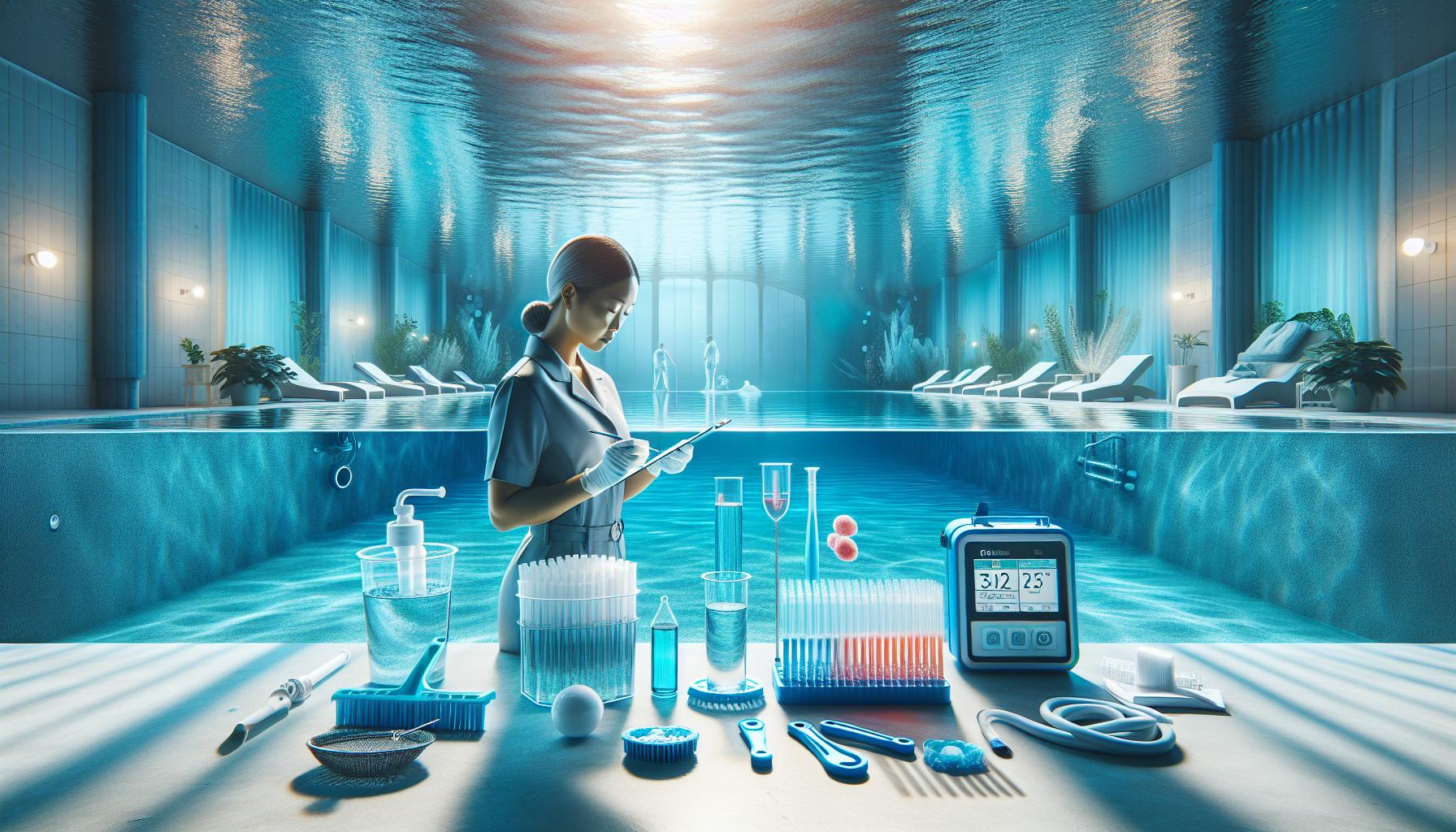
How Pink Eye Spreads: The Role of Water Contamination
Swimming pools are a source of fun and relaxation, but they can also be breeding grounds for infections like pink eye, or conjunctivitis. Understanding how this condition spreads through water helps in managing the risks associated with swimming in pools. Contaminated water acts as a vector for various pathogens, including bacteria and viruses, which are the primary culprits behind pink eye.
Water can become contaminated in several ways. Individuals swimming in a pool may carry pathogens from their eyes or skin, particularly if they are already infected or symptomatic. Shared equipment, like floats or toys, can also harbor these pathogens. Furthermore, inadequate pool maintenance, characterized by improper sanitation or poor water quality, increases the likelihood of outbreaks. Public pools, often crowded, can exacerbate this issue due to the high volume of bathers, making it essential for pool operators to adhere to strict hygiene practices.
To mitigate the risk of water contamination, maintaining optimal pool hygiene is crucial. Here are some practical steps to consider:
- Regular Water Testing: Ensure that the pool’s chlorine and pH levels are regularly tested and maintained within recommended ranges.
- Sanitization: Utilize appropriate sanitizing agents to disinfect the water and eliminate harmful microorganisms.
- Encourage Personal Hygiene: Promote a culture of hygiene among swimmers, such as showering before entering the pool and refraining from swimming when unwell.
- Frequent Cleaning: Regularly clean not only the water but also the surrounding pool area, including deck chairs and changing rooms, to reduce contamination risks.
By implementing these measures, pool owners and operators can significantly reduce the chances of pink eye spreading through contaminated water, ensuring a safe and enjoyable swimming experience for everyone. Taking these proactive steps helps create a healthy environment conducive to fun, minimizing health risks associated with swimming activities.
Signs and Symptoms of Pink Eye to Watch For
Noticing the signs of pink eye-especially after a day at the pool-can be crucial for prompt treatment. Symptoms of conjunctivitis can vary, but common indicators include redness in one or both eyes, a gritty sensation as if something is in the eye, and increased tearing. A frighteningly typical symptom post-swimming is the occurrence of a sticky discharge, often more pronounced in the morning after sleep. This can be particularly concerning if the discharge causes eyelids to stick together.
In addition to these symptoms, individuals may experience itching or burning sensations, which can be exacerbated by the chemicals commonly found in pool water, such as chlorine. As the eyes become more irritated, sensitivity to light might increase, making it uncomfortable to be in bright environments. Furthermore, if allergies are also at play, you might notice symptoms like a runny nose or sneezing, which can further complicate the situation.
Recognizing these symptoms early allows swimmers to take appropriate action, such as avoiding further contact with potentially contaminated water. If you notice any combination of these symptoms, consider scheduling an eye examination. Identifying pink eye promptly can facilitate a quicker recovery and help prevent spreading the infection to others. Maintaining awareness of these signs ensures a safer and healthier swimming experience for everyone involved.
Preventing Pink Eye: Essential Pool Hygiene Practices
To safeguard against pink eye, implementing effective pool hygiene practices is essential. Did you know that maintaining the right chemical balance in your pool not only keeps the water clear and comfortable but also significantly reduces the risk of infections like conjunctivitis? By prioritizing hygiene, you can enjoy your swimming experience without the nagging worry of exposure to harmful pathogens.
One of the most important steps is to ensure that your pool’s water is properly chlorinated and balanced. Keep free chlorine levels between 1-3 parts per million (ppm) and pH levels between 7.2 and 7.8. This balance not only enhances swimmer comfort but also ensures that microorganisms are effectively neutralized. Regularly test your water using kit options available at pool supply stores and adjust as necessary.
Additionally, encourage swimmers to practice good personal hygiene before entering the pool. This includes rinsing off in a shower to remove dirt, sweat, and cosmetics that can contribute to water contamination. It’s also wise to discourage swimming while feeling unwell or if there are any signs of eye infections. Establishing specific rules such as “no diving in with open wounds” can further minimize risks.
Lastly, keep the pool area clean. Regularly monitor and clean pool accessories like floats and toys, as these can harbor bacteria. Furthermore, consider implementing a strict policy regarding the use of pools by young children, who are more prone to accidents. Fostering a culture of awareness about hygiene can go a long way in ensuring the pool remains a fun, healthy environment for everyone. With these practical steps, you can significantly mitigate the risk of pink eye while enjoying the refreshing benefits of swimming.
Expert Tips for Safe Swimming in Public Pools
While swimming in public pools can be a refreshing and enjoyable experience, it’s important to remain vigilant about hygiene and safety to mitigate risks such as pink eye. One vital step is to always check the pool’s cleanliness before diving in. A well-maintained pool should have clear water, and it’s a good idea to look for signs of proper chemical balance indicated by signage around the pool area. If you’re uncertain about the pool’s maintenance, don’t hesitate to ask the staff about their cleaning schedules and current water quality.
To further reduce the risk of contracting pink eye, make personal hygiene a priority. Rinse off thoroughly in the shower before entering the pool. This simple act can help eliminate skin oils, lotions, and residues that may contribute to water contamination. Additionally, avoid touching your face, especially your eyes, after swimming, as hands can come into contact with poolside surfaces or water that may be contaminated. If you experience any discomfort during or after swimming, such as redness or irritation in the eyes, consider using lubricating eye drops and consult a healthcare professional if symptoms persist.
Having a comprehensive understanding of swimming etiquette can also play a crucial role. Encourage others to stay home if they have any symptoms of illness or establish a “no goggles, no entry” policy to ensure swimmers use proper eye protection. A careful approach to your swimming habits, coupled with an awareness of your surroundings and pool conditions, can greatly enhance your experience while protecting your eye health.
Remember, awareness, and proactive measures can ensure that your time spent in public pools is not just fun but safe as well. Stay informed about the importance of pool hygiene, be vigilant in your practices, and don’t hesitate to reach out to management if you notice anything concerning. By taking these steps, you can enjoy the refreshing waters while safeguarding against potential health risks.
What to Do if You Get Pink Eye from Swimming
If you’ve found yourself dealing with pink eye after a swimming session, it’s important to act quickly and thoughtfully. Pink eye, or conjunctivitis, can result from various irritants, including bacteria, viruses, or allergens. Prioritizing hygiene and following a structured response can help alleviate symptoms and prevent further spread.
Immediate Steps to Take
Start by washing your hands thoroughly with soap and water to minimize the risk of infecting others or aggravating your own condition. Avoid touching your eyes, as this can transfer contaminants and exacerbate irritation. If you wear contact lenses, remove them immediately; lenses can trap bacteria and worsen symptoms. Disinfect your contacts and case, and wait until your eyes have fully recovered before wearing them again.
Once hands are clean, consider using a cold compress on your eyes to soothe irritation and reduce swelling. Soak a clean cloth in cold water, wring it out, and gently place it over your closed eyes for about 10-15 minutes multiple times a day. This can provide relief and help manage symptoms. Additionally, over-the-counter lubricating eye drops can keep your eyes moistened and reduce discomfort.
Consulting a Healthcare Professional
If symptoms persist beyond a few days or worsen, schedule an appointment with a healthcare provider. They can determine whether your pink eye is viral, bacterial, or allergic, guiding you towards the most appropriate treatment. Bacterial cases often require antibiotic eye drops, while viral conjunctivitis typically resolves on its own but may require symptomatic relief.
It’s also vital to adhere to preventive practices to help stop the spread should you have a contagious form of pink eye. Consider isolating yourself from close contacts until treatment is underway or symptoms have subsided, practicing stringent hand hygiene, and using separate towels and bedding.
By taking these proactive steps, you can effectively manage the discomfort of pink eye while ensuring a safe environment for both yourself and others. Remember, awareness and informed action can significantly enhance your recovery while minimizing the risk of future concerns regarding eye health in swimming environments.
Misconceptions About Pink Eye and Swimming Pools
While many swimmers may fear the risk of contracting pink eye simply by swimming in a pool, the reality is often less alarming than perceived. One prevalent misconception is that all pools are breeding grounds for the bacteria and viruses that cause conjunctivitis. While poorly maintained pools can contribute to eye infections, well-cared-for water systems that are properly chlorinated and maintained reduce that risk significantly. In fact, chlorine and other disinfectants in swimming pools are effective in killing many harmful pathogens that can be found in water.
Another common myth is that pink eye is exclusively caused by swimming in contaminated water. It is important to recognize that conjunctivitis can be caused by a range of factors, including allergic reactions and viruses that are not related to water at all. For instance, allergens like pollen or dust can trigger symptoms similar to pink eye, and viral infections can spread from person to person without contact with contaminated water. Understanding the multiple pathways for infection can help people evaluate their risk better.
To mitigate any concerns, practicing good hygiene is essential. Swimmers should always rinse off before entering the pool and thoroughly wash their hands after swimming. Furthermore, it is crucial to avoid touching the face and eyes after being in the water, especially at public pools where germ exposure is greater. Using appropriate swim goggles can also provide a barrier, protecting the eyes from irritants and infectious agents.
Lastly, many believe that pink eye is highly contagious, which can amplify the anxiety surrounding swimming in public pools. While viral and bacterial forms of pink eye can be spread through personal contact and shared items, the risk from water exposure is much lower. Those suffering from conjunctivitis should avoid swimming until their condition resolves to prevent further spread, but understanding the real vectors of infection can help alleviate fears surrounding swimming and eye health.
The Importance of Proper Eye Care Before and After Swimming
Maintaining proper eye care before and after swimming is essential not only for enhancing your swimming experience but also for protecting your eye health. Water in pools can contain chlorine and other chemicals that might irritate the eyes, potentially leading to infections like pink eye. By following a few simple practices, you can keep your eyes safe and comfortable during your aquatic activities.
Before diving in, it’s crucial to prepare your eyes to minimize exposure to irritants. Using swim goggles can provide a protective barrier against chemicals and possible pathogens in the water. Opt for goggles with a snug fit to ensure they stay in place while you swim. Additionally, consider rinsing your eyes with clean water before swimming; this can help flush out any irritants and reduce the risk of irritation.
Once you’ve emerged from the water, make it a point to rinse your eyes again using fresh water. This practice helps remove any residual chlorine or contaminants that may have settled on your eyes during swimming. If you wear contact lenses, it’s advisable to take them out before swimming to prevent any complications, such as lenses absorbing pool chemicals or becoming dislodged. After swimming, replace them with fresh lenses only after ensuring your eyes are thoroughly rinsed and clean.
For those prone to allergies or sensitive eyes, consider using lubricating eye drops before and after swimming. These drops help soothe irritation and maintain moisture, creating an additional layer of protection. If you experience any unusual redness, itching, or discharge from your eyes after swimming, seek medical advice promptly to address any potential infections or irritations effectively.
By adopting these straightforward habits, swimmers can enjoy the water with peace of mind, knowing they are taking proactive steps to safeguard their eye health.
When to Seek Medical Attention for Pink Eye Symptoms
Experiencing symptoms of pink eye, especially after swimming, can be concerning. While not all instances of redness or irritation mean you have an infection, knowing when to seek medical help is crucial for ensuring proper eye health. Pink eye, or conjunctivitis, often presents with symptoms like redness, itchiness, increased tearing, and discharge. If you notice these symptoms following a visit to a public pool, assessing their severity and duration is key.
For any signs of pink eye that last more than a few days, it’s advisable to consult a healthcare professional. Specific symptoms that warrant immediate medical attention include:
- Intense redness or swelling: If your eyes appear significantly reddened or swollen, it may indicate a more serious infection.
- Severe pain or discomfort: Persistent discomfort, particularly if it interferes with your daily activities, should be evaluated.
- Discharge: If you have yellow or green discharge, it could suggest bacterial conjunctivitis, requiring immediate treatment.
- Changes in vision: Any blurriness or difficulty focusing should be taken seriously and promptly assessed.
In addition to these symptoms, if you wear contact lenses and experience any irritation while swimming, it’s essential to remove them and speak with a professional. Contact lenses can harbor bacteria and other pathogens if they come into contact with contaminated water, increasing the risk of infection.
By staying vigilant and acting promptly, you can help minimize complications and ensure a quick recovery. Remember, knowledge is power when it comes to maintaining your eye health, especially in environments like swimming pools, where the risk of infection can be unintentionally heightened.
Comparing Risks: Pools vs. Other Water Sources
While swimming pools are often seen as a fun way to cool off and exercise, they can pose certain risks related to eye health, particularly concerning pink eye, or conjunctivitis. It’s essential to understand how the risks associated with swimming pools compare to those from other water sources, such as lakes, rivers, and hot tubs.
Swimming pools, especially public ones, can expose individuals to potential pathogens that may cause pink eye. Factors such as inadequate chlorination, high bather loads, and poor maintenance can elevate these risks. In contrast, natural bodies of water like lakes and rivers may harbor a wider variety of bacteria, algae, and parasites, which can also be harmful to eye health. For instance, certain types of waterborne pathogens, such as those found in untreated water, have been directly linked to more severe forms of conjunctivitis and eye infections.
To mitigate risks, whether in pools or natural water, maintaining proper hygiene is crucial. For pools, owners should ensure regular water testing and treatment, ensure good circulation, and adequately supervise swimming areas to limit contamination. Swimmers should take preventive measures such as wearing goggles, avoiding swimming when visibly ill, and refraining from touching their eyes after being in the water. In natural water sources, it’s advisable to avoid areas with visible algae blooms and to rinse off in fresh water after swimming.
Understanding these differences can empower swimmers to make informed choices about where they swim. By emphasizing safety measures and proper maintenance of the swimming environment, the risks of contracting pink eye can be significantly reduced, allowing for a more enjoyable and healthier swimming experience.
Understanding Different Types of Pink Eye and Their Treatment
Understanding the various forms of pink eye and their treatments is crucial, especially for avid swimmers concerned about potential infections from pools. Pink eye, or conjunctivitis, can manifest in different types-viral, bacterial, and allergic-each requiring a distinct approach for effective management.
Viral conjunctivitis is the most common type, often resulting from the same viruses that cause colds. It typically resolves on its own within a week or two. Treatment focuses on symptomatic relief; applying cool compresses can alleviate discomfort. Importantly, maintaining hygiene is essential to prevent spreading the virus to others. In the context of swimming, if you suspect viral conjunctivitis, it’s wise to avoid pools until symptoms have fully cleared to protect yourself and other swimmers.
Bacterial conjunctivitis, in contrast, usually necessitates antibiotic treatment. Symptoms often include a sticky discharge from the eye and can affect one or both eyes. If bacterial infection is suspected, consulting a healthcare professional for appropriate antibiotic eye drops is crucial. As with viral conjunctivitis, avoiding public swimming areas during the infectious phase is recommended to curb transmission.
Allergic conjunctivitis arises from allergens such as pollen, pet dander, or chlorine in pools. It is characterized by intense itching, redness, and tearing. Over-the-counter antihistamines or prescribed eye drops can provide relief. If you swim frequently, consider rinsing your eyes with clean water after swimming to minimize exposure to pool chemicals that could trigger allergic reactions.
In all cases, good hygiene practices can significantly reduce the risk of developing conjunctivitis from swimming. Frequent hand washing, using goggles, and avoiding touching your eyes, especially after swimming, can keep your eyes healthy. If symptoms develop, recognize the signs early and seek professional advice to determine the best treatment path, ensuring a swift return to your favorite aquatic activities.
Key Takeaways for Swim Safety and Eye Health
Understanding the relationship between swimming pools and eye health is essential for anyone looking to enjoy a refreshing dip without concerns. Did you know that chlorine, often used in pools to kill bacteria, can actually irritate your eyes and potentially lead to conditions like pink eye? This highlights the importance of taking proactive measures to maintain your eye health while swimming.
To minimize the risk of developing pink eye or other eye irritations while swimming, here are some effective strategies:
- Wear Swim Goggles: Protect your eyes from pool chemicals and reduce irritation by wearing well-fitted goggles. This also helps prevent waterborne pathogens from entering your eyes.
- Maintain Pool Hygiene: Ensure that the pool is regularly maintained and properly sanitized. High levels of bacteria and algae can increase the chances of infection.
- Rinse Before and After Swimming: Rinse your eyes with clean water before entering the pool and again afterward to wash away any residual chlorine and irritants.
- Avoid Touching Your Eyes: Keep your hands away from your eyes, especially after swimming. This simple practice can significantly reduce the risk of transferring bacteria or viruses.
If you do experience symptoms of pink eye, such as redness, itching, or discharge, it’s crucial to seek medical attention. Often, early diagnosis and appropriate treatment can prevent complications and help you return to swimming sooner. Remember, your eye health is paramount, and with these practical measures, you can confidently enjoy your time in the water while safeguarding your vision.
Frequently Asked Questions
Q: Can you catch pink eye from a swimming pool?
A: Yes, you can catch pink eye, or conjunctivitis, from contaminated water in swimming pools. Bacteria or viruses in the water can enter the eye and lead to infection. Ensuring proper pool hygiene and chlorine levels can help reduce this risk.
Q: What are the symptoms of pink eye after swimming?
A: Common symptoms of pink eye after swimming include redness, itchiness, tearing, and discharge from the eye. If you experience any of these symptoms post-swimming, it’s essential to consult a healthcare professional for proper diagnosis and treatment.
Q: How can I prevent pink eye when swimming?
A: To prevent pink eye while swimming, always swim in well-maintained pools, avoid touching your eyes, and consider wearing goggles. Additionally, showering before swimming and ensuring that the pool’s chlorine levels are appropriate are critical preventive measures.
Q: Is pink eye contagious through swimming pools?
A: Pink eye can be contagious if the swimmer has a viral or bacterial form of conjunctivitis. Infected individuals can release pathogens into the water, increasing the risk for other swimmers. Maintaining good hygiene is vital for public safety.
Q: When should I see a doctor for pink eye?
A: You should see a doctor for pink eye if symptoms worsen or if you experience pain, significant swelling, or vision changes. Early intervention can lead to effective treatment, especially if the infection is bacterial.
Q: Are there different types of pink eye related to swimming?
A: Yes, there are viral, bacterial, and allergic types of pink eye. Viral and bacterial conjunctivitis are the types often associated with swimming in contaminated water. Understanding the type can inform the appropriate treatment.
Q: What should I do if I get pink eye after swimming?
A: If you suspect you have pink eye after swimming, stop swimming immediately, avoid touching your eyes, and seek medical advice. Treatment may include prescription medications, depending on whether the infection is viral or bacterial.
Q: Can chlorine in pools prevent pink eye?
A: Chlorine can help reduce the spread of bacteria and viruses that cause pink eye in pools. However, it is not a complete safeguard. Proper chemical balance and hygiene practices are essential to minimize risks effectively.
Future Outlook
In conclusion, while the risk of contracting pink eye from a swimming pool is relatively low, it’s crucial to be proactive about your pool’s hygiene and water quality. Regular maintenance, such as testing the water and ensuring proper chlorine levels, can significantly reduce any potential health risks. If you have further questions or are concerned about other pool-related health issues, don’t miss our detailed guide on “Common Swimming Pool Health Risks” and explore our tips on “How to Maintain Pool Water Quality.”
Stay informed and protect your health by signing up for our newsletter for updates on pool safety and maintenance advice. Your pool should be a source of fun, not concern. By taking these simple steps, you can confidently enjoy your swimming experience. Share your thoughts or experiences in the comments below, and let’s keep the conversation going!


