Maintaining a sparkling, safe swimming pool is essential for any pool owner, yet many struggle with the complexities of chemical dosing. Did you know that improper chemical levels can lead to uncomfortable swimming conditions and costly repairs? This guide demystifies the essential chemical dosages needed for your pool, making it easier to keep your water crystal clear and inviting.
Whether you’re grappling with pH levels, chlorine balance, or stabilizer amounts, understanding how much to put in your pool empowers you to take control of your pool’s chemistry. By following systematic steps and guidelines, you can enjoy optimal water quality while minimizing potential hazards.
Dive into our comprehensive dosage guide and discover actionable tips that will simplify your pool maintenance routine, allowing you to focus more on enjoyment and less on chemistry struggles. Your perfect swimming oasis is just a few calculations away!
Understanding Pool Chemical Basics for Beginners
Understanding the basics of pool chemicals is crucial for maintaining a safe and inviting swimming environment. Every pool owner must familiarize themselves with common chemicals and their roles in water treatment. One illuminating fact is that pool water can contain thousands of gallons, and without proper management, even a small imbalance can lead to a range of issues, from cloudiness to harmful algae growth. By understanding what each chemical does and how to use it effectively, you can ensure a sparkling clear pool all season long.
Chemical management begins with the essential components: chlorine, pH balancers, alkalinity adjusters, and algaecides. Each serves a unique function. Chlorine is the primary disinfectant that keeps harmful bacteria and viruses at bay. pH levels indicate how acidic or basic the water is, which can affect both swimmer comfort and chlorine efficacy. Alkalinity acts as a buffer against sudden changes in pH, while calcium hardness maintains water structure and prevents damage to pool surfaces and equipment.
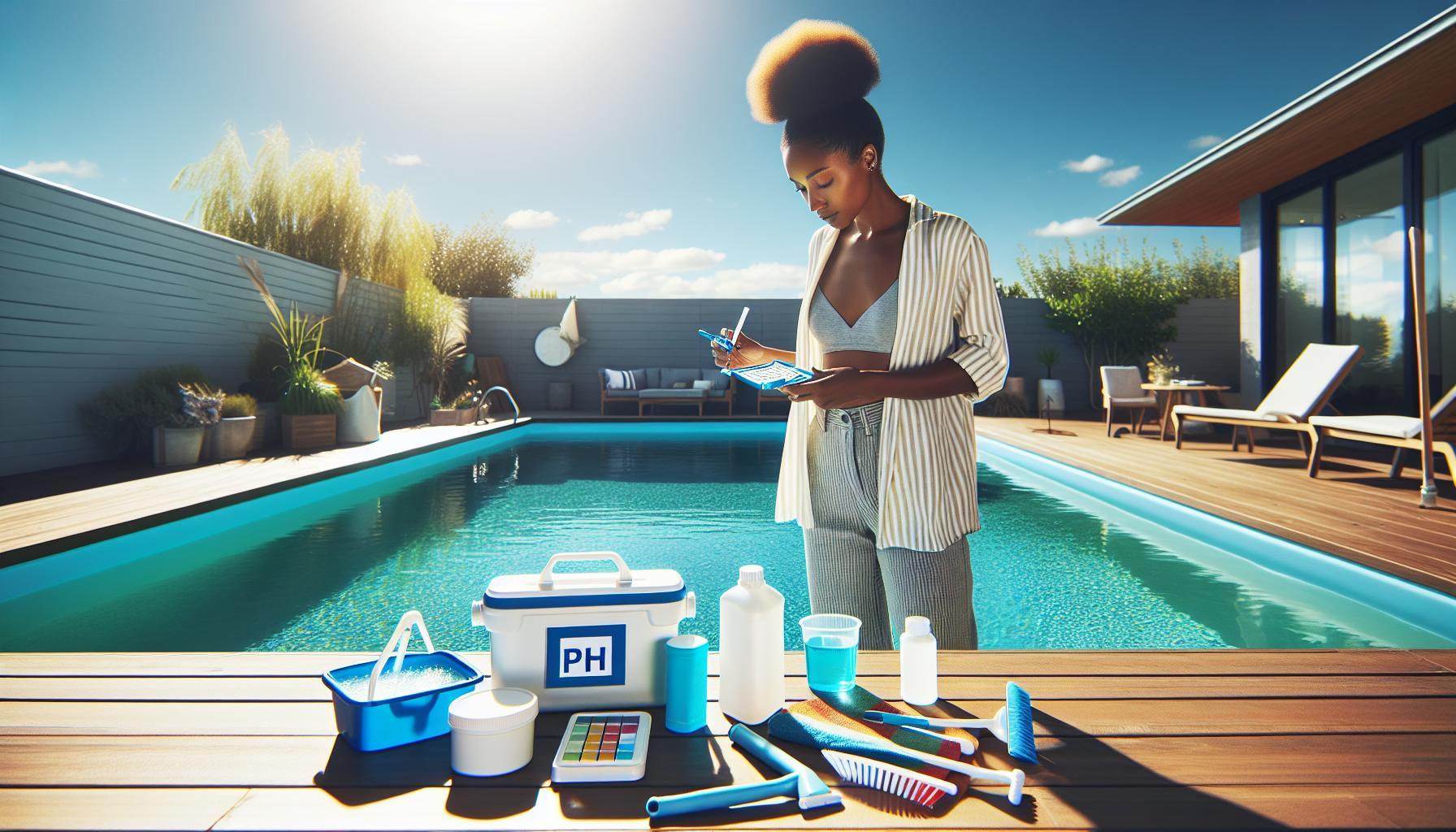
To maintain optimal water quality, routinely test your pool’s chemical levels using a reliable test kit. Aim to keep your pH between 7.2 and 7.6, chlorine levels between 1-3 ppm (parts per million), and alkalinity between 80-120 ppm. If your results stray from these ranges, adjustments need to be made. For example, if your pH is too low, add sodium bicarbonate (baking soda) to raise it, and if it’s too high, muriatic acid can be used for adjustment. Regular testing and subsequent adjustments form the backbone of effective pool maintenance, ensuring both cleanliness and safety for all swimmers.
By understanding these fundamental aspects of pool chemistry, you can tackle maintenance challenges with confidence, promoting a more enjoyable swimming experience for everyone involved. Remember, taking proactive steps in managing your pool’s chemical balance not only prolongs the life of your pool components but also safeguards the health of the users.
Essential Chemicals for Pool Maintenance
Maintaining a pristine pool requires more than just regular cleaning; it hinges on a delicate balance of essential chemicals that work together to ensure water clarity and safety. Among the most critical are chlorine, pH balancers, alkalinity adjusters, and calcium hardness agents. Understanding how to use these chemicals effectively can prevent a host of problems, from murky water to algae blooms, making a robust knowledge of their roles fundamental for any pool owner.
Chlorine is the cornerstone of pool sanitation. It not only eliminates bacteria but also plays a crucial role in preventing algae growth. The typical recommended chlorine level ranges from 1 to 3 parts per million (ppm). To determine how much chlorine to add, first calculate your pool volume in gallons and then follow the manufacturer’s dosage instructions specific to the chlorine type you are using, ensuring swift action against any fluctuations in water quality.
Another indispensable element in your pool maintenance arsenal is pH control. The pH level influences not only swimmer comfort but also the effectiveness of chlorine. Ideally, your pool’s pH should range from 7.2 to 7.6. If tests indicate your pH is too low, adding sodium bicarbonate will help raise it; conversely, a high pH can be corrected with muriatic acid. Keeping within this ideal range will enhance chlorine performance and prevent skin and eye irritation for swimmers.
The buffer against those potential pH swings is alkalinity, which should be maintained between 80 and 120 ppm. Alkalinity acts as a stabilizer, mitigating rapid changes in pH. In scenarios where alkalinity drops too low, baking soda can be added in measured doses based on your pool’s volume. Calcium hardness is equally vital, usually ranging from 200 to 400 ppm, to avoid corrosion of pool fixtures and plaster. Testing is a crucial step here since low calcium levels may lead to etching, while excessively high levels can create cloudiness.
By mastering these essential chemicals and their doses, you can maintain a balanced and safe swimming environment, leading to happier swimmers and optimal pool longevity. Regular testing for chlorine, pH, alkalinity, and calcium hardness will empower you to take immediate corrective actions, encouraging peace of mind and a sparkling pool all season long.
How to Calculate Chemical Dosage for Your Pool
To maintain a healthy and inviting swimming pool, understanding how to calculate the correct chemical dosage is paramount. Proper chemical dosing not only enhances water clarity but also ensures swimmer safety and comfort. Failing to apply the right amounts can lead to imbalances that not only affect pH and chlorine levels but can also promote algae growth and other undesirable conditions.
Start by determining your pool’s volume-this is crucial, as most chemical calculations hinge on this figure. You can find your pool volume using straightforward formulas depending on its shape. For a rectangular pool, multiply the length, width, and average depth (in feet), then multiply by 7.48 to convert cubic feet to gallons. For round pools, use the formula: π × radius² × average depth × 7.48. Once you have this volume in gallons, you can confidently calculate the dosages for various chemicals.
When it comes to adding chemicals, always refer to the manufacturer’s instructions. Here’s a quick guide for some essentials:
- Chlorine: The recommended range is typically 1-3 ppm. For a standard pool, it’s common to add about 1 pound of chlorine per 10,000 gallons to increase the levels by approximately 1 ppm.
- pH Adjusters: For adjusting pH, around 1.5 pounds of sodium bicarbonate will raise the pH level by about 0.5 in 10,000 gallons. Conversely, 1 quart of muriatic acid can lower it by about 0.5 during similar conditions.
- Alkalinity: To raise alkalinity, add roughly 1.5 pounds of baking soda to 10,000 gallons for a 10 ppm increase.
Before applying chemicals, always test the water with a reliable test kit. This allows you to identify specific needs, ensuring compatibility and efficacy of the treatments you’ll be applying. Also, make adjustments gradually; adding chemicals in small increments allows for better control over your water balance and minimizes the risk of overshooting the desired levels.
By mastering these calculations and maintaining consistent testing, pool owners can create a safe and enjoyable swimming environment, reducing the risk of water issues and enhancing the overall experience for everyone who uses the pool.
pH Levels: Importance and Adjustment Techniques
Understanding and maintaining the proper pH levels in your pool is crucial for both the health of swimmers and the longevity of your pool equipment. The ideal pH range for pool water is typically between 7.4 and 7.6. Staying within this range helps to maximize the effectiveness of chlorine, ensuring that it works efficiently to sanitize the water. Too low of a pH can lead to corrosive conditions, damaging pool surfaces and equipment, while a high pH can result in cloudy water and scale buildup, which can affect filtration systems and overall water clarity.
To adjust pH levels effectively, it’s important to first test the water using a reliable testing kit. Once you have your readings, follow these guidelines for adjustment:
- If pH is too low: Use sodium bicarbonate (baking soda) to raise the pH. Approximately 1.5 pounds per 10,000 gallons can elevate the pH by about 0.5.
- If pH is too high: A pH reducer, such as muriatic acid, can be utilized. Adding about 1 quart of muriatic acid per 10,000 gallons will typically lower pH by 0.5.
After adding any chemicals, allow the pool water to circulate for several hours before retesting to ensure that you’ve achieved the desired pH balance. This gradual adjustment process not only helps to stabilize the water conditions but also allows you to fine-tune the adjustments needed without causing sudden spikes or drops in pH levels.
Consistent testing and adjustment of pH levels plays an essential role in maintaining the aesthetics and safety of your pool. By regularly monitoring and adjusting these levels, pool owners can enjoy crystal clear water while protecting their investment in the pool’s infrastructure and ensuring a safe swimming environment for all users.
Chlorine: Types, Dosages, and Best Practices
To ensure a clean and safe swimming environment, understanding the role of chlorine is essential for any pool owner. Chlorine is the most common disinfectant used to kill harmful bacteria and other pathogens present in pool water, keeping it clean and inviting for swimmers. With various types of chlorine available, including liquid chlorine, chlorine tablets, and granular chlorine, selecting the right form for your pool needs is crucial.
Liquid chlorine, also known as sodium hypochlorite, is easy to apply and quickly raises chlorine levels but should be handled carefully due to its high concentration. Chlorine tablets, typically trichlor or dichlor, offer the convenience of slow-dissolving options that help maintain stable chlorine levels over time. Granular chlorine, favored for immediate pool treatment, can be added directly to the water but may require more frequent dosing.
When it comes to dosage, the general guideline is to maintain free chlorine levels between 1 to 3 parts per million (ppm) for residential pools. Factors such as pool size, weather, and swimmer load can affect how much chlorine you need to add. For instance, if you introduce new water or after heavy rainfall, you may need to increase dosages to counteract dilution.
To avoid chlorine overdosing, always refer to specific instructions based on your pool’s volume. A helpful rule of thumb is to use approximately 1 pound of chlorine for every 10,000 gallons of water to raise the free chlorine level by about 3 ppm. Regular testing with a reliable pool test kit is essential to monitor chlorine levels, ensuring they fall within the ideal range. After adding chlorine, allow the pool to circulate for at least a few hours before swimming, promoting even distribution and effectiveness.
By employing these practices and being proactive in your pool maintenance, you can effectively manage chlorine levels, yielding a sanitized and pleasant swimming experience.
Alkalinity and Hardness: Balancing Your Pool Water
To maintain a vibrant and inviting pool, understanding the roles of alkalinity and hardness is essential. These two water chemistry components not only ensure your pool remains clear but also protect the surfaces and equipment from damage. Imbalanced alkalinity and hardness can lead to problems such as corrosion, scaling, and uncomfortable swimming conditions. Therefore, monitoring and adjusting these levels regularly will enhance your swimming experience and extend the life of your pool.
Alkalinity acts as a buffer for pH levels, keeping them stable and reducing fluctuations. Ideally, total alkalinity should be maintained between 80-120 ppm (parts per million). Maintaining this range will help prevent sudden changes in pH, which can lead to chlorine inefficiency and discomfort for swimmers. If your alkalinity is too low, you can raise it by adding sodium bicarbonate (baking soda). The general dosage is about 1.5 pounds per 10,000 gallons to increase the level by approximately 10 ppm.
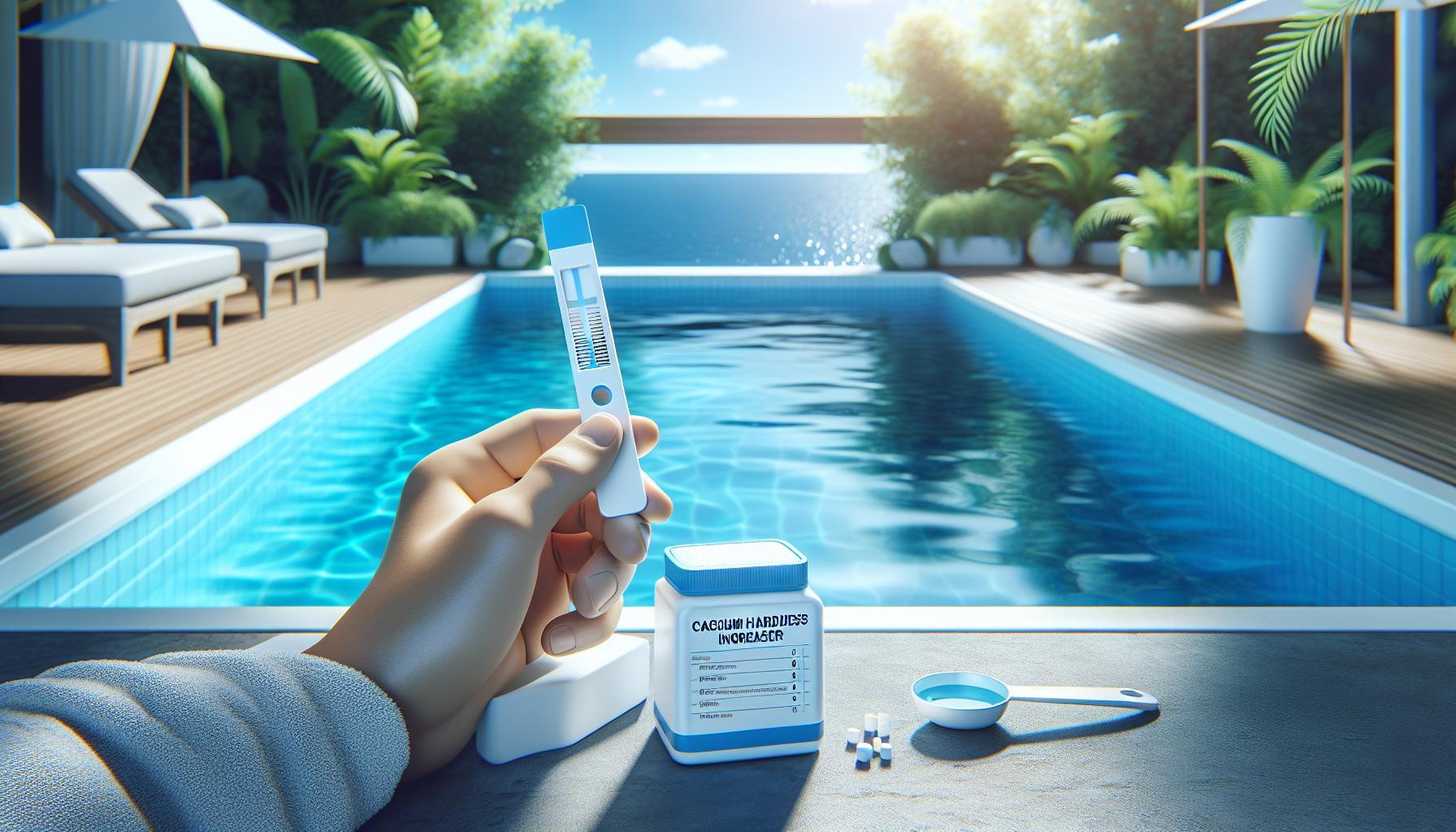
Calcium hardness, on the other hand, refers to the concentration of calcium minerals in the water. This should ideally be maintained between 200-400 ppm. Low calcium levels can lead to corrosive water that damages your pool surfaces and equipment, while high levels can cause scaling and cloudy water. To increase hardness, use calcium chloride, with typical adjustments requiring 1.5 pounds for 10,000 gallons to raise the hardness by about 10 ppm. Conversely, if the calcium level is too high, partially draining the pool and refilling it with fresh water is the most practical solution.
Practical Steps for Balance
- Test alkalinity and calcium hardness levels at least once a week using a reliable test kit.
- Adjust alkalinity first, as it influences pH stability, and subsequently address calcium hardness.
- Add chemicals in smaller doses, test, and then adjust as necessary to avoid overshooting your target levels.
- Remember to circulate the water for at least 4 hours after adding chemicals before retesting.
By proactively managing these key water balance parameters, you can ensure a safe, enjoyable swimming experience while protecting your investment in your pool.
Shock Treatments: When and How to Use Them
Regularly shocking your pool is a vital maintenance step that can make the difference between a crystal-clear swimming environment and a green, algae-infested disaster. Shocking, or superchlorinating, involves adding a high concentration of chlorine or other chemical oxidizers to your pool, effectively killing bacteria, removing organic contaminants, and breaking down chloramines-substances that cause odors and eye irritation. This practice is essential, especially after heavy usage, rainstorms, or if you’ve detected water quality issues.
To determine when to shock your pool, monitor the water’s chlorine levels regularly. If free chlorine falls below 1 ppm or if you notice an unusual cloudiness or odor, it’s time to take action. The general recommendation is to shock your pool every 1-2 weeks, but this frequency can increase during peak usage seasons or after particular events such as pool parties.
When it comes to how to perform the shock treatment, follow these straightforward steps:
- Choose the Right Shock: You can use either granular chlorine or liquid chlorine, with granular options often preferred due to their ease of use and effectiveness.
- Calculate Dosage: Refer to the product’s guidelines for the correct amount based on your pool’s volume. A common dosage is about 1 pound of granular shock for every 10,000 gallons of water.
- Dissolve and Disperse: For granular shock, dissolve it in a bucket of water first before adding it to the pool to prevent bleaching and damage to surfaces. Always disperse it evenly around the pool, preferably in the deep end while the pump and filter are running to ensure proper circulation.
- Test and Wait: After shocking, wait at least 24 hours before using the pool. Test the water again to ensure free chlorine levels have returned to a safe range (1-3 ppm).
By integrating regular shock treatments into your pool maintenance routine, you’ll ensure that your pool remains inviting and safe for all swimmers. With proactive management, potential water quality issues can be effectively negated, allowing you to enjoy a fresh and clean swimming experience all season long.
Algae Prevention: Chemical Strategies for a Clear Pool
Preventing algae growth in your pool is crucial for maintaining not only its aesthetic appeal but also the safety and health of its users. Algae can develop quickly, especially in warm weather or poorly balanced water conditions, transforming your inviting pool into a green and unappealing environment. The key to effective algae prevention lies in proper chemical management and regular maintenance practices that keep your water balanced and clean.
To begin with, maintaining appropriate chlorine levels is essential. Chlorine acts as a powerful disinfectant, preventing the growth of algae and other harmful microorganisms. Aim for a free chlorine level of 1-3 ppm, and adjust as needed based on your weekly testing results. If you find yourself struggling with algae blooms, consider increasing the chlorine dosage slightly to help eradicate existing growth while still ensuring water safety. Furthermore, adding an algaecide can be a proactive measure. These specialized chemicals target algae directly and can be especially effective when used as a preventative treatment, particularly during peak swim season or after heavy rainfall.
In addition to chlorine and algaecides, monitoring and adjusting your pool’s pH and alkalinity are vital steps in algae prevention. Keeping your pH levels between 7.2 and 7.8 ensures that chlorine remains effective and prevents the growth of algae. The total alkalinity should be maintained between 80 and 120 ppm to support stable pH levels. Regular testing and chemical adjustments facilitate a balanced environment that dissuades algae proliferation.
Lastly, consistent maintenance routines contribute significantly to preventing algae. Regularly skimming the surface for debris, vacuuming the pool floor, and brushing the walls can disrupt algae development before it takes hold. Moreover, ensuring proper circulation and filtration by running your pump for at least 8-12 hours daily will help keep your water clear and safe. By integrating these chemical strategies into your pool upkeep, you’ll not only prevent algae but also create a swimming oasis that remains inviting and enjoyable throughout the season.
Safety Precautions When Handling Pool Chemicals
When it comes to maintaining a pristine and safe swimming environment, handling pool chemicals with care is paramount. It’s essential to recognize that the very substances you use to keep your pool clean can pose risks if not managed correctly. Familiarizing yourself with safety precautions can transform a potential hazard into a straightforward, routine part of your pool maintenance.
Start by wearing proper personal protective equipment (PPE) to minimize risk. This should include gloves, goggles, and long sleeves to safeguard against splashes and spills. Always handle chemicals in a well-ventilated area, preferably outdoors, to avoid inhaling any fumes that may emanate from the products. Ensure that children and pets are kept at a safe distance while you work with pool chemicals.
Proper storage and labeling of chemicals is another critical component of safety. Always store chemicals in their original containers, clearly labeled with the contents. Keep them in a cool, dry place away from direct sunlight and moisture, as these factors can destabilize the chemicals. It’s also wise to store pool chemicals away from each other to prevent any dangerous reactions that might occur if two substances come into contact. For added safety, consider using a dedicated storage cabinet with a lock to deter curious hands from tampering with potentially hazardous materials.
In the event of an emergency, knowing the correct first aid procedures is essential. For instance, if you accidentally spill chemicals on your skin, rinse the area thoroughly with cold water for at least 15 minutes. If ingested, do not induce vomiting; instead, seek immediate medical attention, taking the chemical container with you to provide doctors with information. Regularly reviewing the Safety Data Sheets (SDS) for each chemical you use can equip you with vital information regarding potential hazards and first aid measures, ensuring you’re prepared for any situation.
Lastly, integrating these safety practices into your pool maintenance routine promotes a positive and secure environment not only for yourself but for family and friends enjoying your pool. A little precaution goes a long way, turning pool care into an enjoyable task rather than a daunting one. By adopting these strategies, you’ll maintain not only a clean pool but also peace of mind knowing that safety is your top priority.
Troubleshooting Common Chemical Issues
Maintaining optimal chemical balance in your pool can be the difference between a sparkling oasis and a swampy mess. One of the most common challenges faced by pool owners is identifying and rectifying chemical issues, which, if left unattended, can lead to water that’s not just unsightly but also unsafe for swimmers. When problems arise, the key is a systematic approach to troubleshooting that allows you to quickly diagnose and correct the issue.
Identifying and Resolving Common Chemical Issues
One typical problem is cloudy water, which could indicate improper chemical balance or insufficient filtration. Start by testing the water using a reliable testing kit. If the chlorine levels are too low (< 1 ppm), add chlorine according to the manufacturer's guidance, and ensure the filter is clean and operational. If your chlorine levels are adequate but the water remains cloudy, consider superchlorination (shocking the pool), as this can quickly clear up murky water by eliminating chloramines and other impurities.Another issue pool owners often encounter is high pH or alkalinity levels. Ideally, pH should be in the range of 7.2 to 7.6, while total alkalinity should be maintained between 80 to 120 ppm. If you find your pH is elevated, add a pH decreaser (usually muriatic acid or sodium bisulfate) in small increments, frequently testing the water after each application until the desired level is achieved. Conversely, if the alkalinity is too low, a sodium bicarbonate treatment can safely raise those levels.
Lastly, algae growth is an eye sore and a health hazard. If you spot any green or yellow hues in your water, take action immediately. Begin with an algaecide application followed by adjusting the chlorine levels to maintain at least 3 ppm of chlorine post-treatment. Regularly brushing and vacuuming the pool surfaces will also assist in preventing future outbreaks.
Keeping a Routine Check
Creating a regular maintenance schedule will help mitigate many of these issues before they arise. Test your pool water at least once a week during swimming season, and consider doing so more frequently during periods of heavy use or after rainfall. Keeping a maintenance log can help you detect patterns and recurring issues, allowing you to fine-tune your chemical balance over time.
By taking control and implementing these practical troubleshooting steps, you will ensure that your pool remains a safe and inviting place for everyone. Remember, the goal is not just to respond to problems but to prevent them through proactive management of your pool’s chemical levels.
Seasonal Pool Chemistry: Adjusting for Changing Weather
Changing weather can have a profound impact on your pool’s chemistry, making it essential for owners to stay vigilant and adjust their maintenance routines accordingly. As temperatures rise, so does the demand for chlorine, while rain can dilute your chemicals and shift the pH balance. Each season brings its own unique challenges, and understanding how these factors influence your pool’s water chemistry will help you maintain a clean, safe, and enjoyable swimming environment.
During the hot summer months, the sun’s UV rays deplete chlorine levels more rapidly. Regularly test the water at least once a week and consider stabilizing your chlorine with cyanuric acid, especially if you’re in an area with high UV exposure. As temperatures climb, it’s crucial to keep chlorine levels in the ideal range of 1-3 ppm to ensure effective sanitation. Additionally, hotter weather often promotes algae growth. Implement preventative measures by using algaecides and brushing your pool surfaces regularly.
In contrast, rainy seasons can significantly alter your pool’s chemistry. Rainwater is typically soft and can lower both the pH and alkalinity of your pool water. After a heavy rainfall, make it a practice to retest your water chemistry and adjust as necessary. You might need to add pH increaser if the levels drop below the ideal range of 7.2-7.6, and ensure your alkalinity stays between 80-120 ppm by adding sodium bicarbonate if needed.
Moreover, seasonal temperature fluctuations can affect total dissolved solids (TDS) levels and calcium hardness. Cold temperatures can render calcium less soluble, potentially leading to scaling. Increasing the use of pool covers during off-seasons can help mitigate evaporation and control temperature, thus making your chemistry maintenance easier.
By proactively adjusting to the seasonal changes, you can avoid imbalances that lead to cloudy water, algae blooms, or even equipment damage. Embrace these seasonal shifts as opportunities to refine your pool management skills. Regular testing, appropriate chemical additions, and vigilant observation will ensure that your pool remains an inviting oasis all year round.
Advanced Tips for Perfecting Pool Water Balance
To maintain a pristine swimming environment, achieving the perfect balance of pool chemicals is essential. A well-maintained pool not only enhances the swimming experience but also extends the life of your pool equipment. Consistency in testing and adjusting chemical levels is key. Here are advanced tips to help you master the delicate balance of your pool’s chemistry.
Regular Testing and Adjustments
Keep a precise schedule for testing your pool water, aiming for at least once a week. Utilize a reliable test kit to measure pH, alkalinity, chlorine levels, and stabilizer concentrations. Regular testing ensures you catch imbalances early. For instance, if your pH is high, you might need to add muriatic acid or sodium bisulfate to lower it. Conversely, if it’s low, a pH increaser like sodium carbonate can bring it back to the desired range of 7.2-7.6.
- Test chlorine levels and adjust to stay within 1-3 ppm.
- Monitor stabilizer levels, especially after heavy rainfall or pool usage, striving for 30-50 ppm.
Choose the Right Chemicals
Selecting the right chemicals for your pool type is crucial. For saltwater pools, ensure you maintain a proper salt level (typically 2700-3400 ppm) which facilitates efficient chlorine generation. In contrast, chlorine pools might require periodic shock treatments-using a granular or liquid shock-to boost chlorine levels and eradicate contaminants after heavy use or stormy weather.
Addressing Common Issues
Cloudy water? This often results from improper filtration or chemical imbalances. Shock your pool to eliminate contaminants and improve clarity. Algae blooms are another common problem; if you notice green water, use algaecides and ensure your chlorine levels are adequately maintained to prevent recurrence. Regular brushing and vacuuming will also enhance circulation and prevent algae buildup on surfaces.
Seasonal Adjustments
As seasons change, adjust your approach accordingly. In warmer months, increase chlorine and pH testing frequency due to more sunlight and usage. During colder months, consider reducing chemical additions but maintain a watchful eye on alkalinity levels to prevent corrosion or scaling. Using a pool cover can also help mitigate chemical loss from evaporation.
By employing these strategies, you’ll not only keep your pool water crystal clear but also develop the confidence to tackle any chemical challenges that arise. With your consistent efforts, you can create a safe, inviting swimming oasis that will be the highlight of your summer.
Faq
Q: What are the ideal chlorine levels for swimming pools?
A: The ideal chlorine level for swimming pools is between 1-3 parts per million (ppm). Maintaining this range ensures effective sanitation without being harsh on swimmers. Regularly test chlorine levels using a pool testing kit and adjust as necessary by adding chlorine products as detailed in the “Chlorine: Types, Dosages, and Best Practices” section of our guide.
Q: How often should I test my pool chemical levels?
A: You should test your pool chemical levels at least once a week. During peak swimming seasons or after heavy rainfall, increase testing frequency to ensure water balance and safety. Use test strips or a liquid testing kit for accurate results, enabling you to maintain balanced pH and chlorine levels.
Q: What should I do if my pool pH is too high?
A: If your pool pH is above 7.8, it’s considered too high. To lower pH, add a pH reducer, typically sodium bisulfate or muriatic acid, following the dosage instructions on the product. Retest after 24 hours and adjust as necessary to achieve the ideal range of 7.2 to 7.8 for optimal pool conditions.
Q: How can I prevent algae growth in my pool?
A: To prevent algae growth, maintain proper chemical balances, particularly chlorine levels, and regularly brush the pool walls and floor. Shock your pool as needed and consider adding algaecides if algae blooms occur. Refer to the “Algae Prevention: Chemical Strategies for a Clear Pool” section for targeted strategies.
Q: When should I shock my pool?
A: You should shock your pool after heavy use, following a rainstorm, or if you suspect a chloramine buildup (chlorine odor). Shocking raises the chlorine levels quickly, killing harmful bacteria and algae. Check the “Shock Treatments: When and How to Use Them” section in our guide for exact instructions.
Q: What is the best way to balance pool alkalinity?
A: To balance pool alkalinity, aim for a range of 80-120 ppm. If it’s too low, add sodium bicarbonate; if too high, use muriatic acid or sodium bisulfate. Adjust gradually and retest after 4-6 hours of circulation, ensuring stable conditions for other chemicals. Check the “Alkalinity and Hardness: Balancing Your Pool Water” section for detailed steps.
Q: How much shock treatment should I use for my pool?
A: The amount of shock treatment depends on your pool size. A standard guideline is to add 1 pound of shock per 10,000 gallons of water. Always consult the product label for specific instructions, ensuring proper dosage for effective sanitation while referring to the “Shock Treatments” section for further clarification.
Q: What are the signs of chemical imbalance in a pool?
A: Signs of chemical imbalance include cloudy water, strong chlorine odors, skin irritation, or algae blooms. Regular testing can prevent these issues, as discussed in the “Troubleshooting Common Chemical Issues” section. Address imbalances promptly to maintain a safe and enjoyable swimming environment.
In Conclusion
Now that you’ve grasped how much to put in your pool, you’re well-equipped to ensure sparkling clean water for your family and friends. Remember, maintaining the right chemical balance is essential not just for clarity but for safety too. If you have any lingering questions or face challenges, don’t hesitate to explore our comprehensive guides on pool maintenance tips and troubleshooting common pool issues.
Take action today! Regular checks and adjustments will keep your pool in top shape, and for those looking to deepen their expertise, consider signing up for our newsletter for expert advice and exclusive offers. Dive into your next steps confidently, knowing that you have the tools and knowledge to manage your pool’s chemistry effectively. Let’s keep the conversation going-share your thoughts in the comments below, and check back for more insights to safeguard your summertime oasis!