Did you know that improperly timed swimming after shocking your pool can lead to potential safety hazards? Many pool owners are unaware of the necessary waiting period post-shocking, which is crucial for both water quality and swimmer safety. Understanding how long to wait after shocking your pool is essential to ensure a safe and enjoyable swimming experience for your family and friends.
When you shock your pool, you’re effectively treating it to remove harmful contaminants and maintain crystal-clear water. However, it’s vital to be cautious. Swimmers may unknowingly expose themselves to high chlorine levels, leading to irritations or health issues. With proper guidance on when it’s safe to dive back in, you can protect your loved ones while ensuring your pool remains a source of fun and relaxation.
Continue reading to learn the recommended waiting times and essential safety tips that will keep your swimming pool enjoyable and safe all season long.
How Long Should You Wait After Shocking Your Pool?

When it comes to pool maintenance, shocking your pool is a necessary step for maintaining clean and clear water. However, how long you should wait after shocking before diving back in is crucial for ensuring your safety and the well-being of fellow swimmers. Generally, the recommendation is to wait at least 24 hours after shocking your pool. This time frame allows the chemicals to fully dissipate and ensures that the chlorine levels are brought back to safe swimming ranges, typically between 1-3 ppm (parts per million).
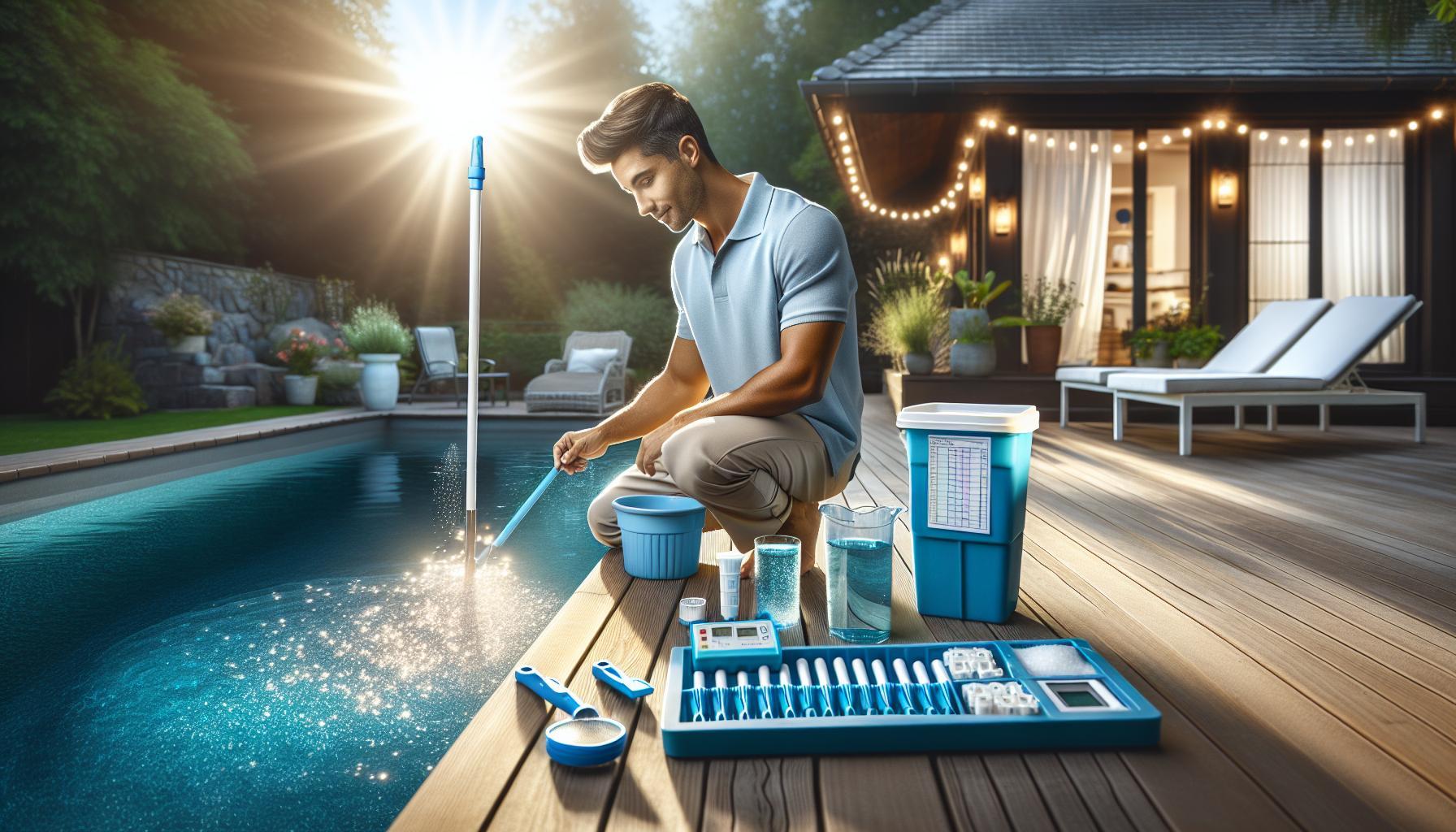
To determine if it’s indeed safe to swim, always use a reliable test kit or test strips to assess the chlorine levels. If the chlorine level is too high, the water can irritate your eyes and skin, and it’s best to stay out until it has returned to safe levels. If you’re in doubt about the chemical balance, waiting it out an extra day is always a safer choice. Ensure the pool water is clear and free of debris as well.
In addition to waiting, consider these practical steps to enhance re-entry into the pool:
- Test the Water: Before jumping back in, test the water for pH and chlorine levels.
- Observe Chemical Reaction: If you shocked your pool with calcium hypochlorite, avoid swimming until the calcium settles.
- Check for Clarity: Make sure your pool’s water looks clear. Cloudy water may indicate an imbalance.
Ultimately, ensuring a safe swimming environment requires patience and vigilance. Always prioritize health and safety post-shocking to enjoy a refreshing swim!
Understanding the Shocking Process: What You Need to Know

Shocking your pool serves as an essential maintenance task designed to ensure that the water remains clean, clear, and safe for swimmers. Essentially, this process involves adding a significant dose of chlorine or another oxidizing agent to eliminate bacteria, algae, and other contaminants that can build up over time. This isn’t just about keeping your pool visually appealing; it profoundly impacts the health and safety of anyone who uses it.
One critical aspect of shocking is understanding the purpose of the chemicals involved. When you shock a pool, you elevate the chlorine levels significantly-often above 10 ppm (parts per million)-to effectively destroy pathogens and break down chloramines (the compounds that can cause odors and irritation). Post-shocking, the free chlorine needs to reach acceptable levels (1-3 ppm) again before swimming can resume. This typically requires a waiting period, which can vary based on factors like the type of chlorine used and environmental conditions such as temperature and sunlight.
To make the best of your shocking routine, follow these immediate actionable steps:
- Choose the Right Shocking Agent: Common options include calcium hypochlorite, sodium dichlor, and liquid chlorine. Each has different application methods and effects.
- Calculate the Right Dose: Refer to your pool’s volume and the product guidelines to determine how much shock to add. Over-shocking can lead to longer wait times.
- Test Before Swimming: After allowing the shock to work, utilize a reliable test kit to measure the chlorine levels before considering a swim.
Understanding the process and following tailored steps will empower you to handle pool maintenance effectively, ensuring a safe and inviting swimming environment for all.
Signs That It’s Safe to Swim Again
After shocking your pool, knowing when it’s safe to dive back in is crucial for both enjoyment and safety. The key indicator is the chlorine level; swimming should only resume when the free chlorine concentration has decreased to a safe range, typically between 1-3 parts per million (ppm). Using a reliable test kit to measure this is essential-only trust those readings and avoid guessing.
In addition to checking chlorine levels, observe the water’s clarity. If the water appears murky or has a lingering chlorinated smell, it may not be safe for swimming just yet. Ensure that the pH level also remains balanced (ideally between 7.2 and 7.8) as this can affect chlorine efficacy and swimmer comfort. If you’re still unsure, waiting an additional 24 hours can provide peace of mind, especially after a particularly heavy shock treatment.
Another practical sign to look for is the absence of any odor that might indicate residual chloramines. Proper shocking should eliminate these compounds, which are often responsible for irritating your skin and eyes. Lastly, keep an eye on the temperature and weather conditions, as hotter days can lead to faster chlorine dissipation. However, during cooler, cloudy conditions, remember that chlorine may require a bit longer to lower to safe levels.
To streamline your post-shock routine, follow these actionable steps:
- Test chlorine levels: Wait a few hours post-shock and then use a test kit.
- Check water clarity: Clear water often indicates a ready-to-swim condition.
- Assess odor: A strong chlorine smell might signal that chlorine levels are still too high.
- Wait an extra day: If unsure, allow more time before swimming.
These strategies empower you to confidently determine when it’s safe for fun in the sun while prioritizing swimmer safety. Enjoying your pool after a thorough shock treatment is not just about enjoying the water, but also about ensuring the environment is safe for everyone involved.
Key Safety Tips for Swimming After Shocking
Swimming after shocking your pool doesn’t have to be daunting if you take the right precautions. Understanding the appropriate timing and safety measures can significantly enhance your pool experience while ensuring your health and safety. One critical factor is to wait until the free chlorine levels drop to a safe range, typically between 1-3 parts per million (ppm). Utilizing a reliable test kit is essential; always double-check the chlorine concentration before allowing anyone to swim.
It’s also advisable to pay attention to water clarity and odor. Clear water generally indicates it’s safe to swim, while cloudy water may signal elevated chemical levels or insufficient shock treatment. Additionally, a strong chlorine smell can be a warning sign of chloramines, which not only irritate the skin and eyes but also suggest that the chlorine has not completely neutralized. If you notice either of these indicators, it’s better to delay swimming. External conditions such as temperature and sunlight can affect chlorine dissipation; on hot days, chlorine levels may lower more quickly, while cooler weather can prolong the process.
Establishing a routine for assessing safety before swimming can be highly beneficial. Here are some straightforward safety tips:
- Test Your Water: Use a test kit to measure chlorine levels after waiting a few hours post-shock. If levels are within a safe range, you can proceed.
- Visual Inspection: Check that the water is clear and free of floating debris or discoloration.
- Smell Test: A lack of strong chemical odors typically indicates a safer environment for swimming.
- Wait it Out: If you’re uncertain about the chemical levels or water condition, don’t hesitate to wait another 24 hours to reassess.
By following these straightforward guidelines, you can ensure a safe and enjoyable swimming experience after shocking your pool. Your diligence not only protects your health but also contributes to the longevity of your pool maintenance efforts.
Common Misconceptions About Pool Shocking
Many pool owners harbor misconceptions about the shocking process that can lead to improper procedures and unsafe swimming conditions. One prevalent myth is that high chlorine levels immediately following shocking make the pool unsafe for swimming, regardless of the actual concentration. In reality, the timing for swimming depends largely on reaching specific free chlorine levels-typically between 1-3 ppm. Understanding this nuance allows for safer swimming while preventing unnecessary delays in enjoying your pool.
Another common misunderstanding is that shocking a pool instantly clears up cloudy water. While shocking is an effective way to eliminate contaminants and algae, it does not guarantee immediate water clarity. In fact, the particles responsible for cloudiness, like dead algae and other debris, often require additional filtering and time to settle. It’s essential to assess the water condition a few hours after shocking-using a reliable test kit to gauge chlorine levels-before jumping in. Clear water, devoid of any murkiness, is a more accurate indicator of safety.
Furthermore, many pool owners believe that once the pool is shocked, it should be ready for swimming later that day. However, external factors such as temperature, sunlight exposure, and the type of shock used can heavily influence chlorine dissipation rates. On hot, sunny days, chlorine burns off more quickly, while cooler temperatures may prolong the wait. Thus, always checking the chlorine levels is critical before allowing swimmers back into the pool. This diligence not only assures safety but enhances overall enjoyment during swim season.
Being informed helps pool owners navigate the complexities of maintaining their swimming areas. By debunking these misconceptions, you can implement the shocking process with greater confidence and effectiveness, ensuring a safe and enjoyable pool experience for all.
How to Determine the Right Chemical Levels
Determining the right chemical levels in your pool after shocking is crucial for ensuring safety and comfort when swimming. High levels of chlorine immediately after shocking can pose risks to health, making it imperative to know when levels have dropped to safe limits. One of the most effective methods to monitor chemical levels is by using a reliable test kit, which can measure free chlorine, total chlorine, pH, alkalinity, and stabilizer levels.
To effectively manage your pool chemistry, follow these steps:
1. Test Your Water Regularly
Start by testing your pool water at regular intervals, especially after shocking. Wait a minimum of 24 hours after the shock treatment, then use a basic test kit or a digital tester to check the free chlorine levels. The ideal range for safe swimming is typically between 1-3 ppm of free chlorine. If the test indicates that the levels are still high, you may need to wait longer before swimming.
2. Adjust pH Levels
Alongside chlorine, pH plays a significant role in pool safety and water clarity. After shocking, pH levels can shift, often increasing due to the shock chemicals. Aim for a pH level between 7.2 and 7.6. If the pH is higher, you can lower it by adding pH decreaser (sodium bisulfate) according to the manufacturer’s instructions.
3. Monitor Other Chemical Levels
In addition to chlorine and pH, it’s important to check total alkalinity (TA) and stabilizer (cyanuric acid) levels. Ideal TA levels should be between 80 and 120 ppm, which helps stabilize pH. Stabilizer levels should be maintained at around 30-50 ppm to protect chlorine from being broken down by sunlight.
4. Use Chemical Adjusters When Needed
If your tests show levels outside the ideal range, prompt adjustments are necessary. For instance, if the chlorine level is excessively high, you can dilute the pool water by adding fresh water until levels drop. Always refer to your test kit’s instructions for specific dosages and procedures for any chemicals you add to your pool.
By implementing a routine testing schedule and promptly correcting any imbalances, you’ll ensure that your pool remains safe for swimming and inviting for everyone to enjoy. Regular attention to these chemical levels not only enhances safety but also contributes to maintaining a clean and clear swimming environment.
Factors Affecting Swim Time After Shocking
Determining when it’s safe to swim after shocking your pool depends on various factors, each of which plays a crucial role in the overall safety and water chemistry. One of the main considerations is the level of free chlorine in your pool. Typically, after shocking, free chlorine levels can spike significantly, often exceeding safe swimming limits (1-3 ppm). Therefore, it’s essential to regularly test the water after shocking to ensure chemical levels have returned to a safe range. This usually involves waiting at least 24 hours and then using a reliable test kit to assess the free chlorine levels.
Another important factor is water temperature. Warmer water can lead to faster depletion of chlorine, meaning that you may be able to swim sooner in warmer conditions, assuming chlorine levels are safe. Conversely, cooler water may retain chlorine longer, extending the wait time. Therefore, it’s prudent to remain vigilant and test accordingly, especially during hotter weather when water temperatures are high.
Additionally, environmental conditions such as sunlight and wind can affect the efficacy of chlorine. Direct sunlight can break down chlorine rapidly; thus, if you’ve shocked the pool during peak sunlight hours, you might find that chlorine levels drop quickly, potentially allowing for earlier swimming opportunities. On the other hand, if you’re dealing with heavy winds or rain, these conditions may require additional chlorine adjustments and could mean waiting longer before entering the water.
Lastly, the type of shock treatment used also plays a significant role in determining swim time. For instance, using calcium hypochlorite may result in different wait times compared to sodium di-chlor, as they have varying effects on water chemistry and chlorination levels. Always follow the manufacturer’s guidelines for each type of shock to understand their specific implications for swim times.
By considering these factors-free chlorine levels, water temperature, environmental conditions, and the type of shock used-you can confidently determine the safest time to swim after shocking your pool. Regular testing and awareness of these variables will empower you to maintain a safe and enjoyable swimming environment.
Emergency Protocols for Pool Water Issues
Dealing with unexpected pool water issues can be concerning, especially after shocking your pool. It’s crucial to have emergency protocols in place to quickly address any problems that arise to ensure safety and maintain a healthy swimming environment. If you notice anything unusual in your pool during or after the shocking process-such as strange colors, cloudiness, or an unusual odor-taking immediate action is essential.
First and foremost, regularly test the water using a reliable test kit to assess the levels of free chlorine, pH, alkalinity, and stabilizer. If the free chlorine is significantly above the safe swimming level (1-3 ppm), refrain from swimming and wait until it returns to a safe range. If you detect cloudiness or a greenish tint, this could indicate algae growth or inadequate chemical balance. Begin by cleaning the pool thoroughly using a skimmer, brush, and vacuum to remove debris and contaminants. After this, you may need to shock your pool again, but only after getting a reliable assessment of the current chemical levels.
In case of persistent problems, consider the following steps:
- Shock Treatment: Use the appropriate shock treatment-preferably a type that targets the specific issue (e.g., calcium hypochlorite for higher water temperatures). Follow the manufacturer’s instructions for dosage and application.
- Filtration: Ensure your filter is backwashed and operating efficiently. This will help in removing contaminants and improving water clarity.
- Retesting: After shocking, retest the water after 24 hours to determine if levels are back within the safe ranges before allowing swimming.
- Environmental Controls: Adjust for external factors by covering the pool if rainfall is expected or by using stabilizers to protect chlorine levels from the sun.
If you experience issues such as foam, unusual scents, or persistent algae growth, it’s advisable to consult a pool professional. They can provide insights into deeper chemical imbalances or equipment failures that may not be easily resolved at home. Additionally, maintaining a regular pool maintenance schedule, including frequent testing and cleaning, can prevent these emergency scenarios from developing in the first place. Taking proactive steps ensures your pool remains a safe and enjoyable place for all swimmers.
Maintaining Your Pool Post-Shocking: Best Practices
After shocking your pool, the work doesn’t end with just adding chemicals; it’s essential to adopt ongoing maintenance practices that ensure water quality and safety. Regular monitoring and a proactive approach can help keep your pool inviting and healthy for swimmers. One of the first steps is to consistently test your water chemistry, particularly the levels of free chlorine, pH, alkalinity, and stabilizer. Consider using a reliable pool test kit to track these parameters. Optimal chlorine levels should typically fall between 1-3 ppm, and maintaining a balanced pH (7.2-7.8) is crucial for effective sanitization.
Another important element is ensuring your filtration system is functioning properly. After shocking the pool, make sure to clean your filter-backwashing or replacing filter media as needed-so it can efficiently remove any residual debris or contaminants. Running the pump continuously for several hours, especially after shocking, helps circulate the chemicals evenly and aids in filtering out impurities. This step is vital for maintaining clear water.
Additional best practices include regularly brushing pool surfaces to remove algae buildup or debris and vacuuming to clear the bottom of the pool. As environmental conditions change, such as increased rainfall or heavy sunlight, adjust your pool care routine accordingly. Covering the pool during inclement weather helps maintain water chemistry and keep out debris, reducing the frequency of cleaning and chemical adjustments.
Finally, always have emergency protocols ready. If you notice unusual colors, odors, or cloudy water after shocking, it may require additional shock treatments or consultations with pool professionals. By staying vigilant and adopting these best practices, you can ensure a pleasurable swimming experience for all.
Alternatives to Pool Shock: When to Consider
When considering alternatives to traditional pool shock, the world of pool maintenance offers several options that can effectively manage water quality without the concerns associated with heavy chemical use. While shocking is a powerful method to eliminate algae and pathogens, it can sometimes be overkill or inconvenient. Different scenarios may warrant looking into alternative solutions, which can include non-chlorine shock treatments, natural enzyme products, and more proactive maintenance strategies.
Non-Chlorine Shock Treatments
These products use potassium monopersulfate or similar compounds to oxidize contaminants and clarify water. Non-chlorine shocks are often gentler than traditional chlorine-based shocks and can be advantageous if you have sensitive skin or are concerned about chemical residues. This type of shock can be a good choice if you’re looking for a quick boost while allowing swimmers back in the water sooner, usually within just a few hours, as they don’t significantly raise chlorine levels.
Enzymes and Alternative Sanitizers
Another alternative worth considering is the use of enzyme-based cleaners or mineral sanitizers. Enzymes work to break down organic matter, which can keep your pool cleaner with less reliance on chlorine. Meanwhile, mineral sanitizers, using systems like copper or silver ions, offer a low-chlorine sanitization method. Utilizing these alternatives can maintain water clarity and reduce the need for frequent shocking, thereby enhancing swimmer comfort and chemical balance.
Routine Maintenance and Monitoring
Regardless of the shocking method you choose, establishing a routine maintenance schedule is paramount. Regular testing of chemical levels, appropriate circulation times, and consistent cleaning practices can preempt many water quality issues. Invest in a dependable pool test kit to monitor essential parameters like pH, alkalinity, and free chlorine regularly. By staying proactive, you can minimize the frequency of shocking required.
Conclusion
In summary, understanding that shocking isn’t the only solution allows pool owners to tackle their maintenance with confidence and flexibility. Moving towards alternatives can enhance your pool care regimen while being mindful of swimmers’ safety and comfort. Consider experimenting with these alternatives based on your specific pool conditions and water quality needs, ensuring a refreshing swimming experience all season long.
Seasonal Considerations for Pool Maintenance
Proper pool maintenance is essential throughout the year, especially when considering the impact of seasonal changes on water chemistry and overall pool health. As temperatures fluctuate and outdoor debris from trees and plants increases, adapting your maintenance routine becomes crucial for keeping your pool crystal clear and safe for swimming.
During spring, the arrival of warmer weather prompts the onset of algae growth and increased organic matter entering the water. This is an optimal time to prepare your pool for the upcoming swimming season. Start by conducting a thorough inspection of your equipment and clean any filters or debris trapped in the skimmers and drains. It’s also beneficial to balance your water chemistry before the first swim-ensuring that your pH, alkalinity, and chlorine levels are within the recommended ranges helps prevent potential water quality issues.
Summer brings its own challenges; swimmers introduce contaminants into the water, which can deplete chlorine levels quickly. After shocking your pool, monitor the chemical levels closely, particularly during peak swimming times. It’s recommended to swim only after verifying that chlorine levels have returned to safe levels, typically less than 5 parts per million (ppm). Regularly testing the water can prevent unwanted surprises and ensure a safe swimming environment.
As fall approaches, leaves and other debris can accumulate quickly, making daily cleaning a necessity. This is also the time to consider winterizing your pool if you live in a colder climate. Before closing your pool, ensure that you shock the water to eliminate any lingering contaminants, which can flourish in covered pools. Balancing the water chemistry before winterization protects your pool surfaces and equipment from damage caused by freezing temperatures.
In winter, while many pools are closed, it’s important to keep an eye on the water levels and cover integrity. If your pool remains open, ensure regular maintenance and monitor chemical levels consistently to avoid winter algae blooms.
Ultimately, understanding how seasonal variations affect your pool maintenance routine can greatly enhance your swimming experience, safeguard your investment, and ensure your pool remains a delightful retreat throughout the year.
Expert Recommendations on Pool Safety After Shocking
After shocking your pool, ensuring swimmer safety is paramount. A common recommendation is to wait at least 24 hours before swimming, but the ideal duration can depend on a few critical factors, primarily the chlorine levels. Understanding these levels is essential, as swimming in water with elevated chlorine can irritate skin and eyes and cause discomfort. To determine when it’s safe to jump back in, regularly test the water with a reliable kit, aiming for chlorine levels below 5 parts per million (ppm).
Key Steps to Ensure Safety
- Test Water Chemistry: Use a pool test kit or strips to measure chlorine and pH levels. If chlorine is above 5 ppm, wait longer before swimming.
- Check for Clarity: Visual inspection matters. If the water appears cloudy or has a strange odor, it’s best to hold off swimming until conditions improve.
- Cooling Off Period: Consider the heat. After shocking, water temperature can affect the rate at which chlorine dissipates. Cooler water may require more time.
Communicating with Swimmers
It’s important to inform everyone swimming about the process and timing. Consider placing signs around your pool area detailing when it was last shocked and the recommended wait time. Accessibility to this information fosters safety and helps build a responsible swimming environment.
Following these expert recommendations not only protects swimmers but also enhances the overall enjoyment of your pool experience. By being proactive in monitoring chemical levels and communicating clearly, pool owners can ensure a safer, cleaner swim for everyone involved.
Frequently asked questions
Q: How long does pool shock last before it’s safe to swim?
A: Typically, after shocking a pool, you should wait at least 24 hours before swimming. This duration allows chlorine levels to return to a safe range. Always test your pool water to ensure chemical levels are safe before re-entering the pool.
Q: What are the signs that it’s safe to swim after shocking a pool?
A: Signs that it’s safe to swim include clear water, a chlorine level below 5 ppm, and pH balance between 7.2 and 7.8. Use a test kit to confirm these conditions before jumping in.
Q: Can I swim in a pool while the shock chemicals are still working?
A: No, swimming in a pool while chemicals are still reacting can be unsafe. It’s crucial to wait until chemical levels return to safe limits, usually indicated by your test kit after 24 hours.
Q: What happens if I swim too soon after shocking the pool?
A: Swimming too soon after shocking can lead to skin and eye irritation, respiratory issues, and may even result in chemical imbalances that harm the pool. Always prioritize safety and test your water first.
Q: Are there different waiting times for different shock products?
A: Yes, waiting times can vary based on the type of shock used. For example, calcium-based shock may require longer wait times compared to sodium dichlor shock. Always follow the manufacturer’s instructions for your specific product.
Q: What should I do if my pool is still cloudy after shocking?
A: If your pool remains cloudy after shocking, check your filter and circulation system for issues. You may need to run the filter longer or use a flocculant to help clear the water. Regular testing will help ensure proper chemical balance.
Q: Is it safe to swim with high chlorine levels in the pool?
A: No, swimming in water with high chlorine levels (above 5 ppm) can irritate the skin, eyes, and respiratory tract. Wait until chlorine levels are within the safe range: 1-3 ppm for general swimming.
Q: How can I correctly determine chlorine levels after shocking?
A: Use a reliable test kit to measure free chlorine levels. Test the water 24 hours after shocking to ensure levels are safe for swimming. Adjust chemical dosage as necessary based on your readings.
These questions and answers address common concerns about swimming after shocking a pool and are designed to optimize visibility for users seeking guidance. For more details, refer to sections of the main article on safety tips and ensuring proper chemical levels.
In Retrospect
After shocking your pool, it’s crucial to wait the recommended time before diving back in, ensuring safety for you and your loved ones. Remember that proper timing not only enhances your swimming experience but also maintains the pool’s chemical balance. If you have any lingering questions about pool maintenance, check out our articles on “Best Practices for Maintaining Pool Chemistry” and “How to Clean Your Pool After Shocking” for comprehensive guides.
Don’t let uncertainties hold you back! Take this opportunity to deepen your knowledge and ensure your pool is always swim-ready. Subscribe to our newsletter for expert tips delivered straight to your inbox, or explore our product page for high-quality pool maintenance tools. Your perfect swimming environment awaits-let’s keep it safe and enjoyable! Share your thoughts in the comments below, and let us know how we can assist you further. Happy swimming!