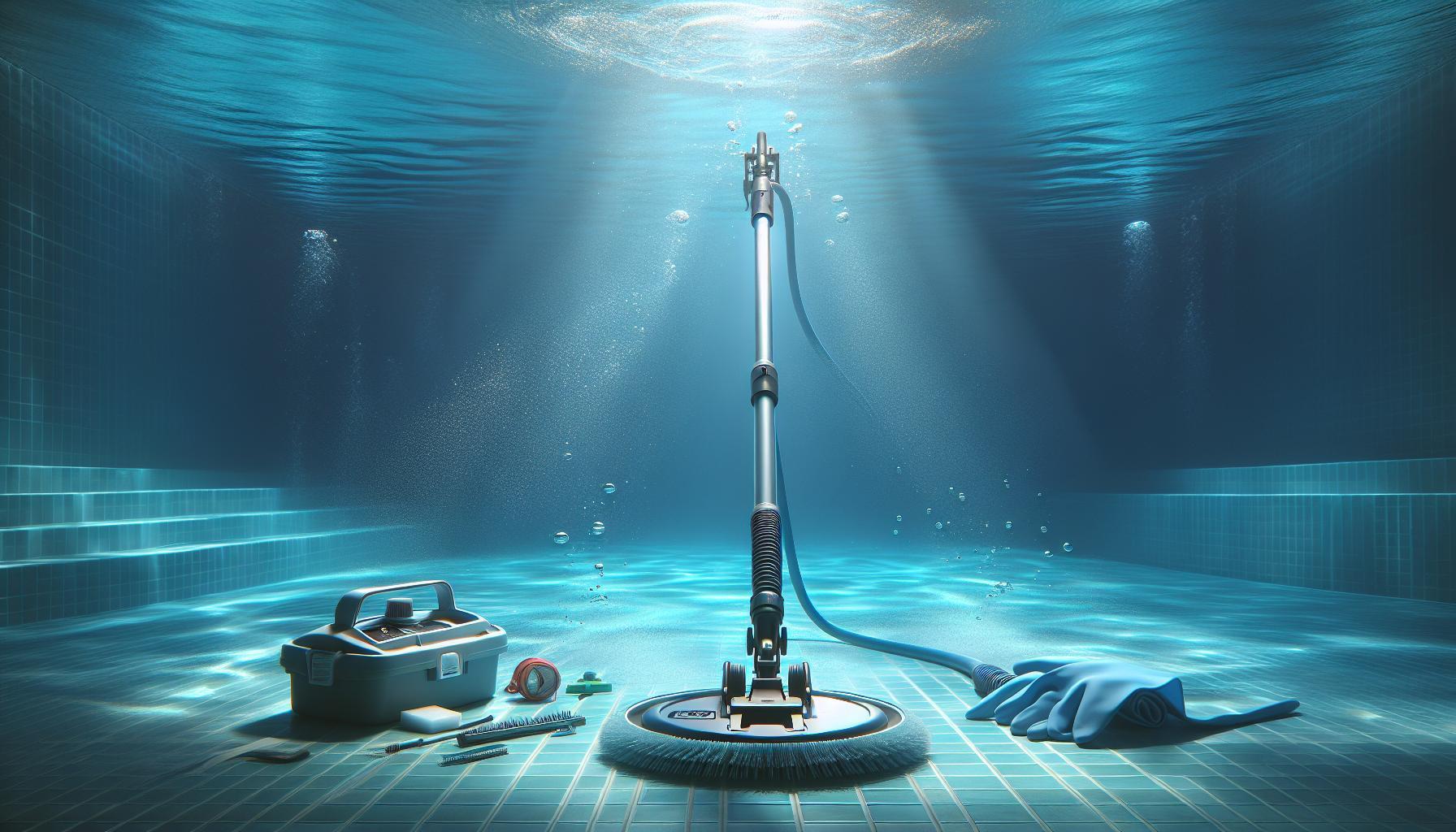
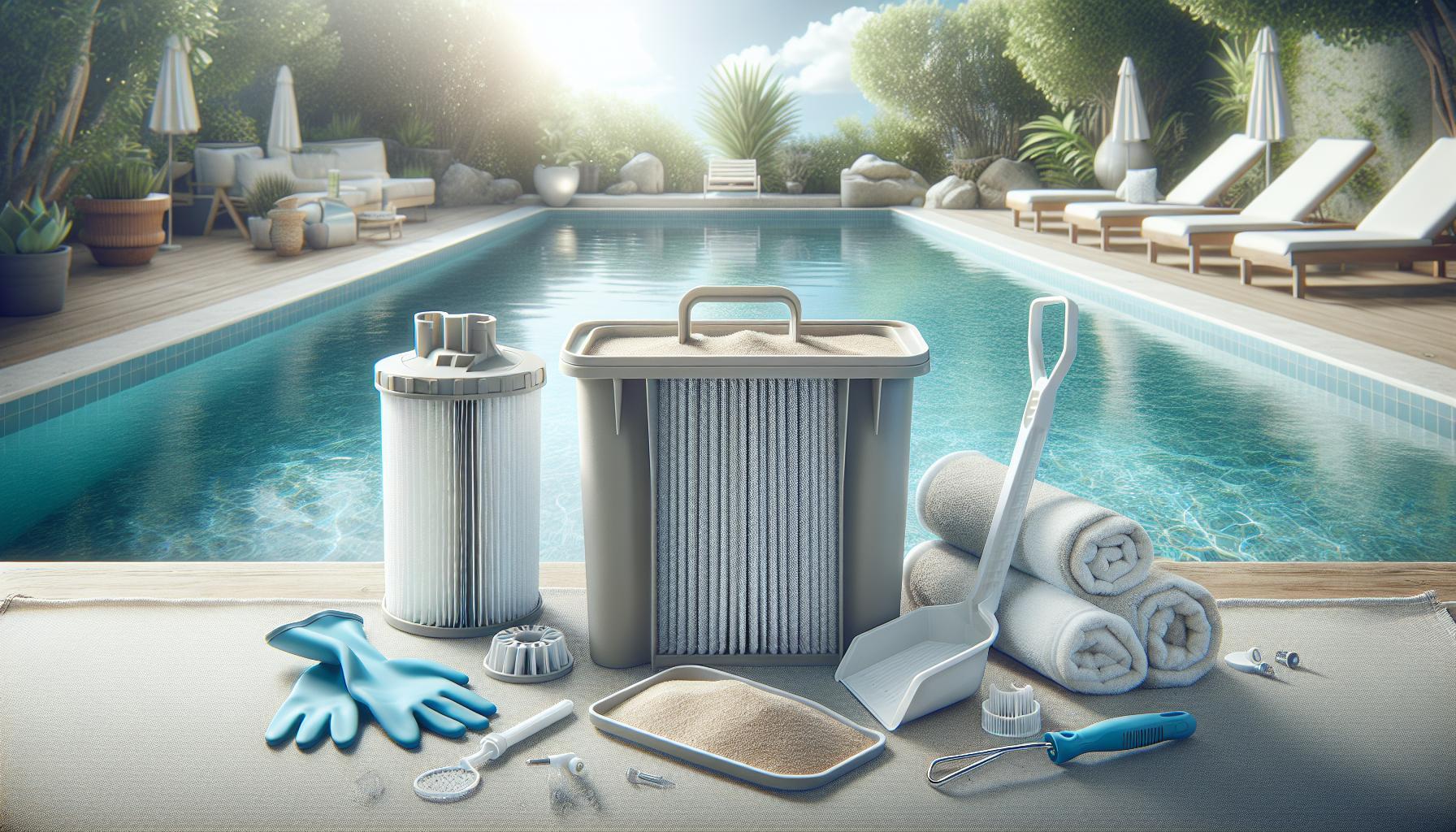
In the world of pool maintenance, understanding how long pool filters last is crucial for ensuring clean, safe water for your family and friends. Typically, filters can last anywhere from 1 to 5 years, depending on the type and how well they have been maintained. Recognizing the signs that indicate a filter needs replacing can save you time and money, while also preventing potential water quality issues that may arise from neglecting this important component.
You may be wondering how to tell if your filter is due for a replacement or if simple cleaning will suffice. Being proactive about your pool’s filtration system not only enhances the longevity of your pool equipment but also improves the overall swimming experience. Read on to discover essential tips for maintaining your pool filter, signs of wear and tear to look out for, and best practices for replacement. Your pool oasis deserves the best care, and being equipped with the right knowledge makes all the difference.
Factors That Influence Pool Filter Lifespan
Understanding the durability of your pool filter is crucial to maintaining a pristine swimming environment. The lifespan of a pool filter can be influenced by several factors, including the type of filter, frequency of use, and maintenance practices. For instance, sand filters often last 5 to 7 years, whereas cartridge filters may require replacement every 2 to 4 years. Here are some key factors to consider:
Type of Filter
Different types of pool filters have varying lifespans. Sand filters, cartridge filters, and diatomaceous earth (DE) filters each come with their own durability traits. Generally, sand filters are more robust and can endure years of service if maintained well, while cartridge filters tend to have a shorter lifespan due to their material composition.
Frequency of Use
How often you use your pool significantly affects your filter’s longevity. Pools that see frequent activity, such as in community centers, will put more strain on filters, leading to shortened lifespans. Conversely, if your pool is only used seasonally or infrequently, the filter will likely last longer.
Maintenance Practices
Regular maintenance is key to prolonging the life of your pool filter. This includes routine cleaning, timely backwashing (for sand filters), and replacing cartridge filters as needed. Neglecting maintenance can lead to clogs and reduced effectiveness, ultimately shortening the affected filter’s lifespan.
Water Chemistry
The chemical balance of your pool water can also play a substantial role. High levels of chlorine or improper pH levels can cause wear and tear on filter components, thereby impacting its overall durability. Regular testing and adjustments to ensure balanced water chemistry can enhance your filter’s lifespan.
In summary, taking note of these factors-filter type, frequency of pool use, maintenance habits, and water chemistry-can greatly influence how long your pool filter will serve you effectively. By being proactive in these areas, you can ensure that your filter operates efficiently and maximizes its lifespan.
Common Signs Your Pool Filter Needs Replacement
Identifying the right moment to replace your pool filter can be the difference between crystal-clear water and a murky swimming pool. Filters are crucial for keeping contaminants at bay, and over time, their effectiveness diminishes. Knowing the signs that indicate a filter replacement is needed can save you both time and hassle.
One of the most telltale signs is a reduced flow rate. If you notice that water is coming out of the returns with significantly less force than before, it could mean your filter is clogged or worn out. To check this, look at your pump’s pressure gauge. If the pressure is consistently higher than normal, it may be time to clean or replace the filter. Additionally, if the pool water remains cloudy even after proper chemical balancing and cleaning measures, that’s another indicator that the filter could be compromised.
Unpleasant odors emanating from your pool can signal that your filter isn’t functioning properly. Stagnant or poor-quality water often leads to bacteria growth, which can cause foul smells. If you’ve recently replaced or cleaned your filter and you still notice odors, it’s time to consider a new one. Furthermore, observing physical signs of wear-such as cracks or tears in the filter material-could suggest it’s nearing the end of its lifespan. Over time, filters can become brittle due to exposure to chemicals and UV light, which can lead to leaks and reduced performance.
Lastly, if your filter has reached its expected lifespan-typically two to four years for cartridge filters or five to seven years for sand filters-it’s wise to preemptively replace it, even if there are no immediate issues. Consistent monitoring and understanding these signs will empower you to maintain your pool effectively, ensuring a safe and enjoyable swimming environment.
How to Extend the Lifespan of Your Pool Filter
To make your pool filter last as long as possible, proactive maintenance and mindful usage are essential. Regularly checking your filter and understanding its operating conditions can significantly enhance its lifespan. First and foremost, routinely clean or replace the filter media according to the manufacturer’s guidelines. For cartridge filters, this might mean rinsing them off every few weeks, while sand filters typically require backwashing when the pressure gauge indicates a spike. Keeping your filter clean not only helps maintain flow rate but also reduces the strain on the pump, allowing it to work more efficiently.
Another critical aspect is the water chemistry. Maintaining balanced pool water-specifically the pH, alkalinity, and chlorine levels-will help protect the filter from chemical deterioration. For example, highly acidic water can wear down filter materials, while water with high calcium levels can lead to scale buildup. Regularly testing and adjusting the water chemistry ensures that your filter operates under optimal conditions, minimizing wear and tear.
Additionally, consider the frequency and level of pool use. If your pool sees a lot of action, especially during peak summer months, you may need to check the filter more often. Longer use times mean more debris, which can clog filters quickly. In such cases, reducing the pool use during high-traffic times or increasing the filter’s run time can be beneficial.
Finally, make sure your pump is correctly sized for your filtration system. An oversized or undersized pump can lead to inefficiencies and increased wear on filter components. Consulting with a pool professional to ensure compatibility can save you costs in the long run. By implementing these strategies, you’ll be on the path to extending your pool filter’s lifespan while ensuring a clean and inviting swimming environment for all users.
Types of Pool Filters and Their Durability
Understanding the various types of pool filters is essential for maintaining optimal water quality and longevity in your swimming pool. Each filter type has its unique attributes, durability, and maintenance needs, which can significantly influence how long your pool filter will last.
Cartridge filters are popular for their ease of use and installation. They consist of a replaceable cartridge that captures dirt and debris from the water. Their lifespan typically ranges from 1 to 5 years, depending on the volume of water and frequency of usage. To maximize the durability of cartridge filters, regular cleaning is essential. A thorough rinse every few weeks and replacement at the end of their lifecycle keeps them functioning efficiently.
Sand filters are known for their exceptional durability, often lasting between 5 to 10 years with proper care. They operate using a mixture of sand grains that trap particles as water passes through. Backwashing the filter when the pressure gauge indicates a spike is crucial to maintaining performance. Over time, sand can become compacted or lose its filtering ability, so it’s advisable to replace the sand every 3 to 5 years to ensure optimal operation.
Diatomaceous earth (DE) filters provide superior filtration and can last 7 to 10 years with proper maintenance. These filters use a powder made from fossilized algae to trap ultra-fine particles. Regularly checking and replenishing DE powder after backwashing ensures they continue to work effectively. While DE filters may require a bit more effort to maintain, their ability to filter out smaller debris makes them a preferred choice for many pool owners.
Each filter type has its specific attributes, and understanding these can help you make informed choices about replacements or upgrades. By adopting proactive maintenance routines tailored to your particular filter type, you’ll not only enhance the functionality of your pool but also extend the lifespan of your filtration system, providing sparkling clear water for years to come.
Maintenance Tips for Optimal Pool Filter Performance
To keep your pool filter operating at peak performance and extend its lifespan, regular maintenance is essential. Filters are the unsung heroes of pool hygiene, preventing debris buildup and ensuring clean water for your enjoyment. A well-maintained filter not only works efficiently but can also save you from costly replacements and repairs down the line.
Routine Cleaning
Start with a consistent cleaning schedule tailored to your pool’s usage. For cartridge filters, remove and rinse the cartridge with a garden hose every few weeks to dislodge dirt and debris. This simple step can enhance water flow and filtration efficiency. Sand filters should be backwashed whenever the pressure gauge reads about 8-10 psi higher than the normal operating range, usually once a month for typical usage. Make sure to inspect and rejuvenate the sand every few years, as compacted or dirty sand can cloud your pool water.
Checking and Replacing Components
Regularly check other components of your filtration system, such as O-rings, gaskets, and seals, for wear and tear. Damaged components can lead to leaks and reduced efficiency. For most filters, replacing these parts annually is a good practice. Additionally, monitor the pressure gauge closely; if you notice significant pressure changes, it might indicate a blockage or other issues that need addressing.
Seasonal Preparations
As seasons change, so does your pool’s environment, which can affect filter performance. Before opening your pool each season, a thorough inspection and cleaning of the filter and the entire system can set the stage for optimal operation. For closing, ensure that the filter is drained and stored correctly to prevent freezing and damage during colder months. Consult your filter’s manual for specific seasonal maintenance tips.
By adopting these straightforward yet effective practices, pool owners can ensure their filtration systems remain efficient and effective, providing clear and inviting water throughout the swimming season. The result? A beautiful pool that’s always ready for a swim.
DIY Troubleshooting for Pool Filter Issues
To maintain the health of your pool and ensure it’s always ready for splashing fun, knowing how to troubleshoot your pool filter is essential. Problems or inefficiencies with the filter can lead to murky water and unhealthy swimming conditions. Thankfully, many issues can be diagnosed and resolved without calling a professional, allowing you to take control of your pool’s maintenance.
Start by checking for common signs of trouble. If you notice cloudy water, debris accumulation, or increased pressure on the gauge, these might signal a filter issue. The first step in troubleshooting is to clean your filter thoroughly according to its type. For cartridge filters, remove and rinse the cartridges with a hose, allowing any trapped dirt to dislodge. Sand filters should be backwashed, running clean water through them until the outflow is clear. Always refer to your filter’s manual for specific cleaning instructions.
If murkiness persists even after cleaning, inspect for more serious issues. Look for cracks or leaks in hoses and fittings-these can diminish pressure and reduce filtering efficiency. Strongly snug any loose connections. If your pool water is still not filtering correctly, consider replacing worn components, like O-rings or gaskets. These pieces can wear out over time, leading to inefficient sealing and water flow. Replacements can often be found in local hardware stores or online.
Lastly, ensure that your pump is functioning correctly. If the pump fails, the filter cannot operate, leading to stagnant water and debris build-up. Check for unusual noises, overheating, or electrical issues. If you’ve tried these troubleshooting steps and the problem persists, or if you notice significant component damage, it’s wise to consult a pool professional. Staying proactive about maintenance and troubleshooting will help extend the life of your pool filter and keep your swimming area sparkling clean.
When to Seek Professional Help for Pool Filters
Determining when to seek professional help for your pool filter can be a challenge for many pool owners. While routine maintenance and troubleshooting are essential for keeping your pool filter running smoothly, recognizing the point at which DIY efforts fall short is crucial for ensuring the health of your pool. If you’ve diligently followed maintenance tips but continue to experience issues, it may be time to call in an expert.
One of the most telling signs that professional assistance is needed is persistent cloudy water after you’ve cleaned the filter. This can indicate more serious underlying problems, such as a malfunctioning pump or significant damage to the filter itself. If you’ve already checked hoses and connections without success, a professional can diagnose issues that may not be immediately apparent and provide a more thorough inspection.
Another situation where seeking professional help is advisable is when you notice unusual smells, leaks, or water levels dropping unexpectedly. Ignoring these signs can lead to more extensive damage to your pool system. For instance, water loss often points to leaks that, if left untreated, can result in costly repairs. A skilled technician has the tools and experience to locate and fix leaks efficiently, ensuring your pool operations remain uninterrupted.
If you’ve replaced parts like O-rings or gaskets and problems continue, it suggests a deeper issue that requires expert knowledge. Pool filters are complex systems, and dealing with intricate components like multi-port valves or electrical issues is often best left to professionals. They can provide the right solutions and ensure your pool filter operates effectively, saving you time and potential costs in the long run.
In summary, being aware of these essential indicators can empower you to make informed decisions about your pool filter maintenance. By recognizing when a problem exceeds your skills or tools, you can protect your investment and enjoy a clean, inviting pool year-round.
Understanding Pool Filter Replacement Costs
Understanding the costs associated with replacing your pool filter can be a game changer, especially when preparing for summer fun or dealing with unexpected maintenance issues. The price of a new pool filter varies significantly based on the filter type, brand, and size. Generally, you can expect to spend anywhere from $50 for smaller, entry-level cartridge filters to over $1,500 for larger, more advanced systems like sand or D.E. filters. Knowing what contributes to these costs can help you budget effectively and make informed decisions.
Factors That Affect Replacement Costs
A few key elements play a role in determining how much you’ll pay for a replacement filter:
- Type of Filter: Cartridge, sand, and diatomaceous earth (D.E.) filters all have different price points. While cartridge filters tend to be the most affordable, sand and D.E. filters usually offer better longevity and efficiency but may have higher upfront costs.
- Brand and Quality: Reputable brands often come with a higher price tag, but they can offer greater durability and performance, potentially saving you money in the long run through fewer replacements.
- Size and Capacity: Larger pools require filters that can handle more water volume, resulting in higher costs. It’s crucial to choose a filter that is appropriately sized for your pool to ensure effective filtration.
- Installation Costs: If you’re not comfortable with DIY installation, hiring a professional will incur additional labor costs. Professional installation can range from $100 to $300 depending on the complexity of the job.
Savings and Alternatives
To mitigate replacement costs, consider a few strategies. Regular maintenance can extend the life of your existing filter, reducing the frequency of replacements and associated expenses. Additionally, checking for seasonal sales or discounts at local suppliers can yield significant savings. For more economical options, second-hand or refurbished filters are available, though you should ensure they meet quality standards.
Understanding the financial implications of pool filter replacements will empower you as a pool owner. By budgeting for regular maintenance and being aware of the factors affecting costs, you can keep your pool filtration system operating efficiently without breaking the bank. Regular checks and timely replacements will not only enhance your pool’s water quality but also safeguard your overall investment in your pool.
Choosing the Right Replacement Filter for Your Pool
When it comes to pool maintenance, selecting the correct replacement filter can significantly enhance your swimming experience and overall pool health. The right filter not only ensures water clarity but also impacts the longevity of your pool system. A common mistake is choosing a filter based solely on price; however, understanding the specific needs of your pool is crucial.
Start by determining the type of filtration system currently in use. There are three primary types: cartridge, sand, and diatomaceous earth (D.E.) filters. Each has its advantages and suitability depending on your pool size and usage. For example, cartridge filters are often more affordable and easier to maintain but may require more frequent cleanings. In contrast, sand filters have a longer lifespan and handle larger pools efficiently, although they may need annual sand replacements.
Consider the size and capacity of your pool as you make your choice. A filter must effectively manage the volume of water in your pool, so refer to each filter’s specifications regarding flow rate and surface area. A smaller filter in a larger pool can lead to inadequate filtration results, resulting in cloudy water and increased chemical usage.
Lastly, evaluate brands and reviews before purchasing a replacement filter. Established brands often offer better warranties, customer support, and proven performance. Don’t hesitate to consult user reviews or ask for recommendations from fellow pool owners-this insight can steer you towards the most reliable options. With these considerations in mind, you can confidently select a filter that meets your pool’s unique demands and enhances your swimming experience.
Seasonal Considerations for Pool Filter Care
The health of your pool filter is intricately linked to the seasons, each posing unique challenges and maintenance requirements. As summer approaches, pool owners often find themselves enjoying more frequent swimming sessions, which can put added stress on the filtration system. In winter, on the other hand, pools typically require a different approach to ensure filters remain intact and functional when the warm weather returns. Understanding these seasonal dynamics can greatly extend the lifespan of your pool filter.
During the high-use months, such as summer, it’s crucial to increase your regular cleaning schedule. Higher pool usage typically leads to more debris, which can clog filters more rapidly. Weekly checks of the filter and cleaning or replacing it as needed can help maintain optimal water clarity and prevent overworking the filtration system. Additionally, keeping an eye on the water chemistry and ensuring balanced pH levels will not only enhance swimmer comfort but also reduce the strain on your filter.
As the swimming season winds down and cooler weather sets in, preparing your filter for winter is essential. Always remember to thoroughly clean your filter before winterizing your pool. For those using sand filters, this means backwashing until the water runs clear and performing a deep clean; for cartridge filters, removing and washing the cartridges is vital. In regions with freezing temperatures, ensure that all water is drained from the filter to avoid damage due to ice expansion. Covering the pool and maintaining proper water levels can also help protect your filtration system until it’s time to bring your pool back to life in the spring.
To summarize, seasonal adjustments to your pool filter maintenance can make a significant difference in its longevity and performance. Adapting your maintenance routine based on the time of year not only ensures a clean swimming environment but also saves on costly repairs and replacements down the line. By incorporating proactive steps for both summer and winter seasons, you can enjoy your pool with peace of mind knowing your filtration system is well cared for and ready to serve you.
Impact of Pool Usage on Filter Longevity
The frequency and intensity of pool usage significantly impact the lifespan of your pool filter. A higher number of swimmers or regular hosting of pool parties increases debris and contaminants in the water, which can rapidly fill up or clog the filter system. For instance, during peak swimming months, owners may notice that their filters require cleaning more frequently-sometimes even weekly. This increased demand on the filter can lead to wear and tear, ultimately decreasing its effectiveness and lifespan.
To mitigate these effects and extend the life of your filter, it’s essential to adopt a proactive maintenance routine. Start by implementing regular cleaning schedules that match your pool usage. For example, during busy summer months, increase the frequency of backwashing (for sand filters) or cartridge cleaning. Monitoring water chemistry is equally important; maintaining balanced pH levels can prevent chemical build-up that can stress the filter. Also, consider investing in premium filtration aids, such as enzyme cleaners, which can break down organic waste and reduce the burden on your filter.
If your pool experiences heavy usage, it may be helpful to monitor and adjust the filter’s run time. For pools used frequently, running the filter for longer periods can help ensure that contaminants are adequately processed. However, keep an eye on your energy bills, as this might increase operational costs. Quality filters may also adapt to heavy usage; consider upgrading to a more durable type if you often host large gatherings.
Ultimately, understanding the relationship between pool activity and filter maintenance empowers you to take targeted action, ensuring that your filtration system remains efficient. By adopting these preventative measures, you can protect your investment and enjoy a clean, enjoyable swimming experience all season long.
Environmental Factors Affecting Pool Filter Life
The longevity of your pool filter is not solely dependent on its design or maintenance; environmental factors also play a crucial role in its lifespan. Elements like weather conditions, proximity to trees, and even the chemical composition of your water can significantly impact filter performance and longevity. Understanding these influences allows you to take proactive measures, ensuring that your filtration system remains efficient and effective.
In regions with harsh climates, extreme temperatures can affect pool filters in different ways. For instance, in areas with high heat, the water may evaporate faster, leading to increased chemical concentration, which can corrode filter components. Alternatively, in colder climates, water inside filters can freeze, causing cracks and inefficiencies. To mitigate these issues, consider investing in a quality pool cover to shield your pool from the elements during off-seasons and regularly check the integrity of your filter to catch any potential damage early.
Proximity to trees presents another challenge that many pool owners face. Falling leaves, twigs, and other debris can clog the filter, forcing it to work harder and ultimately reducing its lifespan. An effective strategy is to plant trees farther away from the pool, or use a skimmer net to remove debris regularly, which can significantly ease the burden on your filtration system. Moreover, utilizing a leaf cover during the fall months can prevent accumulation and preserve filter efficiency.
Furthermore, the quality of the water you’re using can also influence your filter’s lifespan. High levels of minerals can lead to scale buildup, while imbalanced pH levels can cause corrosion or premature wear on filter components. Regular testing of water chemistry and prompt adjustment will help maintain a balanced environment for your pool, reducing the strain on your filter. Engaging a water testing service, if unsure, can prevent costly repairs down the line.
By actively managing the environmental factors surrounding your pool and filter, you can enhance the performance and lifespan of your filtration system. Regular maintenance, monitoring of weather effects, and controlling water composition are all steps that contribute to a healthier pool ecosystem and a more reliable filter.
Frequently Asked Questions
Q: How can I tell if my pool filter needs replacing?
A: You can tell if your pool filter needs replacing if you notice reduced water flow, cloudy water, or a significant increase in pressure on your filter gauge. Additionally, if your filter is over 5-7 years old, it’s wise to consider a replacement. For more detailed signs, refer to the “Common Signs Your Pool Filter Needs Replacement” section in the article.
Q: What are the typical lifespans of different types of pool filters?
A: The typical lifespan varies by filter type: sand filters last about 5-7 years, cartridge filters up to 5 years, and diatomaceous earth (DE) filters generally 5-7 years. Proper maintenance can extend these durations. For more, see the “Types of Pool Filters and Their Durability” section.
Q: How often should I clean my pool filter?
A: You should clean your pool filter every 4-6 weeks during peak swimming season. Regularly check if the pressure gauge indicates a rise that exceeds 8-10 psi above normal. For maintenance tips, look at the “Maintenance Tips for Optimal Pool Filter Performance” section.
Q: What affects the lifespan of my pool filter?
A: Factors affecting a pool filter’s lifespan include water chemistry, frequency of use, and the overall maintenance practices applied. Ensuring balanced water chemistry and regular cleaning can enhance filter longevity. More details can be found in the “Factors That Influence Pool Filter Lifespan” section.
Q: Can I repair my pool filter instead of replacing it?
A: Yes, minor repairs such as replacing O-rings or gaskets can extend a filter’s life. However, if the filter material itself is damaged, replacement is often more effective. Consult the “DIY Troubleshooting for Pool Filter Issues” section for more repair tips.
Q: Are there seasonal tips for maintaining my pool filter?
A: Yes, in colder months, ensure your pool filter is properly winterized to prevent damage from freezing. Regular checks during the swimming season help maintain efficiency. For more seasonal tips, check the “Seasonal Considerations for Pool Filter Care” section.
Q: What should I do if my pool filter is leaking?
A: If your pool filter is leaking, first turn off the pump and check for cracks or loose fittings. Tighten any loose screws, replace damaged parts, or consult a professional if the issue persists. Refer to “When to Seek Professional Help for Pool Filters” for guidance.
Q: How can I improve the efficiency of my pool filter?
A: To improve your pool filter’s efficiency, regularly clean or replace the filter media, maintain balanced water chemistry, and ensure the pump runs for adequate durations. For optimal practices, see “How to Extend the Lifespan of Your Pool Filter” in the article.
The Way Forward
As you can see, understanding how long pool filters last and recognizing the signs that indicate it’s time for a replacement is essential for maintaining pristine pool conditions. If your pool filter isn’t functioning optimally, it can lead to murky water and expensive repairs down the line. Don’t wait until it’s too late-check your filter today and ensure your pool remains a refreshing retreat all summer long!
For more insights tailored to your maintenance needs, explore our guides on Pool Filter Replacement and Choosing the Right Filter. Consider signing up for our newsletter to stay updated on the latest tips and products that will keep your pool in tip-top shape. Your pool deserves the best-act now and dive into clearer waters! If you have any questions or want to share your pool experiences, drop a comment below; we’d love to hear from you!