


Did you know that a pool pump can significantly impact both the cleanliness of your swimming pool and your overall maintenance costs? Understanding how long a pool pump lasts-and how to extend its lifespan-is crucial for every pool owner. With proper care, your pump can function efficiently for many years, saving you money on replacements and repairs.
As a central component of your pool’s filtration system, a reliable pump not only ensures sparkling clear water but also helps prevent costly damages from leaks or overheating. If you’ve ever faced unexpected breakdowns or inflated utility bills, you know just how important it is to keep your pump in top condition.
In this article, we’ll explore typical lifespans of different types of pool pumps, maintenance tips to prolong their effectiveness, and signs that indicate when it might be time for a replacement. Equip yourself with the knowledge to protect your investment and keep your pool pristine!
Understanding Pool Pump Lifespan: Key Factors
Understanding the factors that influence the lifespan of your pool pump is crucial for every pool owner. Did you know that the performance and durability of your pool pump can be significantly affected by its environment? Factors such as the quality of installation, frequency of use, and local weather conditions play pivotal roles in determining how long your pump will last. A well-installed pump that operates in a temperate climate with moderate usage can easily last between 8 to 15 years. However, neglect and poor conditions can sharply reduce this lifespan.
There are several key factors that can affect your pool pump’s longevity. Firstly, the quality of the pump is essential; investing in a reputable brand can lead to a more durable system. Installation quality is another critical aspect; improper installation can lead to leaks and increased wear. Additionally, frequency of use directly influences the pump’s wear and tear. For example, pumps that operate continuously in warmer climates may have a reduced lifespan compared to those in cooler areas that are used seasonally.
Furthermore, the surrounding environment matters. For instance, pools with substantial debris from nearby trees require more frequent pump cleaning and maintenance, which can affect performance and durability. Regular maintenance, such as checking for clogs, ensuring proper lubrication, and replacing worn components, is crucial in extending the lifespan of your pool pump. Keeping these factors in mind will empower you to manage your pool’s health proactively and maximize the life of your pump.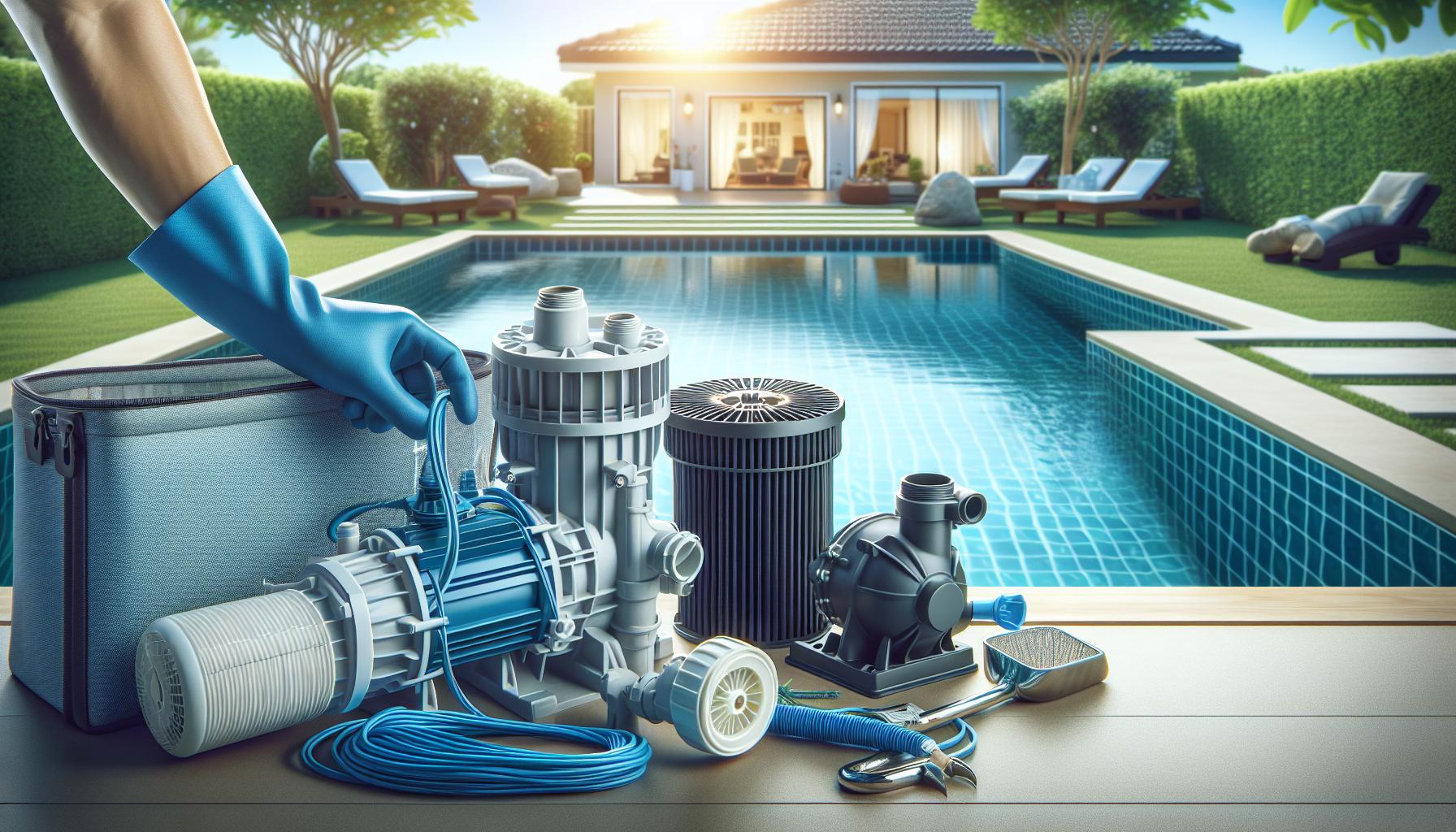
What Affects the Lifespan of Your Pool Pump?
Determining how long your pool pump lasts goes beyond just the brand or model; several interconnected factors play a crucial role in its overall lifespan. For pool owners, understanding these factors is the first step in ensuring optimal performance and longevity of your equipment. A well-maintained pool pump can efficiently operate for 8 to 15 years, but this duration can vary significantly based on both internal and external influences.
One of the primary factors affecting the lifespan of your pool pump is its quality. Opting for pumps from reputable manufacturers usually means better durability, as these pumps are designed with superior materials and technology. Additionally, the installation quality cannot be overlooked-improper installation often leads to leaks and strain on the system, which ultimately shortens the pump’s effective life.
The frequency of use also plays a vital role. In warmer climates where pumps may need to run continuously, wear and tear accumulate much faster than in cooler regions with seasonal usage. Moreover, environmental conditions, such as proximity to trees or heavy debris, necessitate more frequent cleaning and maintenance, further influencing performance and lifespan.
Regular maintenance practices are essential. Here are a few action steps to help you prolong your pump’s life:
- Check for clogs: Regularly inspect and clean the strainer basket and pump filters to prevent blockages.
- Lubrication: Ensure that all moving parts are properly lubricated as per the manufacturer’s guidelines.
- Look for wear: Periodically review the pump for signs of wear or damage, such as unusual sounds or leaks, and address these issues promptly.
- Balance chemical levels: Maintaining proper chemical balance can prevent corrosion and damage to the pump and piping system.
By maintaining awareness of these factors and implementing proactive care, pool owners can effectively manage their pump’s health and maximize its life expectancy. Regular attention not only saves money on replacements but also ensures that your pool remains safe and enjoyable for years to come.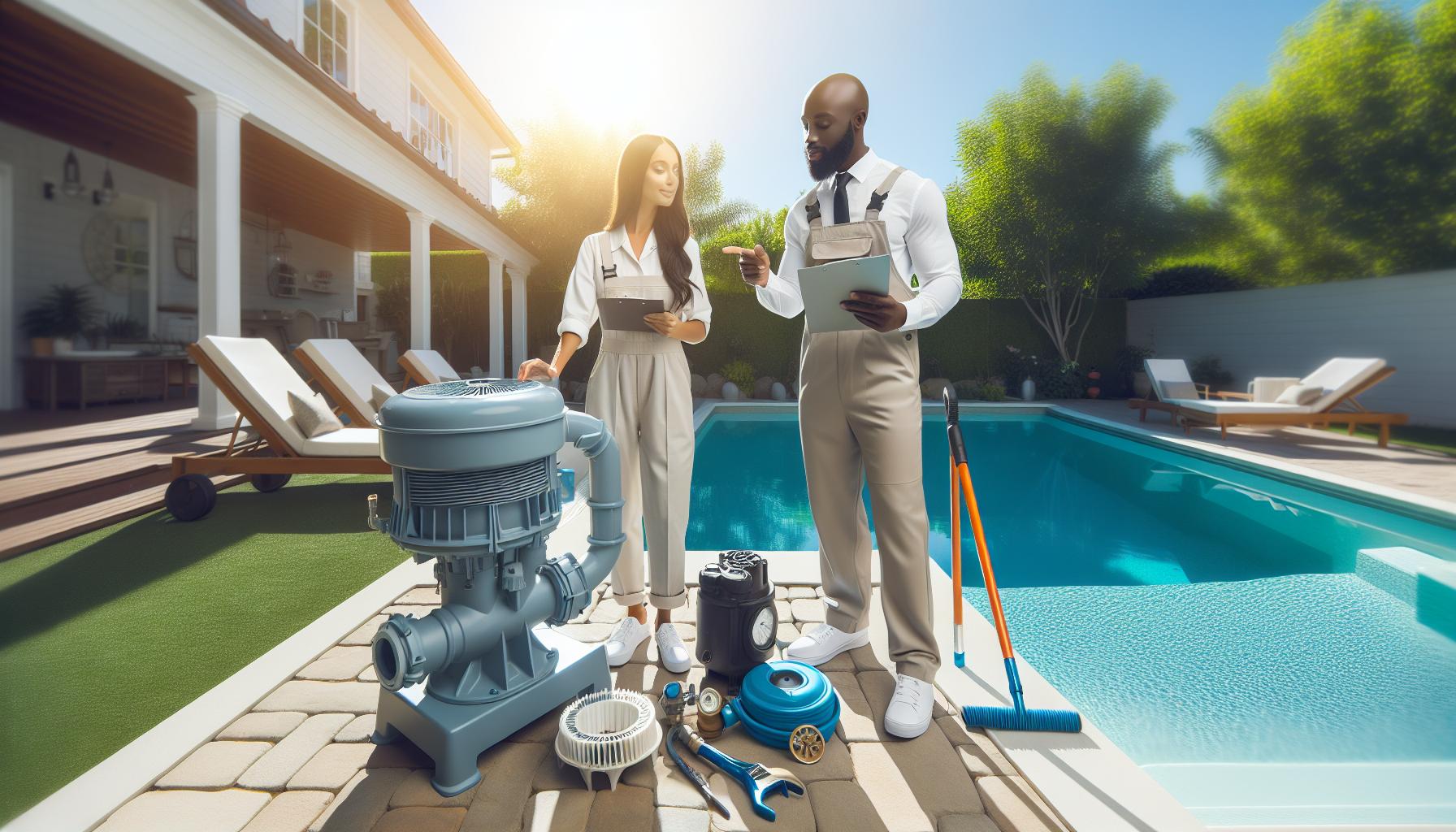
Average Pool Pump Lifespan: What to Expect
A well-functioning pool pump is essential to keeping your swimming pool clean and clear, but how long can you realistically expect it to last? On average, most pool pumps can serve you well for about 8 to 15 years, depending on various factors that impact their lifespan. Understanding these can help you set realistic expectations and take proactive measures to ensure your pump continues operating efficiently.
Several elements contribute to this lifespan variability. For instance, the quality of the pump plays a significant role; those built by reputable manufacturers tend to use higher-quality materials and features that enhance durability. Furthermore, the way your pump is installed is crucial-incorrect setup can lead to heightened wear and system strain, ultimately reducing longevity. Additionally, environmental conditions must be considered; pumps in areas with high debris or extreme weather may face increased wear compared to those in more sheltered locations. Frequent use in warmer climates can accelerate wear, while seasonal pumps in cooler areas may enjoy a longer lifespan.
To maximize your pool pump’s lifespan, adopting a consistent maintenance routine is key. Regularly cleaning the strainer basket and filters is essential to prevent clogs that can stress the motor. Checking for signs of wear such as unusual noises or leaks can also alert you to minor issues before they escalate. Properly balancing the pool’s chemical levels is equally important, as imbalances can lead to corrosion and damage over time. By staying vigilant and proactive, you can help ensure that your pool pump remains a reliable component of your pool maintenance regimen, providing enjoyment for years to come.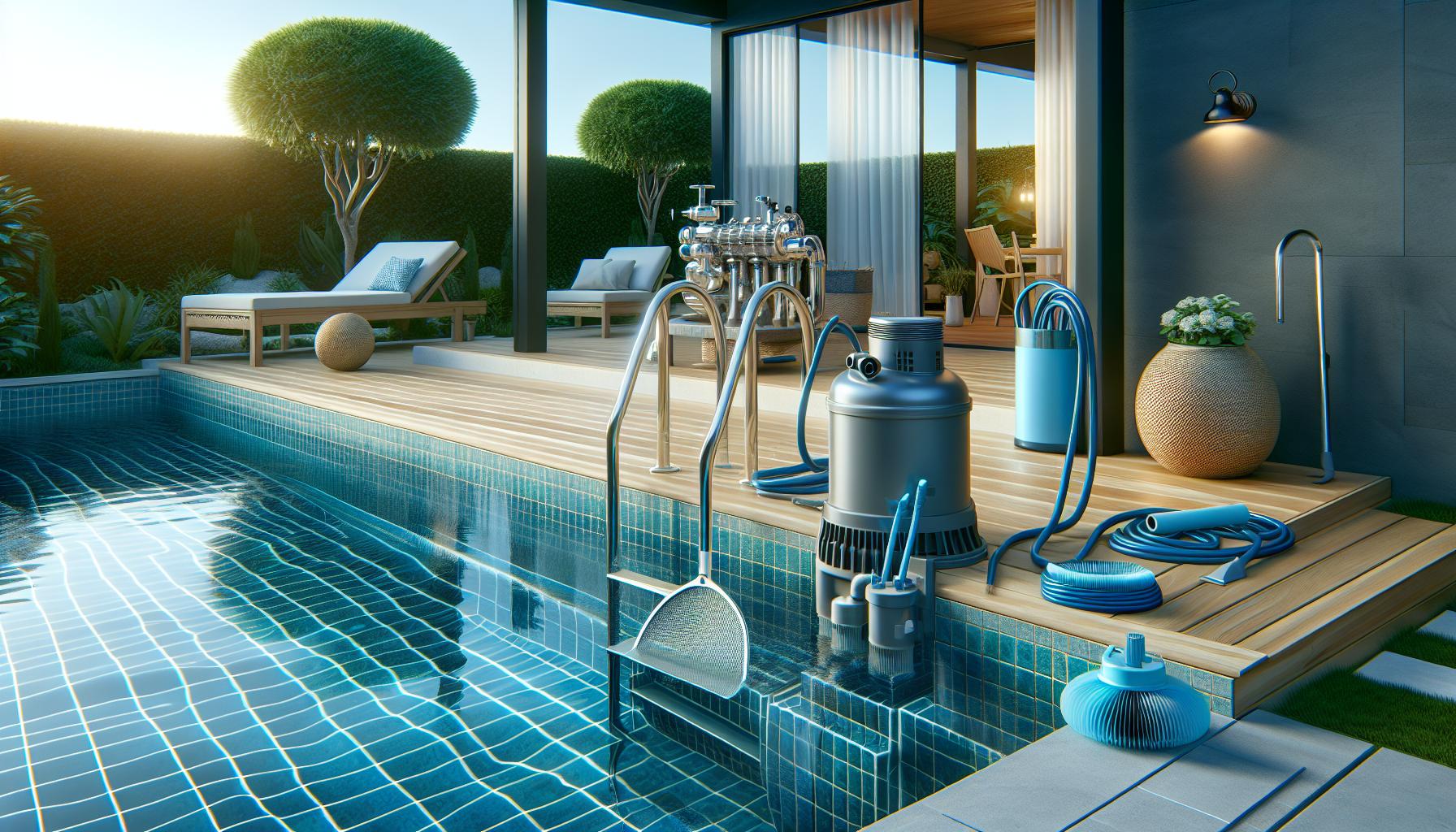
Signs Your Pool Pump Needs Replacement
A pool pump is the heart of your pool’s circulation system, and recognizing when it needs replacement can save you time and costly repairs. One of the primary signs your pump may need to be replaced is a decline in performance; if you notice cloudy water even after routine maintenance, it might indicate that the pump is losing its ability to circulate effectively. Another critical red flag is unusual noises-if your pump starts making grinding, humming, or rattling sounds, it could signal internal issues such as worn bearings or impellers that might require a serious overhaul or replacement.
In addition to performance issues, watch for physical signs of wear and tear. Leakages around the pump and significant water loss from the pool can point to failing seals or cracks in the housing, which can compromise the pump’s efficiency. Furthermore, if your electric bill suddenly spikes without any changes in usage, it may mean the pump is working harder than necessary due to inefficiencies, signaling that it’s time to consider a replacement.
Lastly, the pump’s age plays a crucial role in determining whether it should be replaced. If your pump is approaching or surpassing the 10-15 year lifespan and is showing any signs of performance or physical issues, it may be more cost-effective to invest in a new model rather than continuing to pour money into repairs. Regularly reviewing your pool pump’s performance and condition can help you stay ahead of potential problems, ensuring a clean and inviting swimming environment.
Maintenance Tips to Extend Pool Pump Life
Maintaining your pool pump is crucial for its longevity and efficiency. By taking proactive steps in care and maintenance, you can significantly extend its lifespan, ensuring your pool stays clean and welcoming for swimmers. One simple habit that makes a big difference is to regularly inspect and clean the pump’s strainer basket. This component can easily accumulate debris, which restricts water flow and forces the pump to work harder, potentially leading to premature wear. Emptying the basket once a week, or more frequently if you have heavy leaf drop or debris in your pool, will keep your pump running at optimal efficiency.
Another essential maintenance step involves checking the pump for leaks. Regularly inspect the seals and fittings for any signs of moisture. If you notice water pooling around the pump or hear a sound indicative of leaking, address it immediately. Ignoring this can lead to more significant issues over time. Additionally, it’s wise to make sure the pump motor is properly lubricated. Consult the manufacturer’s guidelines for lubrication requirements and schedules, as neglecting this can lead to components seizing, which often results in costly repairs.
Scheduled Maintenance Tasks
Implementing a routine maintenance schedule can be particularly beneficial. Consider the following tasks:
- Daily: Check water levels and skimmer baskets.
- Weekly: Clean the strainer basket, inspect for leaks, and check pump pressure.
- Monthly: Lubricate the motor, test the pool water chemistry, and ensure all electrical connections are secure.
- Yearly: Have a professional assess the pump’s overall health and perform any necessary repairs or replacements.
Furthermore, the surrounding environment plays a significant role in the pump’s longevity. If your pool is in an area with heavy foliage or debris, consider installing a pool cover to minimize leaf and dirt accumulation when not in use. This simple action reduces the strain on your pump and filtration system, contributing to longer-lasting equipment. Staying mindful of these maintenance tips, coupled with regular checks and a little attention, can help ensure that your pool pump operates efficiently for many years to come.
Common Pool Pump Issues and Solutions
Pool pumps, while robust machines designed to circulate and filter pool water, can sometimes face challenges that hinder their performance and longevity. Identifying and addressing common issues promptly is essential for maintaining the efficiency of your pool system and avoiding costly repairs or replacements. Here are some prevalent problems along with their solutions to ensure your pump continues to function effectively.
A frequent issue pool owners encounter is a noisy pump. This can manifest as grinding, rattling, or loud humming noises, often indicating a problem with the motor or impeller. The first step is to inspect the pump for debris that might be obstructing the motor or impeller. Make sure all components are securely fastened and check for any loose parts. If the noise persists, it may signal a need for lubrication or the replacement of worn bearings. Tip: Always consult the manufacturer’s guidelines for specific lubrication points and schedules.
Another common complication is low water flow, which typically indicates a blockage or an issue with the filter. Start by checking the strainer basket and the pump lid for clogs. It’s also advisable to inspect the filter and backwash it if necessary. If your pump runs dry, it can cause significant damage, so ensure the water level in the pool is adequate. Regular monitoring of the filter pressure gauge is crucial; if it reads higher than normal, it’s time for a cleaning or replacement of the filter media.
Leaks around the pump are a significant red flag. Be proactive in inspecting the pump’s seals and connections for signs of wear or damage. If you spot moisture, tighten any loose fittings or replace damaged seals immediately to prevent excessive water loss and potential damage to the motor. Note: It’s advisable to inspect the pump on a weekly basis, so any leaks can be identified early.
Lastly, if your pump fails to start, check the power supply. Ensure that the circuit breaker hasn’t tripped and that the power cord is intact. If power is reaching the pump but it still doesn’t operate, the issue may lie within the motor, often requiring professional evaluation or replacement. Regular electrical connection checks during monthly maintenance can prevent unexpected failures.
By actively engaging in preventive measures and recognizing these common issues early, you can extend the lifespan of your pool pump significantly while keeping your pool clean, clear, and inviting.
Choosing the Right Replacement Pump
When the need arises to select a new pool pump, the decision can significantly impact both the efficiency of your pool system and overall maintenance costs. It’s essential not only to choose a pump that fits your current setup but also one that aligns with your long-term pool care goals. A well-chosen replacement can ensure optimal water circulation, minimize energy costs, and extend the operational lifespan of your entire pool system.
Understand Your Pool’s Requirements
Before diving into options, assess your pool’s needs. Consider the following factors:
- Pool Size: The volume of water in your pool will dictate the pump size. A larger pool requires a pump with a higher flow rate to ensure effective circulation.
- Type of Filter: Different filter systems may require specific pump types for optimal performance. Ensure compatibility to maintain filtering efficiency.
- Energy Efficiency: Look for Energy Star-rated pumps that consume less energy, saving you money on utility bills over time.
Choosing Between Pump Types
There are several types of pool pumps available, each with their pros and cons:
- Single-Speed Pumps: These are the most common and less expensive, but they run at full power continuously, which can lead to higher electricity costs.
- Two-Speed Pumps: These pumps offer the flexibility to run on low speed for regular circulation and high speed for cleaning, making them more energy-efficient than single-speed models.
- Variable-Speed Pumps: Though initially more expensive, these pumps are the most efficient option and can be programmed for different tasks, leading to significant savings in the long run.
Ensure Quality and Warranty
Quality is paramount when choosing a replacement pump. Opt for reputable brands that offer warranties. A good warranty not only protects your investment but also reflects the manufacturer’s confidence in their product. Check for features like corrosion-resistant materials, as these enhance the longevity of your pump, especially in harsh outdoor conditions.
In conclusion, investing time in researching and selecting the right replacement pump can yield dividends in performance and cost-effectiveness. Always consult with pool professionals if uncertain, and ensure regular maintenance practices are in place post-installation to maximize the lifespan of your new pump.
Types of Pool Pumps: Pros and Cons
When selecting a pool pump, understanding the different types available can be crucial in determining not only performance efficiency but also the longevity of the pump itself. Each pump type comes with its own set of advantages and disadvantages that can greatly influence your overall pool maintenance experience.
Single-speed pumps are the most traditional choice, known for their straightforward design and lower upfront costs. However, they operate at full power continuously, which can lead to exaggerated energy costs over time. This is especially noticeable during peak summer months when your pool requires more circulation. If you’re looking for a basic solution and are not overly concerned about high energy bills, a single-speed pump might serve your needs without breaking the bank.
On the other hand, two-speed pumps offer a more flexible approach. They allow you to operate at a lower speed for regular water circulation and switch to a higher speed for tasks like vacuuming and cleaning. This dual-speed operation can reduce energy consumption significantly, making it a more cost-effective option in the long run. However, they still require manual adjustment between speeds, which may not be ideal for everyone.
Variable-speed pumps represent the most advanced option available today, capable of operating at different speeds based on your specific needs. While they come with a higher initial investment, they are the most energy-efficient type, significantly reducing your utility bills. They can also improve water quality by allowing more precise flow rates, and the ability to program multiple settings adds convenience and automation to your pool care routine. If you’re focused on efficiency and long-term savings, investing in a variable-speed pump could be highly beneficial.
In summary, choosing the right type of pump is about balancing initial costs with long-term savings and convenience. Evaluate your specific pool needs, consider energy efficiency, and remember that a well-chosen pump can enhance both your pool experience and its longevity.
Energy Efficiency: Save Money with Your Pump
Implementing energy-efficient practices for your pool pump can lead to significant savings, not only in your utility bills but also in extending the overall lifespan of the equipment. With the right approach, you can leverage your pool pump’s operation to minimize costs while maintaining a clean and inviting swimming environment. Consider this: a well-maintained, energy-efficient pump can save you hundreds of dollars each year, making it a smart investment.
Investing in a variable-speed pump is one of the most effective ways to enhance energy efficiency. These pumps can operate at different speeds, allowing you to tailor the flow rate based on specific needs. For example, during regular circulation, running the pump at a lower speed significantly reduces energy consumption compared to a single-speed pump running at full capacity. This flexibility not only cuts costs but also reduces wear and tear on the pump, ultimately extending its lifespan. Additionally, embracing automation tools-for instance, smart controllers that optimize pump schedules-can ensure the pump runs only when needed, further contributing to energy savings.
Another practical way to improve efficiency is through regular maintenance. Keeping your pump and filtration system clean is crucial. Clogged filters or skimmers force the pump to work harder, increasing energy use and potentially leading to premature failure. Schedule regular check-ups and cleanings, and always ensure the pump operates under the recommended flow rates. Using a timer can also aid in managing daily run times, ensuring your pump operates efficiently while balancing pool cleanliness.
Finally, consider your overall pool system’s layout. Ensure that your plumbing is designed to minimize bends and restrictions that may cause pressure build-up, which can overwork your pump. Simple adjustments, such as upgrading to larger diameter pipes or ensuring all connections are secure, can enhance flow and efficiency. By taking proactive steps in optimizing your pump for energy efficiency, not only do you save money, but you also promote the longevity of your pump-making your pool maintenance routine both cost-effective and sustainable.
Seasonal Pool Pump Care Essentials
Regular seasonal maintenance of your pool pump is crucial to ensure its longevity and efficiency. As the seasons change, so do the demands on your pool system. Spring often marks the beginning of more intensive usage, while winter may require specific preventive measures to protect your equipment from harsh conditions. Ensuring optimal performance during these transitions can set the tone for the entire swimming season.
Start by giving your pool pump a thorough inspection. Check for any visible signs of wear or damage, especially on the housing and fittings. Ensure that all electrical connections are tight and free of corrosion. Cleaning is essential as well: remove debris from the pump’s strainer basket, and clean or replace filter cartridges according to the manufacturer’s guidelines. A clean pump not only operates more efficiently but also prolongs its lifespan by reducing unnecessary strain.
Next, consider the water chemistry, which can significantly affect your pump’s performance. Ensure that the pH, alkalinity, and chlorine levels are balanced before you start using the pump regularly. Poor water chemistry can lead to scaling and corrosion that impacts the pump’s mechanical parts. A simple test kit can help you monitor these levels, allowing you to make adjustments as necessary.
Finally, after the pool season ends, it’s equally important to prepare your pump for winter. If temperatures drop significantly, consider winterizing your pump by draining it completely to prevent freezing water from causing cracks. Store the pump in a protected area if possible, or ensure it’s adequately covered and insulated. Following these seasonal care tips not only keeps your pool pump in working condition but also creates a safe and enjoyable swimming environment for you and your family.
Pool Pump Upgrade: When and Why
Pool pump upgrades often become necessary as the demands of your pool evolve or as efficiency standards improve. Upgrading isn’t just about replacing an old unit; it’s a strategic decision that can enhance performance, reduce energy costs, and improve the overall enjoyment of your swimming environment. If your current pump is no longer meeting your needs, it may be time to consider an upgrade.
One key reason to upgrade is inefficiency. If your pump is older, it might not operate as effectively as newer models. For instance, older pumps can consume significantly more energy, especially if they are oversized or improperly matched to your pool’s size. Investing in a variable-speed or energy-efficient pump can lead to cost savings on monthly electricity bills, often covering the upgrade cost over time. For example, variable-speed pumps adjust their speed according to the pool’s needs, running at lower speeds for regular filtration and at higher speeds for tasks like vacuuming, which maximizes efficiency and minimizes energy consumption.
Another important consideration is the wear and tear that your current pump has sustained. If you’ve noticed unusual noises, persistent leaks, or a decrease in water circulation, these can be signs that your pump is on its last leg. Upgrading can not only enhance performance by providing a more reliable unit but also avoid the potential costs of emergency repairs and service calls associated with an aging pump.
Furthermore, advancements in technology mean that modern pumps often come with additional features like built-in timers, smart connectivity, and improved durability against the elements. These benefits can streamline pool maintenance tasks and offer greater control over pool operation schedules, enhancing the overall experience for pool owners.
In summary, when performance drops, energy costs rise or your maintenance needs change, it may be time to actively seek a replacement. A thorough evaluation of your pump’s current performance, combined with a consideration of long-term savings and modern features, can guide you towards making an informed upgrade decision that revitalizes your pool’s capabilities.
Expert Tips for DIY Pool Pump Maintenance
Regular maintenance of your pool pump can significantly extend its lifespan, and it’s easier than you might think. A little diligence can go a long way in preventing costly repairs and ensuring your pool remains a sparkling oasis. Here are proven strategies that will help maintain your pump effectively.
Start with the basics: cleaning is crucial. Make it a habit to inspect and clean your pump’s strainer basket at least once a month. Debris build-up can hinder water circulation, making your pump work harder and wear out faster. When cleaning, turn off the pump, remove the basket, and rinse it thoroughly to dislodge any trapped dirt or leaves. This simple step not only keeps your water clean but also enhances pump efficiency.
Another essential aspect is monitoring the filter pressure. Keep an eye on the pressure gauge; if it rises above the normal range, it may indicate that the filter is clogged or dirty. When this occurs, backwashing the filter can restore it to optimal condition. If your system includes a sand filter, a good rule of thumb is to backwash every 4-6 weeks during high use seasons. This maintenance can greatly affect how long your pump lasts, as a clean filter reduces the workload on the pump.
Pay attention to the pump seals and gaskets. Over time, these parts can wear out, leading to leaks that can decrease pump efficiency and potentially cause more significant issues. Regularly examine the seals and replace them as necessary to maintain a watertight system. If you notice any unusual noises, such as grinding or whining, it’s wise to examine your pump immediately, as these may be signs of larger problems.
Lastly, don’t forget about seasonal care. As winter approaches, ensure you follow proper winterization procedures based on your pump type. This may include draining the pump and storage lines or adding antifreeze to protect against freezing temperatures. By taking these proactive steps, you’ll not only secure the longevity of your pump, but you’ll also facilitate a smoother startup come spring.
By following these practical maintenance tips, pool owners can confidently tackle DIY tasks that keep their pool pump running smoothly and efficiently for years to come. Keeping your pump well-maintained not only enhances its performance but also reassures you that your pool is safe and enjoyable.
Frequently asked questions
Q: How can I tell if my pool pump is failing?
A: You can tell if your pool pump is failing by observing unusual noises, decreased water flow, or frequent tripping of the circuit breaker. If your pool water appears dirty despite running the pump, it may be time to consider maintenance or replacement. Check the section on Signs Your Pool Pump Needs Replacement for more details.
Q: What is the best way to maintain my pool pump?
A: Regular maintenance for your pool pump includes cleaning the strainer basket, checking for leaks, and ensuring that the pump is free of debris. Running the pump consistently at optimal times can also enhance its lifespan. For more tips, refer to the Maintenance Tips to Extend Pool Pump Life section in our article.
Q: When should I replace my pool pump?
A: You should consider replacing your pool pump when it is over 10 years old, shows frequent signs of dysfunction, or if repair costs are more than half the cost of a new pump. This ensures cost-effectiveness and optimal pool performance.
Q: How do I extend the lifespan of my pool pump?
A: To extend the lifespan of your pool pump, perform routine inspections, keep the area around the pump clear of debris, and maintain balanced pool chemistry. Regular professional servicing can also contribute to longevity and efficiency. More on this can be found in our Maintenance Tips.
Q: What type of pool pump is most efficient?
A: Variable-speed pool pumps are considered the most efficient as they can adjust their speed according to the pool’s needs, thus saving energy and reducing costs over time. You can read more about Types of Pool Pumps: Pros and Cons in our article.
Q: Can a pool pump run continuously?
A: Yes, a pool pump can run continuously, but it’s generally not recommended as it can lead to wear and tear. Running it for 8-12 hours a day is often sufficient, depending on pool size and heat. Seasonal Pool Pump Care Essentials discusses optimal schedules.
Q: What common problems affect pool pumps?
A: Common problems include air leaks, clogs in the impeller, and electrical issues. Regular maintenance can often prevent these problems. For solutions, see our Common Pool Pump Issues and Solutions section.
Q: Why is my pool pump not priming?
A: A pool pump may not prime due to low water levels, air leaks in the suction line, or a blocked skimmer. Checking these can often resolve the issue. Consult our article for troubleshooting steps on this common problem.
Concluding Remarks
Looking to maximize your pool pump’s lifespan? By understanding key maintenance practices and recognizing signs of wear, you can extend its life and keep your pool in top shape. Don’t delay-implement these tips today for a more efficient swimming experience! For deeper insights, check out our guides on Pool Maintenance Essentials and Common Pool Pump Issues.
Have questions or want to share your experiences? Leave a comment below! And if you found this information helpful, consider subscribing to our newsletter for ongoing tips and expert advice. Remember, a little proactive care today can save you time and money tomorrow. Dive into more resources and keep your pool crystal clear-your perfect summer oasis awaits!


