


A pool pump is the heart of your swimming pool system, ensuring water circulation and cleanliness. If your pump loses prime, it can lead to poor filtration, damaging your equipment and compromising the quality of your water. Learning how to reprime your pump is essential for maintaining a healthy pool environment, saving you from costly repairs and downtime.
Have you ever dipped your toes into the water only to notice the water’s murky appearance? A properly functioning pump is crucial for clear, inviting water. In this guide, we’ll walk you through the step-by-step process of repriming your pool pump, enabling you to tackle this common maintenance task with confidence. Let’s dive into ensuring your pool runs smoothly and remains a refreshing oasis all summer long.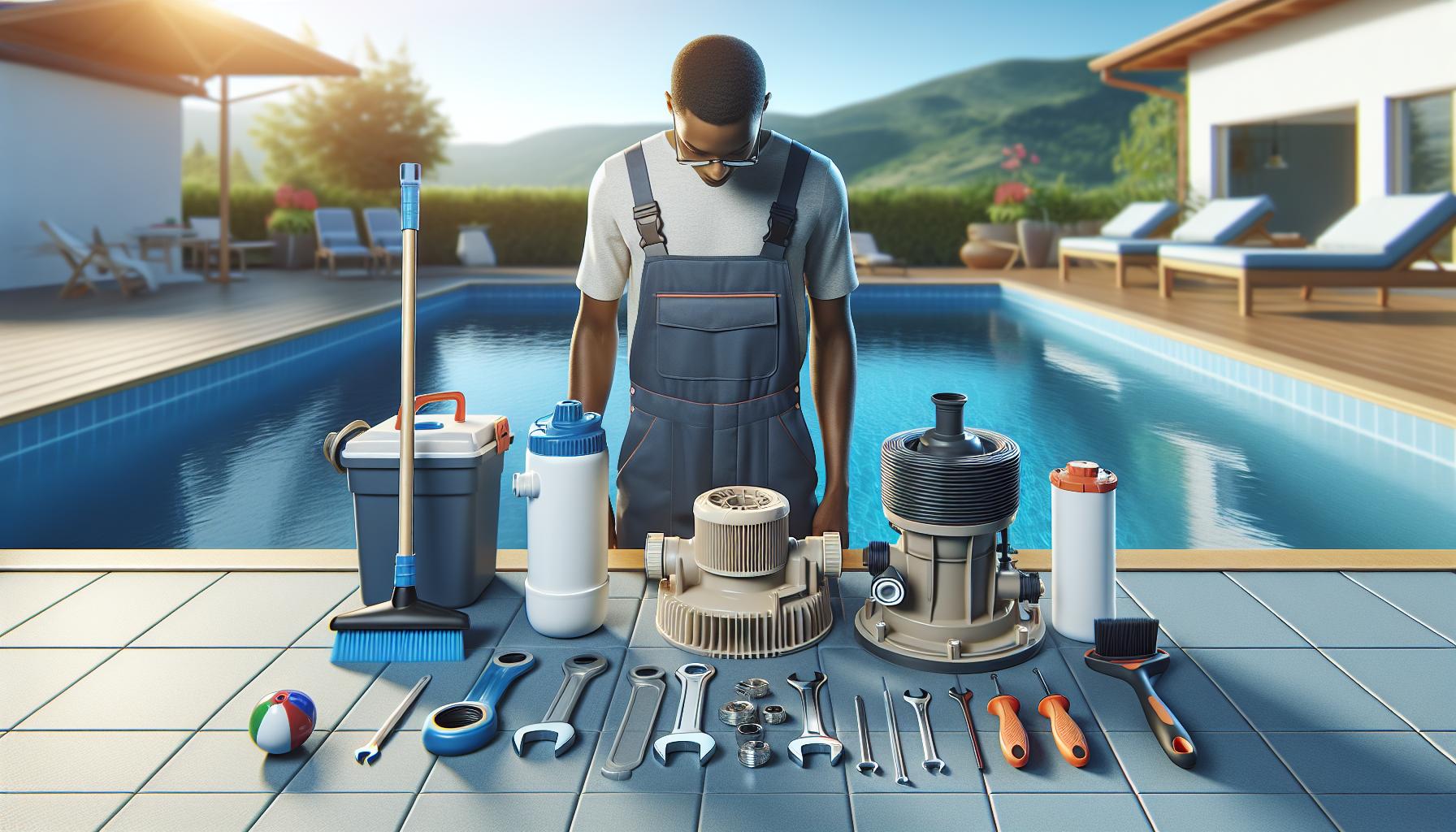
Preparing Your Pool Pump for Repumping
When your pool pump loses its prime, it can lead to inadequate filtration and ultimately a dirty pool. Understanding how to prepare your pump for repumping is essential to ensure that it effectively circulates water and maintains proper chemistry levels. Being proactive rather than reactive can save you time and maintain your pool’s cleanliness. Before you tackle the task of repriming, gather the essential tools and understand the environment that your pump operates in for a smooth repumping process.
Begin by ensuring that your pool pump is clean and free from debris. Clear away any leaves or sludge from the pump housing and surrounding areas. This not only provides better accessibility but also minimizes the risk of clogging during the repumping process. Check all the fittings and seals for any signs of wear or damage; even the smallest crack can lead to air leaks, preventing proper priming. Make sure your water source is available and that you can easily fill the pump with water-this is crucial to getting it started efficiently.
Next, while it’s crucial to have all necessary tools handy-like a hose, a bucket, and possibly a wrench for tightening any loose connections-it’s equally important to verify that the power supply to the pump is switched off. This ensures safety during the process. If you suspect that your pump may have absorbed debris or buildup, it’s advisable to perform basic maintenance, such as cleaning or changing filters, before proceeding to repump. By meticulously preparing your pool pump, you set the stage for optimal operation and a successfully reprimed system.
Understanding the Importance of Priming Your Pool Pump
When it comes to maintaining your pool’s cleanliness and ensuring optimal water flow, priming your pool pump is a critical step that should never be overlooked. A well-primed pump allows for efficient circulation, which is essential for effective filtration and keeping your water clear and safe. Without proper priming, your pump can’t create the necessary suction to draw water from the pool, leading to reduced efficiency and potential damage to the pump itself.
Proper priming not only enhances the pump’s performance but also helps prevent a range of problems, including air pockets forming in your plumbing system, which can create more severe issues like pump overheating or motor failure. Air trapped in your pump or plumbing can lead to inconsistent water flow, compromising the filtration process and allowing debris and contaminants to accumulate. Regularly checking your pump’s priming status can save you from costly repairs and ensure that your pool remains a welcoming oasis rather than a neglected water body.
Moreover, understanding the process of priming also equips you with the knowledge to troubleshoot potential problems quickly. By familiarizing yourself with common indicators that your pump needs repriming-such as unusual noises or decreased water flow-you can take proactive steps to maintain its functionality. In this way, a routine check of your pump can contribute significantly to its longevity and your overall pool enjoyment. So, keeping your pump primed is not just about immediate performance; it’s an investment in the long-term health of your pool system.
Signs Your Pool Pump Needs Repriming
A noticeably troublesome pool pump can often signal the need for repriming, but how can you tell when it’s time to take action? Observing the performance of your pool pump is crucial. Many pool owners overlook basic signs that indicate their pump hasn’t been properly primed. Recognizing these signs early can save you from bigger headaches and ensure your pool remains crystal clear.
One of the most common indicators that your pump needs repriming is a decrease in water flow. If you notice a weak stream coming from the returns, it’s a clear sign that your pump may not be effectively drawing water from the pool. Additionally, listen for unusual noises. A pump that’s struggling due to lack of water often generates a distinctive high-pitched whine or hissing sound, signaling air could be trapped in the system. Frequent cycling between operating and non-operating states can also suggest priming issues – when the pump seems to lose its ability to maintain consistent operation, it might be time to check the priming status.
Another telltale sign is the presence of air bubbles in the pump basket or at the returns. If you can see bubbles in the water returning to your pool, there is likely an air leak somewhere in your system. Such air pockets disrupt proper water flow, leading to inefficient filtration. Lastly, keep an eye on the pump’s strainer lid; if it appears sluggish to refill with water after running dry, immediate attention is warranted. When these signs start to accumulate, it’s essential to address the issue promptly, ensuring your pool pump operates smoothly and efficiently.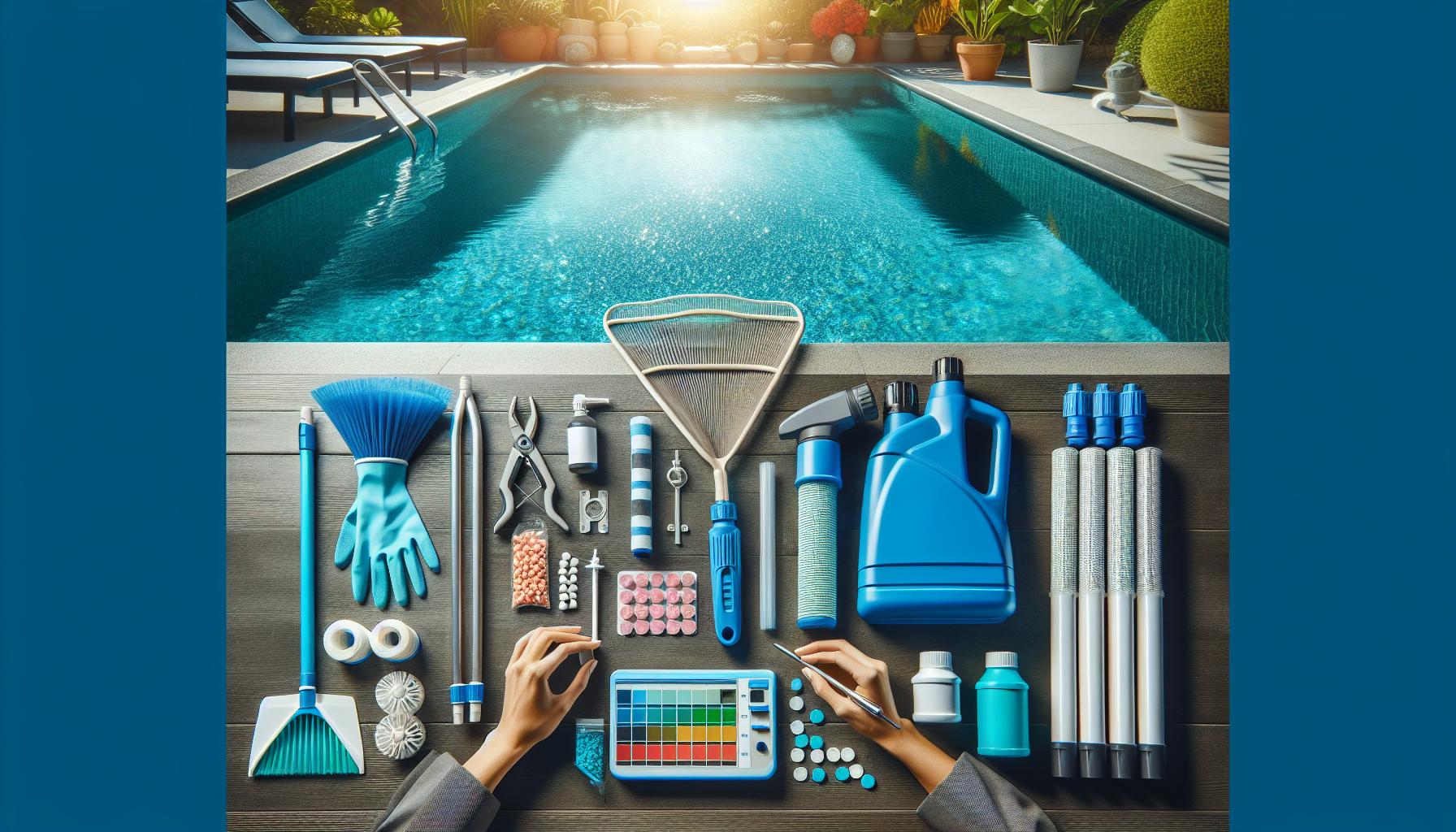
Essential Tools and Materials for the Job
When it comes to repriming your pool pump, having the right tools and materials at your fingertips can make the process much smoother and more efficient. A well-prepared maintenance session not only saves time but also ensures that your pool pump operates effectively, keeping your pool clean and inviting. Here’s a rundown of the essential items you should have ready before you begin the repriming process.
First and foremost, you’ll need a water source such as a garden hose, as filling the pump with water is a crucial step in the priming process. A bucket can also be useful for transferring water, especially if your pump’s location makes it inconvenient to use a hose directly. Another important tool is a screwdriver, typically a flathead, for opening or tightening any clamps or lids that may need adjustment during the process. If your pool pump features a strainer basket, having a pair of gloves handy can protect your hands from any sharp debris when you remove it for cleaning.
Additional items like tape and a repair kit may also come in handy. Tape can be used to seal any minor leaks you may discover during inspection, ensuring a better priming process. A repair kit with O-rings and gaskets can help if you encounter any worn parts during your maintenance check. Finally, consider having a quick guide printed out that outlines the priming steps, so you can easily reference it while you work, ensuring that you don’t miss any important steps.
Pulling together these tools will not only facilitate a smoother repriming but also empower you to tackle future maintenance tasks with confidence. A well-maintained pool pump not only enhances water circulation and filtration but contributes significantly to the overall health of your pool, making it enjoyable for everyone.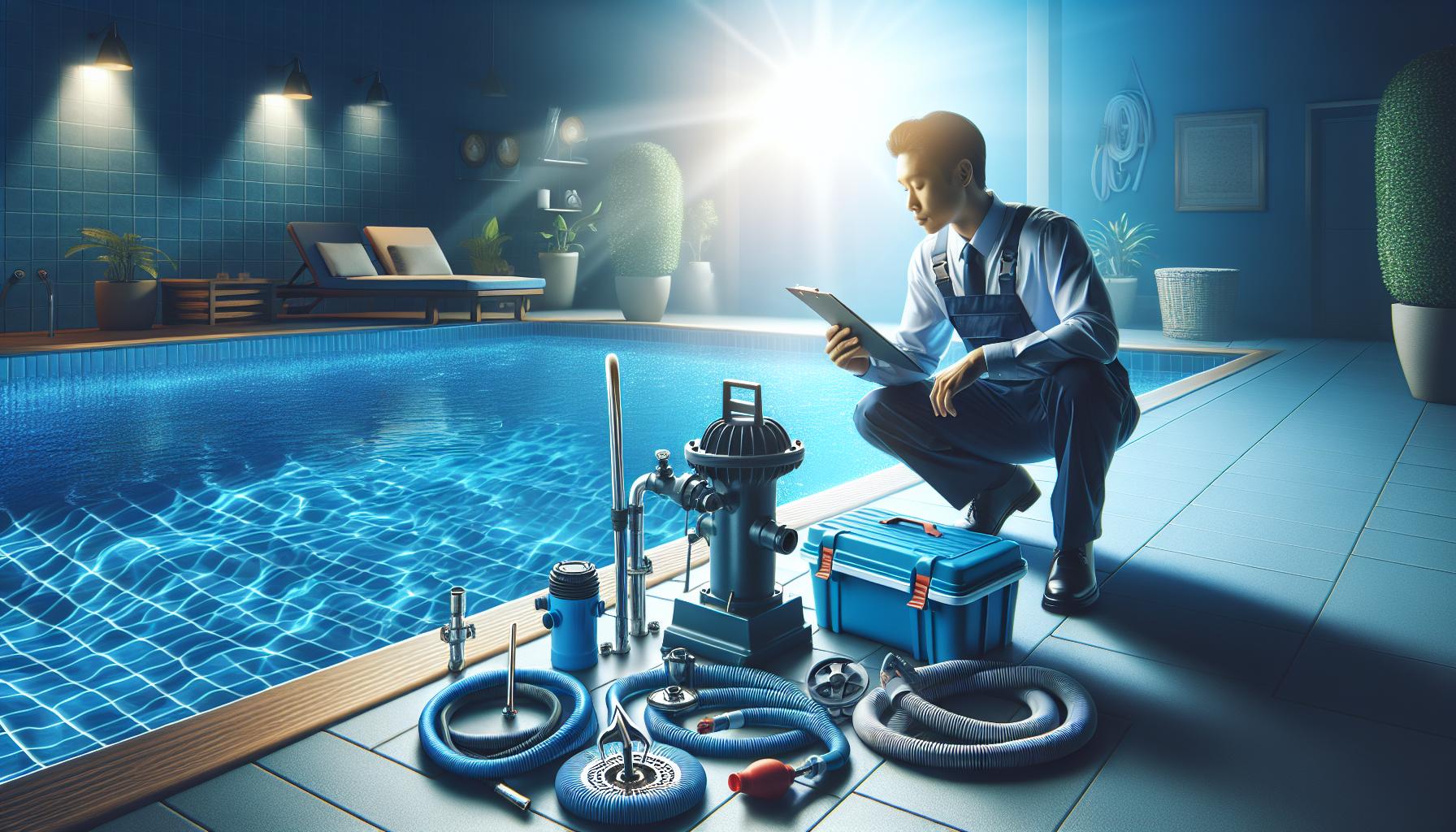
Step-by-Step Process to Reprime Your Pool Pump
When it comes to keeping your pool in pristine condition, knowing how to reprim your pool pump can make all the difference. A properly primed pump ensures effective water circulation and filtration, which not only enhances the clarity and cleanliness of your pool but also prolongs the lifespan of your equipment. Let’s dive into the systematic process of repriming your pool pump, step by step, so you can tackle this essential task with confidence.
Start by turning off the pool pump and ensuring the power source is disconnected to prevent any accidents. Next, remove the strainer lid from the pump. This step can often be done with just a simple twist, but if it’s stuck, a flathead screwdriver might come in handy to gently pry it off. Once you gain access, take a moment to inspect the strainer basket for any debris or clogs that could disrupt the flow of water. Clean out any buildup you find, as this will significantly improve pump performance.
Filling the Pump
With the strainer basket clean, it’s time to fill the pump with water. Using your garden hose or the bucket you prepared, pour water directly into the pump until it is full. This crucial step prevents air locks, which can hinder the pump’s ability to function properly. Once the pump is filled, replace the strainer lid securely to maintain a tight seal.
Priming the Pump
Now, verify that all valves leading to and from the pump are properly opened. Make sure any valves connected to the pool filter or skimmer are positioned correctly to allow for optimal water flow. Restore power to the pump and switch it on. You might hear the pump working hard to expel air. This is normal and a sign that it is in the priming stage. Keep an eye on the sight glass, if your pump has one; it should quickly fill with water, indicating that your pump is successfully primed. If you notice a lot of air bubbles, or if the pump does not begin to pull in water, you may need to turn it off and conduct further inspection for any potential leaks or blockages.
Troubleshooting Common Issues
If your pump fails to prime even after following these steps, check for common culprits such as air leaks in the suction line or closed valves. Ensure the strainer basket is seated correctly and there are no cracks or defects in the pump lid. If persistent issues arise, consider temporarily sealing leaks with tape as a stopgap measure until you can professionally address the problem.
With each of these steps, you not only enhance the performance of your pool pump but also build your confidence in managing your pool’s maintenance independently. Following this detailed guide will have your pool pump reprimed and running efficiently, allowing you to enjoy a crystal-clear pool all summer long.
Common Mistakes to Avoid When Priming
When tackling the task of repriming your pool pump, it’s important to be aware of some common pitfalls that can dampen your efforts. One of the most frequent mistakes is neglecting to clean the strainer basket thoroughly before starting the priming process. If debris or clogs are present, they can prevent proper water flow and ultimately hinder the pump’s ability to prime effectively. Always take the time to check and clean the basket to ensure unobstructed operation.
Another misstep involves underestimating the importance of sealing. After filling the pump with water, a loose or improperly seated strainer lid can cause air to enter the system, leading to a situation where the pump cannot build up the necessary pressure to operate. To avoid this, double-check that the strainer lid is secure and free from any cracks that might compromise its seal.
It’s also critical to connect all valves correctly. Forgetting to open specific valves or incorrectly positioning them can disrupt the flow of water, causing the pump to fail in priming. Before turning on your pump, review the valve settings carefully to ensure everything is aligned for optimal performance.
Finally, overlooking regular maintenance checks can lead to recurring issues with priming. It’s easy to become complacent after a successful pump priming, but ensuring that all components – from the suction lines to the pump itself – are in good condition can prevent unforeseen problems down the line. Schedule routine inspections to maintain reliability and minimize the frequency of needing to reprim the pump. By staying vigilant and avoiding these common mistakes, you’ll find that priming your pool pump can become a straightforward and efficient task.
Troubleshooting Repriming Issues and Solutions
When faced with issues while trying to reprime your pool pump, understanding the common culprits and their solutions can save you time and prevent frustration. One of the first things to check is the strainer basket. Ensure it is clean and free from debris, as any blockage can prevent water flow into the pump, hindering the priming process. If the water level in the pool is low, it may not reach the pump effectively; filling the pool to the appropriate level is crucial for proper pump function.
If you find that the pump still won’t prime after checking the basket and water level, it may be time to inspect for air leaks. Sometimes, the connections or fittings in the piping may not be sealed properly, allowing air to enter the system. This is especially common if a strainer lid is not secured tightly. Double-check all the connections, especially at the pump’s inlet and outlet, ensuring there are no cracks or loose fittings that could compromise the system’s integrity.
Another essential aspect to consider is the possibility of valve settings. Ensure that all valves are in their correct positions. If any valves are partially closed or not opened at all, water flow will be disrupted, preventing the pump from priming. This includes checking return and shut-off valves, as opening or closing them improperly can severely affect water circulation and pressure.
In cases where you’ve performed the above checks and the pump still fails to prime, examine the pump impeller. A blocked or damaged impeller may prevent proper water movement. If you suspect this is the case, refer to your pump’s manual for instructions on how to safely inspect and clean the impeller. Regular maintenance of the impeller can help avoid this issue entirely.
Lastly, if you are still encountering problems, it may be beneficial to consult with a professional. Persistent priming issues could indicate a more significant underlying problem that requires expertise beyond simple troubleshooting. By addressing these common pitfalls systematically, you empower yourself to maintain your pool pump effectively, ensuring smooth operation and prolonging the pump’s life.
Maintaining Your Pool Pump for Reliable Performance
Maintaining your pool pump is crucial for ensuring reliable performance and extending its lifespan. A well-maintained pump operates efficiently, helping to keep your pool clean and inviting. Regular maintenance can prevent minor issues from escalating into major repairs. Here are some actionable strategies to keep your pump in optimal condition.
Firstly, one of the simplest yet most effective maintenance tasks is to regularly check and clean the strainer basket. Debris accumulation can impede water flow, leading to reduced efficiency or complete pump failure. Remove the basket every few weeks (more frequently during peak usage) and rinse it out thoroughly. This small step not only enhances performance but also extends the life of the pump by reducing wear and tear.
Another essential maintenance practice is to monitor the pump’s motor and connections for signs of wear. Look for any frayed wires or loose connections that could lead to electrical issues. Tighten screws and bolts, ensuring that the pump is securely mounted. Additionally, inspect the impeller for blockages or damage, as a faulty impeller can significantly disrupt water flow and pump efficiency. If you notice any issues, refer to your pump’s manual for instructions on performing repairs or replacements as needed.
Lastly, keeping an eye on the lubrication of your pump’s bearings is vital. Depending on your pump model, some may require regular lubrication to prevent overheating and mechanical failure. Check the manufacturer’s guidelines for specific maintenance schedules and recommended lubricants. If lubricating isn’t a part of your regular routine, consider setting reminders to incorporate this step.
By staying proactive with these maintenance tasks, you can ensure that your pool pump remains in peak condition, ultimately reducing the likelihood of unexpected breakdowns and extending the lifespan of your investment. A little time spent on maintenance can yield significant long-term benefits, making your pool care experience much smoother and more enjoyable.
When to Seek Professional Help for Pool Pump Problems
Determining when to bring in a professional for pool pump issues is vital in keeping your swimming oasis functioning smoothly. While many pump problems can be handled with basic troubleshooting, some situations may require expert intervention to avoid further damage or safety hazards. If you notice the pump is making unusual noises, such as grinding or clanking, this might indicate mechanical failure, which could lead to severe damage if left unaddressed. In such cases, contacting a professional promptly can save you from costlier repairs down the line.
Another red flag to watch for is persistent air leaks. If your pump struggles to maintain prime, repeatedly needing repriming despite following all the correct procedures, there might be an issue with the pump’s seal or the plumbing connections. In these situations, a trained technician can accurately diagnose and fix the problem, ensuring that all components work in harmony. Additionally, if you observe a significant drop in water flow or pressure, it may be a sign of clogs or blockages deep within the system that require specialized tools and expertise to resolve.
- Electrical Issues: If the pump doesn’t start or trips breakers, it could indicate electrical problems that should be handled by a licensed electrician.
- Performance Declines: A noticeable decrease in performance, such as excessive vibration or inefficiency in filtering, may signify complex issues only a professional can rectify.
- Leaks: Water pooling around the pump or plumbing connections is a sign of a leak that could need more than simple tightening or sealing.
Ultimately, when in doubt, consulting a professional can provide peace of mind. Don’t hesitate to seek help if you’re facing symptoms you’re unsure how to address or if you feel uncomfortable with the repairs yourself. Recognizing your limits and knowing when to ask for assistance ensures your pool remains a safe and enjoyable space for you and your family.
Preventative Measures to Avoid Future Priming
To keep your pool pump operating smoothly and to significantly reduce the need for future priming, implementing preventative measures is essential. A well-maintained pool pump can enhance circulation and filtration effectiveness, creating a cleaner and safer swimming environment. Focus on several proactive strategies that not only extend the life of your pump but also minimize the disruption caused by frequent repriming.
Regularly check and maintain the pump’s seals and O-rings. These components are critical in preventing air leaks that can lead to losing prime. Inspect them for wear and tear, replacing them as necessary to ensure a tight seal. Additionally, make it a habit to examine the plumbing connections for any signs of leaks or damage. Tightening or replacing loose fittings promptly can go a long way in preventing air from entering the system.
Another key preventative measure involves the basket and filter maintenance. Keep the pump strainer basket clean and free of debris, as a clogged basket will hinder water flow and increase the strain on the pump. On a similar note, regularly backwash or clean your filter, depending on the type you have. A clean filter allows for optimal water flow and pressure, reducing the chance of the pump losing its prime.
Incorporate regular system checks and adjustments into your routine. Monitor the water level in the pool to ensure it’s above the skimmer, as low water levels can cause the pump to suck in air. If you notice a significant drop in water levels during evaporation or usage, consider using a skimmer cover or pool cover to retain water and debris. Furthermore, ensure that your pump is positioned properly and that all valves are aligned correctly to avoid unnecessary air intake.
By focusing on these considerations and developing a consistent maintenance schedule, you can effectively reduce instances of your pool pump losing prime in the future. Taking these steps not only aids in a seamless swimming experience but also amplifies your confidence in managing your pool’s upkeep independently. Embrace these practices as part of your pool care routine, and enjoy the satisfaction of knowing you’re contributing to the efficiency and longevity of your pool pump.
FAQs About Pool Pump Priming and Maintenance
Facing issues with your pool pump can be frustrating, especially when it comes to priming. Understanding the common queries related to pool pump priming and maintenance can empower you to manage the situation effectively. Here are some frequently asked questions that can provide useful insights.
How often should I prime my pool pump?
Generally, you should prime your pool pump whenever it has lost prime, typically after service, cleaning, or a period of non-use. However, with good maintenance practices, a well-functioning pump should only need priming infrequently.
What are the signs my pool pump needs to be reprimed?
Watch for signs such as reduced water flow, unusual noises, or air bubbles in the pump basket. If you notice the pump losing its prime, you will likely need to address the issue promptly.
Can a dirty filter affect the priming of my pump?
Absolutely! A clogged filter restricts water flow, which can lead to air being drawn into the system, causing the pump to lose prime. Regularly cleaning or backwashing your filter is crucial for optimal performance.
What steps can I take if my pump won’t prime?
If you’re struggling to get your pump to prime, start by checking for air leaks around the pump’s seals and O-rings. Ensure the skimmer is full of water and that the pool water level is sufficient. If problems persist, you may need to inspect your plumbing connections for leaks.
Are there maintenance tips to prevent priming issues?
Yes! Regular maintenance is key. Check and clean the strainer basket routinely, ensure the pump’s seals are intact, and monitor the water level in your pool. Installing a skimmer cover can also help retain water and reduce evaporation.
Remember, a well-maintained pool pump is essential for proper filtration and a clean swimming environment. By understanding these common issues and solutions, you can ensure smoother operation and enjoy hassle-free pool maintenance.
Q&A
Q: How often should I reprime my pool pump?
A: You should check your pool pump and consider repriming it whenever you notice a decrease in water flow or after heavy debris accumulation. Regular inspections during pool usage periods can also help determine if priming is needed. For optimal performance, aim for a general check every 1-2 months.
Q: What happens if I don’t reprime my pool pump?
A: Failing to reprime your pool pump can lead to airlocks, poor water circulation, and strain on the pump motor. This can cause overheating and eventual pump failure, resulting in costly repairs and inefficiencies in water filtration.
Q: Can I use my pool pump without priming it?
A: No, operating a pool pump without priming can damage the pump. Priming is essential for creating the necessary suction to draw water through the system. Always ensure your pump is adequately primed before use to maintain its efficiency and longevity.
Q: What is the best way to troubleshoot a pool pump not priming?
A: Start by checking for air leaks in the system, ensuring all connections are tight. Next, inspect the strainer basket for debris, and ensure the water source is available. If issues persist, refer to the “Troubleshooting Repriming Issues and Solutions” section of your guide for detailed steps [[Your Article Title]].
Q: How long should it take to reprime a pool pump?
A: The priming process typically takes around 1-5 minutes once the pump is started, depending on the pump size and the distance to the water source. If it takes longer, check for potential occlusions or air leaks in the suction line.
Q: Why is my pool pump making noise while trying to prime?
A: Loud noises during priming often indicate trapped air or an obstruction in the pump. Check for clogs in the strainer basket and ensure all valves are open to allow optimal water flow. Refer to “Common Mistakes to Avoid When Priming” [[Your Article Title]]for further insights.
Q: When should I consider calling a professional for my pool pump?
A: Consider professional help if you experience repeated priming issues despite following troubleshooting steps. If the pump is making unusual sounds, showing signs of leaks, or suffering from persistent inefficiency, a qualified technician can provide a thorough assessment and repairs.
Q: Can I repair a pool pump myself after an unsuccessful priming attempt?
A: Yes, you can attempt minor repairs if you’re familiar with pool pump mechanisms, such as checking for debris or tightening connections. For significant problems like electrical failures or complex parts replacement, consult a professional to avoid further damage.
In Conclusion
By now, you have the essential knowledge to successfully reprime your pool pump, ensuring optimal performance and clear water for your swimming enjoyment. Remember, regular maintenance can prevent issues down the line, so don’t hesitate to revisit our detailed guide whenever necessary. If you’re curious about other pool maintenance topics, check out our articles on “Pool Winterization Tips” and “How to Clean Your Pool Filter” for even more expert advice.
Don’t forget to subscribe to our newsletter for the latest tips and tricks, empowering you to tackle any pool challenge with confidence. If you have any questions or need support with your pool maintenance journey, leave a comment below – we’re here to help! Dive into your next project today and keep your pool in pristine condition!


