


As summer approaches, many homeowners dream of enhancing their outdoor space with a refreshing pool. But have you considered the option of putting an above-ground pool in the ground? This choice can transform your backyard, creating a sleek, sophisticated look while providing endless fun. However, it comes with both benefits and drawbacks worth exploring before making a decision.
Understanding the pros and cons of this installation method is crucial for informed planning. While burying an above-ground pool can improve aesthetics and accessibility, it may also introduce concerns like structural integrity and drainage issues. We’ll delve into these aspects to help you navigate the complexities of your pool project and ensure you make the best choice for your property and lifestyle. Let’s dive into the details and uncover what it really means to put an above-ground pool in the ground.
Can You Convert an Above Ground Pool to a In-Ground Pool?
Converting an above-ground pool into an in-ground pool might sound like an ambitious project, but it is indeed possible with the right approach and planning. This transformation offers several advantages, including enhanced aesthetics, increased property value, and an expanded range of design possibilities. However, it requires careful consideration, proper preparation, and a clear understanding of the steps involved.
Before diving into the conversion, it’s essential to assess the pool’s current condition. Above-ground pools are typically constructed from materials that may not withstand the structural demands of being placed beneath the ground. If your pool is relatively new and made from sturdy materials like resin or heavy gauge steel, it may be suitable for conversion. If it’s older or made from flimsy materials, you may need to consider purchasing a more robust pool specifically designed for in-ground installation.
Key Factors to Consider:
- Design and Layout: Think about how the pool fits into your backyard. Verify local zoning laws and regulations regarding pool depth and sizes.
- Drainage and Stability: Ensure that the chosen location has adequate drainage to prevent water accumulation, which can compromise the pool’s integrity.
- Installation Complexity: While you may decide to tackle the installation yourself, having assistance from professionals can ensure that the process is completed correctly and efficiently.
The installation process typically involves several steps. First, you will need to dig a hole that matches the dimensions of your pool. After excavating, prepare the base by leveling the area and adding a layer of sand to create a stable foundation. Then, carefully insert the pool into the ground. It’s crucial to backfill around the pool walls properly to prevent shifting and maintain structural support. Don’t forget to install skimmers and filters as needed to complete the setup. While the project can be a rewarding DIY endeavor, seeking guidance from experts can save time and potential issues.
By taking a methodical approach and ensuring that all necessary considerations are addressed, converting an above-ground pool to an in-ground one can enhance your outdoor experience and significantly increase your home’s value.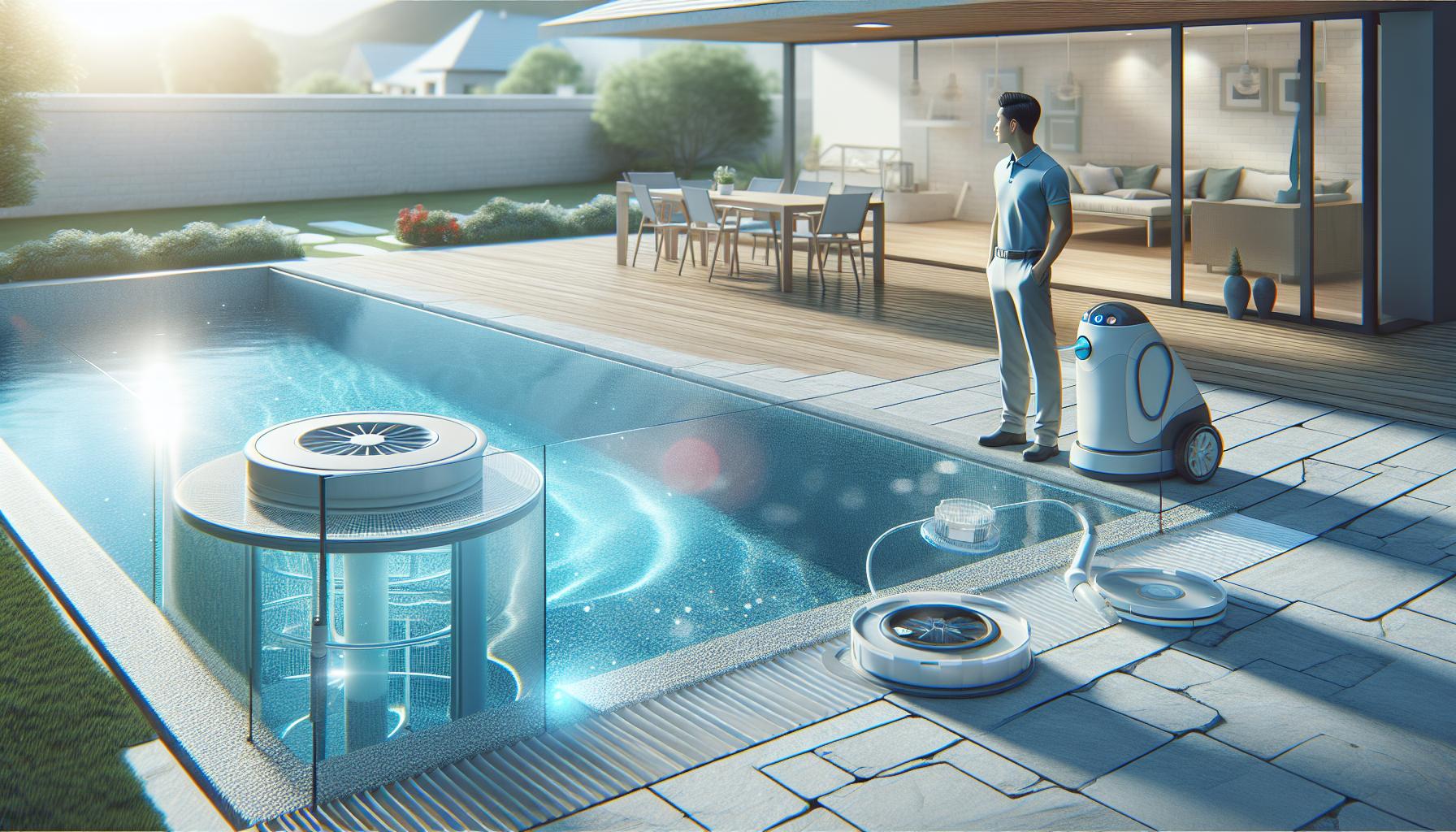
Understanding the Pros of Going In-Ground
Converting an above-ground pool into an in-ground pool offers numerous advantages that extend beyond mere aesthetics. One of the most appealing aspects of in-ground pools is the enhanced property value they bring. When properly installed, an in-ground pool can transform your backyard into a luxurious oasis, attracting potential buyers and boosting the overall market value of your home. This investment often pays off, as homes with in-ground pools can fetch higher selling prices compared to comparable properties without them.
In addition to financial benefits, in-ground pools offer a range of design and customization options that are often limited with above-ground setups. Homeowners can choose from various shapes, sizes, and finishes, allowing for a more personalized outdoor space. You can integrate features such as waterfalls, lighting, and landscaping that seamlessly blend with natural surroundings, creating a visually appealing retreat. An in-ground pool also provides superior safety advantages, as they can be designed with deeper depths and safety covers that reduce accidental drownings, making them a safer option for families.
Moreover, in-ground pools require less maintenance when compared to above-ground pools. With proper installation, an in-ground pool’s equipment, such as pumps and filters, can be more efficiently integrated, leading to easier maintenance and better performance. The steady structure of an in-ground pool resists the elements better than its above-ground counterpart, helping to minimize wear and tear over time. This stability not only makes upkeep easier but also enhances usability-since these pools are typically less susceptible to issues like algae growth and water imbalance.
To ensure you fully benefit from an in-ground pool, consider your long-term goals and lifestyle. If you anticipate regular family gatherings or social events, an in-ground pool can provide ample space for entertaining and recreation. It’s a way to bring friends and family together, create lasting memories, and enjoy your outdoor living area to its fullest. From aesthetic appeal to practical advantages, transitioning from an above-ground to an in-ground pool can truly elevate your lifestyle while making a sound investment in your property.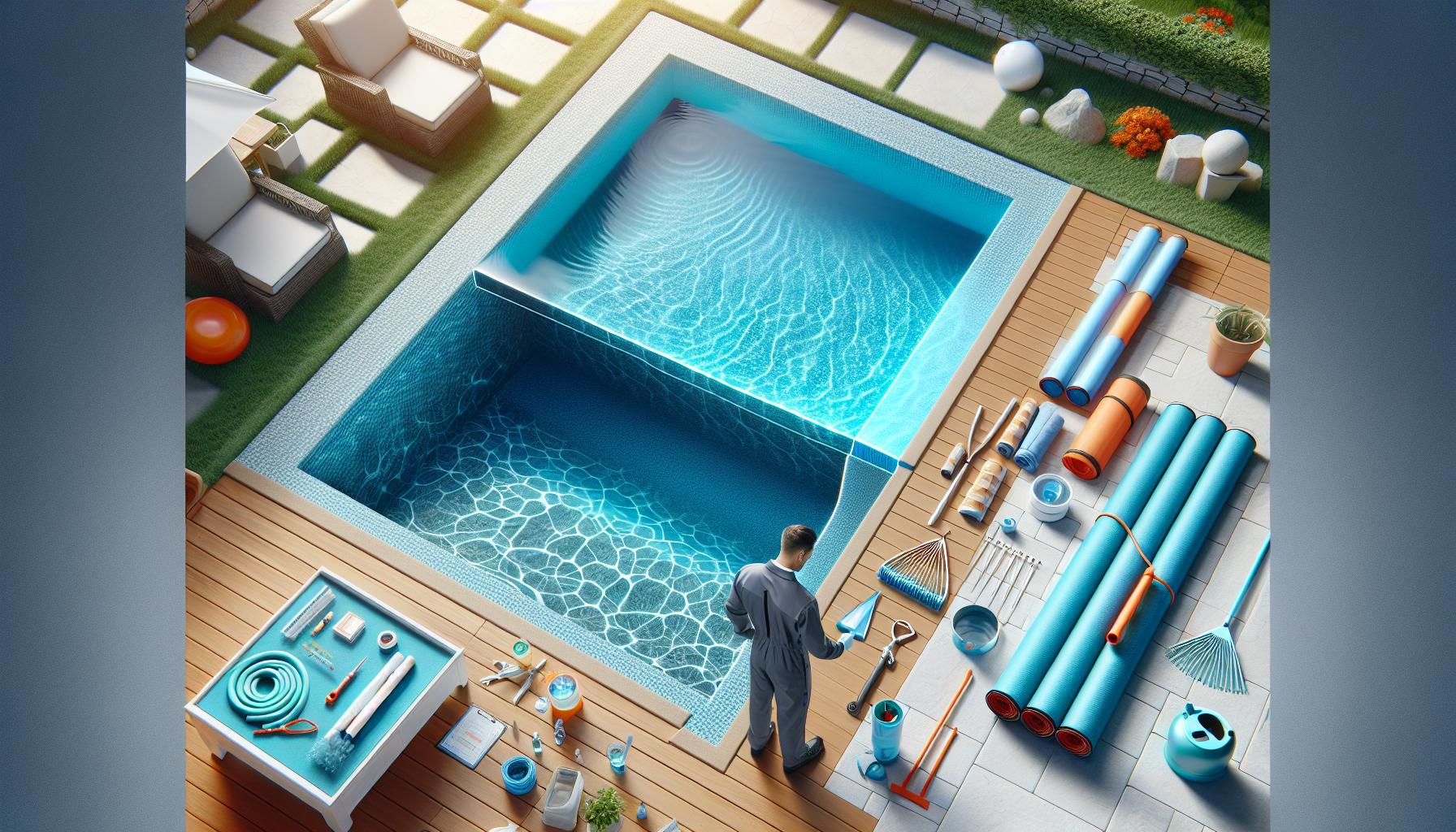
The Cons of Installing an Above Ground Pool In-Ground
Shifting an above-ground pool into an in-ground installation may seem like an appealing idea, offering a way to enhance your backyard oasis. However, it’s crucial to recognize that this transition is fraught with potential complications and drawbacks. First and foremost, an above-ground pool is not designed to withstand the pressures of surrounding earth; when buried, it may collapse under the weight or lead to structural issues resulting in costly repairs. The necessary adjustments to the framework and materials can prove overwhelming, making this more complex than a straightforward DIY project.
Another significant concern is the warranty and lifespan of the pool. Most above-ground pools have warranties that do not cover any ground installations. This means that once you make the switch, you’re on your own if any issues arise. Additionally, consider the environmental factors; if you live in an area with poor drainage or high water tables, the risk of flooding can be amplified. Water accumulation can lead to extensive damage, including mold and degradation of the pool’s materials.
Moreover, the costs can escalate quickly. Aside from the initial costs of labor and materials needed to position an above-ground pool in the ground, you may also face unexpected expenses related to site preparation, landscape reshaping, and possibly adding additional safety features like fencing or covers. It’s vital to budget accordingly to avoid financial strain.
In summary, while the thought of converting an above-ground pool to an in-ground style might be enticing, it’s essential to weigh these challenges carefully. Understanding the structural limitations, warranty implications, environmental impacts, and potential costs will greatly influence your decision. Proceeding with caution and thorough research can help you avoid pitfalls and ensure the best outcome for your outdoor space.
Key Considerations Before Making the Change
Shifting from an above-ground pool to an in-ground installation is a decision that requires careful thought and planning. Before you make this transition, it’s vital to understand the various elements that can determine the success of your project. First and foremost, assess the structural integrity of your pool. Above-ground pools are designed to function in a specific way, typically relying on water pressure from within to maintain their shape and stability. When submerged, they are subjected to external pressures that they are not engineered to withstand, potentially leading to catastrophic failure.
Consider the warranty implications of your pool as well. Most manufacturers specify that the warranty of an above-ground pool becomes void if the pool is installed in-ground. This could leave you vulnerable to financial loss should any structural problems arise after the installation. It’s essential to confirm with your pool manufacturer about the warranty specifics before proceeding.
Environmental factors also play a significant role in determining whether this change is feasible. Assess your property’s drainage and soil composition; in regions prone to flooding or heavy rainfall, burying an above-ground pool can increase the risk of pooling water, leading to moisture problems and algae growth. Additionally, consider the local climate-freezing temperatures can further affect ground stability and pool longevity if proper precautions are not taken.
Finally, think about the financial aspects of this undertaking. Beyond the initial labor costs, you might encounter unforeseen expenses like excavation, landscaping modifications, or additional safety features such as fencing. Therefore, pre-project budgeting is essential to ensure that you can manage both expected and unexpected expenses without strain. Engaging a professional for a building site assessment may provide you with insights that can help modify or adjust your plans for the best results.
In summary, prioritizing these key considerations-structural integrity, warranty specifics, environmental factors, and financial planning-will help guide your decision-making process as you contemplate the transition from an above-ground pool to an in-ground model. This thorough approach ensures you make an informed choice that enhances your outdoor living space while avoiding potential pitfalls.
Installation Process: Step-by-Step Guide
Shifting an above-ground pool to an in-ground setup is an ambitious but achievable project that can significantly enhance your outdoor living experience. While successful transformation hinges on preparation, understanding the installation process can set you up for a seamless transition. Here’s a systematic, step-by-step guide to help you navigate this undertaking efficiently.
Start by gathering the necessary tools and assessing your site for proper drainage and sunlight exposure. Mark the area for your pool’s footprint using stakes and string to visualize the space you’ll be working with. Before digging, ensure that you have the appropriate permits if required by your local regulations. It’s crucial to check for any underground utilities in the installation area to avoid costly damage.
Next, it’s time to excavate the site. Using a shovel or a backhoe, carefully remove the soil to create a level base that will accommodate the pool’s dimensions. The depth of your excavation will depend on how much of the pool you want above ground versus below ground. Once the hole is created, compact the soil at the bottom to provide a stable foundation.
After the excavation, lay a base of sand or gravel to create a flat, even surface for installation. This step is pivotal, as it helps prevent shifting and maintains the structural integrity of your pool. Following that, carefully position the walls of the above-ground pool into the excavated area. Use a level to ensure they are perfectly aligned and secure them according to the manufacturer’s guidelines. Reinforcement may be needed for the walls since they are not designed for in-ground pressure.
Once the pool is correctly positioned, refill the space around the pool with soil, taking care to pack it tightly to eliminate any air pockets. After setting the pool, reconnect plumbing and electrics as necessary to ensure proper filtration and circulation. Finally, test everything before filling the pool with water, ensuring all connections are watertight.
This systematic approach not only empowers you to manage the transition confidently but also minimizes potential complications down the line. Always prioritize safety during installation, making adjustments as necessary to suit your specific situation. With diligence and the right tools, you can enjoy your newly transformed in-ground pool for years to come.
Choosing the Right Location for Your Pool
Selecting the ideal location for your pool can make all the difference in your swimming experience. A well-placed pool enhances both functionality and aesthetics, offering a harmonious blend with your backyard landscape. When considering a spot for your above-ground pool conversion, think about the sun exposure and wind patterns. Ideally, place your pool where it can bask in sunlight for most of the day, while also considering the natural windbreaks provided by trees or shrubs. Not only does this promote a comfortable swimming environment, but it helps maintain water temperature, reducing heating costs.
Understanding the terrain is just as critical. Assessing the slope of your yard can inform your choice-an area with a slight incline may need extra excavation work, whereas a flat area could save both time and effort. Additionally, look out for drainage patterns and any areas prone to water accumulation. Installing your pool in the lowest low point can lead to water pooling around the pool, potentially compromising its integrity. A well-drained, flat location minimizes such risks, making maintenance smoother and providing peace of mind.
Access is another vital consideration. Ensure that the site is easily reachable for delivering materials and performing regular maintenance. This not only keeps your project on schedule but also allows for straightforward cleaning and upkeep. The convenience of having adequate space around the pool for lounging or setting up poolside furniture enhances your overall enjoyment. Think about future landscaping, too-choose a location that allows for easy integration of plants, deck space, or shaded areas, which can transform your pool into a captivating outdoor retreat.
In summary, when determining where to install your converted in-ground pool, focus on maximizing sunlight exposure, understanding your terrain, ensuring easy access for future maintenance, and thinking about complementary landscaping. This thoughtful approach will set the stage for countless enjoyable summers spent relaxing in your newly transformed space.
Essential Tools and Materials Needed for Installation
When it comes to converting an above-ground pool to an in-ground pool, having the right tools and materials at your disposal can simplify the process and yield a more successful installation. First and foremost, gathering essential equipment is critical for both the excavation and the construction phases of your project. Here’s a cheat sheet to ensure you’re prepared for the journey ahead.
### Essential Tools
To begin with, consider the following tools:
- Excavator or Backhoe: For digging the hole for your new in-ground pool, a small excavator or a backhoe is invaluable, especially if your yard has some slope or hard ground.
- Shovels and Rakes: For manual adjustments and fine-tuning of the pool’s excavation, having several shovels (both regular and spade) and rakes can help in leveling the base.
- Leveling Equipment: A laser level or bubble level ensures your pool base is perfectly even, preventing uneven settling once the pool is filled.
- Compactor: Compacting the soil after excavation helps create a stable base for your new pool.
- Hand Tools: A set of screwdrivers, wrenches, and pliers will be necessary for assembling the pool structure and any additional features (like ladders or skimmers).
### Materials Needed
Next, the right materials will also be crucial:
- Pool Kit: Depending on your design, you’ll need an in-ground pool kit that typically includes sides, a floor, and any necessary hardware.
- Concrete or Steel Panels: If building a custom pool structure, concrete forms or steel panels are essential for creating the pool walls.
- Sand or Gravel: A substrate of sand or gravel is required to create a solid base and help with drainage.
- Pool Liner: If you’re opting for a vinyl liner pool, choose a durable liner that fits your pool’s dimensions.
- Plumbing Supplies: Pipes, fittings, and a pump are essential for the filtration system to ensure clean and circulating water.
### Additional Considerations
Don’t overlook safety gear as well:
– Gloves and Safety Glasses: Protect yourself when digging and constructing your pool.
– Dust Masks: Useful if working with concrete or during any excavation work to avoid inhaling particles.
Before you start, it’s advisable to create a checklist of these items. This proactive approach not only boosts efficiency during installation but also minimizes interruptions due to missing tools or materials. With everything in place, you’ll be set to make the transformation of your above-ground pool into an in-ground oasis a reality, all while ensuring safety and effectiveness throughout the entire process.
Cost Analysis: Budgeting for Your Project
When considering the transition from an above-ground pool to an in-ground one, understanding the financial implications is vital. On average, the cost of converting an above-ground pool into an in-ground pool can range significantly based on factors like location, pool size, material choices, and labor. Generally, you can expect total expenses-including materials, labor, permits, and landscaping-to be anywhere from $15,000 to $50,000 or more. Budgeting for this transition requires careful planning to ensure that you have considered all potential costs.
One of the primary expenses will be the excavation process. The size and depth of your new in-ground pool will dictate how much dirt needs to be moved, which can affect labor costs. Using an excavator or backhoe for this phase can increase upfront costs but will save you time and labor costs in the long run. After excavation, the next financial step involves purchasing materials such as pool kits, concrete or steel panels, and necessary plumbing supplies. Don’t forget that additional features like lighting, decking, and safety equipment can further escalate the budget.
To maintain fiscal responsibility, it’s crucial to plan for unforeseen costs as well-such as those associated with landscaping or additional permits required by local authorities. Additionally, while some homeowners might be eager to tackle this project on their own, hiring professionals for installation may lead to better results. Allocate part of your budget for professional help, particularly if you’re not fully confident in your DIY skills.
In summary, create a detailed budget spreadsheet that outlines all projected costs along with a contingency fund for unexpected expenses. By assessing your financial capacity accurately, establishing a clear budget becomes a crucial step in turning your above-ground pool dream into a well-planned in-ground reality.
Maintaining Your In-Ground Pool: Tips and Tricks
Maintaining an in-ground pool is vital for ensuring its longevity and providing a safe, enjoyable environment for family and friends. Regular maintenance not only keeps your pool sparkling clear but also prevents costly repairs down the line. By incorporating a consistent routine for checks and cleaning, you can minimize problems and maximize your enjoyment.
Start by establishing a weekly cleaning schedule. Essential tasks include skimming the surface to remove leaves and debris, vacuuming the pool floor, and brushing the walls and tile lines to prevent algae buildup. Consider investing in a quality telescopic pole combined with a skimmer net and a vacuum head to simplify this process. For those particularly pesky areas, a specialized brush can help tackle tough stains or algae patches effectively.
Water Chemistry Balance
Maintaining proper water chemistry is equally important for your pool’s health. Test the water weekly using a reliable test kit to monitor pH, chlorine levels, alkalinity, and calcium hardness. Ideal pH levels should range between 7.2 and 7.6, which promotes effective chlorine performance and swimmer comfort. If you find imbalances, use appropriate chemicals to adjust levels accordingly. Here are some quick tips for maintaining water chemistry:
- Chlorine: Aim for 1-3 ppm (parts per million) of chlorine.
- pH: Keep it between 7.2 and 7.6.
- Alkalinity: Target a range of 80-120 ppm.
- Calcium Hardness: Maintain around 200-400 ppm.
Consider using a floating dispenser for chlorine tablets or installing a saltwater system for more effortless maintenance.
Equipment and Filtration
Regularly inspect and maintain your filtering system to ensure it operates efficiently. Clean or replace the filter as soon as you notice any inefficiency, and backwash or clean every few weeks based on pool usage. Pay attention to the pump; ensure the skimmer and pump baskets are free from debris and that the pump is functioning correctly. If you notice any unusual noises or leaks, addressing these issues promptly can prevent more significant problems in the future.
Taking these steps will facilitate smooth, ongoing pool maintenance. Remember, consistency is key, and the effort you invest now will pay off through years of trouble-free enjoyment in your in-ground pool.
When to Call a Professional for Help
Converting an above-ground pool into an in-ground pool can be an enticing prospect for many homeowners, but there are situations where calling a professional is not just advisable, but essential. If your DIY efforts become overwhelming or you encounter complexities beyond your expertise, reaching out for professional help can save you time, money, and frustration.
One major sign it’s time to call an expert is if you notice structural issues with the pool or the site where you intend to install it. Problems such as excessive soil erosion, groundwater issues, or unstable ground can jeopardize the integrity of the installation and lead to costly repairs later. Professionals have the tools and knowledge to assess site conditions accurately and make appropriate recommendations.
Another critical area where professional intervention is invaluable is during the installation of essential equipment. If you are unfamiliar with electrical work, connecting swim pumps, heaters, or lighting systems can pose safety risks. Electrical systems need to be installed correctly to comply with local codes and ensure safety. A qualified technician can handle these installations, avoiding potential hazards and ensuring everything operates efficiently.
Finally, when it comes to water chemistry management, if you’re uncertain about balancing chemicals or are dealing with persistent issues such as algae blooms or cloudy water despite your best efforts, consulting a pool technician can provide solutions that your routine maintenance might not solve. They can test water accurately, recommend the right chemicals, and help set up a reliable maintenance schedule tailored for your specific pool type and use pattern.
In summary, understanding when to call a professional can help you avoid mishaps and ensure your pool experience is enjoyable and stress-free. Whether it’s assessing your site, handling equipment, or maintaining proper water conditions, seeking expert guidance can enhance your investment in an in-ground pool.
Potential Safety Concerns with In-Ground Pools
Converting an above-ground pool into an in-ground pool can open exciting opportunities for enjoyment, but it also introduces several potential safety concerns that every homeowner must consider. A primary concern is water safety, especially in households with children or pets. Drowning is a serious risk, and it is crucial to establish safety measures such as fencing around the pool area, use of alarms on gates, and ensuring that all family members are educated on water safety practices. Installing pool covers can also help prevent unauthorized access when the pool is not in use.
Another critical safety aspect is the structural integrity of the installation. Transitioning to an in-ground pool requires digging and could lead to soil destabilization. If the excavation is not done correctly or if the pool is not properly supported, this could lead to potentially dangerous situations, such as cave-ins or collapses. Engaging professionals during the installation can mitigate these risks by ensuring that appropriate excavation and support systems are implemented.
Electrical safety is also a significant concern when converting to an in-ground pool. Most in-ground pools require electrical components like pumps, lighting, and heaters. Improper installation can lead to electrical shocks or fires. Ensuring that all electrical work complies with local building codes and is performed by a licensed electrician is essential. Furthermore, maintaining electrical systems regularly can help prevent malfunctions that could pose safety hazards.
Finally, be mindful of chemical safety when managing pool chemicals. Swimming pools require the right balance of chemicals to maintain water quality, and handling these substances can be hazardous if not done correctly. Always store pool chemicals in a safe, dry location, and use appropriate personal protective equipment (PPE) when handling them. Following safety guidelines and best practices ensures both the pool and the health of its users are maintained, making your aquatic experiences both enjoyable and safe.
Long-Term Value: Is It Worth the Investment?
Converting an above-ground pool into an in-ground pool may seem like an enticing upgrade, but it’s crucial to evaluate the long-term value of such an investment. Many homeowners are motivated by the aesthetic appeal and increased property value that an in-ground pool can provide. In fact, a well-installed in-ground pool can enhance your home’s curb appeal and become a focal point for outdoor gatherings, potentially making it a desirable feature for future buyers.
When considering the financial aspects, it’s important to weigh the initial costs against potential returns. While the conversion process can involve substantial expenses, including excavation, installation, and landscaping, the payoff may come in the form of higher property value. Homes with in-ground pools often sell for more than their above-ground counterparts, sometimes recouping as much as 60-70% of the installation cost in increased home value. However, the return on investment can vary based on location, market demand, and the overall quality of the installation.
- Increased Home Value: A professionally installed in-ground pool can significantly enhance your property’s value, attracting buyers.
- Enhanced Aesthetic Appeal: Beyond function, an in-ground pool can elevate your backyard’s visual identity, creating a luxurious retreat.
- Long-Term Enjoyment: Investing in an in-ground pool may lead to years of enjoyment for family and friends, contributing to a more active and social lifestyle.
- Maintenance Considerations: While in-ground pools typically require more upkeep, knowing how to manage and maintain them effectively can maximize their longevity and performance.
Ultimately, while the initial investment may be significant, the benefits of increased home value, aesthetic enhancement, and long-term enjoyment could well justify the conversion from an above-ground to an in-ground pool. Careful planning, budget management, and a commitment to ongoing maintenance will help maximize the rewards of your investment, ensuring that you and your family can enjoy countless hours of fun and relaxation by your new in-ground pool.
Frequently asked questions
Q: Can an above ground pool be used as an in-ground pool?
A: Yes, an above ground pool can be installed partially or fully in the ground. However, this requires careful planning and structural changes to ensure stability and safety. It’s essential to consult with a professional to assess the pool’s integrity and the necessary modifications.
Q: What are the benefits of installing an above ground pool in the ground?
A: The benefits include enhanced aesthetics, easier access, and potentially increased property value. In-ground setups also provide a more seamless look that integrates better with landscaping and outdoor living spaces, making your pool area inviting and functional.
Q: What risks should I consider before burying an above ground pool?
A: Risks include structural damage to the pool, potential leaks, and drainage issues. Also, improper installation can lead to safety hazards and may violate local codes or regulations. Always consult professionals and check local guidelines before proceeding.
Q: How do you ensure proper drainage for an above ground pool in the ground?
A: Proper drainage is crucial to prevent water accumulation and damage. Use a French drain system around the pool and ensure that the area slopes away from the pool. Regularly check and maintain drainage systems to avoid water pooling.
Q: What equipment is necessary for maintaining an in-ground pool converted from an above ground pool?
A: Essential equipment includes a pool pump, filter, skimmer, and maintenance tools like brushes and vacuum heads. Additionally, invest in a reliable water testing kit to monitor sanitation and chemical levels regularly.
Q: When should you replace an above ground pool instead of converting it to an in-ground pool?
A: If the pool structure is significantly damaged or outdated, replacing it may be more cost-effective. Also, if your landscape cannot support a safe installation, consider opting for a new above ground model rather than converting.
Q: Are there any local regulations governing the installation of an above ground pool in the ground?
A: Yes, many areas have specific zoning and safety regulations for pool installations. Always check with your local authorities for permits, safety standards, and any required inspections before starting your project.
Q: How much does it cost to convert an above ground pool to an in-ground pool?
A: Conversion costs vary widely based on location, the condition of the pool, and installation specifics. Generally, expenses can range from a few thousand to several thousand dollars. Conduct a comprehensive budget analysis, as discussed in our cost analysis section, for accurate estimates.
To Wrap It Up
Considering the pros and cons of putting an above ground pool in the ground can help you make a well-informed decision for your backyard oasis. Remember, while this option may save space and enhance aesthetics, it’s crucial to consider the potential challenges and maintenance involved. If you have questions about installation, check out our guide on “DIY Pool Installation Tips” for helpful insights. Want to explore pool maintenance? Visit our article on “Essential Pool Care Tricks” to keep your pool sparkling year-round.
Don’t let uncertainties hold you back! Every step you take toward planning your pool can lead to a summer filled with fun and relaxation. Join our newsletter for the latest tips and expert advice, ensuring you stay ahead in your pool journey. Your dream pool is just a decision away, so dive into the possibilities today. Share your thoughts or experiences in the comments below; we love hearing from you!


