


Inground pools can be a dream addition to your backyard, offering a personal oasis for relaxation and fun. However, traditional installation costs can be exorbitant. Fortunately, DIY inground pool kits present an opportunity to significantly cut expenses while allowing you to take control of your home improvement project. By embracing this hands-on approach, you not only save money but also gain valuable skills in pool maintenance and design.
If you’re a homeowner yearning for a refreshing escape without breaking the bank, exploring DIY pool kits could be your solution. Imagine enjoying your very own pool, tailored to your specifications, and feeling the satisfaction of having built it yourself. In this article, we’ll delve into the essentials of DIY inground pool kits, including step-by-step guidance and expert tips, ensuring you’re well-prepared to navigate this rewarding journey. Let’s dive in and discover how you can turn your backyard into a budget-friendly paradise!
Understanding Inground Pool Kits: What You Need to Know
When considering an inground pool kit, understanding its components and functionality is crucial for a successful installation. Inground pool kits typically include everything necessary to construct your own swimming pool, from the pool walls and liner to the plumbing and filtration systems. These kits are designed for DIY enthusiasts who want to save money, offering a more budget-friendly alternative to hiring professional installers.
A typical inground pool kit will generally fall into two categories: vinyl liner pools and fiberglass pools. Vinyl liner pools consist of steel or polymer walls, which are lined with a flexible vinyl sheet. This option is often more affordable and offers various design possibilities. Fiberglass pools come pre-formed and are constructed from durable materials that often require less maintenance and are quicker to install. Understanding the materials and construction process of each type helps you make an informed choice suitable for your space and preferences.
When selecting the right kit, consider your yard’s dimensions, landscaping, and local building codes. Most kits come with detailed installation instructions, allowing you to visualize the entire process. Additionally, gathering essential tools beforehand-such as excavation equipment, levelers, and concrete mixers-will streamline the project and ensure you’re prepared for any challenges that may arise during installation.
Before diving into your DIY project, familiarize yourself with essential safety measures such as wearing proper gear, understanding the layout of utilities underground, and possibly consulting local regulations regarding pool installations. With the right knowledge and preparation, purchasing and installing an inground pool kit can not only enhance your backyard but also provide a rewarding DIY experience.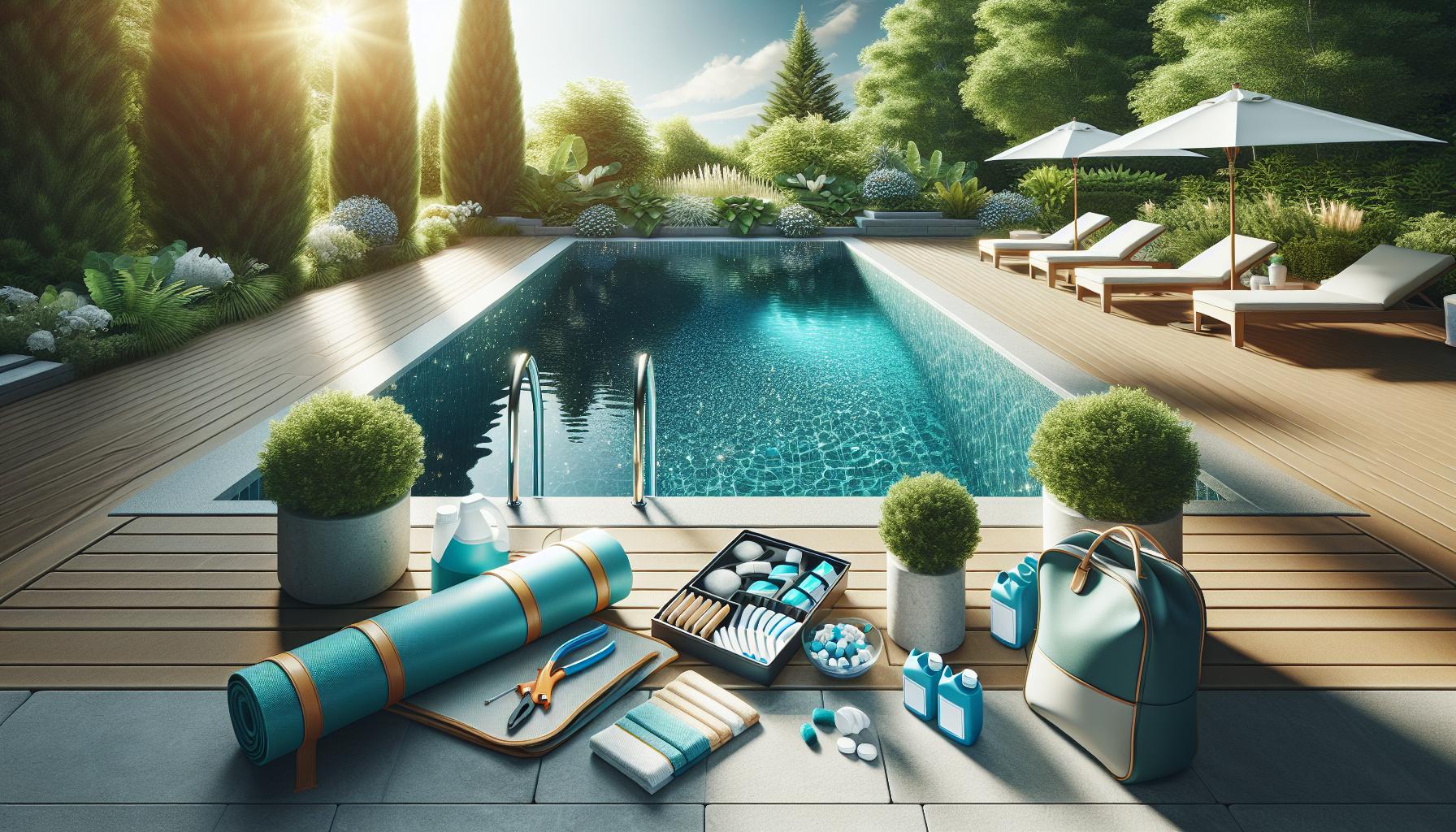
Top Benefits of DIY Inground Pools
Building your own inground pool can be an incredibly rewarding endeavor, blending creativity with practicality. One of the standout advantages of opting for a DIY approach is the significant cost savings involved. By choosing a pool kit and completing the installation yourself, you can avoid the hefty labor charges associated with professional installation. This freedom empowers homeowners to craft a personalized outdoor oasis without breaking the bank.
Another benefit is the flexibility that DIY projects afford. When you take on the challenge of installing your own pool, you have total control over every aspect, from design choices to the materials used. This means you can tailor the pool’s features to fit your lifestyle and preferences. Whether you envision a sleek modern design with a infinity edge or a family-friendly setup complete with shallow areas and steps, your vision can come to life without compromise.
Moreover, engaging in the process of building your own pool can deepen your connection to your backyard environment. Handling the installation gives you firsthand knowledge of how the pool is constructed, which is invaluable when it comes to maintenance. Understanding the system will empower you to troubleshoot and address any issues that may arise in the future, saving you time and money on repairs.
Lastly, the sense of accomplishment you’ll feel upon completing your DIY pool project is unmatched. This venture not only provides an inviting space for relaxation and recreation but also fosters a personal achievement that you and your family can cherish for years to come. Your DIY inground pool will transform your outdoor area into a haven of fun and relaxation, making it a centerpiece for family gatherings and a place of lasting memories.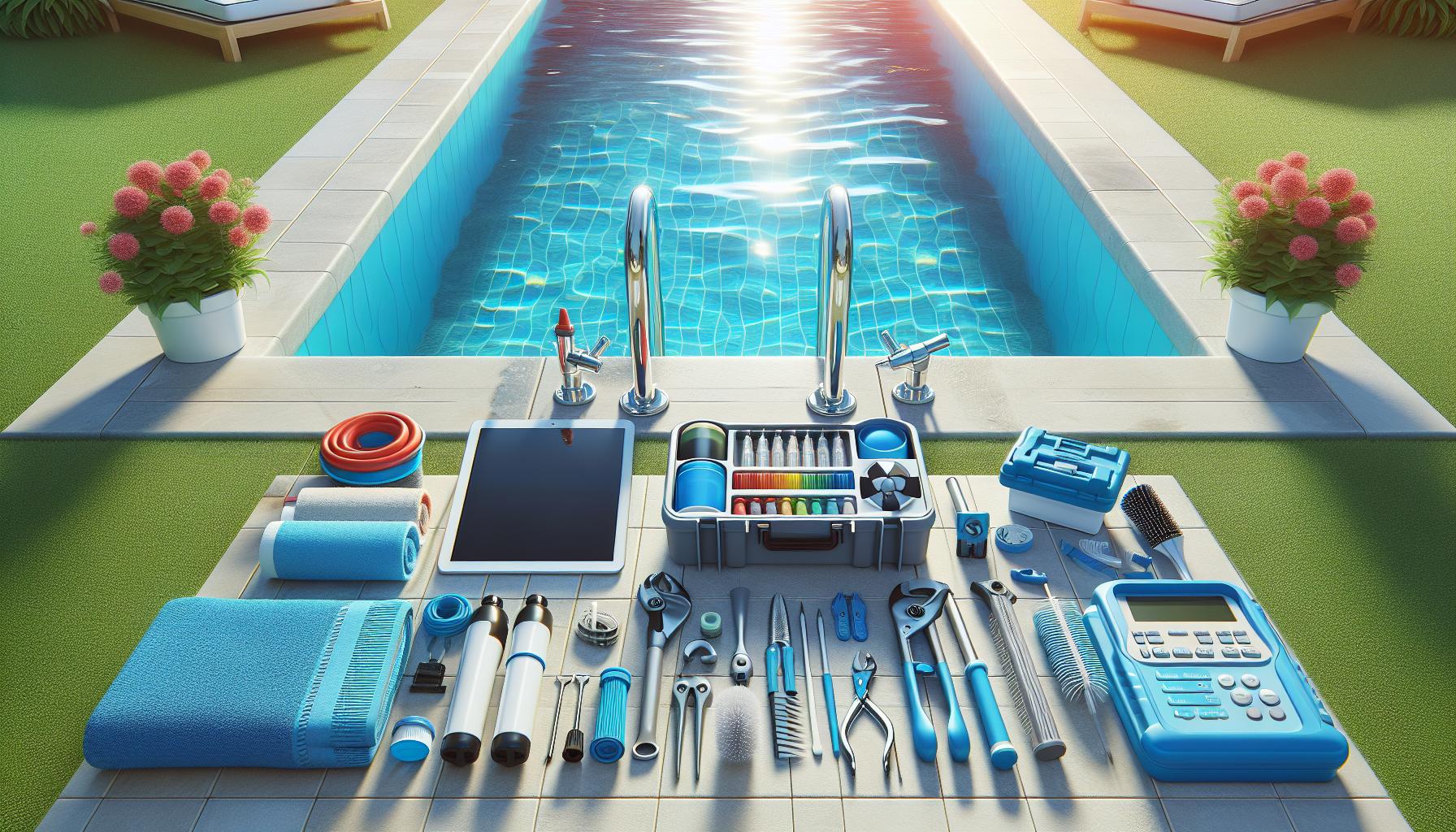
Choosing the Right Inground Pool Kit for Your Space
Choosing the right inground pool kit is crucial for ensuring that your DIY project is a success. With the plethora of options available, making the right choice can significantly impact how well your pool suits your needs and complements your outdoor space. It’s essential to consider several key factors to ensure that your kit aligns perfectly with your environment and your lifestyle.
First, assess your available space. Measure the area where you intend to install the pool, taking into account not just the footprint of the pool itself but also any surrounding landscapes and structures that could affect accessibility and aesthetics. Consider whether you want a simple rectangular design or a more elaborate custom shape, as various kits come with different levels of customization. Additionally, think about the intended use of the pool. If you’re planning to host family gatherings, a larger pool with shallow areas might be beneficial, while a smaller, deeper pool may suffice for relaxation and exercise.
Next, evaluate the materials used in the pool kit. Most inground pool kits are available in a few common materials, including fiberglass, vinyl, and concrete. Each material offers distinct advantages and considerations. For instance, fiberglass pools tend to be quicker to install and have lower maintenance requirements, whereas concrete pools provide a high level of customization but demand more time and upkeep. Analyze your budget, desired lifespan, and maintenance willingness to choose the right material that aligns with your long-term investment goals.
Research and Reviews
Before making a purchase, take the time to research manufacturers and read reviews from other DIY pool owners. Understanding user experiences and any potential issues can help you avoid common pitfalls. Seek kits that come with comprehensive installation guides, as well as responsive customer support, which can be invaluable if you encounter questions during your build.
In summary, selecting the ideal inground pool kit involves thoughtful consideration of your available space, desired materials, and thorough research into products and manufacturers. By aligning these aspects with your lifestyle and goals, you can choose a kit that will transform your backyard into a personal oasis, ensuring years of enjoyment for you and your family.
Essential Tools for Successfully Installing Your Pool
To embark on the journey of installing your own inground pool, having the right tools at your disposal is paramount to ensuring a smooth and successful process. A well-equipped workspace not only boosts productivity but also enhances safety and accuracy during installation. While most DIY projects can be accomplished with common household tools, some specialized equipment will yield better results and make the task more manageable.
Start by gathering essential items such as a shovel, which is crucial for excavation, and a level to ensure your pool is perfectly even. A tape measure will help you accurately gauge dimensions and spacing throughout the installation process. Additionally, a skid steer or mini-excavator-if you have the means to rent one-can significantly reduce the time and effort needed for digging. It’s also advisable to invest in a pool liner vacuum for easy and effective installation of the liner.
Hand Tools
Don’t overlook the importance of hand tools. Here’s a quick list of what you might need for fine-tuning and adjustments:
- Screwdrivers – Essential for assembling various components.
- Wrenches – Necessary for securing fittings and fixtures.
- Utility Knife – Useful for cutting liner and hoses.
- Brushes and Brooms – To keep the work area clean and debris-free.
Power Tools
In some instances, power tools may also be required. Consider these options:
- Drills – Handy for creating precise holes and for quick assembly.
- Reciprocating Saw – Useful for cutting through tougher materials when needed.
- Angle Grinder – Ideal for smoothing out rough edges on concrete or metal parts.
Preparation is key; hence, ensure that you have these tools organized and readily accessible. Not only will they help streamline the installation processes, but they will also empower you to tackle unexpected challenges with confidence. While the task may seem daunting, with the right equipment and a thorough plan in place, you will be well on your way to creating your backyard oasis-making the investment of time and resources thoroughly worthwhile.
Step-by-Step Guide: Installing Your Own Inground Pool
Installing your own inground pool can be one of the most rewarding DIY projects you undertake, transforming your backyard into a refreshing oasis. To begin, gather your materials and carefully plan each step of the process, ensuring you have all necessary tools ready for when you need them. A well-executed installation not only saves money but also builds a deeper connection with your home, allowing for years of enjoyment and relaxation.
Start with excavation. Mark the outlines of your pool using stakes and string, making sure to double-check measurements. Use a shovel or a mini-excavator to dig the outline to the recommended depth, ensuring you maintain consistent depth throughout. Once you have your hole, use a level to confirm that the base is even; this is critical for a stable installation and proper water circulation. After leveling, compact the soil to provide a sturdy foundation for the pool structure.
Next, it’s time to focus on the pool walls. Based on your kit, follow the manufacturer’s instructions to assemble the wall panels. Once assembled, secure them in place within the excavated area. As you work, ensure everything is level by regularly checking with your leveling tool. After the walls are securely in position, you can lay the base material, typically a sand or polymer layer, which will help protect the pool liner and aid in water flow.
Once your walls are up and the base is compacted, install the pool liner. Gently unfold and spread it across the bottom of the pool, ensuring it fits snugly against the walls. Use a pool liner vacuum to remove any air pockets, which helps the liner adhere properly. After the liner is in place, fill the pool with water gradually while ensuring that it stays evenly distributed across the liner during the filling process. Finally, you can install the pool’s filtration system, a crucial step for maintaining clean water.
Remember, patience is key in every stage of installation. Each step, from excavation to filling, will require your careful attention to detail. By following these guidelines, you’ll lay the groundwork for a beautiful pool that will provide enjoyment for years to come. Taking the initiative on a DIY project of this scale showcases not only your ability but also your commitment to enhancing your outdoor living space.
Common Mistakes to Avoid When DIY Pooling
When diving into the adventure of building your own inground pool, avoiding common pitfalls can be the difference between a smooth installation and a chaotic process. One of the most frequent mistakes is failing to accurately assess your yard’s topography. Not taking the time to understand the land’s slope can lead to drainage issues and structural instability. It’s crucial to conduct a thorough site evaluation and ensure the area is level before you begin excavation. Investing a little time upfront can save you significant headaches down the line.
Another common misstep is neglecting to read and follow the manufacturer’s instructions for your specific pool kit. Each kit comes with unique requirements, and overlooking critical details-such as the type of base material or liner installation steps-can compromise the integrity and operation of your pool. To ensure you complete each phase correctly, make sure you have the manual on hand, and don’t hesitate to reach out to customer support if you encounter any uncertainties.
The choice of equipment also plays a vital role in the success of a DIY pool installation. Many homeowners underestimate the importance of having the right tools. Using improper or inadequate tools, such as a standard garden shovel instead of a mini-excavator for digging, can significantly increase labor time and diminish accuracy. Ensure you gather all necessary tools like a laser level, compactors, and appropriate shovels based on your pool’s specifications. Having the right tools not only enhances efficiency but also helps maintain accuracy throughout the project.
Finally, one of the biggest oversights is underestimating the importance of backfilling and compacting around the pool. Many DIYers fill in around the pool without adequately compacting the soil, which can lead to settling issues and future structural problems. To avoid this, backfill in layers, using a compactor to firmly pack the soil after each layer is added. This meticulous approach strengthens the pool structure and provides a reliable foundation that withstands time and usage. Taking these proactive steps ensures a professionally finished and long-lasting DIY pool.
Maintaining Your DIY Inground Pool: Essential Tips
Maintaining a DIY inground pool is not just about keeping the water clear; it encompasses a range of tasks designed to ensure the longevity and safety of your investment. Regular attention to your pool can prevent minor issues from escalating into costly repairs. Moreover, understanding the maintenance fundamentals will empower you to handle common challenges without stress.
One of the key aspects of pool maintenance is water chemistry. Regularly test the water at least once a week, checking for pH, chlorine, alkalinity, and stabilizer levels. Keeping the pH level between 7.2 and 7.8 is crucial for swimmer comfort and effective chlorine use. If pH is too low, add a pH increaser, and if it’s too high, use a pH decreaser. Similarly, maintaining chlorine levels between 1-3 ppm prevents algae growth while ensuring the water is safe for swimming. An easy-to-use test kit can become your best friend in maintaining the right balance.
Routine Cleaning Tasks
A clean pool is a happy pool, and establishing a regular cleaning routine can keep the water inviting:
- Skim the Surface: Use a skimmer net daily to remove leaves, insects, and debris.
- Brush and Vacuum: Brush the walls, steps, and floor every week, and vacuum the pool at least once a week to remove dirt and algae buildup.
- Check Filters: Clean or backwash the filter regularly as per the manufacturer’s instructions to ensure proper circulation and filtration.
Addressing Common Issues
Inevitably, some maintenance issues might arise. Here are solutions to common problems:
- Algae Growth: If you notice green or cloudy water, test your chlorine levels and consider shocking the pool with a chlorine shock treatment. This process helps eliminate any existing algae and keeps your pool clear.
- Cloudy Water: This could indicate issues with filtration or an imbalance in water chemistry. Check the filter and ensure all chemicals are within the appropriate ranges.
- Leaking Water: If you suspect leaks, inspect for any cracks or damage to the pool walls or plumbing. A simple dye test can help locate the leak. Once found, repairs should be made promptly to prevent further loss of water.
Seasonal Maintenance
Don’t forget about seasonal care. In colder months, winterizing your pool is essential. This includes balancing the water chemistry, lowering the water level, and adding winterizing chemicals to prevent algae growth and equipment damage. Conversely, in spring, prepare for reopening by thoroughly cleaning the pool, checking equipment, and rebalancing the water.
By incorporating these maintenance tips into your routine, not only will you keep your inground pool safe and enjoyable, but you’ll also preserve the beauty and durability of your DIY project for years to come.
Upgrading Your Inground Pool: Options to Consider
Transforming your inground pool into a personalized oasis is not only feasible but can also significantly enhance its value and your enjoyment. Upgrading your pool involves a range of options that can be tailored to your preferences and budget. From aesthetic enhancements to functional improvements, consider how these upgrades can elevate your swimming experience.
One popular upgrade is the installation of LED lighting. These energy-efficient lights not only illuminate your pool area, allowing for nighttime enjoyment but also provide an array of color options to set the mood for parties or tranquil evenings. Switching to LED lights often saves money on electricity bills compared to traditional pool lighting. Additionally, incorporating poolside features like fountains or waterfalls adds both beauty and ambiance to the area, creating a serene environment that complements your outdoor space.
Enhancing Functionality
Improving the functionality of your pool goes hand in hand with aesthetic upgrades. Automated pool cover systems offer convenience and energy efficiency, as they help maintain water temperature and reduce evaporation. For added safety, a pool cover can also provide a physical barrier against accidental entry. Installing a heating system can extend your swimming season, allowing you to enjoy your pool even on cooler days. Whether opting for solar heating or gas heaters, this investment pays off in the extended use of your backyard retreat.
Surface and Surround Enhancements
The surface of your pool plays a critical role in its overall look and feel. If you’re tired of outdated vinyl liners or plain plaster, consider upgrading to more luxurious finishes such as tile or pebble texture. Not only do these materials add visual appeal, but they also offer durability and ease of maintenance. Surrounding your pool with new decking material such as travertine or composite decking can enhance the aesthetics while providing a slip-resistant surface, ensuring safety for swimmers.
Finally, don’t overlook the landscaping around your pool area. Strategic planting of lush greenery or ornamental trees can create a secluded atmosphere, turning your backyard into a relaxing haven. Adding outdoor furniture like loungers and shade structures can provide comfort and usability, making your pool area a perfect spot for relaxation and entertainment.
Embracing these upgrades not only maximizes your enjoyment but also transforms your DIY inground pool into a stunning centerpiece that improves both aesthetics and functionality. As you contemplate your next project, take these options into consideration to maintain the value and appeal of your homeowner investment.
Cost Breakdown: DIY vs. Professional Installation
When considering the financial aspects of an inground pool, many homeowners grapple with whether to embark on a DIY project or hire professionals. Engaging in a DIY installation can result in significant cost savings, but careful planning and consideration of various factors are essential to ensure success. On average, hiring professionals can range from $20,000 to $50,000 or more, depending on the complexity and size of the pool, while DIY kits can sometimes be secured for as little as $3,000 to $10,000, not including installation equipment and materials.
One of the primary financial benefits of installing a pool yourself is the elimination of labor costs. Professionals account for about 50-70% of the total costs due to their expertise, equipment, and labor. With a DIY approach, you only need to pay for the pool kit and any materials necessary for installation, such as excavation tools, plumbing supplies, and potentially some additional equipment like a concrete mixer or backhoe rental.
However, it’s crucial to accurately assess your skills and the complexity of the installation. While many kits are designed to make installation straightforward, unforeseen challenges can arise that might require additional expenses for tools or professional help to resolve issues, such as plumbing mistakes or inadequate reinforcement. To keep costs in check, consider the following key points:
Cost Considerations
- Initial Kit Costs: DIY inground pool kits typically cost significantly less than professionally installed pools. Ensure to check what’s included in the kit to avoid hidden costs.
- Tools and Equipment: Factor in the rental or purchase of tools needed for installation. Renting equipment can help keep costs manageable.
- Time Investment: Consider the value of your time; a DIY project can take longer than anticipated, which might equate to potential loss elsewhere, especially if you have to take time off work.
- Unexpected Expenses: Anticipate possible additional expenses for materials or professional guidance, particularly if issues arise.
Long-Term Financial Implications
The long-term costs of pool maintenance also play a crucial role in the overall financial equation. A DIY installation often allows homeowners a greater familiarity with the pool’s components, leading to better maintenance and possibly reducing repair costs over time. Additionally, having the knowledge to handle repairs can offer significant savings in the long run, as you won’t need to rely on professionals for every issue.
Ultimately, whether choosing DIY or professional installation, it’s essential to weigh both upfront costs and long-term financial implications. Making informed decisions based on thorough research can lead to a well-planned installation that meets your budget without compromising on quality.
Safety Tips for DIY Pool Installation and Maintenance
Embarking on a DIY inground pool installation can be a fulfilling project that not only enhances your backyard but also offers a place for family fun and relaxation. However, safety must remain your top priority throughout the process. The following tips will help ensure your installation and maintenance tasks proceed smoothly and safely, allowing you to enjoy your pool without concern.
Begin by familiarizing yourself with the layout of your property and any underground utilities that may exist. Before digging, always contact local utility companies to mark gas, water, and electric lines. Additionally, when excavation begins, wear appropriate personal protective equipment (PPE), such as gloves, safety goggles, and steel-toed boots, to shield yourself from potential hazards. If you’re renting heavy machinery for excavation, ensure you are trained on its operation or have someone qualified assist you.
Maintaining your pool is just as critical as the installation phase. Establish a routine that includes regular checks on the pool’s chemical levels and the integrity of the pool liner and equipment. Employ safety measures like keeping pool chemicals in their original containers, stored away from children and pets in a cool, dry place. Always handle these substances with care, using gloves and masks as needed.
Should any issues arise-such as leaks, equipment malfunctions, or pool-light outages-approach solutions systematically. For instance, if a problem occurs with the filtration system, first power off the unit, examine for obvious blockages, and clean or replace elements as necessary. Undertaking such checks regularly can help avoid larger problems down the line, ensuring your pool remains a safe and inviting oasis for family and friends.
Lastly, educate your family about pool safety. Setting clear guidelines for pool use, particularly with children, can prevent accidents. Install a secure fence around the pool area and equip it with childproof gates to restrict access when adults aren’t supervising. Regularly review these protocols with your family, promoting a culture of safety that safeguards everyone while enjoying the pool.
Frequently Asked Questions About Inground Pool Kits
When considering the installation of an inground pool, it’s common to have questions. Understanding these aspects can make your DIY journey smoother and more successful. Here’s a breakdown of some frequently asked questions that can clarify your path:
What is included in an inground pool kit?
Most inground pool kits contain everything you need for installation, including the pool walls, floor panels, skimmer, liner, plumbing equipment, and sometimes a filtration system. It’s essential to carefully review your kit contents to ensure they match your specific needs and that you have all the required components for assembly before you begin.
Do I need a permit to install a DIY inground pool?
Yes, securing a permit is typically necessary before you start digging. Local regulations may vary significantly, and obtaining the appropriate permits ensures you comply with local building codes and safety standards. Always check with your local government or zoning office to clarify any requirements.
How long does it take to install an inground pool?
The installation timeline varies based on pool size, type, and the experience of the installer. On average, you can expect a DIY inground pool installation to take anywhere from a few days to several weeks. Factors such as weather conditions, delivery times for materials, and your availability to work on the project significantly influence this timeframe.
What common challenges should I expect?
Despite careful planning, you may encounter challenges such as leveling the ground, managing water drainage, or unforeseen weather interruptions. It’s essential to remain flexible and prepared for adjustments. If issues arise, consult pool installation forums or instructional videos that can provide solutions tailored to your problem.
By addressing these common queries, you will equip yourself with knowledge that can not only ease the installation process but also enhance your enjoyment of your new inground pool. Remember, taking the DIY route requires patience and diligence, but with each step, you grow more confident.
Real-Life Success Stories: DIY Inground Pool Transformations
One of the most inspiring aspects of taking on a DIY inground pool project is witnessing the transformative journey of homeowners who turned their backyards into personal retreats. For many, the experience embodies not just the satisfaction of constructing a pool but also the joy of creating a vibrant space for family and friends to gather, unwind, and create lasting memories.
Consider the story of the Johnsons, a family from Texas who had always dreamed of having a pool but felt deterred by the high costs of installation. After extensive research, they decided to invest in a DIY inground pool kit. Armed with a strong sense of determination and a few friends to help, they tackled the project over a couple of weekends. Facing challenges like uneven terrain and unexpected rain, they learned to adapt, using online resources and community forums for advice. Today, their backyard is not just a pool area; it’s a lively hub for summer barbecues and family gatherings that brought their community closer.
Another remarkable example is the Smiths, who transformed their small, uninviting yard into a stunning outdoor oasis. Opting for a compact, modern pool, they chose a kit designed for small spaces. With meticulous planning and creativity, they incorporated landscaping features such as palm trees and decorative lighting, enhancing the overall aesthetic while staying within budget. Following the installation, they installed solar heating panels which allowed them to enjoy their pool earlier in the season and extend their swimming enjoyment into the fall. Their project proved that even small spaces could yield fantastic results with the right approach.
For anyone considering a DIY pool installation, these success stories serve as motivation and reassurance. It’s a testament that with flexibility, thorough planning, and a willingness to learn, creating your dream oasis is achievable-often at a fraction of the cost of professional installations. Remember, the key lies in preparation, and every effort invested in planning will pay off in the end. Embrace the challenges and enjoy the journey; your backyard paradise awaits!
Faq
Q: What are the most cost-effective inground pool kit options for DIY homeowners?
A: The most cost-effective inground pool kits typically include vinyl-lined options, as they offer lower material costs and simpler installation. Look for kits that come with all necessary components, such as wall panels, liners, and pumps, to save on additional expenses. Research various suppliers for competitive prices to maximize savings.
Q: How long does it take to install a DIY inground pool kit?
A: Installing a DIY inground pool kit can take anywhere from one to three weeks, depending on your experience, the pool size, and the specific conditions of your backyard. Allocate time for excavation, assembly, plumbing, and finishing touches. Planning helps streamline the process, making it more efficient.
Q: What tools do I need for installing an inground pool kit myself?
A: Essential tools for installing an inground pool include a shovel, level, tape measure, bucket, concrete mixer, and trowel. Additional helpful tools might include a pool liner wrench and a submersible pump. Refer to the specific installation instructions of your pool kit for any specialized tools required.
Q: Can I install a DIY inground pool kit in a small backyard?
A: Yes, many DIY inground pool kits are designed for small backyards. You can choose compact shapes, such as rectangular or kidney-shaped pools, which maximize space. Always check local regulations, as some areas may have zoning restrictions affecting pool size and installation.
Q: What common challenges should I expect when installing a DIY inground pool?
A: Common challenges include unexpected soil conditions, difficulty in maintaining level surfaces, and aligning pool walls. Additionally, proper plumbing and electrical connections can be tricky. Preparing for these issues with thorough research and planning can create a smoother installation experience.
Q: How do I maintain a DIY inground pool during the offseason?
A: To maintain a DIY inground pool during the offseason, cover the pool to prevent debris accumulation, lower the water level, and ensure all equipment is winterized. Regularly check chemical levels and consider using a winterizing chemical kit to protect your pool’s surfaces and plumbing.
Q: Is it necessary to hire a professional when installing a DIY inground pool kit?
A: It is not strictly necessary to hire a professional, but consulting an expert for aspects like local permits, plumbing, and electrical work can provide peace of mind. If unsure about any steps, consider hiring professionals for those specific areas while handling the majority of the installation yourself.
Q: What are some ways to personalize my DIY inground pool design?
A: Personalizing a DIY inground pool can include adding custom features like built-in benches, waterfalls, or lighting. You can choose different coping styles, deck materials, and tile designs. Consider landscaping options to enhance the overall aesthetic, creating a unique oasis that reflects your style.
Concluding Remarks
Ready to transform your backyard into a personal oasis? With DIY inground pool kits, you can save money while enjoying a fun and rewarding project. Don’t wait-take the plunge today and explore our guides on maintenance tips and troubleshooting common pool issues. Check out our articles on DIY Maintenance Essentials and Pool Chemistry Simplified to empower yourself with the knowledge you need for a sparkling pool experience.
Join our community of DIY enthusiasts by signing up for our newsletter to receive the latest tips, trends, and exclusive promotions right in your inbox. Have questions or want to share your DIY pool journey? Leave a comment below; we’d love to hear from you! Your dream pool is just a project away-start building it now and enjoy the refreshing rewards for years to come!


