
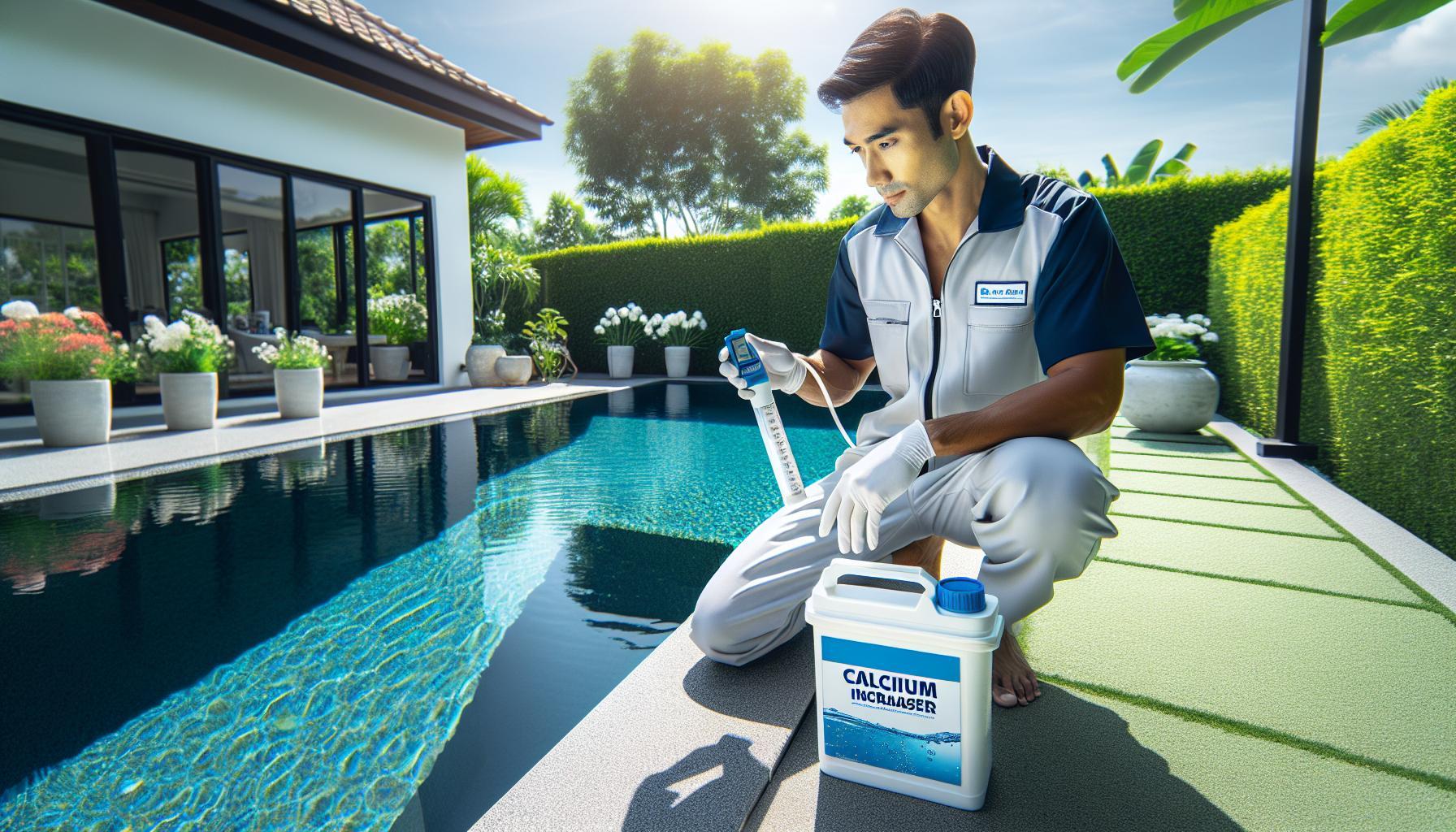

Calcium hardness is crucial for maintaining a balanced swimming pool. When calcium levels are too low, it can lead to various issues, from damaging pool surfaces to causing discomfort for swimmers. If you’re noticing cloudy water or corrosion in your pool, understanding how to raise calcium hardness can significantly enhance your water quality and overall swimming experience.
Many pool owners may not realize the importance of monitoring calcium levels, but regular testing and adjustment can save you time and money in repairs. By ensuring optimal calcium hardness, you’ll be protecting your pool’s equipment and surfaces while creating a more inviting and enjoyable environment for family and friends. Curious about how to boost those essential calcium levels? Let’s explore practical steps you can take to achieve a properly balanced pool.
Understanding Calcium Hardness: Why It Matters
Understanding the importance of calcium hardness in pool maintenance can make a significant difference in your swimming experience and the longevity of your pool’s components. Calcium hardness refers to the concentration of calcium ions in pool water, which plays a key role in maintaining a balanced water chemistry. When calcium levels are too low, the water becomes “soft,” leading to corrosion of metal surfaces and plaster, causing costly damage over time. Conversely, high calcium levels can lead to scale formation, impacting both the aesthetics and functionality of your pool.
Maintaining appropriate calcium hardness not only preserves your pool’s surface but also ensures that other chemical levels remain stable. A balanced pool with proper calcium hardness helps to prevent issues such as cloudy water and reduces the need for excessive chemical treatments. To achieve this balance, you should regularly test your water and make adjustments as needed, ensuring a healthy swimming environment and minimizing emergency repairs.
When it comes to raising calcium hardness, understanding its role is crucial. It acts as a buffer against fluctuations in pH and alkalinity, creating a more stable water chemistry. By prioritizing calcium hardness, you’re ensuring that your pool remains an inviting space for relaxation and recreation, while also extending the life of your pool infrastructure. Thus, every pool owner should make it a point to routinely monitor and adjust calcium hardness levels as part of a comprehensive pool maintenance regimen.
Signs Your Pool Needs Increased Calcium Hardness
While maintaining your pool, recognizing the signs that indicate your water needs an increase in calcium hardness is essential for preserving both the pool’s structural integrity and the quality of the swimming experience. If you observe any of the following symptoms, it may be time to take action to elevate your calcium hardness levels.
One of the most telling signs is the presence of corrosion on metal fixtures, such as ladders or light fixtures. If you notice discoloration or rust, the water could be too soft, indicating insufficient calcium levels. Additionally, low calcium hardness can lead to issues with pool plaster; for instance, if you see pitting or rough surfaces, it may signal that the water is leaching calcium from the plaster, causing deterioration.
Another indicator is the clarity of your pool water. If the water appears cloudy or seems to lack the vibrant blue hue typically associated with well-balanced pools, it may be related to inadequate calcium hardness. Furthermore, unbalanced calcium levels can result in excessive chemical use when attempting to compensate for other water imbalances, leading to inefficient swimming pool maintenance practices and unnecessary costs.
To monitor calcium hardness effectively, regular testing is imperative. Aim for a calcium hardness level between 200-400 ppm (parts per million). If your test results fall below this range, it’s crucial to increase the calcium levels to protect your pool and enhance the overall water quality. By proactively addressing these signs, you can maintain a healthy and inviting swimming environment.
Step-by-Step Guide to Raising Calcium Hardness
To effectively raise calcium hardness in your pool, the process involves a few straightforward steps that ensure your water remains balanced and safe. Calcium plays a critical role in preventing corrosion and scaling, helping to maintain the longevity of both the pool structure and the equipment. When calcium levels fall below the ideal range, you can implement these practical steps to remedy the situation.
Start by measuring your calcium hardness level with a reliable test kit. Use a testing strip or liquid reagent to get an accurate reading; aim to achieve a range of 200-400 parts per million (ppm). Once you establish your pool’s calcium hardness level, determine how much you need to add to reach the desired level. Typically, increasing calcium hardness can be accomplished using calcium chloride, which is a commonly available and effective additive.
When preparing to add calcium chloride, follow these guidelines:
- Calculate the amount needed: Based on your test results and the size of your pool, you can determine how much calcium chloride is required. For instance, to raise the calcium hardness by 10 ppm in a 10,000-gallon pool, you’ll need approximately 1.5 pounds of calcium chloride.
- Dissolve the product: For even distribution, dissolve the calcium chloride in a bucket of pool water before adding it to your pool. This method prevents localized high concentrations that can cause cloudiness.
- Apply the solution: Slowly pour the dissolved calcium chloride around the edges of the pool while the pump is running. This helps to circulate the additive properly and ensures thorough mixing of the chemicals.
- Retest the water: After 24 hours of circulation, retest the calcium hardness level to confirm that it’s within your target range. If necessary, repeat the process until the desired level is achieved.
Remember that regularly monitoring your pool’s chemistry is essential for ongoing maintenance. If you notice that calcium hardness frequently drops low, consider implementing preventive measures such as using a calcium stabilizer or adjusting your water source. With these steps, you can confidently raise calcium hardness levels and promote a healthy swimming environment for all.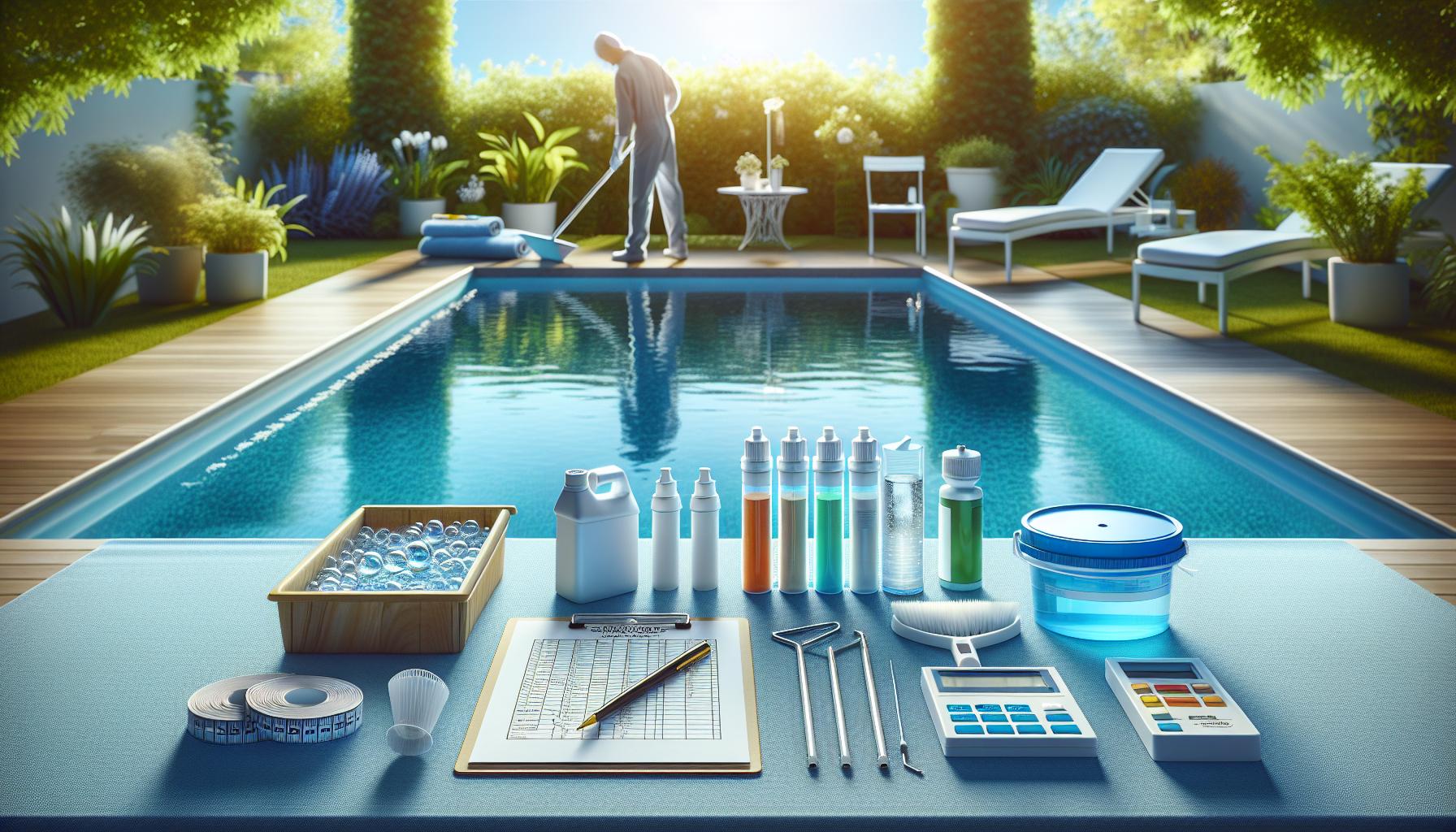
Choosing the Right Calcium Additives for Your Pool
Choosing the right calcium additives can significantly impact the maintenance and overall health of your swimming pool. While calcium chloride is the most common choice for increasing calcium hardness, not all products are created equal. When selecting an additive, consider not only its effectiveness but also its impact on your water chemistry and the specific needs of your pool.
Calcium chloride is available in various forms, including granular, liquid, and tablet options. The granular form is widely favored for its simplicity in usage; it dissolves quickly and effectively raises calcium levels without leaving residue. Make sure to choose a high-purity product to avoid adding unwanted contaminants to your pool water. It’s also beneficial to check the manufacturer’s instructions for any specific recommendations on application rates and methods to ensure successful results.
Additionally, it’s wise to consider potential alternatives such as calcium sulfate or calcium bicarbonate. Calcium sulfate can be an effective choice for areas with significantly low hardness levels while also contributing some sulfate to the water, which can benefit certain pool conditions. Calcium bicarbonate, while less common, serves as a dual-purpose additive by increasing both calcium hardness and alkalinity simultaneously. Understanding the specific advantages of each option allows you to make an informed decision tailored to your pool’s individual requirements.
Before applying any form of calcium additive, always conduct a thorough water test to confirm your current levels. This ensures you can calculate the precise amount needed to avoid overshooting your target. Take special care to add calcium additives gradually, allowing time for the water to circulate and equilibrate before making further adjustments. By choosing the right additives and applying them thoughtfully, you can maintain balanced water and create a more enjoyable swimming environment.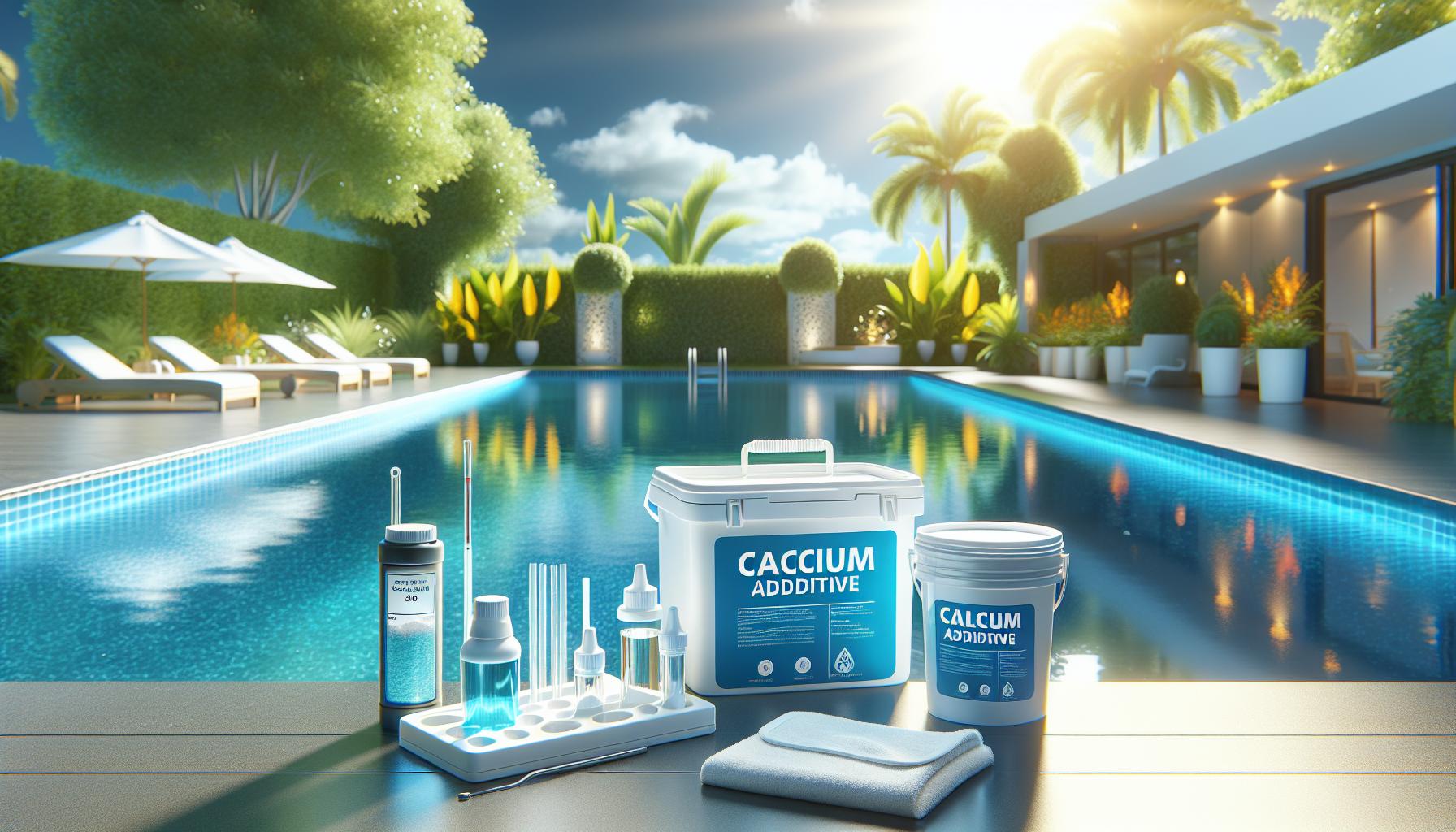
How to Test Calcium Hardness Levels Effectively
Testing calcium hardness levels in your pool is crucial for ensuring water quality and equipment longevity. Not only does it help prevent problems such as scale buildup, but it also protects your pool’s surfaces. A simple test can save you from costly repairs and maintain a safe swimming environment. Here’s how to effectively measure and manage calcium hardness.
To begin, gather your materials. You’ll need a reliable water testing kit that includes reagents for measuring calcium hardness specifically. Most kits will either use test strips or liquid reagents to determine levels. If you’re using liquid reagents, follow these steps:
Step-by-Step Testing Process
- Collect Water Samples: Fill two or three sample containers with pool water from depths of about 4-12 inches. This depth ensures you get representative samples of the water currently in use.
- Follow Kit Instructions: Each testing kit has specific instructions for testing calcium hardness. If using test strips, simply dip one strip into the water for the recommended time and then compare it to the color chart provided. For liquid tests, add the specified number of drops of reagent to the water sample and swirl gently.
- Take Notes: Record your results promptly. Calcium hardness is typically measured in parts per million (ppm). Ideal levels usually fall between 200-400 ppm, depending on your pool type and local water chemistry.
- Interpreting Results: If your readings fall below the ideal range, your pool water is considered “soft,” which can lead to equipment corrosion. Conversely, if levels exceed 400 ppm, you risk mineral buildup and scaling, which can damage both your pool and filtration systems.
Common Testing Mistakes
While testing is straightforward, some common pitfalls can skew your results. Avoid these mistakes to ensure accurate readings:
- Using Contaminated Test Kits: Always use clean, dry containers when sampling water to prevent cross-contamination.
- Testing During Chemical Additions: Avoid testing right after adding chemicals; wait at least 24 hours for the water to stabilize.
- Ignoring Temperature Effects: Temperature can affect the readings, so testing should be done at a consistent room temperature or when the pool water is stable.
With your calcium hardness levels accurately tested, you’re better equipped to maintain a balanced pool. Regular testing-every month or after heavy use-helps you keep a close eye on changes and adjust as necessary for optimal pool conditions. This proactive maintenance not only enhances your swimming experience but also extends the life of your pool equipment.
Common Mistakes When Adjusting Calcium Hardness
When it comes to maintaining balanced water in your pool, raising calcium hardness is a crucial step. However, missteps during the adjustment process can lead to complications, affecting both water quality and pool equipment longevity. One common mistake is adding too much calcium too quickly. This can result in an abrupt spike in calcium levels, leading to scaling on surfaces and plumbing. Instead, aim for gradual adjustments-raise calcium hardness by no more than 50 ppm at a time and retest after 24 hours to monitor effects.
Another frequent error is ignoring the type of calcium additive used. Not all products are created equal; for example, calcium chloride is a popular choice for increasing calcium hardness, but adding improper forms or materials can introduce unwanted contaminants into your water. Ensure you’re using pool-specific products and carefully follow the manufacturer’s instructions. Packaging often provides details on how much to add based on your pool’s volume and current hardness level.
Failing to consider surrounding conditions can also lead to issues when adjusting calcium. For instance, extreme weather changes or high evaporation rates can affect your pool’s water balance, making it essential to reassess calcium levels regularly. Additionally, remember that adjusting calcium hardness should coincide with monitoring other chemical levels, including pH and alkalinity, since these factors can work in tandem. Always test your water chemistry holistically rather than in isolation.
Lastly, avoid the trap of neglecting routine maintenance checks after adjustments. Once you’ve raised calcium hardness, continue to monitor your water chemistry regularly. This ensures that no new issues arise and that previous adjustments remain effective. Keeping a consistent schedule for testing and maintaining your pool not only helps in avoiding complications like low or high calcium hardness but also contributes to the overall health and safety of your swimming environment.
Maintaining Balanced Water Chemistry After Adjustments
Maintaining a well-balanced water chemistry after adjusting calcium hardness is essential for preserving the longevity of your pool and ensuring a safe swimming environment. Once you have raised calcium hardness, it’s crucial to monitor other chemical levels, particularly pH and total alkalinity, as these factors are interconnected and can influence one another. Fluctuations in calcium levels can lead to imbalances, which may encourage algae growth or lead to scaling on surfaces.
To effectively maintain balanced water chemistry, follow these practical steps:
- Regular Testing: After making adjustments, test your water at least once a week. Key parameters to check include pH, total alkalinity, and chlorine levels along with calcium hardness. This ensures that all chemical levels remain within the recommended ranges and allows for timely adjustments.
- Gradual Adjustments: If further adjustments are needed, alter the chemical levels gradually. For instance, if your pH is too high, lower it slowly using a pH decreaser, and retest after 24 hours. Sudden changes can stress pool equipment and harm the swimming environment.
- Consistent Maintenance Schedule: Create a maintenance log to track test results and chemical adjustments. This approach helps you identify patterns over time, making it easier to anticipate when additional adjustments may be necessary.
- Monitor Water Temperature: Temperature variations can affect calcium solubility and, subsequently, hardness levels. During warmer months, keep an eye on the temperature, as rising warmth can lead to increased evaporation and mineral concentration.
It is also prudent to consider the source of your water. If you refill your pool frequently, the hardness of the incoming water may significantly impact your overall calcium levels. If the source water is naturally soft, you may need to add calcium more often. Conversely, if it is hard, adjustments might be necessary to avoid an accumulation of calcium that can lead to scaling.
By maintaining a proactive approach to water chemistry, you not only protect your pool’s infrastructure but also enhance the overall swimming experience. Remember, a little diligence now can save you from more significant problems down the line.
The Role of Calcium Hardness in Pool Health
Calcium hardness is a crucial element in maintaining a healthy swimming pool, acting as a protective barrier for both the water and the structural materials of the pool. If calcium levels are too low, it can lead to corrosive water that erodes pool surfaces, equipment, and plumbing, potentially resulting in costly repairs. Conversely, excessively high calcium levels can cause scale buildup on tiles and in pipes, which diminishes the pool’s aesthetics and efficiency. Managing calcium hardness effectively is not just about maintaining a clear and sparkling pool; it’s about safeguarding your entire investment.
To keep calcium hardness balanced, regular testing is essential. Ideally, calcium hardness should range between 200 and 400 parts per million (ppm) for most pools. When testing shows levels falling below this range, immediate action is needed. Adding calcium chloride is the most common method to increase these levels safely. Always follow the manufacturer’s guidelines and add the chemical gradually, ensuring it is well dissolved to prevent cloudiness. Maintaining this balance is essential, as swings in hardness can disrupt the overall water chemistry, leading to further complications.
Monitoring water chemistry should also extend to the pH and total alkalinity, as these parameters influence calcium absorption and stability. A proper pH level (between 7.2 and 7.8) helps keep calcium dissolved in the water, while sufficient alkalinity acts as a buffer against pH fluctuations. Regular testing and gradual adjustments can be your best defenses against the negative impacts of mismanaged calcium hardness levels. Conclusively, a proactive and informed approach not only enhances the longevity of your pool fixtures but also ensures a pleasant swimming experience.
Tips for Preventing Low Calcium Hardness Issues
Maintaining the right calcium hardness levels in your pool is essential not just for water quality but also for the longevity of your pool’s structure and equipment. To prevent low calcium hardness issues, a few proactive measures can be highly effective. First, regularly test your pool water using a reliable testing kit, ideally on a weekly basis, to keep track of calcium hardness levels and identify any potential dips before they become problematic. Aim to maintain calcium hardness levels between 200 and 400 parts per million (ppm).
Another crucial step is to manage your pool’s water source. If your water supply is low in calcium, consider adding calcium-rich water or implementing a regular schedule for calcium chloride additions, especially in areas where rainfall or water replenishment significantly dilutes existing pool chemistry. Additionally, cover your pool when not in use. This can help minimize evaporation and the subsequent dilution of calcium levels while also reducing contaminants that could negatively impact water balance.
Regular Maintenance Routines
Establishing a robust maintenance routine can make all the difference. Regularly check and adjust related water chemistry elements, such as pH and total alkalinity, which influence calcium stability. Ideal pH levels (7.2-7.8) help keep calcium in solution, preventing it from precipitating out and contributing to low hardness levels.
Also, be cautious with your pool’s filter and circulation system. Ensure that it operates effectively to prevent stagnation, which could cause localized drops in calcium levels. Running your filter for an adequate amount of time each day allows for even distribution of chemicals and helps maintain water clarity and quality.
Environmental Considerations
Finally, consider environmental factors that can affect calcium levels. High temperatures and sunlight increase evaporation rates, changing your pool’s water chemistry more quickly. During such conditions, monitor your levels more frequently. If you notice changes, apply targeted adjustments, such as using a calcium hardness increaser in small, measured doses.
By following these preventive steps, pool owners can significantly reduce the risk of low calcium hardness, keeping their pool healthy and beautifully maintained all season long.
Impact of Temperature and pH on Calcium Levels
Maintaining optimal calcium levels in your pool requires understanding how temperature and pH influence these levels. When temperatures rise, such as during peak summer months, the rate of evaporation increases significantly. This evaporation can concentrate the remaining minerals in your water, including calcium, leading to fluctuations in hardness levels. Furthermore, high temperatures can also accelerate chemical reactions in the pool, potentially reducing calcium hardness if not properly managed.
Temperature’s Effect on Calcium Hardness
As water temperature increases, it can alter the solubility of calcium salts. Warmer water holds less dissolved calcium than cooler water, meaning that as temperatures rise, the risk of calcium precipitation increases. This precipitation not only decreases the levels of dissolved calcium but can also lead to buildup on pool surfaces and equipment. Consequently, check the calcium levels more frequently during hotter months to prevent sudden drops in hardness.
pH Levels and Calcium Stability
The pH level of your pool water plays a crucial role in calcium solubility. Ideally, pool water should be maintained between pH 7.2 and 7.8. If the pH is too low, it can corrode plaster surfaces, leading to calcium loss, whereas a high pH can cause calcium to precipitate out of the water, creating cloudy conditions. A balanced pH not only helps keep calcium dissolved but also ensures all pool chemicals work effectively.
Action Steps:
To manage the impact of temperature and pH on calcium hardness, consider the following steps:
- Regular Testing: Test your pool water weekly during hot weather to monitor both calcium and pH levels.
- Adjust pH: If the pH is outside the ideal range, use pH increaser or decreaser as needed.
- Calcium Increaser: If calcium levels drop, slowly add a calcium hardness increaser, following the manufacturer’s instructions to avoid sudden changes.
- Algae Prevention: Keep your pool clean and free from algae, which can exacerbate imbalances in your water chemistry.
By keeping a close eye on these variables, you can proactively manage calcium levels in your pool, ensuring a safe and inviting swimming environment all season long.
Troubleshooting Calcium Hardness Problems
Maintaining the right calcium hardness in your pool can be a puzzling task, especially when faced with sudden fluctuations that can impact water balance and overall pool health. If you’ve noticed cloudy water, scaling on surfaces, or other signs of calcium imbalance, you’re not alone. involves understanding the symptoms and employing practical strategies to restore your pool’s health.
Start by closely monitoring your pool’s water chemistry. Regular testing is essential-aim to test at least weekly, especially during hot weather or after heavy rainfall. If your tests reveal low calcium levels, you can gradually introduce calcium chloride into the water. Begin with a small dose, following the manufacturer’s guidelines, and retest after 24 hours to assess the impact. This cautious approach helps to prevent overshooting the desired levels, which can lead to additional issues like cloudy water or scaling.
In cases where calcium levels are excessively high, you’ll need to take steps to reduce hardness. One effective method is to partially drain the pool and refill it with fresh water, as this dilutes the calcium concentration. Another option is to use a flocculant, which helps to bind excess calcium particles and remove them through filtration. When dealing with high hardness, it’s equally important to maintain optimal pH levels between 7.2 and 7.8 to prevent calcium precipitation and ensure bather comfort.
While , be mindful of common pitfalls. Many pool owners overcorrect calcium levels without fully understanding their pool’s specific needs, resulting in new imbalances. Always rely on comprehensive water testing before making adjustments, and consult with your local pool supply professionals for tailored advice. By staying proactive and informed, you can effectively manage calcium hardness and enjoy a crystal-clear pool.
Expert Insights on Calcium Hardness Maintenance
Maintaining optimal calcium hardness in your pool is not just a matter of aesthetics-it’s essential for the longevity and proper functioning of your pool equipment and surfaces. One important insight is that calcium hardness levels not only fluctuate due to external factors such as rainfall or evaporation but also due to the characteristics of your local water supply. Thus, it’s paramount to establish a routine that includes regular testing and adjusting of calcium levels to avoid the consequences of low hardness, such as metal corrosion and cloudy water.
Regular testing serves as the backbone of effective calcium hardness management. Aim to test your pool water at least once a week; adjust this frequency to twice a week during peak usage or after heavy storms. When testing, pay close attention to the results and note any significant drops or spikes. If low levels are detected, introducing calcium chloride gradually can help; always refer to the manufacturer’s guidelines to avoid overshooting your target levels. In some cases, using a dose calculator can simplify this process, providing accurate measurements tailored to your specific pool volume and existing hardness levels.
It’s also critical to be aware of the interaction between calcium hardness and other water chemistry components, such as pH and alkalinity. For example, if your pH level is too low, it can exacerbate the issues caused by low calcium, leading to increased corrosion and damage to pool equipment. An optimal pH range of 7.2 to 7.8 is ideal for balancing calcium levels and promoting a comfortable swimming environment. Ensure you maintain these readings systematically, using tools like digital testers or strips for accuracy.
Lastly, prevent future low calcium issues by being proactive. Regular maintenance, including monitoring the fill water used in your pool, can often uncover underlying problems. If your source water has low calcium, consider adding calcium before filling your pool. Establishing a partnership with local pool professionals can also offer invaluable insights tailored to your specific circumstances, ensuring ongoing clarity and health for your pool water.
FAQ
Q: What is calcium hardness and why is it important for pool water?
A: Calcium hardness refers to the concentration of dissolved calcium in pool water, typically measured in parts per million (ppm). Maintaining balanced calcium levels is crucial to prevent scaling, protect pool surfaces and equipment, and ensure effective sanitization. The ideal range for calcium hardness is usually between 200-400 ppm.
Q: How can I tell if my pool needs more calcium hardness?
A: Signs indicating low calcium hardness include cloudy water, etching on pool surfaces, or an inability to maintain proper pH levels. If you notice these issues, it’s essential to test calcium hardness levels using a reliable pool test kit.
Q: What are common methods to raise calcium hardness in my pool?
A: The most common method to raise calcium hardness is by adding calcium chloride, a common pool chemical. It’s crucial to follow the manufacturer’s instructions regarding the quantity to add, and remember to retest the water after application for accurate results.
Q: How often should I test pool water for calcium hardness?
A: It is recommended to test your pool water for calcium hardness at least once a month. Regular testing helps ensure that the levels remain balanced and optimal for pool health, preventing potential issues like scaling or corrosion.
Q: Can high calcium hardness be reduced, and what are the effects?
A: Yes, high calcium hardness can be reduced by partially draining the pool and refilling it with fresh water or using a flocculant to help manage levels. High calcium can cause scaling, cloudy water, and reduced effectiveness of pool chemicals.
Q: What are the risks of low calcium hardness in my pool?
A: Low calcium hardness can lead to water that is corrosive, which may etch pool surfaces, damage equipment, and create an imbalance in water chemistry. This can ultimately increase maintenance costs and decrease swimmer comfort.
Q: How does temperature affect calcium hardness levels?
A: Elevated water temperatures can lead to increased evaporation, which may concentrate chemicals in your pool, including calcium. Additionally, warmer temperatures can affect the solubility of calcium, potentially leading to higher levels or scaling issues over time.
Q: What calcium additives should I choose for my pool?
A: For raising calcium hardness, calcium chloride is the most commonly used additive. It’s available in various forms, including granules and liquid. Always select a product specifically formulated for swimming pools and follow all application instructions carefully.
For more insights on calcium maintenance and troubleshooting, consider checking sections about testing calcium hardness levels and common mistakes when adjusting calcium levels.
Concluding Remarks
Achieving balanced water by raising calcium hardness is crucial for your pool’s health and longevity. Now that you have the steps to enhance your pool’s calcium levels, why wait? Start today to prevent the problems associated with low hardness, such as corrosion and cloudy water. For further insights on maintaining optimal water chemistry, check out our articles on “Essential Pool Maintenance Tips” and “Understanding pH Levels in Your Pool.”
To stay updated with the latest in pool care, consider subscribing to our newsletter for expert advice delivered straight to your inbox. If you have any questions or need personalized assistance, feel free to reach out. Your perfect pool experience is just a click away! Remember, a well-maintained pool is not just about beauty-it’s about creating a safe and enjoyable environment for everyone. Share your pool success stories in the comments below, and let’s keep the conversation going!


