Many pool owners are surprised to find that high calcium hardness can lead to cloudy water and scaling, making their oasis less inviting. Understanding how to lower calcium hardness is essential for maintaining a crystal-clear pool and ensuring a safe swimming environment. By keeping calcium levels in check, you not only enhance the beauty of your pool but also prolong the life of your equipment and surfaces.
If you’re tired of battling calcium buildup and want to enjoy effortless maintenance, you’re in the right place. This guide will walk you through simple yet effective methods to soften your pool water, so you can spend less time worrying about water quality and more time enjoying your pool. Stay with us as we explore practical solutions that empower you to take control of your pool’s chemistry with confidence and ease.
Understanding Calcium Hardness in Your Pool
Calcium hardness is a crucial aspect of maintaining a clear, inviting swimming pool. It refers to the concentration of calcium and magnesium ions in the water, typically measured in parts per million (ppm). While calcium is essential for pool water balance, excessive hardness can lead to a host of problems, including cloudy water, scale formation, and even damage to your pool equipment. Understanding this balance is vital for effective maintenance and enjoyment of your pool.
When calcium levels in your pool water exceed the recommended range-generally 200-400 ppm-it can lead to scaling on pool surfaces and equipment. This scaling is not only unsightly but can also obstruct water flow and damage filters and heaters, leading to costly repairs. Moreover, high calcium hardness can affect the efficiency of sanitizing chemicals, making it harder to maintain a clean swimming environment. Thus, keeping a close eye on calcium hardness shouldn’t be overlooked.
To manage calcium hardness effectively, start by regularly testing your pool water using a reliable water testing kit. If tests indicate elevated levels, consider implementing various strategies to soften the water. These methods may include partial water replacement, the use of commercial water softeners, or even natural options like adding certain types of vinegar or using a flocculant to help remove excess minerals. Regular monitoring and appropriate interventions will help ensure your pool remains enjoyable, safe, and inviting year-round.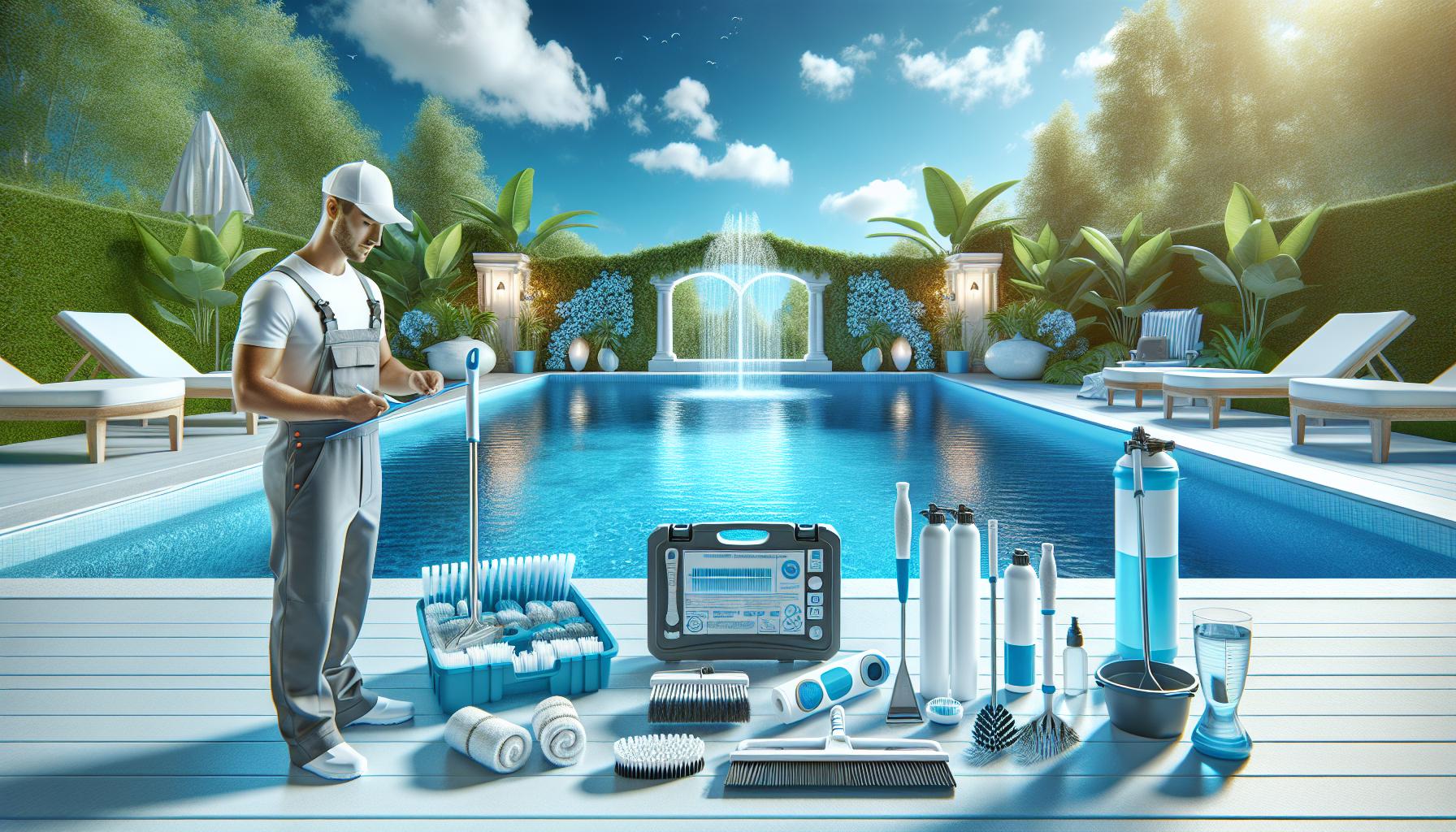
Why High Calcium Hardness is a Problem
High calcium hardness in your pool can lead to significant challenges, making it essential for pool owners to recognize the underlying issues that arise from elevated levels. When calcium hardness exceeds the optimal range, typically around 200-400 ppm, problems such as scale formation become prevalent. This scaling coats pool surfaces, forming rough deposits that can trap dirt and debris, ultimately leading to cloudy water. Furthermore, these deposits can build up in delicate pool equipment like filters and heaters, impeding their function and increasing maintenance costs.
The impact of high calcium hardness doesn’t stop at aesthetics; it directly affects pool chemistry. Elevated calcium levels can hinder the efficacy of sanitizing agents, making it challenging to maintain a clean and safe swimming environment. This decreased efficiency often forces pool owners to use higher amounts of chemicals, which can be more expensive and may also lead to imbalanced pH levels. Over time, the combination of these factors can cause deterioration of your pool’s surfaces and equipment, resulting in costly repairs that could have been avoided with proper management.
To combat these effects, regular testing of water chemistry is crucial. By proactively monitoring calcium levels, you can implement corrective measures before they spiral out of control. If tests reveal high hardness levels, consider solutions such as partial water replacement or utilizing a commercial water softener. Incorporating these strategies not only helps in managing calcium hardness but also contributes to a healthier and more enjoyable swimming experience.
Effective management of calcium hardness creates a better swimming environment and prolongs the life of your pool equipment. By understanding the signs and symptoms of high calcium levels, pool owners can take immediate action to preserve their investment and ensure that their pool remains a refreshing retreat for years to come.
Signs Your Pool Needs Water Softening
The appearance of white, chalky deposits around the edges of your pool or on tiles can be a clear sign that your pool’s calcium hardness levels are too high. These residues, often a result of scale buildup, indicate that calcium is precipitating from the water, leading to potential aesthetics and maintenance issues. If you notice this scaling or if water surfaces appear cloudy, it’s crucial to address these signs promptly to maintain both the aesthetics and functionality of your pool.
Other indications that your pool may need water softening include changes in water feel and chemical readings. If you frequently feel a slimy or slippery sensation on your skin after swimming, this may be due to high calcium levels inhibiting the effectiveness of your pool’s sanitizer, which could quickly lead to hygiene concerns. Additionally, if you test your pool water and discover hardness readings above the recommended range of 200-400 ppm, you are likely facing the need for a water softening approach.
To effectively address high calcium hardness, consider these practical steps:
- Regular Water Testing: Consistently check your calcium levels with a reliable test kit to preemptively tackle any potential problems.
- Visual Inspecting: Keep an eye on the condition of your water and surrounding surfaces for signs of scaling or cloudiness.
- Evaluate Pool Equipment: Monitor the performance of your filtration and heating systems; any decrease in efficiency can be a signal of high calcium deposits.
Being proactive about these signs not only restores the enjoyment of your pool but also extends the lifespan of your equipment and fixtures, ultimately saving you time and money in the long run. If you identify these issues early, you can take the necessary actions to soften your pool water and maintain a crystal-clear swimming environment.
Essential Tools for Lowering Calcium Hardness
To effectively lower calcium hardness in your pool, having the right tools at your disposal is essential. Think of this process as not just a maintenance task but an investment in the longevity and cleanliness of your pool. By using specialized equipment and products, you can successfully manage and reduce calcium hardness, ensuring your swimming experience remains enjoyable and safe.
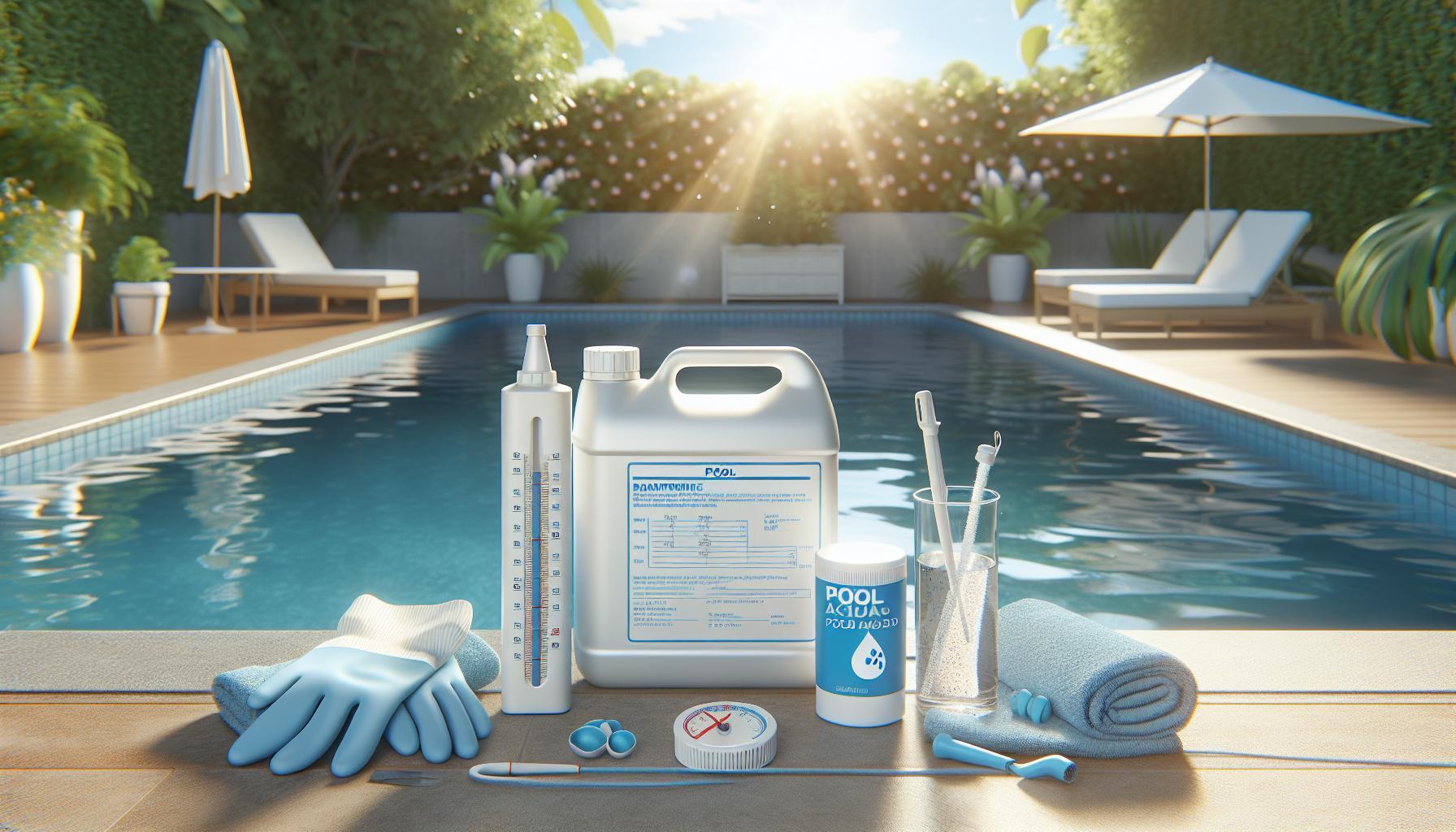
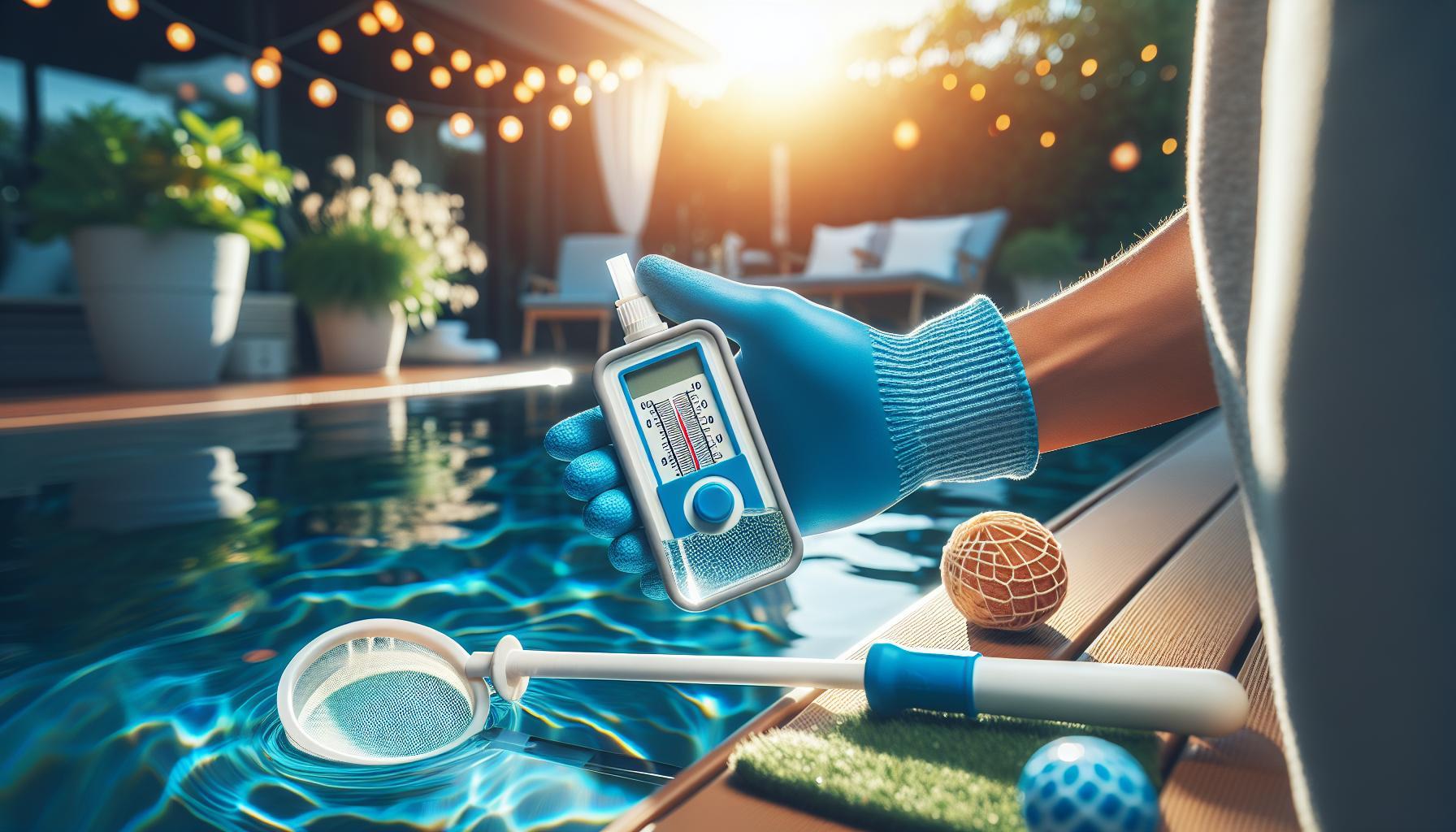
One of the most important tools is a quality water testing kit. Regularly testing your pool water helps you keep track of calcium levels and other key parameters. Look for test kits that measure hardness specifically, typically using drops or strips that indicate levels in parts per million (ppm). This immediate feedback allows for timely adjustments, preventing the escalation of hardness issues.
A pool brush is also invaluable. Regular brushing helps remove scaling and minimizes unsightly deposits on the surface, thereby enhancing both the appearance and hygiene of your pool. Consider using a brush with stainless steel bristles for more stubborn deposits, as they are more effective on tile surfaces.
To complement manual maintenance, consider investing in a calcium remover chemical. These products specifically target and dissolve calcium deposits, making it easier to eliminate high hardness levels without constant scrubbing. Use these agents according to the manufacturer’s guidelines to ensure maximum effectiveness and safety.
Lastly, a pool vac is a helpful addition for maintaining clean pool water. By using a vacuum designed to address scaling and debris, you can help remove particles that contribute to high calcium levels. When combined with regular filtration, a well-maintained vacuum system helps keep your pool sparkling clear and reduces the chance of calcium buildup over time.
Utilizing these essential tools not only simplifies the management of calcium hardness but also ensures a more enjoyable swimming environment. With the right resources, maintaining balanced water chemistry becomes an achievable goal, allowing you to focus on enjoying your pool rather than constantly addressing problems.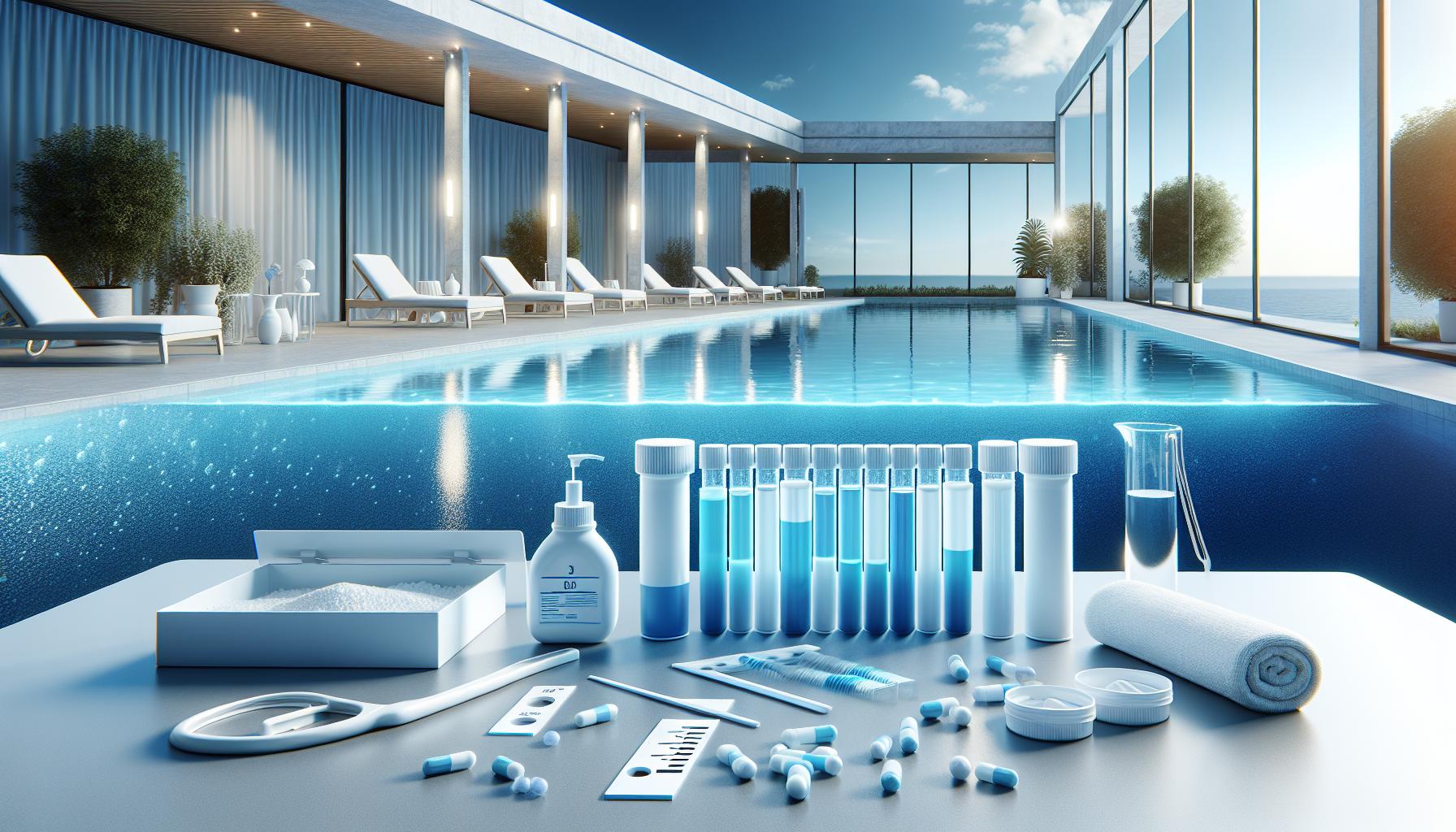
Step-by-Step: Testing Calcium Levels
Testing calcium levels in your pool is a crucial step that every pool owner should take to ensure water quality and prevent the adverse effects of high calcium hardness. Not only does high calcium hardness lead to scaling and cloudy water, but it can also damage pool equipment and surfaces over time. Conducting regular tests allows you to catch potential issues early, maintaining a safe and enjoyable swimming environment.
To begin testing, gather your supplies: a reliable water testing kit that measures calcium hardness, clean sample containers, and a notepad for recording results. Follow these steps for accurate testing:
Step-by-Step Testing Process
- Collect Water Samples: Using a clean container, dip it into your pool about elbow depth away from the wall to avoid surface debris. Fill the container to the designated line on your testing kit.
- Follow Testing Instructions: Most kits will include either test strips or liquid reagents. For test strips, simply dip the strip into the sample and wait for the recommended time (usually a few seconds). For liquid tests, add the specified number of drops into the sample and swirl gently.
- Read the Results: Compare the color change on the strip or the resulting color of the liquid to the provided scale on the kit to determine the calcium hardness level, typically expressed in parts per million (ppm). Ideally, the calcium hardness levels in pools should range between 200-400 ppm, depending on the pool type and surface.
- Record Your Findings: Write down the levels and dates of your tests. Keeping a testing log will help you track trends and determine if you need to take any corrective actions.
After you have conducted your test, you can easily assess whether your pool requires intervention. If calcium hardness is elevated, consider following up with appropriate treatments to lower levels and restore balance. Implementing this simple testing process regularly will empower you to maintain your pool’s health effectively. Consistent monitoring ensures that your swimming experience remains as enjoyable as possible, free from the unwanted side effects of improper water balance.
Effective Methods to Lower Calcium Hardness
Elevated calcium hardness in your pool can not only lead to unsightly scaling but can also adversely affect the durability of your pool equipment and overall water clarity. To mitigate these issues, employing is crucial. Here are some approaches that pool owners can take to achieve a balanced water profile.
One of the most direct methods to lower calcium hardness is to partially drain and refill your pool with softer water. Since most municipal water supplies contain lower calcium levels compared to typical pool water after evaporation and chemical additions, this method can significantly reduce hardness. Aim for a balance; draining about 25% of your pool’s water can notably decrease calcium levels while maintaining adequate volume for chemistry stability.
In addition to draining, utilizing a flocculant can help to manage calcium hardness effectively. Flocculants work by clumping together tiny particles, making them easier to filter out. When these particles settle, they can also help remove some of the calcium content along with other impurities from the water. Follow the manufacturer’s instructions for dosage and application, ensuring to run your filtration system long enough to process the water thoroughly.
Another effective option is using chemical agents specifically designed to lower calcium hardness, often labeled as calcium removers. These products generally contain sequestering agents that bind with calcium, making it easier for your filtration system to remove through backwashing or skimming. Always refer to the instructions for the appropriate dosage based on your pool size and current calcium levels.
For pool owners seeking a more natural approach, consider introducing a reverse osmosis (RO) water filtration system. This technique is particularly effective for those with persistent hardness issues. The RO systems can eliminate calcium ions while maintaining a neutral pH balance, ensuring the water is not only soft but also safe for swimming.
By employing these strategies, you can tackle high calcium hardness in your pool effectively. Regular testing and proactive management will empower you to maintain a clean, safe, and enjoyable swimming environment, ultimately enhancing your pool experience.
Using Chemical Agents to Balance Water
Chemical agents specifically designed to lower calcium hardness can be a game-changer for pool maintenance, especially when traditional methods fall short. These products, often referred to as calcium removers, contain sequestering agents that effectively bind with calcium ions, rendering them soluble and easier to eliminate from your pool water through normal filtration processes. By incorporating these agents into your maintenance routine, you can significantly reduce calcium levels, mitigate scaling, and enhance water clarity.
To start using these chemical agents, first ensure you have accurate readings of your pool’s calcium hardness. Utilize a reliable testing kit to measure calcium levels, as knowing the concentration is crucial for determining the right dosage of the chemical product. Most calcium hardness reducers come with specific guidelines based on pool size and initial hardness levels. Always follow the manufacturer’s instructions carefully, as overuse can lead to complications, including imbalances in other chemicals and potential damage to your pool’s surfaces.
Once you have prepared to add the calcium remover, distribute the agent evenly across the surface of the pool while the filtration system is running. This ensures thorough mixing and effective interaction with the calcium ions. Allow the filtration system to run continuously for at least 24 hours after application, which will help to clear out the treated calcium and other impurities. Regularly monitor your calcium levels to assess the effectiveness of the product and determine if reapplication is necessary.
In addition to using chemical agents, it’s beneficial to integrate routine maintenance practices. Keep your pool clean by regularly skimming debris and brushing the walls to prevent accumulation of scale. Consider using a combination of flocculants and calcium removers, as flocculants can aid in removing fine particles that might otherwise contribute to calcium buildup. By combining chemical treatment with diligent upkeep, you’ll create a balanced, inviting swimming environment that remains resistant to high calcium hardness.
Natural Ways to Soften Pool Water
While dealing with high calcium hardness in your pool can feel overwhelming, there are natural strategies to help soften the water and maintain a balanced environment. One of your first options is to replenish your pool with fresh water from a softer source. If you live in an area with naturally soft water, regularly topping off your pool can dilute excess calcium levels. This simple practice can make a significant difference without the need for chemical interventions.
Another effective natural method involves using household ingredients. For instance, adding white vinegar can help lower calcium hardness when used judiciously. Simply pour a cup of vinegar into the pool while the pump is running, allowing it to circulate. While this won’t drastically change hardness levels, it can contribute to maintaining a more balanced chemistry over time.
Utilizing Plants and Natural Filtration
Incorporating natural elements into your pool environment can also assist in controlling calcium levels. Some pool owners opt for natural filtration systems using aquatic plants, which absorb minerals, including calcium, from the water. Plants such as water lilies and duckweed not only enhance the aesthetic of your pool but also help in maintaining overall water quality.
Regular Maintenance and Water Testing
Lastly, be diligent in your pool maintenance routines. Regularly skimming debris, brushing tiles, and vacuuming the pool can prevent calcium build-up and ensure your pool remains in optimal condition. Additionally, performing water tests weekly provides insight into calcium levels, allowing you to take action before they escalate. By staying proactive and employing these natural methods, you’ll create a more inviting swimming environment free from the complications of high calcium hardness.
Maintaining Optimal Chemical Levels After Softening
Maintaining a balanced chemistry in your pool is crucial after addressing high calcium hardness, as it helps ensure the longevity and enjoyment of your swimming experience. Once you’ve taken steps to soften your pool water, the next phase is to manage the chemical levels effectively to maintain that balance. It’s essential to monitor pH, alkalinity, and chlorine levels to prevent any potential side effects of softer water, which can lead to corrosion or equipment damage.
To start, regularly test your water chemistry using a reliable pool testing kit. Aim to measure the following key parameters:
- pH: Ideal levels should be between 7.4 and 7.6. Softer water may tend to have a lower pH, so be prepared to adjust it upward using pH increasers as needed.
- Alkalinity: Maintain total alkalinity levels between 80 to 120 mg/L. This acts as a buffer for pH levels, helping to keep them stable.
- Chlorine: Free chlorine should be maintained at 1 to 3 mg/L to ensure your pool remains sanitized. Softer water can sometimes affect the efficacy of chlorine, so monitor its levels closely.
Adjusting Chemical Levels
After testing, if you find that your pH or alkalinity levels are low, you can use common pool chemicals to rectify this. For instance, sodium bicarbonate (baking soda) can effectively raise alkalinity without significantly impacting pH. Conversely, if your pH is too high after the softening process, adding sodium bisulfate can help bring it back into balance.
Another effective practice is to keep your pool’s water circulation system running continuously for several hours following any chemical adjustments. This ensures that the chemicals are well-mixed and distributed evenly throughout the pool, preventing any localized imbalances.
Regular Water Replacement
Continuing with partial water changes can also aid in maintaining optimal chemical levels. Every few weeks, consider draining a portion of the pool and refilling it with fresh water. This not only dilutes any existing chemical concentration but also helps maintain lower calcium levels over time.
By applying these proactive steps, you can effectively manage your pool’s chemical levels post-softening. Regular testing, diligent adjustment, and strategic water replacement create a harmonious balance that supports your pool’s health and keeps it enjoyable for all. Remember, a well-maintained pool not only looks inviting but also enhances the overall swimming experience.
Preventative Measures to Avoid Future Problems
Taking proactive steps to prevent high calcium hardness in your pool not only saves you time and money in the long run but also enhances your overall swimming experience. By understanding and managing the factors that contribute to calcium buildup, you can keep your pool water clear, soft, and inviting. One key strategy is to regularly monitor your water chemistry. Performing frequent tests can help you catch any potential issues before they escalate, ensuring calcium levels remain within the optimal range of 200 to 400 mg/L.
Additionally, consider the source of your fill water. If you live in an area with hard water, using a water softener or reverse osmosis system to pre-treat your water before adding it to the pool can significantly reduce calcium levels. Furthermore, maintaining proper water circulation and filtration can prevent sedimentation and cloudiness, which are indicators of elevated calcium. To support this, make sure to clean your pool’s filters regularly and operate them for at least 8-10 hours a day, especially during peak swimming seasons.
Another practical approach is to keep an eye on pool accessories and maintenance items that can contribute to calcium deposits. For instance, using calcium-based chlorine tablets can raise calcium levels in your water. Instead, consider switching to sodium-based alternatives. Regularly inspecting and cleaning your pool surfaces will also help avoid the buildup of calcium scaling, which can be visually unappealing and damaging.
Incorporating these preventative measures can create a sustainable approach to pool maintenance. By staying vigilant and adjusting your routine as necessary, you can enjoy a beautiful, safe swimming environment while minimizing the challenges of calcium hardness. Keep in mind that your investment in these practices will yield dividends in the maintenance and enjoyment of your pool for years to come.
Common Mistakes When Managing Calcium Hardness
One of the most common pitfalls pool owners face when managing calcium hardness is neglecting regular water testing. Without consistently checking calcium levels, you may allow hardness to creep up to problematic levels before you realize there’s an issue. It’s essential to test your pool water at least once a week to catch fluctuations early and take action promptly. By doing so, you’ll maintain your calcium levels within the optimal range of 200 to 400 mg/L, preventing scaling and cloudiness that can complicate your maintenance efforts.
Another frequent mistake involves misusing chemical agents for calcium reduction. Some owners may add excessive amounts of calcium removers or acids, thinking more is better. This approach can throw off your pool’s overall balance, leading to further complications like pH swings or damaging your pool surfaces. Always follow the manufacturer’s instructions carefully and apply these chemicals gradually. Start with a small amount, retest the water, and adjust as needed to avoid drastic changes.
Additionally, overlooking the chemistry of filling water is a common error. Many pool owners use tap water without realizing it might contribute to hard water problems, especially if you live in a region with naturally high calcium levels. Before filling your pool, consider pre-treating the water with a water softener or using reverse osmosis systems. This can help diminish the initial calcium levels right from the start, giving you a better baseline for managing your pool water chemistry.
Finally, ignoring the role of pool accessories can lead to an accumulation of calcium deposits. For instance, using calcium-based chlorine tablets or certain pool maintenance chemicals can inadvertently elevate calcium levels. Switching to sodium-based alternatives or regularly cleaning and inspecting these tools ensures they do not contribute to hardness issues. By taking these simple yet effective steps, you can avoid the most common mistakes in managing calcium hardness, ensuring a clear and inviting swimming environment.
Long-Term Pool Maintenance Tips for Soft Water
Maintaining soft water in your pool is crucial for its longevity and the comfort of those who swim in it. One compelling fact is that the right balance of calcium hardness not only prevents damaging scaling but also enhances the efficacy of sanitizers, providing a cleaner and more inviting swimming experience. To achieve this, regular monitoring and proactive measures are essential.
Start by integrating a consistent maintenance schedule. Testing your water weekly for calcium levels and other chemical balances is vital. Utilize a reliable pool testing kit that can accurately measure calcium hardness, pH, and alkalinity. If calcium levels are consistently high, consider adjusting your water source. Using softened or treated water for filling your pool can mitigate the initial calcium content. This small adjustment can serve as your first line of defense against rising hardness levels.
Routine cleaning of pool equipment and surfaces is another critical strategy. Residual buildup can not only introduce more calcium but can also hinder filtration efficiency. Inspect and clean your filters regularly to ensure they’re functioning optimally. Additionally, swapping out calcium-based sanitizers for sodium-based products can significantly reduce the likelihood of calcium buildup.
Lastly, incorporate natural softening methods, such as solar blankets or water balancers, that can aid in reducing evaporation and stabilizing chemical levels. These practices, combined with vigilant monitoring and responsive adjustments, will not only help maintain soft water but also enhance your overall pool experience, ensuring it remains a delightful refuge for swimming and relaxation.
Frequently Asked Questions
Q: What is calcium hardness in pool water?
A: Calcium hardness refers to the concentration of calcium ions in pool water, which is crucial for maintaining proper water balance. It affects water clarity, comfort, and the overall integrity of pool surfaces and equipment. Monitoring and adjusting calcium hardness is essential for a healthy swimming environment.
Q: How does high calcium hardness affect pool maintenance?
A: High calcium hardness can lead to scale buildup on pool surfaces, heaters, and filters, making maintenance more difficult and costly. It can also cloud the water and may cause discomfort for swimmers, which is why regularly testing and managing calcium levels is vital for pool upkeep.
Q: What are effective methods to lower calcium hardness in a pool?
A: Effective methods to lower calcium hardness include partial water drainage and replacement with softened water, using chemical treatments designed to sequester calcium, and installing a water softener for pool fill water. Regular water testing is essential to determine the best approach.
Q: Can I use household products to reduce calcium hardness?
A: While some household products claim to reduce calcium hardness, they are often ineffective and unsafe for pool use. It’s recommended to use pool-specific chemicals and water softening agents that are specifically formulated for managing calcium levels in swimming pools.
Q: How often should I test calcium hardness in my pool?
A: You should test calcium hardness at least once a month, especially during peak swim seasons or after heavy rains. Regular testing helps to catch any imbalances early, allowing you to maintain optimal water conditions effectively.
Q: What is the ideal calcium hardness level for swimming pools?
A: The ideal calcium hardness level for swimming pools typically ranges from 200 to 400 ppm (parts per million). This range helps to prevent corrosion of metal components and limits scale formation on surfaces.
Q: Are there any natural methods to soften pool water?
A: Yes, natural methods to soften pool water include using rainwater, which is typically softer, or adding certain agricultural products like sodium bicarbonate in moderation. However, these methods may not be effective alone and should be used in conjunction with regular testing and professional chemicals.
Q: What should I do if my calcium hardness is too low?
A: If calcium hardness is too low, you can raise it by adding calcium chloride to your pool water. This helps prevent corrosion of pool equipment and surfaces. It’s important to make adjustments gradually and retest the water afterward to ensure levels are balanced.
For further detailed insights, refer to the sections in your article like “Effective Methods to Lower Calcium Hardness” and “Maintaining Optimal Chemical Levels After Softening.”
The Way Forward
Lowering calcium hardness in your pool is essential for maintaining optimal water quality and enhancing your swimming experience. By following the easy steps outlined, you can ensure that your pool remains crystal clear and free from the issues associated with high calcium levels. Don’t wait-take action now to protect your investment and improve your pool’s longevity!
For more expert tips on maintaining a flawless pool, check out our guides on Pool Water Chemistry Basics and Weekly Pool Maintenance Routines. These resources will equip you with the knowledge to tackle common pool challenges with confidence.
Have questions or experiences to share? We’d love to hear from you! Leave a comment or reach out to learn how you can achieve the perfect pool environment. Remember, an engaged pool owner is a successful pool owner-explore more and keep your pool in tip-top shape!