
Maintaining the right pH level in your pool is crucial for ensuring clear, inviting water and protecting your investment. Did you know that even a slight imbalance can lead to skin irritation or equipment damage? If you’re seeking a straightforward and safe method to lower your pool’s pH, muriatic acid could be your go-to solution. However, understanding how much to use is essential to avoid potential damage, particularly if your pool features a fiberglass or vinyl liner.
In this guide, we’ll walk you through the safe dosage of muriatic acid for managing your pool’s pH levels effectively. By following our expert recommendations, you’ll not only enhance your swimming experience but also gain the confidence to tackle pool maintenance independently. Keep reading to unlock the secrets of effective pool care and ensure your oasis remains a refreshing retreat.
Understanding Muriatic Acid and Its Role in Pool Care
Muriatic acid, a diluted form of hydrochloric acid, plays a pivotal role in maintaining pool water chemistry, primarily by effectively lowering pH levels. High pH can lead to a multitude of issues, including scale formation, cloudy water, and decreased efficacy of chlorine, which is essential for sanitizing the pool. Understanding how this powerful chemical functions can empower pool owners to tackle water balance challenges with confidence.
When using muriatic acid, it’s essential to grasp its dosage and application methods to achieve optimal results safely. The general recommendation is to add muriatic acid in small quantities, gradually adjusting the chemical balance. Start by testing your pool’s current pH level and refer to a dosage chart for determining how much to add based on your pool’s volume. Always add acid to water, never the reverse, to prevent dangerous reactions. This process will facilitate the desired pH reduction without the dangers associated with large, abrupt changes.
Safety precautions are paramount when handling muriatic acid. Ensure you are equipped with gloves, goggles, and protective clothing, and work in a well-ventilated area. After adding the acid, it’s crucial to wait several hours and re-test the pH before swimming to ensure it remains within the safe range of 7.2 to 7.8. Utilizing muriatic acid correctly not only preserves the health of your pool but also enhances the swimming experience, making it enjoyable and inviting while safeguarding your investment.
Why pH Levels Matter for Your Pool Water
High pH levels in pool water can create an unpleasant swimming experience and lead to costly repairs if not properly managed. A pH range of 7.2 to 7.8 is considered optimal for pool water, supporting both swimmer comfort and effective chlorine activity. When pH levels rise above this range, several issues can arise: chlorine becomes less effective, potentially resulting in unsanitary water; scaling can occur on pool surfaces and equipment, leading to deterioration and added maintenance costs; and cloudy water can develop, diminishing the clarity and overall enjoyment of the pool. Thus, understanding and managing pH levels is crucial for pool care.
Addressing elevated pH levels often involves the use of muriatic acid, a powerful tool for pool maintenance that can effectively lower pH. However, applying this solution requires precision. It is vital to test the pool’s current pH level before introducing any chemicals. Recommended practices involve gradually adding muriatic acid in small doses to ensure that the pH drops to the desired level without causing sudden fluctuations that could harm pool equipment or the comfort of swimmers. Pool care enthusiasts should reference specific dosage charts based on their pool’s volume to ensure accuracy.
When using muriatic acid, the importance of safety cannot be overstated. Always wear protective gear-such as gloves, goggles, and clothing-to shield against potential spills or fumes. For added safety, add acid to water rather than the other way around, as this minimizes the risk of hazardous reactions. As you proceed with adjusting pH levels, be diligent in testing the water afterward to confirm stability. Allowing several hours for the acid to circulate before retesting ensures the balance is well-tuned, allowing for a safe and enjoyable swimming environment.
In summary, proactive management of pH levels will help maintain a clean, inviting pool. By understanding the importance of this balance and how to effectively adjust it using muriatic acid, pool owners can handle maintenance confidently, creating a space that continues to be a source of enjoyment and relaxation.
How to Measure Your Pool’s pH Accurately
To maintain the perfect environment for your pool, accurately measuring the pH of your water is essential. Even slight fluctuations in pH can impact swimmer comfort and the effectiveness of sanitizing chemicals. A pH test should be a regular part of your pool maintenance routine, and doing it correctly is key to success. An ideal range of 7.2 to 7.8 allows chlorine to work effectively, keeps the water crystal clear, and ensures that swimmers enjoy their time without irritation.
To begin measuring your pool’s pH accurately, gather your testing supplies. You can choose between test strips, liquid test kits, or digital pH meters. Here’s how to proceed with each method:
Using Test Strips
- Collect Sample: Dip the strip into the pool water for a few seconds, ensuring it is saturated.
- Compare Colors: After removing the strip, wait for the recommended time and compare the resulting color to the chart provided with the strips.
- Record Result: Write down the pH level indicated.
Using a Liquid Test Kit
- Sample Water: Fill a clean test vial with a sample of pool water, following the volume instructions.
- Add Reagents: Add the indicated drops of reagent solutions, mixing gently.
- Observe and Match: Allow the sample to develop for the specified time, then compare the color to the test kit’s chart.
Using a Digital pH Meter
- Calibrate: Before use, calibrate your pH meter according to the manufacturer’s instructions.
- Insert Probe: Immerse the probe in the pool water sample and wait for the reading to stabilize.
- Read pH Level: Record the final reading for your pool water’s pH.
Regardless of the method you choose, consistency is key. Test the pH at the same time of day and in similar weather conditions to avoid discrepancies caused by sunlight or temperature changes. Regular testing will inform your decisions regarding chemical adjustments, especially when considering the introduction of muriatic acid to lower elevated pH levels.
After testing, always double-check your results by conducting a second test or using a different method. This redundancy will ensure that you’re working with accurate data, allowing you to make informed decisions about your pool’s care. By keeping a log of your pH readings along with any treatments applied, you’ll find it easier to detect trends in water chemistry and make maintenance more manageable.
Calculating the Right Muriatic Acid Dosage
To achieve a well-balanced pool, calculating the right dosage of muriatic acid is crucial, especially when dealing with high pH levels. It’s essential to understand that adding muriatic acid not only lowers the pH but also helps in improving the efficacy of chlorine and keeping your pool water clear and inviting. A common rule of thumb is that adding one quart (32 ounces) of muriatic acid can lower the pH of about 10,000 gallons of water by approximately 0.5, but the precise amount can vary based on the specific chemistry of your water.
To determine the exact dosage needed, start with accurate pH readings and consider factors such as the pool size and current chemical balance. Here’s a step-by-step approach to calculating the right amount:
- Measure Your Pool Volume: Know your pool’s total volume, which is vital for calculating chemical additions. Common pool sizes include 10,000 gallons for above-ground pools and 20,000 gallons for in-ground pools.
- Test and Record Current pH: Conduct a pH test to get your current level. If the pH is above 7.8, it’s time to lower it.
- Determine Desired pH Level: The ideal pH level for pool water ranges between 7.2 and 7.8. Decide your target level, typically around 7.4, for optimal chlorine performance.
- Calculate the Difference: Subtract your current pH from your desired pH to identify the reduction needed. For example, if your current pH is 8.0 and your target is 7.4, you’ll need to lower it by 0.6.
- Dosage Calculation: Using the rule of thumb mentioned earlier, apply the adjustment. For instance, if you have a 20,000-gallon pool and need to decrease the pH by 0.6, you would calculate: 1 quart (32 ounces) for 10,000 gallons = 2 quarts (64 ounces) to lower the pH by 0.5, then slightly more to achieve the full 0.6 adjustment.
After determining the amount, always round to the nearest manageable increment-you can always add more muriatic acid later if necessary, but you cannot remove it once added. Always err on the side of caution and aim for gradual adjustments while monitoring your pool’s chemistry closely after each treatment. By following these calculations, you’ll be empowered to take control of your pool maintenance while ensuring it’s safe and enjoyable for all swimmers.
Step-by-Step Guide to Safely Adding Muriatic Acid
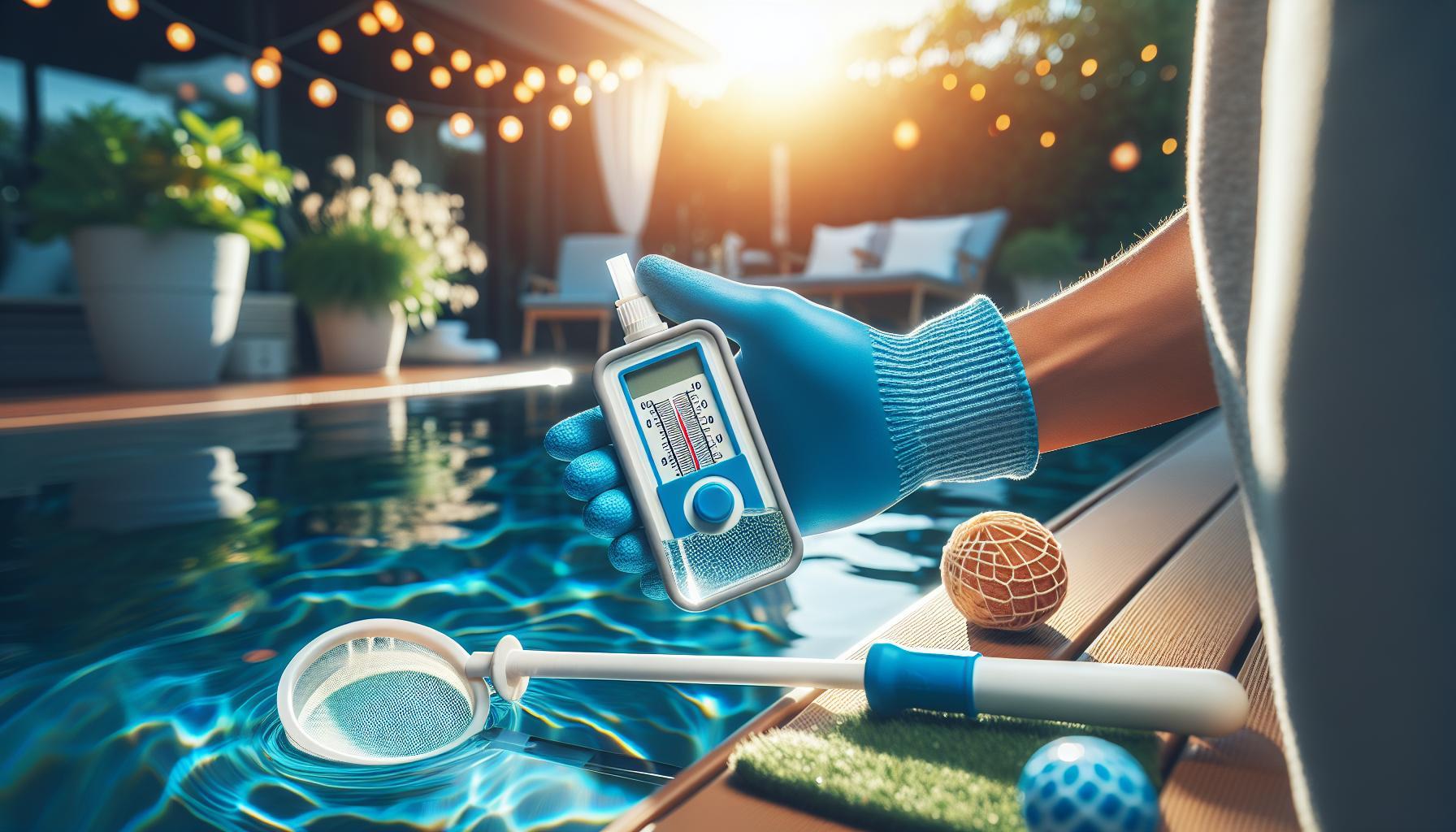
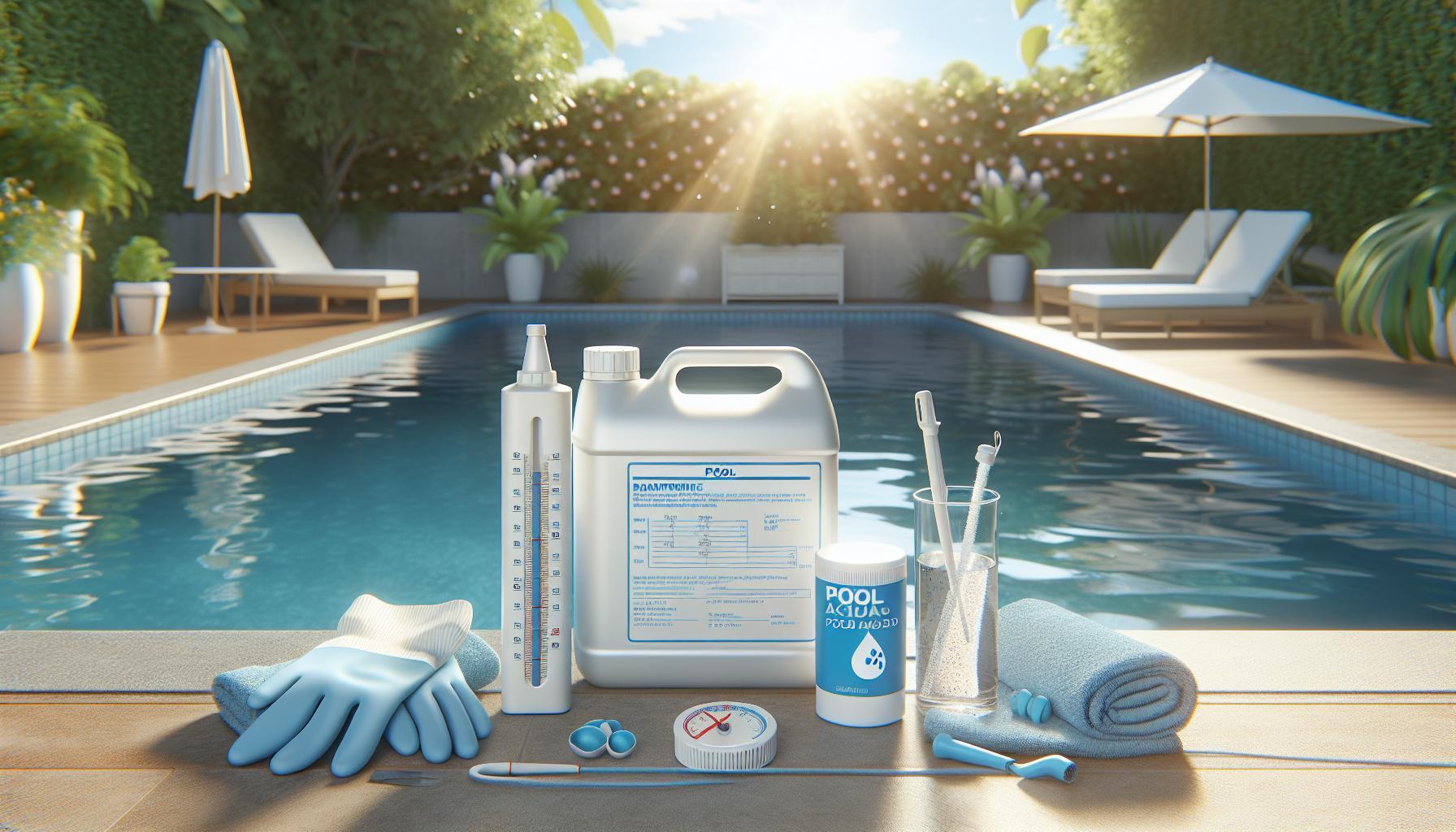
To manage your pool’s pH levels effectively, safely adding muriatic acid is vital. With the right approach, you can lower your pool’s pH efficiently while ensuring a safe experience. Start by gathering your materials: muriatic acid, a measuring cup or container, safety gear (gloves, goggles, and a mask), and a pool brush for distribution.
It’s essential to put on your safety gear before handling muriatic acid. This powerful chemical can be hazardous if it comes into contact with skin or eyes, or if fumes are inhaled. Choose a calm day to do this, as wind can carry fumes around. Begin by diluting the acid, if necessary, in a separate container by mixing it with water. Always add acid to water, never the other way around, to prevent a violent reaction.
Next, pour the diluted solution into the deep end of the pool, distributing it evenly as you go. Use your pool brush to stir the water gently, helping the acid to disperse quickly and avoiding potential damage to the pool surface. Allow the filtration system to run for at least 30 minutes after application to help circulate the chemical throughout the pool water.
Finally, after a few hours, retest your pool’s pH level to ensure it’s within the safe range of 7.2 to 7.8. If the pH is still high, wait at least 24 hours before adding more muriatic acid to avoid over-correction. By meticulously following these steps, you can maintain a balanced pool without compromising safety, ensuring it remains a refreshing oasis for everyone.
Alternative Products for Lowering pH in Pools
Maintaining balanced pH levels in your pool doesn’t have to solely rely on muriatic acid. In fact, several alternative products can effectively lower pH while also offering easier handling and potentially safer application. Understanding these options can empower you to choose what best fits your pool maintenance routine and comfort level.
One popular alternative is sodium bisulfate, also known as dry acid. This product is favored for its convenience; it comes in a granular form and is less caustic than muriatic acid. When using sodium bisulfate, simply measure the recommended dosage based on your pool’s volume, disperse it evenly across the surface, and brush it in to promote uniform distribution. The dosage can usually be found on the product label, but generally, 1 pound per 10,000 gallons will lower your pH by 0.2.
Another option is citric acid, which is a natural alternative that can safely reduce pH levels without harsh chemicals. Commonly found in flexible forms like powder or liquid, citric acid can be particularly advantageous for those concerned about using strong acids in their pool. However, it may take longer to see the pH adjustment, so be patient and retest the water after a full day.
For pool owners looking for a more holistic approach, baking soda can actually raise pH, yet when combined with acid-based treatments in a carefully monitored way, it can help stabilize your water’s chemistry. Additionally, utilizing a pH reducer product, often sold in pool supply stores, can provide a pre-measured and user-friendly solution without the hassles of handling more concentrated options.
Key Advantages of Alternative Products
- Less Hazardous: Many alternatives are safer to handle compared to muriatic acid.
- Ease of Use: Products like sodium bisulfate are often available in clearly labeled granular forms that simplify application.
- Natural Ingredients: Citric acid is derived from natural sources, appealing to eco-conscious pool owners.
Having multiple avenues for lowering your pool’s pH ensures you can find a method that suits your preferences and operational needs. Always follow usage instructions specific to your chosen product and remember to retest your water after application, allowing for careful adjustments to maintain your pool’s serene condition.
Common Mistakes When Using Muriatic Acid
Using muriatic acid can effectively manage your pool’s pH levels, but common mistakes can lead to unwanted consequences. One significant error is adding muriatic acid directly into the pool water without dilution. This practice can cause localized acidity, damaging your pool’s surfaces and equipment, and can release harmful fumes. Always dilute muriatic acid in a bucket of water before introducing it to your pool. A good rule of thumb is to add acid to water (never the other way around) to minimize fume release.
Another frequent mistake is not testing the pool water before and after adding acid. Relying solely on estimates when adjusting pH can lead to overshooting the required levels, resulting in a very acidic pool, which can irritate skin and eyes, and corrode metal fixtures. Regularly testing your water chemistry helps ensure you apply the correct dosage of muriatic acid to your pool’s specific needs.
Additionally, failing to consider the volume of water in the pool can cause miscalculations in the acid dosage. A simple mistake, like misjudging the pool’s size, could mean using too much acid. A handy approach is to calculate the pool’s volume in gallons and apply the recommended amount – typically, 1 quart of muriatic acid can lower the pH of 10,000 gallons of water by approximately 0.5 units.
Lastly, neglecting safety precautions can lead to serious accidents. Always wear protective gear such as gloves and goggles, and ensure proper ventilation when handling muriatic acid. Ensuring your safety and that of others around you will make the process of adjusting your pool’s chemistry much smoother. By avoiding these common pitfalls, you’ll maintain a healthier and more enjoyable swimming environment.
Signs You’ve Over-Corrected Your Pool’s pH
To maintain a comfortable and healthy swimming environment, it’s crucial to keep your pool’s pH levels balanced. However, over-correcting pH with muriatic acid can lead to significant issues that are often overlooked. If you notice any of the following signs, it may indicate that you’ve added too much acid and your pool’s pH has dipped too low.
One of the most immediate signs of over-correction is water that feels excessively acidic on your skin. If swimmers begin to experience skin irritation, redness, or burning sensations, it’s a clear indication that the pH may be too low. Additionally, you might observe that the water begins to irritate the eyes more than usual, causing stinging or discomfort when swimming. These symptoms correlate with a pH level dropping below the ideal range of 7.2 to 7.8, which is necessary for optimal comfort.
Another telltale sign is the appearance of your pool surfaces. A low pH can lead to corrosion of metal fixtures, such as ladders and lights, which may start showing signs of wear or rust. Moreover, plaster and tile surfaces in the pool may exhibit etching or damage, detracting from your pool’s overall aesthetic and potentially leading to costly repairs. If you begin to notice any rough spots or discoloration, it may be time to test your water’s pH.
It’s also essential to monitor the overall chemical balance in your pool. Overuse of muriatic acid can lead to a pronounced decrease in total alkalinity as well, creating an unstable environment that fluctuates rapidly. This instability may result in fluctuations in acidity that can influence sanitizer effectiveness, leading to unexpected algae blooms or cloudy water. Regular testing and careful adjustment of your pool’s chemistry can help prevent these issues.
In response to over-correction, the first action you should take is to test your pool’s pH level. If it’s found to be below 7.2, you can gradually raise the pH back to the desired range using a pH increaser, typically composed of sodium bicarbonate or soda ash. Always add any chemical treatments at a slow pace and retest the water periodically to avoid making further adjustments too quickly. Taking these steps will help ensure a healthy pool environment while preserving the integrity of your pool materials.
Post-Application Care: Maintaining Balanced Water
Maintaining balanced water after the application of muriatic acid is essential to ensure the health of your pool and the comfort of its swimmers. The process doesn’t end once the acid is added; proper care afterward can mitigate potential issues, such as fluctuating pH levels or chemical imbalances. To keep your pool sparkling and safe, it’s vital to undertake a few straightforward maintenance steps.
First, monitor your pool’s chemistry regularly post-application. Testing your water every few days for the first two weeks allows you to catch any changes before they escalate. Aim for pH levels between 7.2 and 7.8 and keep an eye on total alkalinity, which should typically range from 80 to 120 ppm. Using test strips or a liquid test kit can provide accurate readings, helping you adjust as needed. If you notice the pH has difficultly stabilizing, it may be necessary to add a pH increaser like sodium bicarbonate gradually.
Regularly running your pool pump is crucial for water circulation, especially after adding muriatic acid. Proper circulation ensures that the acid mixes evenly throughout the pool, preventing localized over-acidification. It’s generally recommended to run the pump for at least 8 to 12 hours following any chemical treatment. This practice not only helps disperse the chemicals but also supports the filtration system in removing impurities that could affect water clarity and quality.
Finally, consider the environmental factors influencing your pool’s chemistry. Factors like heavy rainfall, debris from nearby trees, and usage frequency can impact pH levels. For instance, organic materials can introduce acids into the pool, skewing your readings. If you find yourself frequently adjusting pH levels, it may be beneficial to look at stabilizing agents or alternative products to create a more consistent chemical environment. Being proactive and aware of variables at play will empower you to maintain a balanced and enjoyable swimming experience consistently.
By keeping a vigilant eye on your pool’s chemistry and practicing regular maintenance, you can prevent issues before they arise, ensuring a safe, refreshing oasis for your leisure and enjoyment.
Safety Precautions When Handling Muriatic Acid
When dealing with muriatic acid, being mindful of safety precautions is paramount. This potent chemical is effective for balancing your pool’s pH levels, but its corrosive nature necessitates respect and careful handling. With proper precautions, you can ensure not only the effectiveness of your pool maintenance routine but also a safe environment for yourself and your loved ones.
Essential Safety Gear
Before you approach the task of adding muriatic acid to your pool, equip yourself with the following essential safety gear to protect against splashes and fumes:
- Protective eyewear: Safety goggles will guard your eyes against chemical splashes.
- Gloves: Use chemical-resistant gloves to prevent skin contact with the acid.
- Long sleeves and pants: Wear clothing that covers your skin, ideally made from materials that resist chemical penetration.
- Respirator mask: If you’re working in an enclosed space, a mask will protect you from inhaling harmful fumes.
Handling and Storing Muriatic Acid
Proper handling and storage of muriatic acid can significantly reduce the risk of accidents. Always work with the acid outdoors or in a well-ventilated area to minimize inhalation exposure. When transporting the acid, make sure the container is securely closed and stored upright to avoid spills.
It’s wise to have a designated area for using this chemical, ideally away from children and pets. Furthermore, do not mix muriatic acid with other chemicals, particularly chlorine, as this can trigger dangerous reactions that release toxic gases.
Emergency Protocols
Even with precautions, accidents can occur, so it’s essential to know how to respond effectively. In the event of skin or eye contact with muriatic acid, follow these immediate steps:
- Skin contact: Rinse the affected area with plenty of water for at least 15 minutes. Remove any contaminated clothing and seek medical attention if irritation persists.
- Eye contact: Flush the eyes with water for a minimum of 15 minutes while keeping the eyes wide open. Get medical help immediately.
- Inhalation: Move to fresh air immediately. If breathing is difficult, call for emergency medical assistance.
By adhering to these safety precautions, you can confidently manage your pool’s chemistry while safeguarding yourself and creating a pleasant swimming experience for everyone. Always prioritize safety, and take the time to prepare before handling chemicals to ensure peace of mind and effective maintenance of your pool.
Troubleshooting pH Issues: Best Practices for Pool Owners
Maintaining the correct pH level in your pool is crucial, as it directly affects water quality, swimmer comfort, and the longevity of pool equipment. A pH imbalance can lead to a range of issues, from cloudy water and algae growth to scale formation on surfaces. If you notice that your pool’s pH is higher than the ideal range of 7.2 to 7.8, it’s essential to address this promptly and accurately to avoid further complications.
To begin troubleshooting your pool’s pH issues, regularly test the water using reliable pH test strips or a digital tester. If tests consistently show high pH levels, prepare for adjustment. When using muriatic acid, start with small amounts; the rule of thumb is to add no more than 1 quart of muriatic acid per 10,000 gallons of water, and allow the pool to circulate for at least an hour before retesting. This gradual approach prevents drastic changes in pH, which can be harmful to both swimmers and pool components.
After you’ve added muriatic acid, monitor the water closely. Signs that indicate over-correction can include irritated skin, eye discomfort, or sudden changes in water clarity. If you suspect that the pH has dropped too low, counter this by adding sodium bicarbonate to bring the levels back up. In this situation, an adjustment of about 1.5 pounds of baking soda per 10,000 gallons can be effective. Always make sure to retest the water after any adjustments; this ensures you achieve the desired pH without overshooting.
Finally, remember that consistency is key. Preventative maintenance, such as regular testing and monitoring, combined with timely interventions, will keep your pool water clean and safe. Establishing a routine where you test your pool at least once a week, especially during hotter months or after heavy rainfall, will help avoid larger problems down the line. By staying proactive, you can enjoy a clearer, healthier swimming environment for you and your family.
FAQ
Q: How often should I test my pool’s pH levels?
A: You should test your pool’s pH levels at least once a week, or more frequently if you’re using heavy pool chemicals or during high usage periods. Keeping your pH balanced prevents algae growth and keeps your water comfortable for swimmers.
Q: What are the dangers of using too much muriatic acid in my pool?
A: Using too much muriatic acid can lead to a dangerously low pH level, damaging pool surfaces and equipment. It can also cause skin and eye irritation for swimmers. Always follow dosage guidelines and retest the water after application.
Q: Can muriatic acid be used to clean a pool?
A: Yes, muriatic acid can be used to clean pool surfaces, particularly to remove calcium deposits and stains. However, it should be diluted and applied carefully, as it can damage pool surfaces and liner if used improperly.
Q: What should I do if my pool’s pH is too low after adding muriatic acid?
A: If your pool’s pH drops too low, you can raise it using a pH increaser, typically sodium carbonate. Retest your water after a few hours to ensure it stabilizes within the recommended range (7.2-7.8).
Q: How does temperature affect muriatic acid’s effectiveness?
A: Muriatic acid is more effective at higher temperatures, as warmer water can improve its ability to lower pH. However, always be cautious of adding acid in hot weather-do so during cooler times to reduce risk.
Q: How long do I need to wait after adding muriatic acid before swimming?
A: It’s recommended to wait at least 30 minutes after adding muriatic acid and retesting your water to ensure the pH is within the safe range (7.2-7.8) before swimming.
Q: Can I use muriatic acid in a saltwater pool?
A: Yes, muriatic acid can be used in saltwater pools to adjust pH levels. However, it’s essential to monitor your chlorine levels, as muriatic acid can temporarily impact salt chlorine generators.
Q: What are alternatives to muriatic acid for lowering pH in pools?
A: Alternatives to muriatic acid include sodium bisulfate (dry acid) or vinegar for smaller adjustments. Each alternative has specific instructions and effectiveness levels-make sure to review them before use.
For more detailed information on maintaining pool pH levels and safety guidelines, check the sections on measuring and troubleshooting pH issues in our main article.
Insights and Conclusions
Maintaining the right pH balance in your pool is crucial for a safe and enjoyable swimming experience. Remember, adding muriatic acid in small, controlled amounts is key to safely lowering pH levels-never exceed recommended doses and always conduct a thorough test afterwards. If you’re looking for more tips on pool chemical management, check out our guides on “Understanding Pool Chemistry Basics” and “How to Maintain Your Pool Water Conditions.”
Don’t wait until issues arise-act now to ensure your pool is always ready for fun. Join our community of pool enthusiasts by signing up for our newsletter, where you’ll receive expert advice, maintenance tips, and exclusive offers directly to your inbox. Share your thoughts or questions in the comments below; we love hearing from fellow pool owners! Explore our site to amplify your pool care knowledge and keep your oasis sparkling clear all season long.