


Keeping your pool safe and inviting requires the right balance of chemicals, and understanding how many chlorine tablets to use is crucial for effective maintenance. Did you know that improper chlorine levels can lead to water that is unsafe for swimming or can even damage pool equipment?
In this guide, we’ll break down the daily dosages and factors that influence how much chlorine your pool needs. Whether you’re a seasoned pool owner or a newcomer, ensuring proper sanitation is essential for enjoying a sparkling clean and safe swimming environment. Learn how to regularly assess your chlorine levels and adjust your tablet usage accordingly, so you can dive into worry-free water all summer long.
Choosing the Right Chlorine Tablets for Your Pool
is essential for effective sanitization and maintaining balanced water chemistry. Not all chlorine tablets are created equal, and understanding the differences can help you make an informed decision tailored to your pool’s specific needs. There are primarily two types of chlorinating tablets: Trichlor and Dichlor.
Trichlor tablets are popular for their slow-dissolving properties and high stability in sunlight. They contain about 90% available chlorine and also add cyanuric acid (CYA) to your pool, which helps protect chlorine from degradation due to UV rays. This can be especially advantageous in outdoor pools. However, keep in mind that the inclusion of CYA can lead to imbalanced levels if you use them excessively, so monitoring is crucial.
On the other hand, Dichlor is a faster-dissolving option and does not typically alter the CYA level significantly, making it suitable for shock treatments or when quick chlorine boosts are needed. It contains around 56% available chlorine but carries the benefit of being less acidic than Trichlor. This aspect makes it more favorable for pools where maintaining pH is paramount.
When selecting the right chlorine tablets, consider the size of your pool and the frequency of use. For larger pools, 3-inch tablets are more efficient as they dissolve slowly and last longer than 1-inch options, which are generally more suitable for smaller pools or spas. Furthermore, assess your water’s current chemical balance by performing regular tests, as this will guide you in adjusting the amount and type of chlorine you employ.
Ultimately, the right chlorine tablets should align with your pool maintenance routine, water balance needs, and your ability to monitor and adjust these parameters effectively. Trust your instincts, and don’t hesitate to experiment with different products, all while keeping an eye on how these choices impact your pool’s water quality.
The Importance of Water Testing Before Dosing
Testing the water in your pool is not just a good habit; it’s an essential step that lays the foundation for effective pool maintenance and safe swimming conditions. Before adding chlorine tablets, understanding your water chemistry is crucial. For instance, unbalanced water can lead to either ineffective chlorination or potential damage to your pool surfaces and equipment. Regular testing helps you determine the precise levels of pH, alkalinity, and chlorine, ensuring that you are not only maintaining a safe swimming environment but also prolonging the life of your pool.
To conduct water testing effectively, you can either use test strips or a liquid test kit to check your pool’s chemical levels at least once a week, or more frequently during peak swimming seasons or heavy rainfall. Pay special attention to the following key parameters:
- pH Levels: Ideal pH levels should be between 7.4 and 7.6. If your pH is low, it can lead to faster chlorine depletion and irritation to swimmers; if it’s too high, chlorine becomes less effective.
- Total Alkalinity: Keeping total alkalinity between 80-120 ppm helps stabilize pH levels, making it easier to maintain balanced water chemistry.
- Chlorine Levels: The free chlorine level should ideally be between 1-3 ppm for safe swimming. This balance ensures that there is enough sanitizer to kill harmful bacteria without causing irritation.
- Cyanuric Acid (CYA): Optimal CYA levels are around 30-50 ppm, as it acts as a stabilizer for chlorine, preventing its rapid degradation by sunlight.
Once you have your water tested and know your current levels, you can confidently adjust your chlorine dosage accordingly. If your chlorine levels are low, adding chlorine tablets becomes necessary. However, over-dosing can lead to a variety of issues, including chlorine lock, where the chlorine becomes ineffective. Therefore, a systematic approach to testing and dosing, guided by clear chemical readouts, will help maintain a healthy swimming environment. This vigilance not only improves your pool experience but fosters a proactive mindset towards pool care, making it an enjoyable routine rather than a burdensome task.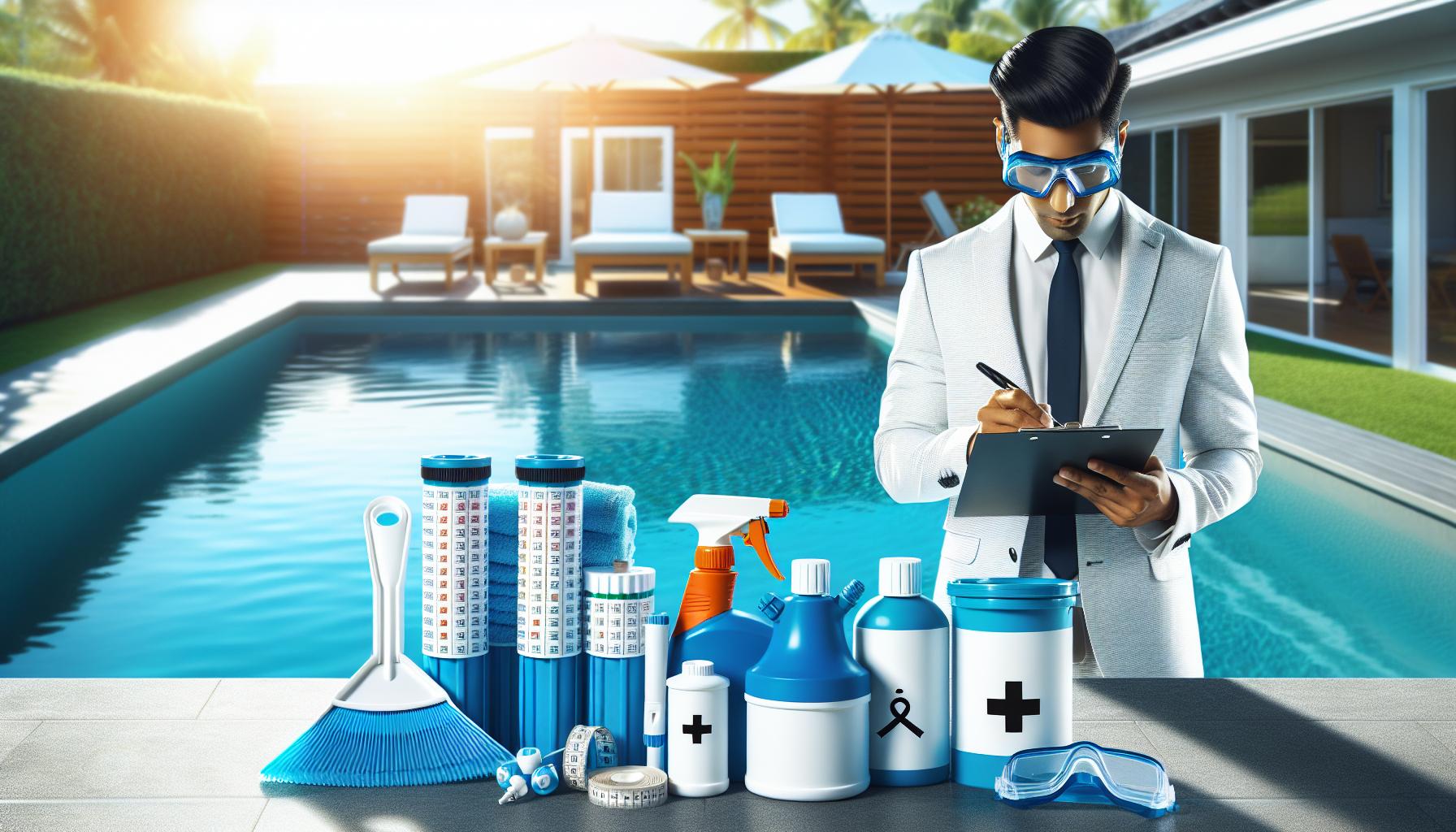
Recommended Chlorine Dosage Guidelines for Pools
Maintaining an optimal chlorine level in your pool is essential for ensuring a safe and enjoyable swimming environment. To effectively manage this, it’s important to follow recommended dosage guidelines that take into account your pool’s unique requirements. A general rule of thumb is to aim for a free chlorine concentration of 1 to 3 parts per million (ppm). This concentration is sufficient to eliminate pathogens while minimizing irritation for swimmers.
When determining how many chlorine tablets to add to your pool, consider both the size of your pool and the type of chlorine tablets you are using. Most standard chlorine tablets available on the market contain about 1 inch in diameter and typically dissolve at a rate of 0.5 to 1 pound per 10,000 gallons of water over a week. Here’s a practical approach to calculate your needs:
- Calculate Pool Volume: First, determine the volume of your pool in gallons. This can be done using the formula based on its shape (rectangular, circular, etc.). For example, a rectangular pool is calculated by multiplying the length, width, and average depth.
- Determine Tablet Dosage: Once you have the pool volume, you can figure out how many tablets are required. If your pool holds 20,000 gallons and you’re using 1-inch tablets that dissolve at a rate of 1 tablet per 5,000 gallons per week, you’ll need approximately 4 tablets for weekly maintenance.
- Weekly Adjustments: Also remember to adjust for factors that affect chlorine demand, such as high sunlight exposure, heavy rain, or increased usage. In these cases, you might need to double your tablet dosage for a short period to achieve the desired chlorine levels.
It’s also crucial to regularly monitor chlorine levels after dosing. Use a reliable test kit to check the free chlorine levels and adjust your dosage accordingly until levels stabilize within the recommended range. By making it a routine to check and adjust chlorine levels in your pool, you can maintain crystal-clear water and a safe swimming environment for family and friends.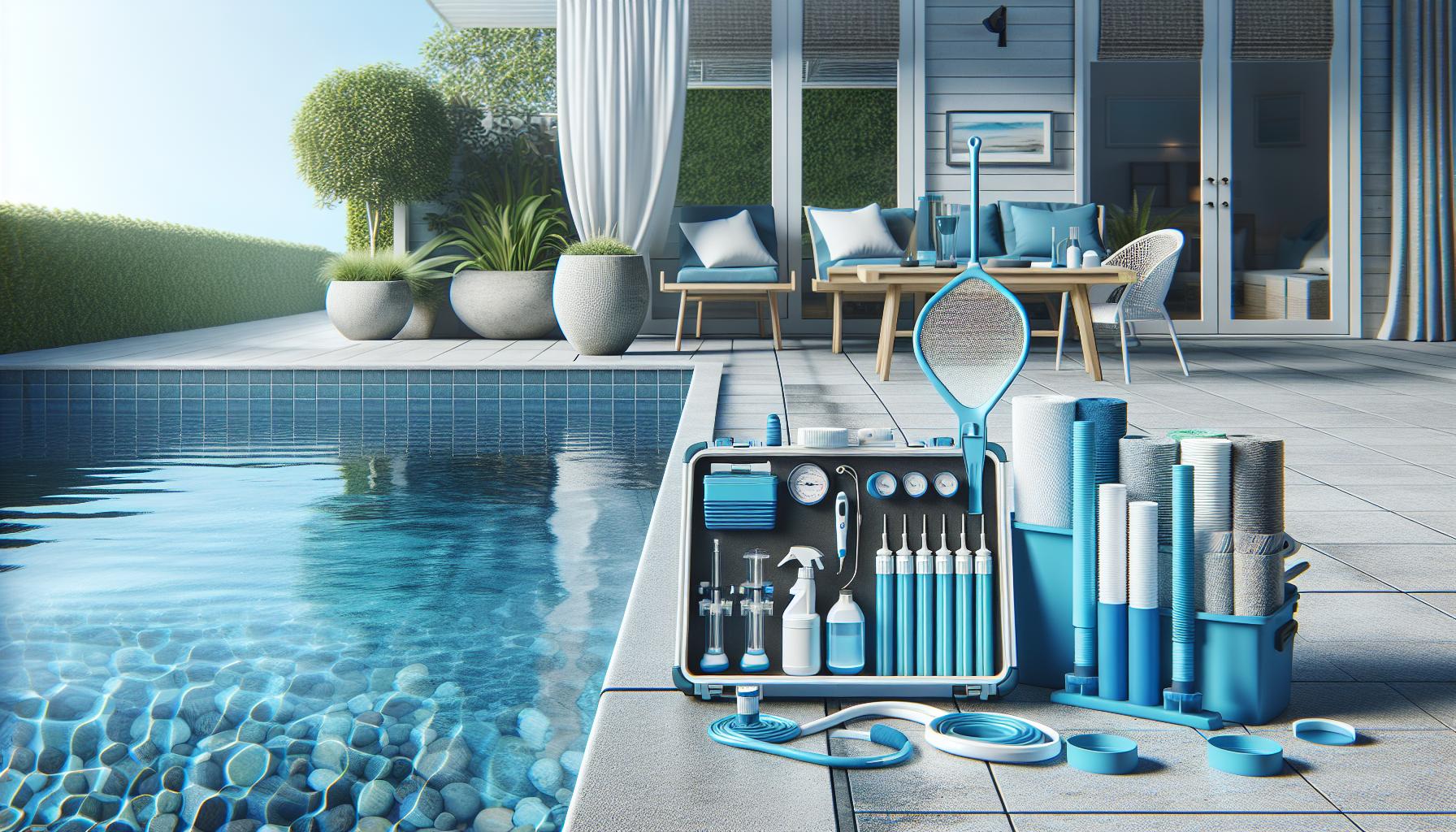
Adjusting Chlorine Levels for Weather Conditions
Weather conditions play a crucial role in determining the effectiveness of chlorine in your pool. Exposure to intense sunlight, for instance, increases the rate at which chlorine dissipates, leading to potential imbalances that can compromise water quality. This means that during hot, sunny days, you might need to adjust your chlorine levels more frequently to maintain the recommended range of 1 to 3 parts per million (ppm). High UV exposure can degrade chlorine, so consider adding stabilizer like cyanuric acid to prolong its effectiveness and protect against loss due to sunlight.
When it rains heavily, it’s not just your pool’s surface that gets impacted; the actual chemical composition of your water can change as rainwater washes away chlorine. After a significant rain, you should test your pool water! If the test indicates a drop in chlorine levels, it’s time to increase your dosage. During unplanned rain events, expect to augment chlorine levels afterward, as dilution can drastically reduce efficacy. Reacting promptly to changes in environmental conditions is key to maintaining safe swimming conditions.
Also, keep an eye on factors like pool usage and temperature. On days when the pool sees a lot of activity, such as weekend gatherings, the demand for chlorine will increase. Consider increasing your chlorine dosage before and after such events. Additionally, warm water temperatures can accelerate the growth of algae and bacteria, necessitating more frequent checks and adjustments. Be proactive: regularly monitor water quality, especially after unexpected weather changes or increased usage, to ensure your pool stays crystal clear and safe for everyone.
By being responsive to these various environmental factors, you can maintain optimal chlorine levels, ensuring a safe and enjoyable swimming experience for all. Investing a bit of time in understanding these dynamics leads to better pool health and reduces the likelihood of costly issues down the line.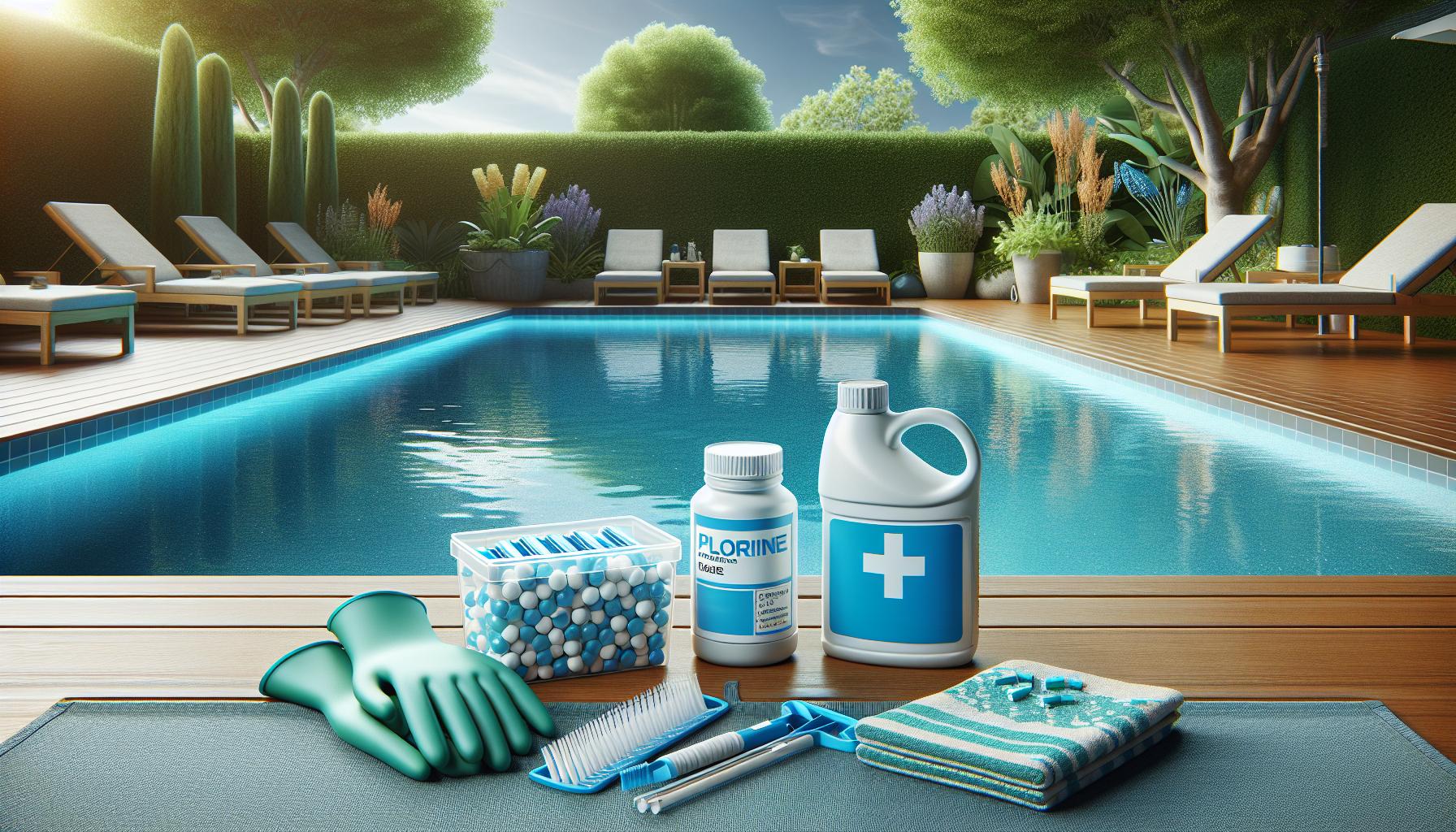
How Frequently to Add Chlorine Tablets
To ensure your pool remains safe and enjoyable, understanding is essential. The general rule of thumb is to check and adjust your chlorine levels at least once a week, but this can vary depending on several factors such as usage, weather conditions, and the type of pool you have.
One effective approach is to conduct a thorough test of the water before deciding on the dosage. If your chlorine levels fall below the recommended range of 1 to 3 parts per million (ppm), adding tablets is necessary. For most tablets, one 3-inch tablet typically treats around 5,000 gallons of water and dissolves over a period of several days. Therefore, consider placing one tablet in the skimmer or a floating chlorinator weekly, while also adjusting based on your recent pool activities and environmental factors.
Factors Influencing Chlorine Frequency
- Pool Usage: After hosting events or on weekends when your pool sees more activity, it’s crucial to increase chlorine levels. More swimmers introduce more organic matter and contaminants, which chlorine must neutralize.
- Weather Conditions: Hot weather can cause chlorine to dissipate quickly due to UV exposure. In such cases, you may need to add chlorine more frequently-potentially every few days during peak sunlight. Heavy rainfall can also dilute chlorine; testing the water post-rain is a good practice to assess whether more chlorine is needed.
Best Practices for Adding Chlorine Tablets
To streamline the process of maintaining chlorine levels:
- Track Pool Volume: Know your pool’s size to determine how many tablets you need and how often to use them.
- Use a Floating Chlorinator: This device can dispense chlorine steadily, allowing you to maintain consistent levels without having to add tablets manually every few days.
- Routine Testing: Invest in a quality test kit to check chlorine levels weekly, or more frequently after heavy usage or drastic weather changes.
- Maintain a Schedule: Create a maintenance calendar, marking testing dates and adjustments needed based on pool activities and environmental changes.
Ultimately, being proactive and responsive to your pool’s specific conditions will allow you to maintain optimal chlorine levels while preventing any unpleasant surprises, ensuring a refreshing and safe swimming environment.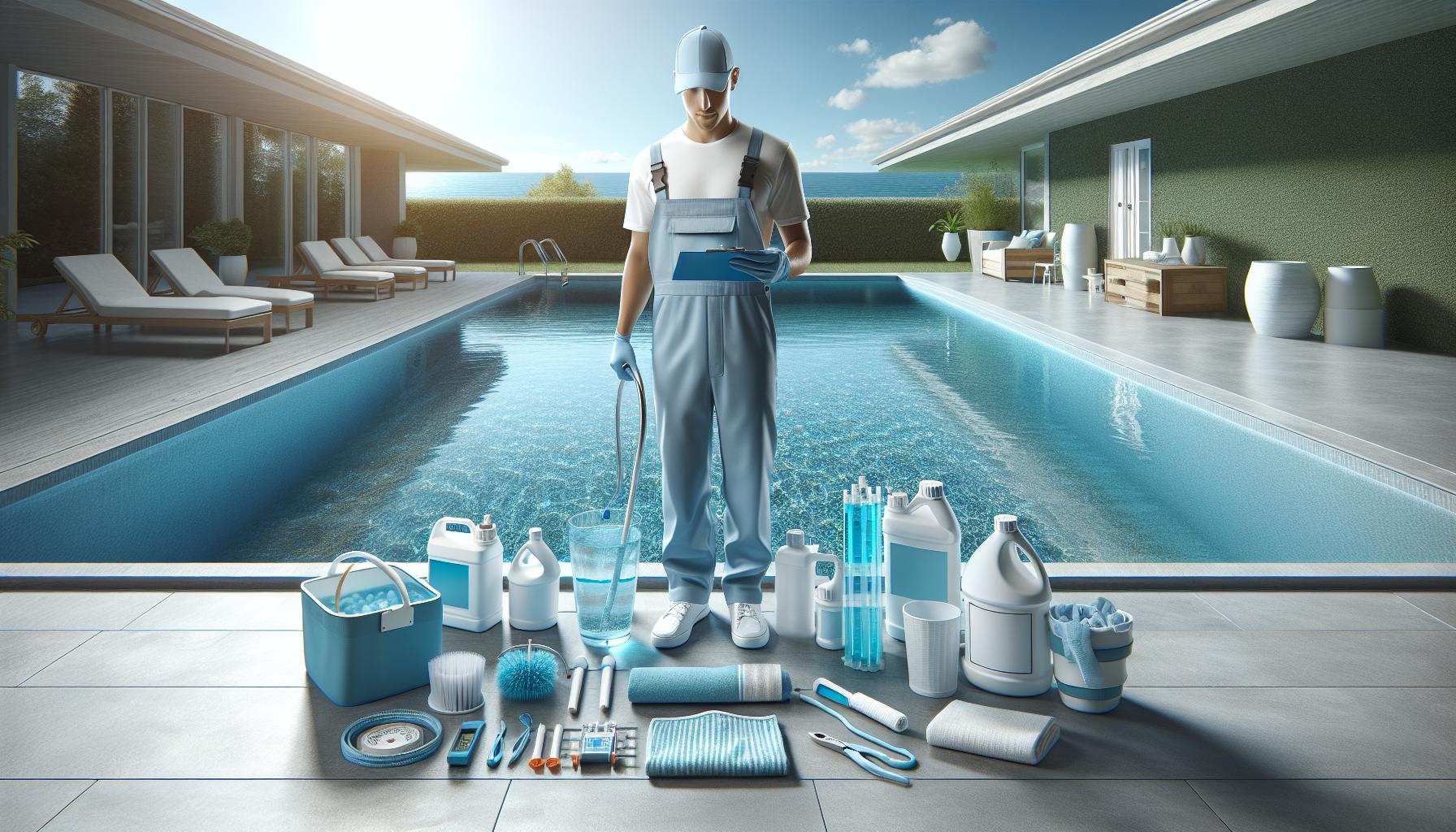
Common Mistakes in Chlorine Dosing Practices
One common pitfall among pool owners is underestimating the importance of accurate chlorine dosing. An insufficient amount of chlorine can lead to unsanitary conditions, resulting in algae growth, cloudy water, and potentially hazardous swimming environments. Conversely, over-dosing can cause skin and eye irritation, and can even damage pool equipment. To avoid these issues, understanding how to measure and adjust chlorine levels effectively is crucial.
First, a significant mistake is failing to test the water regularly. Relying solely on the visual cues of water clarity can lead to disastrous results. Using a quality test kit to measure chlorine levels at least once a week-and more often during heavy usage periods-is essential. If your pool’s chlorine level falls below the recommended 1 to 3 ppm, you need immediate action. In addition, if after testing, you find yourself consistently adjusting upwards due to low levels, this may indicate a need to reassess your dosage strategy.
Another frequent error is neglecting to account for the specific chlorine type being used. Different chlorine tablets have varying dissolution rates and strengths. For instance, a 3-inch tablet may treat approximately 5,000 gallons of water over several days, but environmental factors-like heat, sunlight, and rain-can drastically affect how quickly chlorine dissipates. It’s wise to position tablets in ways that allow for consistent distribution; using a floating chlorinator can help achieve even dispersion, ensuring your pool maintains appropriate chlorine levels without the necessity for manual dosing based on guesswork.
Finally, many pool owners overlook the significance of feedback from their pool water. Signs such as a strong chlorine smell or cloudy water can indicate imbalances. Regularly check for signs that your pool might need more chlorine, especially after heavy rainfall or increased usage. By staying aware of these common dosing mistakes and remaining proactive in your maintenance practices, you can maintain a clean, safe, and inviting swimming pool environment year-round.
How to Store and Handle Chlorine Tablets Safely
Keeping your chlorine tablets stored safely is crucial not just for maintaining the effectiveness of your pool chemicals, but also for ensuring the safety of your household. Improper storage can lead to degradation of the tablets, which can diminish their sanitizing efficacy, or worse, can create hazardous situations. Here are essential guidelines to follow for safe handling and storage.
Firstly, always store chlorine tablets in a cool, dry place. Exposure to heat and humidity can cause tablets to dissolve prematurely, reducing their effectiveness when you need them. An ideal storage area would be a ventilated shed or a dedicated storage box that’s kept away from direct sunlight. Ensure the containers are moisture-proof to prevent any accidental wetness, as wet tablets can clump together and may not function optimally when used. Additionally, avoid storing chlorine tablets near other chemicals, especially acids, as reactions can produce dangerous gases.
Handling Chlorine Tablets
When handling chlorine tablets, it’s vital to wear rubber gloves and safety goggles to protect your skin and eyes from potential splashes or irritation. Always use clean, dry tools or scoops to remove tablets from their storage container, as using damp or soiled items can introduce contaminants that affect the tablets. For added safety, handle chlorine tablets outdoors or in well-ventilated areas to minimize inhalation of any dust or particles that may come off the tablets.
Disposal Considerations
When you have expired or unused chlorine tablets, follow local guidelines for hazardous waste disposal. Never throw them in the regular trash or pour them down the drain. Check with your local waste management facility for proper disposal methods in your area.
By adhering to these storage and handling practices, you not only protect the integrity of your chlorine tablets but also promote a safer environment for you and your family while ensuring that your pool remains safe and clean for swimming.
Signs Your Pool Needs More Chlorine
When it comes to maintaining a clean and safe swimming environment, recognizing the signs that your pool needs more chlorine is crucial. One of the most immediate indicators is the water’s clarity. If you notice that the water has become cloudy, it’s a strong signal that the chlorine levels might be insufficient to effectively sanitize the pool. Furthermore, if you detect any unpleasant odors, particularly a strong chemical smell, this can indicate that your free chlorine has been depleted and the combined chlorine (chloramines) levels are rising.
Regular testing is essential. Utilize a reliable pool test kit to measure both free and total chlorine levels, as well as pH and alkalinity. Free chlorine should ideally be between 1-3 ppm (parts per million) for safe swimming. If free chlorine levels drop below this range, it’s a clear indication you need to add more chlorine. Additionally, pay attention to the frequency of pool usage – if you’ve had a number of guests over or heavy rainfall that may dilute the chlorine already present, you will likely need to add additional tablets to maintain proper sanitation.
Other signs to look out for include increased algae growth or any skin irritation among swimmers, which can signify that the chlorine levels aren’t adequate. After an upset in water balance, such as heavy debris accumulation or filtration issues, performing a shock treatment with a higher concentration of chlorine can quickly restore cleanliness. If you regularly monitor your pool, address any chlorination issues promptly, and adjust the dosage as needed, you can ensure a safe and inviting swimming experience for everyone.
By staying vigilant to these signs and testing your water regularly, you can effectively manage your pool’s chlorine levels and ensure a clean and safe swimming environment all season long.
Alternative Sanitizers: Should You Switch?
Exploring alternatives to traditional chlorine sanitizers can provide pool owners with effective sanitation solutions that may better suit their preferences or pool conditions. Options like saltwater systems, mineral sanitizers, and UV or ozone systems have gained popularity, each offering unique benefits that could enhance your pool experience. For instance, saltwater pools convert salt into chlorine through a process called electrolysis, resulting in softer water that is gentler on the skin and eyes, and significantly reduces the harsh chlorine smell commonly associated with traditional pools.
When considering a switch, it’s crucial to evaluate the specific needs of your pool as well as your maintenance capabilities. Here’s a helpful breakdown of some popular alternatives:
Types of Alternative Pool Sanitizers
- Saltwater Systems: These systems create chlorine within the pool water itself from salt, resulting in lower chemical usage and less maintenance work.
- Mineral Sanitizers: Utilizing minerals like silver and copper, these systems can reduce the need for chlorine by up to 80%, often leading to clearer, softer water.
- UV Systems: Ultraviolet light destroys bacteria and other pathogens in the water, complementing chlorine and enabling a reduction in overall chlorine levels.
- Ozone Generators: Ozone is a powerful oxidizer that can eliminate contaminants, allowing for a significant cut in chlorine use and resulting in clearer water.
Each of these systems may require initial investments for equipment and setup, so evaluating long-term benefits versus short-term costs is critical. Additionally, remember that while these systems can reduce chlorine levels, regular testing and maintenance remain essential.
In deciding if a switch is right for you, assess your pool’s conditions, your willingness to adapt to a new maintenance routine, and any sensitivities experienced by swimmers. Consulting with a pool professional can also provide insights tailored to your specific circumstances, ensuring the choice made perfectly aligns with your pool care goals. Choosing alternative sanitizers can simplify maintenance, improve water quality, and create a more enjoyable swimming environment without the intense chemical exposure associated with traditional chlorine tablets.
Post-Dosing: Ensuring Safe Swimming After Chlorination
After chlorinating your pool, ensuring a safe and enjoyable swimming experience involves a few critical steps. While chlorine is essential for keeping your pool water clean, it’s vital to understand that the effects of chlorine can take time to stabilize. A common guideline is to wait at least 30 minutes to 1 hour after adding chlorine before swimming, but this timeline might vary based on the specific type of chlorine used and the pool size.
Typically, it’s beneficial to check the chlorine levels with a reliable test kit. The ideal free chlorine level is between 1 and 3 parts per million (ppm) for safe swimming. If after dosing, your test shows a chlorine level above 5 ppm, you should wait longer before entering the water. High chlorine levels can cause skin and eye irritation, which detracts from the enjoyment of your pool.
Monitoring the pH levels is also crucial. Chlorine functions best when the pool’s pH is between 7.2 and 7.8. If necessary, adjust the pH using specific chemicals designed for pool maintenance. Remember, keeping the proper balance not only improves swimmer comfort but also maintains the longevity of your pool equipment.
In addition to regular testing, pay attention to any visual indicators. If the water appears cloudy or has an unusual smell, these can be signs that additional adjustments are needed. Always opt for gradual solutions; avoid adding large quantities of chemicals all at once, as this could lead to imbalances or excessive chlorination.
Finally, educate your swimmers about the signs of chlorination effects, such as unusual itching or skin irritation, so they can alert you to potential issues. By following these guidelines, you can confidently ensure a safe and enjoyable swimming experience post-chlorination.
Troubleshooting Chlorine Issues in Your Pool
When pool owners face chlorine-related issues, quick identification and resolution are key to maintaining a clean and safe swimming environment. Common problems include cloudy water, lingering chlorine odors, skin irritations, and imbalanced chemical levels. Understanding the cause behind these issues can empower you to take the right steps for effective resolution.
Identifying Cloudy Water
Cloudy water is often a sign that chlorine levels are insufficient or pollutants are present. This may result from not using enough chlorine tablets or from rain or heavy usage leading to increased demand. To troubleshoot, start by testing your water for both free and total chlorine levels. If the free chlorine is below 1 ppm, it’s time to add more chlorine. For immediate improvement, shock your pool with a higher dose of chlorine. Always retest the water after 24 hours to ensure clarity has returned.
Dealing with Chlorine Odor
A strong chlorine smell can be misleading. Typically, it indicates a buildup of chloramines, which are created when chlorine combines with organic matter like sweat or oils. To eliminate this problem, perform a superchlorination, or “shocking,” of the pool, which involves adding a larger dose of chlorine than usual to break down the chloramines. Regularly shocking your pool can prevent this from becoming a persistent issue.
Skin Irritations and Allergic Reactions
If swimmers experience skin rashes or eye irritation, it may signal high chlorine levels or improper pH balance. Check that the pH is between 7.2 and 7.8, as low pH can amplify the effects of chlorine. Adjust as necessary using pH increasers or decreasers. If chlorine levels exceed 5 ppm, delay swimming until the levels drop. When adjusting, do so gradually to avoid drastic fluctuations. Advising swimmers to shower before entering the pool can also minimize the introduction of contaminants.
In conclusion, maintaining ideal chlorine levels and understanding the symptoms of potential issues allows for swift and effective troubleshooting. Regular testing of both chlorine and pH levels, along with appropriate adjustments, ensures a safe and enjoyable swimming experience for everyone. Remember that staying proactive with pool maintenance can prevent these issues before they arise, keeping your pool in optimal condition all season long.
Frequently asked questions
Q: How do I calculate the number of chlorine tablets needed for my pool?
A: To calculate the number of chlorine tablets, first determine your pool volume in gallons. Generally, you need about 1 tablet (usually 3 inches) per 5,000 gallons for standard maintenance. Adjust based on water quality and weather factors. Refer to “Understanding Pool Size and Volume Calculations” for specifics.
Q: What should I do if my chlorine tablets aren’t dissolving properly?
A: If your chlorine tablets are not dissolving, ensure they’re placed in the correct location (usually in a floater or skimmer) and avoid direct sunlight exposure. Check for any blockage in the flow of water around them. Consider reading “Troubleshooting Chlorine Issues in Your Pool” for more tips.
Q: How often should I check chlorine levels in my pool?
A: It’s recommended to check chlorine levels at least once a week, and daily during heavy use, extreme heat, or after rainstorms. Regular testing helps maintain safe swimming conditions, as detailed in the “Importance of Water Testing Before Dosing” section.
Q: Can I use chlorine tablets if my pH levels are off?
A: No, using chlorine tablets when pH levels are off can reduce effectiveness and lead to skin irritation. Aim for a pH of 7.2-7.6 before adding chlorine. Refer to “Recommended Chlorine Dosage Guidelines for Pools” for further guidance.
Q: What should I look for in chlorine tablets?
A: When choosing chlorine tablets, consider the concentration (typically 90% or higher), dissolving rate, and whether they contain stabilizers like cyanuric acid. This ensures efficient chlorine use, as discussed in “Choosing the Right Chlorine Tablets for Your Pool.”
Q: How long after adding chlorine tablets can I swim?
A: Wait at least 4-6 hours after adding chlorine tablets before swimming to allow proper distribution and dilution. This ensures safety, explained further in the “Post-Dosing: Ensuring Safe Swimming After Chlorination” section.
Q: What are the signs that my pool needs more chlorine?
A: Signs your pool needs more chlorine include cloudy water, strong chemical odors, or algae growth. Regular testing is key to maintaining clarity and safety, as elaborated in “Signs Your Pool Needs More Chlorine.”
Q: Can I use alternative sanitizers instead of chlorine tablets?
A: Yes, alternatives like saltwater systems, bromine, or mineral purifiers can be used. Each has different maintenance requirements and effectiveness levels. Check “Alternative Sanitizers: Should You Switch?” for a deeper comparison.
In Retrospect
Now that you know how many chlorine tablets to use for your pool, it’s crucial to stay on top of your pool maintenance for a safe and enjoyable swimming experience. Regularly check your chlorine levels and adjust your dosage as necessary to keep your water crystal clear. For deeper insights, explore our articles on maintaining optimal water chemistry and pool maintenance tips.
Don’t wait-ensure your pool is ready for swim season! If you have any lingering questions or need personalized advice, check out our resources or leave a comment below. Join our community of pool enthusiasts, and subscribe to our newsletter for exclusive tips and promotions. Remember, a little proactive maintenance today leads to a worry-free swimming tomorrow!


