


An above ground pool is a beloved summer escape, but a hidden hole can quickly turn your oasis into a maintenance nightmare. Surprisingly, even the smallest puncture can lead to significant water loss, leaving you frustrated and scrambling to find a solution. The good news is that identifying and repairing these leaks can be straightforward with the right techniques.
In this guide, we’ll arm you with simple, effective strategies to locate a hole in your above ground pool. Whether you’re a seasoned pool owner or a first-time caretaker, you’ll discover practical steps to assess and fix those pesky leaks swiftly. Keep reading to reclaim your summer fun and ensure your pool remains a source of joy and relaxation!
How to Identify a Leak in Your Above Ground Pool
Identifying a leak in your above ground pool is crucial for maintaining its health and ensuring that you’re not wasting water or increasing your utility bills. Even a small tear or puncture can lead to significant water loss over time, which is why being proactive is key. The first step in spotting a leak is to consistently monitor the water level. If you notice that your pool water seems to be dropping more than usual-about a quarter inch a day-it might be time to investigate further.
Once you suspect a leak, a simple bucket test can help confirm your suspicion. Fill a bucket with water and place it on the first step of your pool. Mark the water level inside the bucket and compare it with the water level in the pool after 24 hours. If the pool water level decreases more than the water in the bucket, you likely have a leak. Keep in mind, though, that evaporation can also cause water levels to drop, especially on hot, sunny days.
To pinpoint the location of lighter leaks (like in the liner) or more significant ones (like in plumbing), look for signs such as wet spots around your pool or unusual green growth on the liner. Visual checks of accessories, fittings, and the pool liner can sometimes reveal wear and tear or visible holes. It’s essential to perform these inspections regularly, especially after harsh weather or heavy use. By combining these methods and remaining vigilant, you’ll be well-equipped to identify any leaks early, preventing further damage and costly repairs.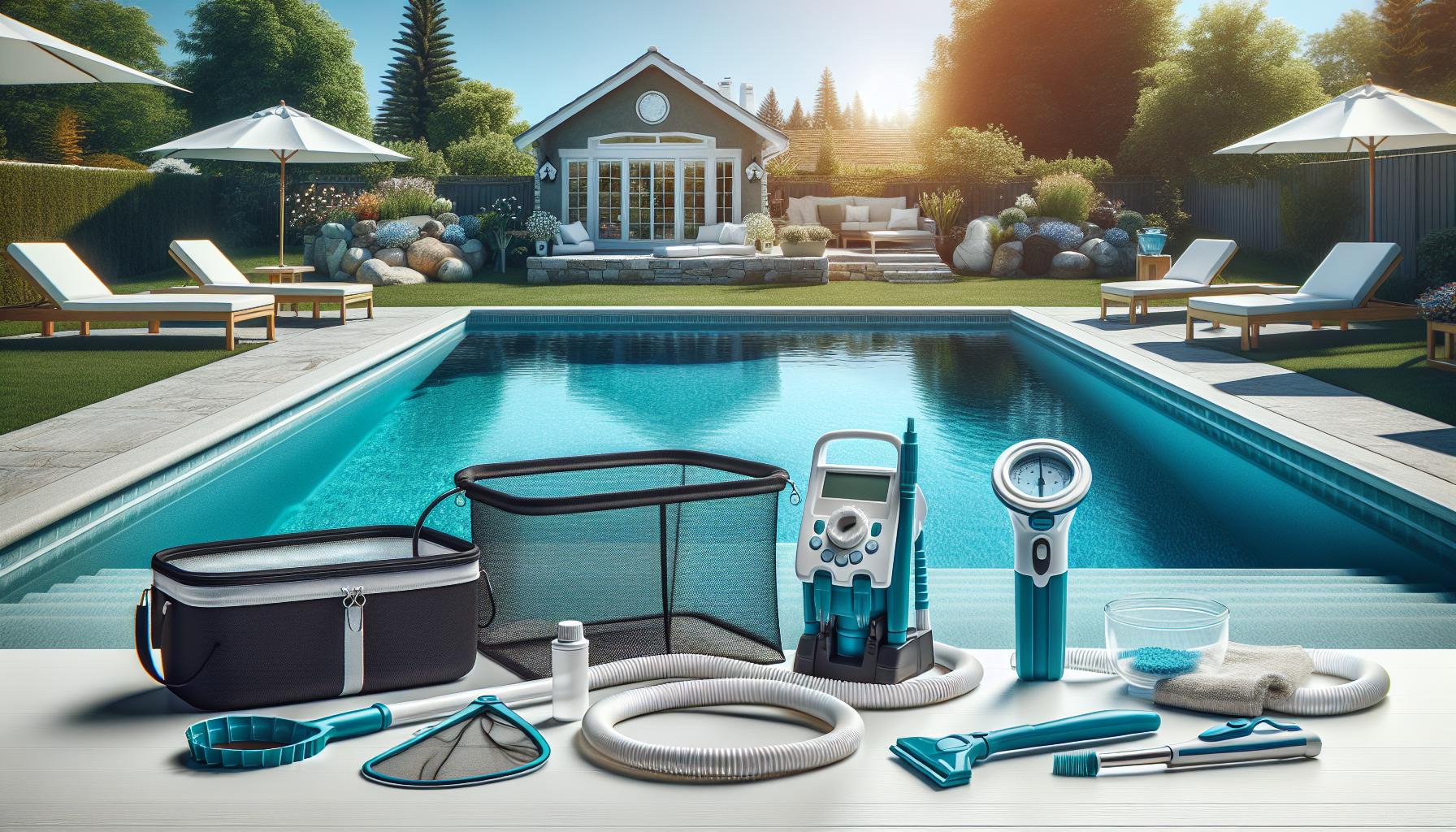
Essential Tools for Quick Pool Leak Detection
Detecting leaks in an above ground pool can be a straightforward task when equipped with the right tools. Having the proper instruments not only speeds up the process but also enhances accuracy, enabling you to pinpoint issues quickly and effectively. Here are some essential tools that every pool owner should consider for rapid leak detection.
- Leak Detection Dye: This simple but effective tool comes in small bottles and consists of concentrated dye. When applied near suspected leak areas, it will be drawn in by the water, revealing the exact spot of the leak. It’s particularly useful for identifying small tears or punctures in the liner that are otherwise hard to see.
- Bucket Test Setup: To confirm a leak, a bucket is an invaluable resource. This method involves filling a bucket with water, marking the levels inside and outside, and leaving it to sit for 24 hours. The results will clearly indicate whether the water loss is due to evaporation or an actual leak.
- Moisture Meter: For those looking to take a more technical approach, a moisture meter can measure moisture levels in and around the pool liner. This tool can help identify wet spots that may not be visible, providing early warnings of potential leaks.
- Infrared Thermometer: This handy device measures temperature differences. In cases where leaks might be concealed behind walls or structures, the variance in temperature can help locate hidden plumbing leaks or areas where water may be pooling.
- Pool Water Level Tracker: A simple yet effective tool for regular maintenance. This device monitors the water level in your pool and can alert you when it drops unexpectedly, prompting you to investigate further.
Investing in these tools can significantly enhance your ability to detect leaks early, saving both water and repair costs. Each tool serves a unique purpose in the leak detection process, providing you with a comprehensive approach to maintaining your pool.
Common Signs of a Hole in Your Pool
Detecting a hole in your above ground pool can sometimes feel daunting, but understanding the signs can empower you to act swiftly. One of the most noticeable indicators is a sudden drop in water level. If you observe that your pool is consistently losing water, especially after rain or when the filter is not running, it’s time to investigate further. Monitor the water level over a few days to differentiate between regular evaporation and a potential leak.
Another sign to watch for is the presence of wet or muddy spots around the base of the pool. If you see areas where the ground is unusually saturated, particularly near the pool’s perimeter, it may indicate that water is leaking out. Additionally, keep an eye out for bubbles forming in the pool liner when the pool is filled with water. This can suggest that air is escaping through a hole, further confirming that there may be a breach in the liner.
It’s also essential to check for visible wear and any small tears in the material of the pool liner itself. Regularly inspect the liner for any signs of deterioration, such as fading or a lack of sheen. Performing these checks will not only help you find existing holes but can also be key in preventing future issues. Always remember, staying proactive with maintenance can save you time and money in the long run. If you notice these signs early, you can address the problem before it escalates into a larger, more costly repair.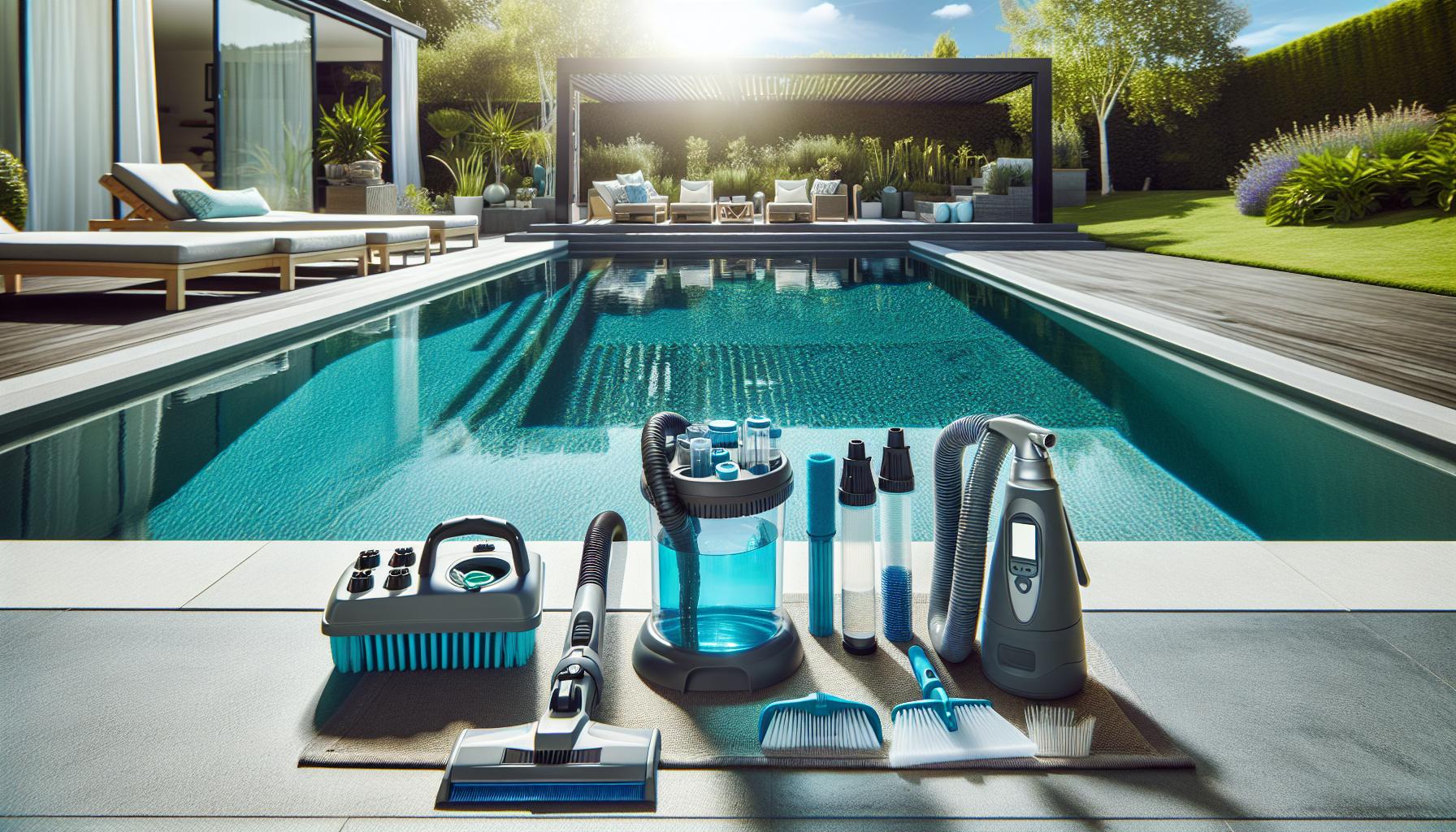
Step-by-Step Guide to Locating Pool Leaks
Locating a leak in your above ground pool can feel like searching for a needle in a haystack, but with the right approach, it becomes a manageable task. The first step in this process is to visually inspect the entire pool structure-look for any obvious signs of wear, particularly around seams and corners where the liner is most vulnerable. If you notice any small tears or thinning areas, mark them for further evaluation. After that, take a closer look at the water level. A significant drop in water, particularly when the pool isn’t in use, is a strong signal that a leak may be present.
Next, employ a methodical process to pinpoint the leak. Start by isolating sections of the pool. You can do this by temporarily blocking off one side of the pool with a barrier and then monitoring the water level for any changes. If you only lose water in the area you’re testing, you’ve likely narrowed down the culprit. For more challenging leaks, consider the dye test: use a few drops of food coloring near suspected areas. If the coloring gets drawn into a hole, you will have successfully identified a leak.
Once you’ve found a suspect area, check for any wet spots or mud outside the pool as a confirmation of your findings. If these areas are present, it indicates that water is escaping. After your inspection, use a pool leak detection tool, such as a garden hose to check for leaks under the water, where signs may not be visible. Be patient and methodical-sometimes, the smallest pinhole can be the cause of your troubles.
With your findings in hand, you can then decide on the next steps, whether that means quick fixes or planning for a more substantial repair. Remember to stay calm and solutions-oriented; many pool leaks can be handled effectively without extensive help. The key is to act swiftly and gather as much information as possible to assure a long-term resolution.
Temporary Solutions to Seal Pool Holes
When a leak has been identified in your above ground pool, quick action is essential to minimize water loss and potential damage. Fortunately, there are several temporary solutions you can implement to seal small holes and keep your pool functional until a permanent repair can be made. These solutions are not only quick to apply but also effective in alleviating immediate issues.
One of the most common temporary fixes is using a patch kit specifically designed for pool liners. These kits typically include adhesive patches made from durable material compatible with your pool’s liner. Simply dry the area around the leak thoroughly, cut a patch to size, and apply it according to the product instructions. Ensure the adhesive bond is strong by pressing firmly and smoothing out any wrinkles. This method can effectively stop the leak and allow you to enjoy your pool while you prepare for a more permanent repair.
In cases where you need an even quicker fix, consider using waterproof tape or duct tape. This method is particularly useful for small pinholes. Clean the area around the leak, then apply a piece of waterproof tape over the hole, pressing down uniformly. While this is a temporary solution, it can hold up for several days or even weeks, depending on the leak’s location and size. Be cautious, though; this method is not a long-term solution.
For more substantial or awkwardly located leaks, using a pool repair adhesive can work wonders. These adhesives are specifically formulated to bond with wet surfaces, allowing for repairs even when the area around the leak is damp. Carefully follow the application instructions provided on the adhesive container, ensuring the area is as clean as possible prior to application.
In addition to these methods, monitoring the leak frequently can help you assess the effectiveness of your repair efforts. Regularly test the water levels to determine if your temporary solutions are working, and keep an eye out for any new signs of water escape. Despite these fixes being temporary, they can significantly reduce your stress and preserve your pool enjoyment as you plan for more extensive, permanent repairs.
Permanent Fixes for Above Ground Pool Leaks
A small leak in your above-ground pool can lead to significant water loss and escalating repair costs if not addressed promptly and effectively. To ensure your pool remains a source of joy rather than a drain on resources, implementing permanent fixes is essential. Here’s how to tackle pool leaks with durable solutions that will keep your pool in prime condition for years to come.
To begin with, identify the leak’s location accurately. Use a dye test or water level assessments to pinpoint exactly where water is exiting your pool. Once the area is confirmed, a complete clean-up around the leak site is vital. Removing dirt and debris helps prepare the surface for effective adhesion. Once cleaned, a suitable patch kit or adhesive designed for pool repairs can be employed. Choose a patch kit that matches the material of your pool liner, ensuring it adheres securely when applied.
Step-by-step permanent repair process:
- Preparation: Drain water to a safe level below the leak for easy access.
- Patch Application: Cut the patch to size, cover the area with a strong adhesive, and firmly press down on the patch.
- Sealing: Apply an additional layer of adhesive around the patch edges to prevent water seepage.
- Curing: Allow adequate time for the adhesive to cure as instructed on package directions before refilling your pool.
For more complex leaks, consider using a pool repair epoxy, particularly for rips or larger punctures. This type of adhesive can create a waterproof seal and bond effectively to various materials, including vinyl and fiberglass. Once you have applied the epoxy, ensuring a flat, smooth finish not only enhances aesthetics but also aids in durability.
After making permanent repairs, it’s crucial to monitor your pool closely during the days following the fix. Check for any signs of new leaks and maintain your pool’s water chemistry to prevent future vulnerabilities in the liner. Implementing regular maintenance routines, such as covering the pool during inclement weather and ensuring proper chemical balance, can significantly extend the lifespan of your pool liner, safeguarding it against environmental stressors.
Ultimately, managing above-ground pool leaks doesn’t have to be a daunting task. With the right tools and techniques, you can confidently address leaks and enjoy uninterrupted fun in your pool all season long.
Preventative Maintenance Tips to Avoid Future Leaks
Taking proactive measures to maintain your above-ground pool can significantly reduce the likelihood of leaks and extend its lifespan. Implementing a few simple strategies can save you from the hassle and expense of repairs down the line. For instance, did you know that regular inspections can help you catch potential issues before they become significant leaks? By proactively monitoring your pool, you can identify early warning signs that might indicate trouble.
Routine Inspections
Incorporate regular inspections into your pool maintenance routine. Check the pool liner for any signs of wear, such as cracks or thinning areas. Pay close attention to the seams where the liner overlaps, as these areas are prone to leaks. Additionally, inspect any fittings and connections for leaks, ensuring they are secure and free from corrosion or damage. It’s helpful to perform these inspections at the beginning of the season and periodically throughout the summer.
Proper Chemical Balance
Maintaining the correct chemical balance in your pool is crucial for preserving the integrity of the liner. An imbalanced pool can lead to deterioration over time. Test the pool water regularly to ensure pH, alkalinity, and chlorine levels are within the recommended ranges. This simple step not only enhances water quality but also prevents the liner from becoming brittle or damaged due to harsh chemicals.
Temperature Control
Extreme temperatures can take a toll on your pool liner. In very hot weather, the materials can expand and contract, leading to potential stress points where leaks might develop. Consider implementing pool covers during harsh weather or when not in use; this can help regulate temperature, keep out debris, and ultimately shield the liner from unnecessary stress.
Debris Management
Keep your pool area free of debris and sharp objects that can puncture the liner. Regularly skim the surface, vacuum the bottom, and clear the surrounding area of sharp rocks or tools. Installing a protective cover when the pool is not in use further shields it from harmful debris and environmental factors, significantly reducing the risk of punctures or tears.
By integrating these preventative measures into your maintenance routine, you ensure that your above-ground pool remains a reliable source of enjoyment while minimizing the chances of unexpected leaks. Regular evaluations and timely interventions will not only keep the water clean but also extend the life of your pool, providing peace of mind for every swim season.
How to Care for Your Above Ground Pool After Repairs
After addressing any leaks in your above-ground pool, proper care is essential to ensure that your repairs hold and the pool remains in optimal condition. This post-repair period is critical, as it not only helps maintain the integrity of your pool but also enhances your overall swimming experience. Fostering a habit of vigilance and proactive care can prevent future issues and prolong the life of your pool.
One of the first steps to take after making repairs is to closely monitor the affected areas. Check for any signs of water pooling or dripping around the repair sites. It’s wise to adjust your pool’s water level back to normal gradually, allowing the repaired areas to settle. Use your fingers to inspect the repairs; they should feel firm and not flex or give way under pressure. If any areas feel loose or compromised, it may be necessary to repeat the repair process.
Reinforce Chemical Balance
After repairs, it is essential to thoroughly check and adjust the pool’s chemical balance. Chemicals can have varying effects on the integrity of your repairs. Test the water’s pH, chlorine levels, and alkalinity weekly following the repairs. An pH level in the range of 7.4-7.6 helps prevent damage to both the lining and the repairs. If your pool frequently experiences leaks or issues, consider conducting these tests more frequently until you are confident the pool is stable.
Care for the Pool Liner
Protecting the pool liner is key to extending the lifespan of your repairs. Limit exposure to sharp objects which might damage both the liner and your repair work. Routinely remove debris and foreign objects from the pool and the surrounding area using a skimmer net and vacuum. Regular cleaning helps keep your pool neat while preventing potential tear risks caused by rough materials. Consider investing in a protective cover when the pool is not in use; this can shield the liner from environmental stressors.
Look Out for Signs of Stress
Keep an eye out for any new signs of leaks or increased water loss post-repair. Pool leaks can sometimes become a recurring problem, especially if the underlying causes haven’t been addressed. Document the condition of your pool following repairs by taking notes or photos. This can help you identify any emerging issues early, guiding you effectively when setting up subsequent inspections or repairs.
By diligently caring for your above-ground pool after making repairs, you not only ensure the longevity of your immediate solutions but also foster a healthier swimming environment. Regular monitoring and maintenance can help prevent repeat issues, turning what could be a frustrating experience into an opportunity for learning and improvement in your pool upkeep routine.
When to Call a Professional for Pool Repairs
It’s not uncommon for pool owners to face leaks in their above-ground pools, and while many repairs can be undertaken independently, certain situations warrant professional assistance. Knowing when to call in the experts can save you time, frustration, and potentially costly mistakes. If you find yourself facing persistent water loss despite your attempts to locate and seal leaks, this could indicate a more complex issue that needs specialized skills.
Consider reaching out to a professional if you’re observing significant or rapid decreases in water levels, as this may point to severe leaks that are difficult to detect without specialized equipment. A professional can employ advanced leak detection tools, such as electronic leak detectors, which can pinpoint even the smallest holes unnoticeable to the average eye. If your pool’s structure appears compromised – for instance, if you’re noticing bulges in the walls or unusual settling – it’s crucial to engage a professional who can assess any structural integrity issues that might require immediate attention.
Additionally, if the leaks result in damage to your pool’s liner or surrounding landscape, the cost of addressing secondary damage can quickly escalate. If you’ve already applied temporary fixes but the problem persists or worsens, it’s a strong sign that a professional repair strategy is necessary. Throughout this process, always prioritize safety; if in doubt about the extent of damage or the repair process, consulting with an expert can guide you in maintaining the health of your pool and ensuring a safe swimming environment.
Taking action at the first signs of trouble not only reduces repair costs but also enhances your enjoyment of the pool. Engaging with experienced professionals ensures that your pool is not just fixed but also cared for in a manner that will prevent future complications, allowing you and your family to enjoy a worry-free swimming experience.
Understanding Your Pool’s Structure and Vulnerabilities
Understanding the structure of your above-ground pool is essential in managing its longevity and performance. Unlike in-ground pools, which are custom-built and installed, above-ground pools are often made of pre-manufactured frames and liners. These structures incorporate various materials, including aluminum, steel, resin, or wood, each with its unique vulnerabilities. For instance, metal frames can rust over time, especially if water leaks persist and promote corrosion, while resin components can become brittle if exposed to UV rays without adequate protection.
It’s crucial to recognize the common weak points in your pool’s design. Leaks typically occur at seams, around fittings, or where the liner meets the wall. The liner itself can develop pinholes from wear and tear, harsh chemicals, or improper installation. Regularly inspecting the pool during routine maintenance can help to catch these vulnerabilities before they turn into larger problems. Ensure that you check for signs of pooling water around the base, which might indicate a leak from the pool itself or an issue with the ground underneath.
To mitigate risks, consider protective strategies such as installing a ground cloth before placing the pool; this helps prevent punctures from rocks and roots. You can also invest in a pool cover during the off-season, protecting both the pool structure and liner from environmental damage. Additionally, routine cleaning and chemistry balancing not only keep the water pristine but also help maintain the integrity of your pool’s materials, preventing deterioration that can lead to leaks.
Ultimately, understanding your above-ground pool’s structure and vulnerabilities empowers you to take proactive measures. By staying vigilant for signs of wear and addressing them promptly, you can extend the life of your pool while ensuring a safe and enjoyable swimming environment for years to come.
Cost Considerations for Repairing Pool Holes
Repairing holes in an above-ground pool can come with a variety of costs, depending on the severity of the damage and the methods used for repair. Understanding these cost considerations can help you make informed decisions that balance your budget with the longevity of your pool. On average, simple repairs may only set you back around $20 to $100 if you opt for DIY solutions, such as patch kits available at most pool supply stores. These kits typically include adhesive patches and detailed instructions, making them accessible for homeowners looking to save on repair expenses.
For more significant damage or persistent leaks that require professional help, costs can escalate dramatically. Hiring a pool repair service can range from $150 to $500, depending on factors like location, the complexity of the repair, and whether specialized equipment is needed. When considering these expenses, it’s also essential to account for potential water loss, as leaks can lead to increased water bills and wasted resources before repairs are made. Early detection and maintenance can save you from larger, more expensive repairs down the line.
Cost Breakdown
- DIY Patch Kit: $20 – $100
- Professional Repairs: $150 – $500
- Water Loss: Varies based on leak size and pool size
Aside from the immediate repair costs, consider investing in preventive measures such as periodic inspections and protective coverings that could mitigate long-term expenses. By preemptively addressing vulnerabilities and maintaining your pool regularly, you can avoid the pitfalls of significant repairs that can disrupt your summer enjoyment. Remember, effective maintenance not only enhances the lifespan of your above-ground pool but also helps protect your investment against the financial strain of costly repairs.
Frequently asked questions
Q: How can I find a small leak in my above ground pool?
A: To find a small leak in your above ground pool, inspect the pool’s liner closely for visible holes or tears. Use dye tests by applying a few drops of food coloring near suspected areas; if the dye is drawn in, you have found the leak. Check connections and fittings as well.
Q: What should I do if I suspect my pool has a hole?
A: If you suspect a hole in your pool, start by reducing water levels to just below the suspected area. Inspect for visible signs of damage and use dye tests for better accuracy. Document any issues and begin considering temporary patching solutions.
Q: Can I repair a hole in my above ground pool myself?
A: Yes, most small holes in above ground pools can be repaired with a patch kit, which includes adhesive patches and instructions. Ensure the area is clean and dry before applying the patch to achieve a strong seal. Refer to the “Temporary Solutions to Seal Pool Holes” section for guidance.
Q: How fast can I fix a leak in my above ground pool?
A: You can fix a leak in your above ground pool quickly, typically within a few hours, depending on the leak’s size. After identifying the leak, use a pool patch kit for fast repairs. If it’s a larger issue requiring professional help, call them immediately to prevent further damage.
Q: What materials are best for patching a pool leak?
A: The best materials for patching a pool leak include vinyl patch kits, epoxy sealants, and waterproof tape. Select a product specifically designed for pool repairs and ensure it’s suitable for underwater use to maintain integrity.
Q: How do I know if my pool liner is damaged beyond repair?
A: To determine if your pool liner is damaged beyond repair, look for extensive tears or fading, increased leaks, and structural weaknesses. If repairs exceed 20% of the liner, consider replacement. Refer to the section on “Cost Considerations for Repairing Pool Holes” for further insights.
Q: When is it necessary to call a professional for pool leaks?
A: Call a professional for pool leaks if you cannot locate the source, if the damage is extensive, or if repairs exceed your skill level. They can conduct thorough leak detection and provide comprehensive repairs, ensuring your pool is safe and functional.
Q: What are common causes of leaks in above ground pools?
A: Common causes of leaks in above ground pools include wear and tear over time, punctures from sharp objects, chemical damage, and improper installation. Regular inspections and maintenance can help minimize these risks. For preventative maintenance tips, see the relevant section in the article.
In Conclusion
Now that you know how to quickly identify and fix a hole in your above ground pool, don’t let small issues keep you from enjoying your backyard oasis. Remember, timely maintenance is key to avoiding larger repairs and ensuring your pool stays inviting all season long. If you’re still feeling uncertain, check out our guides on “Preventing Common Pool Leaks” and “Essential Pool Maintenance Tips” for deeper insights.
Ready to take action? Grab the necessary repair materials and start today-your pool days await! And if you found this information helpful, consider signing up for our newsletter for expert tips delivered right to your inbox or explore our product page for top-rated pool repair kits. For any questions, feel free to leave a comment below; we’re here to help. Your pool deserves the best attention, and we’re just a click away for more valuable resources!


