


Wading pools are shallow, inflatable or permanent pools designed for young children and relaxation. They provide a safe and fun environment for little ones to enjoy the water without the depth of a traditional pool. These pools are an excellent way to introduce your kids to the joys of water play while also allowing parents to unwind nearby.
Imagine the joy of hot summer days spent splashing about in a cool, contained space. Wading pools create opportunities for family bonding, playtime, and imaginative adventures in the water. For busy parents seeking a relaxing retreat or a safe play area for their children, wading pools offer a perfect solution.
In this guide, we’ll explore everything you need to know about wading pools-from choosing the right one for your space to essential maintenance tips. Dive in to discover how to create the perfect summertime oasis in your backyard!
What Is a Wading Pool and Its Benefits?
A wading pool serves as an idyllic retreat for families, particularly those with young children who may not yet be ready for the depths of a traditional swimming pool. These shallow pools, typically no deeper than two feet, offer a safe environment for toddlers to play and explore water without the risk of overexposure. This feature alone provides peace of mind, allowing parents to relax as their kids splash about joyfully. Additionally, wading pools encourage social interaction during playdates, fostering both physical activity and camaraderie in a controlled setting.
The benefits of wading pools extend beyond just being a safe space for children. They also serve as a refreshing spot for adults to unwind during hot summer days, making them a versatile addition to any backyard. The shallow water and gentle atmosphere allow parents to join in on the fun or supervise with ease, whether they’re reading a book or enjoying a snack nearby. Furthermore, wading pools can be an attractive landscape feature, enhancing the aesthetics of your outdoor space with creative designs and colors.
When considering a wading pool, it’s important to keep in mind several key aspects that contribute to a positive experience, including the material of the pool, ease of setup, and location. Choosing the right pool structure can impact both maintenance and safety. For instance, inflatable wading pools are easy to set up but may require more frequent replacements, while rigid structures can be more durable but less portable. Weighing these factors will help ensure you select a wading pool that meets your family’s needs while enhancing your backyard’s appeal.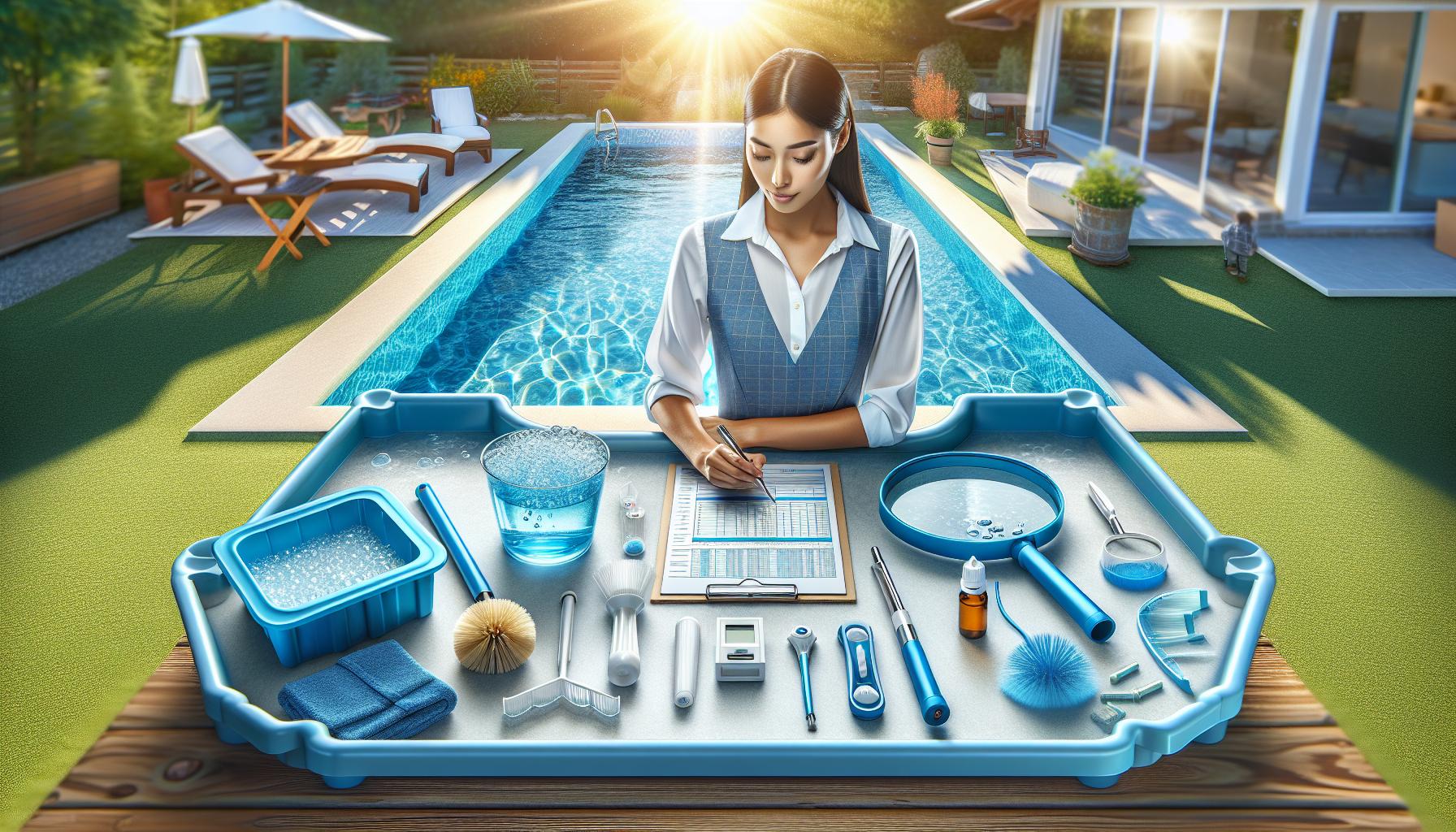
Essential Features of Wading Pools
When considering a wading pool for your backyard, understanding its essential features can enhance your experience significantly. A well-designed wading pool offers a myriad of benefits-from safety to comfort-making it an excellent choice for families and individuals alike. These pools typically boast shallow depths, which makes them safer for young children who are just beginning to explore the joys of water play. Most wading pools are no deeper than two feet, allowing kids to splash and play without the fear of drowning.
Another critical feature to consider is the pool’s material. Wading pools are commonly made from inflatable vinyl, hard plastic, or fiberglass. Inflatable options are lightweight and easy to set up, making them perfect for temporary use or occasions like birthday parties. However, they may lack durability and can be vulnerable to punctures. On the other hand, rigid structures like hard plastic or fiberglass pools provide greater longevity and resistance to wear and tear, making them an ideal choice for frequent use.
The design and shape of a wading pool also play an important role in its functionality. Many models come with built-in features such as seating areas or splash zones, which encourage interactive play. Additionally, the incorporation of gentle slopes rather than steep edges can create a more inviting environment for toddlers learning to navigate the water. To further enhance the experience, consider pools with UV protection to guard against sun safety, or those that offer textured bases to help prevent slips.
Finally, easy maintenance is crucial for ongoing enjoyment. Features such as removable filters can help keep the water clean and clear with minimal effort. Opting for a wading pool with a drainage plug at the bottom simplifies the process of emptying and cleaning the pool after use. Being well-informed about these essential features will ensure your wading pool serves as a safe, fun, and enjoyable retreat all summer long.
Top Wading Pools for Kids and Families
When it comes to family-friendly water play, investing in the right wading pool can transform an ordinary summer into an extraordinary one. Suitable for young children and perfect for relaxation, today’s wading pools come with innovative designs and features that cater to various needs and preferences. Whether you have a sprawling backyard or a small patio, you can find a model that provides both enjoyment and safety.
One standout option is the inflatable wading pool, which is lightweight, portable, and easy to set up. These pools often come in vibrant colors and fun shapes, capturing the attention of kids while being simple to deflate and store away. Brands like Intex and Bestway offer inflatable pools complete with built-in slides and splash areas, making them ideal for imaginative play. If you seek durability, consider hard plastic options such as the Step2 Play and Shade Pool. These pools are not only sturdier but frequently include shaded areas to protect children from the sun, ensuring that playtime is safe and enjoyable.
For added excitement, look into wading pools that incorporate interactive elements like fountains or sprayers. Models such as the Little Tikes Cozy Coupe Splash Pool not only provide a shallow water area but also feature fun water toys. Additionally, consider pools with built-in benches or textured bottoms that help prevent slips, enhancing both comfort and safety. Always remember to check the weight and size recommendations for each product, as they can vary and suit different age groups.
Selecting the right wading pool also requires attention to its maintenance and cleaning features. Opt for models with easy-drain plugs, which make emptying and cleaning the pool a breeze. Some pools come with removable liners or filters, allowing you to keep the water clean without a hassle. By picking a quality wading pool equipped with safety and convenience features, you’ll create a refreshing oasis that brings joy to children and peace of mind to parents.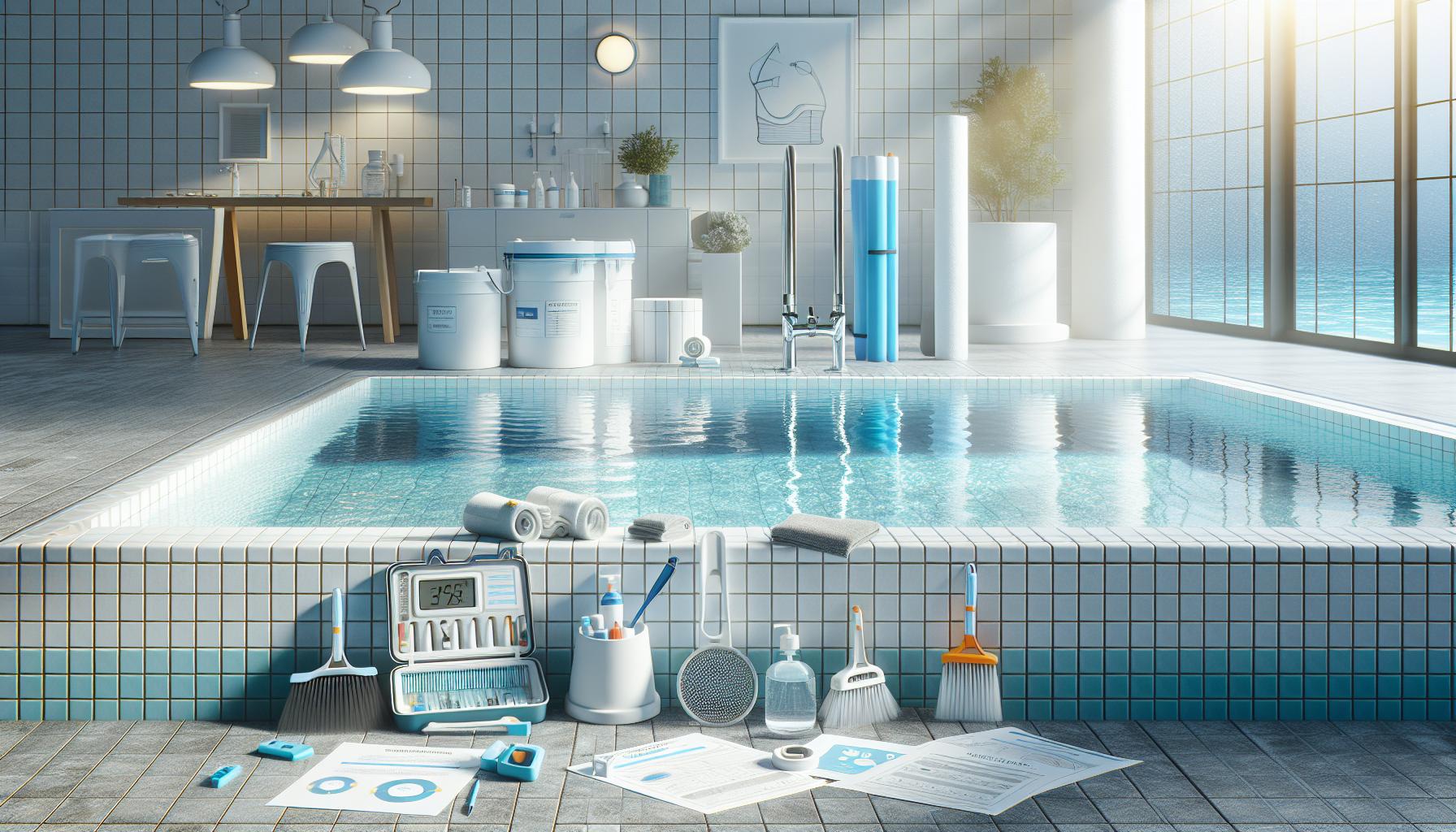
Safety Tips for Wading Pool Use
Keeping children safe while they enjoy the refreshing fun of a wading pool is paramount for any caregiver. With the right precautions, you can create a secure environment that allows kids to splash and play without unnecessary risks. It’s essential to supervise children at all times when they are in or near the wading pool. Even a few inches of water can pose a drowning hazard, so having an adult present can make all the difference. Setting rules before playtime can help reinforce safety-consider teaching children to stay within designated areas of the pool and to avoid running on slippery surfaces.
Water Quality and Depth Management
Maintaining clean water is another key aspect of safety. Change the water regularly and consider using a small, portable water testing kit to ensure it remains free from harmful bacteria. Always check the water depth to ensure it’s appropriate for the age and size of child using it. While most wading pools are designed for shallow water, always double-check that the children can stand comfortably with their heads above water.
Secure Setup and Environment
The setup of your wading pool plays a crucial role in safety. Place the pool on a flat, stable surface away from sharp objects and structures that may cause injuries. If your pool has any additional features like slides or fountains, ensure they are securely installed and appropriate for younger children. To prevent slips and accidental falls, consider placing a non-slip mat around the pool area and educate children on safe play practices.
Lastly, always have a first aid kit nearby and quickly review basic first-aid procedures with all caregivers. Being prepared can help manage any unexpected incidents efficiently. With these simple yet effective precautions, you can create a safe and enjoyable aquatic play experience that allows kids to make the most of their time in the water.
Maintenance Guide for Wading Pools
Maintaining a wading pool is crucial not only for prolonging its lifespan but also for ensuring the safety and enjoyment of those who use it. Regular upkeep can prevent common issues like algae growth, debris accumulation, and water quality deterioration, which can turn a fun play area into a breeding ground for bacteria. Here’s how to keep your wading pool in top shape throughout the warming months.
Start with basic water care. Regularly checking the water level is essential; you should refill the pool as needed, ideally to maintain a consistent depth for the children. A simple way to maintain cleanliness is to change the water weekly, especially if it’s well used. Alongside water changes, utilize a net to remove leaves and debris daily, which can quickly accumulate and hinder water clarity.
Testing Water Quality
To keep the water safe, invest in a portable water testing kit. Monitoring pH levels and chlorine concentration ensures that water stays free from harmful pathogens. Here’s a quick checklist to follow:
- Check pH levels: Aim for a pH between 7.2 and 7.6.
- Test chlorine levels: Keep chlorine between 1 and 3 ppm.
- Look for algae or cloudiness: If present, consider using a safe algaecide or a clarifier.
If you notice greenish water or a slime layer forming on the sides, consider draining and thoroughly cleaning the pool before refilling.
Cleaning and Maintenance Steps
Occasional deep cleaning is necessary to eliminate any stubborn contaminants. Follow these simple steps:
- Drain the Pool: Completely empty the wading pool.
- Scrub the Surfaces: Use a non-toxic pool brush or sponge to scrub walls and floor, focusing on grimy areas.
- Rinse Thoroughly: After scrubbing, rinse with clean water to remove any soap or debris.
- Inspect Equipment: Check filters and pumps (if applicable) for any signs of wear or blockage, and clean or replace as needed.
- Refill with Clean Water: Ensure the new water fills the pool to the optimal level.
In addition to these essential steps, pay attention to the surroundings of your wading pool. Keep the area free from sharp objects that could slip into the water, and trim any overhanging trees or bushes to reduce debris. Encouraging responsible play and regular maintenance will provide a safe environment for everyone, allowing you to enjoy the comforting splash and laughter year-round.
Creative Ways to Enhance Your Wading Pool Experience
Creating an enjoyable atmosphere around your wading pool can transform a simple splash zone into a vibrant hub of fun and relaxation for the whole family. One engaging option is to incorporate themed days-set up different fun themes each weekend, such as a Luau with Hawaiian decorations and tropical music, or a Pirate Adventure with toy boats and treasure hunts. This not only keeps the experience fresh but encourages family participation in activities, enhancing bonding time.
Consider adding floating toys and games to boost the enjoyment factor. Items like inflatable beach balls, toys for water sports, and rafts can create a playful environment that keeps kids entertained for hours. To add an educational twist, integrate floating letters or numbers for younger children, encouraging them to learn while they play.
For those hot summer days, think about using shade structures to protect little ones from harsh sunlight. Beach umbrellas or a pop-up tent can create a comfortable area nearby where kids can cool off when they need a break. Complement this with garden lounge chairs for adults, allowing parents to relax while keeping a watchful eye on their kids as they splash around.
Combining lighting elements can also enhance your wading pool experience, especially for evening use. Floating LED lights or solar-powered garden lamps can create a magical atmosphere after dark, turning your pool area into a cozy retreat for nighttime gatherings. For extra flair, consider hanging string lights around the area; not only do they illuminate the space, but they also set a cheerful mood.
By integrating these creative ideas, you can elevate your wading pool from a basic feature into a delightful activity spot, encouraging play, education, and relaxation all summer long.
Choosing the Right Location for Your Wading Pool
Choosing the ideal spot for your wading pool can significantly enhance the enjoyment and safety of this summer retreat. A well-placed wading pool not only provides a cool sanctuary for children on hot days but also ensures that parents can easily supervise their little ones. When deciding where to set up your wading pool, consider factors such as sunlight, shade, accessibility, and safety.
Begin by assessing the amount of sunlight the location receives throughout the day. Ideally, you’ll want a spot that has partial sunlight to prevent the water from becoming too warm, allowing for a refreshing dip even on the hottest days. Morning sun with afternoon shade is often perfect, as it allows the space to warm up gradually while providing relief from the intense midday heat. This also reduces the risk of overheating, especially for young children who may be more sensitive to high temperatures.
Next, consider proximity to your home or outdoor areas where family gatherings usually occur. Selecting a location that is easy to access from your kitchen or living space allows for quick refreshments and supervision. Additionally, having adult seating nearby enhances family interaction while keeping a watchful eye on kids playing in the water. Think about placing lounge chairs or picnic tables nearby for parents to relax comfortably while staying engaged with the play activity.
Safety is paramount when positioning your wading pool. Ensure that the area is free of sharp objects, uneven surfaces, or any potential hazards that could lead to accidents. It’s also wise to have a flat, non-slip surface around the pool to minimize the risk of falls. If your pool will be situated on grass or sand, frequent maintenance to keep the area clear of debris and ensure the ground remains stable is essential. Moreover, consider installing a barrier or fence if your pool is in an area where supervision may sometimes lapse, offering an extra layer of protection for children.
In conclusion, taking the time to carefully select the right location for your wading pool can transform it from merely a fun feature into a safe and inviting extension of your home. With the right setting, your family can fully embrace the joy and relaxation that a wading pool brings, creating cherished summer memories that last a lifetime.
Pros and Cons of Wading Pools vs. Traditional Pools
Wading pools offer a delightful alternative to traditional pools, especially for families with young children. They are designed for shallow, gentle water play, providing a safe environment where little ones can splash around without the risks often associated with deeper pools. However, before deciding which type of pool is best for your family, it’s essential to weigh the benefits and drawbacks of each option.
One of the most significant advantages of wading pools is their accessibility. They require considerably less space and are often easier to set up and maintain than traditional swimming pools. Wading pools are typically inflatable or portable, allowing for quick assembly and disassembly, which is perfect for families who might not have room for a permanent structure. Moreover, they usually come with a lower price tag, making them a more budget-friendly choice for summer fun. This affordability makes them ideal for parents who want to create a splash zone without a substantial investment.
However, wading pools come with limitations. While they provide ample fun for toddlers and young children, they are not suitable for older kids or adults looking for an extensive swimming experience. The shallow water means that activities like diving or swimming laps are off the table. Additionally, wading pools require close supervision as they can fill up quickly with children, leading to potential accidents. To mitigate such risks, it’s crucial to establish rules around playtime and ensure that kids understand how to be safe in and around the water.
In contrast, traditional pools offer a broader range of activities and cater to swimmers of all ages. They can accommodate more extensive family gatherings and allow for recreational activities such as swimming, diving, and even lounging. However, with these benefits come increased costs for installation, maintenance, and safety measures like fencing and lifeguard supervision. Owning a traditional pool often entails a long-term commitment-both financially and in terms of upkeep.
To summarize, the choice between a wading pool and a traditional pool largely depends on your family’s needs, budget, and available space. For younger children and casual summer fun, wading pools shine with their ease of use and low maintenance. For families seeking versatility and extended use over the years, traditional pools may prove to be a worthy investment. Understanding these pros and cons will help you make an informed decision that best suits your lifestyle.
How to Set Up a Wading Pool: Step-by-Step
Setting up a wading pool can be a fun and straightforward process that transforms your backyard into a playful oasis for children during hot summer days. To ensure a smooth setup experience, follow these carefully outlined steps to create a safe and enjoyable environment.
Start by selecting an appropriate location for your wading pool. Look for a flat, level area in your yard, away from any overhanging branches or sharp objects. Ideally, this spot should enjoy a good amount of sunlight for warmth, but also have some shade for breaks. Once you’ve chosen the location, clear the area of any debris, stones, or sharp items that could harm kids while they play.
Next, unpack your wading pool and check for any specific manufacturer instructions, as different models may have unique setup requirements. Inflate the pool if it’s inflatable, making sure it’s firm but not overly stretched. If it’s a rigid pool, simply lay it out on the ground, ensuring it’s completely flat. Once the pool is positioned correctly, begin filling it with water. Use a garden hose with a spray attachment to control the flow, and fill the pool to the desired water level. Typically, for young children, a few inches of water is sufficient for safe play.
As the water fills, consider adding fun features to enhance the experience. You can introduce floating toys, ensure proper anti-slip mats are placed around the pool edge, and set up a lounging area nearby with towels or beach chairs. If you want to mitigate debris from surrounding plants, think about placing a small fence or barrier to prevent leaves from blowing into the water.
Finally, the essentials of supervision and safety during play cannot be stressed enough. Always keep an eye on children while they are in or near the pool to prevent accidents. Establish clear rules about water play, and ensure children understand how to stay safe. Patrolling the pool area helps reinforce safety while allowing kids to enjoy the water freely. With these steps, you’ll create a fun and safe wading pool experience that delights children and provides relaxation for adults alike.
The Best Accessories for Wading Pools
A wading pool is not just a place to keep cool; it’s a canvas for imaginative play! The right accessories can transform a simple wading pool into a vibrant playground that enhances the fun and ensures safety. Investing in a few thoughtful additions can elevate the experience for children while also providing peace of mind for parents.
For instance, consider incorporating floating toys like colorful rafts, pool noodles, and rubber water animals. These encourage active play and help develop motor skills as children splash and swim in shallow water. Additionally, water games such as splash balls and squirt guns can keep kids engaged, fostering creativity and social interaction. Don’t forget about water-safe books that can be introduced for quiet time moments in between active play.
Safety should always remain a priority. Using anti-slip mats around the pool area can prevent falls and accidents, making it safer for kids running around. Parents can also add a pool cover for when the pool is not in use to keep debris out and ensure safety by preventing unsupervised access. Beyond safety, adding a small shade umbrella or a pop-up canopy can provide relief from direct sunlight, promoting safe play time during those hot summer days.
Lastly, don’t overlook the aesthetic aspect! Decorative pool floats, such as fun shapes or themes, can create a cheerful environment. Installing small LED lights for evening use can transform the area into a magical space, extending playtime into the dusk. Overall, with the right accessories, a wading pool can become a cherished summertime fixture that offers enjoyment, creativity, and safety for kids and peace of mind for families.
Wading Pool Design Ideas for Small Spaces
A wading pool can be a delightful addition to any small space, transforming even the tiniest backyard or patio into a playful oasis for children. With thoughtful design and smart use of space, you can create an inviting environment that maximizes enjoyment while maintaining safety and convenience.
Start by considering the pool’s shape and size. A circular or oval inflatable wading pool often fits better in confined areas than rectangular models, which can feel bulky. Measure your available space to ensure you select a pool that leaves enough room around its perimeter for movement and safety. Once the pool is in place, think about how to integrate it into the surrounding area. Using decorative pavers or tiles around the pool can create a defined space that complements your garden or patio. Adding a small deck or platform can elevate the pool, making it more visually appealing and allowing for easy entry and exit.
To maximize visual appeal and functionality, consider incorporating vertical elements to your design. Small space constraints can benefit from vertical gardens or trellises with climbing plants nearby, enhancing the pool’s ambiance while also providing shade on sunny days. Additionally, use compact furniture, such as folding chairs or portable loungers, that can be easily stowed away when not in use. This keeps the area uncluttered and allows for play areas to remain open.
Safety remains a top priority in small spaces. Anti-slip mats or tiles around the pool area will help prevent slips and falls, particularly on wet surfaces. If children are playing nearby, consider establishing clear boundaries with decorative barriers or fencing that complements the outdoor aesthetic. Having a designated shaded area with umbrellas or a pop-up canopy can protect little ones from the sun, ensuring they stay comfortable while splashing around.
In summary, with a little creativity and careful planning, you can turn even a small area into a safe, fun, and visually appealing environment centered around a delightful wading pool. The combination of practical features and thoughtful design will ensure that your space serves both aesthetic and functional needs, offering a summer retreat for family and friends.
Frequently Asked Questions About Wading Pools
Whether you’re considering a wading pool for summer fun or already have one set up, you may have questions regarding its use, maintenance, and safety. Wading pools are a fantastic way to introduce young children to water play in a controlled and safe environment while also providing relaxation for adults. Here are some frequently asked questions that can help you get the most out of your wading pool experience.
What is the ideal depth for a wading pool?
Wading pools are generally shallow, with depths ranging from 10 to 24 inches. This limited depth allows young children to enjoy splashing and playing without the risk of deep water hazards. When selecting or using a wading pool, always consider the age of your children and opt for a depth that is comfortable and safe for them.
Are wading pools safe for toddlers?
Absolutely! Wading pools are designed with safety in mind. To enhance safety during use, adult supervision is crucial. Additionally, using a pool with a non-slip bottom can prevent slipping accidents. You might also want to consider installing a fence or using inflatable barriers to define the pool area, deterring unsupervised access.
How often should I change the water in my wading pool?
Changing the water regularly is critical for maintaining cleanliness and hygiene. It’s advisable to change the water at least once a week, but this frequency may increase based on usage or environmental factors, such as debris or insects. To make this process easier, use a small submersible pump to remove the old water quickly.
What maintenance is required for a wading pool?
Basic maintenance is quick and straightforward. Here are some steps to keep your wading pool in good condition:
- Check for leaks regularly and patch them as needed.
- Clean the pool’s surface with a soft brush or sponge to remove dirt and algae.
- Store the pool in a shaded area when not in use to prolong its lifespan.
- Use appropriate chemicals to sanitize the water occasionally, especially if it’s not changed frequently.
By following these guidelines, you can ensure that your wading pool remains a safe, enjoyable oasis throughout the summer. Whether it’s setting up for the first time or maintaining an ongoing favorite summer spot, having a plan allows you to focus on making memories with your loved ones.
Frequently Asked Questions
Q: What is the ideal size for a wading pool?
A: The ideal size for a wading pool typically ranges from 6 to 15 feet in diameter, allowing space for children to play safely. Smaller pools are perfect for toddlers, while larger ones can accommodate more children and provide extra room for relaxation.
Q: How deep should a wading pool be for kids?
A: A wading pool should generally be no more than 12 inches deep to ensure safety for children. This depth is sufficient for splashing and playing while minimizing the risk of drowning. Consider investing in a pool with gradual slopes for added safety.
Q: What materials are best for a wading pool?
A: The best materials for a wading pool include durable, UV-resistant plastic or vinyl. Inflatable options are also popular for easy setup and storage. Ensure the material is safe for kids and easy to clean to maintain hygiene.
Q: Can adults use a wading pool for relaxation?
A: Yes, adults can use wading pools for relaxation, especially on hot days. Many wading pools offer enough space for lounging. Consider adding features like adjustable lounge chairs or umbrellas for enhanced comfort while enjoying the cool water.
Q: How can I keep my wading pool clean?
A: To keep your wading pool clean, regularly skim debris from the surface, and use a pool vacuum for thorough cleaning. Change the water frequently and consider using a mild, child-safe cleaning solution to maintain hygiene without chemical irritation.
Q: When is the best time to set up a wading pool?
A: The best time to set up a wading pool is during warm months, typically late spring to early fall. This period offers the warmest weather, allowing kids to enjoy splashing in the water comfortably.
Q: Are wading pools safe for toddlers?
A: Yes, wading pools are safe for toddlers when supervised. Ensure that the water level is shallow and that pool edges are soft to prevent injuries. Always supervise children at all times to ensure safety during play.
Q: What are the maintenance requirements for a wading pool?
A: Maintenance requirements for a wading pool include regular water changes, cleaning surfaces to remove debris and algae, and inspecting for leaks or damage. It’s essential to check pH levels and apply pool-safe treatments as needed for hygiene [3[3].
Concluding Remarks
In conclusion, a wading pool is an ideal solution for families seeking a safe and fun way to cool down while promoting relaxation for kids. Whether you’re considering installation or looking to maximize your current setup, remember that proper maintenance is key. For tips on keeping your pool clean and safe, check out our guides on essential pool care practices and the best accessories to enhance your outdoor space.
Don’t miss out on making memories this summer! Explore our product page for the latest wading pool options that suit every family’s needs. If there are any lingering questions or thoughts, we invite you to leave a comment below or sign up for our newsletter for more helpful insights and updates. Dive into more topics like the benefits of outdoor play and safety tips for children in water, ensuring you’re fully prepared for a summer of splashes and smiles!


