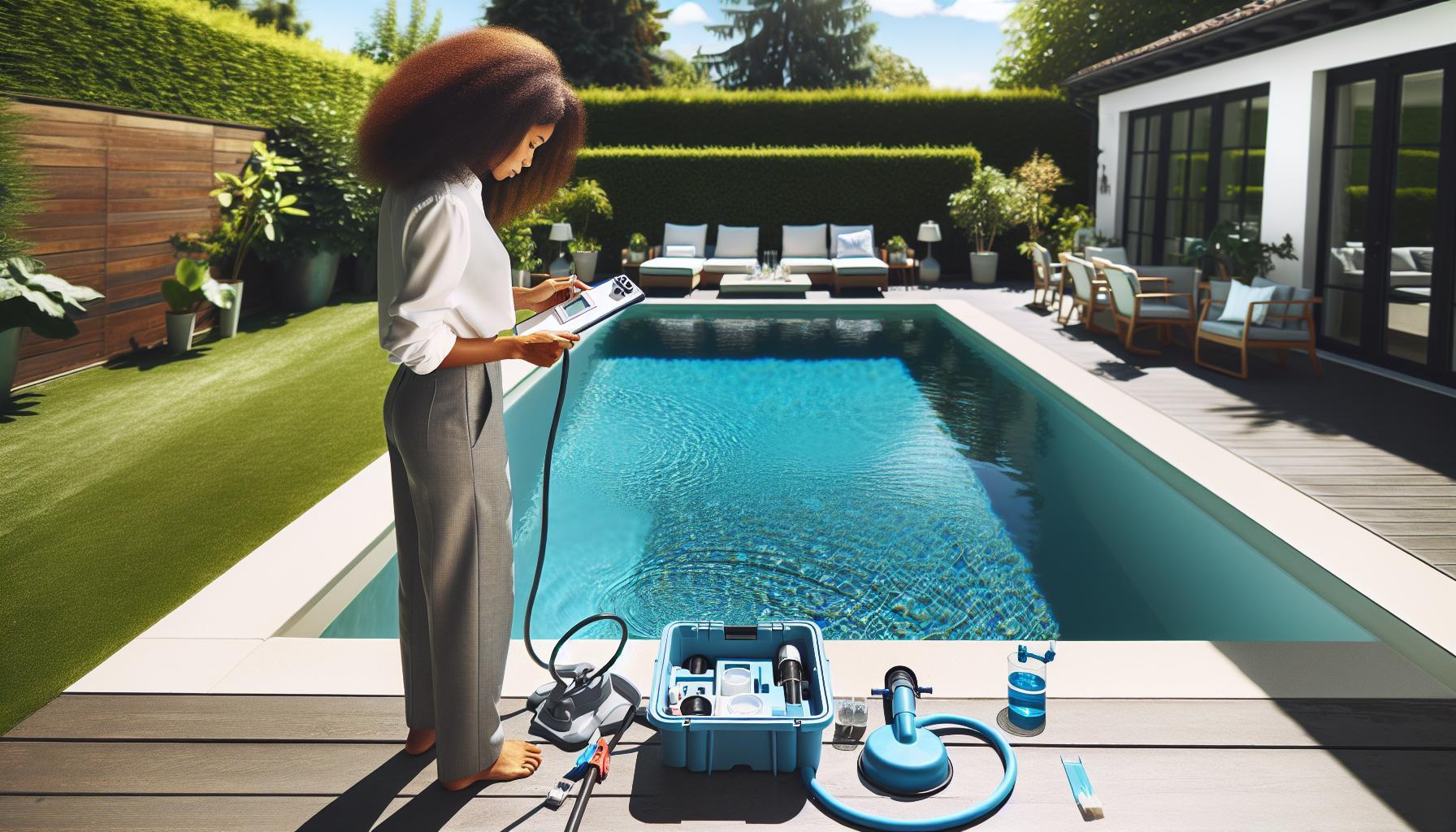

Knowing the exact volume of your swimming pool is essential for effective maintenance, chemical balancing, and optimal enjoyment. Did you know that incorrectly estimating your pool’s size could lead to imbalanced water chemistry, which can affect both health and equipment? By accurately calculating your pool’s gallons, you can ensure your water stays crystal clear and safe for swimming.
Accurate volume calculations not only help you maintain the right chemical levels but also assist in determining the correct pump run times and heater efficiency. Whether you’re preparing for the swimming season or troubleshooting issues, understanding your pool’s volume is the key to informed decisions that save you time and money. Dive into our guide as we explore simple formulas and practical tips to help you determine just how many gallons are in your pool-a crucial step toward becoming a confident, hands-on pool owner.
Understanding Pool Volume Basics for Owners
Understanding the volume of your pool is essential for maintaining optimal water chemistry and ensuring efficient circulation, filtration, and sanitation. Knowing the exact gallons of water your pool holds not only helps in calculating chemical needs but also aids in preventing overflows and unnecessary water waste. Surprisingly, many pool owners overlook this critical aspect, leading to imbalanced water conditions and added maintenance challenges. If you’re eager to achieve perfect water clarity while also providing a safe swimming environment, getting a handle on pool volume is a great place to start.
To measure your pool’s volume accurately, consider the pool’s shape first. The volume calculations differ significantly between standard shapes like rectangles, circles, and ovals. For instance, a rectangular pool can be calculated using the formula: Length × Width × Average Depth × 7.48 (to convert cubic feet to gallons). On the other hand, circular pools use the formula: π × Radius² × Average Depth × 7.48. If your pool is irregularly shaped, you might need to break it down into smaller sections, calculating each section’s volume separately before summing them up.
It’s crucial to take precise measurements for both dimensions and depths. Utilizing tools such as a measuring tape or a laser measure can ensure your calculations are spot-on. Measure the shallow and deep ends of the pool to find the average depth, which greatly influences the total volume. After calculating, remember to round up slightly for any additional features like stairs or ledges that may take up water space. Proper understanding and calculating of your pool’s volume not only enhance your maintenance routine but also provide peace of mind knowing that your pool is always in optimal condition for enjoyment.
Key Factors Influencing Pool Volume Measurement

To achieve accurate measurements of your pool’s volume, several key factors must be considered. First and foremost, the shape of your pool plays a critical role. Standard pool shapes, such as rectangular or circular, have specific formulas for volume calculations, while irregularly shaped pools may require a more tailored approach. For instance, breaking an irregular shape into manageable sections and calculating the volume of each can help produce a more precise result.
Another significant factor is the depth variation within the pool. Most pools have varying depths, so it is essential to accurately determine both the shallow and deep ends to find an average depth. This average will be critical for calculating the total volume and ensuring the proper chemical balance is maintained in your pool water. Utilizing a tape measure or laser measuring tool can make this process easier and enhance accuracy.
Additionally, consider accessory features such as slides, diving boards, or built-in steps that may displace water. Adjusting your volume calculations to account for these features ensures you are not underestimating the actual volume. Rounding up slightly after calculating can help provide a conservative estimate, particularly if you anticipate regular additions of water through rainfall or evaporation.
Lastly, be mindful of local environmental conditions. For example, water can evaporate more quickly in hotter climates, which may cause your pool to be less full than anticipated at times. Regularly checking your pool’s water level and adjusting calculations as needed can help maintain a correct understanding of your pool volume, which is essential for effective maintenance and water quality management. Employing these strategies can empower pool owners to maintain clearer, healthier water conditions and avoid common pitfalls associated with incorrect volume estimates.
Step-by-Step Guide to Accurate Pool Measurement

To ensure you accurately measure your pool’s volume, it starts with gathering the right information and tools. The measurement process may seem daunting, but by breaking it down into manageable steps, you’ll have a clear understanding of your pool’s capacity. This is crucial not just for maintaining chemical balance but also for optimizing water usage and understanding maintenance needs.
Begin with a thorough inspection of your pool’s shape. Standard pool designs such as rectangles and circles are easier to measure, as they each have set formulas for calculating volume. For rectangular pools, measure the length, width, and average depth; simply multiply these values together and then multiply by 7.48 (the number of gallons in a cubic foot) to get your total volume. For circular pools, measure the diameter, halve it to get the radius, and then use the formula: volume = π × radius² × depth × 7.48. For more complex shapes, consider dividing the pool into sections, calculate the volume of each section, and then sum them up.
Tools You’ll Need
- Tape measure or laser measuring tool
- Calculator
- Notepad for recording measurements
Next, ensure you measure accurately. Pay close attention to depth, especially if your pool features varying depths. Use a weighted measuring tape to get the deepest points effectively. For an average depth, consider the shallow end and deep end to establish a consistent depth that reflects the entire pool’s water level. Including adjustable features like steps or slides is also crucial; estimate their displacement to ensure you’re not underestimating your overall volume.
Finally, once your calculations are complete, round up slightly to account for water lost to evaporation or splashing. It’s recommended to periodically check your pool’s water level, especially in hot weather or during heavy use, to maintain an accurate understanding of your pool volume. This proactive approach allows you to optimize chemical applications and enhances the overall enjoyment of your pool experience.
By following these systematic steps, you’ll be well on your way to accurately measuring your pool’s volume, making maintenance and management more effective and enjoyable.
Calculating Gallons: Tools and Techniques
Measuring the correct volume of water in your pool is not just a technical exercise; it directly affects your pool maintenance, chemical balance, and overall enjoyment. Knowing how many gallons your pool holds helps you manage water treatments and maintenance effectively. Whether you’re using simple tools or more sophisticated technology, understanding the right techniques ensures accuracy in calculating your pool’s volume.
To begin with, a reliable tape measure is essential. Measure the length, width, and depth, and if you’re working with a circular pool, remember to measure the diameter. For rectangular pools, the formula you’ll use is straightforward: multiply the length by the width and then by the average depth. After obtaining that value, convert cubic feet to gallons by multiplying by 7.48. Circular pools require a bit more math; use the formula (pi times (radius^2) times depth) and follow the same conversion to gallons.
Now, technology can be your ally. Consider using an app designed for pool management that includes volume calculators. Many of these apps can quickly compute the gallons based on your input dimensions, adding a layer of ease to the process. Moreover, websites often provide online calculators where you simply input your pool’s dimensions to receive an instant calculation of its volume.
In any case, measuring accurately is crucial. Don’t overlook uneven depths-if your pool has varying depths, take measurements at both the shallow and deep ends. To get an average depth, add those two measurements together and divide by two. Finally, using a laser measuring tool can enhance accuracy, especially for non-standard shapes. If your pool has additional features like steps or jets, factor in displacement to avoid underestimating your total volume.
It’s also wise to routinely check your pool’s water level, particularly after heavy usage or seasonal changes. Keeping track of these measurements enables you to adjust your chemical applications, ensuring your pool remains crystal clear and safe for swimming. Regularly reviewing your calculations and adjusting for any changes will help prevent headaches down the road, allowing you to enjoy your pool to its fullest.
How to Convert Pool Dimensions to Volume
Understanding how to convert pool dimensions into volume is crucial for any pool owner aiming to maintain a pristine swimming environment. The volume of water your pool holds directly influences chemical levels, filtration requirements, and overall maintenance schedules. Accurate calculations ensure that you have the right amounts of chemicals on hand and can keep your pool clean and enjoyable.
For rectangular pools, the formula is straightforward: measure the length, width, and average depth. Multiply these three dimensions together, using this formula:
Volume (cubic feet) = Length × Width × Average Depth
Once you have the volume in cubic feet, convert it to gallons by multiplying by 7.48. For example, if your pool is 15 feet long, 8 feet wide, and has an average depth of 4 feet, the calculation would look like this:
Volume (cubic feet) = 15 × 8 × 4 = 480 cubic feet
Volume (gallons) = 480 × 7.48 ≈ 3,590 gallons
Calculating Volume for Circular Pools
Calculating the volume of circular pools is a bit different and requires the use of the radius. Measure the diameter of the pool, divide it by two to get the radius, then measure the average depth. The volume can be calculated using the following formula:
Volume (cubic feet) = π × (radius^2) × Average Depth
Again, multiply by 7.48 to convert cubic feet to gallons. For instance, if the diameter of the pool is 20 feet, the radius is 10 feet, and the average depth is 5 feet, the calculation would be:
Volume (cubic feet) = π × (10^2) × 5 ≈ 1,570 cubic feet
Volume (gallons) = 1,570 × 7.48 ≈ 11,740 gallons
Regular Monitoring of Water Levels
Maintaining accurate volume calculations involves more than just initial measurements. Changes in evaporation, rainfall, and water usage can affect water levels. Therefore, regularly check and adjust your calculations according to the current water level. If you notice significant drops or gains, remeasure and recalculate based on new water levels to ensure that your chemical balance remains optimal.
These steps not only provide clarity on your pool’s volume but empower you to tackle maintenance challenges confidently. By following these guidelines, you’ll not only understand your pool’s capacity better but also enhance your overall pool ownership experience, ensuring clear, inviting water all season long.
Tips for Maintaining Accurate Volume Calculations
Maintaining precise volume calculations for your pool is essential to ensure optimal chemical balance and effective filtration. Even minor variations in water level can lead to significant discrepancies in volume, which may adversely affect water quality. To enhance accuracy in your calculations, consider implementing these practical strategies.
First, regularly monitor your water levels. It’s not uncommon for pools to lose water due to evaporation, splash-out, or even leaks. Check the water level consistently, preferably weekly, and note any fluctuations. Installing a water level indicator can help you keep a close eye on changes and allow for timely recalculations. If you observe a noticeable drop (more than an inch or two), it may be wise to investigate further to ensure there are no leaks affecting your calculations.
Next, document your measurements and consistently use the same units. When measuring dimensions-length, width, and depth-ensure that they are all recorded in the same unit (feet or meters). Consider keeping a measurement log that includes dates and the specific conditions when the measurements were taken, such as recent rainfall or heavy usage periods. This log can provide context for your calculations and reveal any trends that may need addressing.
Additionally, when recalculating your pool’s volume, remember to factor in any water features, such as spas or waterfalls, connected to the main pool. These elements can substantially alter the total volume. Be systematic about adjusting your calculations whenever you fill or empty these features, and always recalculate your pool volume if significant changes are made to your pool setup or landscaping.
Lastly, it can be beneficial to familiarize yourself with online calculators tailored for pool volume estimation. Many reputable websites provide user-friendly tools that allow you to input your pool’s dimensions and instantly receive an estimated volume, taking the guesswork out of the equation. While these tools simplify the process, always cross-check their outputs with your manual calculations for accuracy.
By implementing these recommendations, you’ll maintain a clear understanding of your pool’s volume, thus ensuring a balanced and inviting swimming environment. Regular checks and careful measurement practices not only enhance your pool’s maintenance but also elevate your overall enjoyment of your outdoor oasis.
Common Mistakes in Pool Volume Calculations
Calculating the correct volume of your pool isn’t just a matter of pouring in water; it’s essential for optimal maintenance and ensures the safety and comfort of swimmers. One common pitfall that many pool owners encounter is neglecting to account for the pool’s varying shapes and depths, which can lead to significant errors in volume calculation. For example, almost all backyard pools are not uniform in shape, and those with varying depths can present a challenge; measuring only at the deepest point can result in an inflated estimate of total volume.
Another frequent mistake involves the unit of measurement used throughout the calculation process. Switching between feet and meters or using inconsistent measurements can wreak havoc on your final figure. To avoid this, always ensure that all dimensions-length, width, and depth-are taken in the same unit. Additionally, double-check the information you enter into any calculating tools, as entering incorrect dimensions can easily lead to misleading results.
Lastly, overlooking the influence of water features like spas, waterfalls, or slides can skew your actual pool volume. Each of these fixtures contributes not only to the aesthetic appeal but also to the physical volume of water contained in your overall setup. When measuring your pool, it’s vital to incorporate these features into your calculations. Remember, any changes in these features should prompt a reevaluation of your pool’s total volume. Regularly updating your measurements ensures your estimations remain reliable.
By recognizing these common pitfalls-shape and depth misunderstandings, measurement unit inconsistencies, and neglecting water features-you can significantly improve your calculations. Take the time to measure and re-calculate with care, converting any additional volumes from landscaping elements like water features accurately, ensuring your pool maintenance is as effective as it can be. This attention to detail will enhance your pool maintenance routine, ultimately leading to a safer and more enjoyable swimming experience.
Using Online Tools for Pool Volume Estimation
Calculating your pool’s volume accurately is crucial for maintaining balance in chemicals, ensuring safety, and optimizing your swimming experience. Fortunately, several user-friendly online tools can simplify this daunting task. By leveraging these resources, you can eliminate guesswork and achieve precise results, which are particularly helpful if you’re not keen on manual measurement or if your pool has an irregular shape.
Many online calculators require you to input basic dimensions such as length, width, and average depth. Some advanced models may ask for specific details like the shape of your pool-be it rectangular, oval, or kidney-shaped. After entering these figures, the calculator will apply a formula to determine the volume in gallons, often within seconds. This instant retrieval of information enables pool owners to take immediate action when it comes to treatments like chlorination or balancing pH levels.
To maximize the benefits of these online tools, consider the following tips:
- Use Reliable Sources: Choose calculators from reputable pool supply websites or forums that specialize in pool care.
- Double-Check Units: Ensure all measurements are in consistent units before inputting them into the calculator; most tools will typically require feet or meters.
- Include All Features: If your pool has additional features like a spa or waterfall, look for a calculator that allows you to account for these extra volumes.
Many online tools also offer helpful resources, such as guides on how to measure your pool accurately, ensuring you have the right dimensions to work from. Embracing technology in pool maintenance not only saves time but also empowers you to keep your pool in excellent condition year-round, creating a safe and enjoyable atmosphere for family and friends.
The Importance of Regular Volume Checks
Regularly checking your pool’s volume is crucial for ensuring optimal water quality and safety. Accurate volume measurements help you balance chemicals effectively, preventing issues like algae growth or cloudy water. Additionally, fluctuations in water levels due to evaporation, rain, or splashing can significantly alter the effectiveness of chemical treatments. By routinely monitoring your pool’s volume, you are not just maintaining water clarity, but also safeguarding your investment and the health of swimmers.
One effective method to maintain accurate volume calculations is to establish a routine. Use a marked container or a measuring stick to check the water level against a predetermined benchmark. This practice will help you quickly identify any changes that might require adjustments in chemical dosing. For example, if you notice a significant drop in the water level, it may indicate a leak or excessive evaporation, both of which need to be addressed promptly.
Furthermore, incorporating modern tools can make these regular checks simpler. Many pool owners benefit from using digital devices or apps that can track water levels over time. These tools often provide reminders for when it’s time to reassess your volume, along with chemical balance adjustments needed based on seasonal changes or heavy use. By leveraging technology, you not only streamline your maintenance process but also enhance your pool’s health.
Lastly, it’s important to understand that your pool’s design-whether it’s standard or has unique features such as a spa or waterfall-can affect volume stability. Regular inspections of these additional features can uncover potential volume discrepancies. In summary, embracing a proactive approach to volume checks empowers you to maintain a beautiful, safe, and inviting pool environment, ensuring that both you and your loved ones can enjoy it worry-free.
How Pool Shape Affects Your Volume Calculation
The shape of your pool plays a pivotal role in determining its volume, directly impacting how you maintain chemical balance and overall water quality. While standard rectangular pools often lend themselves to straightforward volume calculations, uniquely shaped pools-such as those that are kidney-shaped, circular, or have built-in waterfalls-require more tailored approaches to calculating their water capacity.
To accurately calculate the volume of a non-standard shaped pool, start by breaking it down into simpler geometric shapes whose volumes you can easily compute. For instance, if you have a kidney-shaped pool, you can approximate it as a combination of rectangles and semicircles. Measure the length, width, and depth at several points, and use these values in the relevant formulas:
- Rectangle: Volume = Length × Width × Average Depth
- Circle: Volume = π × (Radius²) × Depth
Once you determine the volumes of these basic shapes, sum them up for a more accurate estimation of your pool’s total volume.
Besides shape, consider the pool’s depth, which can vary across different areas. If your pool has a sloped bottom, calculate the average depth by measuring at different points and use this average in your volume formulas. It’s also crucial to account for any additional architectural features, such as steps or ledges, by either subtracting the volume they occupy from the total or adjusting your calculations accordingly.
Ultimately, understanding the influence of your pool’s shape on its volume management will help you maintain balanced water chemistry effectively. Regular checks of your pool’s dimensions and water levels will allow for timely adjustments, ensuring that you can tackle typical pool challenges with confidence and clarity.
Expert Advice on Adjusting for Water Features
When it comes to accurately determining your pool’s volume, water features like waterfalls, fountains, and spas can add complexity to the calculation. These features not only contribute to the aesthetic and enjoyment of your pool but can also impact water displacement and the overall water chemistry balance. Understanding how to adjust for these elements is crucial for effective pool maintenance.
The first step in accounting for water features is to measure their dimensions accurately. For instance, if you have a waterfall that spills a defined volume of water, you need to know its flow rate and how much it contributes to your pool’s total gallons. The most effective way to measure this is by timing how long it takes to fill a known volume container (e.g., a 5-gallon bucket). Once you have the flow rate, you can calculate the total gallons added via the waterfall over a given time period.
Additionally, for spas or attached hot tubs, consider their volume separately and how often the water circulates into the main pool. If the spa is separate but frequently used, you’ll want to factor that in as well, especially if they share the same filtration system. Incorporate the spa’s volume with similar volume calculation methods-using the correct formulas for its shape, whether rectangular, circular, or custom-shaped.
Here are some practical tips to ensure you maintain an accurate volume calculation:
- Regularly Monitor Water Levels: Keep an eye on how water features influence evaporation rates and pool water levels, as they can affect overall volume.
- Adjust for Seasonal Changes: During heavy rainfall or drought periods, adjust your calculations based on the natural inflow or loss of water.
- Check Pump Cycles: Know how often your pool pump operates and whether it changes the overall water volume, particularly with features like waterfalls that circulate water.
Lastly, remember to conduct regular volume checks, especially after maintenance on water features, to ensure your calculations remain accurate. Consistent monitoring helps prevent chemical imbalances that could arise from miscalculating your pool’s volume due to unexpected changes. By incorporating these adjustments into your calculations, you’ll be better prepared to maintain clear, safe, and balanced water in your pool-allowing you and your guests to enjoy all its features without worry.
Troubleshooting Volume Calculation Issues
Miscalculating your pool’s volume can lead to a host of issues, from chemical imbalances to inefficient heating and filtration. Many pool owners often overlook subtle factors that can skew their calculations, leading to surprises when it comes time to balance chemicals or adjust heating settings. To ensure you have the most accurate volume assessment, it’s essential to systematically address potential discrepancies.
First, streamline your measurement process. Begin with distinct shapes; if your pool is irregular, break it down into smaller, measurable sections. Use a tape measure for length and width, and don’t forget the depth. If your pool has varying depths, average them by measuring at several points. Document each measurement diligently to avoid errors. If you suspect a dimension might have been recorded inaccurately, double-check before moving on to calculations. Using the formula for the shape of each section and summing them up can significantly reduce mistakes.
Next, account for water features and changes due to evaporation or splashing. As you add features like waterfalls or spas, these can affect water displacement and overall volume. Consider timing how long it takes to fill a known capacity (like a 5-gallon bucket) using your waterfall or measuring the spa’s water volume, then incorporate those figures into your calculations. Remember, temperature, humidity, and frequency of use uniquely influence your pool’s volume as well, especially during summer months when evaporation rates soar.
Lastly, don’t neglect persistent water loss issues. If you’re experiencing unexplained drops in water levels despite rectifying all other factors, this could indicate leaks or miscalculations in existing measurements. Implementing visual inspections for leaks around fittings and plumbing can be a smart next step. Regular water level checks can also help identify discrepancies caused by evaporation, keeping your records accurate over time. Engaging with community forums or seeking advice from local pool experts can enhance your troubleshooting process, ensuring your pool remains a haven of enjoyment rather than a source of confusion.
Faq
Q: What is the easiest way to measure my pool’s volume?
A: The easiest way to measure your pool’s volume is by using its dimensions (length, width, and depth) to calculate the volume in cubic feet. Then, convert it to gallons by multiplying the cubic feet by 7.48. For unique shapes, online calculators can simplify the process.
Q: How often should I check my pool’s volume?
A: It’s recommended to check your pool’s volume at least twice a year. Regular checks ensure accurate chemical dosing and water level management, particularly before and after heavy usage periods or seasonal changes. Refer to the section on the importance of regular volume checks for detailed tips.
Q: What tools do I need to calculate my pool’s volume?
A: Basic tools include a tape measure for dimensions, a calculator for math, and a notepad for recording measurements. For easier calculations, consider using online volume estimation tools. See the “Calculating Gallons: Tools and Techniques” section for more information.
Q: Can I estimate my pool’s volume without precise measurements?
A: Yes, you can estimate your pool’s volume using the average depth and dimensions. A rough estimate can be made by measuring length and width and applying general formulas. However, precise calculations will yield better results for maintenance.
Q: How does the shape of my pool affect volume calculation?
A: The shape of your pool significantly impacts the volume calculation method. Rectangular pools use straightforward length x width x depth, while circular or irregular shapes require more complex formulas. Check the section on how pool shape affects volume calculations for specific formulas.
Q: Why is knowing my pool’s volume important?
A: Knowing your pool’s volume is crucial for accurate chemical balance, ensuring proper filtration, and estimating water fill requirements. It also aids in understanding heating and maintenance costs, as discussed in the article’s introductory sections.
Q: What common mistakes should I avoid when calculating my pool’s volume?
A: Common mistakes include miscalculating dimensions, ignoring the slope of the bottom, and failing to consider water features. Ensuring accurate depth measurements and using the appropriate formula for your pool shape are essential to avoid these errors.
Q: Are there apps for calculating pool volume?
A: Yes, several smartphone apps can assist with pool volume calculations. They often offer additional features like maintenance reminders and chemical dosing help. Explore the section on using online tools for more recommendations onapp solutions.
To Conclude
Now that you’ve calculated the volume of your pool accurately, it’s time to put that knowledge to use for effective maintenance, balance, and chemical treatment. Knowing how many gallons your pool holds empowers you to optimize your water care and enhance your swimming experience. Don’t miss out on exploring our articles on “Essential Pool Maintenance Tips” and “How to Balance Pool Chemicals” to ensure your water stays crystal clear and inviting.
If you have any lingering questions or need personalized advice, feel free to leave a comment below or check out our consultation services. Your ideal pool environment is just a step away-take action now! Dive deeper into related resources to keep your pool in top shape and stay engaged with our community. Remember, a well-maintained pool not only looks great but also promises safe enjoyment for you and your loved ones. Explore, engage, and elevate your pool experience today!