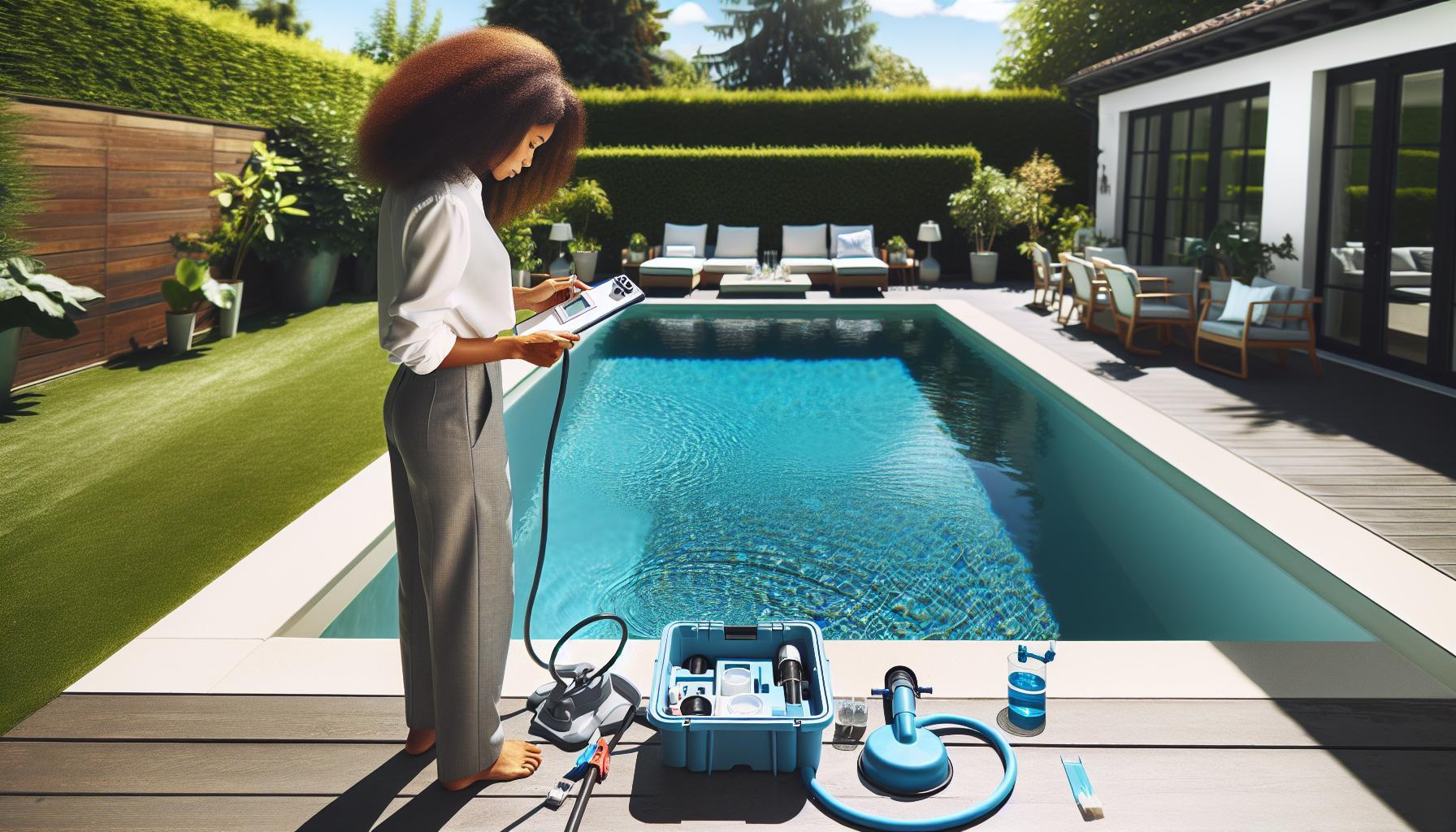
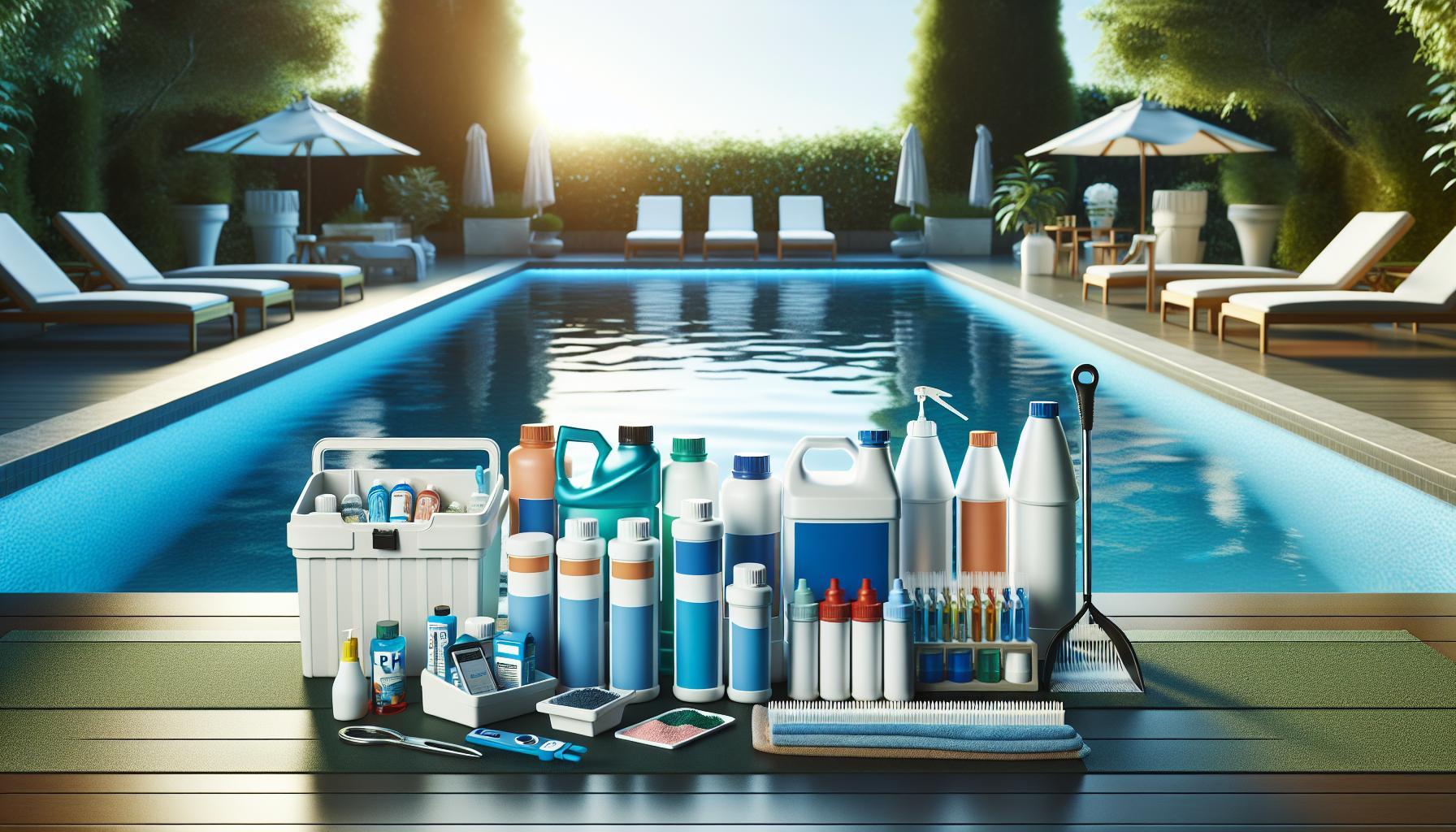
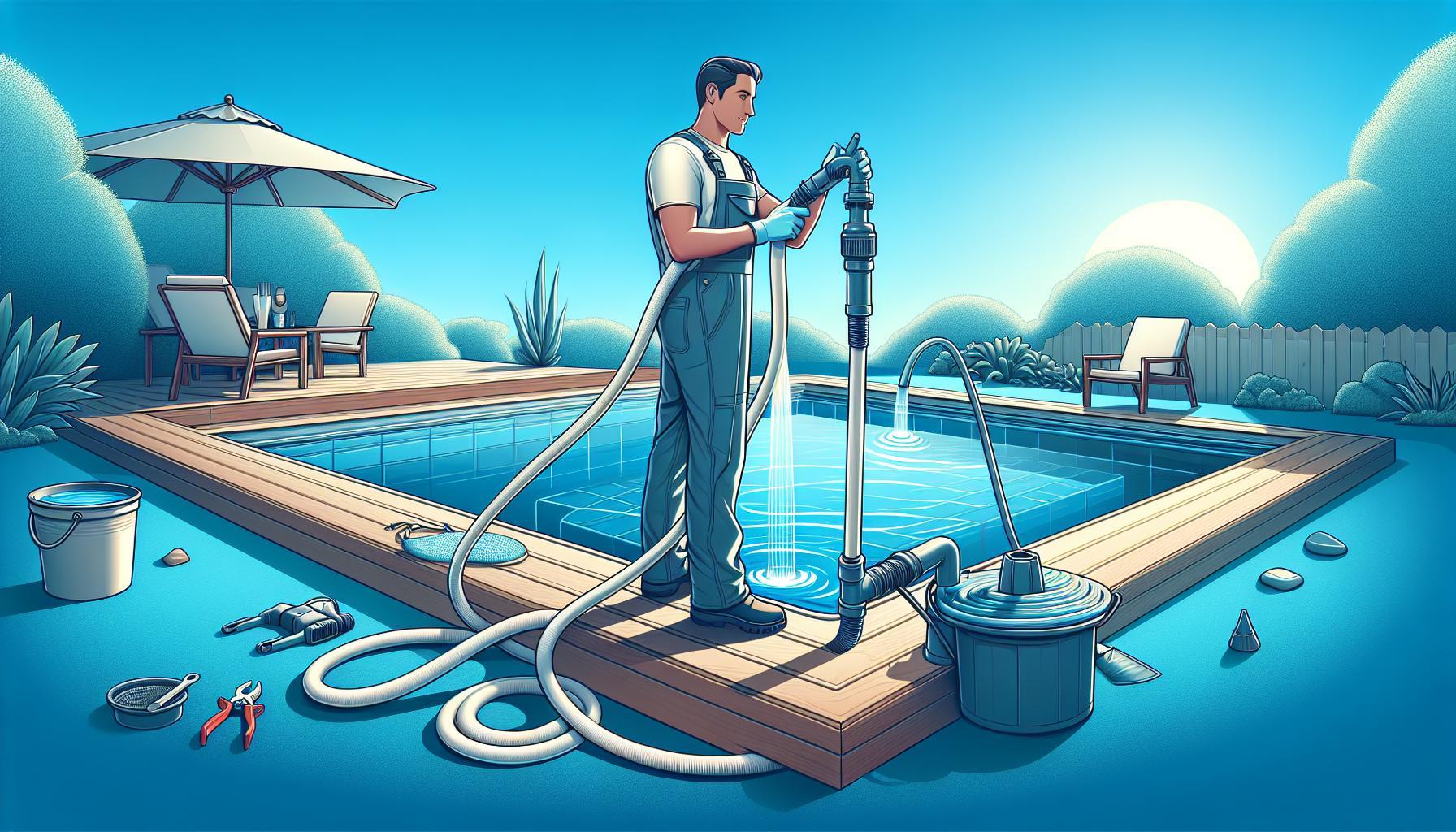
Setting up a pool can seem daunting, but it’s an incredibly rewarding experience that transforms your backyard into a refreshing escape. Did you know that having a pool can increase your home’s value while providing a perfect space for relaxation and family fun? This guide is designed for beginners looking to navigate the essential steps of pool setup, ensuring you achieve a perfect swimming oasis without unnecessary stress.
From choosing the right location to following a systematic assembly process, we’ll address your concerns and empower you with practical solutions. Whether you’re new to pool ownership or simply looking to enhance your setup skills, this article will provide you with clear, step-by-step instructions that make the process manageable and enjoyable. So dive in and discover how easy it can be to create your own summer sanctuary!
Choosing the Right Pool Type for Your Space
When it comes to creating your own personal oasis, selecting the right pool type for your space is crucial for both enjoyment and functionality. With a plethora of options available-from in-ground concrete pools to stylish inflatable models-finding a suitable match for your yard’s dimensions, aesthetic, and usage is a critical first step. Consider not just the size of your yard but also how you plan to use the pool-whether for family fun, exercise, or as a tranquil retreat.
Types of Pools
- In-Ground Pools: These are permanent fixtures that can be customized in shape and size. Typically made from concrete, fiberglass, or vinyl, they provide a durable option and often come with added features such as heating systems and custom lighting.
- Above-Ground Pools: More affordable and easier to install, these pools typically consist of a steel or resin frame with a vinyl liner. They can be a great choice for temporary setups or smaller yards.
- Inflatable Pools: For those seeking a budget-friendly, seasonal option, inflatable pools are incredibly easy to set up and take down. They are ideal for families with young children but can have limited durability compared to more permanent options.
Choosing the Right One
Evaluate factors such as your budget, how often you’ll use the pool, and the installation space. For example, if your yard has limited space, an above-ground pool may be the perfect solution, providing a fun escape without the permanence or higher costs of in-ground installations. Conversely, if your home has the space and you envision long-term use, an in-ground pool can add value to your property and accommodate more features.
To ensure you make the right decision, consider visiting local pool shows or home improvement stores to see different types and styles in person. Consult with pool professionals to discuss site preparation and maintenance needs unique to each option. This thoughtful approach empowers you to choose a pool that not only complements your lifestyle but also enhances your outdoor space for years to come.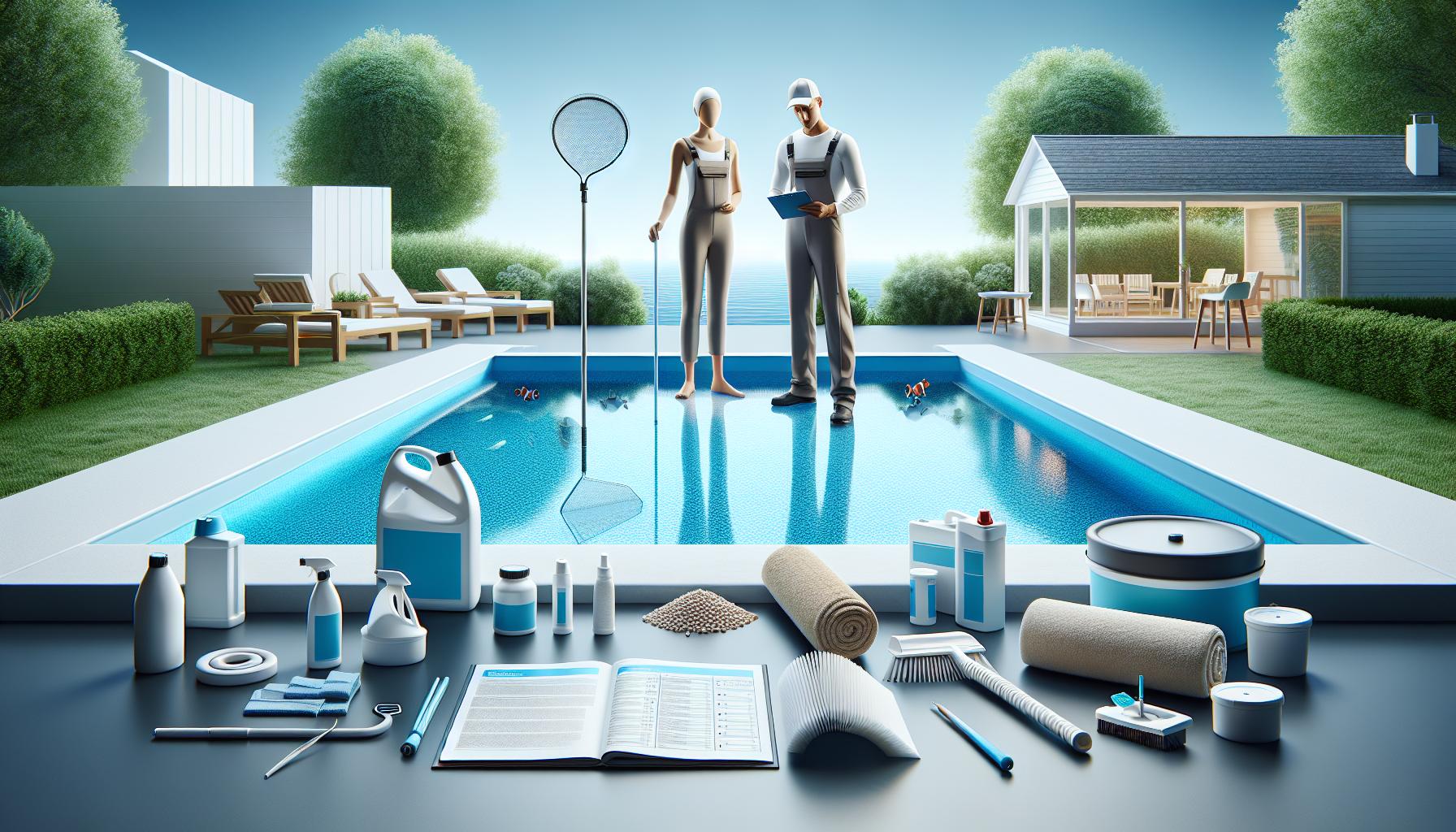
Essential Tools for Pool Setup Success
To embark on the journey of setting up your new pool, having the right tools on hand can make the process not just easier, but also more enjoyable. Whether you’re installing an above-ground or an in-ground pool, the essential tools will significantly contribute to your setup success, ensuring you can enjoy a smooth installation experience.
Start with the basics that will be crucial no matter the pool type. A good quality level will help you ensure the ground is even, preventing any issues with water retention or structural stability. A tape measure is indispensable for accurately measuring the space to determine whether your pool will fit perfectly in the chosen location. Additionally, a shovel will be necessary for digging and moving dirt if you are preparing a site for an in-ground pool. For above-ground pools, a sturdy ladder will help with assembling the structure and accessing support areas.
Don’t overlook the importance of safety gear, especially gloves and safety glasses. These will protect you from sharp edges during assembly or the elements during setup. As you assemble the pool, have a rubber mallet handy; this tool is perfect for securing parts without risking damage. If you’re working with a larger project, like an in-ground pool, consider renting or purchasing a drill to assist in fastening pool walls and components. Lastly, a garden hose is invaluable for filling the pool, as well as for checking levels during installation.
With these tools at your disposal, not only will you approach the pool setup with confidence, but you’ll also be prepared for any challenges that may arise. By equipping yourself properly, you can transform your backyard into a refreshing oasis with ease, creating lasting summer memories for yourself and your loved ones.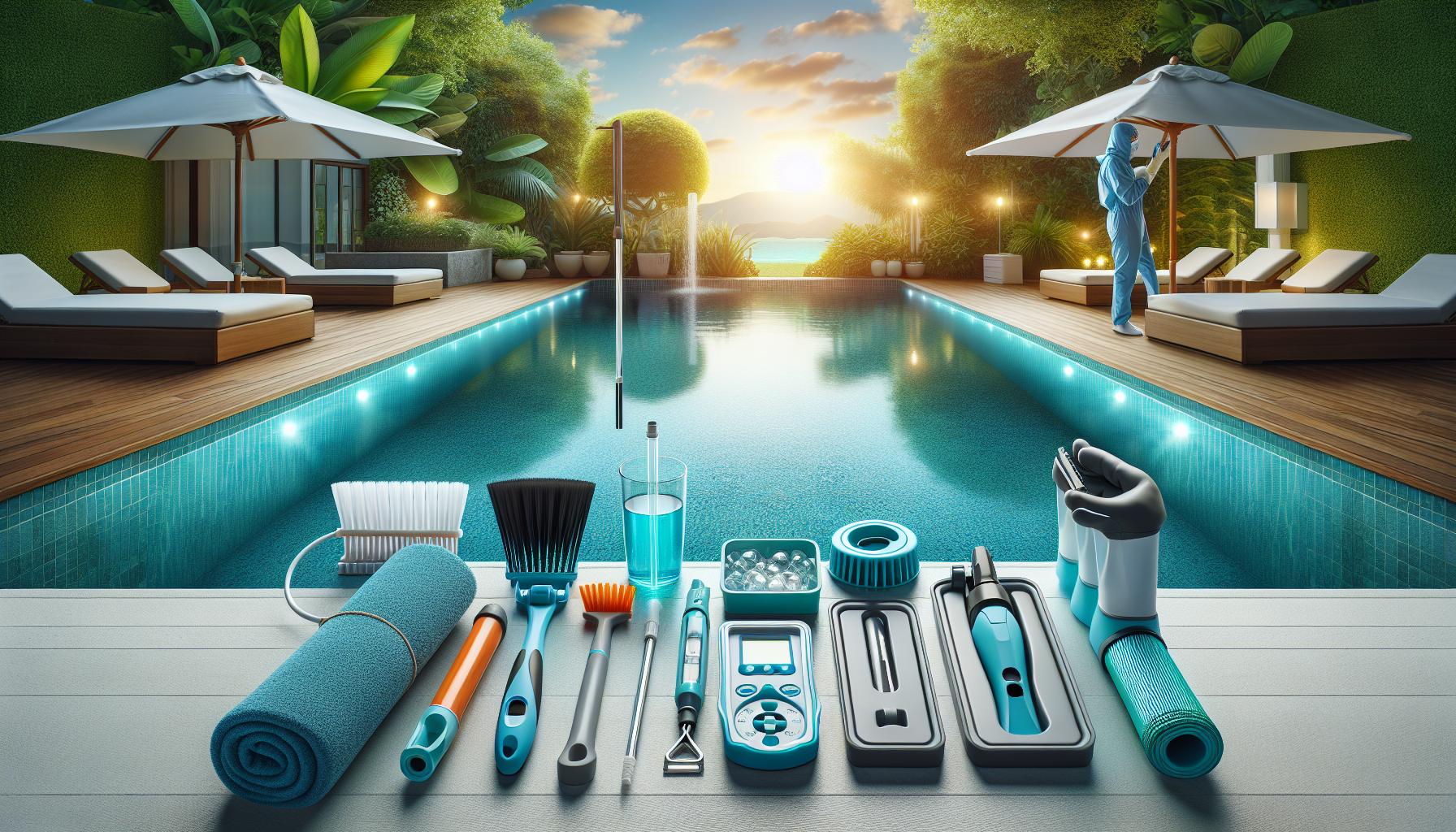
Step-by-Step Guide to Installing Your Pool
Installing a pool can be one of the most rewarding home improvement projects, transforming your backyard into a personal oasis. Whether you’re opting for a DIY approach or enlisting professional help, following a systematic step-by-step guide ensures a smoother installation process. Each phase builds on the previous one, providing clarity and direction to realize your backyard dream.
Start by selecting the location for your pool. Ensure the area is away from large trees whose roots may disrupt the installation and that it receives ample sunlight. Once the location is marked, prepare the site by clearing the area of debris, rocks, or any obstructions. For in-ground pools, the next step is excavation; this will require digging down to create a structure that fits your desired pool shape and depth. Ensure that the depth complies with local regulations and safety standards.
Once the excavation is complete, it’s crucial to install the pool walls and flooring. For above-ground pools, follow the manufacturer’s instructions for assembling the frame and attaching the walls securely. If you’re installing an in-ground pool, use a concrete mix or shotcrete for the walls, ensuring they’re level and properly supported. Afterward, add the flooring-typically a layer of sand or concrete, which will serve as a base for the pool liner or tiles.
Next comes the plumbing and electrical setup. Ensure all plumbing connections for the pool filter, heater, and water features are made before the pool is filled. Electrical lines must be carefully installed to power any lights, heaters, or automation features. It’s advisable to consult a licensed professional for these steps to comply with safety codes and standards.
Once the plumbing and electrical work is complete, you can add the pool liner or tiles. For a liner, carefully unfold and fit it to avoid wrinkles. If using tiles, ensure proper adhesive and allow sufficient time for drying. Following this, fill the pool with water, checking for any leaks in fittings or plumbing as it fills. After the pool is filled, it’s essential to balance the water chemistry before inviting anyone to dive in.
With these steps, you can take the plunge into your new lifestyle as a pool owner, all while ensuring a safe and enjoyable environment for everyone. Remember, preparation is key. Being methodical at each stage not only preempts common pitfalls but also empowers you to tackle any unexpected challenges with confidence.
Preparing Your Yard for Pool Installation
Before diving into your eagerly anticipated pool installation, effective preparation of your yard is crucial to ensuring a successful setup. One captivating fact to consider is that careful site preparation not only enhances the appearance and functionality of your pool but can also prevent future maintenance headaches and costly repairs.
Start by assessing the chosen location for your pool. Look for a level area that is free from overhanging branches, large rocks, or underground utilities that could obstruct installation. If there are trees nearby, be mindful of their roots, as they may grow and disrupt your pool structure over time. Ideally, select a spot that receives ample sunlight throughout the day to keep the water warm and enjoyable.
Once you’ve determined the ideal location, clear the space of grass, weeds, and other vegetation by using tools such as a shovel or a garden tiller. This step not only prepares a smooth surface for your pool but also helps prevent algae growth that may thrive under grassy areas. If you’re setting up an in-ground pool, it’s essential to mark out the shape and size of your pool with stakes and string, allowing you to visualize the area and plan for any necessary excavation.
Next, consider the drainage aspects of your landscape. Proper drainage is vital to prevent water from pooling around your pool area, which can lead to structural issues. Ensure that the ground slopes away from the pool and implement a drainage system if necessary. This can include gravel trenches or French drains to direct excess water away.
Lastly, keep safety in mind by marking the perimeter where the pool will be and inform family members of the construction zone. This is essential, especially if children or pets are present, to prevent any unexpected accidents during the installation phase. By following these systematic steps, you are setting the stage for a smooth pool installation process while empowering yourself to manage the subsequent challenges that may arise with confidence.
Common Mistakes to Avoid During Setup
When setting up a pool, the excitement can often overshadow critical planning steps. However, overlooking even minor details can lead to costly mistakes that affect both your installation process and your enjoyment of the pool in the long run. For instance, one common oversight is insufficient site preparation. Failing to clear the area of debris, roots, and proper vegetation can not only make installation difficult but may also invite problems such as algae growth or structural instability down the line. Ensure that the area is those trusted tools like shovels, rakes, and garden tillers.
Another frequent error is neglecting to account for proper drainage. An area that doesn’t drain well can lead to water pooling, which can cause leaks and erosion around the structure of your pool. To circumvent this complication, evaluate the grading of your yard beforehand. The ground should slope away from the pool, and considering installing drains if necessary, such as French drains, can significantly improve long-term stability and maintenance ease.
Moreover, many first-time pool owners rush into purchasing equipment without fully understanding their needs. Investing in oversized or outdated equipment can create unnecessary expenses and complications. Researching what types of filters, pumps, and maintenance tools suit your pool best can save you from headaches in the future. Remember, choosing quality over quantity is paramount-focus on the reliability and efficiency of your equipment rather than just its initial cost.
Lastly, safety during the installation process cannot be overstated. Mark the construction area to keep children and pets safe, and double-check that you understand all local regulations regarding pool installation. Ignoring these guidelines can lead to safety issues and unexpected legal repercussions. By taking these factors into account and planning accordingly, you can set yourself up for a smoother installation process and enjoy your pool with peace of mind.
Safety Measures Before and After Setup
Ensuring a safe environment around your pool is as crucial as the installation itself. From the moment you start planning your pool setup to the time it is fully operational, following safety measures can help you avoid accidents and promote a secure environment for family and friends. Before diving into the setup, it’s essential to establish boundaries and identify safety protocols.
Pre-Installation Safety Measures
Before installation begins, outline the pool area clearly using cones, flags, or tape to prevent accidents during the setup. This demarcation keeps children and pets away from construction zones, minimizing the risk of injury from tools and equipment. Familiarize yourself with local building codes and regulations regarding pools, as these often include safety requirements, such as fencing and safety covers. Checking with your municipality can save you from unwanted fines or safety hazards down the line.
Additionally, ensure you have proper gear handy for yourself and any helpers. Gloves can protect your hands from cuts and blisters, while sturdy shoes provide support and traction on uneven terrain. Always double-check equipment such as ladders or large tools before use, as malfunctioning tools can cause severe injuries.
Post-Installation Safety Measures
Once your pool is installed, implementing several safety practices is vital. First, consider the installation of a safety fence around the pool area to deter unsupervised access. Gates should be self-closing and self-latching, with hardware high enough that young children cannot reach it. Regularly inspect these barriers to ensure they function properly.
It’s also essential to maintain a first-aid kit nearby, stocked with essentials for minor cuts, scrapes, or stings. Teaching family members basic first aid, including how to perform CPR, can be invaluable. Further, setting rules regarding pool usage, such as ensuring adult supervision for minors, prohibits running, and diving only in designated safe areas can establish a safer atmosphere.
Monitoring and Maintenance
Regular monitoring of pool conditions contributes to safety. Check water quality frequently to prevent harmful microbial growth, and maintain proper chemical balance to deter skin and eye irritations. Additionally, routine maintenance around the pool area, like cleaning leaves or debris that could create slip hazards, helps ensure a safe and enjoyable experience for everyone.
By establishing these measures before and after your pool setup, you not only protect those who enjoy your new investment but also foster an environment where everyone can enjoy the swimming experience worry-free. Prioritizing safety throughout the process allows you to focus on fun and relaxation when it’s finally time to dive in.
Maintaining Your Pool After Setup
Maintaining a pool doesn’t have to be a daunting task. In fact, establishing a routine maintenance schedule can keep your pool sparkling clean and safe for everyone to enjoy. Regular upkeep not only prevents common issues but also prolongs the life of your pool and its components. Here’s a practical guide to keep your pool in top condition after setup.
A fundamental aspect of pool maintenance is ensuring the water quality remains balanced. Start with a weekly routine to check the pH and chlorine levels. The ideal pH range is between 7.4 and 7.6, while chlorine levels should be maintained between 1-3 parts per million (ppm). Investing in a good quality test kit can help you monitor these levels accurately. If you discover imbalances, adjusting them is simple: add chlorine to raise levels or baking soda to increase pH. Regular testing minimizes the risk of algae growth and keeps the water clear and safe for swimming.
Regular Cleaning Routines
In addition to checking chemical levels, it’s essential to keep your pool clean. This involves both surface and deep cleaning. For surface maintenance, use a skimmer net to remove leaves and debris daily. For deeper cleaning, consider these tasks:
- Vacuuming: Use a manual or automatic pool vacuum to clean the bottom and walls of the pool weekly.
- Brushing: Brush the pool walls and tiles at least once a week to prevent algae buildup.
- Filtration: Run your pool filter for 8-12 hours a day for optimal water circulation and clarity.
Keeping on top of these tasks will improve water clarity and enhance the aesthetic appeal of your pool.
Troubleshooting Common Issues
Even with diligent maintenance, pool owners may encounter some common issues. One frequent problem is cloudy water, which can often be traced back to poor filtration or imbalanced chemicals. If your water appears cloudy, check the filter and clean or replace it if necessary. Adjust chemical levels as discussed earlier, and consider running the filter for an extended period until clarity returns.
Algae blooms can also be a nuisance. If you notice green or brown patches in your pool, promptly brush them away and shock the water with a high dose of chlorine. Regular shocks, especially after heavy rain or when reopening the pool for the season, can help prevent these outbreaks.
Ultimately, requires a commitment to regular checks and cleaning but can be straightforward with a consistent routine. It not only ensures a safe swimming environment but also maximizes enjoyment for you and your guests. Remember, a well-maintained pool becomes a beloved centerpiece of outdoor fun!
Troubleshooting Common Pool Setup Issues
Setting up a pool can feel overwhelming, especially for first-time owners, but understanding how to troubleshoot common issues can turn potential frustrations into manageable challenges. One of the most frequent problems after installation is achieving perfect water clarity. If you notice your water has become cloudy, the culprit is likely poor filtration or imbalanced chemicals. Start by inspecting your filter; if it’s dirty or malfunctioning, clean or replace it as necessary. Additionally, regularly test your water chemistry, ensuring that pH levels are between 7.4 and 7.6, and chlorine levels sit within the 1-3 ppm range. Sometimes, simply running your filter continuously for 24 hours can help restore clarity to the water.
Another issue pool owners often face is algae growth, which can appear as unsightly green or brown patches. If you spot algae, act quickly. First, brush the affected areas to lift the algae from the surfaces. Following this, shock your pool with a high dose of chlorine; this not only kills the algae but also helps to balance chemical levels. It’s also a good idea to maintain regular shock treatments, especially after heavy rain or when reopening your pool for the season, as these conditions often lead to algae blooms.
Inconsistent water temperature can also present a problem, particularly for those looking to enjoy their pool in comfort. If the water feels uncomfortably cold or too warm, consider installing a pool heater or utilizing solar covers to maintain your desired temperature. Regularly check your heater’s functionality to avoid unwelcome surprises during your next swim.
Lastly, pump and filtration system issues can arise, leading to inadequate water circulation. If your pool’s water isn’t circulating properly, check for blockages or leaks in the system. Regular maintenance on your pump, including cleaning the skimmer and pump baskets, is key to ensuring everything runs smoothly. By being proactive in troubleshooting these common pool setup issues, you can enjoy a beautiful and functional pool without continual setbacks.
Upgrading Your Pool: Adding Features & Accessories
Enhancing your pool with features and accessories can turn a simple backyard setup into a lavish oasis, fostering an environment that is perfect for relaxation, socializing, and fun. Many homeowners overlook the numerous possibilities for upgrading their pools, yet these additions can significantly elevate your swimming experience. From practical upgrades that improve functionality to aesthetic enhancements that boost visual appeal, thoughtful additions can transform your pool area into a personalized retreat.
Essential Features to Consider
Adding accessories can enhance both the functionality and enjoyment of your pool. Consider integrating a solar cover to maintain water temperature, reduce evaporation, and minimize heating costs. Additionally, pool heaters can be installed to ensure your swimming sessions remain comfortable, even in cooler months. For safety, especially if children or pets are involved, installing a pool fence or safety cover is crucial. These not only provide peace of mind but are often a legal requirement in many areas.
Fun Additions for All Ages
Entertainment features can also elevate your pool area. Think about adding a water slide for kids or a diving board to foster a sense of adventure. For relaxation, consider a floating lounge or a spa area where you can soak in heated waters. Accessorizing your pool with LED lights can create an enchanting ambiance for evening swims, turning your backyard into a softly lit paradise.
Practical Accessories for Maintenance
To ensure your pool remains in top condition, consider upgrading with automatic pool cleaners or robust filtration systems. These assist in maintaining water clarity and cleanliness with minimal effort. Don’t forget to equip yourself with essential maintenance tools like a skimmer net, pool brush, and test kit to regularly check chemical levels. A properly maintained pool not only looks great but also extends the life of your equipment.
Budgeting for Your Upgrades
Before indulging in upgrades, it’s wise to establish a budget. Create a list prioritizing essential features over luxury ones. This planning allows you to allocate funds wisely and avoid overspending. Research product reviews and seek out seasonal sales to ensure you get the best value. By approaching upgrades strategically, you can enhance your pool experience while maintaining financial responsibility.
Embracing these enhancements not only maximizes your enjoyment and safety but also contributes to the overall aesthetic of your outdoor space. Making informed decisions about pool upgrades will help you create the perfect retreat for friends and family to enjoy for years to come.
Budgeting for Your Pool Setup Costs
Setting up a pool is an exciting endeavor, but it can also be financially overwhelming if not properly planned. Understanding the costs associated with your pool setup is essential to ensure that you stay within budget while creating the aquatic oasis you envision. As a general rule, costs can vary significantly based on the type of pool, installation choices, and additional features and accessories. Taking the time to anticipate these expenses will help avoid unpleasant surprises down the line.
Start by breaking down the essential costs into several key categories, which include the pool itself, installation, maintenance, and accessories. The primary cost will typically revolve around the pool structure-whether you choose an above-ground or in-ground option. Above-ground pools may range from $1,500 to $5,000, while in-ground pools can start at $20,000 and go well above $50,000 depending on the materials and design. Installation costs can significantly add to these figures, so it’s wise to account for professional labor if you’re not handling the setup yourself.
Moreover, maintain a separate plan for ongoing costs such as chemicals, cleaning equipment, utilities, and any potential repairs. To avoid overspending, consider setting aside a monthly budget for these expenses and shop around for the best deals on pool supplies. Additionally, it may be helpful to incorporate a flexible “buffer” into your budget-typically 10-15% of the total estimate-to cover unexpected costs.
Budgeting Tips
- Research and Compare: Look into different pool types, manufacturers, and installation services. Gathering multiple quotes will give you a more accurate picture of your total costs.
- Prioritize Your Needs: Distinguish between must-have features (such as safety fences) and nice-to-haves (like a diving board) to effectively allocate your budget.
- Plan for the Future: Think beyond initial setup costs by considering long-term maintenance and upgrades, which can add to the overall investment over time.
- Explore Financing Options: If upfront costs are prohibitive, investigate financing solutions or packages offered by pool retailers which may provide manageable payment plans.
By approaching your pool setup with a clear, strategic budget in mind, you can enjoy the satisfaction of creating a space that’s not only enjoyable and safe but also financially sound. With diligent planning and informed decisions, your dream pool can become a reality without breaking the bank.
Tips for First-Time Pool Owners
As a first-time pool owner, stepping into the world of pool maintenance and care can feel daunting, but it doesn’t have to be. Understanding the basics and being proactive can ensure your pool remains a refreshing oasis for years to come. Here are essential tips to help you navigate your new responsibility with confidence.
One of the most crucial aspects of pool ownership is establishing a consistent maintenance routine. Regular tasks such as skimming debris from the surface, brushing the walls, and vacuuming the bottom should become part of your weekly agenda. You should also monitor the chemical balance weekly-testing for pH, alkalinity, and chlorine levels is vital to keep the water safe and comfortable. A simple kit can check these levels, and there are numerous online resources to guide you in adjusting them if necessary. If you’re ever unsure about your readings, local pool supply shops often offer free testing services.
Safety should always be a top priority, especially if you have children or pets. Install a secure fence around your pool area to restrict access when it’s not in use, and consider investing in pool covers for added protection. Basic safety equipment like life rings and first aid kits should always be accessible. Moreover, teaching children about water safety and ensuring they know the rules around the pool can help mitigate risks.
Lastly, embracing preventive measures can save you time and money in the long run. Regularly check for leaks or cracks in your pool equipment and address minor issues before they escalate. Cleaning your filter and pump regularly will not only enhance their efficiency but also extend their lifespan. To make things easier, keep a checklist of all maintenance tasks-this can serve as a reliable schedule to keep your pool in top shape year-round.
By taking these steps, you’ll find that not only does pool ownership become an enjoyable experience, but it also fosters a safe environment for fun and relaxation. Embrace the learning curve, and don’t hesitate to seek help from professionals when needed; it’s all part of the pool ownership journey.
Resources for Further Learning and Support
Equipping yourself with the right resources can turn the daunting task of setting up a pool into an approachable and enjoyable experience. Numerous guides, online forums, and instructional videos can simplify the process, making sure you’re well-prepared for each step. Dive into reliable sources like pool manufacturer websites, which often offer comprehensive installation manuals that come with your pool kit, providing specific insights tailored to your type of pool.
For those who prefer visual learning, platforms like YouTube present countless tutorials demonstrating each phase of pool setup and maintenance. Engaging with these visual aids can enhance understanding and clarify common pitfalls to avoid. Additionally, consider joining online communities or local forums where pool owners share their experiences and solutions to challenges they’ve faced. This support network can provide practical advice, troubleshooting tips, and even recommendations on local service providers.
When it comes to keeping your pool in top condition long after installation, you might explore dedicated apps designed for pool maintenance. Many of these apps enable users to track water chemistry, schedule maintenance tasks, and receive reminders, ensuring you never overlook vital upkeep routines. Furthermore, local pool supply stores frequently offer workshops or classes on basic pool care, presenting a hands-on alternative for those who prefer direct interaction with industry professionals.
Lastly, don’t hesitate to reach out to pool experts for individualized assistance. Whether through consultations or service recommendations, professionals can offer bespoke guidance tailored to your unique pool setup and maintenance needs. By utilizing these resources, you’ll not only feel more confident in your pool ownership journey but also foster a healthier and safer swimming environment.
Faq
Q: How long does it take to set up a pool?
A: Setting up a pool can take anywhere from a few days to a few weeks, depending on the type and size of the pool. Above-ground pools are typically quicker to install, usually requiring 1-3 days, while in-ground pools might take 1-3 weeks, especially if excavation is needed.
Q: What are the best surfaces for pool installation?
A: The best surfaces for pool installation include level, solid ground such as concrete, or compacted dirt for above-ground pools. Avoid sandy or loose soil, as it can cause instability. Preparing a solid base will ensure your pool remains level and safe for use.
Q: Is professional help necessary for pool setup?
A: While some pool types can be set up by DIY enthusiasts, professional help is recommended for in-ground pools or complex projects. Hiring professionals ensures proper installation, adherence to safety regulations, and peace of mind that the pool will be safe and operational.
Q: What chemicals do I need to set up a pool?
A: Essential pool chemicals include chlorine for sanitization, pH balancers to maintain water quality, and algaecide to prevent algae growth. Start with a basic testing kit to monitor levels, ensuring the pool remains clean and safe for use right from the setup.
Q: How do you prepare the ground for pool installation?
A: Preparing the ground involves clearing the area of debris, leveling the soil, and compacting it to create a stable base. Mark the pool’s outline with stakes and string to guide the excavation or installation process, ensuring a proper fit for your pool.
Q: What are the common mistakes to avoid during pool installation?
A: Common mistakes include poor site preparation, improper leveling, neglecting safety measures, and making incorrect calculations for sizing and depth. Ensure thorough research and planning to avoid these pitfalls and achieve a successful pool setup.
Q: How much does it cost to set up a pool?
A: The cost of setting up a pool can vary widely based on type, size, materials, and additional features. Above-ground pools may start around $1,500, while in-ground pools typically range from $20,000 to over $50,000, depending on design and installation needs.
Q: What steps should I take after pool setup?
A: After setup, ensure thorough water testing, shock the water with chlorine, and establish a regular maintenance routine, including cleaning filters and checking chemical levels. Familiarize yourself with safety measures and pool usage guidelines to enjoy your new pool responsibly.
In Conclusion
Congratulations on taking the first steps to set up your pool! Now that you understand the essentials, remember that maintaining your pool is just as important. Check out our articles on essential maintenance tips and how to troubleshoot common pool issues for ongoing support. If you have any lingering questions or need personalized advice, don’t hesitate to reach out or drop a comment below.
Ready to dive deeper? Explore our beginner’s guide to pool accessories and discover everything from cleaning tools to water testing kits that can enhance your pool experience. The journey doesn’t end here – sign up for our newsletter to stay updated with the latest tips and tools to make your pool ownership a breeze. It’s time to enjoy your refreshing oasis, so jump in and start making lasting memories!