
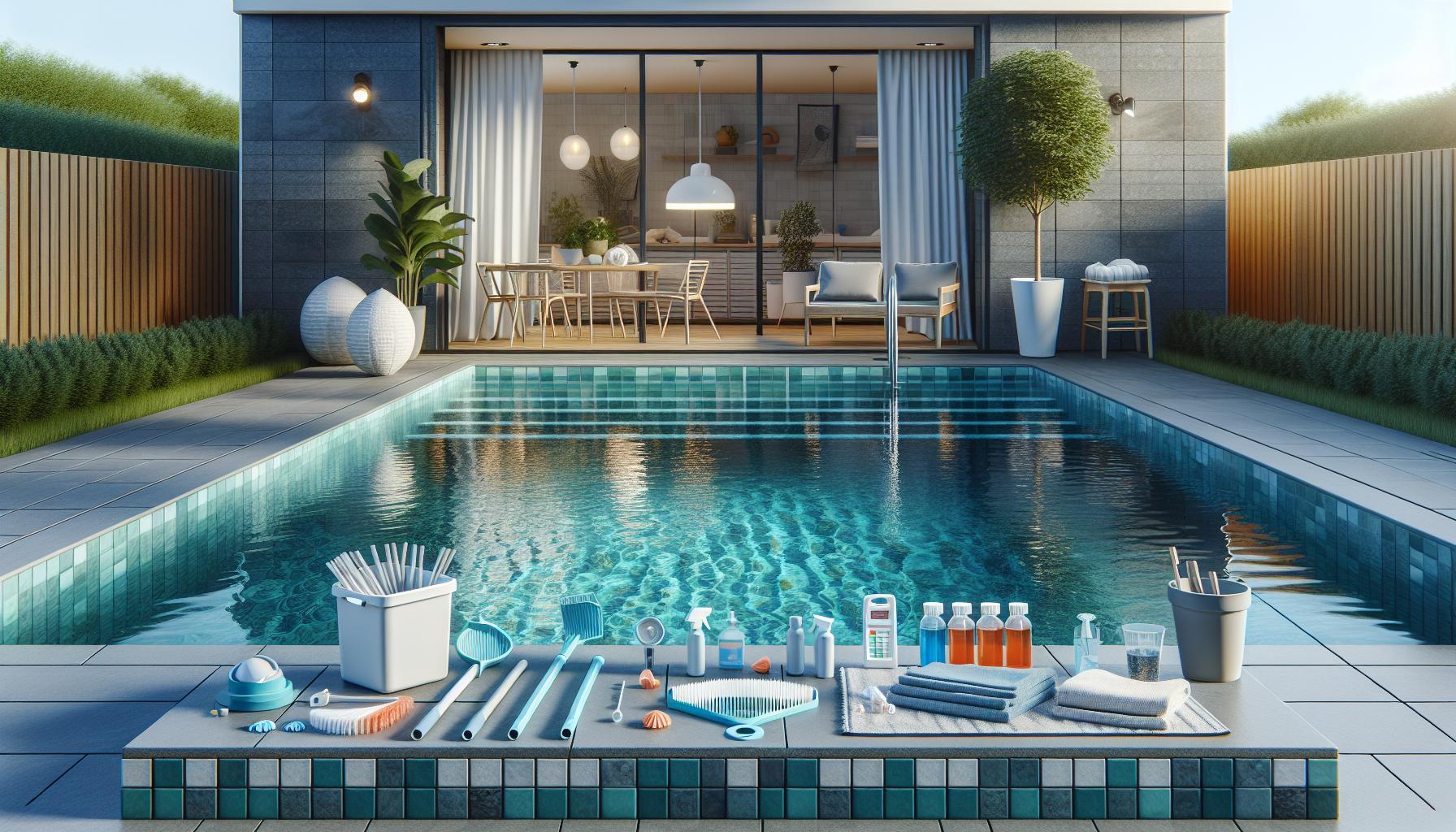

When considering a fiberglass pool, understanding the costs involved is essential for making an informed investment. Did you know that fiberglass pools are often praised for their durability and low maintenance requirements? This means you can enjoy more time swimming and relaxing, and less time worrying about upkeep.
In today’s market, the price of fiberglass pools can vary significantly based on factors such as size, design, and installation. As a potential pool owner, you’re likely aiming to balance quality and cost, ensuring that your decision offers long-term value for your family.
Join us as we dive into the intricacies of fiberglass pool pricing, comparing different options to help you find the perfect fit for your backyard oasis. Understanding these financial aspects will empower you to make the best choice while enhancing your outdoor lifestyle.
Understanding the Costs of Fiberglass Pools
When considering a fiberglass pool, it’s essential to understand the various cost elements involved. On average, the installation costs of fiberglass pools can range from $20,000 to $60,000, including the pool shell itself, labor, and other essentials. However, the investment doesn’t stop there; several factors can influence the final price, such as location, pool size and shape, and site preparation requirements. Additionally, upgrades such as heating systems, lighting, and landscaping options can substantially increase costs.
One of the primary advantages of fiberglass pools is their relatively low upkeep compared to other types, like vinyl or concrete pools. This advantage translates into long-term savings, making them a more appealing option for many homeowners. Fiberglass pools are known for their durability and minimal maintenance needs, which can lead to fewer expenses over the pool’s lifespan.
Factors Influencing Costs
- Location: Geography plays a significant role; regions with higher labor costs may see increased installation expenses.
- Size and Shape: Larger and custom-shaped pools require more materials and labor, driving costs up.
- Preparation: If substantial excavation or site work is needed, this can add to the overall cost.
- Additional Features: Accessories like waterfalls, slides, or advanced filtration systems can significantly enhance the pool experience but will also affect the total price.
Budgeting for a fiberglass pool not only requires an initial investment but also consideration of maintenance and potential financing options for your new aquatic retreat. Ultimately, understanding these cost factors can help you make an informed decision, ensuring that your investment aligns with your budget and long-term enjoyment.
Factors Influencing Fiberglass Pool Prices
When exploring the costs associated with fiberglass pools, it’s crucial to understand that several factors can significantly influence the final price. While the initial investment may seem daunting, recognizing what drives these costs can empower you to make informed choices that align with your budget and expectations.
Geographical location is one of the most significant contributors to variations in pricing. Labor costs tend to fluctuate based on regional economic conditions; higher demand in certain areas or states with strict building codes can drive up installation costs. It’s worthwhile to research local contractors and gather multiple quotes to identify the best pricing options in your area.
The size and shape of the pool are also critical determinants of cost. Standard sizes generally cost less due to the efficiencies in manufacturing and installation, whereas customized pools can quickly escalate in price. Modular shapes can often save you money compared to organic, free-flowing designs, which might require more complex construction techniques. Additionally, meticulous site preparation can add to the overall expenses, especially if significant excavation or landscaping is required to accommodate your chosen pool design.
Another factor to consider is the inclusion of advanced features. While a standard fiberglass pool brings inherent benefits such as low maintenance needs and durability, opting for extras like built-in waterfalls, lighting systems, or automated cleaning technologies can substantially elevate the overall cost. Each added feature not only increases the initial investment but may also impact future maintenance needs. It is advisable to weigh these enhancements against your budget and long-term enjoyment.
In essence, while fiberglass pools are an investment, understanding these various factors can provide clarity and confidence as you navigate the purchasing process. With informed decisions, you can create a beautiful, enduring backyard retreat that suits your lifestyle and enhances your home’s appeal.
Comparing Fiberglass Pool Costs with Other Options
Comparing the costs of fiberglass pools with other options reveals significant insights into the overall value each type of pool brings to homeowners. With choices often boiling down to fiberglass, vinyl, and concrete pools, understanding their price points, maintenance requirements, and longevity helps you make an informed decision.
Fiberglass pools typically have a higher upfront cost, averaging between $20,000 to $60,000, depending on size and custom features. However, they shine when considering long-term expenses. In contrast, vinyl pools start at around $15,000 but can incur higher maintenance costs due to liner replacements every 5 to 9 years, adding to your overall investment. Conversely, concrete pools may cost anywhere from $30,000 to over $100,000 initially. Still, they offer the most customization options, albeit with the highest maintenance needs – including regular resurfacing and chemical balancing – which can add significant long-term costs.
When evaluating these options, consider factors beyond just price. For instance, fiberglass pools can boast a lifespan of 25 years or more with minimal maintenance compared to vinyl and concrete pools, which often require more frequent repairs and updates. Additionally, the smooth surface of fiberglass reduces the need for harsh chemicals; this aspect not only improves swimmer comfort but also contributes to lower chemical costs over time.
In summary, while fiberglass pools may require a higher initial financial commitment, their durability, low maintenance needs, and the reduced need for chemicals often make them a more economical choice in the long run. By carefully weighing the initial costs against potential future expenditures, you can find the pool option that delivers the best value for your investment and lifestyle.
Budgeting for Additional Installation Expenses
When embarking on the journey of installing a fiberglass pool, understanding the additional installation expenses is crucial to effective budgeting. While the initial cost of the pool itself ranges from $20,000 to $60,000, there are several factors that can significantly influence the total investment required. These include site preparation, labor charges, and any additional features that enhance your pool’s functionality or aesthetic appeal.
Key Installation Expenses
- Site Preparation: Before your fiberglass pool can be installed, the area must be properly prepared. This often involves excavation, grading, and landscaping, which can add anywhere from $1,000 to $5,000 to your overall cost, depending on the condition of your yard and the complexity of the landscape.
- Plumbing and Electrical Work: Installing a pool involves connecting it to plumbing and electrical systems for heating, filtration, and lighting. Budget an additional $2,500 to $5,000 for these services, which can vary greatly based on local labor rates and the specifics of your setup.
- Additional Features: Consider if you want to include enhancements like waterfalls, LED lighting, or integrated heating systems. Each of these features can quickly add thousands to your installation costs.
- Permits and Inspections: Most areas require permits for pool installation, which can range from $500 to $2,000 depending on local regulations. Always factor in the time and costs associated with obtaining necessary permits to avoid delays and unexpected expenses.
Managing Unexpected Costs
It’s not uncommon for homeowners to face unexpected costs during the installation process. To mitigate these risks, create a budget that includes a contingency fund of about 10-20% of your total expected costs. This buffer can help cover unforeseen issues such as soil problems or the need for additional drainage solutions. Always communicate openly with your contractor about potential issues and ensure you understand the details of your contract, including clauses related to extra charges.
By carefully planning your budget with these considerations in mind, you can navigate the additional installation expenses of fiberglass pools with greater confidence, ensuring your dream pool becomes a reality without financial surprises.
Value Assessment: Are Fiberglass Pools Worth It?
With the growing popularity of fiberglass pools, many homeowners are left wondering whether the investment aligns with their long-term needs and lifestyle. One significant advantage of fiberglass pools is their durability; the gel-coat finish resists stains and fading, meaning fewer chemicals and maintenance requirements over time. This results in not only a lower frequency of upkeep but also a more pleasant swimming experience due to clearer, cleaner water.
Moreover, the ease of installation contributes to their value. Fiberglass pools can often be installed more quickly than other types, such as concrete or vinyl-lined pools, typically in just a few weeks. This timeliness translates into saving on labor costs and minimizes the disruption to your yard and home life. When evaluating the overall cost versus value, it’s also crucial to consider the potential energy savings from using fiberglass. Their smooth surface requires less energy for heating, as they retain heat much better than alternatives.
In terms of lifespan, fiberglass pools often outlast other materials. With proper maintenance, they can last for decades, significantly enhancing the resale value of your property. Homebuyers frequently perceive pools as attractive features, and a well-maintained fiberglass pool can be a selling point that distinguishes your home from others on the market.
To summarize, the investment in a fiberglass pool can be well worth it when factors such as durability, lower maintenance costs, quicker installation, and long-term value appreciation are considered. As a practical step, homeowners should maintain a regular cleaning schedule and check for any minor repairs to ensure their fiberglass pool remains in top condition, safeguarding their investment for years to come.
Long-Term Maintenance Costs of Fiberglass Pools
Investing in a fiberglass pool not only promises an inviting oasis for you and your family but also offers long-term cost benefits in maintenance. Unlike concrete pools, which can crack and require extensive upkeep that adds up over time, fiberglass pools are generally easier and less expensive to maintain. The gel-coat surface makes them resistant to algae and staining, drastically reducing the frequency of necessary cleanings and treatments.
To keep your fiberglass pool in optimal condition, you’ll need to keep a regular maintenance schedule that focuses on three key areas: water chemistry, physical upkeep, and seasonal considerations. Conduct regular water testing at least once a week during peak swimming season. This ensures that pH levels, chlorine, and alkalinity are balanced, which can save you money on chemical purchases in the long run. Maintaining proper water chemistry not only keeps your swimming environment safe but can also help prolong the life of your pool’s lining.
Regular Maintenance Tasks
To easily manage your fiberglass pool, adhere to these regular maintenance tasks:
- Skim Debris: Remove leaves and surface debris daily using a pool skimmer.
- Vacuum the Pool: Perform vacuuming weekly to keep the bottom clear of dirt and algae.
- Filter Maintenance: Check and clean filters every month to maintain optimal water flow.
- Inspect for Damage: Look for any minor repairs needed on your pool’s surface at least once a month.
Seasonal Considerations
Depending on your geographic location, seasonal changes can impact your pool’s maintenance needs. As the weather gets cooler, a comprehensive winterizing process is necessary. This includes lowering the water level, adding winter chemicals, and safely covering the pool to prevent debris accumulation. Make sure to check your cover regularly for sagging or damage, which could lead to additional costs if not addressed.
Ultimately, while the upfront costs of fiberglass pools may appear substantial, their long-term maintenance costs remain lower compared to other pool types. By providing ongoing care and prompt attention to detail, you’ll not only enjoy your pool but also protect and enhance your investment for years to come.
Financing Options for Your Fiberglass Pool
Investing in a fiberglass pool represents a significant financial commitment, but various financing options can make it more manageable. Understanding the possibilities available allows homeowners to confidently navigate their purchase while keeping their budget intact. One common approach is to secure a home equity loan or line of credit, which allows you to borrow against the equity in your home. This can provide lower interest rates compared to personal loans and might offer tax benefits, but it’s crucial to assess the potential risks, such as the possibility of foreclosure if payments are missed.
Personal Loans and Financing Plans
Personal loans can also be an attractive option for financing a fiberglass pool. Many banks and credit unions offer unsecured loans with fixed rates. These loans usually have a quick approval process, which means you can start your project sooner. Additionally, some pool manufacturers and installers provide their own financing plans or partnerships with financial institutions. This often includes promotional periods with low or no interest, making it easy to budget for monthly payments without incurring high costs from other sources.
Credit Cards and Alternative Options
Using a credit card with a low introductory rate is another option, especially if you can pay off the balance within the promotional period. However, be cautious of high credit card interest rates afterward, which can add up quickly if the balance isn’t managed properly. Similarly, exploring peer-to-peer lending platforms can yield competitive rates, often with more flexible terms than traditional lending options.
By researching and considering these financing avenues, potential fiberglass pool owners can tackle their dream project without overwhelming financial strain. It’s advisable to compare interest rates, terms, and repayment options comprehensively to find the best fit for your budget and financial situation. Making informed choices here can pave the way for years of enjoyment in your new pool, providing both relaxation and an increase in home value.
Average Lifespan and Durability Factors
Considering a fiberglass pool represents not just a style choice but a long-term investment, understanding its lifespan and durability factors is paramount. Typically, fiberglass pools boast an impressive lifespan of around 25 to 30 years, significantly outlasting many other types of pools, such as vinyl or above-ground options. This longevity is attributed to the inherent strength of fiberglass materials, which resist cracking and fading over time, making it a cost-effective choice for homeowners looking for a lasting addition to their backyard.
Several factors influence the durability of fiberglass pools. Quality of installation is crucial; choosing an experienced installer ensures the pool shell is set properly and supported uniformly to prevent shifting and cracking. Additionally, local climate conditions can impact the pool’s longevity. Areas with extreme temperatures or heavy rainfall may require adjustments in maintenance practices to enhance lifespan. Regular inspections and maintenance can catch minor issues before they develop into major problems. Here are some maintenance tips to keep your fiberglass pool in optimal condition:
- Regular Cleaning: Remove debris and clean pool surfaces weekly to prevent stains and algae buildup.
- Monitor Water Chemistry: Test and balance your pool water regularly, ensuring proper pH and chlorine levels to prevent waterline staining and skin irritation.
- Inspect for Damage: Conduct routine checks for any signs of wear, such as cracks or discoloration, to address issues promptly.
- Winterizing: In colder climates, prepare your pool for winter by properly draining and covering it to prevent freezing damage.
Beyond basic maintenance, the use of quality pool covers and the regular application of protective coatings can further extend the life of your fiberglass pool. While the initial investment might be higher compared to other materials, the long lifespan and low maintenance requirements affirm the value of fiberglass pools. Choosing this option not only provides peace of mind concerning durability but also enhances the aesthetic and financial value of your property. Understanding these aspects equips homeowners with the knowledge needed to enjoy their pools confidently and responsibly for years to come.
Comparative Analysis of Pool Sizes and Prices
When investing in a fiberglass pool, size plays a crucial role in determining the overall cost and value of your project. Generally, the dimensions of your pool will significantly influence the initial investment as well as the long-term expenses associated with maintenance and operation. Smaller pools, often ranging from 12 to 16 feet in length, may cost significantly less upfront-typically between $20,000 to $35,000-while larger models that stretch beyond 40 feet can soar to $70,000 or more, depending on features and customization choices.
Location also factors into pricing, as regional labor rates and transportation costs for the pool shell can vary. A smaller fiberglass pool installed in a region with a lower cost of living may deliver more value, given its affordability and ease of maintenance. In contrast, homeowners in high-demand areas might find that even basic installations exceed the average market rate due to inflated labor costs and design considerations. Moreover, the shape of the pool can add to the expense: custom shapes often require more intricate installation processes, driving costs upward.
Estimating Costs Based on Dimensions
To better understand how pool size impacts pricing, consider the following table that outlines typical price ranges based on pool sizes:
| Pool Size | Average Cost |
|---|---|
| Small (12 – 16 feet) | $20,000 – $35,000 |
| Medium (16 – 25 feet) | $30,000 – $50,000 |
| Large (25 – 35 feet) | $50,000 – $70,000 |
| Extra Large (35+ feet) | $70,000+ |
Ultimately, the decision on pool size should align with your family’s needs, backyard space, and budgetary considerations. Opting for a smaller pool can not only minimize initial costs but also lead to lower long-term maintenance expenses, such as reduced chemical and heating needs. Conversely, larger pools may provide more recreational opportunities, catering to larger gatherings and activities, thus offering different values that may justify their higher costs. Familiarizing yourself with these variables will empower you to make an informed choice tailored to your lifestyle and financial objectives.
Customization Features and Their Impact on Costs
The allure of a fiberglass pool lies not just in its durability and aesthetics, but also in the myriad of customization options that cater to individual preferences and backyard designs. Customization can significantly affect the overall cost of your fiberglass pool, often transforming a standard installation into a personalized oasis. Homeowners are increasingly opting for unique colors, textures, shapes, and additional features like built-in seating or spa jets, each offering a different price point that can enhance both visual appeal and functionality.
When considering customization features, it’s important to recognize how they impact installation costs. For instance, a straightforward rectangular pool is generally more affordable than an irregularly shaped or uniquely designed pool. Additional features, such as water slides, fountains, or LED lighting systems, also drive up costs. Fiber optic lighting, which can create stunning night-time displays, is a popular upgrade but should be factored into your budget. It’s advisable to create a prioritized list of desired features to help allocate budget more effectively while making trade-offs where necessary.
Popular Customization Options
When deciding on custom features, opportunities abound:
- Color and Finish: Available in various shades, from soothing blues to elegant greys, the choice of color can dramatically alter the aesthetic. Textured finishes can also improve slip resistance, adding both beauty and safety.
- Shapes and Sizes: Unique designs such as freeform pools or geometric shapes allow for a tailored fit in your space, but they come with a higher price tag due to complex installation processes.
- Additional Features: Incorporating features like built-in benches, steps, or a tanning ledge not only enhances usability but can also increase the pool’s overall cost depending on the complexity and materials used.
- Heating and Lighting Systems: Options for pool heating (solar or gas) and lighting can significantly enhance the swimming experience, particularly in cooler climates or for nighttime swimming, though they add to the initial setup cost.
Being keenly aware of how these elements impact pricing can empower you to make informed decisions that align with your vision and budget. It’s essential to conduct thorough research and consult with installers, who can provide insights into the expected costs and potential return on investment from each feature. Ultimately, optimal customization should balance your desire for a stunning pool with practical considerations, ensuring that your choice enhances not just the pool’s beauty but also its long-term value and enjoyment.
Understanding Warranty and Support Options
When investing in a fiberglass pool, understanding the warranty and support options available can significantly enhance your peace of mind and protect your financial investment. Most fiberglass pool manufacturers offer warranties that cover different aspects of the pool, including structural integrity, surface finish, and accessories. Typically, a standard warranty lasts between 25 years to a lifetime, depending on the specific components. However, it’s essential to read the fine print, as many warranties can be voided if not installed by certified professionals or if proper maintenance isn’t performed.
Here are some key areas to consider regarding warranties:
- Structural Warranty: This usually covers the shell of the pool against cracking and structural defects. Ensure it clearly details what is covered and the duration.
- Surface Warranty: This protects against surface blisters, fading, or peeling. Check how long this warranty lasts and under what conditions it applies.
- Accessories Warranty: Many pool packages come with additional elements like filters, pumps, and heaters. These typically have shorter warranties ranging from 1 to 5 years.
- Labor Warranty: Inquire if the installer provides any labor warranty. This can cover installation errors that may lead to issues down the line.
Understanding your warranty options equips you to navigate potential repairs or claims confidently. If issues arise, always keep documentation of your purchase and installation, including any maintenance records. It can be beneficial to engage in a thorough discussion with your installer about their support services post-installation. Ideally, local professionals will be familiar with the specific pool type and share insights into common issues and preventative measures.
Additionally, many manufacturers offer customer support for troubleshooting and maintenance guidance. Familiarizing yourself with these resources can empower you to handle minor issues independently. For example, if you notice a minor crack, knowing the warranty process will help you determine if it can be repaired or needs to be claimed under warranty. Being proactive with regular maintenance, such as maintaining proper water chemistry and cleaning the pool regularly, can significantly extend the life of your fiberglass pool and help you enjoy it without worry.
Tips for Finding the Best Deals on Fiberglass Pools
Finding the ideal fiberglass pool at the right price can feel overwhelming, but with the right strategies, you can navigate this process with confidence. Start your search by conducting thorough research on various manufacturers and their offerings. Look for companies with a solid reputation and positive customer reviews, as this can significantly impact your overall satisfaction with the pool. Utilize online forums and local community groups to gather insights and personal experiences from other pool owners which can guide you toward reputable dealers.
Next, timing your purchase can play a significant role in securing the best deal. Many pool manufacturers and installers offer promotions during the off-season or around holidays, so consider planning your purchase during these times. Additionally, take advantage of price comparisons between different suppliers. Creating a table to track offers, including installation costs, can help you visualize your options more clearly.
Negotiate and Explore Financing Options
When you’ve narrowed down your options, don’t hesitate to negotiate. Many pool companies are willing to discuss pricing or throw in additional features or services at no extra charge. Be transparent about your budget constraints, and inquire if there are any upcoming sales or discounts that could apply.
Moreover, explore financing options to ease the financial burden. Some manufacturers offer financing plans or partnerships with financial institutions which can make your dream pool more accessible. Review the terms carefully to ensure you choose a plan that aligns with your long-term financial goals.
Consider Used Pools and Refurbishment
Another effective approach to finding the best deal is exploring the option of used or refurbished pools. Many homeowners upgrade, leaving behind well-maintained fiberglass pools at a fraction of the cost. Sites like eBay, Craigslist, or local classifieds can be goldmines for such deals. Ensure you have a pool inspection done to evaluate the condition before committing.
By implementing these strategies, you empower yourself to invest wisely in a fiberglass pool that meets your preferences and budget, setting the stage for years of enjoyment.
FAQ
Q: How much do fiberglass pools cost on average?
A: On average, fiberglass pools typically cost between $40,000 to $85,000, depending on size, shape, and features. Additional factors like installation and landscaping can influence the final price. It’s wise to obtain multiple quotes to find a deal that fits your budget.
Q: What factors affect the cost of fiberglass pools?
A: Several factors affect the cost of fiberglass pools, including size, depth, location, and manufacturer. Customization features such as additional steps, lights, or jets can also increase the overall expenditure. Reviewing these aspects can help you budget accurately before making a purchase.
Q: Are fiberglass pools more affordable than concrete pools?
A: Yes, fiberglass pools are generally more affordable upfront compared to concrete pools. While fiberglass pools can range from $40,000 to $85,000, concrete pools can start at $50,000 and go significantly higher. Additionally, fiberglass pools often have lower long-term maintenance costs.
Q: What are the long-term costs associated with fiberglass pools?
A: Long-term costs for fiberglass pools include maintenance expenses like cleaning, water chemistry balancing, and equipment repairs. Homeowners can expect annual costs ranging from $1,200 to $2,500, depending on pool usage and local climates. Regular maintenance can enhance the pool’s longevity and performance.
Q: Can I finance my fiberglass pool installation?
A: Yes, many homeowners choose to finance their fiberglass pool installation. Financing options often include loans from banks, credit unions, or pool companies. Research various financing plans to find one that best suits your budget and repayment capability.
Q: How do I find the best deals on fiberglass pools?
A: To find the best deals on fiberglass pools, compare quotes from multiple contractors, look for seasonal discounts, and between different brands. Additionally, attending local home shows may provide opportunities to connect with reputable vendors and explore promotional offers.
Q: What sizes of fiberglass pools are available and their pricing?
A: Fiberglass pools come in various sizes, typically ranging from 10×20 feet to 20×40 feet. Prices start around $40,000 for smaller models and can go up to $85,000 for larger, custom designs. Assess your available space and desired features to determine the best fit for your yard.
Q: Are fiberglass pools a good investment?
A: Yes, fiberglass pools are considered a good investment due to their durability, low maintenance needs, and potential to increase property value. With an average lifespan of 25 years or more, they can provide long-term enjoyment and financial returns if you decide to sell your home.
To Conclude
Investing in a fiberglass pool is not just about upfront costs-it’s about value over time, maintenance ease, and the joy it brings to your family. With a variety of options available, understanding pricing and comparing features ensures you make the best choice for your needs. Don’t miss out on creating your backyard paradise! Explore our guides on pool maintenance tips and the benefits of fiberglass versus other materials to enhance your decision-making process.
If you’re ready to dive into a healthier lifestyle with a beautiful pool, contact us today for personalized consultations or check out our detailed product pages for more information. Remember, your dream pool is just a decision away-act now to secure the benefits that come with fiberglass. Have questions? Share your thoughts in the comments below or join our newsletter for the latest tips and updates. Your perfect summer oasis is waiting!


