


Enjoying a serene swim in your pool can quickly turn into a hassle when birds decide to visit. Not only can their presence lead to unsightly messes, but they can also introduce bacteria and disrupt your restful outdoor experience. For pool owners, finding effective ways to deter these feathered intruders is essential for maintaining a clean, safe, and enjoyable environment.
In this guide, we’ll explore proven deterrents that keep birds at bay, allowing you to focus on making the most of your pool time. From visual scare tactics to sound devices, we’ll dive into a variety of strategies tailored to meet your needs. With the right approach, you can reclaim your pool for peaceful swims and leisurely afternoons. Discover how simple adjustments can lead to significant improvements, enhancing your outdoor oasis.
How Birds Interfere with Pool Enjoyment
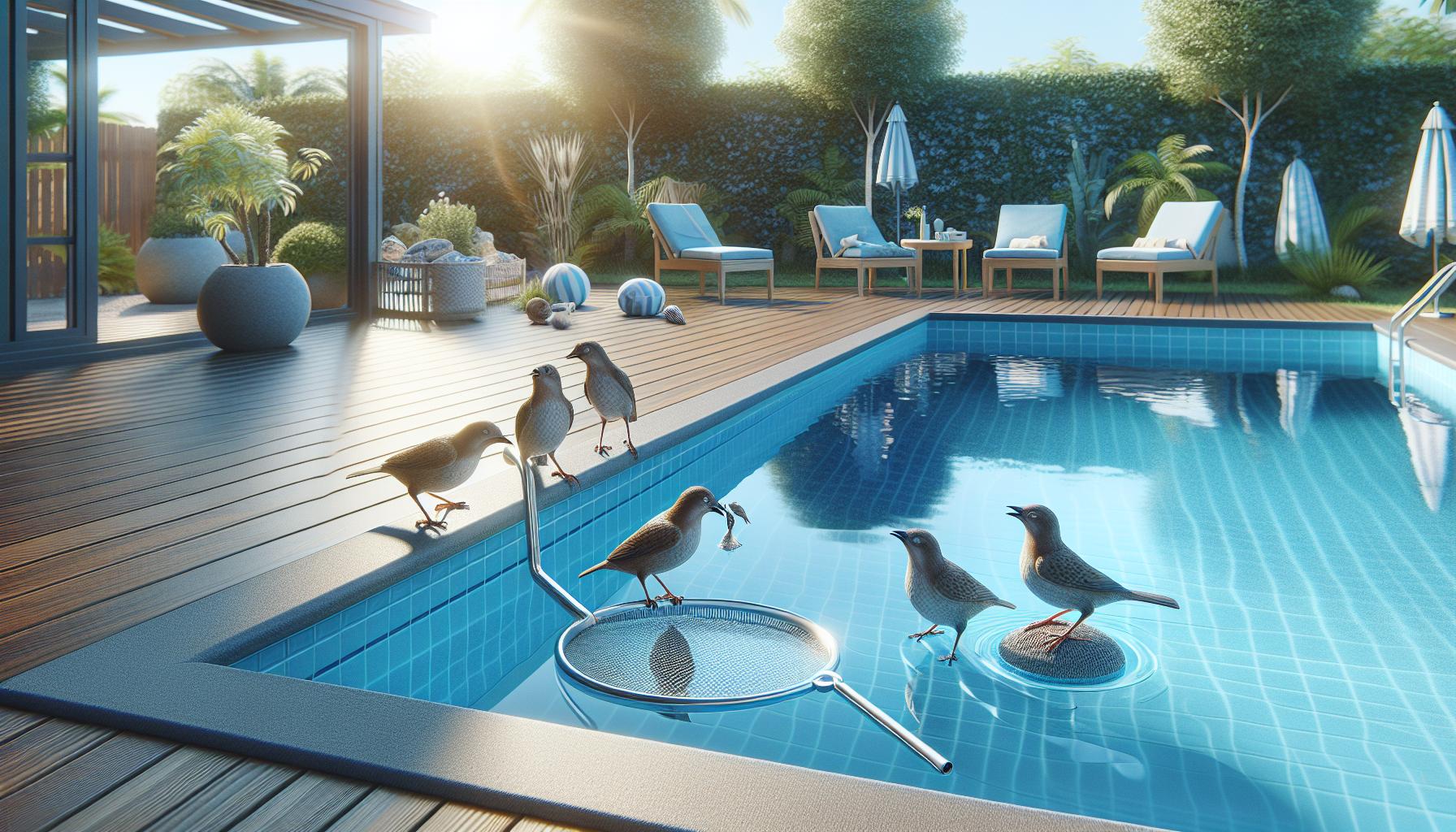
Birds are beautiful creatures that can bring life to your backyard, but they can also turn your pool experience into a frustrating ordeal. Whether it’s enjoying a refreshing swim on a hot day or hosting a pool party, the presence of birds can disrupt your enjoyment in several ways. From leaving behind unsightly droppings that create a health hazard to plucking at pool floats or even occasionally diving for snacks, birds can quickly become unwelcome guests in your aquatic retreat.
To maintain the tranquility of your pool area, it’s essential to understand how birds interfere with leisure activities. Droppings from birds not only ruin the aesthetics of your poolside but can also pose health risks, as they may carry diseases that can be transmitted to humans. Additionally, birds often make nests near our pools, which can lead to increased noise and the possibility of pests that feed on the nests. All of these factors make it crucial for pool owners to implement strategies that effectively minimize bird activity.
Fortunately, there are several actionable steps you can take to mitigate these issues. Start by considering physical barriers such as netting or screens that can prevent birds from accessing the pool area directly. Additionally, introducing sound deterrents like wind chimes or ultrasonic devices can help disrupt their comfort zones. Plants that naturally repel birds, like certain herbs or thorny bushes, can also create an uninviting environment without harming the aesthetic quality of your pool area. By proactively managing these challenges, you can transform your pool into a serene oasis, free from the disruptions caused by our feathered friends.
Identifying Common Poolside Bird Species
Understanding the types of birds that frequent your pool area is crucial for implementing effective deterrents. Many pool owners find themselves inadvertently attracting specific bird species, often due to nearby food sources or suitable nesting spots. By identifying these common avian visitors, you can better tailor your strategies to keep your pool free from their unwanted presence.
A few species commonly spotted around pools include:
- Pigeons: Often drawn to urban environments, pigeons can be persistent visitors, leaving droppings and debris.
- Starlings: These birds are notorious for flocking in large numbers, easily making a mess around pool areas.
- Sparrows: Small and agile, sparrows may peck at poolside snacks or float on the water.
- Gulls: If you live near coastal areas, gulls might frequent your pool, often diving for food or snatching items from pool decks.
- Herons: These tall birds are known for hunting fish and can pose a danger to your pool’s ecosystem if they find your water inviting.
By recognizing these visitors, you can implement specific solutions that cater to their behaviors. For instance, if you frequently see gulls, consider installing netting or visual scare tactics that mimic predatory birds. If sparrows or starlings are an issue, assessing and minimizing food availability close to the pool can significantly deter them. Additionally, keeping your pool area clean and free of debris will lessen the appeal for these birds, making it less likely they will choose your backyard as their feeding ground.
Ultimately, comprehension of these common species and their habits is the first step in creating a peaceful poolside experience. By understanding who you are dealing with, you empower yourself to take more directed action, enhancing your enjoyment of your outdoor oasis.
Proven Deterrents to Keep Birds Away
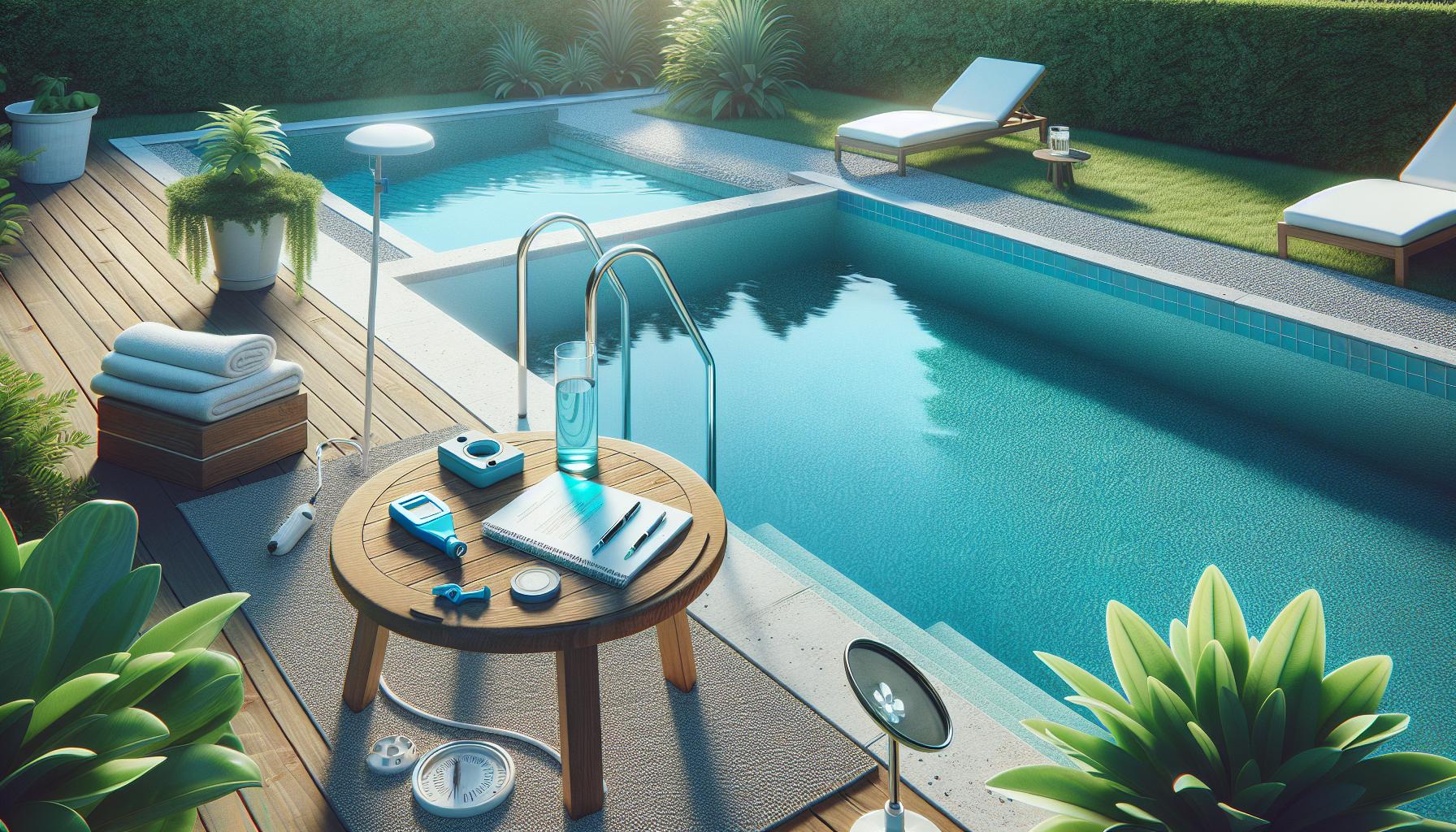
Many pool owners underestimate the challenge of keeping birds away, yet understanding effective deterrents can transform your pool area into a serene escape rather than a mess of feathers and droppings. Utilizing a combination of strategies not only minimizes bird visits but also enhances your swimming experience, ensuring a clean and enjoyable environment.
To start, maintaining a clutter-free vicinity around the pool is essential. Birds are often attracted to food sources, so ensure that poolside snacks or spills are promptly cleaned up. Additionally, secure trash bins with tight-fitting lids to eliminate potential feeding grounds. For persistent pest species, consider implementing specific deterrents such as motion-activated sprinklers, which can scare birds away without harming them. These devices activate when they detect movement, giving birds a quick surprise that encourages them to seek out a quieter space.
Another effective method involves creating physical barriers. Installing bird netting or garden mesh around the pool can prevent birds from reaching the water while still allowing you to enjoy the view. Furthermore, hanging reflective objects like CDs or metallic streamers will create a shimmering effect that disturbs birds’ vision, making them less likely to approach the pool. Similarly, wind chimes or aluminum foil strips can create sound distractions, further deterring them from settling in your outdoor space.
Lastly, consider plant selection in your yard. Birds are less likely to visit areas with dense, thorny shrubs, as these create an unwelcoming environment for nesting or landing. Investing in native plants known for repelling birds can naturally maintain your pool’s tranquility. By systematically applying these strategies, you enable yourself to reclaim your pool area for relaxation and leisure.
Natural Remedies to Repel Birds
Many pool owners find that enjoying a swim in their backyard oasis can be hindered by the presence of birds. Fortunately, there are several natural remedies available that are both effective and environmentally friendly. These remedies not only help to keep birds at bay but also contribute to a more pleasant outdoor space by utilizing nature’s own solutions.
One effective approach is to utilize certain natural scents that birds find unappealing. For example, using essential oils like peppermint, cinnamon, and garlic can repel birds without causing harm. You can create a spray by mixing a few drops of these oils with water in a spray bottle. Apply this mixture around the pool area and the perimeter of your yard, refreshing it every few days or after heavy rain.
Another strategy is to introduce specific plants known for their deterrent properties. Coleus canina, often referred to as “scaredy cat plant,” releases a smell that many birds avoid. Planting this in pots around your pool can establish a natural barrier while adding greenery to your space. Additionally, other strong-scented plants like lavender or rosemary can also work, as their aromas are less inviting for birds.
Using a combination of reflective surfaces can further augment natural bird-repelling tactics. Hanging shiny objects such as foil strips, aluminum cans, or reflective tape can confuse and deter birds from approaching your pool area. The flickering light and movement created by these items disrupt their line of sight and can make your pool less appealing as a resting spot.
Lastly, creating a habitat not conducive to bird nesting is essential. Keeping the pool area clear of debris and minimizing areas with dense vegetation discourages birds from lingering. Regularly trim bushes and remove potential nesting materials. Through these natural remedies and by maintaining an unwelcoming environment for birds, you can enjoy a peaceful swim without unwanted disturbances.
Physical Barriers for Bird Prevention
Birds can be a delightful part of nature, but when they decide to make your pool area their temporary hangout spot, the enjoyment of your swim can quickly turn into a nuisance. Implementing physical barriers to deter these feathered intruders is one of the most effective strategies to ensure your pool remains a serene oasis.
One popular solution is the use of bird netting. It creates a physical barrier that prevents birds from accessing the pool area without obstructing your view. Install the netting high enough above the pool-typically around 10-12 feet-so that it doesn’t interfere with swimming activities. Make sure to secure the edges tightly, anchoring them to posts or structures around the pool. This method not only keeps birds away but can also protect against debris, leaves, and other natural contaminants.
Another effective measure is to utilize floating pool covers when the pool is not in use. These covers are great for preventing birds from landing directly on the water’s surface, thereby discouraging them from using the pool as their restroom. In addition, using a solid cover when the pool is closed helps keep it clean and reduces the need for extensive cleaning, saving you time and effort.
Fencing Options
Consider surrounding your pool area with low fences, making it less inviting for birds. Fences should be tall enough to deter birds from simply flying over. Adding a trellis or lattice on top can increase height and further discourage perching. For added effectiveness, plant dense shrubbery along the fence line that is not appealing to birds, naturally limiting their access.
Wind and Motion Barriers
Creating a windbreak around your pool can also be beneficial. Birds prefer calm and quiet areas for perching and nesting, so strategically placing tall plants, shrubs, or ornamental grasses around the pool can make your space less attractive. Hanging elements that move, like the aforementioned reflective objects, can add to this barrier by creating confusion and motion that birds naturally shy away from.
Using these physical barriers not only helps in the immediate prevention of bird access to your pool area but also contributes to the overall aesthetics of your outdoor space. By combining several of these strategies, you can cultivate a relaxing environment perfect for enjoying your time by the water, free from unwanted avian visitors.
Sound Solutions: Noises to Deter Birds
Creating an inviting atmosphere around your pool can often be overshadowed by the challenges posed by unwanted birds. Fortunately, utilizing sound as a deterrent can effectively help you reclaim your peaceful retreat. Birds rely heavily on their senses, particularly sound, and introducing certain noises can disrupt their comfort levels and deter them from lingering around your pool.
One effective method is the use of ultrasonic devices, which emit high-frequency sounds that are unpleasant for birds but generally inaudible to humans. These devices work continuously, creating a constant reminder for birds that the area isn’t a safe one. Place these devices strategically around your pool area to maximize their effectiveness, ensuring they cover all potential landing zones without disrupting your enjoyment of the space.
Additionally, incorporating movement-activated noise makers can further enhance your defensive strategy. These devices can mimic the sounds of predators or simply create sudden noises that catch birds off guard, urging them to seek more tranquil habitats. Hang wind chimes that produce irregular sounds, or use motion-activated alarms that emit random noises to keep birds guessing. This unpredictability makes your pool area appear less appealing and more like a threat.
Lastly, playing recorded predator calls or other distress sounds can also disrupt the peaceful ambiance birds seek. Regularly changing the sounds can prevent birds from becoming accustomed to specific noises, ensuring that your pool remains a less attractive hangout spot. With these sound deterrents in place, you can foster a relaxing environment that’s free from avian interruptions, allowing you and your guests to fully enjoy your recreational space.
Visual Deterrents: Decoys and Scarers
Employing visual deterrents like decoys and scarers can significantly improve your poolside experience by discouraging birds from making your oasis their hangout. Birds are naturally cautious creatures, easily unsettled by unexpected sights that signal danger. By introducing cleverly designed visual aids into your outdoor space, you can create an environment that feels less welcoming to feathered visitors.
Types of Visual Deterrents
- Predatory Bird Decoys: Placing life-like decoys of birds of prey, such as hawks or owls, can be an effective way to deter smaller birds. These decoys should be moved periodically to maintain their illusion of being real hunters, ensuring that the birds don’t grow accustomed to their presence.
- Reflective Objects: Items that reflect sunlight, such as aluminum foil strips, old CDs, or reflective tape, can disorient birds and make your pool area less inviting. Hang these around pool fences, trees, or nearby structures to catch light and produce a visually jarring effect.
- Scarecrow Figures: Traditional scarecrows or more modern scare figures can also be implemented. Choose designs that resemble humans or larger animals. Movement-activated scarecrows that flap or make noise can enhance their effectiveness, especially if they are placed in strategic locations.
- Wind-Activated Deterrents: Devices that move with the wind, such as flags or streamers, can create motion that distracts and intimidates birds. These can be hung or placed throughout the pool area to develop a sense of unease.
To maximize the effectiveness of these visual deterrents, ensure they are positioned in areas of high bird activity, such as nearby trees, fences, and around the pool itself. Regularly alternating the locations and types of deterrents can also prevent birds from adapting to your defenses. By creating a varied and dynamic visual landscape, you make it increasingly difficult for birds to feel secure in your yard, promoting a more pleasant and uninterrupted pool experience for you and your guests.
Creating an Uninviting Environment for Birds
To ensure that your pool area remains a serene, enjoyable retreat rather than a popular hangout for birds, it’s crucial to establish an environment that feels inhospitable to them. Birds are naturally attracted to areas with food, water, and shelter, making your poolside oasis particularly appealing. However, strategic modifications can effectively deter these feathered friends from taking over.
Start by eliminating potential food sources. Keep the area around your pool clean and free of crumbs or spills that might attract birds. Regularly check and remove any leftover snacks or refuse from outdoor gatherings. Cover trash bins or use animal-proof containers to reduce access to food scraps. Additionally, if you have fruit-bearing trees nearby, you might want to consider picking the fruit before it drops or netting the trees to prevent birds from enjoying their bounty.
Creating a less inviting atmosphere is another effective strategy. Consider planting bird-resistant landscaping, such as thorny shrubs or plants that are less appealing to birds. Another alternative is to install bird spikes or netting on ledges and railings where birds may perch. These measures will discourage roosting and make the area feel less friendly. Another practical step is to modify water features; for instance, if you have fountains or decorative pools, ensure they are less accessible to birds by adjusting the water height or including features that disrupt their landing.
Incorporating tactile elements can enhance the unwelcoming feel of your poolside. Consider laying down rough-textured materials or utilizing decorative gravel to make perching uncomfortable for birds. A chaotic environment can be unsettling for them, so adding movement elements, like gently swaying garden decorations or hanging pots that move with the breeze, can also help in deterring them.
By implementing these thoughtful strategies, you can effectively create a poolside environment that birds are likely to avoid, allowing you and your family to enjoy the tranquility of your space without uninvited guests. Through regular maintenance and purposeful changes, you empower yourself to reclaim your outdoor oasis.
Maintaining a Bird-Free Pool Area
To enjoy your pool without the unwanted company of birds, maintaining a bird-free environment is essential. A clean poolside not only enhances your swimming experience but also reduces the likelihood of birds treating your oasis as their personal playground. Keeping your pool area tidy involves a few straightforward steps that ensure minimal attraction for our feathered friends.
First, regularly clean the pool area to eliminate potential food sources. This means promptly picking up any dropped snacks, leftover food from picnics, or even pet food that might inadvertently attract birds. Ensure trash bins are securely closed, and use bins with lids to prevent scavenging. Consider using animal-proof containers to further discourage bird visits.
Another effective strategy is to inspect and prune nearby landscaping. Trim overhanging branches that might serve as perches and consider replacing any fruit-bearing plants with less inviting species. Additionally, arrange your outdoor furniture and decor to limit potential hiding spots where birds might feel safe. Choosing seating that is uncomfortable for perching, like those without flat tops, can further deter them.
Hydration sources are also crucial; thus, it’s wise to manage water features around your pool. If you have fountains or decorative ponds, consider modifying them so that they are less accessible to birds. Introducing movement, such as installing water jets that create ripples or adjusting water flow, can make these areas less appealing. Keeping the water’s surface disturbed can be an effective tactic to discourage birds from landing.
Finally, perform routine inspections of your pool area. After heavy rain or wind, check for debris or any newly exposed food sources that might have appeared. Implement preventive measures like installing physical barriers-such as bird spikes or netting-around areas where you notice frequent bird activity. Regular maintenance not only promotes a serene swimming environment but also empowers you to reclaim your poolside as an inviting retreat for family and friends, free from unwelcome visitors.
Assessing the Effectiveness of Bird Deterrents
To effectively keep birds away from your pool, it is crucial to evaluate the deterrents you implement and their success in achieving a peaceful swimming environment. Monitoring the effectiveness of various strategies can help you fine-tune your approach and maintain an enjoyable space. Start by observing bird activity in and around your pool. Take note of which deterrents you’ve installed and whether they seem to influence bird behavior positively or negatively.
One practical approach is to set up a timeline for assessing your deterrent methods. After applying a new strategy, such as a visual scare or sound device, give it a few weeks and note any changes in bird presence. This helps in determining if the specific method is working or if it requires adjustment or replacement. For instance, a certain scarecrow may initially work well, but birds can become accustomed to it. In such cases, rotating different types of visual and auditory deterrents can keep their effectiveness high.
Additionally, consider inviting feedback from friends or family who frequent the pool. Their observations may provide insights that you might overlook, especially regarding deterrents’ subtle impacts on your pool experience. To gauge the upkeep of your pool area, look for signs of bird droppings or unwanted feathers, which can indicate active bird visits. If these signs persist despite your deterrent efforts, it may be time to reassess your strategy and introduce stronger measures.
Lastly, don’t hesitate to experiment with a combination of deterrents. For example, pairing physical barriers-like netting against nests-with sound solutions such as an ultrasonic bird repeller can create a multi-layered defense that proves more effective. By systematically evaluating and adjusting your bird deterrent strategies, you can ensure your pool remains a tranquil space, free from the distractions and mess that birds may bring.
Long-Term Strategies for Poolside Peace
Creating a serene environment around your pool often involves thoughtful strategies to deter birds effectively. Adopting a long-term approach not only enhances your swimming experience but also ensures that your outdoor space remains clean and inviting. One effective method is to establish a consistent maintenance schedule that includes regular inspections of your pool area. Look for signs of bird activity such as droppings or nests, and promptly address any issues you find. Your vigilance can significantly minimize the chances of birds making your pool their playground.
Another beneficial strategy is to reinforce the deterrents you have chosen by rotating them periodically. Birds can quickly adapt to static methods like visual scare devices or sound deterrents. To combat this, consider creating a rotation schedule that changes the placements and types of deterrents every few weeks. For example, if you’ve been using shiny objects to confuse birds, switch them out with a different approach, such as placing an inflatable owl or a nearby reflective surface. By keeping the deterrents fresh and unpredictable, you can better maintain your poolside peace.
Incorporating natural landscaping can also play a crucial role in your long-term bird deterrent efforts. By planting bird-repelling plants, such as marigolds or lavender, and creating barriers that limit bird access to water features, you can make the area less attractive to them. Additionally, trimming back branches that hang over the pool area will prevent birds from having easy access to the water while giving them fewer reasons to linger nearby.
Lastly, maintaining an engaging environment for yourself and your guests can divert attention away from your pool. Set up backyard games or leisure areas away from the water. This not only draws people away from the pool but also discourages birds from approaching a space that seems active and occupied. With persistence and a combination of these strategies, you can create an atmosphere that is both enjoyable for people and unwelcoming to birds, thus achieving long-term success in keeping your pool area serene and clean.
Addressing Pool Maintenance After Bird Activity
After birds have visited your pool area, addressing the resulting maintenance issues promptly is crucial for keeping the space pristine and enjoyable. Birds can leave behind droppings that not only mar the aesthetics of your pool but can also contribute to water contamination if not cleaned swiftly. Actively managing these concerns can save you time and effort down the road, ensuring your outdoor oasis remains a welcoming retreat.
First and foremost, establish a routine inspection after bird activity. Look for specific signs such as feces, nesting materials, or feathers. When droppings are found, it’s vital to clean them up immediately to prevent any potential health risks, as bird droppings can harbor bacteria and other pathogens. Use a long-handled brush or dedicated cleaning tool to remove droppings; ensure to wear gloves and a mask for protection. For stubborn stains, a mixture of mild detergent and water can effectively clean the surfaces without damaging the pool materials.
Steps to Clean Up After Birds:
- Gather necessary supplies: gloves, mask, long-handled brush, detergent solution, and water hose.
- Start at one end of the pool and methodically work your way to the other side, ensuring no droppings are left behind.
- Use a hose to rinse down the areas where droppings were cleaned up to prevent residue build-up.
- Inspect pool equipment and nearby furniture for any signs of bird activity and clean accordingly.
Regular maintenance should also include checking and balancing your pool’s chemistry following bird activity. Bird droppings can introduce contaminants that may affect pH and chlorine levels. It’s good practice to take a water sample to your local pool store or use a home testing kit to ensure your water remains safe for swimming. Adjustments might be necessary if any imbalances are detected.
Incorporating preventive measures as part of your maintenance routine can significantly mitigate bird-related inconveniences in the future. Regularly emptying trash cans, keeping food sources at bay, and employing the deterrents previously discussed can make your pool area less appealing to visiting birds. By being proactive and diligent in your pool maintenance, you create not only a clean swimming environment but also a sanctuary devoid of unwelcome feathered guests.
Faq
Q: What scents can help deter birds from my pool?
A: Strong scents like vinegar, citrus, or garlic can help deter birds. You can create a natural spray using vinegar mixed with water and apply it around the pool area. This will make the environment less inviting for birds seeking a landing spot.
Q: Are there any plants that repel birds near my pool?
A: Yes, certain plants like citronella, mint, and some varieties of lavender have natural bird-repelling properties. Planting these around your pool area can help create a barrier, making the space less appealing to birds while adding greenery.
Q: How can I use motion-activated devices to scare away birds?
A: Motion-activated devices like sprinklers or sound emitters can startle birds and deter them from nesting or resting near your pool. These solutions activate when they detect movement, providing an effective, hands-free deterrent.
Q: What types of visual deterrents are best for keeping birds away?
A: Visual deterrents such as reflective tape, aluminum foil strips, or shiny objects can effectively scare birds. Hanging these items around your pool can confuse and frighten birds, discouraging them from approaching.
Q: How can I make my pool area less attractive to birds?
A: To make your pool area less attractive, keep it clean by regularly removing debris, leaves, and stagnant water. Additionally, shade structures can make your pool less inviting as birds prefer sunny, open areas for perching.
Q: Do bird repellent sprays actually work?
A: Bird repellent sprays can be effective if used correctly. They create an unpleasant taste or smell for birds without harming them. Look for non-toxic options made from natural ingredients to ensure safety around your pool.
Q: When is the best time to implement bird deterrent methods?
A: The best time to implement bird deterrent methods is early spring when birds are actively seeking nesting sites. Starting your preparations beforehand can help prevent them from establishing a presence around your pool.
Q: How often should I change or move bird deterrents for effectiveness?
A: Changing or moving bird deterrents every few weeks can help maintain their effectiveness. Birds are intelligent and may become accustomed to static deterrents, so periodic adjustments ensure continued surprise and deterrence.
Closing Remarks
Keeping your pool free from birds not only enhances your swimming experience but also maintains the cleanliness and safety of your water. With the proven deterrents we’ve discussed, such as decoys and sound devices, you can take immediate steps to reclaim your space. Take action now-implement these strategies today for a peaceful swim tomorrow!
For additional guidance, explore our articles on “Pool Maintenance Essentials” and “Best Practices for Outdoor Spaces” to enhance your knowledge and keep your pool area in top condition. Don’t forget to sign up for our newsletter for more tips and exclusive content tailored to your needs. We’re here to help you create the perfect environment for your family and friends, so feel free to leave comments or share your success stories below-your insights may inspire fellow pool owners!


