


Did you know that regular backwashing can extend the life of your pool filter and keep your water crystal clear? A clean pool not only enhances your backyard experience but also contributes to your family’s health. However, if you’re not familiar with how to backwash your pool filter, you may be inadvertently allowing debris and contaminants to build up, leading to murky water and potential equipment issues.
In this guide, we’ll walk you through the simple yet essential process of backwashing your pool filter. Whether you’re dealing with a slow-running filter or increased pressure, knowing when and how to backwash can empower you to maintain the sparkling water you desire. With straightforward steps and helpful tips, you’ll learn how to keep your pool in top condition, ensuring it remains a safe retreat for you and your loved ones. Stay with us as we dive into the details!
How Backwashing Maintains Pool Water Clarity
Backwashing is a crucial process for maintaining optimal water clarity in your pool. When the filter becomes clogged with debris and contaminants, it struggles to effectively trap dirt, causing the water to appear cloudy or uninviting. During backwashing, water flows backward through the filter media, dislodging and flushing out this buildup. This not only refreshes the filter but also significantly enhances the water quality.
When executed properly, backwashing can dramatically reduce the levels of algae, bacteria, and other pollutants that compromise the clarity of your pool water. It’s important to understand that the filtration system operates best when it’s clean; a dirty filter can result in higher pressure within the system and ineffective filtration. Regular backwashing prevents these issues, ensuring that your pump runs efficiently and that your pool remains consistently clear and inviting.
To maximize the benefits of backwashing, it’s advisable to perform this task when you notice a significant increase in filter pressure-typically around 8 to 10 psi above the clean, starting pressure-or when the water begins looking less than crystal clear. By keeping a close eye on these indicators and backwashing routinely, you can maintain sparkling water and extend the lifespan of your filtration system. Regularly monitoring your pool’s water clarity and filter pressure can lead to a cleaner, safer swimming environment for you and your family.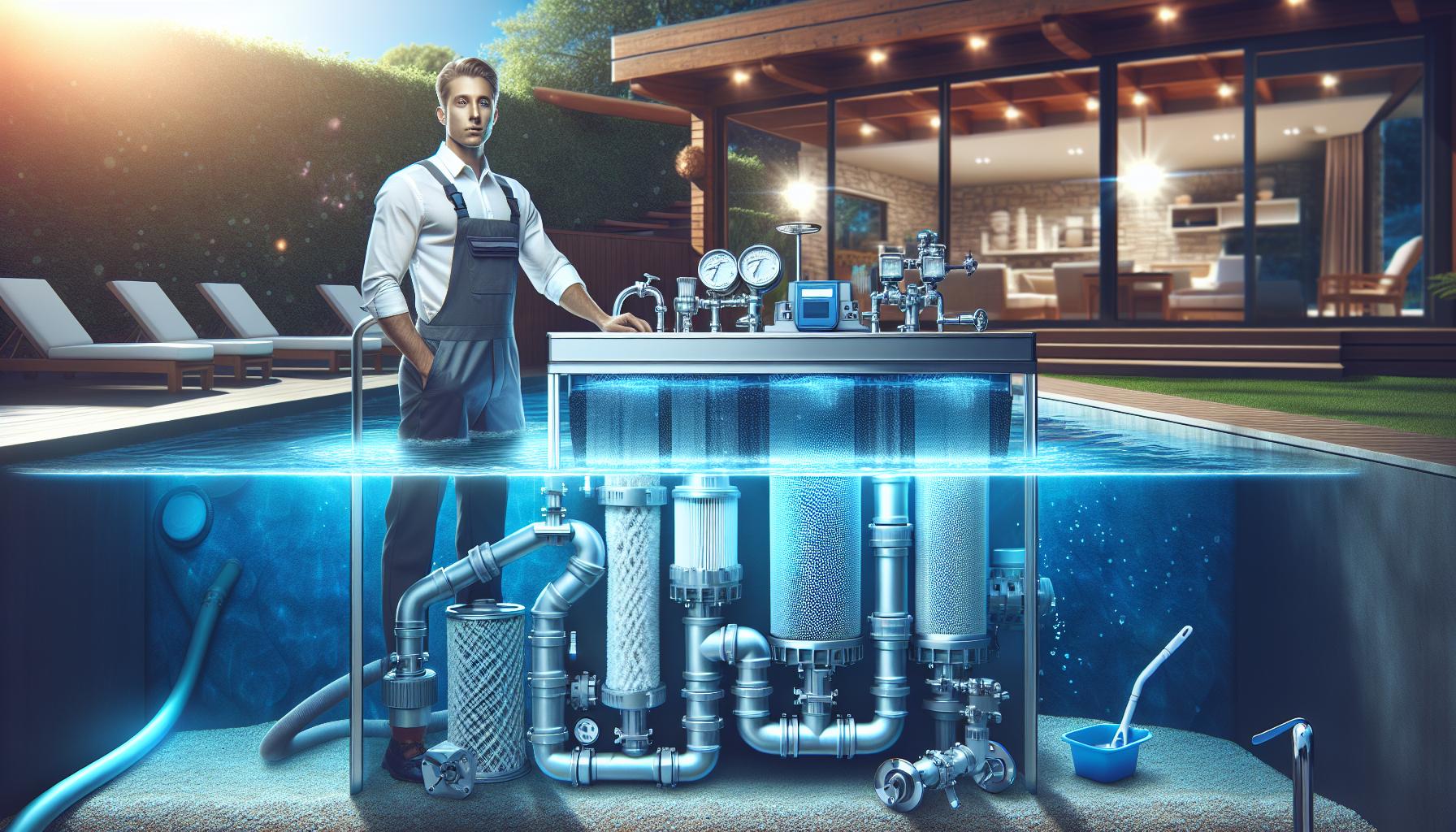
Understanding Different Types of Pool Filters
When it comes to maintaining a clean and inviting pool, understanding the different types of pool filters is essential. Each filter system operates uniquely and offers distinct advantages, influencing how effectively they manage water clarity, which is crucial for enjoyable swimming experiences. By knowing the specifics of each filter type, you can make informed decisions about maintenance practices, including backwashing, ultimately keeping your pool sparkling clean.
There are three primary types of pool filters: sand filters, cartridge filters, and diatomaceous earth (DE) filters. Each type has its own pros and cons, making them suitable for various situations and user preferences.
Sand Filters
Sand filters use regular sand as their filtration medium. Water flows through the sand, trapping particles and debris. They are popular due to their affordability and ease of use. Backwashing is generally simple; when the pressure gauge indicates a rise of about 8-10 psi, it’s time to backwash. One of the downsides is that sand filters may not capture the smallest particles, so maintaining clarity might require additional chemical treatment or supplementary filtration.
Cartridge Filters
Cartridge filters utilize a pleated polyester material that captures dirt and debris without needing backwashing. Instead, they require regular cleaning with a hose or replacing cartridges after significant use. Although they tend to offer better filtration than sand filters, cartridge filters can be less efficient when a significant amount of debris is present. Understanding when to clean or replace filters is crucial to maintaining optimal water quality.
Diatomaceous Earth (DE) Filters
DE filters offer superior filtration capability, achieving clearer water by using a powder made from fossilized remains of tiny aquatic organisms. Backwashing a DE filter involves a bit more effort, as you must replace the DE powder after cleaning. This type is often favored by pool enthusiasts due to its excellent performance but does require more maintenance-if the pressure rises significantly, it’s an indication it’s time to backwash and recharge with DE.
Understanding these differences not only aids in effective maintenance schedules but also helps in troubleshooting issues, ensuring your pool remains a safe and enjoyable oasis. A scientifically informed approach can alleviate potential problems before they escalate, keeping your water clear and safe for all to enjoy. Regular monitoring and maintenance aligned with the type of filter you have is the key to enjoying a beautiful swimming pool throughout the season.
Step-by-Step Guide: Backwashing Your Pool Filter
Backwashing is an essential step in maintaining your pool filter, ensuring that your water remains crystal clear and inviting. Whether you have a sand, cartridge, or DE filter, the process for backwashing differs slightly, but the principles remain the same. By following these step-by-step instructions, you can effectively remove debris and restore optimal water flow.
To start, ensure your pool pump is turned off before making any adjustments. This is crucial for your safety and the integrity of the system. Next, locate the multiport valve on your filter. If you’re using a sand filter, twist the valve to the “Backwash” position. For DE filters, the same procedure applies, but be mindful that you will need to replace DE powder after backwashing. Once set, turn the pump back on. You should see water flowing backwards through the filter, which will send debris out through the waste line.
Continue the backwashing process for about 2-3 minutes or until the water in the sight glass (if available) runs clear. This clarity indicates that the filter is clean and functioning properly. Once complete, turn off the pump again and return the multiport valve to the “Filter” position. It’s advisable to run the pump for a few seconds before restarting it fully to ensure everything is back in the right configuration.
After backwashing, always check the filter pressure. A significant drop in pressure might indicate a successful backwash, but if the pressure remains high or increases shortly after, it may signal a more serious issue, such as a blockage or a need for filter media replacement. Address these signs promptly to avoid larger complications down the line.
Incorporating this backwashing routine into your pool maintenance schedule will not only enhance water clarity but also prolong the life of your filtration system. Regular monitoring means you can prevent small issues from becoming costly repairs, ensuring your pool remains a source of enjoyment all season long.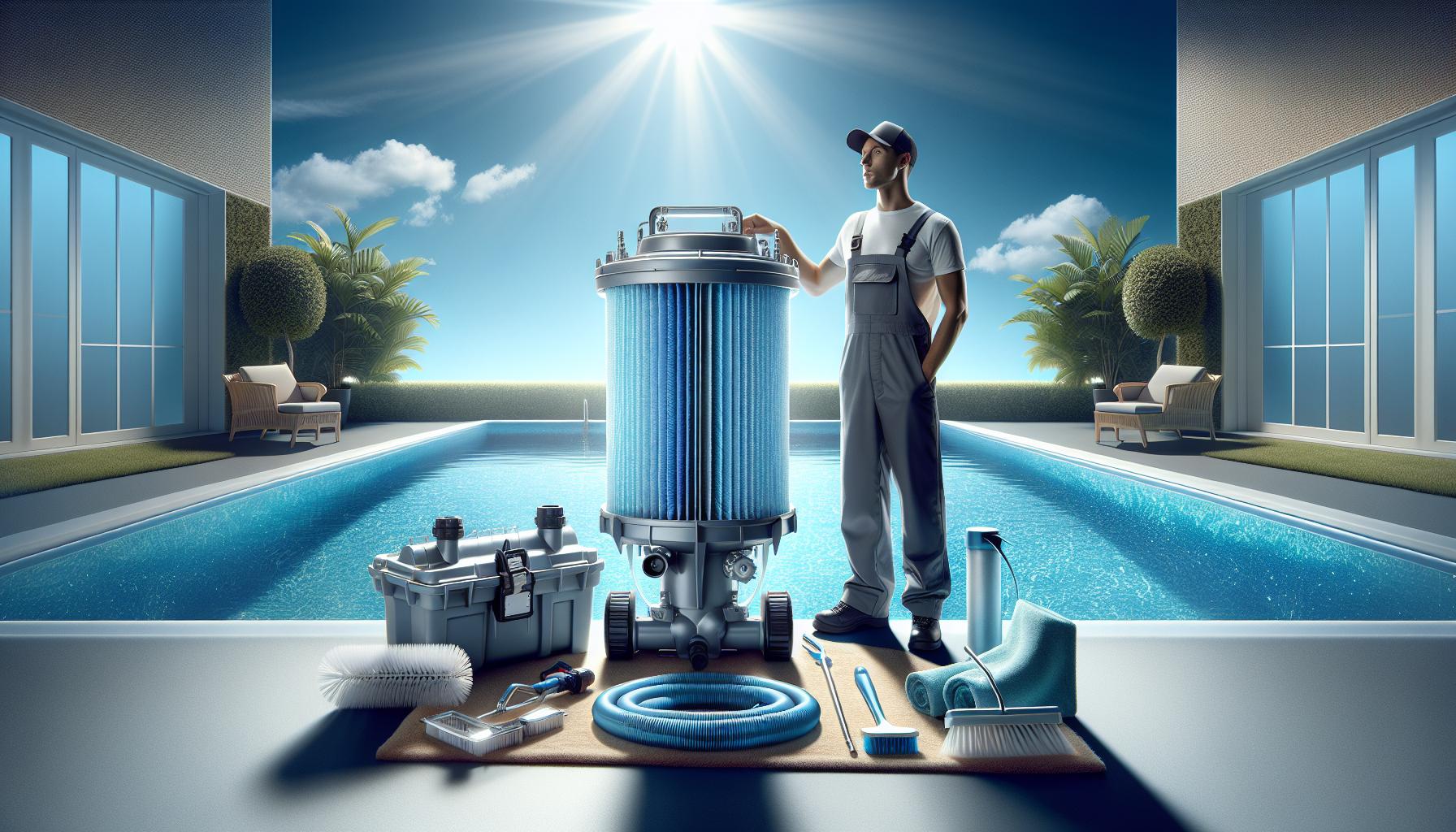
Signs Your Pool Filter Needs Backwashing
Monitoring the health of your pool filter is crucial for maintaining crystal-clear water and a safe swimming environment. Recognizing the signs that your pool filter needs backwashing can help prevent further problems and ensure your filtration system operates efficiently. One of the most noticeable indicators is a significant rise in the pressure gauge reading: if you see the pressure consistently above the normal operating range, typically about 10-15 PSI higher, it’s time to consider backwashing your filter.
Another clear sign is poor water clarity or the presence of floating debris. If the water appears cloudy or dirty-despite regular chemical treatment-it often suggests that your filter is clogged and struggling to remove contaminants. Additionally, you may experience reduced water flow through the return jets; weak water flow can indicate that the filter media is saturated with dirt and needs cleaning.
It’s also important to observe the frequency of your filter cleaning. If you find yourself needing to clean the filter more often than usual or if you notice that it is inefficient after backwashing, these may be signs of wear on the filter media itself, suggesting it might need to be replaced. Keep in mind that regular monitoring of these indicators not only helps maintain water clarity but also extends the lifespan of your filtration equipment.
In summary, vigilance is key to effective pool maintenance. If you notice elevated pressure readings, cloudy water, or diminished flow, take prompt action by backwashing your filter. By doing so, you can keep your pool environment safe and enjoyable, ensuring it remains a pristine oasis all season long.
Common Mistakes When Backwashing Filters
Backwashing your pool filter is crucial for maintaining a pristine swimming environment, yet many pool owners unknowingly make mistakes that can hinder its effectiveness. One of the most common errors is failing to follow the manufacturer’s instructions. Each filter model is unique, and overlooking specific operational guidelines can lead to ineffective cleaning and potential damage. Always refer to the manual for designated backwash times and procedures to ensure optimal performance.
Another frequent issue occurs when pool owners backwash for too long or too short a duration. Overdoing it can waste water and may not effectively clear the filter, whereas under-backwashing can leave debris behind, allowing contaminants to re-enter the pool. As a rule of thumb, backwash until the water clears in the sight glass, generally taking about 2-3 minutes. Pay attention to changes in the clarity of the water being discharged to know when to stop.
Also, many neglect to perform regular maintenance checks on their filter system. For instance, failing to clean the filter’s strainer basket can lead to clogs, making backwashing less efficient. Regularly inspect and clean connected fittings and other components, as this can enhance water flow and prolong the life of the filter. Additionally, keep an eye on the pressure gauge; if it hasn’t reset after backwashing, there may be underlying issues that could complicate future cleanings.
Lastly, a lack of proper sealing on the backwash valve can cause significant problems after backwashing. Ensure that all valves are closed tightly once the process is complete. Leaks can introduce dirty water back into your pool, negating the benefits of backwashing entirely. Taking care in these areas can significantly improve your pool’s water quality and enhance the efficiency of your filtration system, keeping your basin sparkling clean all season long.
Troubleshooting Backwashing Issues
Troubleshooting common backwashing issues is essential for ensuring that your pool filtration system operates effectively. One of the most frustrating problems can occur when the water in the sight glass remains cloudy during or after backwashing. This often indicates that the filter hasn’t been cleared of all debris. If this happens, consider extending your backwash time by a minute or two, but do not exceed the manufacturer’s recommended duration to prevent damage. Always make sure to visually inspect the sight glass; clear water typically signifies that the backwashing process has been successful.
Another issue pool owners frequently face is water leaks from the backwash valve after completing the process. Before starting your next backwash, ensure all valves are securely closed; even a slight misalignment can allow dirty water to flow back into the pool, negating your efforts. If you continue to notice leaks, inspect the valve’s seals and gaskets. Replace any damaged or worn components, as this is crucial for maintaining a tight seal.
Pressure issues can also indicate an underlying problem. If the pressure gauge doesn’t drop to its normal reading after backwashing, it could suggest that there is a blockage either in the filter or the plumbing lines. To remedy this situation, inspect and clean your filter’s strainer basket and check for any obstructions in the plumbing. Additionally, monitor the pressure gauge during routine backwashing; a consistently elevated reading can alert you to the need for a thorough system inspection or potential backwash.
Lastly, if your pool water shows signs of algae or cloudiness despite regular backwashing, consider evaluating the filter type you are using. Different filters, like D.E. or cartridge filters, have varying capabilities in handling microscopic particles. Sometimes, adding a clarifier can improve water clarity even when the filtration system is functioning correctly. Always ensure your chemical balance is aligned with your filtration efforts, as pool chemistry can also significantly affect water quality. By addressing these common troubles proactively, you can maintain a sparkling clean pool all season long.
How Often Should You Backwash Your Pool Filter?
To ensure your pool remains crystal clear and inviting, the frequency of backwashing your pool filter is crucial. Most experts recommend backwashing your filter every 4 to 6 weeks during the swimming season, but several factors can influence this timeline. For instance, if your pool experiences heavy use, or if you frequently host gatherings with more swimmers than usual, you may need to backwash more often. Additionally, pollen, leaves, and other debris can accumulate quickly in certain seasons, necessitating increased attention to your filter.
Monitoring your filter pressure can also provide valuable insight into when to backwash. Typically, you should backwash when the pressure gauge on your filter is about 8-10 psi higher than the normal operating pressure. Keeping a consistent eye on this ensures your filtration system runs efficiently and prevents contamination of the water.
To establish a practical routine, consider setting a calendar reminder or using a maintenance log to track when you last backwashed the filter. This can be particularly helpful if you have multiple filters or a rotating cleaning schedule.
Finally, remember that regular backwashing not only enhances water clarity but also prolongs the life of your filter. Neglecting to perform this task promptly can lead to reduced efficiency, potentially resulting in algae growth and other water quality issues. By staying proactive with your filter maintenance, you will enjoy a refreshing swimming experience all season long.
The Impact of Neglecting to Backwash
Neglecting to backwash your pool filter can lead to a cascade of problems that compromise not only the clarity of your water but also the overall health of your pool system. When the filter becomes clogged with debris and contaminants, it loses its efficiency, causing the circulation of dirty water throughout your pool. This can result in murky water, unpleasant odors, and an uninviting swimming environment.
Over time, poor filtration can lead to more severe issues, such as algae growth and the development of harmful bacteria. Algae thrive in environments with insufficient filtration and can quickly multiply if not addressed, turning your once-sparkling pool into a green mess. A frequent question pool owners face is, “Why does my pool keep turning green?” The answer often lies in neglecting regular maintenance, particularly backwashing, which is essential for preventing such algae blooms.
In addition to water quality concerns, neglecting to backwash can negatively impact your filter’s lifespan. A clogged filter puts excess strain on your pool pump, which may lead to mechanical failure and costly repairs. If you notice that your pump is running longer than usual or appears to be struggling, these could be signs of a filtration issue stemming from lack of backwashing. To protect your investment, establish a regular backwashing schedule and closely monitor pressure levels on your filter gauge.
To ensure peak performance from your pool system, take proactive steps. Regularly backwash your filter according to manufacturer recommendations and check for signs that backwashing is overdue, such as increased pressure readings or reduced flow. By staying attentive and maintaining your filter, you enhance the longevity of your whole pool system while creating a safe and enjoyable environment for swimming.
How to Backwash Different Filter Types
When it comes to maintaining a clean and inviting pool, understanding is crucial. Backwashing is a process that not only revitalizes your filter but also ensures the purity of your water. There are three primary types of pool filters: sand, cartridge, and diatomaceous earth (DE), each requiring a specific approach for backwashing.
For sand filters, the process is straightforward. Start by turning off the pump, then set the multiport valve to the “Backwash” position. Turn the pump back on and let the filter run until the sight glass shows clear water, which usually takes about 2-3 minutes. Afterward, turn off the pump, set the valve to “Rinse,” and run it for about 30 seconds to settle the sand back down. Finally, return the valve to “Filter” and restart the pump.
Cartridge filters, on the other hand, do not use backwashing in the traditional sense. Instead, they require periodic cleaning. To clean a cartridge filter, first turn off the pump and remove the cartridge from the filter housing. Use a garden hose to spray the pleats of the cartridge, ensuring that debris and grease are removed. For a deeper clean, soak the cartridge in a cleaning solution specifically designed for pool filters. Rinse thoroughly before reassembling.
For diatomaceous earth (DE) filters, the backwashing method differs slightly. Similar to sand filters, you will turn off the pump and set the multiport valve to “Backwash.” Run the pump until the water in the sight glass runs clear, typically for about 2 minutes. After backwashing, you must recharge the filter with new DE powder. To do this, follow the manufacturer’s instructions, adding the DE through the skimmer while the pump is running.
Regardless of the filter type, monitoring the pressure gauge is essential. If the pressure reading exceeds the normal operating range (usually around 8-10 psi above the baseline), it’s a clear indicator that backwashing or cleaning is necessary. By adopting these tailored approaches for each filter type, you’ll not only preserve the integrity of your filtration system but also ensure a sparkling pool that’s ready for enjoyment.
Benefits of Regular Backwashing Practices
Regularly backwashing your pool filter is one of the simplest yet most effective ways to maintain clean and clear pool water. This process eliminates accumulated debris, dirt, and contaminants that hinder the filter’s performance, ensuring that your pool remains inviting for swimming. Not only does this practice improve water clarity, but it also enhances the longevity and efficiency of your filtration system. A well-maintained filter allows for better circulation and sanitation, which are key factors in preventing algae growth and other water quality issues.
Implementing consistent backwashing also saves you money in the long run. A clean filter operates more efficiently, requiring less energy to push water through and potentially lowering your utility bills. Additionally, addressing potential issues early by backwashing can prevent more significant repairs or replacements of your filtration system. This proactive approach ensures your investment-whether it’s a sand, cartridge, or DE filter-goes much further by maximizing its lifespan.
Establishing a schedule based on your pool usage can create a simple yet effective maintenance routine. For example, consider backwashing after heavy rains or debris accumulation, or set regular intervals during peak swimming seasons. Understanding your pool’s dynamics can help you fine-tune your backwashing frequency, ensuring you’re always one step ahead in keeping your pool pristine.
Lastly, regular backwashing helps enhance the overall safety and enjoyment of your swimming environment. Clean water not only looks better but also feels better on the skin, increases visibility for swimmers, and reduces the risk of waterborne illnesses. By prioritizing this essential maintenance step, you not only increase the aesthetic appeal of your pool but also protect the health and happiness of all who take a dip.
When to Seek Professional Help for Backwashing
Regular maintenance of your pool filter is critical to sustaining clear and healthy water, but there are times when the situation may go beyond the capabilities of a dedicated pool owner. Understanding when to seek professional assistance can save you time, money, and potential frustration. If you encounter persistent issues with water clarity despite frequent backwashing, or if you notice that the pressure gauge on your filter is consistently high, it may be a sign that professional help is needed.
In some cases, unusual noises or vibrations emanating from the filter system can indicate a mechanical issue that requires expert attention. If you detect a significant drop in water flow even after backwashing, this may suggest clogs or damage that cannot be resolved through regular cleaning methods. Additionally, if your filter medium-be it sand, diatomaceous earth (DE), or cartridges-appears deteriorated or is leaking, it is advisable to contact a pool maintenance expert before the problem escalates.
Moreover, it’s wise to consult professionals for comprehensive services, especially during seasonal changes when routine maintenance needs might shift. They can provide seasonal inspections, deep cleaning, and system upgrades that ensure your filtration system operates at peak efficiency. Remember that while DIY efforts are empowering, they should not compromise the integrity and safety of your pool environment. Ensuring your pool filter is correctly serviced by professionals will provide peace of mind so you can enjoy a crystal-clear pool without worry.
Faq
Q: How do I know when to backwash my pool filter?
A: You’ll need to backwash your pool filter when the pressure gauge indicates a reading that is 8-10 psi higher than the normal operating level. Regularly check the gauge and backwash when it becomes clogged to maintain optimal flow and clarity.
Q: What happens if I don’t backwash my pool filter?
A: Neglecting to backwash your pool filter can lead to reduced water flow, poor filtration, and eventually, algae and bacteria growth in your pool. Regular backwashing ensures that the filter operates efficiently and keeps your water sparkling clean.
Q: Can I backwash my pool filter too often?
A: Yes, backwashing too frequently can remove essential pool chemicals and may lead to wear on the filter. It’s important to balance the frequency based on your pool’s usage and conditions, generally aiming for once every 4-6 weeks unless you notice significant debris build-up.
Q: What are the steps to properly backwash a sand filter?
A: To backwash a sand filter, first, turn off the pump, then set the multiport valve to ‘Backwash.’ Restart the pump and run until the sight glass shows clear water. Turn off the pump again, switch to ‘Rinse’ for a minute, then return to ‘Filter’ and restart the pump.
Q: How long should I backwash my pool filter?
A: Generally, you should backwash your pool filter for about 2-3 minutes or until the water in the sight glass runs clear. This duration ensures that impurities are adequately removed from the filter media.
Q: What are the common mistakes to avoid during backwashing?
A: Common mistakes include failing to check the pressure gauge before backwashing, not rinsing after backwashing, and neglecting to turn off the pump before changing the valve position. These errors can lead to unnecessary wear or ineffective filtration.
Q: Is backwashing the same for all filter types?
A: No, backwashing processes vary by filter type. For sand filters, you need to change the valve setting, whereas cartridge filters require manual cleaning. Understanding your specific filter system is crucial for effective maintenance.
Q: How can I troubleshoot backwashing issues with my pool filter?
A: If facing issues during backwashing, check for blockages or leaks in hoses, ensure the multiport valve is functioning properly, and inspect the filter media for damage. Regular maintenance can help reduce these problems, ensuring smoother operation.
Closing Remarks
Now that you know how to effectively backwash your pool filter, maintaining a sparkling clean pool is within your reach! Regular backwashing not only enhances your water quality but also promotes a healthier swimming environment. Remember, a clean filter is key to preventing buildup and ensuring crystal-clear water for you and your family.
Ready to take your pool maintenance to the next level? Explore our in-depth guides on the ABC’s of Pool Water Chemistry and discover how to use our PoolMath tool for precise chemical balancing. Don’t wait-ensure your pool is summer-ready by diving into these resources today!
Have questions or tips of your own? We’d love to hear from you! Share your thoughts in the comments below or reach out to our community for further assistance. By staying informed and proactive, you’ll encourage a vibrant and well-maintained pool for years to come.


