


Did you know that running your pool pump too long or not long enough can significantly impact your water quality and energy bills? Understanding how long to operate your pool pump is crucial for maintaining clear, safe water while optimizing energy efficiency. Many pool owners grapple with the right balance, often unsure of the best duration for effective filtration and circulation.
In this guide, we’ll explore the factors influencing pump run time and provide practical tips to maximize efficiency. Whether you’re aiming to reduce energy costs or ensure a pristine swimming environment, knowing how to manage your pool pump effectively is key. Dive in to discover strategies that not only enhance your pool experience but also empower you to tackle maintenance with confidence.
How Pool Pump Duration Affects Water Quality
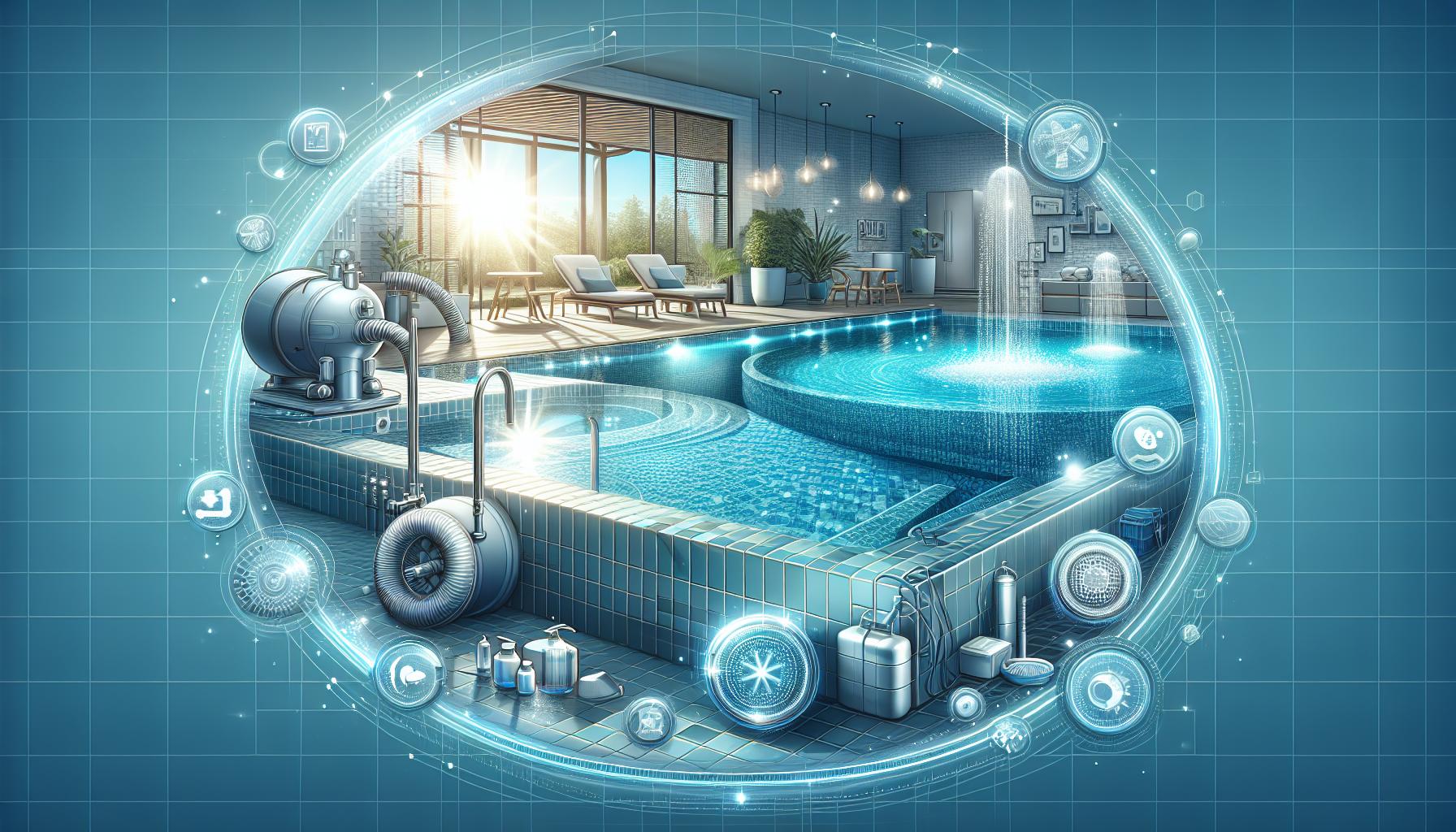
Running your pool pump for the right duration is crucial for maintaining crystal-clear, healthy water. A key factor to consider is that the duration of operation directly impacts water quality. When a pump runs, it circulates the water, effectively distributing chemicals and filtering out contaminants such as dirt, debris, and bacteria. Insufficient runtime can result in stagnant water that may breed algae and harmful microorganisms, leading to a green pool or health hazards for swimmers.
To ensure optimal water quality, it’s recommended to circulate the entire volume of pool water at least once a day. This means that if your pool holds 20,000 gallons of water, your pump should ideally run long enough to filter that entire volume within 8 hours. However, factors like the pool size, environmental conditions, and usage frequency can necessitate longer runtimes. For example, during heavy use or in hot weather, increasing runtime to 10-12 hours can help combat algae growth and ensure that sanitizers remain effective.
To further enhance water quality, consider maintaining a routine schedule for cleaning the pool filter. Regular backwashing or replacing filters can improve pump efficiency and extend its life. Additionally, monitoring water chemistry with consistent testing can ensure balanced pH and chlorine levels, which work synergistically with pump operation to keep water clean and clear. By investing time into understanding your pool’s unique needs and making adjustments, you can effectively optimize both the runtime of your pump and the overall quality of your pool water.
Understanding Your Pool Pump’s Function
Understanding how your pool pump works is essential for maintaining a sparkling clean pool and ensuring the safety of swimmers. At its core, a pool pump’s primary function is to circulate the water, facilitating effective filtration and chemical distribution. This continuous movement prevents stagnation, a common precursor to algae growth and other undesirable elements in pool water.
The operation begins with the pump drawing water from the pool through the skimmer and main drain. Once in the pump, the water is directed through a filter, where impurities such as dirt, debris, and bacteria are removed. The filtered water is then returned to the pool, creating a healthy cycle that keeps the water clean and clear. Understanding this process underscores the importance of the pump’s runtime; when it runs inadequately, contaminants can accumulate, leading to imbalances in water chemistry and potential health risks.
To maximize the effectiveness of your pump, it’s critical to tailor its runtime to your specific pool’s needs. For instance, if your pool experiences heavy use or is exposed to direct sunlight for extended periods, increasing the runtime can help maintain optimal water clarity and sanitation. A typical guideline is to aim for at least one complete circulation of the pool’s water volume per day, but this may vary based on factors such as pool size and environmental conditions.
Incorporating a rigorous maintenance routine can enhance your pump’s efficiency significantly. Regularly cleaning or replacing the pump filter ensures unobstructed water flow and superior filtration performance. Additionally, keeping an eye on the water chemistry through routine testing helps you make informed adjustments, ensuring that your pump operates in harmony with the pool’s sanitation system. Adopting these practices will empower you to meet common spa management challenges, allowing you to enjoy a pristine pool throughout the swimming season.
Ideal Run Times for Various Pool Types
The optimal runtime of your pool pump can be the secret ingredient to maintaining a clean, inviting pool. While many pool owners operate under the guideline of running their pump for 8 to 12 hours a day, the exact duration should be tailored to fit the specific circumstances surrounding each pool type, usage patterns, and environmental factors. Understanding the unique needs of your pool will help you maximize efficiency while ensuring that your water remains crystal clear and safe.
For standard residential pools, a good rule of thumb is to aim for at least one full turnover of the pool’s water each day. This typically means running the pump for about 8 hours. However, if your pool sees frequent use, or if it is situated in an area with strong sunlight that leads to additional debris or warmer water temperatures, you may need to increase this duration to 10 or even 12 hours. Moreover, during peak swimming season, implementing longer runtimes can stave off algae growth and improve overall sanitation.
In contrast, smaller pools, such as kiddie pools or inflatable options, require significantly less pumping time due to their reduced volume. Running the pump for about 4 to 6 hours per day may suffice to keep the water clean and clear. Similarly, if your pool features a saltwater system, understanding the specifics of its maintenance requirements is crucial. Saltwater pools may need to run around 10 to 12 hours to ensure effective chlorine generation and water circulation.
When considering ideal pump runtimes, never overlook the impact of weather conditions. In periods of heavy rainfall or windy weather, the volume of debris collected will rise, potentially necessitating longer pump operations. Regularly evaluate your filter’s pressure gauge; if it’s consistently high, increasing the runtime can help maintain optimal water quality. Adjust accordingly, and remember that observing your pool’s clarity and swimmer comfort will guide you toward the perfect balance in managing your pump’s operation.
Factors Influencing Pump Operation Duration
The health and clarity of your pool water hinge significantly on how long you run your pump. Various factors come into play when determining the optimal operation duration, and understanding these can empower you to keep your pool in top condition. One of the primary influences is the size and volume of your pool. Larger pools naturally require longer pump runtimes to achieve thorough water circulation, often necessitating a minimum of one full turnover per day. This process enables the pump to filter out debris and contaminants effectively, maintaining a clean and welcoming swimming environment.
The level of pool usage is another critical consideration. If your pool often plays host to family gatherings or neighborhood barbecues, anticipate a higher demand for cleaning and filtration. Increased swimmer traffic introduces more organic waste and oils into the water, which can contribute to cloudiness and potential algae blooms if not addressed promptly. In such cases, extending the pump’s runtime to 10 to 12 hours, especially during peak usage days, can significantly enhance cleanliness and safety.
Environmental factors also greatly influence how long you should run your pool pump. In areas with dense vegetation, leaves and other debris can accumulate rapidly, requiring more extended pump periods to cope with the influx. Moreover, hot weather accelerates evaporation and can lead to a rise in water temperature, fostering algae growth. During sweltering months, you may need to run your pump longer to combat these effects, enhancing both circulation and chemical distribution.
Lastly, regular maintenance and watchfulness can augment your approach to pump duration. Periodically checking your filter’s pressure gauge, for instance, can provide invaluable insights. A consistently high reading suggests the filter is becoming clogged, indicating that more runtime might be necessary to maintain water quality and clarity. Staying attuned to the specific conditions of your pool, including its cleanliness and the comfort of swimmers, will ensure that you’re maximizing efficiency while safeguarding the purity of your water.
Seasonal Adjustments for Your Pool Pump
Adjusting the runtime of your pool pump according to the season can greatly impact water clarity and chemical balance, making it one of the most critical maintenance tasks for pool owners. As weather patterns change and pool usage fluctuates, so too should the operation of your pump.
During the heat of summer, for example, water temperatures rise, leading to increased evaporation and potential algae growth. In this case, you should aim to run your pump for longer durations, often between 10 to 12 hours daily. This extended runtime enhances circulation, ensuring proper filtration while distributing chemicals more effectively. As a proactive measure, consider running the pump during the hottest parts of the day when algae are most likely to thrive.
As summer gives way to fall, debris from nearby trees begins to infiltrate your pool water. The accumulation of leaves and twigs can obstruct water flow and clog filters, necessitating a longer pump operation. Increase your pump runtime to accommodate this additional debris, which may entail running the pump for several hours more than usual, especially after windy or stormy days.
When winter approaches, many pool owners may think it wise to reduce their pump’s operation significantly. However, maintaining a minimal runtime is crucial, particularly in regions subject to freezing temperatures. Running your pump a few hours a day prevents stagnant water, which could lead to ice formation in the plumbing. Additionally, it aids in even chemical distribution, ensuring that water remains balanced throughout the cooler months.
To make these seasonal adjustments easier, consider maintaining a log of your typical runtimes and any adjustments you make. This record can help you fine-tune settings for future seasons based on observed water quality changes and environmental conditions. By being mindful of how seasonal changes affect your pool’s needs, you can ensure sparkling clean water year-round.
Maximizing Efficiency with Smart Technology
Integrating smart technology into your pool maintenance routine can significantly enhance the efficiency of your pool pump operation while improving overall water quality. With advancements in automation and connectivity, you can now monitor and adjust your pool’s pump settings with ease-often from the comfort of your smartphone. Smart pool devices not only optimize the runtime of your pump but also help you align your maintenance schedule with factors like weather conditions and pool usage patterns.
One of the most effective ways to maximize efficiency is through smart timers and automation systems. These systems allow you to set specific run times based on real-time data, reducing pump operation during less busy periods, such as when the pool is not in use. For instance, if the weather forecast predicts rain, the smart system can adjust and run the pump fewer hours, saving energy while still maintaining water clarity.
Key Advantages of Smart Pool Technology
- Remote Monitoring: Keep tabs on your pool’s pump operation through an app, allowing adjustments anytime, anywhere.
- Automated Scheduling: Set your pump to run during off-peak energy hours or at times when environmental conditions are most favorable.
- Real-Time Alerts: Receive notifications about operational issues, such as low water levels or pump malfunctions, which prompt immediate action.
To fully benefit from smart technology, consider pairing your pump with a variable-speed model. These pumps allow you to customize speeds based on your filtration needs, leading to further energy savings. For example, during peak summer heat, you may run the pump at a higher speed for a shorter duration, while in cooler months, a lower speed for a longer time can maintain water quality without excessive energy use.
In summary, leveraging smart technology is not merely a luxury but a practical approach to enhancing your pool’s efficiency. With the right systems in place, you can ensure your pool remains clean and inviting while significantly reducing energy costs and effort. Embracing these tools empowers you to take proactive steps in managing your pool’s environment, ensuring that your backyard oasis is always ready for enjoyment.
Common Mistakes in Pool Pump Operation
Many pool owners unknowingly fall into common traps when it comes to operating their pool pump, which can lead to inefficiencies, increased costs, and even water quality issues. One prevalent mistake is underestimating the necessary runtime of the pump. Many believe that running the pump for just a couple of hours a day is sufficient, but this can lead to poorly circulated water and ineffective filtration. Ideally, most pumps should operate for at least 8 to 12 hours a day, depending on the size and usage of the pool, ensuring proper circulation and cleanliness.
Another frequent error is neglecting to adjust operation times based on seasonal changes and pool usage patterns. In summer, with higher demand from swim activities and dirt accumulation, it’s essential to increase pump runtime. Conversely, during cooler months or when the pool sees less use, adjusting the schedule can save energy and costs. Owners should regularly monitor their pools and adapt their pump operation based on these varying needs rather than sticking to a rigid schedule.
Additionally, a poorly set filtration time can exacerbate water quality issues. One common misconception is that running the pump at maximum speed all the time will yield better cleaning. In reality, variable-speed pumps can be adjusted to run at different speeds for determined periods, resulting in significant energy savings while still maintaining effective filtration. This mismanagement not only affects energy bills but can also decrease the lifespan of the pump.
To summarize, correcting these operational oversights can significantly improve pool maintenance. Regularly review and adjust your pump schedule based on the insights shared. Emphasizing proper runtime, adapting to seasonal changes, and using variable speeds will empower you to enjoy a cleaner, more inviting pool while optimizing efficiency.
Signs Your Pool Pump Needs More Runtime
Improper pump runtime can lead to cloudy water, algae growth, and unsightly debris accumulation, impacting your pool’s overall enjoyment and hygiene. If you’re noticing warning signs that your pool pump might not be running long enough, addressing them quickly can make a significant difference in both water quality and maintenance costs.
One of the first indicators is the appearance of cloudy or green water. If your pool is losing clarity, it might mean that contaminants aren’t being adequately filtered out. Regular, prolonged operation allows for better circulation, ensuring that the chemicals distributed throughout the pool are working effectively. Monitoring your pump’s runtime when chemical imbalances are detected can provide insight into whether more running time is necessary.
Another sign is an increase in debris accumulation. If leaves, dirt, or insects are settling on the pool floor, it’s a clear indication that your pump isn’t circulating the water sufficiently. Adequate runtime will help break down debris and push it toward the skimmer and filter system. If cleaning doesn’t seem to solve the issue, consider increasing your pump’s duration as a preventive measure.
Additionally, keep an eye on your pool’s chemical balance. Frequent testing may reveal that you need to add clarifiers or algaecides more often than usual. If so, it’s possible that your pump isn’t operating long enough to properly distribute and filter out these chemicals. Consistent circulation helps maintain an even chemical distribution and can minimize the need for additional treatments.
For a practical approach to troubleshooting and adjusting your pump’s runtime:
- Monitor Water Quality: Test your water weekly and take note of any changes in clarity or chemical balance.
- Observe Debris Levels: Regularly check for any build-up of debris and assess whether it’s being adequately filtered.
- Increase Runtime Gradually: Start by increasing the pump runtime by 1-2 hours daily and observe any improvement.
- Keep a Maintenance Log: Document changes in water quality and pump settings to identify trends over time.
With these actionable steps, you can address the need for increased pump runtime effectively, ensuring a cleaner and healthier swimming environment for everyone.
Tips for Energy-Saving Pump Operations
Maximizing the efficiency of your pool pump can lead to significant energy savings, while also maintaining a clean and healthy swimming environment. A well-managed pump not only optimizes water circulation but also minimizes operating costs, allowing you to enjoy your pool without worrying about hefty electricity bills. Here are practical tips to enhance your pump’s energy efficiency.
Start by assessing the size of your pump in relation to your pool. An oversized pump can waste energy, so consider consulting with a pool professional to ensure your pump is appropriately matched to your pool’s volume. Using a variable-speed pump can lead to substantial energy savings as these devices allow you to adjust the flow rate based on your current needs. For instance, running the pump at a lower speed for longer periods can be more efficient than running at high speed for shorter intervals.
Timing is another critical factor. Running your pool pump during off-peak hours, typically in the early morning or late evening, can reduce your energy costs significantly. Many utility companies offer lower rates during these times, making it an excellent opportunity to maximize circulation while minimizing electricity expenses. Aim for a total runtime of 8 to 12 hours a day, adjusting based on the pool’s usage and environmental conditions.
Maintaining your pump’s cleanliness is also vital for efficient operation. Regularly check and clean filters and skimmer baskets to reduce strain on the pump and improve water flow. A clean filter can also enhance the effectiveness of chemical distribution within the pool. Additionally, installing a solar cover can help maintain water temperature and reduce debris, allowing your pump to work less hard during hot months.
By following these energy-saving strategies, pool owners can optimize their pump operations effectively. You’ll enjoy a clean pool while keeping operational costs down, ensuring your investment pays off well into the future.
The Role of Filtration in Pump Scheduling
No matter the size or style of your pool, the effectiveness of your filtration system is crucial in maintaining pristine water quality. Proper scheduling of your pool pump plays an essential role in ensuring contaminants such as dirt, debris, and microorganisms are efficiently removed, keeping your swimming environment safe and enjoyable. In essence, the more consistently you filter your pool water, the cleaner and clearer it will remain.
To optimize your pump scheduling, focus on the type and capacity of your filtration system. For example, if you have a sand filter, it typically requires running for about 8 hours a day, while cartridge filters may only need 4 to 6 hours to achieve the same result. Adapting pump run times based on pool usage and environmental factors-such as rain, heavy debris, or high bather loads-will also enhance water clarity. By aligning pump operation with peak usage times, you’ll ensure that filtration occurs when it’s needed most.
Implementing a smart scheduling system can further optimize filtration. Consider using programmable timers or smart pool automation systems that adjust pump run times based on real-time pool conditions. For instance, during high pollen seasons, you might increase filtration time to address particulate build-up, while in cooler months, a standard schedule can suffice. Additionally, remember to inspect and clean your filters regularly; clogged or dirty filters can hinder filtration efficiency and lead to increased strain on your pump, negatively impacting both performance and energy usage.
Investing time in understanding your filtration system’s needs fosters a proactive approach to pool maintenance. Take the opportunity to regularly monitor water quality, adjust pump schedules accordingly, and engage in routine maintenance practices. This will not only help you maximize efficiency but will also enhance your overall swimming experience.
Maintenance Checklist for Pool Pump Efficiency
Maintaining your pool pump efficiently is essential for keeping your water clean and inviting. A well-functioning pump not only enhances water quality but also helps save on energy costs. Here’s a comprehensive checklist to ensure your pool pump operates at its best and is ready to tackle any pool-related challenges.
- Inspect the Pump Weekly: Regularly check the pump for any visible signs of wear, leaks, or corrosion. Pay attention to the seals and gaskets; replacing worn parts early can prevent costly repairs later.
- Clean the Pump Strainer: The strainer basket can clog with debris, which limits water flow. Clean it out at least once a week, especially after heavy usage or storms.
- Check the Water Level: Ensure the pool water level is adequate. If the water is too low, the pump may run dry and lead to overheating or damage. Aim to keep the water level midway up the skimmer opening.
- Monitor Pressure Gauge: Keep an eye on the pressure gauge on your filter. If the reading is above the normal range, it’s time to backwash or clean the filter. This will help your pump run more efficiently.
- Regular Filter Maintenance: Depending on the type of filter, be diligent about cleaning or replacing it. Sand filters may need backwashing every month, while cartridge filters should be rinsed every few weeks.
- Test Water Chemistry: Maintain the right chemical balance in your pool. Imbalances can lead to increased algae growth and additional strain on your pump. Test water chemistry at least once a week.
- Seasonal Preparations: Before swimming season begins, check all components of your pump and filtration system. Clean out the skimmer baskets and inspect hoses for leaks or damage.
- Check Electrical Components: Regularly inspect wiring and connections for any signs of wear or damage. Ensure the circuit breaker is functioning correctly and there are no disruptions in power supply.
By following this checklist, you can ensure your pool pump operates efficiently, enhancing your overall pool experience while minimizing the risk of unexpected issues. Regular maintenance not only boosts performance but also contributes to longer equipment lifespan, ultimately saving you money in the long run.
FAQ
Q: How do I determine the right duration for running my pool pump?
A: To determine the right duration for running your pool pump, consider the pool size, water temperature, and how often it’s used. A general guideline is to run the pump for 8-12 hours a day, adjusting based on factors like heavy debris or high temperatures. For specific guidelines, refer to the section on “Ideal Run Times for Various Pool Types.”
Q: What are the energy costs associated with running a pool pump?
A: The energy costs depend on the pump’s horsepower and local electricity rates. On average, running a 1.5 HP pump for 8 hours may cost $0.75 to $1.50 per day. To optimize costs, consider using timers and energy-efficient models, as discussed in “Tips for Energy-Saving Pump Operations.”
Q: When is the best time to run my pool pump for efficiency?
A: The best time to run your pool pump for efficiency is during off-peak hours, typically early morning or late evening. This can reduce energy costs. Additionally, consider running the pump when the pool is least used to maintain water clarity without disrupting swimming. For more strategies, see our section on “Maximizing Efficiency with Smart Technology.”
Q: How can I tell if my pool pump needs to run longer?
A: If you notice cloudy water, increased algae growth, or visible debris, it may be time to run your pool pump longer. Regular equipment checks and watching for signs of inefficiency are outlined in “Signs Your Pool Pump Needs More Runtime.”
Q: Are variable-speed pumps more efficient than single-speed pumps?
A: Yes, variable-speed pumps are typically more efficient than single-speed pumps because they allow you to adjust the flow rate based on your needs. This helps reduce energy consumption significantly, making them a better investment, as covered in “Maximizing Efficiency with Smart Technology.”
Q: How does weather influence pool pump runtime?
A: Weather can greatly impact pool pump runtime. During hotter months, running the pump longer prevents algae growth and keeps the water clear. Conversely, in cooler seasons, reduce the runtime to save energy. Seasonal adjustments are discussed in the section “Seasonal Adjustments for Your Pool Pump.”
Q: What maintenance should I perform to maximize pool pump efficiency?
A: To maximize pool pump efficiency, regularly clean the filter, check for leaks, and ensure the pump is free of debris. Refer to our “Maintenance Checklist for Pool Pump Efficiency” for specific actionable steps to keep your pump running smoothly.
Q: Can I run my pool pump 24 hours a day?
A: While you can run your pool pump 24 hours a day, it’s generally not necessary and can be costly. Most pools require about 8-12 hours of circulation daily. For optimal performance, follow the guidelines in the article and adjust as needed based on specific water conditions.
To Wrap It Up
By understanding how long to run your pool pump, you can ensure optimal water clarity while saving on energy costs. Remember, an adequately pumped and filtered pool is the first step towards a safe and enjoyable swimming environment. If you have more questions or need personal guidance tailored to your specific pool type, consider checking out our detailed guide on pool maintenance tips or explore our selection of pool care products that can enhance your routine.
Don’t wait to maximize your pool’s efficiency-implement these practices today! Sign up for our newsletter to receive expert tips directly to your inbox and stay updated on the latest in pool care. Have any thoughts or experiences you’d like to share? We encourage you to leave a comment below, and feel free to explore more topics like pool chemistry adjustments and seasonal pool preparations. Your pristine pool is just a few simple steps away!


