Maintaining the perfect pH balance in your pool is crucial for both swimmer comfort and the longevity of your pool equipment. Did you know that even minor fluctuations can lead to skin irritation, eye discomfort, and costly repairs? One effective way to lower high pH levels is by using muriatic acid, a powerful yet commonly used solution among pool owners. Understanding how much to use is essential for safe and effective maintenance.
In this guide, we’ll explore the ideal dosage of muriatic acid for your specific pool size and conditions, ensuring you can tackle pH issues with confidence. By equipping yourself with the right knowledge, you’ll be empowered to keep your pool sparkling and safe, allowing you to fully enjoy those sunny days by the water. Dive in to discover the best practices for maintaining your pool’s water chemistry!
How Muriatic Acid Works to Lower pH Levels
Muriatic acid, a diluted form of hydrochloric acid, is a powerful tool for pool owners looking to manage pH levels effectively. When added to pool water, muriatic acid dissociates into hydrogen ions, which increase the acidity of the water. This reaction lowers the pH level, making it more balanced and suitable for swimming. Keeping your pool’s pH around 7.4 to 7.6 is essential for comfort and safety, as well as for protecting pool equipment and surfaces.
To understand how muriatic acid works specifically to lower pH, it’s important to consider the chemistry involved. The introduction of hydrogen ions from the acid interacts with hydroxide ions in the water, reducing the concentration of alkaline substances that contribute to high pH levels. This process restores the chemical balance required for optimal pool conditions. Regular testing of pool water using a reliable pH testing kit can help you monitor these levels, ensuring you apply muriatic acid only when necessary.
When calculating how much muriatic acid to add, precision is key. PoolMath calculators can guide you in determining the exact dosage needed based on your pool’s volume and current pH level. For example, if a calculator suggests adding 8 ounces of 31.45% muriatic acid, it’s wise to adjust this quantity if you’re using a different concentration, such as the commonly available 20% solution. Accurate dosing not only enhances pool safety but also prevents swings in water chemistry that could lead to larger issues down the line.
Incorporating proper techniques for adding muriatic acid further ensures a more effective adjustment to your pool’s pH. Always dilute the acid in a bucket of pool water before adding it to the pool to minimize exposure to fumes and prevent chemical reactions that can harm your pool surface. By consistently monitoring and adjusting pH levels using muriatic acid, you maintain a healthier and more inviting swimming environment.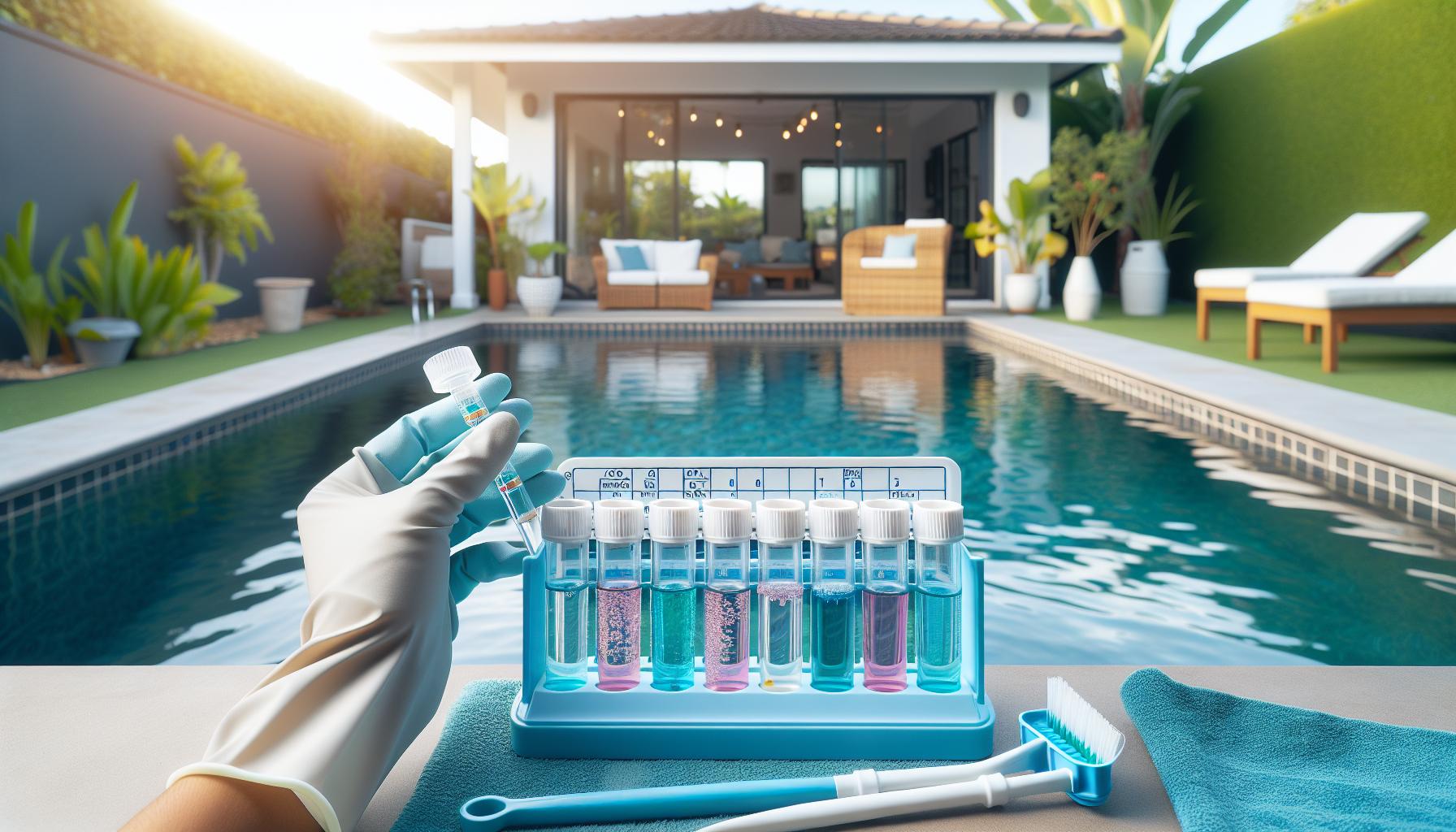
Determining Your Pool’s Current pH Value
To maintain a sparkling and healthy swimming pool, regularly determining the pH level is a crucial routine that every pool owner should adopt. pH is a measure of how acidic or basic the water is, and for pools, the optimal range is typically between 7.4 and 7.6. This range ensures swimmer comfort while protecting pool equipment and surfaces from corrosive damage. A pH level outside this range can lead to various issues, including cloudy water, algae growth, and skin irritation for swimmers.
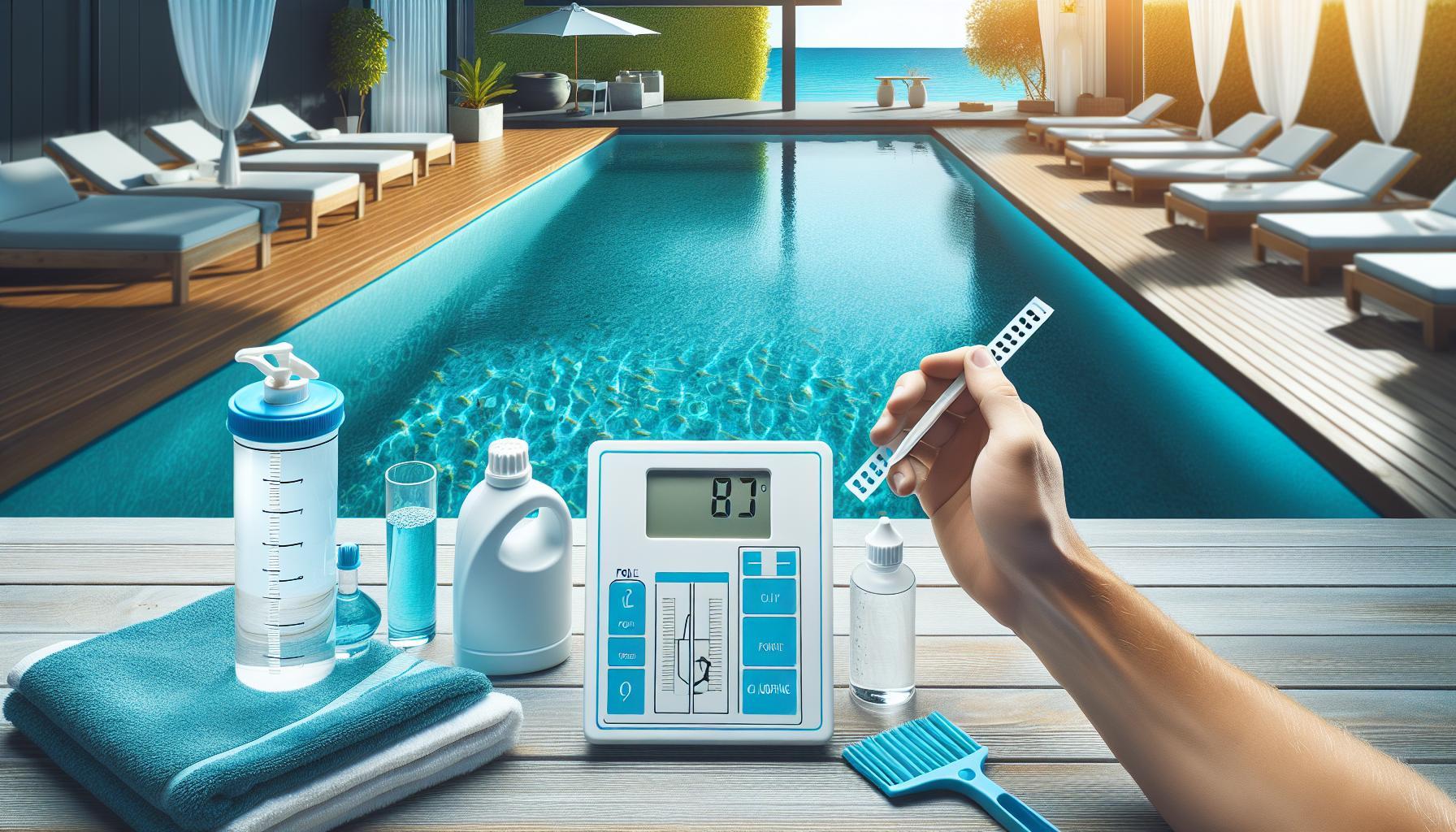
Testing your pool’s pH can be done easily and should be part of your weekly maintenance routine. You can either use test strips or a liquid test kit, both of which can produce accurate results. If using test strips, simply dip it into the pool water for the period specified on the package, then compare the resulting color with the chart provided. For a liquid test kit, follow the instructions to collect your water sample and add the necessary reagents. Within moments, you’ll see a color change that indicates the pH level.
When you’ve established a baseline pH value, it becomes easier to make necessary adjustments, especially if the levels are too high, indicating a more alkaline environment. Knowing the current pH level also informs how much muriatic acid you may need to add to lower the pH effectively. As a rule of thumb, consider that a small amount of muriatic acid can significantly impact pH levels due to the acid’s strong nature, making precise measurement essential.
After testing and adjusting, it’s wise to wait and retest the water a few hours later before taking any further actions. This allows the chemicals to circulate fully within your pool, ensuring you achieve an accurate reading for further assessment. By methodically checking and adjusting the pH, you’re not just preserving the aesthetic appeal of your pool but also ensuring a tenable swimming environment that all users can enjoy safely.
Calculating the Right Muriatic Acid Dosage
To effectively lower your pool’s pH using muriatic acid, a proper dosage calculation is essential. Over-treating with acid can cause harmful effects, including damage to your pool’s surfaces and equipment, while under-treating may not sufficiently adjust the pH levels. Thus, understanding the relationship between the dosage and the current pH level is crucial for safe pool management.
First, you’ll need to identify the current pH level of your pool water, which should ideally be between 7.4 and 7.6. For every 10,000 gallons of water, a common guideline is that adding 1 quart (approximately 1 liter) of muriatic acid can lower the pH by about 0.5 to 0.6 units. However, this is a general estimate and may vary based on your water’s specific chemistry and alkalinity. To determine how much to add, follow these essential steps:
Step-by-Step Dosage Calculation
- Test Your pH: Always begin by testing your water to obtain an accurate pH reading.
- Calculate the Difference: Subtract your current pH from the desired pH (usually 7.4). For example, if your current pH is 8.0, your desired change is 0.6.
- Determine Pool Volume: Identify your pool’s total water volume in gallons (or liters).
- Apply the Guideline: Use the guideline of 1 quart per 10,000 gallons to calculate your dosage.
- Calculate the number of quarts needed: (Volume of Pool in Gallons / 10,000) x (pH Drop Required / 0.5) = Quarts of Acid Needed.
For example, if you have a 20,000-gallon pool and need to drop the pH by 0.6:
- (20,000 / 10,000) x (0.6 / 0.5) = 2.4 quarts of muriatic acid.
Things to Keep in Mind
- Make Incremental Adjustments: It’s safer to start with a smaller dosage and then retest the pH after a few hours. Pool chemistry can be unpredictable, and it’s wise not to rush the adjustment process.
- Consider Alkalinity Levels: High alkalinity can buffer against pH changes, so you might need more acid to achieve the desired reduction.
- Document Changes: Keeping a log of your pH levels and adjustments can help track how your pool responds over time, allowing for more informed adjustments in the future.
Armed with this information, you can confidently calculate the right amount of muriatic acid to safely lower your pool’s pH, maintaining a balanced environment for swimmers and protecting your investment in the pool. Always practice caution and patience when dealing with chemicals, and ensure proper ventilation when adding muriatic acid to your pool.
Step-by-Step Guide: Adding Muriatic Acid Safely
Adding muriatic acid to your pool requires careful handling to ensure effectiveness while prioritizing safety. This powerful chemical can lower pH levels significantly, helping to maintain a balanced swimming environment. Follow this systematic approach to add muriatic acid safely and effectively.
Before starting, always wear appropriate safety gear, including gloves, goggles, and a mask, to protect against accidental splashes or fumes. Ensure the area is well-ventilated to prevent fumes from accumulating. To begin, gather your materials: a container for measuring and the muriatic acid itself. It’s essential to dilute the acid before adding it to your pool; never add water to acid, as this can cause dangerous chemical reactions. Instead, prepare a diluted solution in a separate bucket: fill the bucket with water first, then slowly add the muriatic acid into the water, stirring cautiously.
Steps to Add Muriatic Acid
- Measure the Acid: Based on your earlier calculations, carefully measure the calculated amount of diluted acid using a measuring cup.
- Pour the Acid: With the pool pump running, pour the diluted acid slowly into the deep end of the pool. This ensures even distribution throughout the water and minimizes the risk of acid damage to the pool surfaces.
- Allow to Circulate: Let the pump run for at least 4-6 hours to circulate the acid mixture throughout the pool, allowing it to mix thoroughly with the water.
- Retest the pH: After the circulation period, retest the pool water to ensure that the desired pH level has been achieved. If further adjustments are necessary, repeat the above steps with caution.
Always take your time during this process. Pool chemistry can be unpredictable, and patience is key to avoiding drastic changes. Additionally, consider keeping a detailed log of each adjustment you make, tracking pH levels and dosages. This will help you understand how your pool behaves in response to acid additions and allow for better management in the future. By following these steps and ensuring safety at every turn, you can maintain balanced water chemistry and create a pleasant swimming experience.
Safety Precautions When Handling Muriatic Acid
When it comes to managing pool chemistry, safety is paramount, especially when handling muriatic acid. This powerful chemical is effective for lowering pH levels, but improper handling can lead to hazardous situations. To ensure a safe experience, familiarize yourself with essential precautions that will protect you and your swimming environment.
Start by equipping yourself with the appropriate personal protective equipment (PPE). Always wear chemical-resistant gloves, eye protection such as goggles, and a respirator mask to shield yourself from fumes and accidental splashes. These basic safety measures create a barrier against exposure that is vital for anyone handling muriatic acid.
Create a safe workspace by ensuring proper ventilation. Muriatic acid releases strong fumes that can be harmful if inhaled, so it’s best to conduct your work outdoors or in well-ventilated areas. If you’re indoors, open windows and use fans to keep air circulating. Moreover, keep all containers, tools, and the muriatic acid itself away from children and pets, as even small amounts can cause serious harm.
Proper storage is equally important. Always store muriatic acid in its original container, clearly labeled, and in a cool, dry location away from direct sunlight. Additionally, keep it away from other chemicals to prevent dangerous reactions. In the event of a spill, respond quickly by neutralizing the acid with sodium bicarbonate (baking soda) and following proper cleanup procedures.
By adhering to these safety precautions, you can confidently manage your pool’s pH levels while minimizing risks. Remember, taking the time to prioritize safety will ensure that your pool maintenance routine not only keeps your water balanced but also protects those who enjoy it.
Alternative Methods to Lower Pool pH
While muriatic acid is a commonly used agent for lowering pool pH, it’s not the only option available. Understanding alternative methods can provide valuable flexibility and sometimes a more gradual adjustment to your pool’s chemistry. Such alternatives can be particularly useful for those who prefer a less aggressive approach or are looking to maintain optimal balance in other aspects of water chemistry.
One effective method is to use sodium bisulfate, which is a dry acid that can safely lower pH levels without the risk of fumigation associated with muriatic acid. It’s relatively easy to use; simply follow the manufacturer’s guidelines for dosing based on your pool size. Mix the sodium bisulfate with water before adding it to your pool to improve its dispersal in the water.
Vinegar is another household item that can serve as a natural and less aggressive option to help bring down your pool’s pH levels. While it may not be the most practical solution for larger pools due to the quantity required, using vinegar can be a good choice for smaller adjustments or for those sensitive to harsher chemicals. It’s worth noting that while vinegar is effective, it may not have the same immediate impact as stronger acids, so patience is required.
If chemical adjustments are not desirable, consider adjusting the water aeration in your pool. Increasing aeration can help raise the alkalinity and subsequently lower the pH. This can be achieved through water features or aeration jets. Regularly running pool pumps during warmer months will circulate the water efficiently, preventing stagnation and promoting consistent pH levels.
Lastly, maintaining a balanced water chemistry overall can reduce the necessity for pH adjustments. Regular testing and monitoring can help prevent fluctuations before they become problematic. Always ensure that your total alkalinity is within the recommended range. This helps stabilize pH levels and can reduce the frequency with which you need to make adjustments.
By diversifying your approach to managing pool pH, you can find methods that best fit your maintenance style, ensuring a safe and enjoyable swimming environment for all.
Understanding pH Levels and Water Chemistry
Understanding the intricacies of pH levels is essential for maintaining a healthy swimming pool. The pH scale, ranging from 0 to 14, indicates how acidic or alkaline your pool water is, with 7 being neutral. A pH level below 7 indicates acidity, which can lead to corrosion of pool equipment and irritation to swimmers, while a pH above 7.8 can cause scaling and cloudy water. Ideally, maintaining a pH level between 7.2 and 7.6 is crucial for optimal chlorine effectiveness and swimmer comfort.
Several factors can influence the pH of your pool water. Rainwater, for instance, can introduce acidity, while pool chemicals and debris can cause fluctuations. Additionally, the usage of your pool can impact its chemistry; a higher number of swimmers often leads to increased contaminants that affect pH levels. Therefore, regular testing is vital to determine if pH adjustments are necessary.
To maintain proper water chemistry, it is essential to consider the following steps:
- Test Regularly: Use a reliable pH testing kit or strips to check the pH at least once a week, and more often during peak swimming seasons.
- Balance Total Alkalinity: Ensure your total alkalinity is within the range of 80-120 ppm, as it acts as a buffer for pH changes, keeping it stable.
- Monitor Chlorine Levels: Proper chlorine levels not only disinfect the water but also help stabilize pH. Aim for 1-3 ppm for effective sanitation.
By understanding these essential components of water chemistry, pool owners can proactively manage their swimming environment. This prevents minor changes from becoming significant issues, ensuring a clear, safe, and enjoyable pool experience for all swimmers. Regular maintenance and monitoring empower owners to keep their pools in optimal condition and readily address any discrepancies in pH levels.
Common Mistakes in Pool pH Management
Managing the pH levels of your pool is crucial for maintaining a safe and enjoyable swimming environment, yet many pool owners unknowingly make mistakes that can complicate their maintenance efforts. One of the most common errors is adding too much muriatic acid to correct a high pH. Overdosing can lead to a rapid drop in pH, which not only can irritate the skin and eyes of swimmers but also can corrode pool equipment and damage surfaces. To avoid this, always adhere to the recommended dosage guidelines based on your pool size and current pH level, taking care to test the water regularly.
Another frequent pitfall is neglecting to retest the pH after adding muriatic acid. After the application, the acid takes time to distribute and affect the water’s pH. Many pool owners assume that their adjustments are effective immediately and fail to check again after a few hours. It’s vital to wait at least 4-6 hours and conduct a fresh test before making further adjustments. Failing to do so can lead to an ongoing cycle of over-correction, making it difficult to stabilize the pH, and can cause unnecessary stress on chemical balance.
Additionally, some owners mistakenly assume that once they achieve their desired pH level, there is no need for further monitoring. Environmental factors such as rainfall, bather load, and even dust can influence pH levels rapidly. Consistent monitoring and adjusting as needed ensures that the pH remains within the ideal range, ideally between 7.2 and 7.6. Keeping a log or schedule for regular testing helps maintain awareness, particularly in high-use periods.
Lastly, it’s important to be aware of the tools and methods used for testing. Pool test strips can provide a rough estimate but may lack precision. Consider investing in a good quality liquid test kit which offers greater accuracy, particularly when determining when to add muriatic acid. By avoiding these common mistakes and being proactive, pool owners can manage their water chemistry with confidence and ensure a safe swimming experience for all.
Signs Your Pool Needs pH Adjustment
Maintaining the ideal pH level in your pool is essential for not only the longevity of the pool itself but also for the comfort and safety of swimmers. Watching out for certain signs that indicate your pool needs pH adjustment can save you from potential headaches down the line. If you notice any of the following symptoms, it may be time to take action and assess your pool’s pH level.
One of the first red flags is the visual clarity of your water. If your pool starts to appear cloudy, it could indicate a high pH level. This cloudiness often results from improper water chemistry, which can lead to bacterial growth and other water quality issues. Regular testing is crucial; an abnormal appearance should prompt immediate water testing to determine the current pH level.
Another telling sign is the condition of your pool surfaces and equipment. If you start to see scale buildup on tiles or equipment, it can signal that the pH is too high, leading to mineral imbalances. Similarly, if the metal components in your pool or pump show signs of corrosion, this could be caused by low pH levels-they usually thrive in acidic conditions. Keeping a close eye on equipment life can provide insights into your water chemistry and guide necessary pH adjustments.
Swimmer discomfort should also raise a warning bell. If your guests frequently complain of itchy skin, burning eyes, or unusual odors when they swim, these can often be traced back to improper pH levels. For instance, a pH that falls below the ideal range (7.2 – 7.6) can lead to skin and eye irritation, while elevated levels can foster algae growth, leading to an unpleasant swimming experience.
Lastly, unexpected fluctuations in pH due to external factors like heavy rains or significant bather loads (especially if your pool is used a lot during summer) can lead to unstable chemical balance. It’s wise to implement a regular maintenance schedule for checking pH and adjusting when necessary, rather than waiting for signs of trouble. By catching these indicators early and responding promptly, you can maintain a healthy and inviting swimming environment for everyone.
Maintaining Balanced Water Chemistry Year-Round
Maintaining a consistent balance of water chemistry in your pool throughout the year is essential for both the pool’s longevity and the health of its users. Poor water chemistry can lead to several issues, from equipment corrosion to unhealthy swimming conditions. One of the most critical aspects of this balance is managing the pool’s pH level, and using muriatic acid effectively can play a significant role in this process.
To start, regular testing is your first line of defense. Invest in a reliable testing kit and check your pH levels at least once a week, adjusting this frequency during peak usage times, such as summer or following heavy rainfall. The ideal pH range for pool water is between 7.2 and 7.6. If your readings show that the pH is above this range, it can lead to cloudy water, scale buildup, and irritated skin for swimmers. When high pH levels are detected, carefully calculate the necessary amount of muriatic acid to safely reduce it.
When adding muriatic acid, follow these steps to ensure both effectiveness and safety:
- Calculate the Dosage: Use a reliable chart or formula to determine how much acid you need based on your pool’s size and the current pH level.
- Prepare for Application: Always put on protective gear, including gloves and goggles. Dilute the acid in a bucket of water before adding it to the pool-never add water to acid.
- Add the Acid: With the pump running, pour the diluted solution into the deep end of the pool. This will help ensure even distribution.
- Monitor the Changes: Wait several hours, then retest the water to see if the pH is within the desired range. Adjust further if necessary.
It’s also vital to remember that various external factors can impact your pool’s chemical balance. Heavy rains can dilute your chemicals and shift pH levels, while higher swimmer load increases body oils and contaminants, requiring regular adjustment. To stabilize your pool’s chemistry, consider routine maintenance that includes regular shock treatments and the use of algaecides, as these can help manage fluctuating pH levels and water clarity.
By being proactive and keeping a close eye on your pool’s chemistry year-round, you can prevent many common issues, ensuring a safe and inviting space for all swimmers. With the right knowledge and tools, maintaining balanced water chemistry can be a straightforward process.
Troubleshooting Persistent pH Issues
Persistent pH issues in your pool can feel like an uphill battle, but understanding and addressing the underlying causes can make all the difference. If you find that your pH levels remain stubbornly high even after adding muriatic acid, it’s crucial to consider several factors that may be contributing to the problem. Common culprits include high alkalinity, contaminants introduced by swimmers, and even issues related to your water source.
To tackle persistent pH issues effectively, start by checking your total alkalinity. High alkalinity can buffer the effects of pH adjustments, making it difficult for muriatic acid to lower the pH effectively. Ideally, total alkalinity should be between 80-120 ppm. If it’s higher, consider using an alkalinity decreaser before adjusting your pH. This dual approach can yield quicker and more stable results.
It’s also essential to maintain your filtration system adequately. A clogged or inefficient filter will not remove debris and contaminants that can raise pH levels. Regularly cleaning or replacing filter media as part of your maintenance routine is key. Additionally, you should monitor swimmer load and organic material entering the pool. Each entrant brings in body oils, lotions, and organic matter, all of which can affect water chemistry. Conducting regular shock treatments can help break down these contaminants, contributing to better pH stability.
Lastly, consider your water source when filling or topping off your pool. Well water or fills that have inherent high pH can consistently push your readings up. Regularly testing your source water before pool filling can help you anticipate and adjust for such variations. By staying proactive with these strategies and maintaining vigilant monitoring, you’ll be well-equipped to manage any persistent pH issues in your pool effectively.
Q&A
Q: What is the best way to test pool pH before adding muriatic acid?
A: The best way to test your pool’s pH is by using a reliable pool water testing kit or test strips. Dip the strip in the water, wait for the color change, and then compare it to the color chart provided. This ensures accurate readings before adjusting pH levels with muriatic acid.
Q: How long does it take for muriatic acid to lower pH in a pool?
A: Muriatic acid typically starts to lower the pH within a few hours after application. It’s advised to retest the water after about 4 to 6 hours to determine if further adjustments are needed. Always follow the manufacturer’s guidelines on dosage.
Q: Can muriatic acid be added directly into the skimmer?
A: No, adding muriatic acid directly into the skimmer can damage the pump and filter system. Instead, dilute it in a bucket of water first and pour it slowly into the pool near the return jet for safe distribution.
Q: What should I do if I added too much muriatic acid to my pool?
A: If you suspect over-application, retest the pH immediately. If it’s too low (below 7.2), you can add soda ash or sodium bicarbonate to raise the pH gradually. Always aim for a balanced level between 7.2 and 7.8 for optimal water chemistry.
Q: Is it safe to swim in the pool after adding muriatic acid?
A: It’s recommended to wait at least 24 hours after adding muriatic acid before swimming. This allows the chemical to properly disperse and the pH to stabilize, ensuring safe swimming conditions and preventing skin irritation.
Q: How often should I adjust the pH with muriatic acid?
A: The frequency of pH adjustments varies based on pool usage, water source, and weather conditions. Regular testing should be done once a week, and adjustments should be made as necessary to maintain the pH within the ideal range of 7.2 to 7.8.
Q: Are there any signs that indicate a pool needs muriatic acid?
A: Yes, signs include frequent algae growth, skin irritation during swimming, or cloudy water. If your pool’s pH consistently tests above 7.8, it’s time to consider adding muriatic acid to bring the levels back into balance.
Q: Can I use muriatic acid for other pool issues beyond pH?
A: While muriatic acid is primarily used to lower pH levels, it can also help clean pool surfaces and remove calcium buildup. However, always follow safety guidelines and instructions, as improper use can lead to damage.
Final Thoughts
By following the safe dosage guidelines for muriatic acid, you are well on your way to maintaining a balanced and healthy pool environment. Remember, keeping your pool’s pH levels in check not only enhances the swimming experience but also prolongs the lifespan of your pool equipment. If you’re looking for additional tips on pool maintenance or dealing with common water chemistry issues, check out our guides on [pool maintenance essentials] and [managing water balance].
Don’t hesitate-act now to ensure your pool is ready for enjoyment! For real-time assistance, consider signing up for our newsletter to receive expert tips and exclusive offers. Your pool’s health is just a click away, and we’re here to support you on this journey. Share your thoughts and experiences in the comments below, and explore more of our resources to keep your pool sparkling clean and safe. Let’s make your swimming experience the best it can be!