


Maintaining a clean and safe swimming pool is essential for enjoyment and health, yet many pool owners struggle with choosing the right sanitation method. Did you know that the term “pool bleach” typically refers to sodium hypochlorite, a powerful sanitizer used in countless pools? Understanding your options for sanitization is crucial for preventing algae growth and ensuring crystal-clear water, ultimately making your oasis both welcoming and safe.
In this article, we’ll explore the different types of pool sanitizers, focusing on the nuances of “pool bleach” and its alternatives. Whether you’re a new pool owner or looking to refine your maintenance routine, you’ll find valuable insights on how to select the best sanitizing solution for your specific needs. Join us as we delve into the benefits and considerations of various sanitizing options, empowering you to make informed decisions for your pool’s care.
What Is Pool Bleach and Its Purpose?
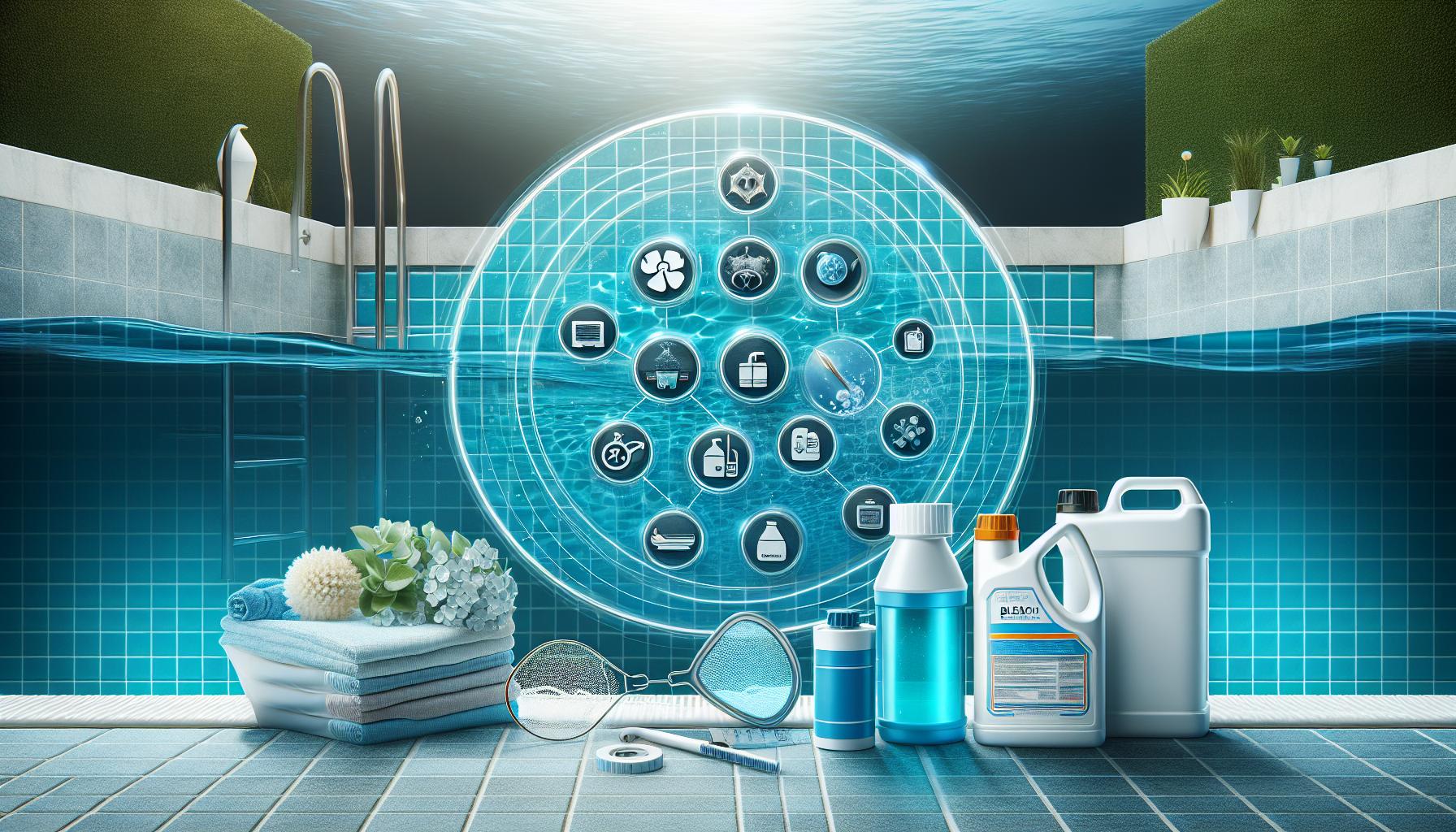
Pool bleach, primarily in the form of sodium hypochlorite, serves as a powerful sanitizer and disinfectant essential for maintaining a clean and safe swimming environment. Its primary purpose is to eliminate harmful bacteria, viruses, and algae that can proliferate in pool water, ensuring that swimmers enjoy a safe and pleasant experience. When properly dosed, pool bleach not only helps to clarify the water by breaking down organic contaminants but also prevents the growth of unwanted microorganisms, which can cause hazy water and unpleasant odors.
In addition to sodium hypochlorite, another common form of pool bleach is calcium hypochlorite (cal-hypo). Both options provide effective sanitation, but they come with differences in chemical composition, ease of use, and application methods. Sodium hypochlorite is liquid and generally easier to apply, requiring diluted solutions before use. On the other hand, cal-hypo is a dry chemical that must be dissolved in water prior to adding it to the pool, which may demand a bit more effort but delivers a longer-lasting chlorine residual. Choosing between these two options often depends on the specific needs of your pool, including factors like ease of storage, cost, and personal preference.
To maximize the effectiveness of pool bleach, it’s crucial to understand the chemistry of your pool. This includes maintaining the right pH levels and ensuring chlorine balance. A properly balanced pool not only enhances the effectiveness of bleach but also contributes to the longevity of pool equipment and fixtures. Regularly testing your water can prevent imbalances that might lead to discomfort for swimmers or even corrosion of your pool’s infrastructure.
When using pool bleach, safety is paramount. Always wear protective gear like gloves and goggles during application, and make sure to store the chemicals in a cool, dry place away from direct sunlight. It’s advisable to keep the bleach out of reach of children and pets. By integrating these practices into your pool maintenance routine, you will not only ensure a cleaner pool but also foster a healthier swimming environment.
Types of Pool Bleach: Sodium Hypochlorite vs. Cal-Hypo
Sodium hypochlorite and calcium hypochlorite are the two most common types of pool bleach, each offering unique benefits and some limitations for pool sanitation. Sodium hypochlorite is a liquid bleach that is often preferred for its ease of use and quick dissolution in water. It typically has a concentration of around 10-12% available chlorine, which allows for rapid algae and germ kill, making it ideal for immediate treatment needs. One of its key advantages is that it can be directly added to the pool without the need for mixing or dissolving, which many pool owners find convenient.
On the other hand, calcium hypochlorite (commonly referred to as cal-hypo) is a dry powder form of chlorine. While it requires a bit more effort-specifically, it must be pre-dissolved in water before it’s added to the pool-its chlorine concentration is generally higher, often around 65-70% available chlorine. This higher concentration means that cal-hypo can provide a longer-lasting chlorine residual, which can be essential for maintaining sanitation over extended periods, especially during peak pool usage. However, it does come with the caveat of potentially raising the calcium hardness in the pool water, which requires careful monitoring.
When choosing between sodium hypochlorite and calcium hypochlorite, consider your pool’s specific needs. For pools with a high bather load, or for quick shock treatments, sodium hypochlorite’s immediate sanitizing power may be more beneficial. Conversely, if you’re looking for sustained sanitation and have time to manage its application, cal-hypo might be the better choice. Ultimately, the selection may also depend on personal preference, storage capabilities, and any existing water chemistry challenges.
In terms of handling, safety is critical regardless of the type chosen. Always wear protective gear such as gloves and goggles when working with pool bleach, and ensure that the chemicals are stored in dry, cool places away from direct sunlight. Engaging with your preferred type of bleach effectively will enhance your pool’s sanitation while providing a safe swimming experience for everyone.
How to Choose the Right Pool Sanitizer
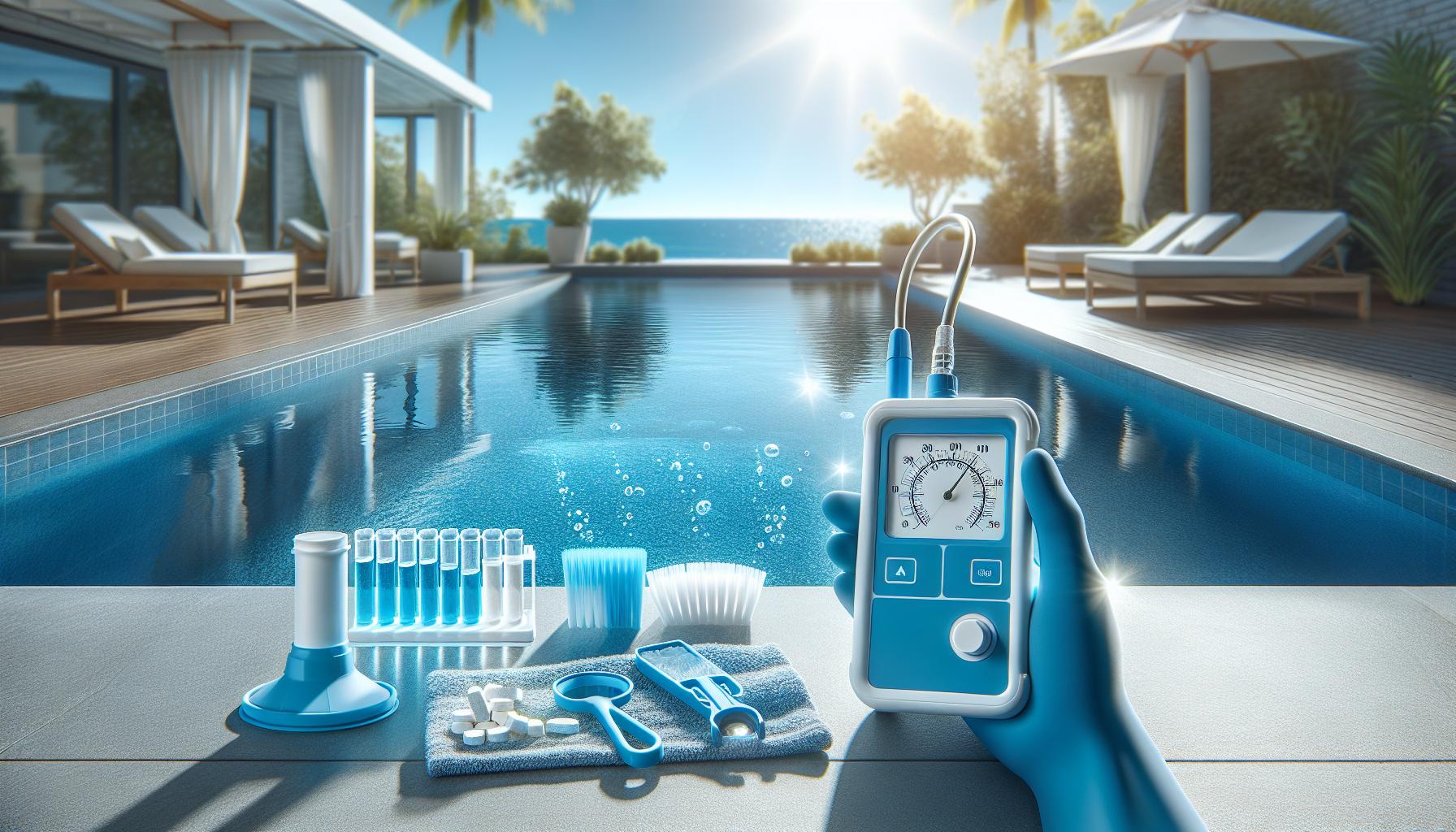
Choosing the right pool sanitizer can make all the difference in maintaining a clean, safe, and enjoyable swimming environment. With options like sodium hypochlorite and calcium hypochlorite available, it’s essential to align your choice with your pool’s specific needs and your personal preferences. The first step in making an informed decision is to consider factors such as pool usage frequency, water chemistry, and the presence of any external contaminants, like debris or environmental factors that can affect water quality.
The type of sanitizer you choose should also reflect your ability to manage its application effectively. For instance, sodium hypochlorite is often favored for its ease of use-simply pour it directly into the pool without pre-dissolution. This can be ideal for quick shock treatments or frequent use in high-bather-load scenarios. However, if you have a bit more time for pool maintenance and are looking for long-lasting sanitation, calcium hypochlorite may be the better option. Though it requires pre-mixing, its higher concentration means that you spend less time trying to maintain adequate chlorine levels in your pool, which can be particularly advantageous during peak usage times.
Consider also the impact of these sanitizers on your pool’s overall chemistry. Sodium hypochlorite can dilute calcium levels in your water, while calcium hypochlorite can enhance calcium hardness-a key factor to monitor to avoid scaling. Checking your pool’s pH regularly, especially after introducing new sanitizers, will ensure balanced water that is not only safe for bathers but also protective of pool surfaces and equipment.
Ultimately, selecting the appropriate pool sanitizer involves balancing convenience and effectiveness with your pool’s specific requirements. Analyzing your pool’s current state and usage will empower you to make a choice that supports your efforts in maintaining a beautiful, hygienic swimming environment. Always remember to adhere to safety protocols, including the use of protective gear, to ensure safe handling of all pool chemicals while managing sanitation effectively.
Step-by-Step Guide: Using Pool Bleach Safely
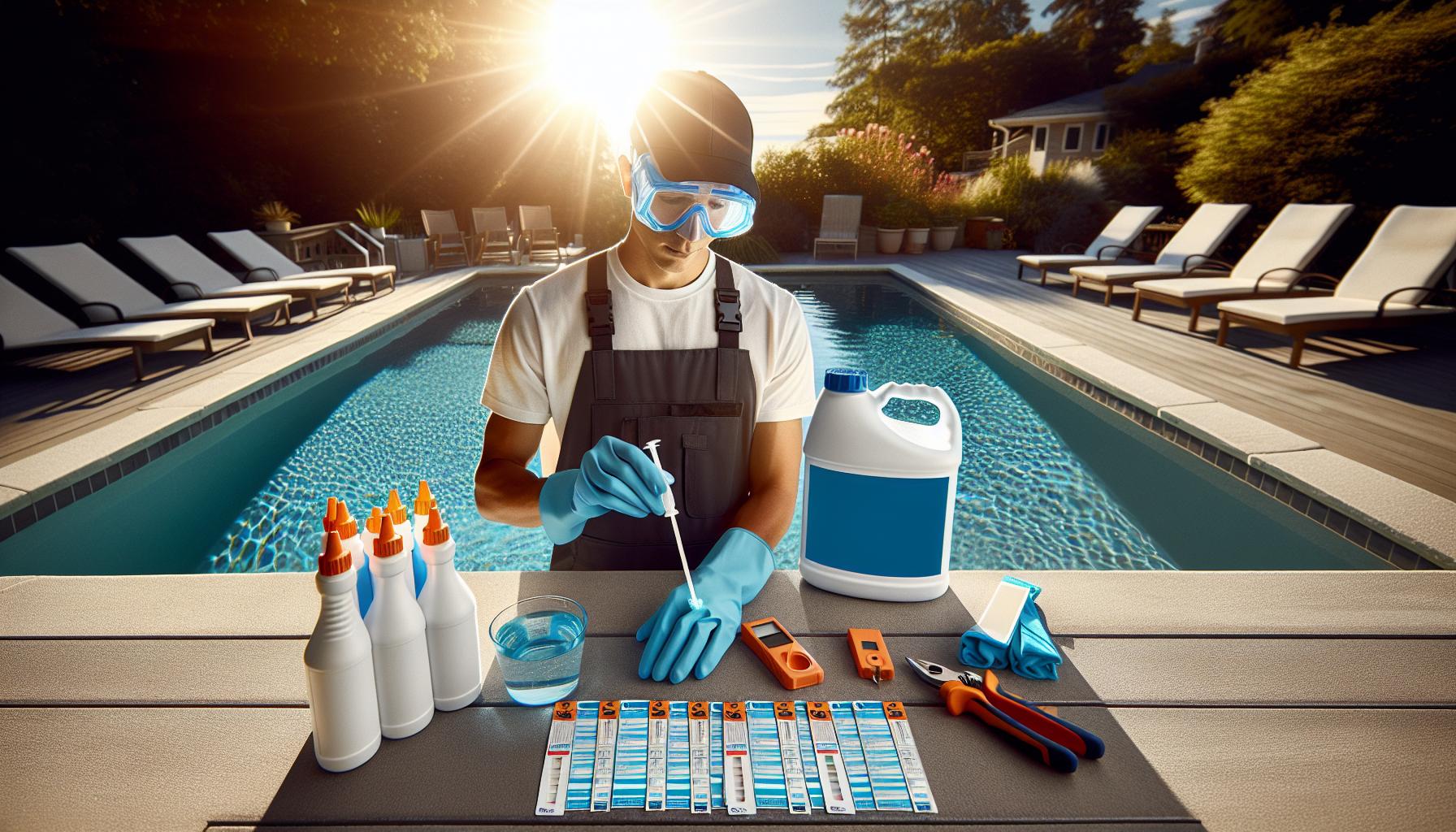
Using pool bleach effectively and safely requires a mindful approach to handling chemicals around water. Notably, sodium hypochlorite, the common pool bleach, is a powerful sanitizer that not only purifies your water but also helps curb algae growth. However, improper use can lead to unwanted side effects, from skin irritation to imbalanced water chemistry. Here’s a practical guide to ensure you use pool bleach safely and effectively.
Step-by-Step Guide to Using Pool Bleach Safely
Start by reviewing your pool’s current chemical balance. Use a reliable test kit to check key parameters, especially pH and chlorine levels. For optimal sanitizing, aim for a pH range of 7.2 to 7.8. Another crucial factor is knowing the volume of your pool; this information allows you to calculate the correct amount of bleach to add.
Next, gather the necessary materials: a pair of safety goggles, gloves, and a clean watering can or bucket. Ensure your pool’s skimmer is clear of debris, as this allows bleach to circulate freely. When pouring bleach, always do so in a well-ventilated outdoor area to minimize inhalation of fumes. Never mix pool bleach with other chemicals, especially acids, as this can cause dangerous reactions.
When you’re ready to apply the bleach, follow these steps:
- Measure: Determine how much bleach you need based on the pool’s volume and the desired chlorine level. Generally, about 1-2 cups of liquid bleach per 10,000 gallons of water is sufficient to raise chlorine levels by 1 ppm.
- Dilute: Although sodium hypochlorite can be added directly, diluting it in water can help distribute it evenly and reduce shock to the system. Use a clean bucket to mix bleach with a gallon of pool water.
- Add to skimmer: Pour the diluted solution slowly into the skimmer while the pump is running. This helps allow for even distribution throughout the pool.
- Monitor: After adding bleach, retest your water after a few hours to ensure chlorine levels are within the safe range (1-3 ppm). Adjust as necessary.
- Safety check: Wait at least one hour after application before allowing swimmers back into the pool to avoid any irritation.
Remember, proper storage of pool bleach is equally important. Store it in a cool, dry place, away from direct sunlight and in a location that is inaccessible to children and pets. Keeping it in its original container with a secure lid helps prevent spills and contamination. Following these steps will not only help maintain a safe swimming environment but also enhance your overall pool experience. With diligent care, you can ensure your pool stays sparkling clean and inviting throughout the swimming season.
Understanding Pool Chemistry: pH and Chlorine Balance
Understanding the delicate balance of pool chemistry is essential for maintaining a clean and safe swimming environment. The two primary factors that affect your pool’s water quality are pH and chlorine levels. Properly managing these can prevent bacteria growth, algae blooms, and irritants that can cause discomfort for swimmers. The ideal pH range for pool water is between 7.2 and 7.8; if it strays too far from this range, chlorine becomes less effective, and other chemical imbalances can occur.
To ensure your chlorine sanitizes effectively, you need to maintain an appropriate chlorine level, typically ranging from 1 to 3 parts per million (ppm). Chlorine acts as a sanitizer, killing harmful pathogens and keeping your pool safe for enjoyment. If the chlorine level drops significantly, you risk algae growth and bacterial contamination, resulting in murky water. Conversely, excessively high chlorine levels can cause skin and eye irritation for swimmers. Regular testing and adjustments are crucial; use a reliable test kit at least once a week, or more frequently during periods of heavy use, to monitor these levels.
In case your pool chemistry is out of balance, it’s important to act quickly. If pH levels are too low (below 7.2), add a pH increaser, while a high pH (above 7.8) requires a pH decreaser. To raise chlorine levels, you can use pool bleach (sodium hypochlorite) or granular chlorine (cal-hypo), following the guidelines for your pool size. Aim to make adjustments gradually and always re-test after adding chemicals to ensure you attain the desired balance without overshooting. Regularly maintaining these chemical levels not only enhances the swimming experience but also extends the life of your pool equipment, creating a more enjoyable and healthy environment for everyone.
Common Pool Bleach Misconceptions Debunked
Misconceptions about pool bleach often lead to confusion and ineffective maintenance practices. One common myth is that all types of bleach are interchangeable. In reality, pool bleach, specifically sodium hypochlorite, is formulated for safe use in swimming pools and contains no additives that can lead to unwanted chemical reactions, unlike household bleach, which may include surfactants or other compounds. Those using regular bleach risk introducing harmful substances into their pool water, potentially harming both swimmers and the pool’s infrastructure.
Another prevalent misunderstanding is the notion that more chlorine equates to cleaner water. While maintaining the right chlorine level is critical, it is equally important to balance other chemicals in the pool, such as pH and alkalinity. High chlorine levels can lead to water that is irritating to the skin and eyes, and can even damage pool surfaces over time. Keeping chlorine within the recommended range of 1 to 3 parts per million (ppm) ensures effective sanitization while promoting a more pleasant swimming experience.
Some pool owners also believe that once you’ve shocked the pool with chlorine, there’s no need for further monitoring until the next major cleaning. However, continuous testing, especially during heavy use or after rainstorms, is essential. Fluctuations can occur rapidly due to environmental factors, and regular checks help catch imbalances before they escalate into larger problems like algae growth or water clarity issues.
Lastly, it’s a misconception that pool bleach is harmful to the environment. When used correctly and in appropriate amounts, sodium hypochlorite breaks down into harmless byproducts. Nevertheless, it’s essential to store pool bleach safely and dispose of any excess properly to minimize any potential impact. Understanding these misconceptions arms pool owners with better knowledge, leading to safer, cleaner pools and a more enjoyable swimming season.
Alternative Sanitizing Options for Pools
When it comes to maintaining a clean and safe swimming pool, pool bleach-often recognized as sodium hypochlorite-is not the only option available to homeowners. Understanding alternative sanitization methods can provide effective solutions tailored to specific needs, preferences, or environmental considerations.
One popular alternative is calcium hypochlorite, commonly referred to as cal-hypo. This granular form of chlorine is highly effective at killing bacteria and algae and has a longer shelf life compared to sodium hypochlorite. Pool owners can benefit from its use in situations where stability and long-term storage are priorities; however, it requires dissolving in water before application. Here’s how to use it effectively:
- Measure the Right Amount: Calculate the necessary dosage based on your pool size.
- Dissolve in Water: Mix the granules in a bucket of water before adding to the pool to avoid localized high concentrations.
- Add to Pool: Pour the solution around the edge of the pool while the pump is running to ensure proper distribution.
Another innovative method is the utilization of saltwater chlorine generators. These systems produce chlorine from dissolved salt in the water, providing a relatively low-maintenance option that continuously generates chlorine. Benefits include softer water and the elimination of the need to store large chlorine containers. However, owners must monitor salinity and ensure their pool’s equipment is compatible.
For those interested in chemical-free alternatives, UV (ultraviolet) and ozone sanitization systems are worth exploring. UV systems use light to neutralize harmful microorganisms, while ozonation introduces ozone, a powerful oxidizer, into the pool water, effectively reducing the need for chlorine. Both methods still require some level of chlorine to maintain residual protection, but they can significantly lower the amounts needed.
Finally, hydrogen peroxide is gaining traction as an eco-friendly oxidizer that can effectively break down contaminants without the harshness of traditional chlorine. It is essential to maintain proper concentrations, as high levels can lead to instability and foaming.
With these alternatives available, pool owners can select a sanitizing method that best fits their specific setup, reducing their reliance on traditional bleach options while ensuring a safe swimming environment. Regular testing and monitoring, regardless of the sanitizing method employed, are crucial to achieving the best results and maintaining a beautiful pool.
Signs Your Pool Needs Bleach Treatment
A well-maintained pool is a key component of summer relaxation, but it can quickly turn from a serene oasis to a swampy mess without proper attention. Recognizing the signs that indicate your pool needs bleach treatment is crucial for keeping your swimming area safe and enjoyable. One of the most apparent signs is murky or cloudy water, which can suggest the presence of bacteria or algae. If the clarity of your pool water diminishes, it’s essential to act promptly to restore its quality.
Another critical indicator is the presence of visible algae, which can appear as green, brown, or black stains on the pool surfaces. Algae not only affects the aesthetics of your pool but can also pose health risks to swimmers. If you notice these signs, it’s time to take action and consider adding bleach to your pool’s sanitation routine. Additionally, a sudden rise in your pool’s pH levels, staying above the ideal range of 7.2 to 7.8, can signal a need for bleaching, as the pool chemistry becomes unbalanced, impacting disinfection.
In situations where you detect an unusual odor, often a musty or chlorine-like smell, this could indicate a buildup of chloramines-compounds formed when chlorine bonds with contaminants. This scenario typically calls for a “shock” treatment, wherein a large dose of bleach is introduced to the water to eliminate these offending compounds and refresh the chlorine levels. Furthermore, if your regular testing indicates a significant drop in free chlorine levels-below 1 ppm-it’s a clear sign that your pool requires an immediate bleach treatment to restore proper sanitation.
Taking swift action based on these symptoms can prevent more severe problems and costly fixes down the line. If you find these indicators in your pool, follow these steps for effective treatment:
- Test Your Water: Use a reliable test kit to assess pH and chlorine levels.
- Calculate the Required Dosage: Based on your pool size, determine the appropriate amount of bleach to add.
- Distribute Evenly: With the pump running, pour the bleach around the perimeter of the pool to ensure even distribution.
- Retest After 24 Hours: Check the chemistry again to confirm that levels have returned to normal and adjust as necessary.
By staying vigilant and recognizing these signs early, pool owners can ensure their swimming environment remains safe and inviting.
Best Practices for Storing and Handling Pool Bleach
Storing and handling pool bleach properly is essential for maintaining both safety and effectiveness in pool sanitation. Bleach, particularly sodium hypochlorite, is a powerful agent used to keep water clean and clear, but it must be treated with respect. To start with, ensure that your pool bleach is stored in a cool, dry place away from direct sunlight and heat sources. This is crucial because exposure to high temperatures can reduce its efficacy and may even lead to hazards such as containers bursting due to pressure buildup.
When handling bleach, always wear appropriate protective gear, including gloves and eye protection. Bleach can cause skin irritation and damage to the eyes, so taking these precautions is non-negotiable. Avoid mixing bleach with other chemicals, especially acids or ammonia, as this can create harmful fumes or dangerous reactions. Instead, always add bleach to water, not the other way around, to minimize risks of splashing or violent reactions.
For convenience and safety, consider using a dedicated storage container for your bleach. Containers should be clearly labeled with contents and safety warnings. You might want to organize your bleach in a cabinet that has a child-proof lock if you have young children around. Regularly check your stored bleach for expiration dates and signs of degradation, such as discoloration or sediment buildup. Dispose of any expired or degraded bleach according to local hazardous waste guidelines to keep both your environment and family safe.
Keep a log of your pool maintenance routines, including when and how much bleach you add to the pool. This practice not only helps maintain consistent sanitation levels but also aids in troubleshooting if water quality issues arise. By following these best practices, you can ensure that handling and storing pool bleach is both safe and effective, helping you manage a clean and inviting swimming environment.
Troubleshooting Pool Sanitation Issues
When faced with pool sanitation issues, understanding the root cause is essential for timely and effective resolutions. Problems like cloudy water, persistent algae growth, or unusual odors can often arise from imbalances in pool chemistry or inadequate sanitation practices. Being proactive in diagnosing and addressing these issues not only helps maintain a clean pool but also ensures a safe swimming environment for family and friends.
To troubleshoot common sanitation problems, start by testing your pool water regularly using reliable test kits or strips. Key parameters to focus on include pH, chlorine levels, and alkalinity. Ideally, pH should be maintained between 7.2 and 7.8 for optimal chlorine efficiency. If the pH is too high or too low, adjust it accordingly with a suitable chemical. For chlorine, a free chlorine level of 1 to 3 parts per million (ppm) is recommended for secure sanitation. If your tests reveal that chlorine levels are low, consider adding a dose of pool bleach or a granular chlorine product to increase the sanitization.
In specific cases of algae blooms, performing a “shock” treatment can quickly resolve the issue. This involves adding a higher-than-normal dose of bleach to the pool, effectively killing the algae and any other contaminants present. Follow this with thorough brushing of pool surfaces and running the filter continuously for at least 24 hours. Post-treatment, check the chlorine level and pH again to ensure they are back within the appropriate ranges.
If you notice cloudy water despite maintaining proper chemical levels, this may indicate an accumulation of debris or insufficient filtration. Ensure your pool filter is clean and operating effectively. If needed, perform a backwash or clean the filter according to the manufacturer’s guidelines. Additionally, consider using a clarifier designed for pools; this product can help clump small particles together, making it easier for the filter to remove them.
Understanding and addressing these common sanitation challenges will equip pool owners with the confidence to maintain a sparkling clean and inviting swim space. By staying vigilant with water tests and applying corrective measures promptly, you can enjoy the benefits of a well-managed pool environment.
Environmental Impact of Pool Bleach: What to Know
The use of pool bleach, primarily sodium hypochlorite, can significantly impact the environment if not managed properly. While it serves as an effective sanitizer for maintaining clear and safe pool water, its chemical nature poses potential risks to local ecosystems, especially when pools are drained or experience runoff. One of the main environmental concerns is the introduction of chlorine into natural water bodies, which can harm aquatic life and disrupt local biospheres. Repeated exposure can lead to bioaccumulation in organisms, adversely affecting their reproductive and growth rates.
To mitigate the environmental impact of using pool bleach, consider the following best practices:
- Filter Thoroughly: Before draining your pool, use a filter to remove residual chemicals from the water. This helps to minimize the amount of chlorine that enters natural waterways.
- Neutralization: If possible, consider neutralizing pool water with a dechlorination agent before disposal. Products designed specifically to break down chlorine can help reduce its environmental footprint.
- Limit Use: During periods of low temperatures or heavy rainfall, it may be beneficial to limit the use of bleach and explore alternative sanitizing options that are more environmentally friendly.
Additionally, proper application and storage of pool bleach can contribute to a lesser environmental impact. Always measure the appropriate amount needed for your pool size to prevent excessive chemical use, and store it in a secure container to avoid accidental spills. By being mindful of how and when you use pool bleach, you can effectively manage pool sanitation while also protecting the environment. Prioritizing sustainable practices not only fosters a healthier ecosystem but also ensures that your recreational water remains safe for all swimmers.
Frequently Asked Questions
Q: What is another name for pool bleach?
A: Pool bleach is commonly referred to as sodium hypochlorite. It is a powerful disinfectant used to sanitize water in swimming pools and other water systems by killing bacteria and algae.
Q: How does pool bleach affect water chemistry?
A: Pool bleach, or sodium hypochlorite, affects water chemistry by increasing chlorine levels while also influencing pH. It’s essential to monitor and adjust pH levels post-treatment to maintain safe swimming conditions.
Q: Can pool bleach be used with other pool sanitizers?
A: Yes, pool bleach can be used alongside other sanitizers like bromine or salt chlorine generators. However, proper testing and balance of chemicals are crucial to avoid reactions that could harm pool equipment or alter water clarity.
Q: How long after adding bleach can you swim?
A: You should wait at least 30 minutes to 1 hour after adding pool bleach before swimming. This allows the chlorine levels to stabilize and ensures the water is safe for use.
Q: What are the benefits of using pool bleach?
A: The benefits of using pool bleach include effective disinfection of pool water, prevention of algae growth, and its affordability compared to some other sanitizing options. It’s a widely used method for keeping pools safe and clean.
Q: Is pool bleach safe for all pool types?
A: Pool bleach is generally safe for use in chlorine pools, but care should be taken with saltwater systems. Always check manufacturer guidelines and consider the specific materials used in your pool to avoid damage.
Q: What should I do if I accidentally overdose with pool bleach?
A: If you overdose with pool bleach, avoid swimming until levels drop to safe ranges. Test the water frequently, and dilute the bleach by adding fresh water to the pool as needed. If uncertain, consult a pool professional.
Q: How do I store pool bleach safely?
A: Store pool bleach in a cool, dry place away from sunlight and heat sources. Ensure it’s kept in its original container and out of reach of children. Proper ventilation in the storage area is also important to prevent fumes from accumulating.
Closing Remarks
Now that you’ve learned what pool bleach is called and your sanitizing options, it’s time to take action and ensure your pool remains safe and clean for enjoyment. Remember, using the correct type of sanitizer can significantly affect the clarity and health of your pool water. Don’t hesitate to check out our guides on maintaining proper water balance and utilizing the right chemicals [[1]](https://www.troublefreepool.com/wiki/index.php?title=CYA) [[2]](https://www.troublefreepool.com/blog/2019/01/18/opening-your-winterized-pool/) for comprehensive pool care.
Ready to dive deeper? Subscribe to our newsletter for exclusive tips and information, or explore our product pages to find the best options for your cleaning needs. As you enhance your pool maintenance expertise, feel free to share your experiences or questions in the comments below. Your insight helps build a community where everyone can enjoy a sparkling clear pool this season. Don’t forget, staying proactive is key to an inviting poolside experience!


