


Maintaining the perfect pH level in your pool is essential for ensuring a safe and enjoyable swimming experience. Did you know that an unbalanced pH can lead to skin irritation, cloudy water, and even damage to your pool equipment? Understanding how to adjust your pool’s pH not only enhances water quality but also maximizes the effectiveness of sanitizers, keeping your pool sparkling clean.
In this step-by-step guide, we will empower you with the knowledge and tools necessary to take control of your pool chemistry. Whether you’re facing the challenges of high or low pH levels, our practical solutions will help you restore balance easily and effectively. Dive in and discover how simple adjustments can lead to a clearer, healthier pool, ensuring your summer days are filled with relaxation and fun!
Understanding pH and Its Importance in Pool Maintenance
Understanding the right pH level in your pool is crucial for maintaining a safe and enjoyable swimming environment. The pH scale ranges from 0 to 14, with 7.0 being neutral. For swimming pools, the ideal pH level is typically between 7.4 and 7.6, which closely aligns with the natural pH of human tears. Maintaining this balance ensures that chlorine is effective in disinfecting the water, while also helping to prevent skin irritation and eye discomfort among swimmers.
When the pH level in your pool is too low (below 7.2), it can lead to several problems. Low pH can cause corrosion of metal fixtures and equipment, heating systems, and even pool surfaces. Conversely, a high pH level (above 7.8) can result in cloudiness and scaling of surfaces, as well as a reduction in the effectiveness of chlorine. This can create an inviting environment for harmful bacteria and algae, potentially leading to costly repairs or health issues.
To avoid these pitfalls, regular testing and adjustment of your pool’s pH levels are necessary. This is not only about addressing a problem when it arises but also involves proactive maintenance to ensure your pool remains in optimum condition. By incorporating simple testing routines, such as using pH test strips or a liquid testing kit, you can effectively monitor the pool’s chemistry and make informed adjustments. Through diligence and understanding, maintaining your pool’s pH will enable you to provide a safe and welcoming aquatic space for everyone to enjoy.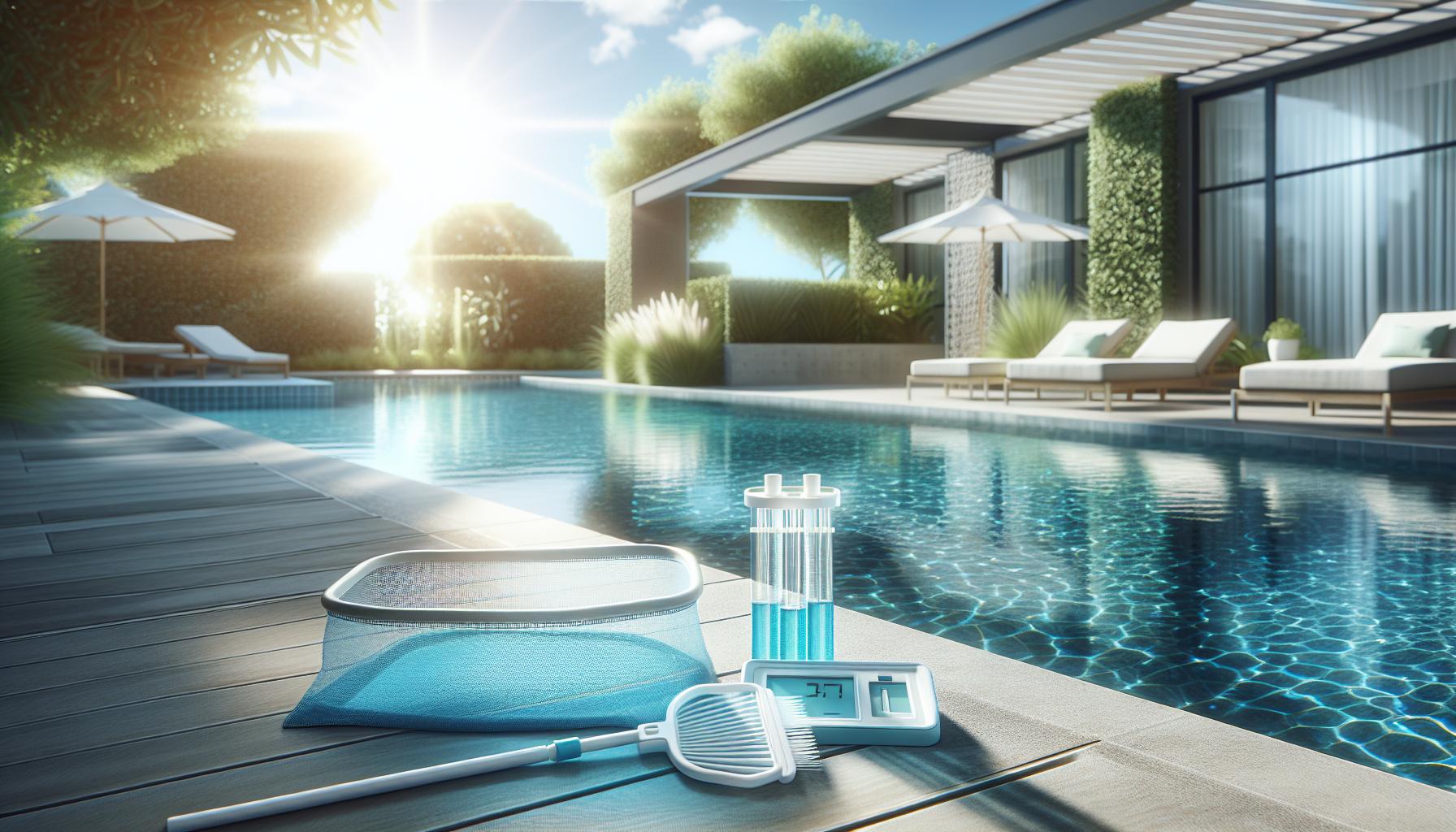
Signs Your Pool pH Needs Adjustment
Recognizing when your pool’s pH levels are off is essential for maintaining a clear and safe swimming environment. A balanced pH not only enhances the effectiveness of chlorine but also helps in preventing damage to pool equipment and surfaces. If you notice any of the following signs, it may be time to test and adjust your pool’s pH levels.
One of the most immediate indicators of pH imbalance is water clarity. If your pool water appears cloudy or murky, it could signal a high pH level, making sanitizers less effective and allowing contaminants to thrive. Additionally, skin irritation among swimmers can be a clear sign of either very low or very high pH levels. Low pH may cause burning sensations or dryness, while high pH often leads to itchy skin and irritated eyes.
Temperature can also play a role in how your pool water behaves. If you find that the water feels colder than usual despite warm weather, it may be due to high alkalinity linked to high pH, which can dampen the heat retention properties of your pool. Furthermore, if you observe scale buildup on tiles or pool surfaces, it’s likely a result of a consistently high pH, leading to mineral deposits that can be difficult to remove.
Regular testing is the simplest way to keep your pool’s pH in check. Use a reliable test kit weekly, especially during peak swimming season, to ensure you’re on top of any interferences from environmental factors. Noticing these signs early will empower you to take action and restore the ideal balance, ensuring your pool remains a safe and enjoyable retreat.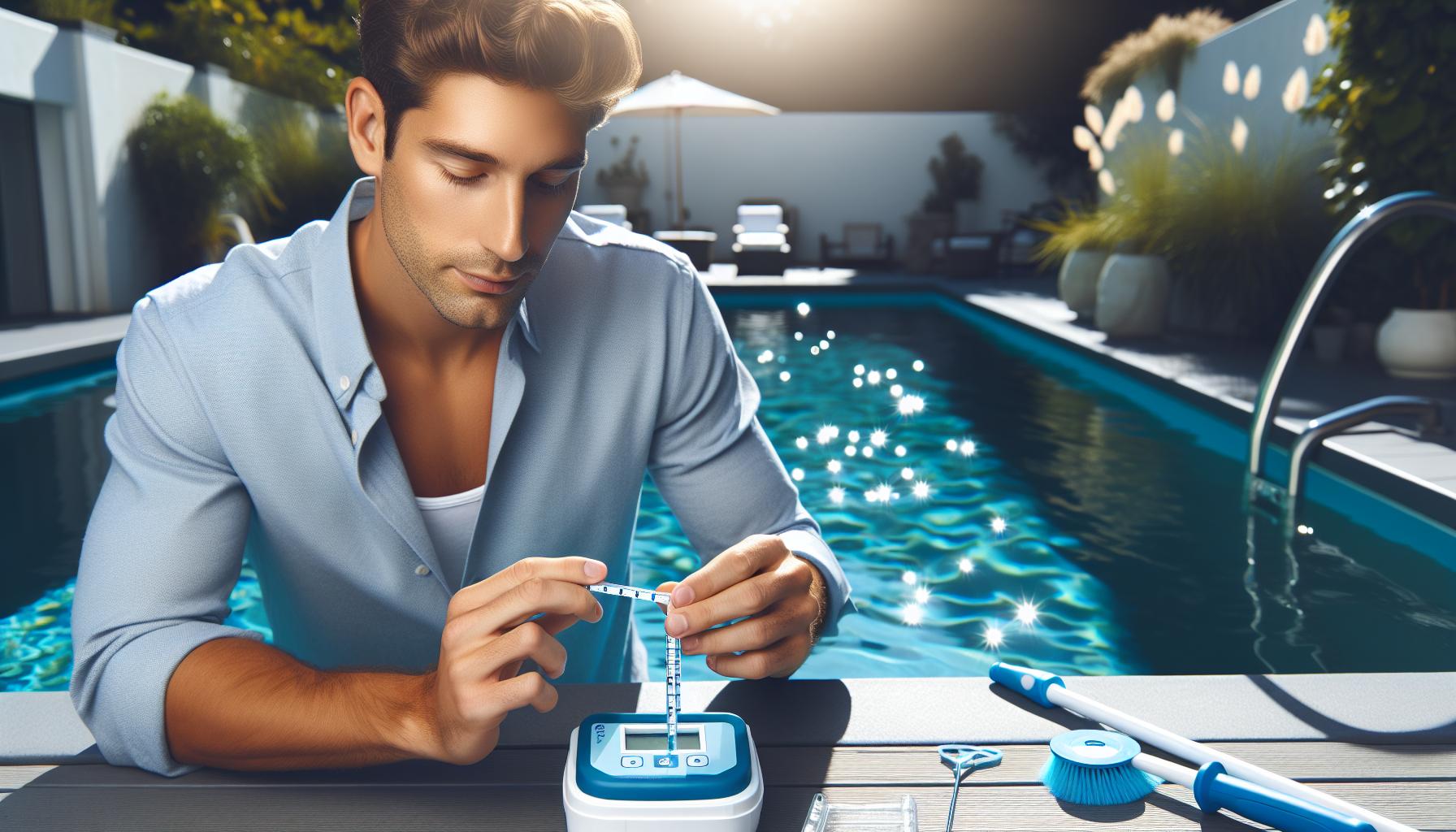
Step-by-Step: Measuring Pool Water pH
Measuring the pH of your pool water is crucial for ensuring a safe and enjoyable swimming environment. An optimal pH level lies between 7.2 and 7.8, which enhances the effectiveness of sanitizers, protects the equipment, and prevents discomfort for swimmers. Regular pH checks empower pool owners to take control, ensuring their swimming pool remains both crystal clear and inviting.
To start measuring your pool’s pH, you can choose between a liquid test kit, test strips, or a digital pH meter-each method has its pros and cons. Here’s a straightforward approach to perform the test effectively:
Step-by-Step Instructions for Measuring pH
- Gather Your Materials: Depending on your chosen method, have your test kit or strips ready. For liquid tests, ensure you have a clean sample container.
- Sample Collection: With the pool pump running, gather a water sample from about 12 inches below the surface. This depth provides a more accurate reflection of the pool’s overall chemical balance.
- Perform the Test:
- If using test strips, dip a strip into the water sample and follow the instructions provided, typically requiring you to wait a few seconds before matching the colors.
- For liquid test kits, add the specified number of drops of the reagent to your sample and swirl gently. Wait for the recommended time, then compare the resulting color to the provided pH scale.
- Digital meters will require calibration before use; insert the electrode into the sample and wait for the reading to stabilize.
- Record the pH Level: Note the pH reading immediately to track changes over time. Consistent record-keeping helps identify patterns and necessary adjustments.
By following these steps, you can easily monitor your pool’s pH levels, ensuring that adjustments are made promptly to keep your water balanced and safe for enjoyment. Consistent testing, especially after heavy rainfall or significant swimmer activity, will help maintain the ideal conditions in your pool.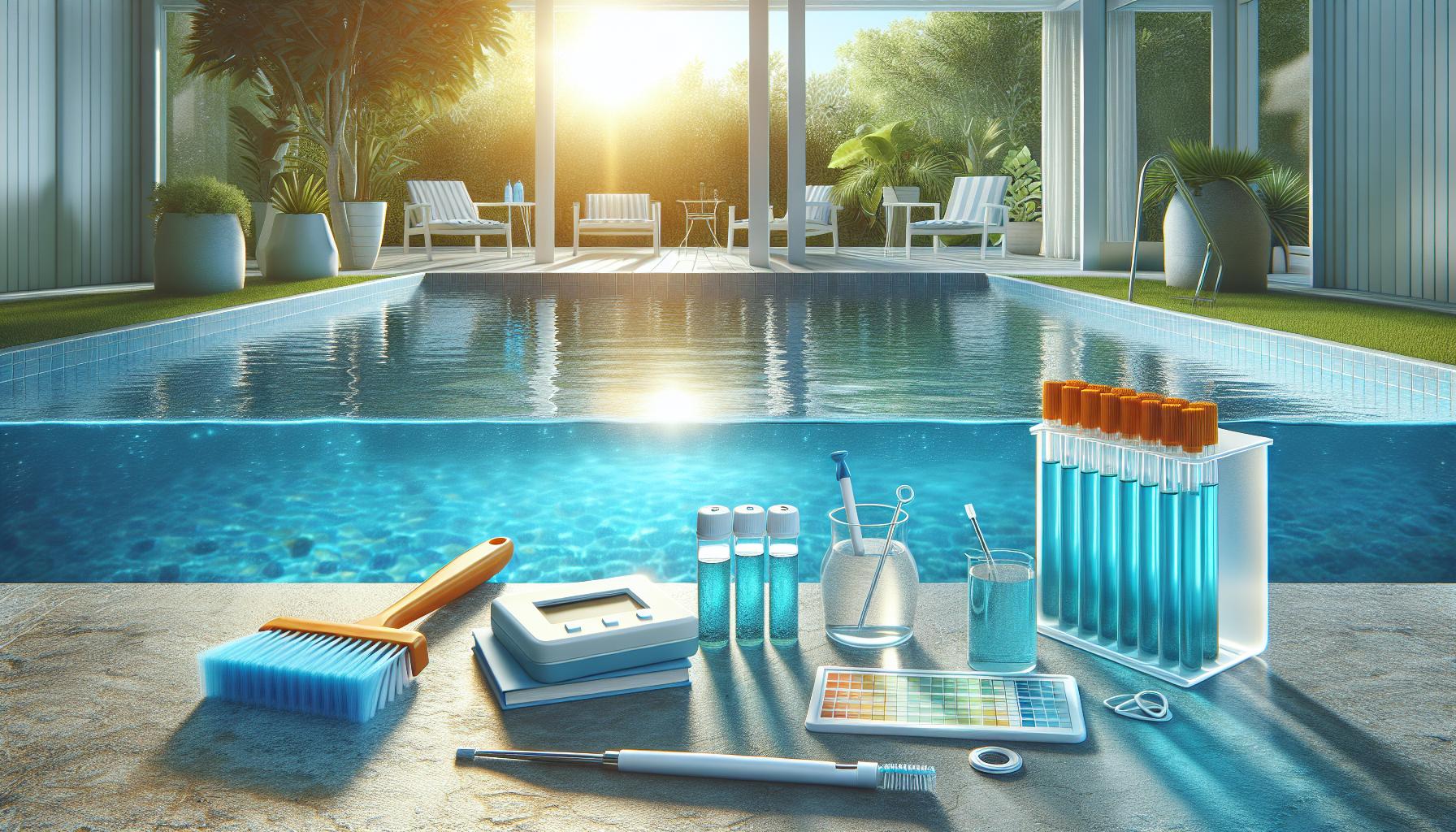
Common Causes of Imbalanced Pool pH
Imbalanced pH levels in your pool can derail your maintenance efforts and make your swimming environment less enjoyable. Understanding the common causes of these imbalances is crucial for any pool owner. Various factors can contribute to fluctuations in pH-from environmental elements to chemical use. Recognizing these influences can empower you to take prompt action, ensuring the water remains safe and comfortable for swimming.
One of the primary contributors to pH imbalance is rainfall. Rain can introduce acidic components (particularly in areas with significant pollution), which may lower your pool’s pH. Additionally, pool usage influences pH levels; as swimmers enter and exit the water, oils, lotions, and other contaminants can alter the chemical balance. Maintaining a consistent bather load can help mitigate drastic shifts in pH.
Another common cause is the usage of certain pool products, such as chlorine-based sanitizers. While these are essential for keeping your pool clean, they can also lead to increased acidity. It is essential to follow manufacturer recommendations and test the water regularly after adding chemicals. Furthermore, the alkalinity levels of the pool water play a significant role in stabilizing pH. If alkalinity is low, pH can fluctuate more easily, leading to imbalances.
Maintaining optimal pH levels requires constant vigilance and a proactive approach. Here are some immediate steps you can take to stabilize your pool’s pH:
- Conduct Regular Testing: Check your pH level at least weekly and after significant weather events or heavy use.
- Adjust Chemical Use: Calculate and measure chemicals accurately according to your pool’s size and current pH level.
- Monitor Environmental Effects: Be mindful of weather conditions, especially after rain, and adjust your maintenance routine accordingly.
By being aware of these common causes and implementing systematic checks and adjustments, you can maintain a balanced pH, ensuring a healthy and inviting swimming environment.
How to Raise pH Levels in Your Pool
To ensure your pool remains inviting, maintaining the pH at optimal levels is essential. If tests indicate that the pH is too low (below 7.2), it’s time to take action to raise those levels effectively. A healthy pH typically resides between 7.2 and 7.8; anything below risks damage to pool equipment and discomfort for swimmers.
A widely used and effective method for raising pH levels is the addition of sodium carbonate, commonly known as soda ash. This compound increases pH without drastically altering alkalinity levels. Here’s a straightforward process to implement this solution:
- Calculate the Required Amount: Based on the pool’s volume, determine how much soda ash you need. A general rule is 1.5 pounds of soda ash will raise the pH of 10,000 gallons of water by approximately 0.2.
- Pre-Dissolve the Chemical: Mix the calculated dosage of soda ash in a bucket of warm pool water. This helps it dissolve completely and minimizes the likelihood of cloudiness.
- Add to the Pool: Slowly pour the solution into the deep end while the pump is circulating. This will help distribute the soda ash evenly throughout the water.
- Retest After 6-8 Hours: Allow the water to circulate for at least this period before retesting the pH level. This will give you a clear picture of how effective your adjustments have been.
If your pH is still below 7.2, you may need to repeat the process, but remember to wait and retest after each addition to avoid overshooting the target range. In addition to using chemicals, utilizing aeration methods can naturally raise pH levels. By agitating the water-through fountains or jets-you can enhance carbon dioxide evaporation, which also subsequently increases pH.
For best results, monitor other parameters such as total alkalinity and calcium hardness concurrently. Maintaining balanced water chemistry not only prolongs your pool’s life but also ensures a more pleasant swimming experience. Don’t hesitate to repeat this process as often as necessary, particularly after heavy pool usage or extreme weather changes that may affect water chemistry.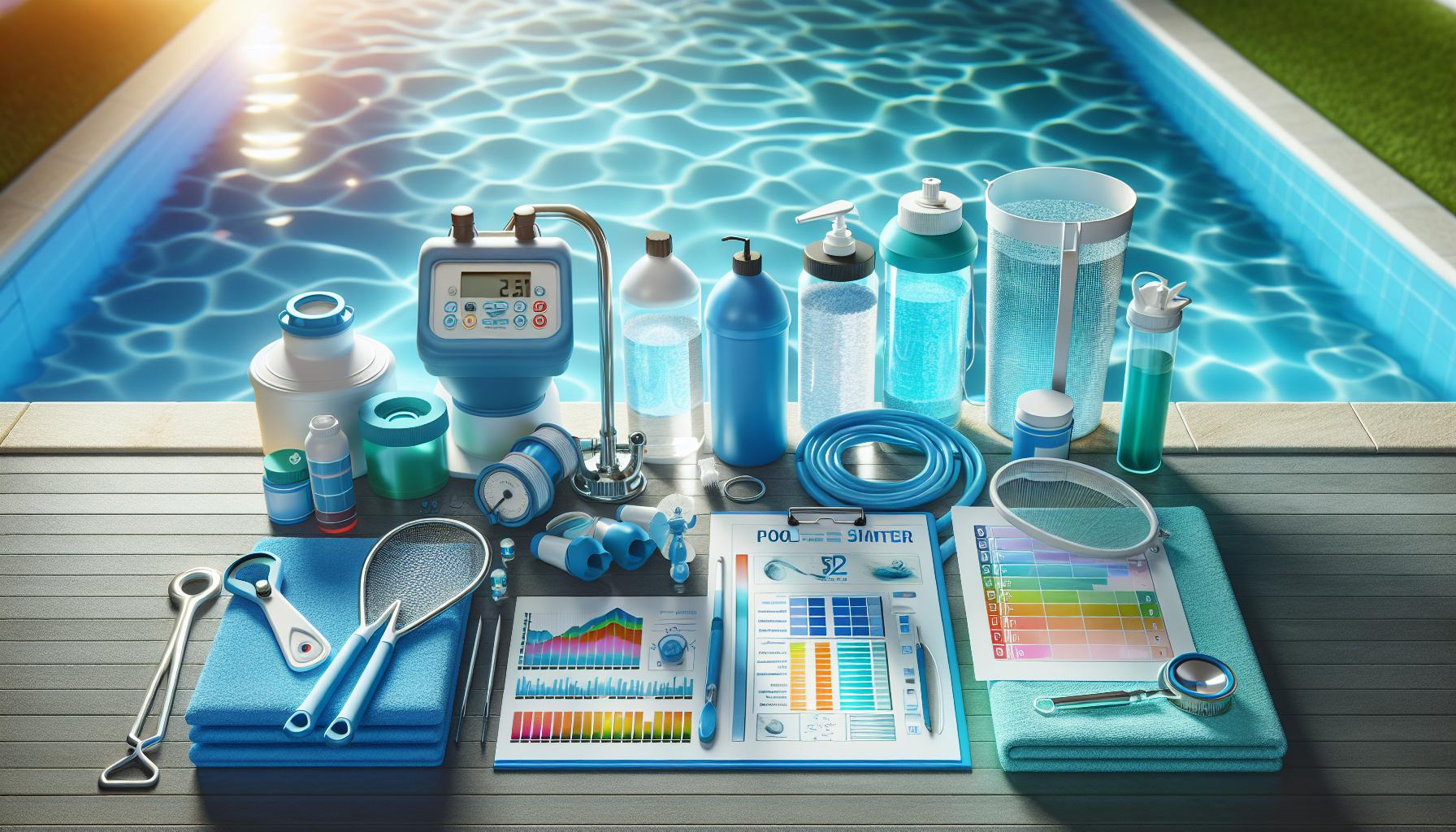
Effective Methods to Lower pH Levels
Maintaining the proper pH level in your pool is essential for ensuring a safe and enjoyable swimming environment. If your tests reveal that the pH levels are consistently above the ideal range (7.2-7.8), it’s crucial to take action. Elevated pH levels can lead to scale buildup, cloudy water, and reduced effectiveness of chlorine. Fortunately, there are and restore balance.
One of the most common and effective ways to reduce pH is through the addition of muriatic acid or sodium bisulfate, also known as dry acid. Here’s how you can safely implement this method:
- Determine the Required Amount: First, measure the current pH level and calculate how much you need to lower it. Generally, adding approximately 1.5 pounds of sodium bisulfate to 10,000 gallons of water will decrease the pH by about 0.3.
- Pre-Dissolve if Necessary: If you’re using sodium bisulfate, it can be added directly to the pool. However, if you opt for muriatic acid, it’s wise to dilute it by mixing it in a bucket with pool water before introducing it to the pool.
- Add the Chemical: To prevent any potential damage from concentrated acid, slowly pour the chemical into the deep end of the pool while the circulation pump is running, allowing for even distribution. This process minimizes risks to your pool surfaces and ensures better mixing.
- Wait and Retest: Allow the pool water to circulate for several hours and then retest the pH. Depending on your results, additional adjustments might be necessary, so patience is key.
When addressing high pH levels, remember to monitor the total alkalinity as well. Adjusting alkalinity can influence pH levels, and it’s essential to keep these factors in harmony. Using a combination of methods, such as utilizing acid and ensuring proper aeration, can enable effective management of pH levels over time.
In addition to chemical methods, natural approaches can provide relief as well. For example, allowing rainwater to naturally dilute pool water can gradually lower pH levels. However, this method is less predictable and may not suffice alone.
Always prioritize safety when handling pool chemicals. Wear protective gloves and eyewear to shield yourself from splashes, and ensure good ventilation if working indoors. By understanding the appropriate methods to lower pH levels, you can maintain a healthier swimming environment while extending the lifespan of your pool equipment.
Best Chemicals for pH Adjustment in Pools
Maintaining the correct pH levels in your pool is integral to ensuring a crystal-clear and healthy swimming experience. When it comes to adjusting pH, knowing which chemicals to use can make the process straightforward and effective. Two of the most commonly used chemicals for pH adjustment are muriatic acid and sodium bisulfate. These two agents serve different but equally important roles in balancing your pool’s water chemistry.
Muriatic acid, a diluted form of hydrochloric acid, is often employed to lower high pH levels effectively. It is typically more powerful and faster-acting compared to sodium bisulfate, making it suitable for significant adjustments. However, it requires careful handling: always wear protective gear, including gloves and goggles, to avoid skin irritation or eye damage. When using muriatic acid, it’s essential to dilute it in a bucket of water before adding it to the pool, as introducing it directly can lead to surface damage or rapid disbursement that may not achieve even pH balance.
On the other hand, sodium bisulfate, or dry acid, is a safer alternative that can be easier for pool owners to handle. This powdery substance is less hazardous than muriatic acid, making it a popular choice among DIY enthusiasts. When using sodium bisulfate, measure the required amount based on your pool volume and the initial pH level. As a general guideline, about 1.5 pounds of sodium bisulfate can lower the pH of 10,000 gallons of water by approximately 0.3. This makes it easier to control small adjustments without the intense caution required for muriatic acid.
In addition to these two primary chemicals, it’s vital to monitor the total alkalinity of your pool water, as it plays a significant role in stabilizing pH levels. Adjusting total alkalinity can help mitigate fluctuations in pH, ensuring a more balanced water chemistry. Regular testing is essential to maintain optimal conditions; use a reliable test kit to assess both pH and alkalinity levels frequently. By understanding and strategically using these chemicals, pool owners can confidently uphold a safe and enjoyable swimming environment year-round.
Testing Your Pool Water After pH Adjustment
Testing the pH of your pool water after making adjustments is crucial to ensure that the chemistry remains balanced and safe for swimming. It is a common misconception that adding chemicals like muriatic acid or sodium bisulfate will automatically stabilize the pH. In reality, it’s essential to follow up with precise testing to verify the effectiveness of your adjustments and avoid any potential imbalances.
Start by allowing the water to circulate for at least a few hours after adding any pH-altering chemicals. This allows the adjustments to mix properly throughout the pool. After sufficient circulation, use a reliable pool test kit or strips to measure the pH. Ensure that the test kit is calibrated and suitable for your pool size. Follow the instructions carefully, as different kits may have varying procedures. It’s best practice to take multiple samples from different areas of the pool to get an average reading, leading to a more accurate assessment of your water’s pH level.
If your testing shows that the pH is still outside the ideal range of 7.4 to 7.6, additional adjustments may be necessary. It’s a good idea to keep a record of your pH levels after each test along with the amounts of chemicals added. This systematic approach can help identify patterns, allowing you to adjust your maintenance routine effectively. If you find that you need frequent adjustments, consider testing your total alkalinity, as it plays a vital role in stabilizing the pH. High or low alkalinity can lead to persistent pH fluctuations, making it harder to maintain balance.
In those instances where the pH remains stubbornly out of whack, review your chemical handling practices and consider the water source. Sometimes, water with high mineral content can contribute to ongoing issues. Tips such as regular water replacement or using a flocculant to clear up cloudy conditions can assist in improving overall water chemistry, ensuring that your pool remains a safe and inviting environment for swimmers. Remember, a well-maintained pool is not just about looks but also about health and safety, and using good testing practices is a cornerstone of effective pool management.
Maintaining Optimal pH Levels Year-Round
Maintaining a balanced pH in your pool is not just an ongoing chore; it’s critical for ensuring clear, sparkling water and the comfort of those who take a dip. A well-maintained pH level-ideally between 7.4 and 7.6-helps to enhance the effectiveness of chlorine, preventing harmful bacteria and algae growth while safeguarding your pool equipment. The good news is that with a proactive maintenance plan, achieving and is completely attainable.
To keep your pool’s pH in the ideal range, start by incorporating regular testing into your maintenance routine. The right frequency depends on your pool usage, but testing once a week is a good standard. Use reliable test strips or a liquid testing kit to gauge the pH levels accurately. Document these readings to identify trends over time; this will help you anticipate when adjustments are necessary. If your test results indicate fluctuating pH results, consider deeper analysis like checking your total alkalinity, as this can greatly influence pH stability.
In addition to regular testing, establishing a routine for adding pH balancing chemicals will help manage fluctuations proactively. Consider the water’s source, as municipal water can contain varying levels of chemicals that affect pH. If you’re frequently adjusting pH levels, it may be time to contemplate solutions like installing a more sophisticated filtration or water treatment system to minimize variability. Furthermore, be mindful of environmental factors-weather changes, heavy rainfall, or organic debris can disrupt water chemistry. After significant rain, it’s advisable to test your pH to ensure it remains balanced.
To enhance stability, regularly clean your pool and filter system. Debris can release acids into the water, affecting pH. Additionally, use a pool cover during off-seasons to limit the introduction of contaminants and evaporation. If you find yourself struggling with persistent pH imbalances, consider consulting with a pool professional to evaluate your overall water chemistry and identify potential underlying issues. Consistent and mindful management will lead to a safer, healthier, and more enjoyable swimming experience.
Troubleshooting Persistent pH Imbalance Issues
Maintaining a balanced pH in your pool is crucial for optimal water quality, yet many pool owners encounter persistent pH imbalance challenges. These fluctuations can turn what should be a refreshing swim into a concerning chemistry issue. Understanding the underlying causes and implementing targeted solutions can restore balance effectively.
Start by assessing the primary factors that can lead to pH instability. Common culprits include heavy pool usage, weather changes, and the introduction of contaminants such as leaves, dirt, or even sunscreen. If you’re regularly adjusting your pH but still notice fluctuations, consider verifying the accuracy of your testing methods. It’s essential to use high-quality test kits and perform checks at consistent times, ideally in the morning before direct sun exposure heats the water.
Identifying Regional Influences:
Different regions have varying water chemistries. If your water supply has high levels of dissolved minerals or chloramines, these can affect pH stability. It’s advisable to conduct a broader water chemistry test to evaluate total alkalinity and calcium hardness. High alkalinity can buffer pH changes, potentially causing it to drift. If total alkalinity is above 120 ppm, consider reducing it first, as this will allow better control over the pH levels.
Active Solutions:
- Regular Testing: Test the water at least once a week and right after heavy rain or intensive use.
- Proper Chemical Balancing: If pH consistently drifts high, using muriatic acid or sodium bisulfate can effectively bring it down. For low pH, add sodium bicarbonate or soda ash to raise it.
- Equipment Check: Inspect your filtration and sanitation systems. A malfunctioning filter or inadequate circulation can exacerbate chemical imbalances.
Engaging with a local pool professional for periodic water quality assessments can provide insights tailored to your specific situation. They can analyze the water in-depth, offering solutions that may be overlooked in routine testing. Moreover, consistently track your pH levels and maintenance actions in a log; this practice can highlight patterns over time, assisting you in predicting future adjustments and preventing issues before they arise.
By understanding these factors and remaining proactive with your pool’s chemistry, you’ll be better equipped to manage persistent pH imbalances, ensuring a safe and enjoyable swimming experience for all.
Safety Tips for Handling Pool Chemicals
Handling pool chemicals requires a cautious approach to ensure safety and effectiveness. Improper handling can lead to harmful reactions, injury, or ineffective pH adjustments. One key tip is to always read and follow the manufacturer’s instructions on chemical containers. Understanding the specific requirements for each chemical, including proper dosage, storage conditions, and safety precautions is essential. Additionally, keeping a well-ventilated area when working with chemicals can help minimize the risk of inhaling fumes.
Wearing appropriate personal protective equipment (PPE) is crucial. This includes using gloves, goggles, and masks when handling strong chemicals like muriatic acid or chlorine. These substances can irritate skin and eyes, so safeguarding yourself against these risks is paramount. Organizing your chemical storage area by grouping similar substances together and ensuring that incompatible chemicals are stored separately can prevent dangerous interactions.
When measuring and mixing pool chemicals, always use dry, clean tools. Contamination from moisture or residues can lead to inaccurate measurements and unintended chemical reactions. For example, never mix different types of acids or pour water into acid, as this can cause violent reactions and splashes. Instead, always add acid to water to ensure a safe mixing process. After adjusting your pool’s pH, remember to wait a period before allowing swimming, giving the chemicals time to disperse thoroughly.
In the event of spills or exposure, knowing how to act quickly can make all the difference. Have a plan for cleaning up leaks and accidental spills by keeping absorbent materials and appropriate cleanup solutions nearby. Always ensure that any leftover or expired chemicals are disposed of properly, as per local regulations, to maintain both safety and environmental responsibility. By taking these precautions, pool owners can confidently manage their pool chemistry while safeguarding their health and the safety of swimmers.
Enhancing Overall Water Chemistry for a Healthy Pool
Maintaining a balanced water chemistry is the cornerstone of a healthy swimming pool. One of the most critical aspects of this balance is pH, which measures the acidity or alkalinity of the water. Ensuring that your pool’s pH is within the optimal range (7.4 to 7.6) not only enhances swimmer comfort but also extends the life of your pool equipment and prevents algae growth. To achieve this, regular testing and adjustment are key components of effective pool management.
To begin enhancing your overall water chemistry, always start with regular testing of your pool water. Utilizing a reliable test kit, you can monitor not only pH but also chlorine, total alkalinity, and cyanuric acid levels. When you test your water, pay close attention to the total alkalinity, as it acts as a buffer for pH and can help stabilize the changes you make. If your alkalinity is low, it can lead to unpredictable fluctuations in pH, making your pool maintenance much more challenging.
Once you have assessed your water chemistry, it is essential to take actionable steps to adjust any imbalances. If your pH is too high, consider adding a suitable pH decreaser, such as muriatic acid or sodium bisulfate. Start with small doses, testing the water again after a few hours to avoid overcorrection. Conversely, if pH levels are low, you can increase them using products like sodium carbonate. Always remember to add your chemicals to water, never the other way around, to ensure safety and proper mixing.
An additional best practice in maintaining overall water quality is regular shock treatments, especially after heavy use or rainstorms. Shocking your pool helps eliminate contaminants and brings your water back to a safe and pleasant condition. Following a shock, check your pH levels again, as they may require adjusting after treatment. By establishing a routine of testing, chemical addition, and regular cleaning, you’ll foster an environment that supports balanced water chemistry, allowing for a safe and enjoyable swimming experience.
Frequently asked questions
Q: How often should I test the pH level of my pool water?
A: You should test your pool’s pH levels at least once a week. However, testing more frequently, especially during heavy usage or after heavy rain, helps maintain optimal water chemistry and ensures swimmer comfort. Refer to the “Step-by-Step: Measuring Pool Water pH” section for detailed guidance.
Q: What should the ideal pH level be for swimming pools?
A: The ideal pH level for swimming pools is between 7.2 and 7.8. Maintaining this range ensures clear water, effective chlorine sanitation, and comfort for swimmers. For a deeper understanding, check out the “Understanding pH and Its Importance in Pool Maintenance” section.
Q: Can high pH levels in my pool damage equipment?
A: Yes, high pH levels can cause scaling on pool surfaces and equipment, leading to damage over time. Regular monitoring and adjustment can prevent these issues. See “Common Causes of Imbalanced Pool pH” for more insights.
Q: What are the symptoms of low pH in pool water?
A: Symptoms of low pH include eye irritation, corroded metal fixtures, and clearer water. Keeping an eye out for these signs helps in timely adjustments. For a more comprehensive list, refer to “Signs Your Pool pH Needs Adjustment.”
Q: How long does it take for pH adjustment chemicals to work?
A: Generally, pH adjustment chemicals can take anywhere from a few hours to a full day to stabilize your pool’s pH levels. Always retest after adding chemicals. More details can be found in the “Testing Your Pool Water After pH Adjustment” section.
Q: What happens if I add too much pH increaser?
A: Overdosing on pH increaser can lead to an excessively high pH, which may require additional chemicals to correct. Follow recommended dosages closely to avoid this issue. For troubleshooting, see “Troubleshooting Persistent pH Imbalance Issues.”
Q: How does temperature affect pool pH levels?
A: Temperature changes can affect pH levels; warmer water tends to have a higher pH. Adjust testing frequency during temperature fluctuations to maintain balance. Check “Maintaining Optimal pH Levels Year-Round” for strategies.
Q: Can rainwater affect pool pH levels?
A: Yes, rainwater can dilute pool water and lower pH levels, especially after heavy storms. Regular testing post-rain can help you make necessary adjustments. Refer to “Common Causes of Imbalanced Pool pH” for more details.
Key Takeaways
Now that you have the tools to effectively adjust your pool’s pH, you’re well on your way to maintaining crystal-clear water and a safe swimming environment. Remember, keeping your pool’s chemistry balanced is crucial not just for comfort but for the longevity of your equipment and the health of your swimmers. If you find yourself facing any lingering challenges or have specific questions, don’t hesitate to check out our resources on pool chemistry basics or our in-depth guide on common pool maintenance issues.
Ready to take the plunge into more pool care topics? Subscribe to our newsletter for expert tips, or explore our comprehensive forums where over 400,000 members share their experiences! It’s time to transform your pool care routine and enjoy the benefits of a stunning backyard oasis. Drop a comment below if you have any thoughts or questions-your feedback drives our community!


