


Maintaining the right alkalinity level in your pool is crucial for ensuring a safe and enjoyable swimming environment. Did you know that low alkalinity can lead to rapid pH fluctuations, causing discomfort and possible damage to your pool equipment? Understanding how much baking soda to add can be a game-changer for pool owners looking to keep their water balanced and clear.
In this guide, we’ll explore the ideal alkalinity range of 80-120 ppm, why baking soda is the preferred choice for raising alkalinity, and how to determine the precise amount you need based on your pool size. By following practical, step-by-step instructions, you’ll feel empowered to tackle this essential maintenance task independently and maintain the crystal-clear water you desire. Let’s dive into the world of pool care and discover how simple adjustments can lead to a healthier swimming experience.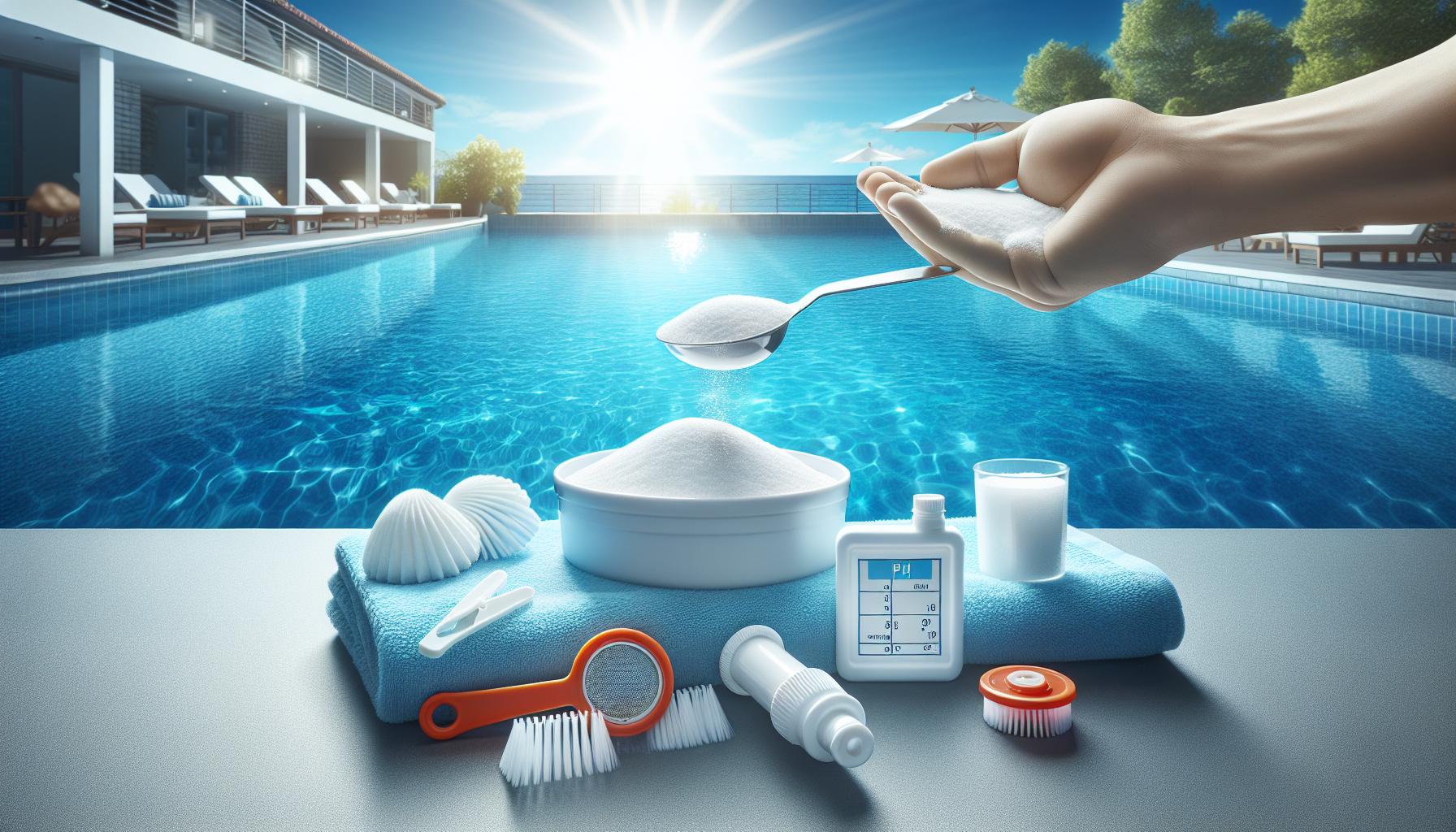
How Alkalinity Affects Your Pool Water
Maintaining the correct alkalinity level in your pool is vital for ensuring a safe and pleasant swimming experience. Alkalinity acts as a buffer against sudden pH changes, stabilizing your pool water and preventing fluctuations that can lead to equipment damage and swimmer discomfort. When the alkalinity is too low, pH levels can drop excessively, causing corrosion in metal fixtures and irritation to swimmers’ skin and eyes. Conversely, high alkalinity can lead to a dull and cloudy appearance, making it harder for sanitizers to work effectively.
To maintain optimal swimming conditions, it’s essential to keep your pool’s total alkalinity between 80 and 120 parts per million (ppm) [1[1][2[2]. Regular testing of the pool water will inform you whether your alkalinity is within this ideal range. A well-balanced alkalinity level not only prolongs the life of your pool equipment but also enhances the clarity and comfort of your swimming water.
Taking proactive measures when you detect imbalances is key. If you find the alkalinity is low, introducing baking soda is a common and effective method for raising levels. By knowing the precise dosage needed for your pool size, you can quickly rectify any issues and reinstate proper balance. On the other hand, if the alkalinity is too high, you may need to introduce specific chemicals to lower it, ensuring that you maintain a pristine swimming environment. Understanding how alkalinity affects your pool’s health can help you take control of your maintenance routine and enjoy a safer, more enjoyable experience throughout the swimming season.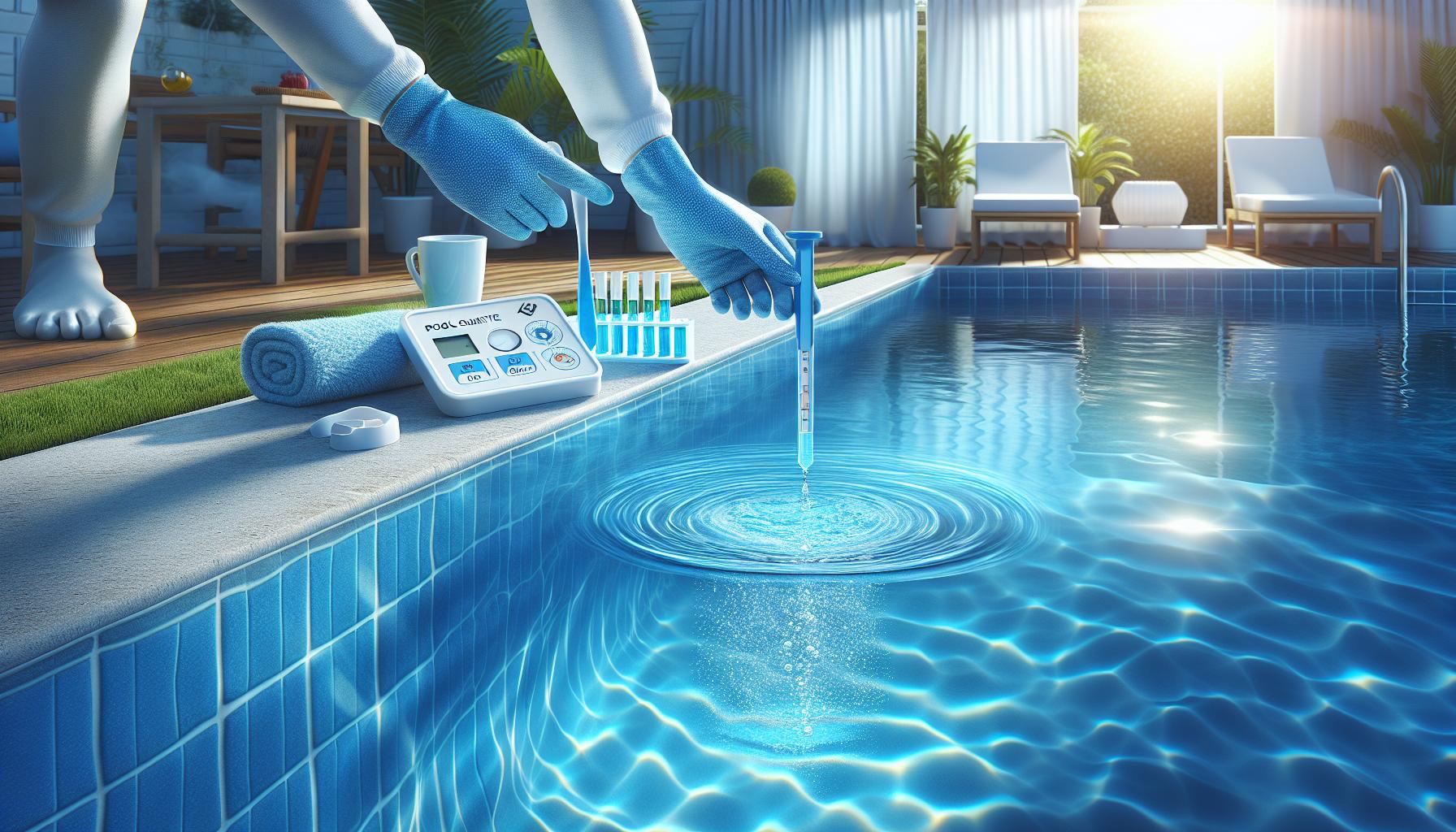
Understanding Baking Soda’s Role in Pool Chemistry
Baking soda, scientifically known as sodium bicarbonate, plays a crucial role in managing the alkalinity of pool water. Its effectiveness in raising alkalinity without a significant impact on pH makes it a go-to solution for pool owners. When alkalinity is low, the pool can become susceptible to drastic pH swings, causing discomfort for swimmers and potentially damaging pool equipment. Regularly maintaining alkalinity within the ideal range of 80 to 120 parts per million (ppm) is essential, and baking soda serves as a safe and efficient means to achieve this balance.
One of the key benefits of using baking soda is its dual functionality-while it raises total alkalinity, it results in only a minimal increase in pH levels. This attribute is particularly valuable for pool owners who face challenges with both low alkalinity and high pH. When adding baking soda, it typically increases alkalinity by about 1.4 ppm for every 1 pound added per 10,000 gallons of water, making precise calculations essential for effective treatment. It’s advisable to add baking soda gradually, allowing time for the water to circulate and mix before retesting; this ensures that adjustments are not made hastily, which could lead to overshooting the desired levels.
Steps to Adding Baking Soda to Your Pool
- Measure Your Pool Size: Understand the volume of your pool in gallons to determine how much baking soda you will need.
- Calculate the Dosage: Use the conversion of 1 pound of baking soda per 10,000 gallons to find how much you need based on your test results.
- Add Baking Soda: Broadcast the baking soda evenly across the surface of the pool water while the pump is running to ensure proper distribution.
- Retest the Alkalinity: Wait at least 24 hours before retesting the alkalinity to check the effectiveness of your adjustment.
By consistently monitoring and adjusting your pool’s alkalinity levels with baking soda, you not only enhance swimmer comfort but also extend the longevity of your pool system. This practice helps to keep your water clear and inviting, while safeguarding against the harmful effects of fluctuating pH levels. In summary, understanding the role of baking soda in pool chemistry empowers homeowners to confidently tackle their pool maintenance, ensuring an enjoyable swimming environment year-round.
Step-by-Step: Testing Pool Alkalinity Levels
Testing your pool’s alkalinity is a crucial step in maintaining a balanced and healthy swimming environment. Proper alkalinity levels, ideally between 80 and 120 parts per million (ppm), help stabilize pH levels, making swimming more comfortable and protecting your pool equipment. To ensure that your pool remains in this optimal range, follow these simple steps to test alkalinity levels accurately.
Start by gathering your testing kit-you’ll need a reliable pool water testing kit, which typically includes test strips or a liquid reagent kit. Fill a clean container with a sample of pool water, making sure to collect the sample from elbow-deep depth for an accurate representation of the overall water chemistry. Follow the instructions provided with your testing kit, whether that involves dipping a test strip and waiting for a color change or adding specific reagents to the water sample and observing reactions.
Once you’ve completed the test, compare the results to the color scale provided in your kit. This will indicate your total alkalinity level. If the reading is below 80 ppm, you’ll need to raise the alkalinity, while levels above 120 ppm may require lowering. Understanding these readings enables you to make informed decisions about how much baking soda or other alkalinity-boosting agents to add to your pool water.
After testing, it’s important to document your results to track changes over time. Regular testing will help you notice patterns or fluctuations in your pool’s chemistry, allowing you to address issues proactively. Aim to test your pool’s alkalinity at least once a week or more frequently during heavy use or after significant weather events. Regular monitoring ensures a safe and enjoyable swimming environment while helping prevent more costly repairs down the line.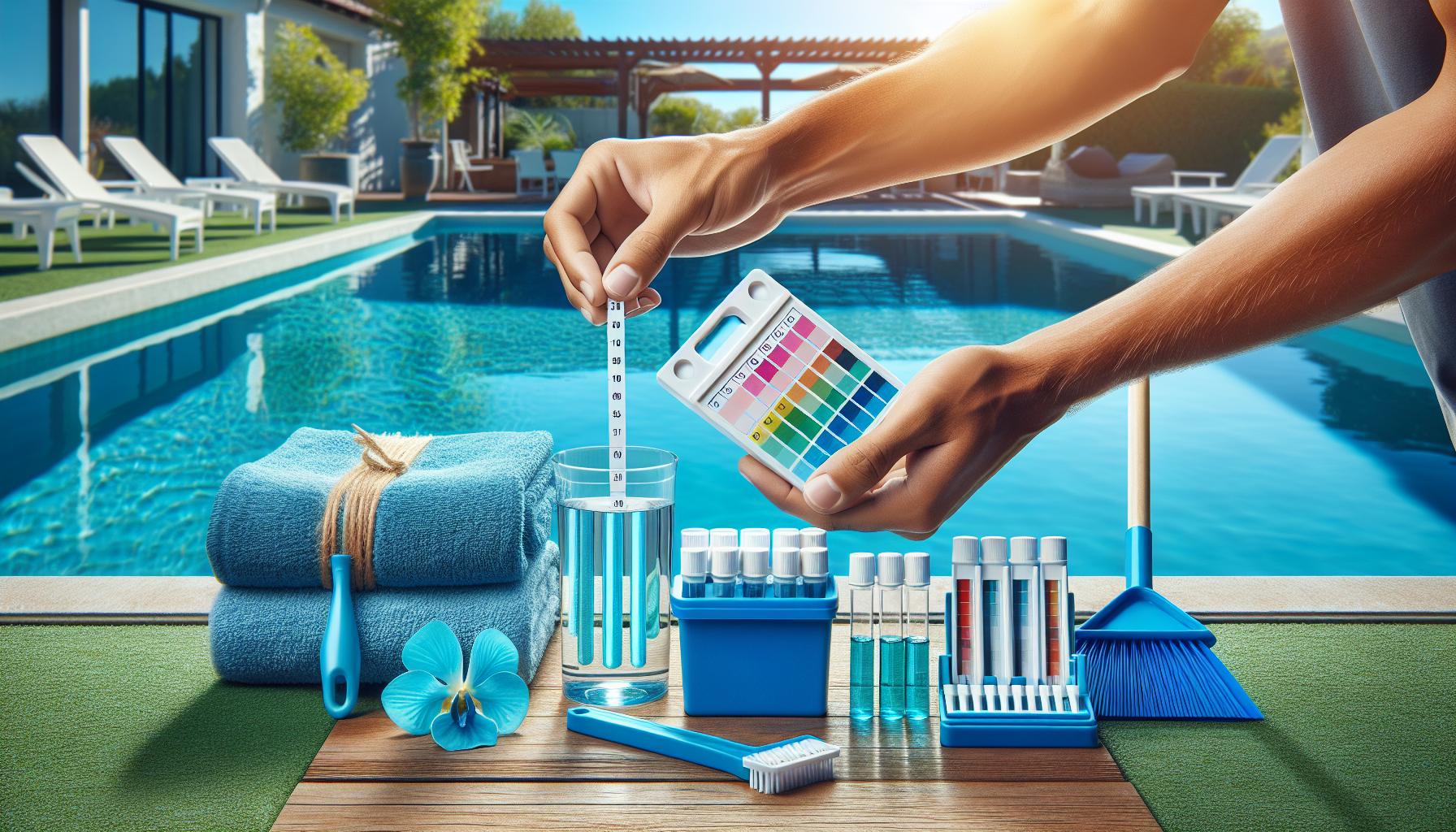
Calculating the Right Baking Soda Dosage
To effectively manage your pool’s alkalinity, knowing the right baking soda dosage is essential. Too little won’t yield the desired results, while too much can lead to imbalances that may require additional adjustments. The rule of thumb is straightforward: adding 1.5 pounds (approximately 680 grams) of baking soda per 10,000 gallons (around 37,854 liters) of water raises the alkalinity by about 10 parts per million (ppm). This simple guideline helps you target your adjustments accurately and minimizes the risks associated with over-treatment.
Step-by-Step Calculation
Follow these steps to calculate your specific needs:
- Determine Pool Volume: First, know how many gallons of water your pool holds. You can find this information in your pool’s specifications or by using online calculators that factor in your pool’s dimensions.
- Identify Current Alkalinity: Use your testing kit to find out your pool’s current alkalinity level. This enables you to understand how much you need to increase it to reach the ideal range of 80-120 ppm.
- Calculate Necessary Dosage: Using the differences between your current levels and your target, compute how much baking soda to add. For instance, if your pool holds 20,000 gallons and your reading is 70 ppm with a goal of 100 ppm, you need to raise the alkalinity by 30 ppm. This would require (30 text{ ppm} div 10 text{ ppm/baking soda} times 1.5 text{ lbs} = 4.5 text{ lbs}) of baking soda.
- Add Baking Soda: Distribute the calculated amount of baking soda evenly around the pool while the pump is running to help it dissolve and circulate effectively.
- Re-test: After allowing the water to circulate for at least 6 hours, re-test your pool’s alkalinity. If it’s still below your desired range, repeat the calculations and adjustments accordingly.
Always remember that maintaining balance in your pool’s chemistry is a process. By making small adjustments and diligently monitoring the results, you create a safer and more enjoyable swimming environment. Regular testing allows for timely corrections, ensuring that your pool remains a refreshing oasis all season long.
Common Mistakes When Adjusting Alkalinity
Making adjustments to pool alkalinity is crucial for maintaining a balanced and inviting swimming environment; however, many pool owners make common mistakes that can lead to further complications. One significant error is overestimating the required amount of baking soda. Adding too much can overshoot your target alkalinity level, potentially pushing your levels out of balance and requiring additional treatments to correct. It’s essential to stick to the rule of thumb-1.5 pounds of baking soda per 10,000 gallons to raise the alkalinity by 10 ppm-while also observing your pool’s unique needs.
Another frequent mistake is neglecting to retest the alkalinity after adjustments. After adding baking soda, it’s easy to assume that the desired effect has been achieved, but testing is crucial to confirm the new levels. It’s advisable to allow the water to circulate for at least 6 hours before retesting to get the most accurate reading. Failing to do so can lead to a cycle of continuous corrections that might exacerbate the issue rather than resolve it.
Additionally, many pool owners overlook the importance of proper distribution when adding baking soda. Pouring it in one concentrated area can create localized imbalances. To avoid this, it’s best to sprinkle the baking soda evenly around the pool’s perimeter while the pump is running. This ensures the chemical dissolves thorough and integrates evenly into the water, providing a more consistent alkalinity level throughout the pool.
Lastly, it’s crucial to understand that different pool types may require unique approaches. For instance, saltwater pools and those with particular surfaces, such as plaster, might respond differently to alkalinity adjustments. Always consider your pool’s material and water type when making changes to ensure you’re not inadvertently compromising the integrity of your pool or its equipment. By being mindful of these common pitfalls and taking a careful, measured approach, you can maintain optimal alkalinity levels for a safe and enjoyable swimming experience.
Adjusting Alkalinity for Different Pool Types
When it comes to managing pool alkalinity, understanding that different pool types require tailored approaches is crucial for effective maintenance. For instance, vinyl pools, which are more susceptible to damage, generally thrive within an alkalinity range of 100-120 ppm. This is slightly higher than the standard range of 80-120 ppm for traditional plaster pools. In a vinyl pool, lower alkalinity can lead to problems like metal corrosion, while excessively high levels may affect liner longevity and performance. When adjusting alkalinity in such pools, always use the recommended dosage of baking soda-1.5 pounds per 10,000 gallons to increase alkalinity by 10 ppm-and monitor the levels closely.
Saltwater pools present a unique challenge since they operate using chlorine generators that can be sensitive to water chemistry fluctuations. A higher total alkalinity level can help stabilize the pH, preventing frequent adjustments. However, using too much baking soda can also elevate the alkalinity to an undesirable level, resulting in scaling or cloudy water. In this case, it’s vital to test your alkalinity regularly and make smaller adjustments, ideally adding one half of the recommended dosage first, then retesting after circulation.
Above ground pools can have varying materials; from metal frames to inflatable options, each may respond differently to alkalinity changes. For metal-framed pools, maintaining ideal alkalinity is critical to prevent rust and corrosion. It’s generally advisable to keep these pools within the 80-120 ppm range, using baking soda to avoid swings in pH that might arise from introducing other chemicals. In inflatable pools, introducing measures to manage alkalinity without compromising the material integrity is key; similarly, regular testing helps ensure the water chemistry stays balanced without frequent drastic changes.
Finally, considering the pool’s environment is important when making adjustments. Pools exposed to heavy rains or leaves may see larger fluctuations in chemical balance, necessitating more frequent tests and adjustments. Regardless of pool type, the ultimate goal is to ensure a safe swimming environment, and by understanding the specific needs of your pool, you empower yourself to make effective and responsible alkalinity adjustments.
Maintaining Ideal Alkalinity Range
Maintaining the right alkalinity in your pool water is essential for ensuring a safe and enjoyable swimming environment. The ideal total alkalinity level typically falls between 80-120 parts per million (ppm), depending on your pool type. Proper alkalinity serves as a buffer for pH changes, preventing sudden fluctuations that can lead to water quality issues, irritation of skin and eyes, and damage to pool equipment and surfaces.
To effectively maintain this range, it’s crucial to engage in consistent testing and timely adjustments. Using a reliable test kit, check your pool’s alkalinity at least once a week, more frequently during periods of heavy use or after rainstorms. This proactive approach allows you to catch any imbalances before they become problematic. In cases where you find the alkalinity is too low, adding baking soda is a standard recommendation. Use the guideline of 1.5 pounds of baking soda per 10,000 gallons of water to increase your alkalinity by approximately 10 ppm. Always distribute the baking soda evenly across the surface of the pool to ensure even dissolution and circulation.
Regular Monitoring
Maintaining ideal alkalinity isn’t a one-time task; it requires regular monitoring. Here are some practical tips:
- Invest in Quality Testing Kits: A good test kit or test strips can provide accurate readings, helping you determine exactly how much adjustment is needed.
- Schedule Consistent Testing: Establish a routine to check your pool water weekly and adjust as necessary.
- Observe Environmental Factors: Changes in weather, such as heavy rain or storms, can significantly affect alkalinity levels, so be ready to test and adjust more frequently during these times.
Consistent attention to pool chemistry not only facilitates a pleasant swimming experience but also extends the lifespan of your pool’s finishes and equipment. Remember, key to successful pool maintenance is understanding your pool’s unique needs and responding promptly to any changes in water chemistry. By making these practices part of your regular routine, you’ll maintain a balanced pool environment that enhances both safety and comfort for all swimmers.
Signs Your Pool Needs Alkalinity Adjustment
Identifying when your pool’s alkalinity needs adjustment is crucial for maintaining a healthy and enjoyable swimming environment. A subtle shift in chemical balance can lead to a host of problems, but by paying attention to specific signs, you can proactively manage your pool’s chemistry. If you notice that the water becomes cloudy or there’s a distinct change in color, it may indicate that the alkalinity level is out of balance. These visual cues are a clear call to action.
Another significant indicator is the discomfort experienced by swimmers. If visitors consistently complain of itchy skin or burning eyes, your pool’s water chemistry might be unstable, potentially because of low alkalinity. Proper alkalinity acts as a buffer for pH levels; without it, pH can fluctuate dramatically, leading to these irritating conditions. Additionally, if you’re experiencing frequent adjustments to pH levels, this could signify that alkalinity is low, and it’s time to take corrective measures.
Testing and Immediate Actions
To confirm your suspicions, utilize a reliable pool test kit to check your alkalinity levels. If the reading falls below the ideal range of 80-120 ppm, it’s necessary to act promptly. Here are some immediate actions to consider:
- Add Baking Soda: If alkalinity is low, incorporate baking soda into your pool. Use the guideline of 1.5 lbs per 10,000 gallons to raise alkalinity by approximately 10 ppm.
- Even Distribution: When adding baking soda, ensure you spread it evenly across the pool’s surface for effective dissolution and circulation.
- Re-test Regularly: After any adjustment, retest the alkalinity after 24 hours to ensure levels are stabilizing within the desired range.
By staying vigilant and responsive to these signs, you empower yourself to maintain balanced water chemistry, ultimately ensuring a safe and pleasant swimming experience for all.
Alternatives to Baking Soda for Alkalinity
When managing pool chemistry, baking soda is often the go-to solution for raising alkalinity. However, there are several alternatives available for pool owners who may want to explore different options based on their specific needs or preferences. Understanding these alternatives can provide flexibility in maintaining the ideal chemical balance of your pool water.
One effective alternative is sodium bicarbonate, which is essentially another name for baking soda. While it may not seem like a distinct alternative, using high-quality sodium bicarbonate can yield better results if standard baking soda isn’t performing as expected. In addition to raising alkalinity, it can help stabilize pH levels. It’s commonly found in pool supply stores and can be added in similar quantities: about 1.5 lbs per 10,000 gallons will increase total alkalinity by approximately 10 ppm.
Another option is alkalinity increaser, a specially formulated product that specifically targets and raises alkalinity without significantly affecting pH. These products often contain sodium bicarbonate as a primary ingredient but might also include additional stabilizers for improved results. They are typically straightforward to use-just follow the manufacturer’s instructions based on your pool’s volume and current alkalinity levels.
For those looking for a more natural approach, using crushed coral or limestone can serve as an effective means to increase alkalinity. These materials release calcium carbonate into the water, slowly raising alkalinity over time and also contributing to hardness-a beneficial trait in many types of pools, especially those using plaster surfaces. When utilizing crushed limestone, understand that it’s a more gradual method, so regular testing and adjustments may be needed to ensure that the desired levels are achieved.
In certain cases, baking soda substitutes like potassium bicarbonate can also be used as a means to increase alkalinity. This alternative not only raises alkalinity but can also enhance calcium levels in softer water, providing additional benefits for pool health. When considering this option, it is advisable to consult with a pool professional to determine the appropriate dosage based on your specific pool conditions.
By exploring these alternatives, pool owners can have greater control over their pool’s alkalinity levels, ensuring a stable, comfortable swimming environment while potentially reducing reliance on conventional baking soda. Remember to retest your water after adjustments to monitor the effectiveness of your chosen method.
Safety Tips for Pool Chemical Handling
Handling pool chemicals safely is crucial for maintaining both effective pool chemistry and personal safety. While baking soda is a common choice for raising alkalinity, ensuring proper safety measures when working with any pool chemicals is paramount to avoid accidents and health risks. One important practice is to always store chemicals in a cool, dry place, ideally in their original containers with labels intact. This helps prevent unintended reactions and ensures that you can easily reference usage instructions and safety information.
Protective gear is another essential component of safe chemical handling. Always utilize gloves and goggles when measuring and adding chemicals. If there’s any risk of splashes, consider wearing a mask or face shield to further protect your face and respiratory system. In case of skin contact with baking soda or other chemicals, rinse the area with plenty of water. For eye exposure, immediately flush the eyes with clean water for at least 15 minutes and seek medical attention if irritation persists.
It’s equally crucial to avoid mixing different chemicals unless explicitly stated as safe on the labels. For instance, combining alkalinity increasers with acid can result in harmful gas emissions. If unsure about the compatibility of chemicals, consult product labels or reach out to a pool professional. Always add chemicals to water, never the other way around. This practice minimizes the risk of violent reactions and splashing.
Regularly reviewing emergency procedures and first aid practices related to pool chemicals is beneficial. Familiarize yourself with the Material Safety Data Sheets (MSDS) for the chemicals you use, which provide critical information on handling, potential hazards, and necessary first-aid measures. Finally, when in doubt, don’t hesitate to seek help from a qualified professional. Taking these proactive steps will help ensure a safe and enjoyable swimming environment.
Long-Term Maintenance: Keeping Your Pool Balanced
Maintaining a balanced pool is akin to nurturing a thriving ecosystem; every element plays a vital role in ensuring a safe, enjoyable swimming environment. One of the most critical aspects of pool chemistry is alkalinity, which acts as a buffer for pH levels. If the alkalinity is too low, pH fluctuations can become erratic, leading to potential corrosion of pool surfaces and equipment. Conversely, high alkalinity can cause cloudiness and scaling. Therefore, long-term maintenance strategies are essential to keep your pool’s alkalinity within the ideal range of 80-120 ppm (parts per million).
To achieve this, regularly testing your pool’s alkalinity should be part of your routine. Invest in a reliable test kit and check the alkalinity at least once a week, particularly during warmer months or after significant rainstorms, which can alter chemical balances. If you find that alkalinity levels are consistently low, gradually adding baking soda can effectively raise these levels, but it’s crucial to do so incrementally. Following a calculated dosage approach-usually about 1.5 pounds of baking soda per 10,000 gallons of pool water for a significant increase-will help avoid overshooting your target.
After adjusting the alkalinity, allow the water to circulate for several hours, and then retest to confirm that levels are now stable. In addition to using baking soda, consider the following maintenance tips to ensure balanced pool water:
- Use a surface skimmer and vacuum regularly to remove debris that can affect water balance.
- Monitor and clean your filter system to promote effective filtration.
- Keep an eye on the water levels and refill as necessary, as evaporation can concentrate pool chemicals.
- Implement a weekly, comprehensive water testing schedule that includes pH, chlorine, and alkalinity checks for better overall management.
By committing to a structured maintenance regimen, you will not only prolong the life of your pool equipment but also enhance the overall swimming experience for you and your guests. Remember, a well-maintained pool is not just about safety but about preserving the enjoyment that comes with a refreshing swim on a hot day.
Expert Tips for Seasonal Pool Care
Maintaining the optimal balance of chemicals in your pool is crucial, especially as seasons change. As temperatures fluctuate, so do factors like evaporation rates, environmental debris, and swimmer usage-all of which can impact alkalinity levels. Not only does proper alkalinity ensure that pH levels remain stable, but it also prevents corrosion of pool surfaces and equipment, as well as enhances swimmer comfort. Here are essential tips for seasonal pool care to keep your water balanced and inviting.
Routine Testing
Regular testing of your pool water should become a seasonal ritual. Make it a point to check alkalinity at least once a week, and increase the frequency during heavy usage periods, such as summer, or after heavy rains that can dilute pool chemicals. Use a reliable test kit that provides accurate readings of both alkalinity and pH. If alkalinity levels drop below the ideal range of 80-120 ppm, it’s time to intervene.
Adjusting with Precision
When adjusting alkalinity, slow and steady wins the race. If you determine that baking soda is needed, remember the general rule of thumb: add about 1.5 pounds of baking soda for every 10,000 gallons of water to raise alkalinity by approximately 10 ppm. Always add the baking soda gradually; it’s better to under-add than to overshoot your target. After applying any modifications, circulate the water for several hours before retesting to ensure effectiveness.
Seasonal Maintenance Tips
To safeguard your pool’s overall health, consider integrating these practical approaches into your seasonal maintenance plan:
- Clean regularly: Use a skimmer and vacuum to reduce debris, which can impact water chemistry.
- Maintain filtration: Ensure your filter system is clean and functioning efficiently to promote optimal water quality.
- Monitor water levels: Regularly check and replenish water levels as evaporation can concentrate chemicals.
- Prepare for winter: If your area experiences freezing temperatures, ensure you winterize your pool correctly to prevent damage caused by frozen water.
By incorporating these expert tips into your seasonal pool care routine, you’ll maintain balanced water chemistry that not only enhances the longevity of your pool but also creates a safe and enjoyable environment for you and your family. Take ownership of your pool’s chemistry and enjoy the rewards of a well-maintained swimming oasis year-round.
Frequently Asked Questions
Q: How do I know how much baking soda to add to my pool?
A: To determine how much baking soda to add, first test your pool’s alkalinity level. Generally, you need 1.5 pounds of baking soda to increase alkalinity by 10 ppm in a 10,000-gallon pool. Adjust the dosage based on your specific needs and pool size for precise results [1].
Q: What is the ideal alkalinity level for a swimming pool?
A: The ideal alkalinity range for a swimming pool is between 80 and 120 ppm. Maintaining this level helps ensure water balance and prevents issues like corrosion and scale formation [2].
Q: Can I use other substances besides baking soda to raise alkalinity?
A: Yes, alternatives to baking soda include sodium bicarbonate and alkalinity increaser products specifically designed for pools. However, baking soda is often preferred for its cost-effectiveness and ease of use [2].
Q: How often should I test my pool’s alkalinity levels?
A: It’s recommended to test your pool’s alkalinity levels at least once a week, especially during peak swimming season or after heavy rainfall. Regular testing ensures that adjustments can be made promptly to maintain water balance [3].
Q: What are the signs that my pool’s alkalinity is too low?
A: Signs of low alkalinity include fluctuating pH levels, corrosion of metal fixtures, and difficulty maintaining chlorine levels. If you observe these issues, it’s essential to raise your alkalinity promptly [2].
Q: Is it safe to add baking soda directly to the pool?
A: Yes, it is safe to add baking soda directly to the pool. Sprinkle it in a circular motion while keeping the water circulating to avoid cloudiness. Ensure to follow your calculations for appropriate dosage [3].
Q: How quickly will baking soda raise the alkalinity in my pool?
A: Baking soda typically takes a few hours to reflect changes in alkalinity after being added. It’s advisable to retest your water after this period to check if additional adjustments are needed [2].
Q: Can high alkalinity be just as harmful as low alkalinity?
A: Yes, high alkalinity can lead to cloudy water and scale deposits, making it hard to adjust pH levels. If you suspect high alkalinity, test and consider using an acid to lower levels effectively [1].
Future Outlook
Achieving the right baking soda dosage for raising your pool’s alkalinity is key to maintaining crystal-clear, safe, and inviting water for swimming. Remember, balancing alkalinity not only improves water quality but also optimizes the effectiveness of chlorine and other chemicals. Don’t wait until you notice issues-be proactive! For even more tips on pool maintenance, check out our guides on how to clean a pool with baking soda and how to effectively use baking soda in your pool.
If you have questions or need further assistance, feel free to drop a comment below or sign up for our newsletter for expert advice directly to your inbox. Your pool deserves the best care, and we are here to help you tackle any challenges with confidence! Together, let’s keep your pool in top shape for you and your family to enjoy all season long.


