


When it comes to maintaining a clean and inviting swimming pool, total alkalinity plays a critical role, often underappreciated by pool owners. Alkalinity acts as a buffer for pH levels, ensuring that your water remains stable and resistant to sudden changes. Without proper alkalinity, your pool could suffer from fluctuating pH levels, leading to costly issues like equipment damage and less enjoyable swimming conditions.
Understanding alkalinity is essential not just for the longevity of your pool, but for the comfort and safety of all who enjoy it. If your pool water is too acidic or too alkaline, it can cause skin irritations, eye discomfort, and even chemical imbalances that could leave your swimming experience less than ideal.
Join us as we delve deeper into what alkalinity is, why it matters, and how you can easily maintain it. By learning to manage your pool’s alkalinity effectively, you’ll ensure crystal-clear water and a worry-free swimming experience.
What Is Alkalinity and Its Role in Pool Water?
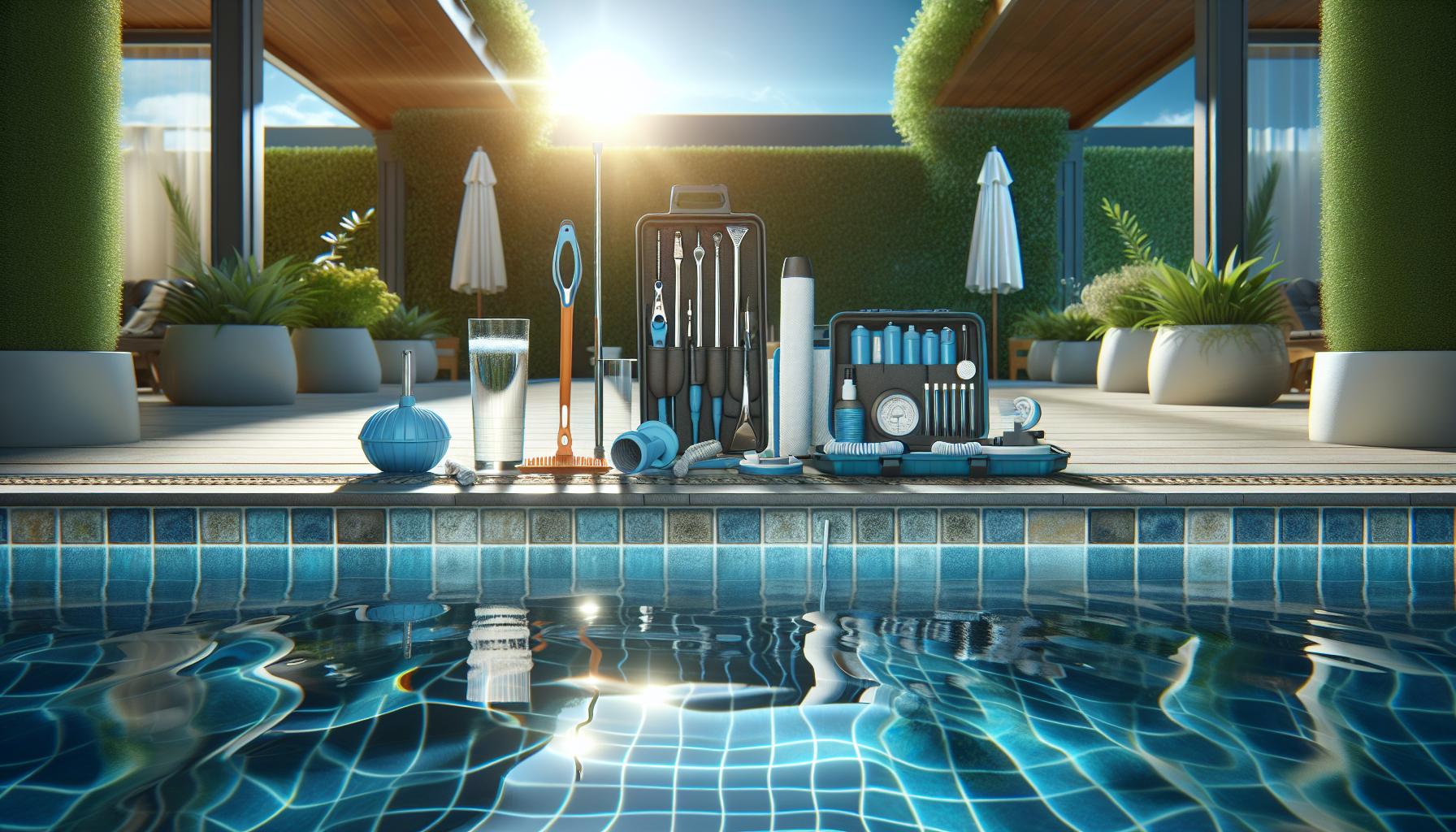
Alkalinity in pool water serves as a key buffer system, helping to stabilize the pH level and prevent drastic fluctuations. When alkalinity is balanced, it acts like a sponge, absorbing acidic compounds that might otherwise cause the pH to drop, thus maintaining a more stable swimming environment. This consistency not only protects the pool equipment and surfaces from corrosion and scaling but also enhances the overall comfort of swimmers by ensuring that the water feels fresh and inviting.
To put it simply, total alkalinity refers to the concentration of alkaline substances in the water, primarily bicarbonates, carbonates, and hydroxides. Ideally, pool water should have an alkalinity level ranging from 80 to 120 ppm (parts per million). When levels fall below this range, you may notice more frequent pH dips, which can lead to irritated skin and eyes for swimmers, a common complaint in poorly maintained pools. Additionally, low alkalinity can make it difficult to effectively manage pH levels.
Maintaining proper alkalinity levels involves regular testing and adjustments using alkalinity increasers, such as sodium bicarbonate, if the readings are too low. Periodically treating your pool with appropriate chemicals and regularly testing the water will provide a balanced pool environment and help avoid the complications associated with imbalanced alkalinity. Moreover, understanding how weather changes, the frequency of pool use, and the introduction of chemicals affect your pool’s chemistry can empower you to maintain the optimal conditions necessary for a safe and enjoyable swimming experience.
Understanding pH and Its Relationship with Alkalinity
The delicate balance between pH and alkalinity in pool water is essential for maintaining an inviting swimming environment. pH measures how acidic or basic the water is, with a scale ranging from 0 to 14. A pH of 7 is neutral, below 7 is acidic, and above 7 is basic. However, pH alone doesn’t tell the full story of a pool’s water chemistry. This is where alkalinity comes in, acting as a buffer stabilizing the pH level.
When the total alkalinity of your pool water is within the ideal range of 80-120 ppm, it helps resist changes in pH caused by various factors like rain, debris, or swimmer load. For instance, without sufficient alkalinity, adding even a small amount of acidic chemicals to your pool could result in significant drops in pH, leading to discomfort for swimmers and potential damage to your pool’s surfaces and equipment. Conversely, when alkalinity is too high, it can make it difficult to adjust pH levels effectively, causing the water to become murky and unpleasant.
Understanding how to manage this relationship empowers pool owners to enjoy a cleaner and safer swimming experience. Regular testing is vital; use a reliable test kit to measure both pH and alkalinity. If you find your alkalinity levels are low, simple corrective measures like adding sodium bicarbonate can restore balance. Here’s a practical step-by-step approach you can follow:
- Test your water chemistry using a test kit.
- Note the current alkalinity and pH levels.
- If alkalinity is low, slowly add the recommended amount of sodium bicarbonate (typically 1.5 pounds per 10,000 gallons can raise alkalinity by approximately 10 ppm).
- After adding, circulate the water for several hours.
- Retest the water and adjust as necessary.
Consistency in testing and adjusting your pool chemistry will not only keep your water crystal clear but also create a more comfortable and enjoyable swimming experience for everyone.
Why Alkalinity Matters for Your Pool Maintenance

Maintaining optimal alkalinity is crucial for a well-functioning pool, as it serves as the first line of defense against fluctuations in pH. When alkalinity levels are within the recommended range of 80 to 120 parts per million (ppm), they stabilize pH and help to prevent large swings that can cause discomfort for swimmers and potential damage to pool equipment and surfaces. A balanced alkalinity not only contributes to clearer water but also enhances the effectiveness of sanitizers and other pool chemicals, creating a healthier swimming environment.
Regular monitoring of alkalinity should be at the forefront of every pool owner’s maintenance routine. Any variation, whether too high or too low, can lead to problems like corrosive water or scaling. For example, low alkalinity can result in rapid pH changes, leading to skin and eye irritation for swimmers, while high alkalinity may cause murky water and make pH adjustments challenging. This can diminish the overall swimming experience and complicate routine maintenance tasks.
To maintain ideal alkalinity, owners should adopt a systematic approach to testing and adjusting water chemistry. Start by using a reliable test kit to assess the alkalinity levels accurately. If results show low alkalinity, add sodium bicarbonate incrementally, ensuring that you circulate the water for a few hours before retesting. This method not only restores balance but helps ensure that your pool remains a comfortable and safe space for enjoyment.
Engaging in preventative measures is equally important for long-term maintenance. Regularly cleaning the pool and managing debris can contribute to stable water chemistry. Moreover, using a well-designed pool cover when the pool is not in use can minimize contamination and evaporation, ensuring that alkalinity levels remain consistent. By being proactive, pool owners can create an inviting swimming environment year-round.
Common Causes of Low Alkalinity in Pools
Low alkalinity in pool water can create a host of problems that can detract from both the water quality and the swimming experience. Understanding the common culprits behind diminished alkalinity levels is key for effective pool maintenance. A few primary factors often contribute to low alkalinity, making it essential for pool owners to stay informed and proactive.
One major cause of low alkalinity is the frequent introduction of water to the pool, whether through heavy rain, splash-out from swimmers, or the need to top off water levels due to evaporation. When water is replaced, it often has lower alkalinity than the existing pool water. Additionally, the use of chlorine-based sanitizers can lower alkalinity over time, especially if chlorine levels are maintained at high concentrations, leading to more acidic conditions.
Chemical imbalances are another common root of low alkalinity. For instance, if pH levels drop below the recommended range, they can make it harder to keep alkalinity stable. This scenario often occurs when muriatic acid or other pH-reducing agents are added too liberally or without proper adjustments. Moreover, high levels of dissolved solids, which can accumulate from skin oils, lotions, or environmental debris, may lead to decreased alkalinity as they disrupt the water’s natural chemistry.
To address low alkalinity, routine testing is vital. Use a reliable pool testing kit to frequently monitor alkalinity levels, and consider taking corrective actions promptly. If low alkalinity is detected, adding sodium bicarbonate is an effective way to boost levels gradually. This not only stabilizes the pH but also helps ensure the comfort of swimmers and the longevity of pool infrastructure.
By identifying and addressing these common causes, pool owners can maintain healthier water, enhance swimmer satisfaction, and simplify their overall maintenance duties. Remember that a little attention can go a long way in preserving the quality of your pool water and creating an enjoyable swimming environment.
Effective Solutions for Raising Pool Alkalinity
Maintaining the right level of alkalinity in your pool is essential for ensuring not only the comfort of swimmers but also the longevity of your pool equipment. An effective approach to raising alkalinity can transform the quality of your water, promoting a safer and more enjoyable swimming experience. Fortunately, the solutions are both straightforward and manageable, making it easy for pool owners to take control.
One of the most common and effective methods for raising pool alkalinity is the addition of sodium bicarbonate, also known as baking soda. For every 10,000 gallons of water, adding approximately 24 ounces (about 680 grams) of baking soda can increase alkalinity by about 10 ppm (parts per million). This method is preferred for its dual benefits: it not only raises alkalinity but also effectively stabilizes pH levels, which is crucial for maintaining water balance and protecting your pool’s surfaces and equipment. To implement this solution, simply dissolve the baking soda in a bucket of water before adding it to your pool to ensure an even distribution.
Step-by-Step Approach to Raising Alkalinity
- Test Your Water: Begin by using a reliable pool testing kit to determine your current alkalinity levels. This will provide a baseline for how much sodium bicarbonate you need to add.
- Calculate the Amount Needed: Based on the test results, calculate how much baking soda will be required to raise your alkalinity to the ideal range of 80-120 ppm.
- Dissolve and Distribute: Mix the calculated amount of baking soda in a bucket of water until fully dissolved. Gradually pour this mixture around the edges of the pool while the pump is running to help it disperse evenly.
- Retest Regularly: After a few hours of circulation, retest the alkalinity. It’s wise to make incremental adjustments rather than large changes to avoid over-correction.
Another effective solution to consider is the addition of alkalinity increaser products specifically formulated for pool use. These chemical blends are designed to raise alkalinity more quickly and efficiently. When using these products, it’s crucial to follow the manufacturer’s instructions for application to ensure safety and effectiveness.
Preventative Maintenance
To prevent future drops in alkalinity, regular monitoring is key. Test your pool water at least once a week, especially after heavy rainfall or when new water is added. Adding a product designed to stabilize alkalinity can help maintain balanced levels. Additionally, consider reducing the frequency of the addition of acidic chemicals such as chlorine if you notice consistent drops in alkalinity; this could help maintain a more stable chemistry in your pool.
By implementing these strategies, pool owners can easily raise and maintain optimal alkalinity levels, improving water quality and enhancing the swimming experience for everyone. A proactive approach not only ensures swimmer comfort but also extends the life of your pool equipment and surfaces.
How Low Alkalinity Affects Water Quality and Swimmer Comfort
Low alkalinity in pool water can have significant repercussions on both water quality and swimmer comfort. When alkalinity levels fall below the advisable range of 80-120 ppm, it compromises the water’s ability to buffer pH changes. This instability can lead to swift fluctuations in pH levels, causing the water to become acidic. An acidic environment not only irritates swimmers’ eyes and skin but can also lead to corrosion of your pool’s metal parts, tiles, and surfaces, potentially incurring costly repairs.
In addition to discomfort and damage, low alkalinity can also affect the effectiveness of your pool sanitation. Chlorine, for instance, becomes less effective as pH levels drop, meaning swimmers are exposed to less sanitized water, raising concerns about health and safety. This inadequate sanitation can result in hazy water and algae growth, creating an unappealing and potentially unsafe swimming environment.
To proactively manage low alkalinity and its effects, you can follow these practical steps:
- Regular Testing: Use a reliable pool water testing kit weekly to check alkalinity levels. This early detection can prevent major imbalances.
- Immediate Action: If you find low levels, quickly adjust them by adding sodium bicarbonate or a specially formulated alkalinity increaser. For instance, adding about 24 ounces of baking soda per 10,000 gallons can raise alkalinity by approximately 10 ppm.
- Monitor pH Levels: Keep a close eye on pH levels as you bring alkalinity back to the optimal range, making sure they do not drop too low.
- Minimize Acidic Additions: Reduce the use of acidic chemicals like chlorine or pH decreasers to help stabilize alkali levels.
By taking these steps, pool owners can maintain balanced water chemistry, ensuring a safe and enjoyable swimming experience while protecting their investment in pool equipment and finishes.
Testing Alkalinity: Tools and Techniques for Pool Owners
To ensure your pool remains a safe and pleasant environment, regular testing of alkalinity is crucial. Alkalinity acts as a buffer for pH levels, keeping them stable and protecting your pool water from becoming too acidic or too alkaline. Testing alkalinity isn’t just important; it’s also simple, requiring a few tools and techniques to get accurate readings and maintain balanced water.
Most pool owners rely on a few key testing tools, including test strips, liquid test kits, and digital testers. Test strips are the most straightforward option, providing quick results with easy-to-read color comparisons. They typically measure total alkalinity as part of their results, which is ideal for beginners. For more accurate readings, liquid test kits allow for precise measurements, usually involving mixing water samples with reagents and observing color changes. Digital testers offer advanced technology for those who prioritize accuracy and ease. Regardless of the method you choose, regular testing-ideally once a week-will help you catch any alkalinity fluctuations before they escalate into more significant issues.
When conducting tests, it is essential to follow a systematic approach for reliable results. Start by collecting water samples from elbow-deep areas of the pool to ensure uniformity. If using test strips, dip them in the pool water and wait for the color to develop as per the instructions. For liquid testing, combine a specified amount of pool water with reagents in provided vials, shaking gently and letting the color settle. After obtaining the results, compare them with recommended values (generally 80-120 ppm for alkalinity) to assess your pool’s chemistry.
If the test results indicate low alkalinity, it’s vital to act promptly to rebalance your water. Adding baking soda is a practical and efficient solution; for example, adding approximately 24 ounces of baking soda per 10,000 gallons can raise alkalinity by about 10 ppm. Be sure to distribute the baking soda evenly around the deep end of the pool and run the pump to allow it to dissolve fully. After adjustments, retest the alkalinity after a few hours to ensure you’ve hit the desired range. By incorporating these testing practices regularly, you’ll maintain optimal water quality, thereby enhancing swimmer comfort and prolonging your pool’s lifespan.
Balancing Alkalinity with Other Water Chemistry Factors
Maintaining the right balance of alkalinity in your pool is crucial not only for water quality but also for the overall safety and comfort of swimmers. Alkalinity acts as a buffer against pH fluctuations, but it’s important to understand how it interacts with other chemical factors in your pool. If the alkalinity is too low, it can lead to rapid pH changes that affect water clarity and swimmer comfort. Conversely, high alkalinity can make adjusting pH levels a challenge, leading to a sluggish response to treatments.
To effectively balance alkalinity with other water chemistry factors, start by regularly testing both pH and alkalinity levels. Ideally, alkalinity should fall within the range of 80-120 ppm, while pH should be between 7.2 and 7.8. If you find that your pH is fluctuating frequently, it’s often a sign that your alkalinity needs adjustment. When alkalinity levels are stable, the pH will tend to stay within its ideal range, making it easier to maintain overall water chemistry.
Steps for Balancing Alkalinity
- Test the Water: Use test strips or liquid test kits to measure both alkalinity and pH levels. Record your findings for further adjustments.
- Adjusting Alkalinity: If alkalinity is low, add baking soda to increase levels. As a general guideline, use 24 ounces of baking soda per 10,000 gallons of water to raise alkalinity by about 10 ppm.
- Monitor pH Changes: After adjusting alkalinity, retest the pH. If pH rises above 7.8, you may need to add a pH decreaser like muriatic acid or sodium bisulfate.
- Fine-Tune Regularly: To keep your pool in optimal shape, check your levels weekly, especially during heavy usage times or after significant weather events.
Maintaining proper balance in your pool not only enhances the swimming experience but also protects your pool equipment and surfaces from damage caused by imbalanced water chemistry. By staying vigilant and proactive about alkalinity and its interplay with pH, you ensure a safe and inviting environment for all users.
Signs of Alkalinity Imbalance in Pool Water
Alkalinity imbalances can cause a variety of noticeable issues in your pool, affecting both water quality and the comfort of swimmers. When the alkalinity is too low, water becomes more corrosive, leading to rapid swings in pH levels. This instability can result in skin and eye irritation, prompting a less enjoyable swimming experience. Conversely, when alkalinity is high, the water becomes resistant to pH adjustments, often leading to cloudy water or scaling on pool surfaces. Recognizing these signs early can help you take prompt corrective action, ensuring a safe and pleasant swimming environment.
Common indicators of low alkalinity include erratic pH levels that frequently dip below the ideal range of 7.2 to 7.8. If you notice that adding acid treatments has little effect on stabilizing the pH, it’s a clear sign that the alkalinity is not doing its job properly. Additionally, low alkalinity can lead to metal corrosion in pool equipment, resulting in increased maintenance costs and shortened equipment life. On the other hand, high alkalinity can manifest as persistent cloudiness in the water, despite regular cleaning and chemical treatment. You might also observe calcium scaling around tiles and pool fixtures, making the pool appear unkempt.
To address alkalinity imbalances, start by testing the water regularly. If low alkalinity is detected, adding sodium bicarbonate is an effective and simple solution. For every 10,000 gallons of water, using approximately 24 ounces of baking soda can increase alkalinity by about 10 parts per million (ppm). Conversely, if high alkalinity is the issue, you may need to introduce an acid, such as muriatic acid, to carefully bring the levels down. Always follow manufacturer guidelines and retest your water after adjustments to ensure you’ve achieved the desired balance. Regular monitoring and timely interventions will help keep your pool in optimal condition, making it a relaxing oasis for all swimmers.
Preventative Measures to Maintain Ideal Alkalinity Levels
Maintaining ideal alkalinity levels in your pool is essential for ensuring water quality and swimmer comfort. To effectively manage this, proactive measures are key. Start with a routine schedule for testing your water; check alkalinity levels at least once a week during the swimming season. This regular monitoring allows you to catch any fluctuations early and make modifications before they lead to more significant issues.
Utilize high-quality testing kits that can accurately measure total alkalinity in addition to pH, chlorine, and other chemical levels. Kits typically offer a manual or digital testing process, both of which are user-friendly. Once the water is tested, record the results in a log to track trends over time. You should aim to keep total alkalinity within the ideal range of 80-120 ppm.
Another effective strategy involves the right maintenance practices. Regularly clean your pool to prevent debris buildup, which can cause chemical imbalances. Consider using pool covers during off-seasons or when not in use, as this can significantly reduce debris, rainfall, and evaporation, all of which can affect water chemistry. Additionally, ensure the proper functioning of your pool’s filtration system, as a well-circulated pool supports chemical stability.
Lastly, educate yourself on factors that influence alkalinity. For instance, if your local water supply has low alkalinity, using a product like sodium bicarbonate during water fills can help establish a balanced baseline. Additionally, consider the frequency and method of your water additions; aim for slow, steady fills instead of large volumes all at once, as this can dramatically alter chemical levels. Implementing these preventative measures will help you maintain ideal alkalinity levels, ensuring your pool remains a safe and enjoyable environment for all swimmers.
Expert Tips for Managing Alkalinity Year-Round
To ensure your pool remains a refreshing oasis all year round, managing alkalinity is critical. Maintaining a balanced total alkalinity not only stabilizes pH levels but also protects against corrosion and scaling, thereby enhancing both water quality and swimmer comfort. Here are some expert strategies to effectively manage alkalinity throughout the seasons.
Routine Monitoring
One of the fundamental practices for alkalinity management is consistent testing. Aim to check your pool’s alkalinity at least once a week, especially during the swimming season. Using a reliable test kit, measure the total alkalinity to ensure it stays within the ideal range of 80-120 ppm. If you notice fluctuations, take immediate action to stabilize it. Keeping a log of your findings will help you identify trends and preemptively address any potential issues.
Seasonal Adjustments
As the seasons change, so too do the environmental factors that impact your pool’s alkalinity. During hotter months, increased evaporation and higher swimmer activity can lower alkalinity levels. Conversely, winter rains or snow can introduce more acidic water into your pool. To combat these fluctuations, consider adding sodium bicarbonate to bolster alkalinity on a routine basis. When filling your pool, especially after draining, use water with alkaline properties to establish a stable baseline.
Filtration and Maintenance
Your pool’s filtration system plays a crucial role in maintaining water chemistry. Ensure that your pump and filter are in good working order to promote optimal water circulation. This helps distribute chemical additives evenly and prevents stagnation, which can lead to localized imbalances in alkalinity. Additionally, regular cleaning of your pool surfaces will aid in maintaining balanced water conditions; debris can harbor contaminants that negatively affect alkalinity.
Options for Quick Adjustments
In instances where alkalinity is too low, rapid solutions include adding baking soda, which is effective and boosts the total alkalinity while also raising pH levels. Add approximately 24 ounces of baking soda for every 10,000 gallons of water to increase alkalinity by about 10 ppm. On the other hand, if your levels are too high, you can introduce an acid such as muriatic acid to gradually bring alkalinity back into range. Always follow manufacturer guidelines and test levels often after any chemical adjustments.
By staying vigilant and proactive with these strategies, you can ensure that alkalinity levels in your pool remain stable, creating a safe and enjoyable environment for all swimmers, year-round.
Faq
Q: What is alkalinity in pool water?
A: Alkalinity in pool water refers to the total alkalinity (TA) level, which measures the water’s ability to resist changes in pH. Proper alkalinity helps stabilize pH levels, improving water quality and comfort for swimmers. It should typically range between 80-120 ppm for optimal performance [1[1].
Q: Why is maintaining alkalinity important for swimming pools?
A: Maintaining alkalinity is crucial because it acts as a buffer that stabilizes pH levels, preventing sudden fluctuations that can lead to cloudy water or swimmer discomfort. Proper alkalinity reduces the need for frequent chemical adjustments and helps maintain a healthier swimming environment [2[2].
Q: How does low alkalinity affect pool water quality?
A: Low alkalinity can lead to rapid changes in pH, causing the water to become acidic. This can result in irritation to swimmers’ skin and eyes, corrosion of pool equipment, and effectiveness of chlorine being compromised, ultimately deteriorating water quality [3[3].
Q: What are the common signs of low alkalinity in a pool?
A: Common signs of low alkalinity include fluctuating pH levels, skin and eye irritation in swimmers, and corrosion of metal fixtures and equipment. Additionally, you may notice cloudy water, which indicates an imbalance in water chemistry [3[3].
Q: How can I effectively raise the alkalinity in my pool?
A: You can increase pool alkalinity by adding sodium bicarbonate (baking soda). Measure the current level using a testing kit, then calculate how much baking soda is needed to reach the desired level of 80-120 ppm. Always add the chemical gradually and retest the water [1[1].
Q: When should I test alkalinity levels in my pool?
A: It’s recommended to test your pool’s alkalinity levels at least once a week, especially after heavy rainfall or pool parties. Regular testing helps you maintain stable water chemistry and prevents issues related to pH fluctuations [2[2].
Q: What tools do I need to test pool alkalinity?
A: To test pool alkalinity, you’ll need a pool water testing kit or test strips specifically designed for alkalinity measurement. These tools are widely available at pool supply stores and allow you to quickly and accurately assess water quality [2[2].
Q: How do I balance alkalinity with other pool chemistry factors?
A: To balance alkalinity with other factors, start by testing the total alkalinity, pH, and chlorine levels. Adjust alkalinity first if it’s low, then address pH. Use appropriate chemicals to make adjustments gradually, and retest frequently to maintain balance [3[3].
For further engagement, consider exploring sections on testing techniques and expert tips from the main article for a deeper understanding of maintaining pool chemistry effectively.
To Conclude
Understanding pool alkalinity is crucial for maintaining crystal-clear water and a safe swimming environment. By managing your alkalinity levels, you can prevent pH fluctuations and improve water quality, ensuring a pleasant experience for all pool users. If you want to learn how to effectively lower alkalinity when needed, check out our guide on How to Lower Alkalinity in a Pool Quickly and discover the best practices for Managing Pool pH Levels.
Don’t wait-act now to secure your pool’s health and enhance your enjoyment this season! If you have further questions or concerns about pool care, explore our other resources or leave a comment below. For more tips and expert advice, consider signing up for our newsletter for the latest insights. Taking proactive steps toward maintaining your pool can make all the difference. Happy swimming!


