


Maintaining the perfect balance of free chlorine in your pool is essential for keeping the water safe, clear, and inviting. Did you know that low chlorine levels can lead to the growth of harmful bacteria and algae, ruining the enjoyment of your space? Understanding how to raise free chlorine levels effectively not only safeguards your health but also enhances your swimming experience.
If you’ve noticed that your pool water isn’t as fresh as it should be or if you’re preparing for a gathering, boosting your sanitizer levels can be a game-changer. In this guide, we’ll walk you through practical steps to raise free chlorine levels quickly, ensuring your pool stays in top condition. Get ready to dive into actionable tips that will empower you to take control of your pool maintenance with confidence!
How Free Chlorine Works in Your Pool
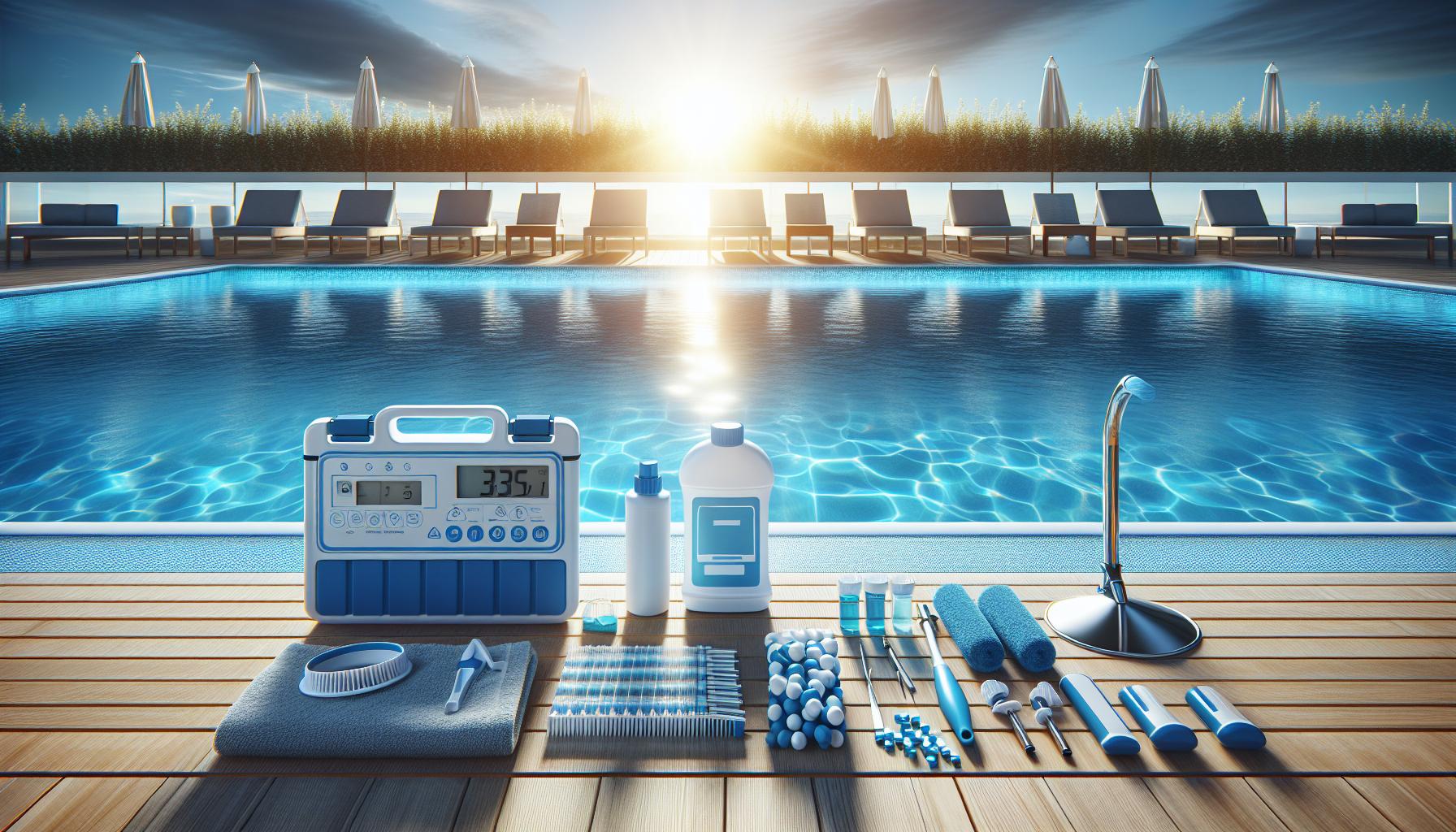
Maintaining optimal free chlorine levels is crucial for a healthy pool environment. Free chlorine is the active form of chlorine that actively sanitizes your pool water, killing bacteria, viruses, and other harmful contaminants. It acts as a disinfectant that breaks down organic matter, such as leaves and debris, and protects swimmers from potential health risks associated with contaminated water. Understanding how free chlorine works-and what affects its levels-enables pool owners to keep their water safe and inviting.
When chlorine is added to the pool, it is available in two forms: free chlorine (FC) and combined chlorine (CC). Free chlorine remains in the water and is effective in killing pathogens. However, as it reacts with contaminants, it may form combined chlorine, which is less effective at sanitizing and can lead to unpleasant odors often associated with chloramines. Factors such as sunlight exposure, water temperature, and organic load will influence the depletion of free chlorine levels. For instance, in sunny environments, ultraviolet (UV) rays can rapidly break down free chlorine, necessitating more frequent testing and replenishment.
To ensure that free chlorine is maintained, regularly test your water, ideally two to three times a week, especially in warmer weather when usage is higher. The optimal range for free chlorine levels is typically between 1 to 3 parts per million (ppm). If readings fall below this ideal range, prompt action should be taken to raise the levels. Consider adding chlorine products, whether liquid bleach, granular chlorine, or chlorine tablets, depending on your pool’s specific needs and water balance. It is also effective to run your pool’s filtration system to aid in the distribution of chlorine and to circulate water thoroughly.
Regular maintenance combined with proactive monitoring of chlorine levels not only enhances the longevity of your pool equipment but also ensures a safe swimming environment. Employing these strategies empowers pool owners to tackle chlorine management effectively, ensuring that your pool remains a refreshing oasis for enjoyment.
Understanding Free Chlorine Levels: Importance and Benefits
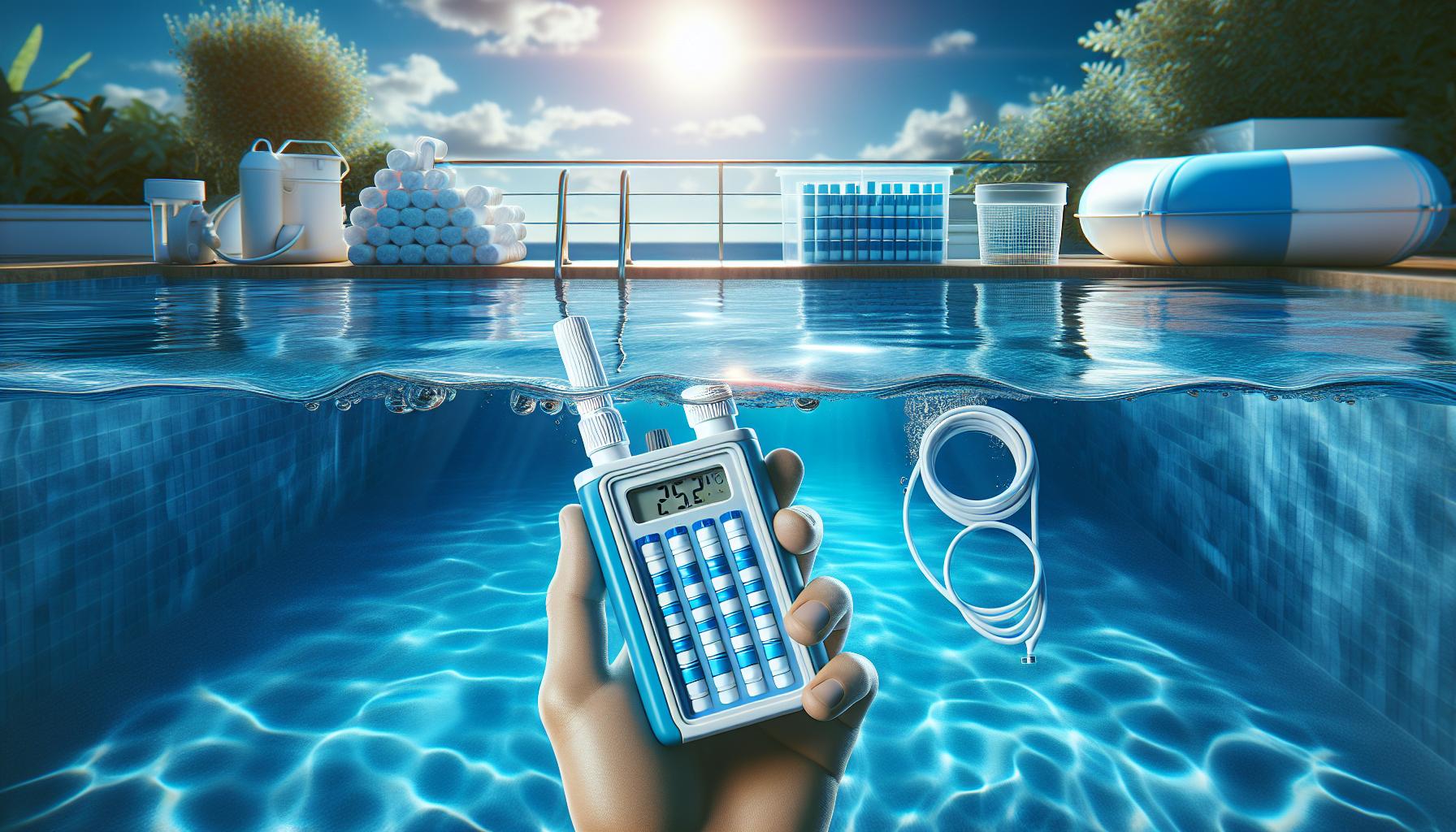
Keeping your pool clean and safe for swimming requires a strong understanding of free chlorine levels, which play a crucial role in maintaining a healthy aquatic environment. Free chlorine is the active form of chlorine that not only disinfects but also helps in breaking down organic matter like leaves, oils, and debris. When free chlorine levels are optimal, they effectively neutralize bacteria, viruses, and algae, ensuring that pool water stays clear and safe for enjoyment.
Maintaining the right balance of free chlorine is vital for several reasons. First, it protects swimmers from potential health risks associated with harmful pathogens and contaminants that can thrive in untreated water. Second, proper free chlorine levels will help prevent the formation of combined chlorine, which is known to cause unpleasant odors and skin irritation. Understanding the importance of free chlorine can empower you to take proactive steps in managing your pool’s water chemistry, ultimately leading to a safer and more enjoyable swimming experience.
To maintain healthy free chlorine levels, it’s essential to test your water regularly-ideally two to three times a week. When monitoring your pool, aim for a free chlorine concentration between 1 to 3 parts per million (ppm). If testing reveals that levels are falling below this range, it’s time to act quickly. Adding chlorine products like liquid bleach, granular chlorine, or chlorine tablets can restore balance, while running your pool’s filtration system can help distribute these chemicals effectively.
In conclusion, understanding and managing free chlorine levels is fundamental to swim safety and pool maintenance. By committing to regular testing and appropriate adjustments, pool owners can ensure a clean, inviting oasis, reducing the likelihood of imbalances that lead to bigger problems down the line. Don’t overlook the importance of free chlorine-it’s your best line of defense against unsafe swimming conditions!
Common Causes of Low Free Chlorine in Pools
The dynamic nature of pool water means that free chlorine levels can fluctuate for various reasons, sometimes making it challenging to keep your pool consistently sanitized. Recognizing the common triggers for low free chlorine can empower pool owners to take targeted actions to maintain an inviting swimming environment.
One of the primary contributors to diminished free chlorine levels is the introduction of organic matter such as leaves, grass, and debris. When these materials decay in your pool, they consume chlorine in the process of breaking down, effectively reducing its availability for disinfection. Additionally, high levels of bather load-especially during peak swimming seasons-introduce more contaminants like sweat, sunscreen, and bodily fluids, all of which compete with chlorine for disinfection.
Environmental factors also play a crucial role in chlorine degradation. High temperatures and direct sunlight can accelerate the breakdown of chlorine, as ultraviolet (UV) rays from the sun degrade chlorine molecules. Similarly, rain can dilute chlorine concentrations and alter the pH balance, making it imperative to test and adjust levels after precipitation events. Furthermore, improper pH and alkalinity levels can inhibit chlorine’s effectiveness. Ideally, pH should be maintained between 7.2 and 7.8 to ensure that chlorine works efficiently.
To counteract these issues, regular maintenance is essential. Here are some actionable steps you can take:
- Skim and Clean Regularly: Remove leaves and debris frequently to minimize organic matter in the water.
- Monitor Bather Load: Limit the number of swimmers during peak times, or consider using a pool cover when not in use to reduce debris accumulation.
- Test Water Regularly: Perform tests two to three times a week to monitor free chlorine, pH, and alkalinity levels.
- Shock Your Pool: Periodically use a chlorine shock treatment after heavy usage or after rain to quickly boost chlorine levels.
Being proactive about these factors will help ensure that your pool remains a clean and safe environment for swimming. Understanding the causes of low free chlorine levels allows you to implement effective solutions, making pool maintenance a more manageable task.
Effective Methods to Raise Free Chlorine Instantly
To quickly boost free chlorine levels in your pool, immediate action is often needed, especially after heavy usage or rain. Shocking your pool is one of the most effective methods to increase chlorine concentrations instantly. This process introduces a large dose of chlorine (or other chlorine-based products) to eliminate contaminants that readily consume available chlorine, such as bacteria, algae, and organic matter.
Before you proceed with shocking, it’s important to test your pool water. Use a reliable test kit to determine the current levels of free chlorine, total chlorine, pH, and alkalinity. Ideally, to adequately address contaminants, free chlorine levels should be raised to 10-15 times the amount of the combined chlorine level, or at least reach a minimum of 10 parts per million (ppm) if your regular levels are low.
- Choose the Right Shocking Product: You can use either granular chlorine or liquid chlorine for shocking. Granular chlorine is easy to use and dissolves quickly, while liquid chlorine (sodium hypochlorite) is more concentrated and effective in some situations. Make sure to follow the manufacturer’s instructions on the amount based on your pool size.
- Apply Shock at the Right Time: Ideally, shock your pool in the evening or at night to minimize the impact of sunlight, which can reduce chlorine effectiveness. This timing allows the chlorine to work without interference and boosts levels more efficiently.
- Ensure Proper Circulation: Turn on your pool pump and filter after adding shock to ensure even distribution throughout the pool. Allow the pump to run continuously for at least 8 hours to help mix thoroughly.
- Re-test Water After Shocking: Test the water again after 24 hours to see if free chlorine levels have risen to the desired range. Adjust further if necessary, and wait until levels drop back to normal before allowing swimming.
By employing these methods, you can effectively raise free chlorine levels quickly, ensuring your pool remains a safe and inviting environment for swimmers. Keeping a regular schedule for testing and maintenance will also help maintain these levels, preventing the issue of low free chlorine from becoming a recurring problem.
Step-by-Step Guide: Adding Chlorine Products Safely
When it comes to maintaining a safe and inviting pool, adding chlorine products correctly is crucial. Properly introducing chlorine not only ensures it effectively sanitizes your water but also helps prevent potential hazards associated with mishandling these chemicals. Here’s how to do it safely and efficiently.
Start by determining the current chlorine levels in your pool using a reliable test kit. This will help you understand how much chlorine needs to be added. If your free chlorine level is low, you can proceed to dose your pool with the appropriate shocking product.
- Choose Your Chlorine Product: Select either granular chlorine or liquid chlorine (sodium hypochlorite). Granular chlorine is easy to use and dissolves quickly, making it suitable for immediate application. Liquid chlorine is more concentrated and acts faster, especially in small pools or for quick sanitation.
- Calculate the Dosage: Refer to the product label or manufacturer’s instructions to determine the correct dosage for your pool size. This often requires calculating based on the volume of water in your pool and the desired ppm (parts per million) of free chlorine.
- Prepare the Chlorine: For granular chlorine, dissolve it in a bucket of water before adding it to the pool to prevent any potential bleaching or damage to your pool surface. For liquid chlorine, ensure it is freshly opened and handle it carefully to avoid spills.
- Timing Matters: Add chlorine in the evening or at night when the sun is down. Ultraviolet rays can quickly dissipate chlorine, reducing its effectiveness. This ensures your pool receives the full benefit of the added chlorine.
- Add the Chlorine Safely: With the pool pump running, slowly pour the prepared chlorine solution into the deep end of the pool to promote even distribution. Avoid adding it near skimmers or pool equipment to minimize damage.
- Monitor and Maintain: After adding chlorine, let your pump and filter run continuously for at least 8 hours to ensure thorough mixing. Re-test the water after 24 hours to confirm that the free chlorine levels have reached the desired range.
Implementing these steps will allow you to add chlorine products safely and effectively, ensuring your pool remains sanitized and ready for enjoyment. Regular monitoring and dosage adjustments will foster a healthy swimming environment and provide peace of mind for all swimmers.
Choosing the Right Chlorine Type for Your Pool
is crucial in maintaining a safe and sparkling environment. With various options available, understanding the features and benefits of each can streamline your pool maintenance process. The two most common types of chlorine are granular chlorine and liquid chlorine (sodium hypochlorite), each bringing unique advantages to the table.
Granular chlorine is often favored for its ease of use and stability. It dissolves quickly in water, making it ideal for immediate applications, especially after heavy usage or after a rainstorm. It’s a great choice for users who prefer a product that can be directly added to the pool without the need for additional mixing. On the other hand, liquid chlorine is more concentrated and can deliver a rapid shock treatment. It’s particularly effective for small pools or for urgent sanitation needs, making it a go-to for emergency situations.
When selecting a chlorine type, consider the specific needs of your pool. If you have a larger pool or one frequently subjected to sunlight, you might want to look into stabilized chlorine options, which are less affected by UV light due to the addition of cyanuric acid. This helps to maintain free chlorine levels over longer periods, reducing the frequency of dosing. Conversely, if you have a smaller or an indoor pool, where sunlight exposure is minimal, regular liquid chlorine might suffice.
No matter which type you choose, ensure that you follow the manufacturer’s dosage guidelines closely. This not only guarantees optimal chlorination but also protects pool surfaces and equipment from excessive chemical exposure. Incorporating regular testing of chlorine levels into your maintenance routine will help you adjust accordingly, ensuring your swimming experience remains both safe and enjoyable.
The Role of pH and Alkalinity in Chlorine Efficacy
The effectiveness of chlorine as a sanitizer in your pool is closely linked to the water’s pH and alkalinity levels. Maintaining the right balance in these parameters can significantly influence how well chlorine can perform its job-keeping your pool clean and safe for swimming. For optimal sanitation, the pH level of your pool water should ideally be between 7.2 and 7.6. This range ensures that the chlorine is most effective in its free form, allowing it to attack harmful bacteria and algae efficiently.
When pH levels rise above 7.8, chlorine becomes less effective. A high pH level transforms some of the hypochlorous acid (the primary form of free chlorine) into hypochlorite ions, which do not disinfect as readily. Conversely, if the pH falls below 7.2, the water can become corrosive, potentially damaging pool surfaces and equipment. Thus, a well-balanced pH not only maximizes chlorine efficacy but also protects your pool investment.
Equally important is the alkalinity, which acts as a buffer for pH levels, keeping them stable despite minor fluctuations caused by rain, debris, or swimmer activity. The total alkalinity in your pool should be maintained between 80-120 ppm (parts per million). This stable environment helps prevent drastic swings in pH, which can lead to ineffective chlorine levels and create additional problems requiring prompt attention.
To maintain proper pH and alkalinity levels, regular testing is crucial. Here are some practical steps to follow:
- Test frequently: Use a reliable testing kit to check pH and alkalinity levels at least weekly. Look for immediate adjustments after heavy usage or significant rainfall.
- Add pH adjusters: If pH levels are too high, add a pH reducer (commonly sodium bisulfate); if too low, use a pH increaser (usually sodium carbonate).
- Monitor alkalinity adjustments: If alkalinity is low, add an alkalinity increaser, typically sodium bicarbonate. This will help stabilize pH as well.
By following these steps and ensuring your pool’s water chemistry is balanced, you’ll create an environment where chlorine can thrive, efficiently sanitizing your pool and ensuring safe swimming conditions.
Routine Maintenance Tips to Maintain Chlorine Levels
Keeping your pool safe and enjoyable requires regular maintenance of chlorine levels, which are crucial for effective sanitation. Did you know that maintaining proper free chlorine levels can not only keep your pool water clean but also enhance your swimming experience? Here are some essential tips to ensure that your pool’s chlorine levels remain consistent, thus safeguarding against bacteria and algae growth.
To begin with, frequent testing is key. Use a reliable test kit to check free chlorine levels at least twice a week, or more after heavy rain, high usage, or when debris builds up. The ideal range for free chlorine is typically between 1-3 ppm (parts per million). If your test reveals lower levels, it’s a direct sign that your water may not be safe for swimming.
Once you’ve conducted your tests, consider routine chlorination to help maintain levels. For continuous sanitation, establish a regimen to add chlorine on a regular basis, whether through tablets, granules, or liquid chlorine, based on your pool’s needs. If you opt for chlorine tablets, it’s beneficial to use a floating dispenser or an inline chlorinator for slow release, ensuring the chlorine disperses evenly. This method reduces concentration peaks that can lead to imbalances and unwanted irritations.
Furthermore, shock treatment plays a significant role in the maintenance of chlorine levels, especially when faced with high bather loads or visible algae. Shocking the pool introduces a heavy dose of chlorine to quickly raise levels, eliminating bacteria, and breaking down organic matter. A shock treatment is best performed during the evening to prevent sunlight from degrading the chlorine before it can work.
In addition to chemical methods, physical maintenance tasks are vital. Regular skimming, brushing, and vacuuming help reduce organic matter that can consume chlorine, resulting in lower levels. Don’t forget to clean or replace your pool filter regularly, as a clogged filter can prevent chlorine from circulating properly.
By staying proactive with these maintenance practices, you’ll ensure that free chlorine levels remain balanced, allowing for a safe and pleasant swimming environment. Embrace these straightforward strategies to confidently combat the challenges of pool ownership and enjoy crystal clear water all season long.
Signs Your Pool Needs More Free Chlorine
Detecting the signs that your pool requires additional free chlorine is crucial for maintaining a safe and enjoyable swimming environment. One of the first indicators is cloudiness in the water. When free chlorine levels drop, contaminants such as bacteria and algae can proliferate, causing water to become murky. If you notice this change, it’s a clear signal that you should boost chlorine levels.
Another noticeable sign is the presence of an unpleasant odor. If your pool emits a strong chlorine smell, it may indicate that combined chlorine (the chloramines that form when chlorine reacts with contaminants) is present at higher levels. This excess can result from low free chlorine levels and signals the need for a shock treatment to replenish the free chlorine and eliminate those harmful compounds.
Swimmers can also provide hints regarding pool conditions. Complaints of skin or eye irritation often indicate insufficient free chlorine levels, leading to a higher concentration of chloramines in the water. Pay attention to your pool users’ experiences; if they express discomfort, it might be time to assess and adjust your chlorine levels accordingly.
To ensure your pool is always safe and welcoming, consider the following tips:
- Frequent Testing: Regularly check your free chlorine levels using a test kit. If levels drop below the recommended 1-3 ppm, act quickly.
- Shock Treatments: If you notice any signs of imbalance, perform a shock treatment in the evening to raise chlorine levels effectively.
- Observe Water Clarity: Clear water is often an indicator of balanced chlorine levels. Cloudiness should prompt immediate testing and treatment.
- Keep Records: Maintain a log of your water tests and treatments. Consistently monitoring helps identify patterns or recurring issues.
By staying vigilant and responsive to these signs, you can maintain optimal free chlorine levels, ensuring a clean and safe swimming pool for all.
Tips for Monitoring and Testing Chlorine Levels
To maintain a safe and inviting pool environment, regularly monitoring and testing your chlorine levels is crucial. Did you know that fluctuations in chlorine can occur rapidly due to factors like rainfall, heavy usage, and even water temperature? By staying proactive with your testing routine, you can ensure that free chlorine levels remain within the ideal range of 1-3 ppm, effectively combating harmful bacteria and preventing algae growth.
Frequent testing should become a key part of your pool maintenance regimen. Utilize reliable testing kits, whether they are test strips or liquid reagents, to check chlorine levels at least twice a week during peak swimming season and weekly during off-peak months. It’s advisable to test after heavy rain or when the pool has been used extensively. If you find the free chlorine levels dipping below the recommended threshold, you’ll need to take immediate action.
When conducting tests, follow these simple steps for accuracy:
- Collect a Water Sample: Use a clean container to gather a water sample from about elbow-deep in the pool, away from the skimmer area.
- Follow Kit Instructions: Whether using strips or liquid reagents, ensure you follow the manufacturer’s guidelines carefully for the most accurate readings.
- Document Results: Keep a water chemistry log to track changes over time. This can help identify patterns that inform your maintenance routine.
In addition to standard testing, consider using an automated pool monitor that continuously checks chlorine levels and provides real-time data. This technology can simplify the process, ensuring that you stay informed without the hassle of manual checks.
Remember to monitor environmental conditions as well. Factors such as sunlight exposure can lead to UV degradation of chlorine, necessitating adjustments to your sanitization strategy. By remaining vigilant and systematic in your monitoring and testing, you’ll ensure that your pool remains a safe, clear, and enjoyable place for all swimmers.
Troubleshooting Chlorine Imbalance Issues
Identifying and addressing chlorine imbalance in your pool is essential for maintaining a safe and enjoyable swimming environment. One common reason for chlorine imbalance is the presence of contaminants that consume free chlorine, such as organic materials, sweat, and sunscreen. If you notice that your free chlorine levels are consistently low, it’s time to investigate further. A notable culprit could be high levels of chloramines, the result of combined chlorine that occurs when free chlorine binds with these contaminants. Regularly shocking the pool with a higher dose of chlorine can break this bond and restore effective sanitization.
Immediate Action Steps
- Test Your Water: Use a reliable testing kit to measure both free and total chlorine levels. This can help you assess the extent of your imbalance.
- Shock the Pool: If total chlorine readings exceed free chlorine levels, shock your pool with a chlorine treatment. This process typically requires adding a specific amount of concentrated chlorine to rapidly increase levels. Add the shock at dusk to reduce the impact of sunlight, which can degrade chlorine.
- Increase Circulation: Ensure your pool’s filtration system is running efficiently to help distribute the shock treatment evenly. Aim to run your pump for at least 24 hours after shocking to optimize chlorine levels and filtration.
- Monitor Ph Levels: Adjusting your pH can enhance chlorine effectiveness. A pH level between 7.4 and 7.6 is ideal, as high pH levels can hinder chlorine’s ability to sanitize the water effectively.
Routine Preventive Measures
- Regular Testing: Incorporate a consistent testing routine to catch imbalances early before they become problematic. Test at least bi-weekly or more often depending on usage.
- Maintain Cleanliness: Regularly skim the surface and vacuum debris from the pool. Keeping your pool clean reduces the organic load, thus decreasing the demand for chlorine.
- Use Stabilizers: If sun exposure is a significant concern, consider using stabilizers like cyanuric acid. They help protect chlorine from UV degradation, prolonging its effectiveness.
By understanding these troubleshooting techniques, pool owners can confidently manage chlorine imbalances, ensuring that their pools remain safe, sanitary, and inviting. Regular maintenance, combined with proactive measures, will empower you to enjoy your pool with peace of mind all season long.
Best Practices for Keeping Your Pool Water Safe
To maintain a safe and inviting swimming pool, integrating effective practices for water safety is paramount. One compelling fact to note is that properly managed pool water not only enhances the swimmer’s experience but also significantly reduces the risk of waterborne illnesses. Adopting diligent habits in your pool care routine can yield a crystal-clear, healthy environment for everyone.
Regular water testing serves as the backbone of effective pool maintenance. Utilize a reliable testing kit to check your free chlorine, total chlorine, pH, and alkalinity levels at least every two weeks or more frequently with heavy usage. Keeping the free chlorine levels between 1-3 ppm will help ensure that the water is adequately sanitized. Alongside chlorine, monitoring pH levels is vital; ideally, pH should remain between 7.2 and 7.6. This range optimizes chlorine efficacy, ensuring it can do its job of keeping the water clean and safe.
Maintaining a clean pool environment directly influences chlorine effectiveness. Regularly skimming the surface, vacuuming debris, and removing any organic matter, such as leaves or insects, from the pool helps to minimize contaminants that would otherwise consume your free chlorine. Additionally, consider using a pool cover when the pool is not in use to keep debris out and retain heat, all of which contribute to reduced chlorine demand.
Incorporating stabilizers can enhance your chlorine’s effectiveness, particularly in sunny areas where UV rays can quickly degrade chlorine levels. Cyanuric acid acts as a protective shield for chlorine, allowing it to work efficiently even under strong sunlight. When applying stabilizers, follow manufacturer instructions carefully to achieve the desired effect without oversaturating your pool.
Lastly, routine shock treatments are essential after heavy usage, rainstorms, or algae blooms to quickly raise chlorine levels and eliminate contaminants. Shocking the pool not only refreshes the sanitizer levels but also helps break down chloramines, ensuring clean and inviting water. Implement these strategies consistently to safeguard your pool and enjoy a safe swimming experience.
Frequently asked questions
Q: How can I quickly increase free chlorine levels in my pool?
A: To quickly raise free chlorine levels, add chlorine shock treatment or liquid chlorine according to the product instructions. Ensure to broadcast it evenly across the pool. Regularly test the water after application to confirm that levels are suitable for safe swimming.
Q: Why is my pool’s free chlorine level so low?
A: Low free chlorine levels can result from factors like heavy rainfall, high bather loads, algae growth, or inefficient filtration. Regular testing and adjusting your pool’s chemistry can help maintain proper sanitizer levels and prevent issues.
Q: What are the best chlorine products for boosting sanitizer levels?
A: The best products for increasing free chlorine levels include granular chlorine, liquid chlorine, and chlorine tablets. Each type has its advantages; for instant action, liquid chlorine is most effective, while tablets offer a slower, steady release.
Q: How often should I test chlorine levels in my pool?
A: Test the chlorine levels at least two to three times a week during peak swimming season and once a week during off-peak times. Frequent testing helps ensure the levels remain within the ideal range of 1-3 ppm for safety and water quality.
Q: Can I use household bleach to raise free chlorine levels?
A: Yes, unscented household bleach can raise free chlorine levels. However, use it cautiously and in the right dilution-typically about 1/2 cup per 10,000 gallons. Always test the water afterward to check for appropriate levels.
Q: What should I do if my pool has an algae bloom despite chlorine treatments?
A: If algae persists, shock the pool with a high dose of chlorine and brush the walls and floor to eliminate algae. Ensure proper filtration and circulation, and consider using algaecides for persistent blooms.
Q: When is the best time to add chlorine to my pool?
A: The best time to add chlorine is in the evening or at night when the sun’s UV rays are low. This prevents rapid degradation of chlorine, ensuring it remains effective in sanitizing your pool water.
Q: How can I maintain chlorine levels in my pool after raising them?
A: Maintain chlorine levels by regularly adding balanced chemicals, adjusting pH and alkalinity, and ensuring filter systems are running efficiently. Consistent testing will help you know when additional chemicals are needed.
Closing Remarks
By following the steps outlined in this guide, you’re well on your way to boosting free chlorine levels and ensuring a safe swimming environment. Don’t wait until water quality deteriorates-take action today to maintain your pool’s health and clarity. For further insights, check out our detailed articles on SLAM (Shock Level and Maintain) or learn how to effectively


