Black algae in your pool can be more than just an eyesore; it can pose significant maintenance challenges and health risks if not addressed promptly. Known for its stubborn growth, this dark green-black organism thrives in warm, moist environments, making pools an ideal habitat. If you’ve found yourself grappling with this persistent invader, you’re not alone-many pool owners face the same battle.
Understanding how to effectively remove black algae is crucial for maintaining a safe and inviting swim space. With the right approach and tools, you can reclaim your pool’s clarity and hygiene. In this guide, we’ll walk you through proven strategies to eradicate this resilient growth, providing you with actionable steps to restore your pool’s beauty. Dive in and discover how to achieve a sparkling clean pool, ready for enjoyment all season long!
Understanding Black Algae in Your Pool
Black algae, often regarded as the most resilient of the pool algae species, can turn a pristine swimming area into a murky, unsightly mess. Its dark, often black or greenish-black, tuft-like appearance clings stubbornly to surfaces and is commonly found in shaded areas of pools where sunlight is least effective in preventing its growth. This type of algae is notorious for its ability to resist standard chlorination and other traditional methods of treatment, making it a formidable opponent for pool owners.
What Makes Black Algae Different? Unlike other algae, black algae has a protective layer that makes it more resilient against standard pool maintenance efforts. It roots itself firmly into the surface of pool walls, which means that simply brushing or vacuuming will often be insufficient to eradicate it. Identifying areas affected by black algae early on-such as the walls and floor of your pool as well as steps and corners-can significantly streamline the removal process and minimize outbreaks.
Understanding the lifecycle and habitat of black algae can aid in combating its growth. It thrives in warm water and can spread rapidly, especially if not promptly addressed. Regular pool maintenance and proper chemical balance are key in preventing its proliferation. Monitoring your water chemistry, keeping pH levels stable, and ensuring proper circulation can act as effective deterrents. Implementing vigilant cleaning routines and maintaining adequate sanitizer levels will not only help keep black algae at bay but also promote a healthier swimming environment overall.
Identifying Black Algae: Signs and Symptoms
Recognizing the signs of black algae is crucial for effective eradication. Unlike other types of algae, which might present as green or cloudy formations, black algae manifests as dark, abrasively textured spots that cling tenaciously to your pool’s surfaces. You’ll typically find these patches in shaded areas or sections of the pool that receive minimal sunlight, such as corners and steps. If you notice black or greenish-black clusters resembling soft tufts or bumps, you could be dealing with black algae.
The symptoms of black algae extend beyond mere visual clues. Its stubborn nature means that even vigorous scrubbing may leave these resilient spots intact, as they develop a protective biofilm that shields them from standard cleaning methods. Furthermore, if your pool water remains cloudy despite regular filtration and sanitization, it could indicate an underlying issue with black algae growth. To confirm your suspicions, conduct a simple test: gently brush the affected areas with a stiff pool brush; if the growth particles come off, it’s time to take action.
Maintaining a vigilant approach to pool maintenance is essential. Regularly inspect your pool for changes in clarity or unusual growth patterns, particularly in less visible areas. Be proactive about keeping your pool’s chemical levels balanced, as improperly maintained water chemistry can exacerbate algae proliferation. By being observant and conducting routine checks, you can catch the problem early, potentially saving yourself from a more extensive and challenging remediation process later on.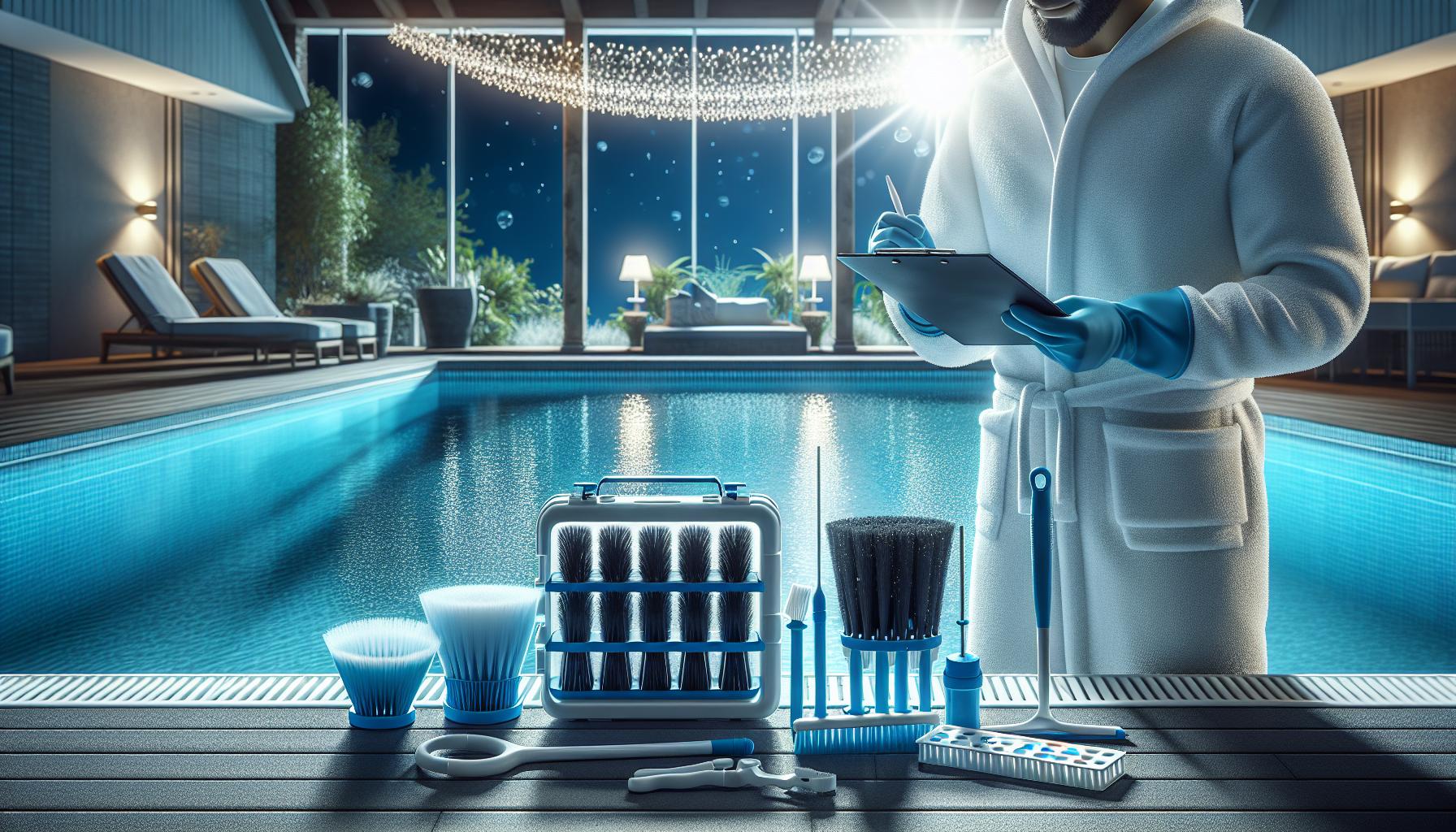
Essential Tools for Removing Black Algae
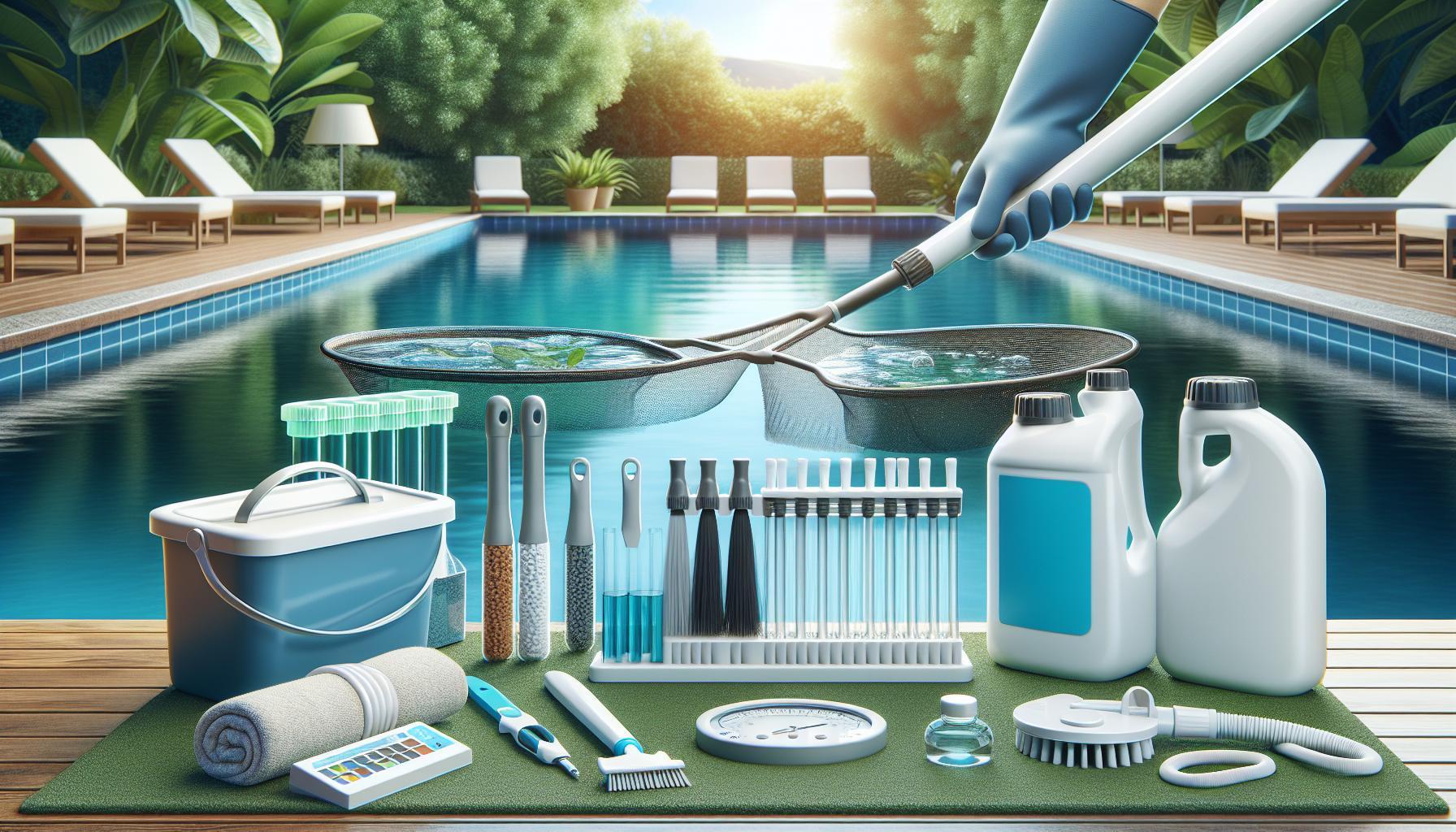
To effectively tackle the stubborn grasp of black algae in your pool, equipping yourself with the right tools is crucial. Black algae, known for its tenacity, can resurface even after thorough cleaning, making a strategic approach to removal essential. Having the proper equipment will not only facilitate a more effective cleanup but also empower you to maintain a healthier pool environment.
Begin with a stiff-bristle pool brush. This is the most vital tool for loosening the algae’s grip from pool surfaces. Opt for one specifically designed for tiles, as the tough texture will help disrupt the protective biofilm that black algae produces. For optimal results, brush the affected areas vigorously at least twice a week. Pair this with a pool vacuum that features a brush attachment. A vacuum will help remove dislodged algae and debris, helping to clear your pool faster and more efficiently.
In terms of chemical treatments, having a quality algaecide is a must. Look for products specifically formulated to combat black algae; these are typically labeled as “black algae algaecide.” Following the manufacturer’s directions for application and dosage is critical for effectiveness. Additionally, a test kit will ensure that your water chemistry is balanced, helping to create an environment that is hostile to algae growth. Maintaining proper pH and chlorine levels will help prevent future outbreaks.
Lastly, consider investing in a pool cover. This preventative measure helps minimize sun exposure, particularly in shaded areas where black algae thrives. By reducing organic matter and debris accumulation when the pool is not in use, a cover aids in minimizing the nutrients that algae need to flourish. With these tools at your disposal, you’ll be well-equipped to address black algae and maintain a sparkling, inviting pool.
Step-by-Step Guide: Eradicate Black Algae
To successfully combat the formidable presence of black algae in your pool, it’s essential to follow a methodical approach that tackles the issue head-on. This type of algae can be particularly resilient, often clinging tenaciously to surfaces; however, with the right steps and persistence, you can eradicate it effectively.
Start by preparing your tools and chemicals. You will need a stiff-bristle pool brush, a quality algaecide specifically designed for black algae, a pool vacuum, and a water test kit. Ensure that your algaecide is of high quality; read labels carefully to select one explicitly targeting black algae.
Once you’re equipped, follow these steps:
- Brush the Affected Areas: Use the stiff-bristle brush to scrub the infected surfaces vigorously. Focus your efforts on the spots where you see black algae growth. This action disrupts the protective layer that black algae forms, increasing the effectiveness of the chemicals you’ll apply next. Brush at least twice a week.
- Test and Balance Your Water: Check your pool’s chemical balance using the water test kit. Ideal pH levels should be between 7.2 and 7.6, and free chlorine levels should be at least 3 ppm. If the levels are off, adjust accordingly to create an inhospitable environment for algae.
- Apply Algaecide: After brushing, apply the black algae algaecide according to the manufacturer’s instructions. Generally, you’ll need to pour it directly into the affected areas of the pool. Allow the product to circulate for a while as recommended, ensuring it reaches all surfaces contaminated with algae.
- Vacuum the Pool: Once the algaecide has had time to work, use your vacuum to remove any dead algae and debris from the pool floor. Ensure that you’re using the brush attachment to lift any remaining algae particles effectively.
- Shock the Pool: After vacuuming, it’s recommended to shock the pool with a chlorine treatment to kill any leftover spores and prevent regrowth. Follow the shocking agent instructions to maintain safety and effectiveness.
- Monitor and Maintain: Continue to monitor your pool’s water chemistry regularly and brush the areas prone to black algae at least once a week. Apply additional algaecide as needed based on your observations.
With determination and the right strategies in place, you can reclaim your pool from black algae, restoring its clarity and ensuring a healthier swimming environment. Remember that persistence is key, and taking preventative measures will help keep black algae at bay.
Effective Pool Chemicals for Algae Control
Black algae can be particularly stubborn when it comes to pool maintenance, but the right pool chemicals can make a significant difference in your eradication efforts. Choosing effective treatments is essential for not only clearing up existing infestations but also preventing future growth. With a proactive and informed approach, you can easily reclaim your pool’s sparkling clarity.
First and foremost, high-quality algaecides specifically designed to combat black algae are indispensable. Look for products containing copper-based compounds or those labeled as “black algae specific.” These are effective due to their ability to penetrate the protective layer that black algae forms on surfaces, allowing for deeper treatment. When applying these algaecides, be sure to follow the manufacturer’s instructions carefully. Generally, you’ll pour the chemical directly into the affected areas and allow it to circulate for a duration specified on the label to maximize effectiveness.
In addition to algaecides, shock treatments (also known as superchlorination) play a key role in combating algae. Shocking your pool involves adding a large dose of chlorine to rapidly elevate the chlorine levels and kill off any residual spores or algae. Targeting a chlorine level of 10-20 ppm for at least 24 hours is often recommended after treatment with algaecide. Remember to retest the water after shocking, as this will help confirm that the chemical levels have returned to a safe range before allowing swimmers back in.
Lastly, consider using a combination of clarifiers and enzymes in your routine. Clarifiers help to bind smaller algae particles, making it easier for the pool filter to remove them, while enzymes can break down organic material that contributes to algae growth. Together, these chemical treatments create a multi-faceted approach to pool maintenance that enhances overall water quality and helps to keep black algae at bay. Regular monitoring of your pool’s pH and free chlorine levels, alongside these chemical strategies, will ensure that your efforts yield lasting success.
With diligence and the right chemical arsenal, handling black algae no longer has to be a daunting challenge. Equip yourself with these solutions, and you’ll be well on your way to enjoying a clean, inviting pool once again.
Preventing Future Black Algae Growth
Maintaining a crystal-clear pool while preventing black algae growth is crucial for any pool owner. One of the most effective strategies includes implementing a routine cleaning schedule that tackles both visible debris and hidden contaminants. To keep black algae at bay, ensure that your pool receives regular brushing, focusing specifically on floor corners, steps, and any areas where water circulation might be weak. This action disrupts the growth cycle of algae before it begins, making it significantly harder for black algae to take hold.
Another vital aspect of prevention is to maintain your water chemistry within optimal ranges. Regularly test your pool’s pH, chlorine levels, and alkalinity to avoid imbalances that can encourage algae growth. The ideal pH range should be between 7.2 and 7.6, while free chlorine levels should hover around 1-3 ppm. Investing in a quality pool testing kit will allow you to monitor these parameters easily and make adjustments as needed. Additionally, consistently adding algaecides during peak swimming season, even if no algae is present, can create a protective barrier in your pool water.
Implementing proper filtration is also essential. Ensure that your pool pump runs for a sufficient number of hours each day-typically 8-12 hours, depending on the pool’s size and usage. A clean filter is crucial for effective filtration; backwash or clean the filter as per the manufacturer’s instructions. Create a routine that includes checking your filter and skimmer baskets weekly, as buildup in these areas can contribute to water stagnation, a known cause of algae proliferation.
Lastly, consider your pool’s surroundings. Overhanging trees or neighboring landscapes can introduce organic debris into your pool, providing a food source for algae. Regularly clean the pool area and trim vegetation to reduce this risk. Using a pool cover during off-seasons also helps minimize debris accumulation, thus reducing the chance of algae growth when the pool is not in use. By following these guidelines, you’ll establish a strong foundation to prevent future black algae outbreaks, allowing you to enjoy a pristine swimming environment year-round.
The Role of Proper Pool Maintenance
Proper pool maintenance is the cornerstone of preventing black algae growth and ensuring a healthy swimming environment. Many pool owners underestimate the impact of routine care, yet a few dedicated practices can make all the difference in keeping your pool algae-free. Did you know that black algae can root itself into pool surfaces, making it notoriously resilient? This highlights the critical need for attentive care to disrupt its life cycle before it settles in.
Regularly skimming and brushing your pool is essential. Aim to brush the pool walls and floor at least once a week, paying close attention to pool corners, steps, and any shaded areas where algae typically thrive. Use a brush specifically designed for your pool surface-stainless steel for plaster pools and nylon for vinyl. This action not only removes visible algae but also disrupts any early colonies, giving you a fighting chance against their establishment.
Key Maintenance Steps
- Test Water Chemistry: Regular testing of pH, chlorine, and alkalinity is vital. Ensure your pool’s pH remains between 7.2 and 7.6, and free chlorine levels are maintained around 1-3 ppm.
- Filter and Circulation: Run your filter for 8 to 12 hours daily to achieve effective water circulation. Ensure your filters are clean, and backwash or clean them as needed.
- Algaecide Use: Apply algaecides regularly, even in the absence of visible algae, to create a protective barrier.
- Skim Every Day: Remove leaves and debris daily to limit organic material that can feed potential algae growth.
Additionally, consider the surrounding environment of your pool. Trees and plants can drop organic material into the water, providing a food source for algae. Regular landscaping maintenance can help minimize this risk, while using a pool cover during off-seasons further protects against debris accumulation.
In summary, diligent maintenance not only prevents algae outbreaks but also contributes to the overall health and clarity of your pool water. By integrating these practices into your routine, you will empower yourself to maintain a beautiful, inviting swimming area, free from the persistent threat of black algae.
Common Mistakes in Algae Removal
It’s a common misconception that simply shocking the pool’s water with chlorine will eliminate black algae. This approach often falls short because black algae have a remarkable ability to withstand high chlorine levels, thanks to their protective layers. By not addressing these unique characteristics of black algae, you risk underestimating the work necessary for effective removal. Instead, a targeted approach is essential for tackling this stubborn threat.
Neglecting to properly brush the affected areas is another frequent error. Many pool owners may think that once they treat the visible algae with chemicals, their job is done. However, black algae can latch onto pool surfaces tightly, particularly in porous materials like plaster. Regularly brushing the walls and floor where black algae is present helps dislodge it from the surface, allowing treatments to penetrate effectively. A specialized brush-stainless steel for plaster and nylon for vinyl-is necessary for this task.
Another mistake involves insufficient or improper application of pool chemicals specifically designed to combat algae. Many pool owners are unsure about the right dosage or timing for their algaecides. It’s crucial to read the product labels thoroughly and apply them as directed, ensuring you treat the pool during optimal conditions, typically at dusk when sunlight isn’t degrading the effectiveness of the chemicals. Additionally, skipping the use of a clarifier can lead to poor water clarity, making it harder to spot remaining algae.
Lastly, overlooking regular maintenance can set the stage for advanced algae growth. Consistency in testing water chemistry and maintaining circulation can prevent algae from getting a foothold. Neglecting routine maintenance creates an environment ripe for algae reproduction, leading to more challenging removal processes down the line. By avoiding these common pitfalls, pool owners can take proactive steps towards a cleaner, algae-free swimming pool.
Understanding Pool pH and Water Balance
Maintaining the right pH and water balance in your pool is crucial not only for crystal-clear water but also for effectively combating persistent black algae. Striking the perfect balance creates an environment that discourages algae growth, making it a fundamental component in your battle against these stubborn pests. The ideal pH range for pool water is between 7.2 and 7.8; anything outside this range can foster algae proliferation or diminish the effectiveness of your sanitizers.
To keep your pool chemistry in check, regularly test the water using a reliable test kit. Monitoring the pH levels along with total alkalinity and chlorine levels should be a part of your weekly maintenance routine. If testing reveals imbalances, it’s important to adjust them promptly. For instance, if the pH is too high, adding granular or liquid muriatic acid can help lower it. Conversely, if your pool water is too acidic, introducing sodium bicarbonate will increase the pH levels. Always follow the manufacturer’s instructions for appropriate dosing based on your pool’s volume.
Here are some quick steps to maintain proper water balance:
- Check the pH level weekly.
- Adjust pH as needed using acid or base solutions.
- Test and adjust total alkalinity to prevent pH swings.
- Ensure appropriate levels of chlorine are maintained.
Consistent water balance is not just about numbers; it’s also key for the effectiveness of your algae treatments. High pH levels can inhibit the action of algaecides, rendering them less effective against black algae. Maintaining proper balance limits the nutrients available for algae to thrive, creating unwelcoming conditions for future growth. Remember, even after treating the algae, continuing to monitor and maintain your water balance will significantly decrease the likelihood of future algae invasions, allowing you to enjoy a clean and healthy pool environment.
When to Call a Professional for Help
Recognizing when to enlist professional help can be crucial in effectively tackling black algae in your pool. While many homeowners can handle routine maintenance and minor algae issues, there are situations where expert intervention becomes necessary. For instance, if your attempts to remove black algae have resulted in minimal or no improvement, it may be a sign that the problem is beyond what home remedies or standard cleaning can handle. Frequent reoccurrence after aggressive treatments is also a red flag, indicating that the underlying factors contributing to the algae growth have not been adequately addressed.
The complexity of the pool system can lead to hidden issues such as improper circulation, inadequate filtration, or significant imbalances in water chemistry, which are more effectively diagnosed and resolved by professionals. For example, persistent algae can signal that your filtration system isn’t functioning optimally; professionals can assess and repair these systems, ensuring proper water circulation and filtration that are critical in preventing algae outbreaks. Furthermore, if you’re unsure about handling harsh chemicals safely or feel overwhelmed by the range of algae removal products available, it’s advisable to seek expert guidance.
It’s also essential to consider your own comfort level and the amount of time you’re willing to invest. If the task feels daunting and you lack the tools or knowledge to perform a thorough cleaning, hiring a professional can save time and yield better results. A professional will not only eradicate the existing black algae but also help establish a comprehensive maintenance plan to prevent future issues, including advanced techniques like shock treatment or specialized algaecides that might not be readily accessible to the general public.
In summary, don’t hesitate to call a professional if you encounter stubborn black algae that resist home treatments, if you’re facing underlying system inefficiencies, or if the thought of dealing with intensive cleaning feels overwhelming. Investing in expert assistance can ultimately be more efficient, ensuring your pool remains a safe and inviting environment throughout the swimming season.
Dealing with Stubborn Algae: Advanced Techniques
Dealing with persistent black algae in your pool can feel daunting, especially when standard cleaning methods fall short. Known for its resilience, black algae can securely adhere to surfaces, making it notoriously difficult to remove. However, employing advanced techniques can effectively tackle this stubborn growth and restore your pool’s cleanliness. A combination of strong chemicals, proper application techniques, and strategic maintenance practices plays a crucial role in your success.
Advanced Techniques for Removal
To eradicate stubborn black algae, start by conducting a thorough cleaning of the pool. Use a brush with hard bristles to scrub the affected areas, ensuring you reach corners and edges where algae may be hiding. After scrubbing, gather debris and vacuum the pool to remove dead algae and any other contaminants. Next, apply a high-quality algaecide specifically designed for black algae. Follow the manufacturer’s directions closely regarding dosage and application; typically, you may need to shock the pool with a chlorine shock treatment afterward to enhance effectiveness.
Implementing a specialized three-step process can also be beneficial:
- Scrubbing: Brush the walls and floor extensively to dislodge algae.
- Shocking: Use a strong chlorine shock treatment to elevate chlorine levels significantly, targeting algae spores.
- Superchlorination: Maintain elevated chlorine levels for at least 24 hours to ensure complete algae eradication before returning to normal levels.
Prevent Future Expansion
To avoid future infestations, maintaining water balance is essential. Regularly test pH, total alkalinity, and calcium hardness to ensure they are within optimal ranges. Additionally, enhance your pool’s filtration system by running it for longer periods, particularly after heavy use or significant weather changes. Improving water circulation in areas where algae tend to thrive can create an environment less conducive to growth.
You can also consider routine maintenance protocols, such as practicing weekly cleaning schedules, inspecting and backwashing filters, and using preventative chemical treatments that can inhibit algae growth before it starts. These proactive measures will empower you to maintain a clean, inviting swimming environment year-round while minimizing the likelihood of dealing with stubborn algae populations again.
Enhancing Your Pool’s Health: Tips and Tricks
Regular care and attention to your pool can significantly enhance its health and reduce the chances of black algae outbreaks. One of the simplest yet most effective tips is to maintain precise water chemistry. By consistently testing and adjusting the pH, alkalinity, and chlorine levels, you create an environment that is less hospitable to algae. Aim for a pH between 7.2 and 7.8 and keep chlorine levels adequate to ensure that the water remains sanitized. This foundational care will deter many algae species from taking hold in your pool.
In addition to water testing, consider establishing a regular cleaning schedule. This should include brushing the walls and floors of your pool at least once a week to dislodge any algae spores before they get a chance to multiply. Pay special attention to areas that may experience lower water circulation, such as corners, steps, and under pool ladders, as these can become breeding grounds for stubborn black algae. Implementing a thorough vacuuming routine will also help remove any debris that could contribute to algae growth.
The role of your pool’s filtration system cannot be overstated. Make sure to run your filtration system for at least 8 to 12 hours a day, especially during periods of high usage or after heavy rain. Clear any leaves, debris, and dirt from the skimmer basket and the filtration system to maintain optimal flow rates. Consider upgrading to a more powerful filter if you frequently encounter algae problems, as better circulation can significantly diminish algae growth.
Lastly, utilize preventative products, such as algaecides and clarifiers, as part of your maintenance routine. These products work effectively when paired with regular cleaning, helping to prevent black algae from establishing itself in the first place. Remember, a proactive approach not only keeps your pool looking good but also ensures a safe swimming environment for you and your family. Taking these steps will empower you to maintain a healthy pool and minimize conflicts with persistent algae.
Faq
Q: What are the best practices for preventing black algae in my pool?
A: To prevent black algae, maintain proper water chemistry by regularly checking pH and chlorine levels, ensure proper circulation by running your pump sufficiently, and brush your pool walls weekly to dislodge any developing algae. Consider regular shock treatments and ensure your filter is in good working condition.
Q: How long does it take to remove black algae from a pool?
A: Removing black algae can take anywhere from a few days to a couple of weeks, depending on the severity of the infestation and the methods used. Regular brushing and the application of effective chemicals will speed up the process, as outlined in the step-by-step guide of the article.
Q: Can black algae in a pool harm my health?
A: Yes, black algae can pose health risks if left untreated, as it can host bacteria and other pathogens. Ensure your pool is properly sanitized to create a safe swimming environment. Regularly checking for algae growth contributes to both health and safety in your pool maintenance routine.
Q: What types of pool chemicals are most effective against black algae?
A: Chlorine shock treatments are particularly effective against black algae. Additionally, consider using algaecides specifically designed for tough algae types. Refer to the article’s section on effective pool chemicals for a detailed overview of recommended products.
Q: How do I know if I have black algae or another type of algae in my pool?
A: Black algae typically appear as dark, raised spots that are difficult to brush away. In contrast, green algae usually appear as cloudy water or green film. Observing these characteristics can assist you in identifying the type of algae, as discussed in the article’s identifying section.
Q: Should I drain my pool to remove black algae?
A: Draining your pool is not generally necessary for removing black algae and may be counterproductive. Instead, follow the recommended algae removal steps that include chemical treatments and brushing to eradicate the growth effectively without draining your pool.
Q: Is it possible to treat black algae without professional help?
A: Yes, many pool owners can effectively treat black algae using proper techniques outlined in the article, such as brushing, chemical treatments, and consistent maintenance. Only consider professional help when the infestation is severe or persistent despite DIY efforts.
Q: What tools are essential for effectively removing black algae?
A: Essential tools for black algae removal include a strong pool brush with stiff bristles, a pool vacuum, and quality algaecides. These tools help dislodge and eliminate the stubborn growth as mentioned under essential tools in the article.
The Conclusion
Now that you’re equipped to tackle black algae effectively, don’t let stubborn growth spoil your pool experience. Implement these steps immediately to restore sparkling clarity and ensure a safe swimming environment. Your pool deserves regular maintenance-explore our guide on weekly pool maintenance to keep it in pristine condition all year round.
Ready for more? Dive deeper into pool care with our resources on pool water chemistry basics to enhance your knowledge and ensure your pool remains a healthy haven. Join our community by signing up for our newsletter for exclusive tips and tricks straight to your inbox.
Don’t hesitate to share your successes or challenges in the comments below. Together, we can keep our pools beautiful and inviting!