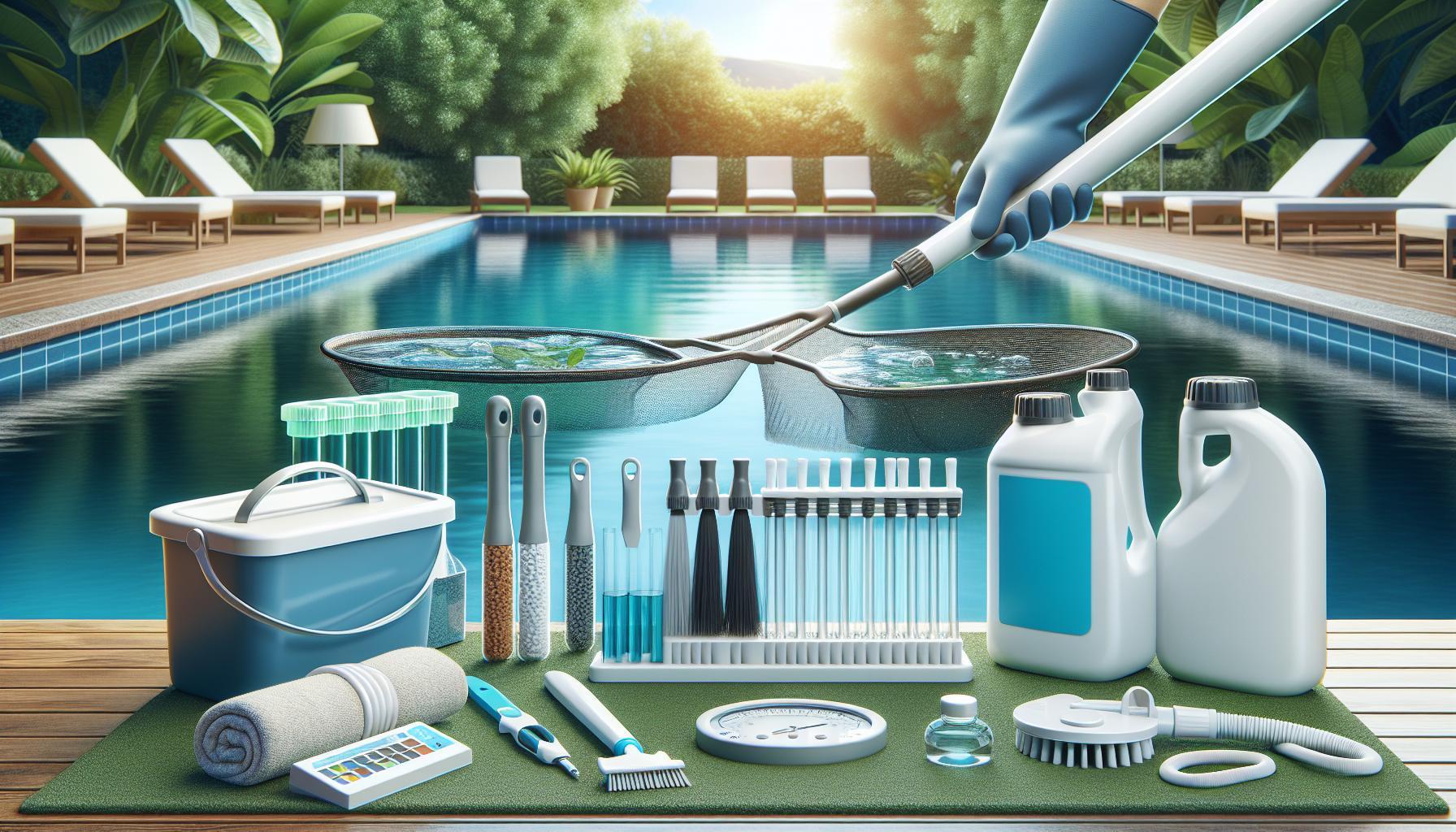
Maintaining the perfect chlorine level in your pool is crucial for a safe and enjoyable swimming experience. High chlorine levels can lead to skin irritation, eye discomfort, and an unpleasant odor, driving you and your guests away from the water. Fortunately, lowering chlorine levels can be both safe and simple, allowing you to enjoy crystal-clear water without the harsh side effects.
Understanding how to manage chlorine levels not only enhances your swimming comfort but also ensures that your pool remains inviting and healthy. Whether you’re preparing for a pool party or just want to make your backyard oasis more enjoyable, knowing effective strategies to balance chlorine is essential. In this guide, you’ll discover practical and proven methods to reduce those elevated chlorine levels, empowering you to take control of your pool maintenance effectively. Dive in to learn more about creating the perfect swimming environment.
Understanding Chlorine Levels in Your Pool
is crucial for maintaining a safe and enjoyable swimming environment. Chlorine acts as a powerful disinfectant, effectively killing harmful bacteria and keeping the water clear. However, achieving the right balance is key: too little chlorine can lead to water that fosters algae and pathogens, while excessive chlorine can result in unpleasant swimming conditions, including skin irritation and strong odors.
The ideal chlorine level for most residential pools ranges from 1 to 3 parts per million (ppm). Factors such as water temperature, pH levels, and swimmer load can significantly affect chlorine concentrations. For instance, during peak swimming seasons when more bathers are using the pool, or after heavy rainfall that introduces debris, you may find a need to adjust chlorine levels upwards. On the other hand, environments characterized by lower temperatures might allow you to maintain lower levels without compromising sanitation.
Regular testing of your pool water is essential to monitor chlorine levels effectively. Using test strips or a liquid test kit, you can quickly assess the concentration of chlorine, ensuring it stays within the recommended range. If the levels are off-balance, it’s important to identify the cause-whether it’s an influx of debris or simply the time of year-and take appropriate action to rectify the situation. Engaging in this proactive management not only boosts the cleanliness and safety of your pool but also enhances the overall swimming experience for all users.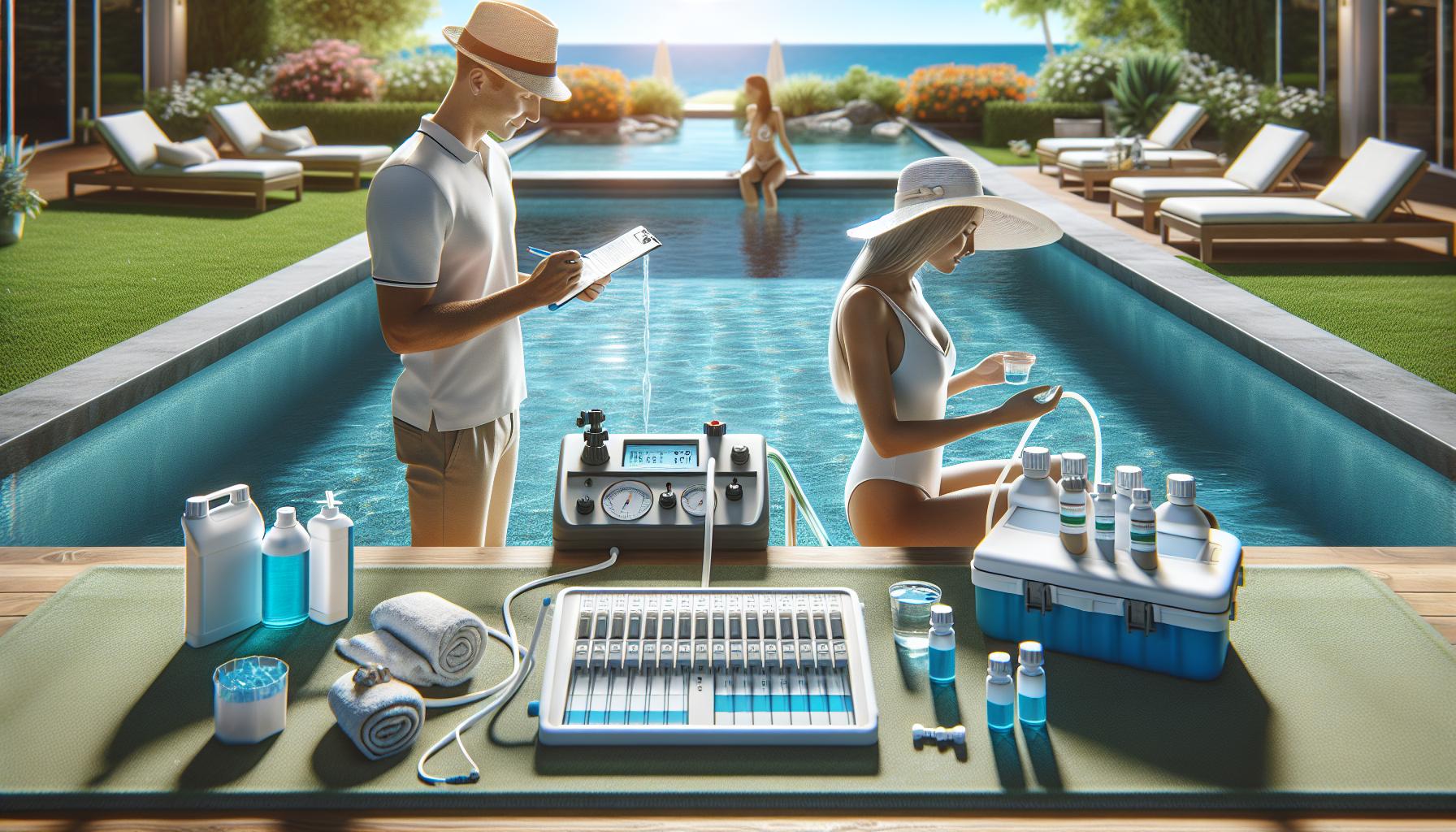
Reasons for High Chlorine Levels: Common Causes
High chlorine levels in your pool can often be surprising, especially since chlorine is essential for keeping pool water clean and safe. However, there are various factors that can lead to elevated chlorine concentrations, causing potential discomfort for swimmers and other issues that need to be addressed. Understanding these causes can empower pool owners to maintain optimal chlorine levels and ensure a pleasant swimming experience.
One common reason for high chlorine levels is heavy rain or storm events. When storms occur, they can introduce organic debris-like leaves and dirt-into the pool. This debris can lead to a sudden spike in chlorine demand, prompting owners to add more chlorine to compensate. Unfortunately, overcompensating can result in excess chlorine in the water. Additionally, during peak swimming seasons, more bathers can contribute to increased contaminants in the pool, prompting excessive chlorine use.
Another significant contributor to elevated chlorine levels is the lack of proper pool maintenance. Failing to regularly test and monitor the water chemistry can result in unnoticed excessive additions of chlorine, especially if shock treatments are applied frequently without allowing sufficient time for the chlorine to dissipate. It’s essential to follow the manufacturer’s recommendations regarding product usage and to avoid excessive shock treatments, which can inadvertently raise chlorine levels too high.
To actively manage and combat high chlorine levels, consider investing in pool automation systems that monitor the water chemistry in real-time and alert you when adjustments are necessary. Regular testing with high-quality test strips or liquid kits can also give you visibility into your pool’s chemistry, helping you make informed decisions. Remember, keeping a close watch on your pool conditions not only promotes a healthy swimming environment but also preserves the enjoyment of your pool throughout the season.
Safe Methods to Lower Pool Chlorine
High chlorine levels can lead to discomfort for swimmers, but the good news is that there are safe and effective methods to lower them. Understanding these methods equips pool owners to manage their water quality while ensuring a pleasant swimming experience.
One of the simplest ways to decrease chlorine levels is to allow sunlight to naturally break down chlorine in the water through a process known as photolysis. Ultraviolet rays from the sun can help reduce excess chlorine, so consider keeping your pool uncovered on sunny days for a few hours. This natural method not only lowers chlorine levels but also helps maintain the pool’s clarity.
Another effective technique is to partially drain and refill your pool with fresh water. By replacing a portion of the pool water, you dilute the chlorine concentration. Aim to replace about 25% of the water, which can significantly impact the overall chemical balance. Ensure you perform regular tests to monitor chlorine levels and adjust the volume of water you replace accordingly. Additionally, using a pool aerator can help expedite this process. Aerators introduce air into the water, promoting the release of chlorine gases.
For those who prefer chemical solutions, consider using sodium thiosulfate, a safe dechlorinating agent. This compound works rapidly to neutralize chlorine, providing a quick fix for high levels. Always follow the product instructions and re-test your water after treatment to ensure levels are within the safe range.
Finally, employing proper filtration and circulation techniques is crucial in managing chemical levels. Ensure your pool pump is running adequately to help disperse any excess chlorine uniformly throughout the water. Regular cleaning of filters and skimming debris will also contribute to overall pool health, helping to prevent spikes in chlorine levels due to organic contaminants.
By implementing these practices, pool owners can maintain balanced chlorine levels, creating a safer and more inviting swimming environment. Regular monitoring and responsive actions will not only improve water quality but also enhance the enjoyment of your backyard oasis.
Step-by-Step Guide to Dilute Chlorine Levels
High chlorine levels in your pool can create an uncomfortable swimming environment, but fortunately, diluting chlorine is straightforward with the right approach. Here’s a step-by-step guide that empowers you to take control of your pool’s chemical balance and ensure a pleasant swimming experience.
Start by measuring the current chlorine levels in your pool using a reliable test kit. This initial step will help you understand how much dilution is necessary. Chlorine levels should ideally be between 1 to 3 parts per million (ppm). If your levels exceed this range, it’s time to take action.
1. Partial Water Replacement
One of the most effective methods to dilute chlorine is to perform a partial water replacement. Here’s how to do it:
- Determine the volume of your pool (in gallons).
- Aim to replace about 25% of the water. If your pool holds 20,000 gallons, this means draining approximately 5,000 gallons.
- Use a submersible pump or your pool’s main drain to remove the designated amount.
- Refill your pool with fresh water, ideally using a hose connected to a clean supply.
- Test the water again to check the chlorine levels after refilling.
2. Activate Aeration
Next, consider activating aeration, which can help expedite chlorine reduction. To do this:
- Install a pool aerator, or create surface turbulence by running your pool’s return jets at an angle.
- Leave the pool uncovered to allow sunlight to help break down chlorine through UV exposure. This method is particularly useful on sunny days.
3. Monitor and Re-Test
After performing these actions, it’s crucial to monitor the levels:
- Wait a day, then retest the chlorine concentration.
- If the levels remain high, repeat the water replacement or aeration methods as necessary.
- Keep a log of your chlorine levels to track any patterns or recurring issues.
This systematic approach not only helps in reducing chlorine levels effectively but also enhances your overall pool maintenance routine. Remember, regular testing and adjustment are key to maintaining a safe and enjoyable swimming environment for everyone.
Alternative Solutions: Chemical Products to Consider
When dealing with high chlorine levels in your pool, various chemical products can assist in lowering chlorine concentrations effectively and safely. Understanding how to use these products can empower you to maintain a balanced swimming environment without relying solely on manual methods.
One popular option is a chlorine neutralizer, typically based on sodium thiosulfate. This chemical works by directly reducing the available chlorine in the water. When using a chlorine neutralizer, it’s vital to follow the manufacturer’s instructions for dosing carefully. Typically, you’ll add the neutralizer directly to your pool water, allowing it to disperse and quickly lower chlorine levels to a safe range. It’s advisable to retest your water after a few hours to ensure the desired reduction has been achieved.
Another method involves using magnesium-based shock treatments. Unlike traditional chlorine shocks that can exacerbate the problem, magnesium-based products can help alleviate high chlorine levels. This type of shock increases the water’s overall balance, allowing for a more harmonious interaction between chlorine and other chemicals, effectively reducing the excess chlorine impact. Be sure to consider any specific recommendations for your pool type when applying these treatments.
For a more specific approach, consider chlorine stabilizers like cyanuric acid. While these don’t directly reduce chlorine levels, they help prevent chlorine loss due to sunlight breakdown, making your pool chemicals work more efficiently. This can mitigate the need for high chlorine levels in the first place. Regularly maintaining the proper stabilizer levels may help you avoid over-chlorination scenarios.
Ultimately, keeping an eye on the precise chemical makeup of your pool water is crucial. A proactive approach, combining these chemical products with routine testing and maintenance, will bolster your ability to manage chlorine levels effectively. Consistently applying these alternatives not only enhances the user experience but also ensures a healthier pool environment for all swimmers.
Natural Methods: How to Use Baking Soda and Vinegar
Baking soda and vinegar are not just staples in your kitchen; they can also serve as effective tools for maintaining safe chlorine levels in your pool. Using these household items can be a budget-friendly, eco-conscious way to manage your pool’s chemistry without resorting to harsh chemicals.
To begin, baking soda (sodium bicarbonate) effectively raises the pH level of pool water, which can often drop due to excessive chlorine. A balanced pH helps chlorine work more efficiently, keeping your water clear without the need for additional chlorine doses. Here’s how to use it:
- Test Your Water: Start by testing the pool’s pH and chlorine levels using a reliable pool test kit. This will give you a baseline to understand your water’s chemistry.
- Calculate the Dose: For every 10,000 gallons of pool water, add about 1 pound of baking soda if your pH is below 7.2. This amount can vary based on your specific needs, so consult your product’s label for exact dosing.
- Add Baking Soda: Sprinkle the measured baking soda evenly across the surface of the pool while the filtration system is running. This helps to circulate the baking soda throughout the water and promotes an even pH increase.
- Wait and Retest: Allow the pool water to circulate for at least 6 hours before retesting the pH. Adjust further if necessary.
Vinegar is another powerhouse but should be used more cautiously. While it can help manage pools with extremely high pH levels, care must be taken, as introducing too much acid can lead to other imbalances. Here are the steps to use vinegar:
- Dilute the Vinegar: Mix one part vinegar to three parts water to create a cleaning solution. Use a household vinegar with about 5% acetic acid.
- Apply Carefully: Pour the diluted vinegar into the pool directly. To avoid shocking the system, do this gradually across the surface of the water.
- Monitor Changes: Like with baking soda, allow the water to circulate for a few hours and then retest the pH levels. If necessary, you may repeat the process in moderation.
Utilizing baking soda and vinegar helps you maintain a safe and inviting swimming environment without the burdensome costs of specialized chemical treatments. Regular testing and small adjustments are key, and both methods provide a natural way to tackle pool chemistry challenges while keeping your maintenance routine manageable. Remember that observing your pool regularly will equip you to tackle any issues head-on!
Timing Your Chlorine Reduction: Best Practices
Timing is crucial when it comes to lowering chlorine levels in your pool, especially to ensure a safe and enjoyable swimming experience. High chlorine levels can be detrimental, irritating the skin and eyes of swimmers, while also making the water feel harsh. To effectively manage chlorine reduction, it’s essential to choose the right moments to test and adjust the levels, taking environmental factors into account.
First, consider the time of day for your chlorine reduction efforts. Chlorine levels can fluctuate based on sunlight exposure, which breaks down chlorine molecules and lowers their concentration in the water. Therefore, testing chlorine levels early in the morning or late in the evening can provide a more accurate reading. After identifying high levels, perform any necessary adjustments. This approach helps you avoid rapid changes that could lead to over-correction, ensuring your pool remains balanced.
Additionally, plan your chlorine reduction around factors such as weather conditions and pool activity. After heavy rain or stormy weather, the pool’s chlorine levels can be significantly impacted by debris and contaminants washed in. It’s best to test the water following such events. Conversely, after hosting a pool party, chlorine levels often rise due to an influx of swimmers. Waiting a few hours after heavy usage for chlorine to stabilize before making adjustments can prevent unnecessary over-treatment.
Establishing a consistent testing schedule-ideally once a week-will keep you attuned to changes in your pool’s chemistry. Utilize a reliable test kit, and after adjustments, allow the water to circulate for several hours before retesting. This practice not only aids in achieving stable chlorine levels but also promotes a proactive approach to pool care, ensuring continuity in the maintenance routine.
By staying vigilant and timing your chlorine reduction efforts wisely, you can help maintain a safe and pleasant swimming environment, turning pool management from a chore into an accessible and enjoyable task.
Preventative Tips to Maintain Safe Chlorine Levels
Maintaining safe chlorine levels in your pool doesn’t just ensure a pleasant swimming experience; it protects the health of everyone who enjoys the water. A few straightforward practices can significantly reduce the risk of chlorine levels spiking and help keep your pool balanced. By being proactive about common factors that affect chlorine levels, pool owners can cultivate a clean and enjoyable environment effortlessly.
- Regular Testing: Incorporate a schedule for testing your pool’s water chemistry at least once a week. Utilize reliable test kits that measure both chlorine levels and pH balances. After testing, make necessary adjustments and allow the water to circulate before retesting.
- Limit Contaminants: Encourage swimmers to shower before entering the pool. This simple step can dramatically reduce the introduction of contaminants like sweat, body oils, and sunscreen, which can lead to increased chlorine consumption. Additionally, keeping leaves, dirt, and other debris out of the pool can help maintain chemical balance.
- Monitor Usage: Be mindful of pool usage-more swimmers generally mean a greater need for chlorine to maintain safe levels. After hosting gatherings, consider planning an extra chlorine treatment to compensate for the increased load. Waiting a few hours before testing allows time for chlorine levels to stabilize after heavy usage.
- Utilize Pool Covers: Use pool covers when the pool is not in use to minimize debris ingress and reduce evaporation, which can concentrate chlorine levels. Covers also allow for more consistent temperatures, indirectly impacting chlorine stability by limiting sudden changes that can provoke chemical imbalances.
Integrating these preventative measures into your pool routine can foster better water quality and make maintaining safe chlorine levels a more manageable task. This proactive approach not only enhances the swimming experience but also extends the longevity of your pool equipment and chemistry.
The Role of Pool Filters in Chlorine Management
Strong filtration plays a pivotal role in maintaining balanced chlorine levels in your swimming pool, acting almost like the unsung hero of water management. A well-functioning pool filter not only helps in removing debris but also aids in regulating chlorine distribution throughout the water. This is especially important in preventing high chlorine levels, which can occur when contaminants remain in the water longer than necessary, requiring increased chemical treatments.
To ensure optimal filtration, it’s essential to maintain your pool filter according to the manufacturer’s guidelines. This includes regular cleaning or backwashing, which removes trapped particles and contaminants. A clogged filter can hinder water circulation, leading to stagnant areas where chlorine may not disperse evenly. Here are practical steps to optimize your pool filtration system for better chlorine management:
- Clean Filters Regularly: Check and clean your filter once a month. Depending on the filter type, this may involve backwashing for sand filters or replacing cartridges for cartridge filters.
- Run the Pump Efficiently: Ensure the pool pump runs for an adequate amount of time-generally 8 to 12 hours a day during peak usage times-to keep the water circulating and filtered effectively.
- Observe Water Clarity: If the water appears cloudy or murky, it likely indicates that the filter is not performing optimally. Take immediate action to address any cleanliness issues.
In addition to routine maintenance, consider upgrading to a higher-capacity filtration system if your current setup is outdated or underpowered. Modern filters are designed to handle greater volumes of water and can feature advanced technologies that enhance their effectiveness. By investing in a reliable system, you not only optimize the natural chlorine levels but also create a cleaner and safer swimming environment.
Ultimately, a well-maintained filter system is essential for managing chlorine levels effectively. Keeping your filter in top shape will help ensure that your pool is clean, safe, and ready for enjoyable swims, free from the adverse effects of over-chlorination. Implementing these maintenance strategies can proactively safeguard your pool environment while simplifying your regular upkeep tasks.
Assessing Water Quality: pH and Chlorine Balance
Maintaining the right chemical balance in your pool is essential for ensuring a safe and enjoyable swimming experience. While chlorine is crucial for disinfection, it operates best when balanced with the pool’s pH levels. The ideal pH range for swimming pools is between 7.2 and 7.8. If the pH is too low, chlorine becomes more potent, which can lead to skin and eye irritation, while a high pH can reduce chlorine’s effectiveness, leading to potential algae growth and cloudy water. Therefore, regularly testing your water chemical levels can make all the difference.
To evaluate the pH and chlorine balance effectively, use a reliable pool test kit or test strips. Here’s how to assess your pool’s water quality:
- Test Regularly: Conduct tests at least once a week, or more frequently during heavy use or after heavy rainfall. This will help you identify any fluctuations in pH and chlorine levels.
- Follow Instructions: Ensure you accurately follow the manufacturer’s instructions for the testing kit. Proper sampling techniques and interpreting results correctly are key to effective adjustments.
- Adjust Accordingly: If your pH level is out of range, use pH increaser (sodium carbonate) to raise it or pH decreaser (sodium bisulfate) to lower it. Aim to make gradual changes, retesting until you reach the desired balance.
Additionally, it’s vital to recognize that the relationship between pH and chlorine is interconnected. For instance, a pH level above 7.8 can cause chlorine to become less effective, necessitating higher chlorine levels to maintain sanitation. Conversely, if you find yourself frequently adjusting chlorine levels, it could be due to an imbalance in pH. Consistent monitoring and maintenance of both elements will contribute to a cleaner, safer pool environment, preventing over-chlorination and ensuring you can enjoy swimming in crystal-clear water.
Ultimately, grasping the nuances of pH and chlorine levels empowers you to maintain your pool effectively. This knowledge not only enhances your swimming experience but also safeguards your investment and promotes a healthy swimming environment.
Signs of Over-Chlorination: When to Take Action
If you’re spending time enjoying your pool but notice a chemical smell or irritation, it may be a sign of over-chlorination. Excessive chlorine levels can lead to discomfort, and recognizing the symptoms early can protect your swimming experience and health. The first clear indication is typically an unpleasant, strong smell of chlorine, which can cause irritation to your eyes, skin, and respiratory system. You might also experience stinging eyes or skin rashes shortly after entering the water, signaling that the chlorine levels are too high.
To determine if your pool is over-chlorinated, regularly test the chlorine levels using a reliable pool testing kit. Ideal free chlorine levels should be between 1-3 parts per million (ppm) for residential pools. If your test shows levels above 5 ppm, it’s time to take action. Here are some effective steps to manage high chlorine levels:
- Stop Adding Chlorine: If you’ve been regularly adding chlorine, pause this practice to prevent exacerbating the issue.
- Use a Dilution Method: If possible, partially drain the pool and refill it with fresh water. This can help dilute the chlorine concentration.
- Let the Sun Work: UV rays from sunlight naturally deteriorate chlorine. Exposing your pool to sunlight, especially on hot days, can help reduce chlorine levels significantly.
- Consider Sodium Thiosulfate: If immediate reduction is necessary, you may use sodium thiosulfate, a chemical commonly used to lower chlorine levels. Follow the product instructions carefully for safe and effective use.
Listening to your body is essential; if you begin to feel uncomfortable while swimming, it’s wise to take a break and test the water. Regular monitoring and adjusting your pool’s chlorine levels can help you maintain a safe, enjoyable swimming environment. By being proactive and informed, you not only enhance your pool experience but also ensure the safety and comfort of everyone who enjoys the water.
Frequently Asked Questions
Q: What are the safest ways to lower chlorine levels in my pool?
A: The safest ways to lower chlorine levels include diluting the pool water by adding fresh water, using a chlorine neutralizer like sodium thiosulfate, or increasing sunlight exposure to naturally break down chlorine. Be sure to regularly test the water to track changes.
Q: How long does it take for chlorine levels to drop naturally?
A: Chlorine levels can drop naturally within a few hours to a day, depending on factors like sunlight exposure and water temperature. Increasing sunlight by reducing pool cover can expedite this process. Regular monitoring will help ensure safe levels.
Q: Can I use household items to lower chlorine levels in my pool?
A: Yes, you can use household items like baking soda, which can help balance water chemistry, and vinegar, which may aid in reducing chlorine levels when added in small amounts. Always test your water after any adjustments.
Q: When is the best time to lower chlorine levels in a pool?
A: The best time to lower chlorine levels is during sunny days when UV rays can help break down chlorine more effectively. Avoid adding chlorine after heavy rain or storms, as this can contribute to elevated levels.
Q: What should I do if my pool smells like chlorine?
A: A strong chlorine smell often indicates an imbalance in chlorine levels or the presence of chloramines, which occur when chlorine reacts with contaminants. Shock the pool with chlorine to break this down, followed by thorough testing and adjustment.
Q: How can I prevent high chlorine levels in my pool?
A: To prevent high chlorine levels, maintain regular water testing, avoid over-using chlorine when sanitizing, and ensure proper pool circulation. Additionally, clean debris regularly to reduce the amount of contaminants needing chlorine treatment.
Q: Is it safe to swim with high chlorine levels?
A: Swimming in water with high chlorine levels can cause irritation to the eyes and skin. If chlorine levels are above the recommended range (1-3 ppm), it’s best to wait until levels drop to avoid discomfort.
Q: Can I add salt to the pool to lower chlorine levels?
A: Adding salt won’t directly lower chlorine levels but can help maintain a stable chlorine level with a saltwater chlorinator. However, ensure your salt levels are balanced to avoid additional chemical imbalances.
For a detailed guide, explore our section on Safe Methods to Lower Pool Chlorine.
Final Thoughts
Now that you’ve learned effective techniques to safely lower the chlorine levels in your pool, it’s time to take action and ensure your swimming environment is not only enjoyable but also safe for all. Remember, regular maintenance and testing are keys to preventing high chlorine levels and contributing to a healthier pool experience.
For further guidance, explore our articles on “Pool Water Testing Tips” and “Natural Alternatives to Chlorine,” which provide additional insights to enhance your pool care routine. Don’t hesitate to sign up for our newsletter to receive the latest tips and tricks tailored to your pool maintenance needs.
We’d love to hear about your experiences and any challenges you might face-drop a comment below to share your thoughts or ask your questions! Your pool deserves the best care, and with these tools and strategies, you’re well on your way to achieving it!