


Maintaining the right chlorine levels in your pool is crucial for ensuring a safe and enjoyable swimming experience. Excessive chlorine can lead to skin irritations, overwhelming odors, and even deter swimmers from enjoying your pool. Whether you’ve noticed an unusual smell or just want to maintain perfect water balance, controlling chlorine levels can be a straightforward process when you know the steps to take.
In this article, we will explore easy and effective methods to lower chlorine levels in your pool, empowering you to tackle this common maintenance task with confidence. From natural solutions to simple adjustments, these practical strategies will not only enhance the comfort of your swim but also prolong the life of your pool components. Dive into the solutions that will help you achieve crystal-clear water that’s both safe and refreshing!
Understanding Chlorine Levels in Your Pool
Understanding the delicate balance of chlorine levels in your pool is crucial for maintaining a safe and enjoyable swimming environment. Chlorine plays a vital role in keeping pool water clean by killing bacteria and neutralizing contaminants. However, both low and high chlorine levels can present challenges; therefore, it is essential to aim for the ideal range of 1 to 3 parts per million (ppm). This level not only ensures effective sanitation but also minimizes the potential for skin irritation and other discomforts commonly associated with improper chlorine concentrations.
Monitoring your pool’s chlorine levels is a straightforward process that can empower you as a pool owner. Regular testing of the water using either test strips or liquid kits allows you to proactively manage the chemical balance. It’s recommended to test your pool water at least twice a week during peak swimming season. This frequency helps identify any drastic changes early on, allowing you to take corrective measures promptly. Additionally, consider these influencing factors that can cause fluctuations in chlorine levels: weather patterns, bathing loads, and the presence of organic matter like leaves or dirt.
In cases where chlorine levels spike, recognizing the signs is crucial. Symptoms such as strong chemical odors, skin or eye irritation, and cloudy water can indicate excessive chlorine. If you suspect high chlorine levels, it’s safe to consult guidelines for dilution or using neutralizing agents effectively. By approaching your pool maintenance with a combination of regular testing and informed adjustments, you’ll keep your pool safe and enjoyable for all swimmers.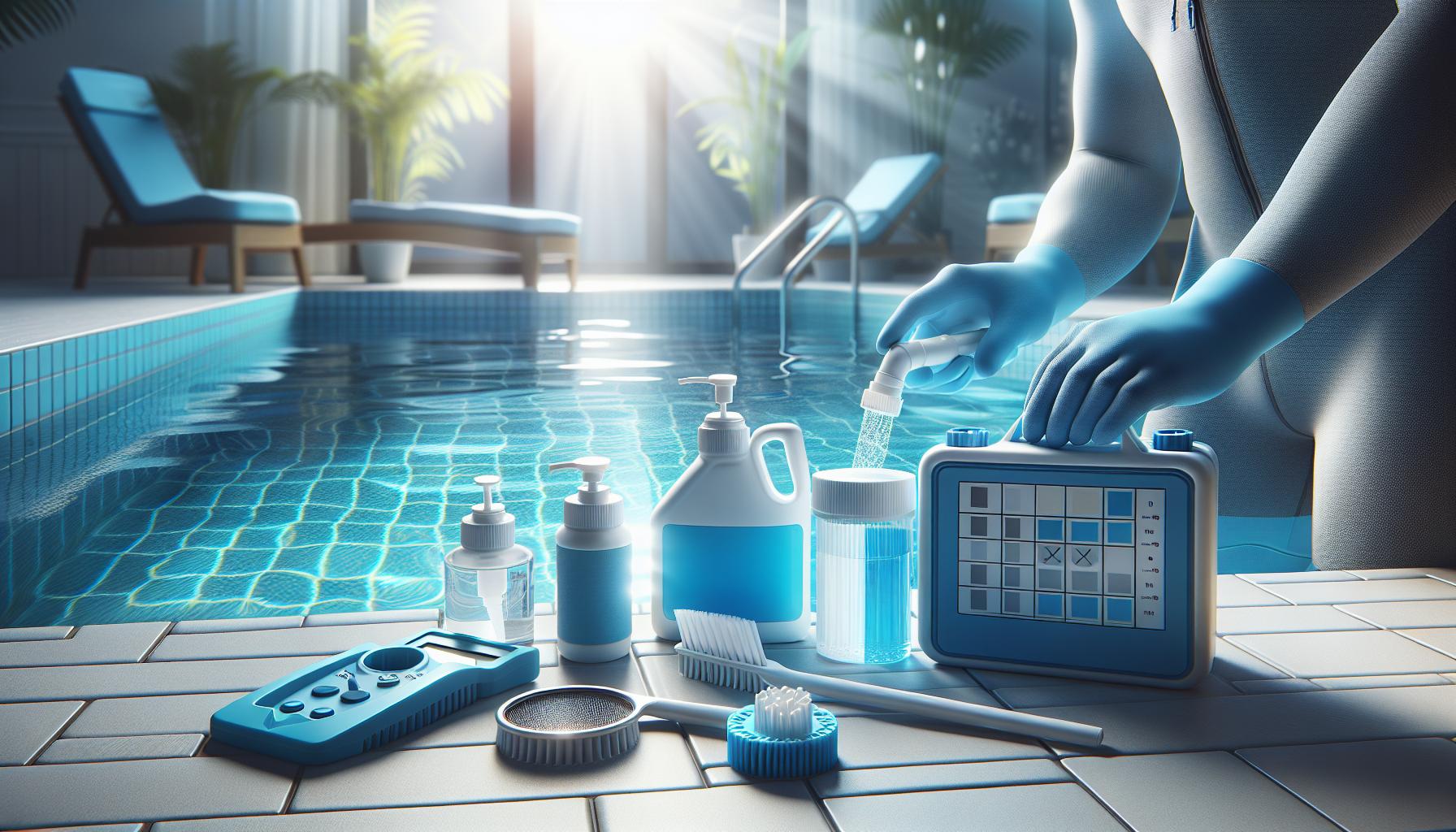
Signs Your Pool Has Too Much Chlorine
Recognizing when your pool has too much chlorine can save you from unpleasant swimming experiences and health issues. One of the most noticeable signs is a strong chemical odor exceeding the normal scent of swimming pool water. If the smell becomes overpowering, it’s a clear indicator that chlorine levels are likely much higher than the recommended range. This excessive odor is not just an unpleasant experience; it often means that unpleasant and potentially harmful chloramines are present, which can cause skin and eye irritation.
Physical symptoms are another key sign your pool might have elevated chlorine levels. Many swimmers report skin irritation, a burning sensation in the eyes, or itchy skin after swimming. These symptoms highlight the possible effects of excessive chlorine, which can happen if the water is not regularly tested and balanced. Cloudy or discolored water is an additional visual cue; this cloudiness can result from high chlorine levels leading to the formation of chloramines or simply an overwhelmed filtration system attempting to cope with the surplus.
If you observe these symptoms, immediate action is required to ensure comfort and safety. First, test your pool water with a reliable testing kit to confirm the chlorine levels. If they’re beyond the safe range of 1 to 3 ppm, taking steps to lower the chlorine concentration is essential. Strategies such as partial water replacement or the use of a chlorine neutralizer can help restore balance. Additionally, consider increasing the pool circulation to help dissipate chemicals and enhance filtration.
By remaining vigilant about your pool’s chlorine levels, you can enjoy a cleaner swimming environment and protect the health and comfort of all swimmers. Regular testing and awareness of these signs enable proactive management, ensuring a more pleasant and safe swimming experience.
Effective Methods to Lower Chlorine Levels
To enjoy a safe and pleasant swimming experience, it’s crucial to maintain appropriate chlorine levels in your pool. When these levels exceed the recommended range, swimmers may experience discomfort or irritation. Fortunately, there are several effective methods to reduce high chlorine concentrations and restore balance to your pool.
One of the simplest strategies to lower chlorine levels is through partial water replacement. By draining a portion of the water from your pool and refilling it with fresh water, you can dilute the chlorine concentration. Aim to replace about 25% of the water depending on how elevated the chlorine levels are. Always test your water afterwards to reassess chlorine levels and ensure they fall within the safe range.
Another efficient method involves the use of chlorine neutralizers, such as sodium thiosulfate. This chemical compound can effectively lower chlorine levels when added to the pool. Here’s a quick step-by-step guide on using a chlorine neutralizer:
Using a Chlorine Neutralizer
- Test Your Water: Before adding any chemicals, confirm the current chlorine levels using a reliable test kit.
- Calculate the Amount Needed: Reference the product’s instructions to determine how much neutralizer is required based on your pool size and chlorine levels.
- Dissolve the Neutralizer: Mix the calculated amount in a bucket of water until fully dissolved.
- Disperse in the Pool: Slowly add the solution around the edges of the pool while the filtration system is running to ensure even distribution.
- Retest: After a few hours, retest the chlorine levels to ensure they have appropriately decreased.
Additionally, increasing pool circulation can help in dissipating chlorine more rapidly. Ensure your pump is running for extended periods and consider running it overnight after adding neutralizers or fresh water.
Sunlight Exposure
Utilizing natural sunlight is another effective way to reduce chlorine levels. Sunlight breaks down chlorine through a process known as photolysis. Whenever possible, allow your pool to receive ample sunlight by removing cover or adjusting any shade-causing structures.
By implementing these methods, you can take control of your pool maintenance and ensure a comfortable swimming environment. Regular water testing and monitoring will empower you to manage chlorine levels effectively, enhancing everyone’s enjoyment of your pool.
Step-by-Step Guide to Using a Pool Neutralizer
To effectively manage high chlorine levels in your pool and ensure a safe swimming environment, using a chlorine neutralizer is an excellent solution. By following these systematic steps, you can quickly lower chlorine concentrations and restore balance to your pool water.
Start by testing your water with a reliable test kit to check the current chlorine levels. This initial step is crucial as it provides a baseline for knowing how much neutralizer you will need. Once you have your chlorine reading, calculate the amount of neutralizer required. Refer to the instructions on the product label-typically, sodium thiosulfate is used-as it contains specific dosage recommendations based on your pool’s size and chlorine levels.
Next, prepare the neutralizer by dissolving it in a bucket of water. Pour the correct amount of neutralizer into the bucket and stir until it is fully dissolved, creating a concentrated solution. This ensures an even distribution when added to the pool. After achieving a concentrated mixture, it’s time to disperse the solution into the pool. Slowly pour the dissolved neutralizer around the edges of the pool. It’s important to do this while the filtration system is running, as this will help circulate the chemical and promote even mixing throughout the water.
Finally, retest the chlorine levels after a few hours to confirm that the levels have fallen within the safe and recommended range of 1 to 3 ppm. If chlorine levels are still too high, you may need to repeat the process or consider combining this method with additional techniques, such as increasing pool circulation or partial water replacement.
By following these steps, you’ll not only manage chlorine levels efficiently but also empower yourself to maintain your pool with confidence, ensuring a pleasant swimming experience for everyone.
Natural Ways to Reduce Chlorine Concentration
Maintaining a comfortable and safe swimming environment is crucial for pool owners, especially when chlorine levels spike. While chemical treatments are effective, there are natural methods to help reduce chlorine concentration in your pool, helping you strike a balance between cleanliness and comfort.
One of the most straightforward methods is allowing sunlight to work its magic. Ultraviolet (UV) rays from the sun naturally degrade chlorine, making sunlight a beneficial ally in reducing chlorine levels. To enhance this effect, consider removing any pool covers on sunny days and running your pool pump to circulate the water. Typically, open sunlight exposure can significantly lower chlorine levels within a few hours.
Another effective approach is adding fresh water to your pool. Simply diluting the chlorinated water with unchlorinated water can bring down the overall chlorine concentration. While this method may require some time and monitoring, it’s a straightforward solution that integrates easily into routine maintenance schedules. Aim for a partial water replacement by draining around 25% of the water and refilling it with fresh source water.
For those inclined toward garden solutions, consider using natural vegetation such as certain types of aquatic plants. These plants can absorb chlorine and other chemicals from the water as part of their growth process. Introduce floating plants or submerged flora that are known to thrive in pool environments, which can help stabilize the chlorine levels and improve water quality over time.
Finally, always monitor your pool’s water balance, paying close attention to both chlorine levels and pH. Adjusting the pH can make the chlorine less harsh on swimmers and more effective in sanitation, creating a more pleasant swimming experience. Aim for a pH level between 7.2 and 7.6. This balance can not only enhance the chlorine’s effectiveness but also reduce the necessity for higher doses of the chemical, ensuring a safer environment for everyone enjoying your pool.
Incorporating these natural techniques not only facilitates chlorine reduction but also promotes a healthier pool environment overall. Enjoy the process of maintaining your pool with a mix of nature and care!
Adjusting Pool pH for Chlorine Balance
Adjusting the pH of your pool water is a critical aspect of maintaining a safe and inviting swimming environment. The right pH level not only enhances the effectiveness of chlorine but also protects swimmers from irritation and discomfort. Ideally, the pH should be kept between 7.2 and 7.6. When the pH rises above this range, chlorine becomes less effective, meaning you might need to add more of it to achieve the same sanitizing results. Conversely, if the pH falls below this range, it can lead to corrosive conditions that irritate skin and eyes, while also damaging pool surfaces and equipment.
To effectively adjust your pool’s pH, start by testing the water using a reliable test kit or strips. Here’s a simple step-by-step guide to bring your pool pH to the ideal level:
- Test the Water: Use a pH test kit to determine your current pH level.
- Determine the Adjustment Needed: If the pH is above 7.6, you will need to bring it down. If it’s below 7.2, you will need to raise it.
- Add the Appropriate Chemicals: For high pH levels, add an acid such as muriatic acid or sodium bisulfate. For low pH, increase it with sodium carbonate (soda ash).
- Distribute Solutions Evenly: Pour the acid or base into the pool evenly around the perimeter to ensure proper mixing.
- Allow Circulation: Run your pool pump for at least 4-6 hours to circulate the water and distribute the chemicals uniformly.
- Retest: After the circulation period, retest the pH to confirm it has reached the desired level.
Maintaining a balanced pH in your pool not only optimizes chlorine efficiency but also enhances the overall swim experience. If you find you often need to adjust the pH, consider investigating factors that might be contributing to the imbalance, such as high levels of organic debris or improper water source quality. By regularly monitoring and adjusting your pool’s pH, you can keep your water not just clean, but also comfortable for swimmers, ensuring a pleasant environment all season long.
Preventing High Chlorine Levels: Best Practices
Maintaining safe chlorine levels in your pool is essential for a healthy swimming environment, yet high chlorine concentrations can frequently be an issue for pool owners. To proactively prevent elevated chlorine levels, consider these best practices that can help keep your pool water balanced and enjoyable.
One effective strategy is to regularly monitor your pool’s chlorine levels. Utilize a reliable test kit weekly, especially during peak swimming seasons or following heavy rains. This allows you to catch any spikes in chlorine before they affect your swim experience. Moreover, maintaining the right pH balance between 7.2 and 7.6 optimizes chlorine effectiveness and minimizes the amount needed for disinfection.
Another key preventative measure involves controlling the factors that contribute to chlorine fluctuations. Heavy swimmer loads and organic debris can significantly increase chlorine demand. To manage this, establish a routine for cleaning your pool, including skimming debris, brushing walls, and vacuuming the floor. Additionally, encourage swimmers to rinse off before entering the pool to reduce contaminants entering the water.
Utilizing Sunlight Effectively
Don’t overlook the power of natural sunlight in chlorine management. UV rays from the sun can break down chlorine, thus lowering levels over time. Ensure that your pool is exposed to sunlight for several hours each day, and consider adjusting your pool cover practices. In peak sunlight hours, keep the pool uncovered to facilitate natural chlorine reduction.
If you frequently encounter high chlorine levels, consider using chlorine stabilizers cautiously, as they help maintain consistent chlorine levels without excessive increase. This is crucial if you operate your pool under varying weather conditions or have a fluctuating bather load. Stabilizers can effectively buffer the chlorine while still providing the sanitation necessary for safe swimming.
By implementing these preventive measures, not only will you keep your pool’s chlorine levels in check, but you will also enhance the overall swimming experience for family and friends. Remember, proactive care and regular maintenance are the keys to a safe, clean, and enjoyable pool environment.
The Role of Sunlight in Chlorine Reduction
Natural sunlight serves as a powerful ally in managing chlorine levels within your pool. The sun’s ultraviolet (UV) rays can facilitate the breakdown of chlorine, effectively reducing its concentration over time. This natural process is especially beneficial during warm, sunny days when pool usage tends to spike. By harnessing this free resource, you can significantly mitigate the issues associated with high chlorine levels while ensuring a healthier swimming environment.
To maximize the benefits of sunlight in your pool maintenance routine, consider the following practical steps:
- Expose Your Pool: Aim to keep your pool covered as little as possible during peak sunlight hours. Uncovering your pool for several hours a day allows UV light to penetrate the water, promoting chlorine reduction.
- Timing is Key: Schedule your pool’s cleaning and shocking treatments in the late afternoon or evening. This allows the sun to help reduce chlorine during the day, making it easier to manage levels before the evening swims.
- Use a Pool Cover Wisely: While it’s beneficial to uncover your pool during sunny days, using a cover at night can help maintain warmer water temperatures while reducing evaporative loss.
Additionally, environmental factors such as geographical location and the season can impact how effectively sunlight reduces chlorine. For instance, pools located in sunnier regions or those that experience longer daylight hours will see more significant reductions in chlorine levels compared to those in shaded or cloudy settings. Adjust your pool maintenance strategy based on these variables to keep chlorine levels balanced year-round.
In conclusion, leveraging sunlight not only helps in managing chlorine levels but also enhances the overall efficiency of your pool maintenance plan. By adopting these methods and being mindful of your pool’s exposure to natural light, you can ensure a more inviting and enjoyable swimming experience for all.
When to Use Chlorine Stabilizers
Utilizing chlorine stabilizers can be a game-changer for maintaining proper sanitation levels in your pool while preventing excessive chlorine loss due to environmental factors. Chlorine stabilizers, such as cyanuric acid, serve as a protective barrier, helping to shield chlorine from being broken down by ultraviolet (UV) rays from the sun. This allows the chlorine to remain effective for a longer duration and reduces the frequency of shocking your pool, ultimately leading to a more balanced and manageable chlorine level.
When it comes to deciding the right time to use these stabilizers, consider the following scenarios:
- New Pools or Fresh Fill: After filling or refilling your pool, adding a stabilizer is crucial. This initial treatment ensures that your chlorine remains effective as the water starts to circulate and stabilize.
- Heavy Sun Exposure: If your pool is in a location that receives full sun for extended periods, introducing stabilizers can significantly minimize chlorine loss. Look for signs such as frequent need for more chlorine or a consistent drop in chlorine levels.
- Frequent Cleaning or Shocking Treatments: If you find yourself regularly shocking your pool or using higher chlorine levels for cleaning, consider stabilizers to maintain balance and reduce chemical usage.
- Seasonal Changes: As the weather warms up, or when transitioning from winter to summer, applying a stabilizer can help prepare your pool for increased activity and sun exposure, helping to maintain clear and safe swimming conditions.
To effectively incorporate a chlorine stabilizer, follow these steps:
- Test Your Water: Start by checking your current chlorine and cyanuric acid levels. Ideal stabilizer levels are generally between 30 to 50 parts per million (ppm).
- Choose the Right Product: Select a stabilizer that aligns with your pool’s needs. Liquid options dissolve quickly, while granular stabilizers may take longer but are often more potent.
- Add Stabilizer Properly: If using granular stabilizers, disperse them in a bucket of warm water before adding to the pool to ensure even distribution. For liquid stabilizers, simply pour it around the perimeter of the pool with the pump running to aid in circulation.
- Monitor Changes: After adding the stabilizer, check your chlorine levels again in a few days to ensure they are within the desired range, adjusting as necessary.
By strategically using chlorine stabilizers, you can enhance the longevity of your chlorine, reduce waste, and create a safer swimming environment. This simple addition to your maintenance routine can alleviate many common pool challenges, allowing you to focus more on enjoying your pool and less on routine chemical balancing.
Impact of Water Temperature on Chlorine Levels
Water temperature plays a crucial role in determining the effectiveness of chlorine in your pool. As temperatures rise, chlorine demands in your pool can increase significantly. This is primarily because warmer water can accelerate the growth of algae and bacteria, which in turn requires more chlorine to maintain sanitation levels. Moreover, higher temperatures can also lead to increased evaporation, further diminishing chlorine concentration.
To manage chlorine levels effectively, it’s essential to monitor water temperature regularly, especially during warmer months. A practical approach is to establish a routine for checking and adjusting chlorine levels. Use a reliable pool thermometer to keep an eye on changes in water temperature, and aim for ideal chlorine levels of 1-3 parts per million (ppm) when the water is heated. If you notice that the temperature is rising above 80°F (27°C), consider the following strategies to maintain balanced chlorine levels:
- Increase Circulation: Improve water circulation by running your pool pump for longer periods or adjusting the return jets to ensure better mixing of chlorine and water.
- Regular Shocking: Periodically shock your pool, especially after heavy usage, to eliminate any buildup of contaminants that can thrive in warmer water.
- Use a Liquid Chlorine Product: Opt for liquid chlorine over granular options during hot weather, as it dissolves quickly and can quickly adjust the chlorine levels when needed.
- Monitor pH Levels: As temperature rises, pH levels can fluctuate. Ensure you keep pH levels between 7.2 and 7.6 for optimal chlorine efficiency.
Take advantage of the changing seasons by adjusting maintenance routines based on water temperature. In cooler months, you might not need to chlorinate as often, while in peak summer, enhanced vigilance will help keep the pool water safe and clear. Adapting your pool care methods to account for temperature fluctuations will ensure a more enjoyable and healthy swimming environment for you and your family.
Troubleshooting Persistent High Chlorine Issues
Although maintaining balanced chlorine levels is crucial for a safe swimming experience, persistent high chlorine issues can pose unique challenges for pool owners. When chlorine levels remain elevated, swimmers may experience discomfort, such as skin irritation and eye redness, which can detract from the enjoyment of your pool. Understanding the underlying causes of these elevated levels and taking immediate action can help rectify the situation.
First, regularly test your pool’s chlorine levels using a reliable test kit or strips. If the readings consistently show levels exceeding 3 ppm, confirm you haven’t added too much chlorine during your maintenance routine. Excessive use of chlorine products, particularly during hotter weather or after heavy pool usage, can inadvertently lead to high readings. A practical step is to perform a partial water replacement; draining and refilling about 25-50% of the pool water can dilute the chlorine concentration effectively.
Next, consider increasing the pool’s exposure to sunlight. Sunlight has a natural chlorine-reducing effect, so simply adjusting your pool’s cover operation to allow for more sun exposure during the day can help lower chlorine levels. If you’re using any type of chlorine stabilizer, assess whether it’s necessary. Removing stabilizers may allow more chlorine to break down in sunlight, assisting in achieving balanced levels more quickly.
Furthermore, enhancing your pool’s circulation can dramatically improve the distribution of chlorine and prevent localized areas of high concentration. Running your pool pump for longer periods or adjusting the placement of pool jets can help create a more uniform chlorine distribution. If levels are critically high, consider using a chlorine neutralizer such as sodium thiosulfate, which can directly reduce chlorine levels without harm to your pool’s chemistry. Follow the manufacturer’s directions carefully and test frequently to achieve the desired levels.
By employing these strategies and monitoring your pool’s chemical balance proactively, you’ll create a more enjoyable and safe swimming environment. Regular testing, proper maintenance practices, and timely adjustments will help you navigate persistent high chlorine levels effectively.
Maintaining Safe Chlorine Levels for Swimmers
To ensure a safe and enjoyable swimming experience, it’s essential to maintain chlorine levels within the ideal range. High chlorine levels, often exceeding 3 ppm, can lead to discomfort for swimmers, including skin irritation and red eyes. Here are some key practices to help manage those levels effectively.
One critical step is to consistently monitor your pool’s chlorine levels using a reliable test kit or strips, ideally performing tests at least once a week. When testing, keep an eye on not just the chlorine concentration, but also the pH levels; the pH should typically range between 7.2 and 7.8 for optimal chlorine efficiency. If you find the levels are too high, it may be beneficial to conduct a partial water replacement by draining and refilling 25-50% of your pool’s water. This can help dilute excessive chlorine and restore balance to your pool chemistry.
Practical Maintenance Tips
- Increase Sunlight Exposure: Maximizing sunlight on your pool not only enhances your swimming experience but also naturally breaks down chlorine. Remove any pool covers during sunny days to allow sunlight to assist in reducing chlorine levels.
- Enhance Water Circulation: Ensuring good water circulation is vital. Run your pump for additional hours daily or adjust your jets to improve water flow, which helps distribute chlorine uniformly and lowers the chances of localized high concentrations.
- Use a Neutralizer When Necessary: When chlorine levels are critically high, consider using a chlorination neutralizer, such as sodium thiosulfate. Always follow the manufacturer’s guidelines for dosage and repeat testing to ensure you achieve the desired results.
In addition, educating swimmers about the importance of not swimming right after heavy chemical treatments can minimize discomfort. Encourage regular breaks to check the pool’s chemical balance and advise swimmers to shower before entering the pool to reduce contaminants that may raise chlorine demand.
By following these structured approaches, you can effectively maintain safe chlorine levels, creating a pleasant environment for everyone to enjoy. Regular monitoring, proper maintenance, and prompt action against imbalances will empower you to tackle any chlorine-related issues with confidence.
Frequently asked questions
Q: How long does it take for chlorine levels to go down naturally?
A: Chlorine levels can decrease naturally in 1 to 2 days depending on sunlight exposure and water temperature. Sunlight helps to break down chlorine, so increasing sunlight on the pool can speed up the process. For immediate results, consider using a chlorine neutralizer.
Q: What are the risks of high chlorine levels in a pool?
A: High chlorine levels can lead to skin and eye irritation, respiratory issues, and can be harmful to pool equipment. Maintaining balanced chlorine levels is essential for swimmer safety and prolonging the lifespan of your pool.
Q: Can I swim in a pool with high chlorine levels?
A: It is not recommended to swim in a pool with high chlorine levels, as it can cause skin irritations and discomfort. Wait until levels are within the safe range of 1-3 ppm before entering the water.
Q: What household items can lower chlorine levels in a pool?
A: Common household items like vitamin C (ascorbic acid) and hydrogen peroxide can lower chlorine levels when added carefully to the water. It’s essential to follow proper guidelines for application to avoid overdoing it.
Q: How do I know if my pool has too much chlorine?
A: You can determine if your pool has too much chlorine by using a test kit or strips, which reveal levels above the recommended 1-3 ppm. Additionally, signs include a strong chlorine smell, skin irritation, and cloudy water.
Q: What is the ideal chlorine level for pools?
A: The ideal chlorine level for pools is between 1-3 parts per million (ppm). This range is safe for swimming while effectively sanitizing the water. Regular testing is crucial for maintaining these levels.
Q: Can rain affect the chlorine level in my pool?
A: Yes, rain can dilute the chlorine concentration in your pool, but heavy rainfall may also lead to an increase in organic matter, necessitating adjustments afterward. Regular testing after rainfall is advisable to ensure proper levels.
Q: Should I shock my pool to lower chlorine levels?
A: Shocking your pool is primarily used to raise chlorine levels and remove contaminants. If your pool’s chlorine is excessively high, it’s better to wait for natural reduction or use a chlorine neutralizer instead of shocking the pool.
To Wrap It Up
Now that you know how to effectively lower the chlorine levels in your pool, it’s time to take action! Ensuring your pool water is balanced not only enhances your swimming experience but also protects your equipment and keeps your family safe. Dive deeper into our resources on maintaining perfect pool chemistry or explore our guide on tackling common pool issues to ensure a flawless summer. Remember, regular monitoring and maintenance will save you time and effort in the long run.
Don’t forget to share your pool triumphs or ask any lingering questions in the comments below-we love to hear from fellow pool owners! For more expert tips, subscribe to our newsletter or check out our product recommendations for reliable testing kits and shock treatments. Your dream pool is just a few steps away, so start your journey today!


