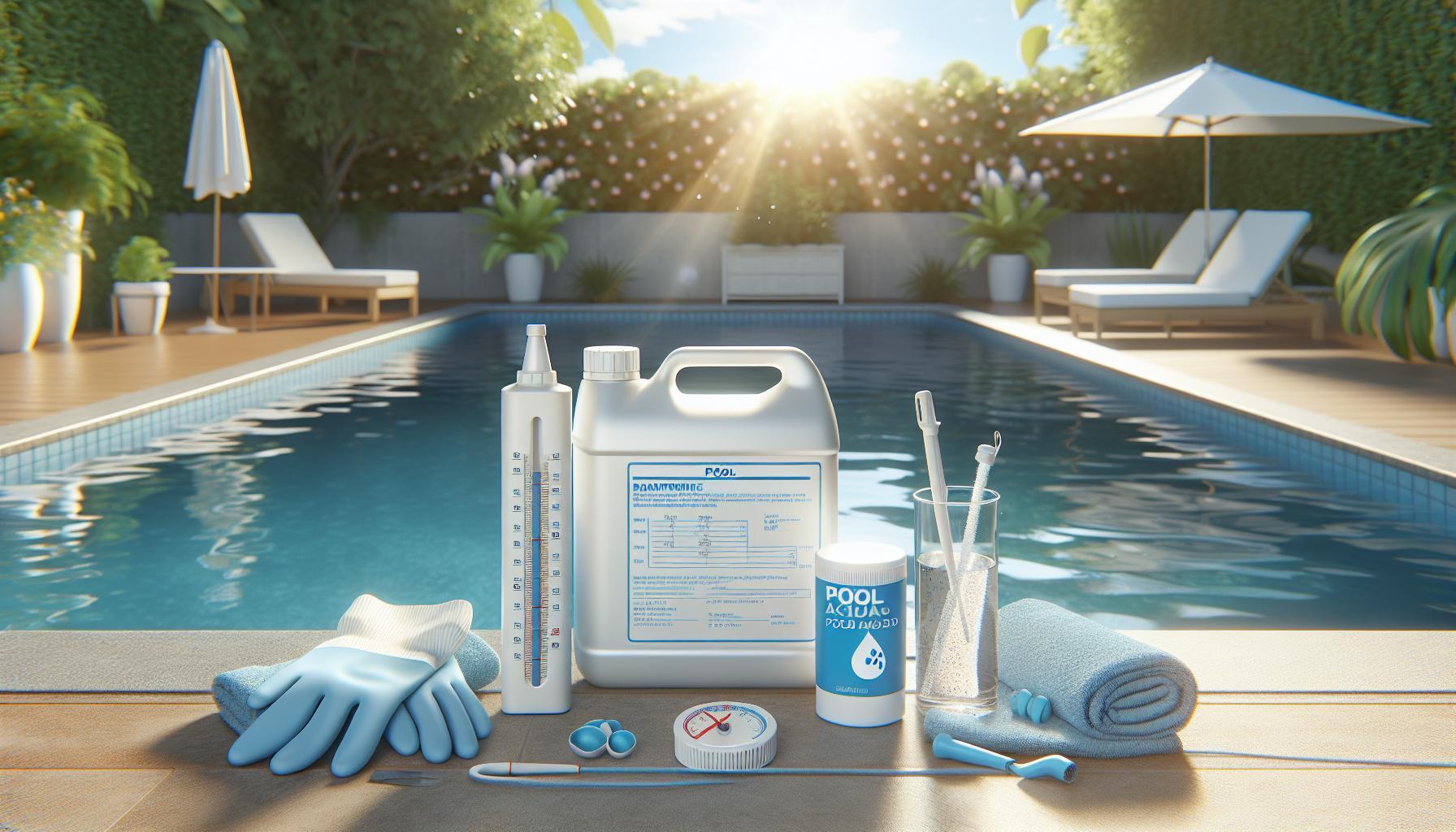
Alkalinity is the unsung hero of pool chemistry, acting as a buffer to stabilize pH levels and protect your pool’s surfaces and equipment. When alkalinity dips too low, it can lead to uncomfortable swimming conditions, corrosive water, and costly repairs. If you’ve noticed fluctuations in your pool’s balance, restoring alkalinity is crucial for maintaining a crystal-clear, inviting oasis.
In this quick DIY guide, you’ll discover simple, effective strategies to raise alkalinity in your pool. Whether you’re a seasoned pool owner or a novice, understanding how to manage alkalinity empowers you to ensure optimal water quality and a safe swimming environment. We’ll walk you through step-by-step solutions to tackle low alkalinity, providing you with the knowledge to nurture your pool and enhance your summer experience. Let’s dive in and make your pool the haven it’s meant to be!
Understanding Pool Alkalinity: The Basics You Need to Know
Pool alkalinity is an essential aspect of maintaining a healthy swimming environment. It serves as a buffer for pH levels in the water, which means it helps prevent fluctuations that can cause discomfort for swimmers and damage to pool equipment. Generally, total alkalinity in a pool should be maintained between 80 and 120 parts per million (ppm) for optimal performance and user experience. Understanding the basics of pool alkalinity can empower you to keep your pool water crystal clear and safe for everyone.
When alkalinity levels drop too low, it can lead to a host of issues, including corrosive water that can damage pool surfaces, metal fixtures, and heating elements. Furthermore, low alkalinity often results in unstable pH levels that can cause skin irritation and eye discomfort. Conversely, high alkalinity can make it difficult to balance pH levels, leading to cloudy water and increased chemical usage. Monitoring and adjusting your pool’s alkalinity is therefore crucial for ensuring an enjoyable swimming experience.
To effectively manage your pool’s alkalinity, regular testing is key. Use a reliable pool testing kit to check your alkalinity levels weekly or bi-weekly, especially during peak swimming seasons or after significant weather changes. If you find that your alkalinity is outside the recommended range, quick adjustments can be made using simple DIY methods. For example, adding baking soda can raise alkalinity, while muriatic acid or sodium bisulfate can effectively lower it. Keeping your pool’s alkalinity balanced not only enhances the water quality but also extends the life of your pool equipment, ultimately saving you time and money in the long run.
Why Alkalinity Matters for Your Pool Health
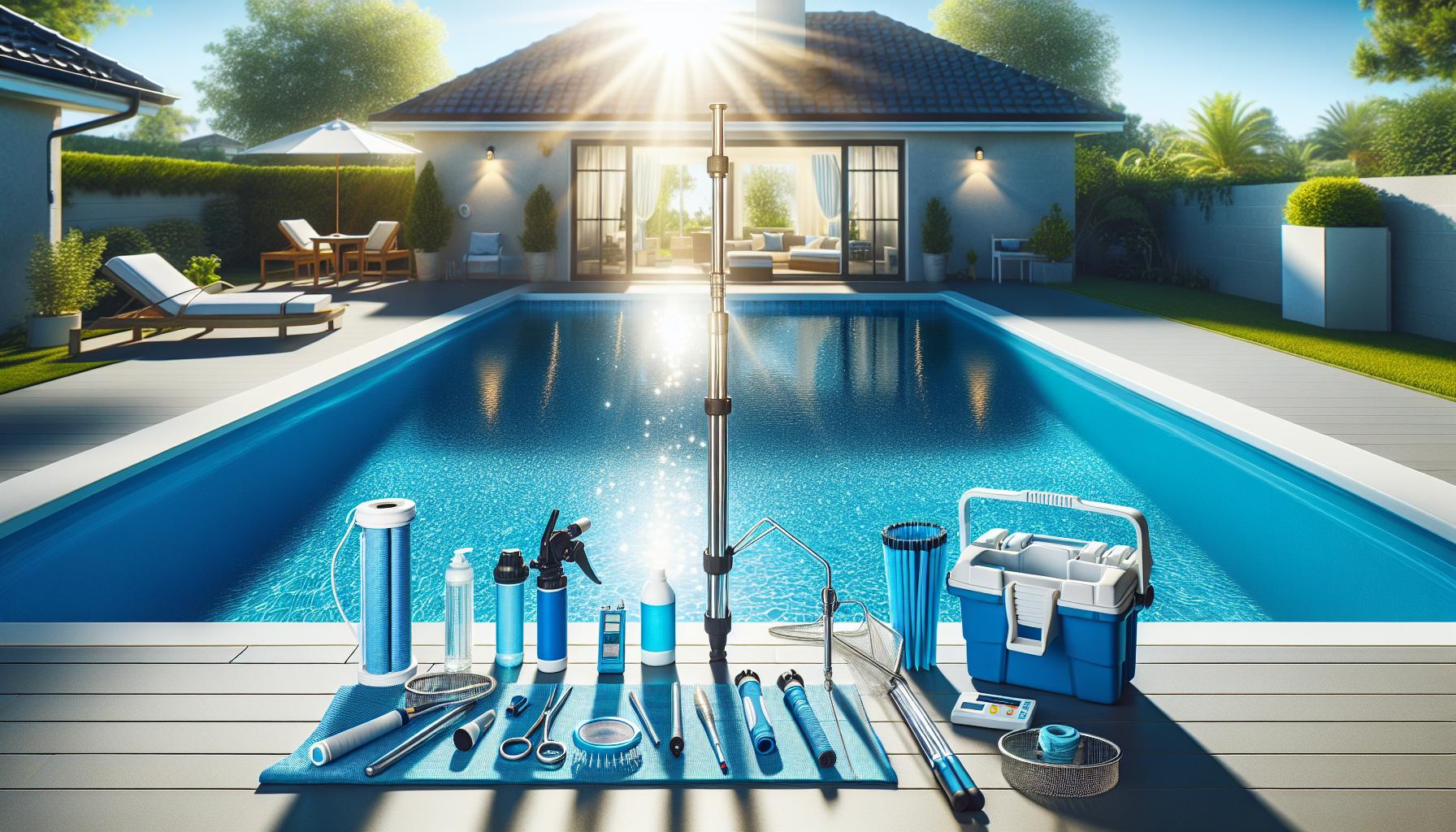
Maintaining proper alkalinity levels in your pool is essential for ensuring a safe and enjoyable swimming experience. Total alkalinity serves as a buffer for pH levels, stabilizing water chemistry and preventing sudden fluctuations that can cause discomfort or damage. When alkalinity is balanced appropriately, usually between 80 and 120 parts per million (ppm), the water not only feels better on the skin and eyes but also protects your pool’s surfaces and equipment from corrosive damage that low alkalinity can incite.
Low alkalinity can lead to aggressive water conditions, which may corrode pool fixtures, cause etching on surfaces, and result in cloudy water. These issues not only hinder your pool’s aesthetic appeal but can also lead to costly repairs. High alkalinity, on the other hand, can make it challenging to balance your pH levels, resulting in inefficient chlorine use and potential algae growth, both of which compromise the cleanliness of your pool.
To enhance your pool’s health, regular monitoring of alkalinity levels is crucial. Implementing simple DIY methods, like adding baking soda for raising alkalinity or utilizing muriatic acid for lowering it, empowers pool owners to address imbalances promptly. By taking proactive steps to maintain your pool’s alkalinity, you actively contribute to a healthier swimming environment for yourself and others, while also extending the longevity of your pool investment.
Signs Your Pool’s Alkalinity is Too Low

When it comes to maintaining your pool, understanding the signs of low alkalinity is crucial for keeping the water safe and enjoyable for swimmers. Low alkalinity can lead to a myriad of problems that not only affect the water quality but can also damage your pool’s surfaces and equipment. Here are some common indicators that your pool’s alkalinity may be too low, along with practical steps to address the issue.
One of the first signs to watch for is a drastic fluctuation in pH levels. If you notice that the pH tends to drop frequently, this can signal low alkalinity, which serves as a buffer to stabilize pH. You might also experience skin irritations or discomfort, as low alkalinity often leads to water that feels harsh on the skin and eyes. If swimmers are complaining about itchy skin or stinging eyes, it’s time to check the alkalinity levels.
Additionally, the water clarity can be affected. If you find your pool water looking cloudy or hazy, it could be due to low alkalinity levels causing improper filter operation. Low alkalinity can also lead to corrosion of metal fixtures and etching of pool surfaces, which may manifest as stains or rough patches in the pool finish. These aesthetic and structural demerits call for immediate action to restore balance.
To effectively address low alkalinity, testing your pool water should be your first step. Utilize a reliable pool testing kit to measure the current alkalinity level. If you find it dipping below the ideal range of 80 to 120 ppm, consider adding sodium bicarbonate (baking soda) to the water. Generally, adding about 1.5 pounds of baking soda per 10,000 gallons of pool water raises the alkalinity by approximately 10 ppm. Just ensure to dissolve it in a bucket of water before adding it to the pool to disperse it evenly.
Regular monitoring and adjustments are vital for maintaining healthy pool water, so equip yourself with testing supplies and stay proactive. By recognizing the signs of low alkalinity early, you can prevent further complications and ensure a safe, inviting swimming environment for all.
Effective DIY Methods to Raise Alkalinity
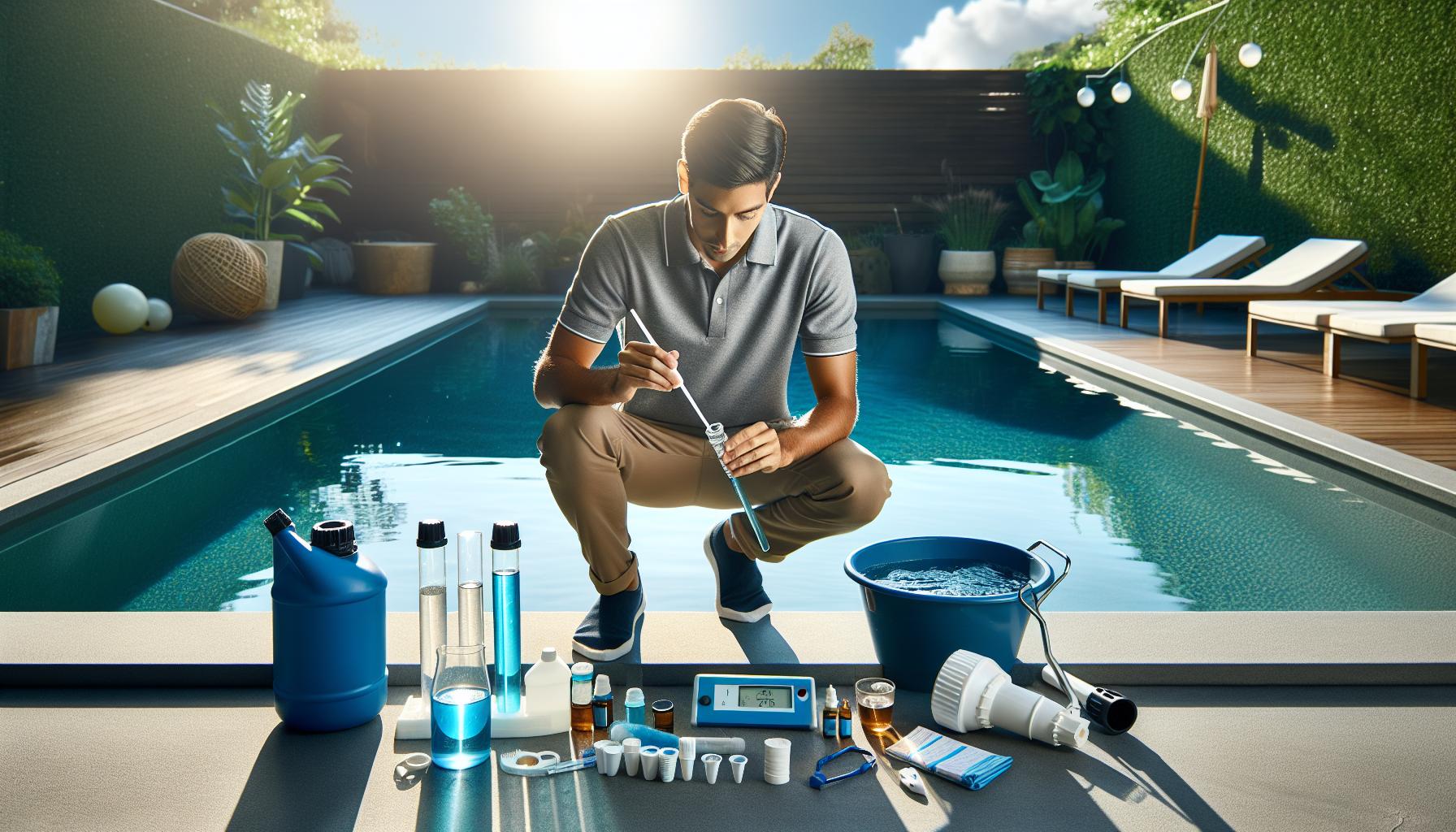
Maintaining the proper alkalinity in your pool is crucial for a healthy swimming environment. If you’ve noticed signs that your pool’s alkalinity levels are low, there are several effective and straightforward methods to boost it back to the optimal range, usually between 80 to 120 ppm. By following these DIY techniques, you can restore balance to your pool’s chemistry, ensuring a more enjoyable experience for all swimmers.
One of the simplest ways to raise alkalinity is by using sodium bicarbonate, commonly known as baking soda. Here’s how to do it:
Using Baking Soda to Boost Alkalinity
- Calculate the Required Amount: Generally, adding about 1.5 pounds of baking soda per 10,000 gallons of water will raise your alkalinity by around 10 ppm. For precise calculations, consult your pool testing results to determine how much you need to increase the alkalinity.
- Dissolve It: Before adding baking soda directly to the pool, dissolve it first in a bucket of water to avoid clumping and ensure even distribution. This step is crucial for both efficacy and preventing localized cloudiness.
- Apply Gradually: Pour the dissolved mixture around the perimeter of the pool while the pump is running. This helps to circulate the solution throughout the pool effectively.
- Retest After 24 Hours: Once you’ve added the baking soda, allow the pool to circulate for at least 24 hours before retesting the alkalinity level. If it’s still below the desired range, repeat the process as necessary.
Other DIY Methods
While baking soda is the most common method, there are alternative materials you can use to raise alkalinity:
- Alkalinity Increaser (Sodium Carbonate): If you need a more powerful solution, products specifically labeled as alkalinity increasers contain sodium carbonate. Follow the package instructions closely for dosage.
- Pool Water Adjustments: If your fill water has low alkalinity, consider using a different source with higher alkalinity. Sometimes, simply changing your water source can make a significant difference over time.
Remember, patience is key. After adjusting the alkalinity, monitor the pool’s chemical balance regularly to keep both pH and alkalinity levels in check. With a little diligence and the right approach, you can easily manage your pool’s alkalinity and enhance the overall swimming experience!
Using Baking Soda: The Ultimate Guide
Baking soda, or sodium bicarbonate, is a versatile and effective solution for raising the alkalinity of your pool water, making it an essential tool in every pool owner’s maintenance arsenal. This common household ingredient can help stabilize pH levels, prevent corrosion, and enhance swimmer comfort. Not only is baking soda safe and easy to work with, but it also offers a cost-effective way to achieve the ideal alkalinity range of 80-120 ppm.
To effectively raise alkalinity using baking soda, start by determining the necessary amount needed for your pool size. A good rule of thumb is to add about 1.5 pounds of baking soda per 10,000 gallons of water to increase alkalinity by approximately 10 ppm. Always refer to your most recent water test results for accurate adjustments, ensuring you target the right baseline.
Before adding baking soda directly to the pool, it’s best practice to dissolve it in a bucket of water. This simple step prevents clumping and allows for an even distribution throughout the pool, minimizing the risk of localized cloudiness. Once dissolved, pour the mixture around the perimeter of the pool while the pump is running, which helps with circulation and ensures that the baking soda effectively mixes with the pool water.
After applying the baking soda, give your pool at least 24 hours to circulate the solution before retesting the alkalinity levels. If the desired range is not reached, repeat the process gradually until optimal levels are achieved. Regular monitoring and adjustments will enhance not just the water quality but also the overall enjoyment of your pool throughout the swimming season.
Embrace the simplicity of using baking soda and witness the positive effects on your pool’s health and the swimmer’s experience. With consistent care and proactive measures, maintaining your pool’s alkalinity can be a straightforward process that keeps everyone comfortable and safe while enjoying the water.
Testing Your Pool Water: Essential Tools and Techniques
Testing your pool water regularly is vital for maintaining optimal water chemistry, which includes alkalinity, pH levels, and overall cleanliness. A balanced pool not only ensures comfort for swimmers but also prolongs the life of your pool equipment. Understanding how to accurately assess these levels empowers pool owners to tackle maintenance issues proactively.
To target alkalinity, a reliable water testing kit is indispensable. You’ll find two primary types of kits available: liquid test kits and test strips. Liquid test kits tend to provide more precise readings, often with color comparison charts that help you gauge your alkalinity accurately. Test strips, while quick and convenient, may not be as exact but offer the benefit of speed and ease of use. When testing, follow the manufacturer’s instructions closely to ensure reliable results.
Ensure you gather your samples from a depth of about 18 inches below the surface, as surface debris can distort readings. Once you’ve collected your sample, use the appropriate amount of testing solution or dip the strip according to guidelines. Observe any color changes against the provided charts. For a thorough analysis, it’s beneficial to test multiple times throughout the swimming season and to check alkalinity more frequently if your pool is used heavily or following rainstorms.
Keep a log of your test results, which helps identify trends over time and allows for timely adjustments. If you find that your alkalinity is low (below 80 ppm), it is often necessary to increase it to stabilize pH levels. Conversely, if alkalinity is too high, you’ll need to take steps to lower it. Regular testing equips you with the information needed to make precise adjustments and ensures that your swimming experience remains enjoyable and safe.
Balancing pH and Alkalinity: The Perfect Partnership
The delicate balance between pH and alkalinity is crucial for maintaining a healthy pool environment, ensuring that both the water quality is optimal and the experience is enjoyable for swimmers. Think of alkalinity as the buffer for your pool’s pH level; it acts as a stabilizer, preventing rapid fluctuations that can lead to discomfort or even damage to your pool. When alkalinity is within the ideal range of 80 to 120 parts per million (ppm), it helps to keep the pH level stable, which should ideally hover between 7.2 and 7.8. This synergy not only promotes swimmer comfort but also protects pool equipment and surfaces from corrosion or scaling issues.
To achieve this balance, regular testing is essential. Begin by measuring the total alkalinity of your pool water using reliable test kits. If you find that your alkalinity levels are low, a common method to increase it is through the addition of sodium bicarbonate, also known as baking soda. Here’s how you can effectively raise alkalinity:
- Calculate the required amount: Determine how much baking soda you need based on your pool’s size and the current alkalinity level. Typically, adding approximately 1.5 pounds of baking soda per 10,000 gallons of water will raise alkalinity by around 10 ppm.
- Add it gradually: Distribute the baking soda evenly across the pool’s surface to ensure consistent mixing. Aim to add it slowly while the pump is running to help it dissolve properly.
- Retest your water: Wait a few hours after adding the baking soda, then retest your pool’s alkalinity. Adjust further as necessary, ensuring not to overshoot your target range.
By closely monitoring both pH and alkalinity levels, you empower yourself to tackle maintenance issues proactively, ensuring a safer and more pleasant swimming environment. Regular checks and adjustments will help sustain the optimal balance, allowing your pool to function efficiently while providing the best experience for swimmers.
Common Mistakes to Avoid When Adjusting Alkalinity
Adjusting your pool’s alkalinity might seem straightforward, but there are a few common pitfalls that can lead to uneven results or even worse water quality. Understanding and avoiding these mistakes is essential for maintaining the right balance in your pool’s chemistry. One rush to correction is misjudging the amount of alkalinity increaser needed. It can be tempting to add a large quantity all at once, hoping for quick results, but this can overshoot the target range, resulting in alkalinity levels that are too high, which can cause cloudy water and pH stability issues.
Another common mistake happens during the testing process. Not following the manufacturer’s instructions-or relying on outdated test strips-can lead to inaccurate readings. It’s crucial to use a reliable testing kit and observe the testing instructions closely. For example, ensure that the test sample is taken from elbow-deep water, away from returns or skimmers, to get a more accurate representation of the pool water’s overall chemistry.
When adding sodium bicarbonate, distributing it evenly is vital. Some pool owners make the error of dumping it in one spot, which can lead to localized high alkalinity while other areas remain unaddressed. Instead, scatter the baking soda across the pool surface and allow the pump to circulate the water for a few hours before retesting. This ensures a more uniform distribution, promoting a balanced alkalinity throughout the pool.
Lastly, avoid the temptation to make frequent changes in alkalinity without retesting. Adjustments should be made gradually, and it’s essential to wait a few hours or overnight after each adjustment before retesting. This allows the water chemistry to equilibrate and provides a clearer picture of the pool’s condition. By taking these careful steps and avoiding these pitfalls, you’re well on your way to achieving optimal alkalinity that supports both water quality and swimmer comfort.
How Often Should You Check Alkalinity Levels?
Regularly monitoring your pool’s alkalinity is essential for maintaining a safe and enjoyable swimming environment. The general guideline is to test alkalinity levels at least once a week, especially during peak swimming seasons or after heavy rain or significant bather load. This proactive approach not only helps you catch fluctuations early but also prevents potential issues such as pH imbalance and water clarity problems.
- Post-Heavy Use: After hosting pool parties or events, it’s advisable to check the alkalinity. Increased organic material from lotions, sweat, and other contaminants can significantly impact water chemistry.
- Seasonal Changes: If you’re transitioning from cooler months to warmer weather, or vice versa, testing before and after these changes can help you adjust your water balance accordingly.
- Weather Conditions: After heavy rain or storms, testing should be performed to assess how runoff may have altered your pool’s chemistry.
For pool owners who utilize automatic cleaners or systems, it’s wise to incorporate alkalinity checks into your routine maintenance. If you’re using test strips, make sure they are fresh and legible, as outdated strips can give unreliable readings. Always take your sample in the middle of the pool, away from returns or skimmers, for the most accurate results.
If your readings indicate that alkalinity levels are outside the optimal range of 80-120 ppm, action should be taken promptly. Adjusting alkalinity is a gradual process, so allow several hours between tests to gauge the impact of any adjustments. Consistency is key-regular checks and adjustments will result in clearer water and a healthier swimming experience for everyone.
Maintaining Optimal Alkalinity Year-Round
Maintaining optimal alkalinity in your pool throughout the year is crucial for ensuring a healthy, inviting swimming environment. Proper alkalinity levels help stabilize pH, reduce fluctuations, and improve water clarity, creating a more enjoyable experience for swimmers. To keep your alkalinity in check, it’s essential to implement a consistent testing and maintenance routine tailored to the seasonal changes that affect your pool.
One effective strategy is to monitor alkalinity levels at least once a month during the off-season and weekly during peak swimming months. This proactive approach helps you anticipate adjustments needed for various conditions, such as rain or heavy bather loads. For example, after a rainstorm, the runoff can introduce contaminants that alter your water’s chemistry, leading to a temporary spike in alkalinity levels. Testing immediately after such weather events will help you determine if any corrective actions are necessary.
Utilizing simple DIY solutions can make maintaining alkalinity hassle-free. If levels dip below the ideal range of 80-120 ppm, adding sodium bicarbonate (baking soda) is a quick and effective method to boost alkalinity. You can safely raise levels by 10 ppm with approximately 1.5 pounds of baking soda per 10,000 gallons of water. Always distribute it evenly across the pool surface and allow the water to circulate for several hours before retesting. This method not only safeguards your water chemistry but also provides a cost-effective solution, as baking soda is widely available.
Lastly, addressing common issues before they escalate is vital for year-round maintenance. Watch for signs of fluctuating pH levels, which may indicate alkalinity imbalances. For instance, if you notice skin irritations or the presence of algae, it’s time to investigate alkalinity and pH levels through thorough testing. By staying vigilant and following a systematic approach to your pool care, you’ll ensure that your outdoor oasis remains safe and inviting, ready for fun and relaxation all year long.
Troubleshooting Alkalinity Issues: Solutions for Common Problems
Maintaining proper alkalinity is crucial for preventing common pool problems that can compromise water quality and swimmer comfort. If you find your pool’s chemistry slipping out of balance, identifying the signs and knowing how to troubleshoot effectively can save you time and money. High or low alkalinity levels can lead to various issues, such as discomfort for swimmers, cloudy water, or even damage to equipment.
Recognizing symptoms early on is key. If swimmers experience skin irritation or eye discomfort, or if you notice a persistent green tint to the water, it could indicate alkalinity imbalance. Start by testing your pool water using a reliable test kit, focusing specifically on total alkalinity readings. If the alkalinity is below the recommended range of 80-120 parts per million (ppm), it’s time to take action.
Solutions for Low Alkalinity
To raise low alkalinity levels, adding sodium bicarbonate (baking soda) is highly effective. To elevate alkalinity by approximately 10 ppm, you can use 1.5 pounds of baking soda for every 10,000 gallons of water. Spread the baking soda evenly across the surface of the pool, avoiding clumps, and allow the water to circulate for several hours before retesting. Regular monitoring after heavy rains or after a pool party can help you catch dips in alkalinity before they become problematic.
Solutions for High Alkalinity
On the other hand, if your pool’s alkalinity is too high, which can happen with certain pool chemicals, it’s essential to lower it gradually. One of the most effective methods is to use muriatic acid or sodium bisulfate. Always follow manufacturer instructions for dosage based on your pool size, aiming to reduce alkalinity slowly in increments. It’s advisable to retest the water after waiting at least 24 hours to gauge the impact of your adjustments. Additionally, regular water exchanges can naturally help lower alkalinity levels over time.
By implementing these straightforward troubleshooting strategies, pool owners can effectively manage common alkalinity-related issues, improving water quality and creating a more enjoyable swimming environment year-round. Regular testing, appropriate adjustments, and maintaining vigilance against changes in water chemistry will ensure your pool stays inviting and healthy for all swimmers.
Expert Tips for Long-Term Pool Care and Maintenance
Maintaining the perfect balance of alkalinity in your pool is not just about chemistry; it’s a commitment to enjoying a pristine swimming environment year-round. To keep your pool in top shape, consider these expert tips that focus on prevention, regular monitoring, and effective long-term strategies.
First and foremost, consistent testing is vital. Equip yourself with a reliable pool water testing kit, which you can use weekly to keep an eye on alkalinity levels alongside pH and chlorine. Remember that alkalinity acts as a buffer for pH levels, so a stable alkalinity will result in more manageable pH levels. In areas with variable weather conditions, or after pool usage spikes (like during a party), it’s especially important to test water more frequently to catch any drastic changes early.
When it comes to adjustments, slow and steady wins the race. Whether you need to raise or lower alkalinity, make changes gradually. Sudden shifts can lead to other imbalances, making it harder to maintain overall water quality. Always allow time for the chemicals to circulate before testing again, and avoid overcompensating; less is often more when it comes to pool care.
Furthermore, consider preventative measures that can help mitigate fluctuations in alkalinity. Regularly brushing your pool walls and maintaining proper filtration can help prevent algae growth and mineral buildup, both of which can affect water chemistry. Additionally, maintaining your pool cover during off-seasons limits debris accumulation and helps stabilize water conditions.
Lastly, keep a detailed log of your pool’s chemistry changes, including dates, chemical adjustments made, and weather conditions. This will help you identify trends over time and make more informed decisions. By following these expert strategies, you’ll not only uphold optimal alkalinity levels but also foster a safe and inviting pool experience for all swimmers.
Frequently Asked Questions
Q: What are the best chemicals to raise alkalinity in a pool?
A: The best chemicals to raise alkalinity in a pool are sodium bicarbonate (baking soda) and sodium carbonate (soda ash). Baking soda is the most commonly recommended due to its effectiveness and lower pH impact. Check the recommended dosage on your product label based on your pool’s volume.
Q: How do I know if my pool alkalinity is too low?
A: To determine if your pool’s alkalinity is too low, conduct a water test using a pool test kit. If the total alkalinity reading is below 80 ppm (parts per million), your pool’s alkalinity is considered low. Signs include pH fluctuations and potential corrosion of pool equipment.
Q: How can I quickly raise alkalinity in my pool?
A: To quickly raise alkalinity in your pool, add baking soda directly to the water. Dissolve the recommended amount based on your pool size in a bucket of water before pouring it in while the pump is running. This will help distribute the baking soda evenly throughout the pool.
Q: How long does it take for alkalinity adjustments to take effect?
A: It usually takes about 24 hours for alkalinity adjustments to take effect after adding chemicals like baking soda. Re-test your pool water after this period to confirm that the alkalinity levels have stabilized.
Q: What happens if my pool alkalinity is too high?
A: If your pool’s alkalinity is too high, it can cause pH levels to rise, leading to cloudy water, scaling on pool surfaces, and potential damage to pool equipment. To lower alkalinity, use muriatic acid or sodium bisulfate, adding them carefully and testing frequently.
Q: Can I still swim with low alkalinity in my pool?
A: Swimming in a pool with low alkalinity is generally safe; however, it can lead to skin irritation and damage to pool surfaces over time. It’s best to adjust the alkalinity before swimming for optimal water quality and comfort.
Q: How often should I test and adjust my pool’s alkalinity?
A: It’s recommended to test your pool’s alkalinity at least once a week, especially during swimming season or after heavy rainfall. Adjustments should be made as necessary to maintain a total alkalinity level between 80-120 ppm for optimal pool health.
Q: Is there a natural way to raise pool alkalinity?
A: Yes, a natural way to raise pool alkalinity is by using baking soda. It’s a safe and effective option, and it also has minimal impact on the pool’s pH levels, making it a popular choice for pool owners.
The Conclusion
Now that you know how to effectively raise the alkalinity in your pool, it’s time to take action! Maintaining proper alkalinity not only protects your pool surfaces but also ensures a balanced pH, making your swimming experience more enjoyable and safe. If you have lingering questions, feel free to dive into our detailed guides on Pool Water Chemistry and Pool Maintenance Tools to help you monitor water chemistry effortlessly. Join our community of over 400,000 members for support and tips to enhance your pool care journey. Don’t forget to subscribe to our newsletter for the latest updates and expert advice directly in your inbox. Your pool deserves the best, so let’s keep it sparkling clear together!