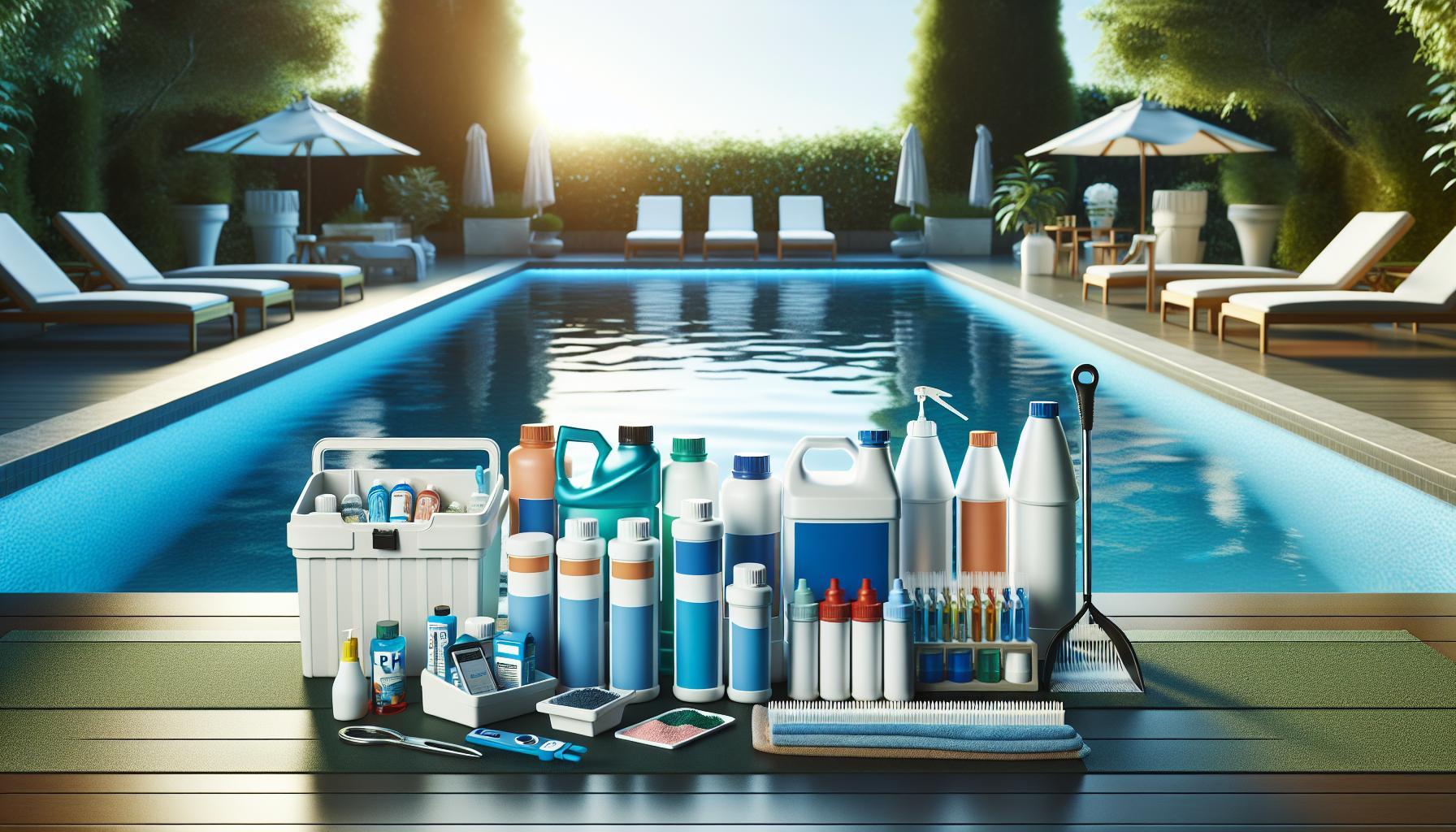
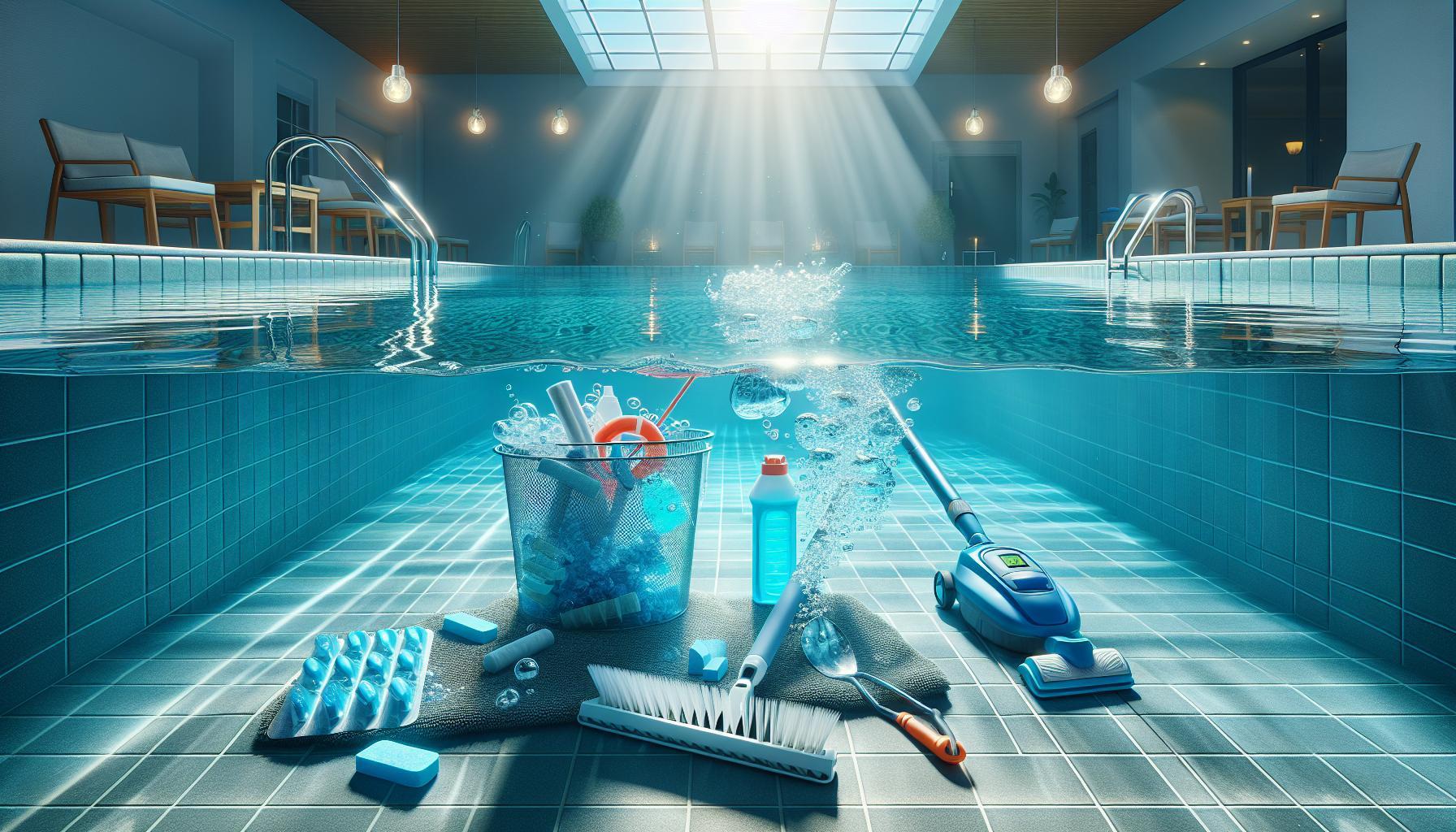
Nothing disrupts a relaxing day by the pool quite like discovering unwanted insects buzzing around your oasis. Keeping bugs at bay is not just about comfort; it’s essential for maintaining a clean, safe swimming environment. By implementing proven prevention tips, pool owners can reduce the chances of infestations and enhance their overall swimming experience.
Imagine diving into a crystal-clear pool, free from the nuisance of water bugs and debris. Regular maintenance and awareness are key to achieving that idyllic scene. In this guide, we’ll explore effective strategies and straightforward steps to help you reclaim your pool from unwanted guests. Whether you’re a seasoned pool owner or a first-time caretaker, you’ll find practical solutions to keep your aquatic retreat bug-free. Dive in, and discover how easy it can be to enjoy your pool without the hassle of insects!
Common Pool Bugs and Their Behavior
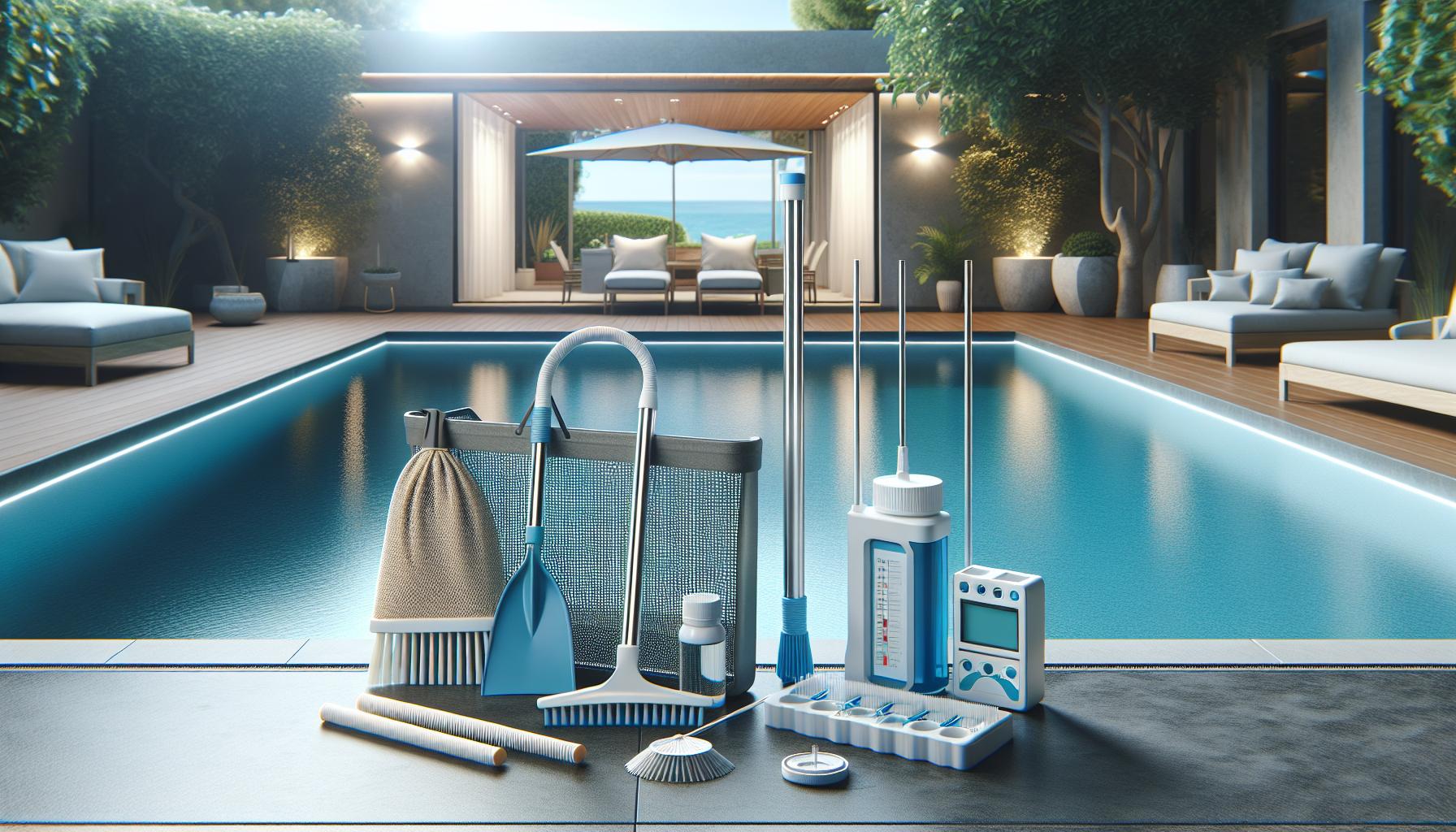
Many pool owners are often surprised by the variety of insects that can make a swimming pool their home. Understanding the s can play a pivotal role in keeping these pests at bay. Popular culprits include water boatmen, backswimmers, and giant water bugs, each bringing unique challenges and characteristics.
Water boatmen are small aquatic insects that thrive in pools, especially when algae is present, as they feed on it. They are known to breed in stagnant water, making it crucial to regularly clear your pool of leaves and debris that can collect and create breeding grounds. Backswimmers, distinguishable by their back-breast swimming motion, are attracted to the light around the pool and can quickly take over if not monitored. These insects are predatory, feeding on other small insects in the water, which can disrupt the ecosystem of your pool if their population goes unchecked. Giant water bugs prefer dark areas and can be found floating on the water’s surface, especially at night. Their attraction to light and algae makes proper pool lighting and maintenance essential in deterring them.
To effectively manage these common pool nuisances, owners should establish an ongoing maintenance routine. Skimming the pool daily, keeping chlorine levels balanced, and cleaning out skimmers can significantly reduce the presence of these insects. Additionally, maintaining a well-controlled pool environment-balancing pH levels and ensuring adequate circulation-creates conditions less favorable for insects. Implementing these proactive measures allows pool owners to enjoy a clean, bug-free swimming experience.
Effective Pool Covers: Your First Line of Defense
A reliable pool cover is more than just a seasonal accessory; it’s one of the most effective barriers between your pristine swimming oasis and the pests that threaten to invade it. Not only do pool covers help maintain temperature and reduce evaporation, but they also significantly deter insects like water boatmen and backswimmers, which are drawn to open body water. By closing off access to your pool, you can prevent these bugs from making it their breeding ground.
Choosing the right type of cover is crucial. There are various options available, including safety covers, solar covers, and mesh covers, each with its specific benefits. For instance, safety covers are excellent at keeping unwanted pests, debris, and even children and pets out of the pool. Solar covers, on the other hand, not only help with heating the water but also limit light exposure, which cuts down on algae growth-an attractive breeding ground for many insects. Mesh covers can allow rainwater to pass through while keeping larger debris and insects out, making them a popular choice among pool owners who prioritize ease of maintenance.
When you install a pool cover, ensure that it fits snugly and securely over the entire pool area. Be vigilant about repairing any holes or tears immediately, as these can become vulnerable points for insects to enter. To maximize the effectiveness of your cover, consider employing a weighted cover or using additional anchors to prevent wind from blowing it off. Regularly remove any debris that collects on the cover, as stagnant water can also attract pests.
Lastly, using a pool cover also helps you establish an overall maintenance routine. Cover your pool when it’s not in use, particularly during the bug-heavy months of the summer, to significantly reduce interactions with unwanted aquatic nuisances. This simple yet proactive step will result in less frequent chemical treatments and skimming, allowing you more free time to enjoy your clean, bug-free swimming space.
Top Chemical Solutions to Deter Bugs
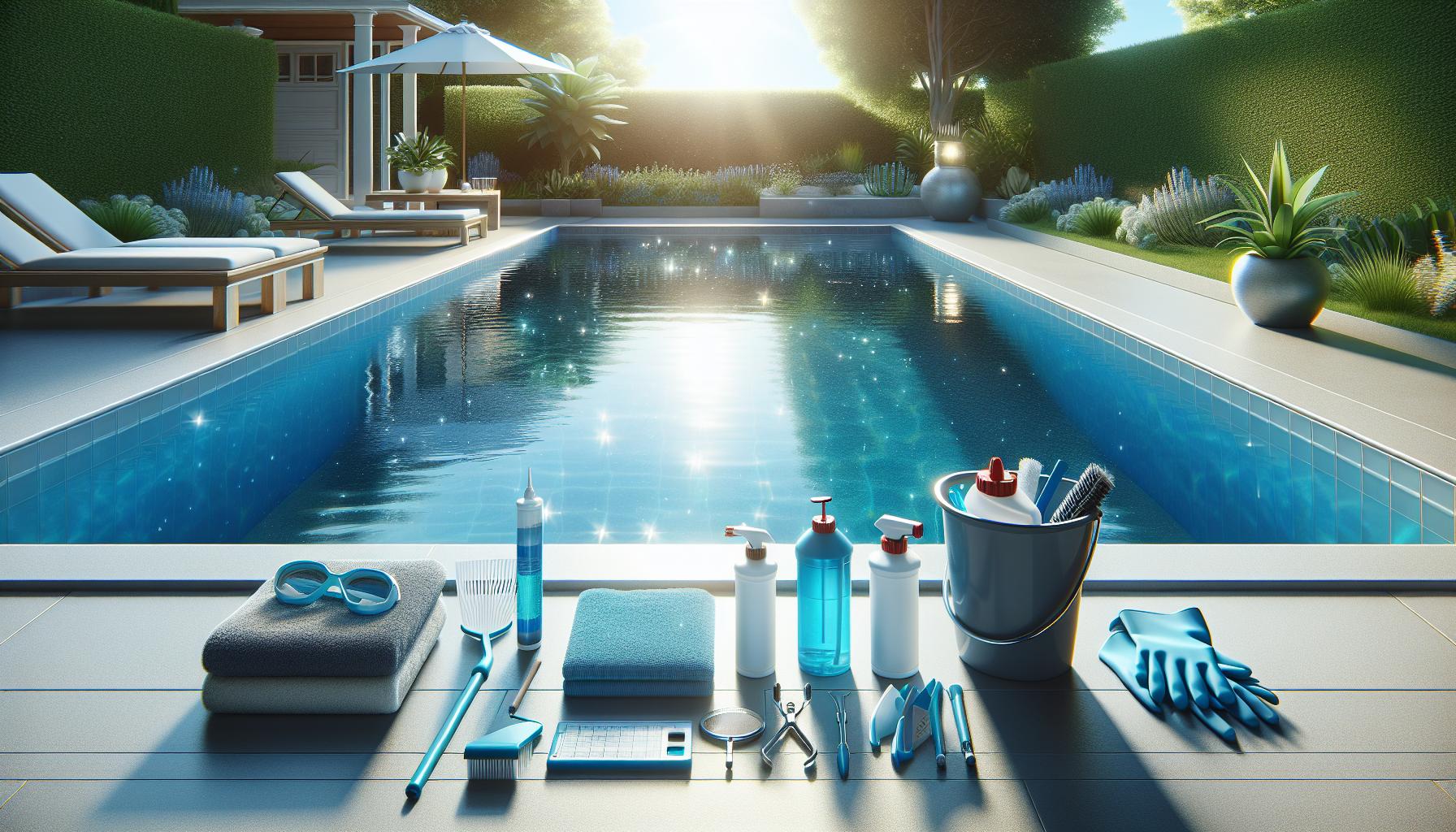
The battle against pests in your pool doesn’t have to be a daunting task. Many pool owners find themselves overwhelmed when bugs make an unexpected appearance, but with the right chemical solutions, you can effectively deter unwanted guests and enjoy a clean, inviting swimming space. Utilizing the right pool chemicals not only maintains water clarity and hygiene but also creates an unwelcoming environment for insects.
First, consider incorporating chlorine and bromine into your regular maintenance routine. These chemicals are essential for sanitizing water, killing off algae and bacteria that can attract bugs. Additionally, some pool owners benefit from using algae inhibitors specifically designed to target various strains that commonly flourish in stagnant water. By preventing algae growth, you make it harder for bugs to find a breeding ground, effectively reducing their population around your pool.
Another effective chemical solution is to use insecticides specifically formulated for aquatic environments. Look for eco-friendly products that are safe for both humans and the environment. These targeted sprays can be applied around the perimeter of the pool or floating treatment products placed directly into the water to create a bug deterrent barrier. However, it’s crucial to read and follow the manufacturer’s instructions to ensure safety and ensure these products don’t negatively impact your pool’s chemistry.
Lastly, maintaining proper water levels and pH balance in your pool can further discourage pests. When your water is clean, properly chlorinated, and pH balanced, it becomes unappealing to insects. Regularly test your pool’s water chemistry and adjust accordingly, keeping the alkalinity and acidity within the appropriate range. By combining these chemical approaches with diligent maintenance, you’ll create an inviting environment for swimming while keeping bugs at bay.
Landscaping Tips to Reduce Bug Attractants
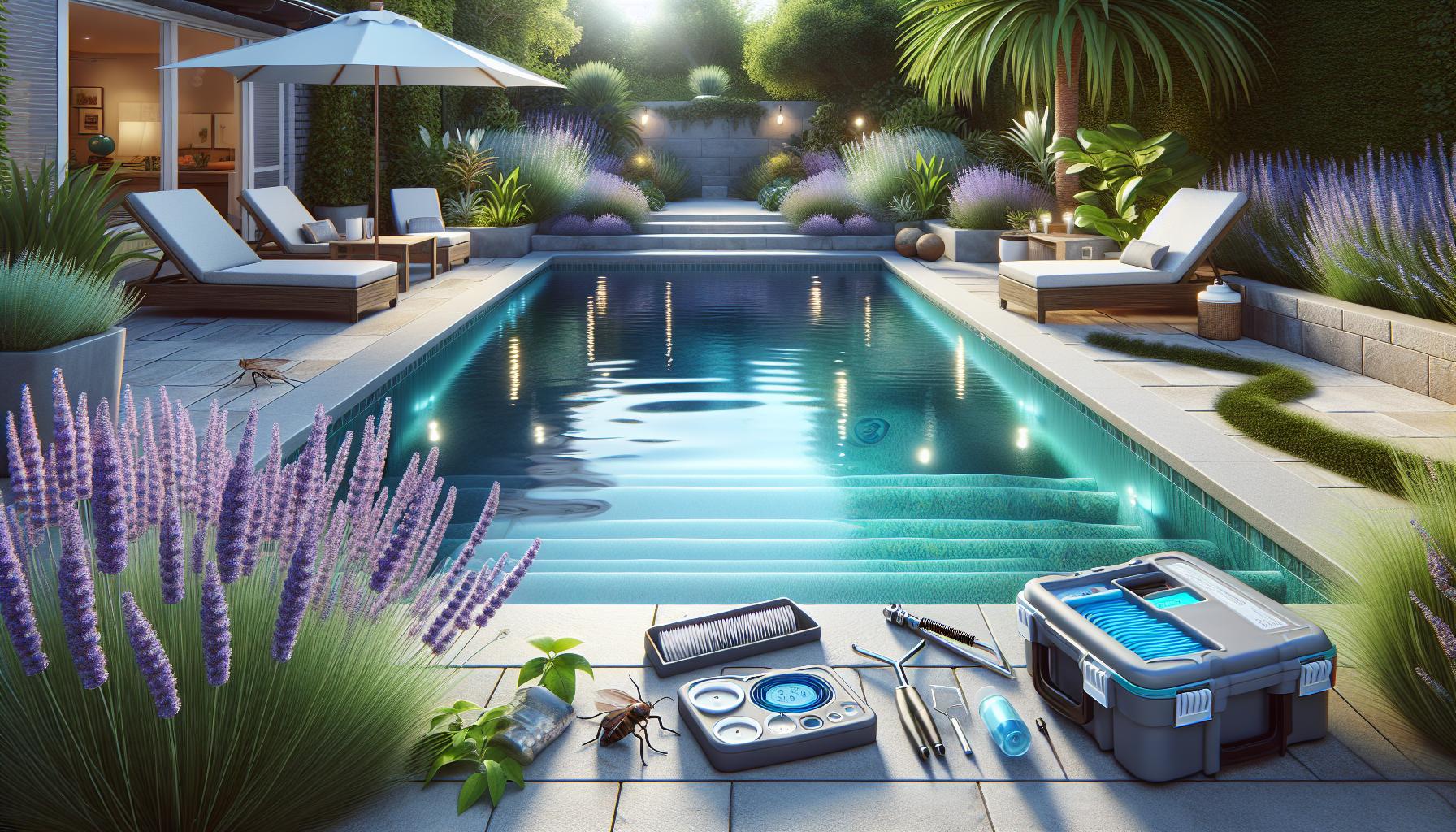
To create a welcoming pool environment free from pesky bugs, careful landscaping can play a pivotal role. Landscaping not only enhances the aesthetic of your backyard but can also significantly influence the number of insects drawn to your pool area. For instance, landscaping that features standing water or dense foliage offers inviting habitats for various pool pests, including mosquitoes and other insects.
Begin by removing excess vegetation around your pool. Trim or eliminate plants that are particularly attractive to insects, such as thick shrubs or flowering plants that may harbor insects. Instead, opt for gravel or mulch beds that provide a less hospitable environment for insect breeding. It’s also wise to maintain a distance of at least three feet between plantings and the pool to prevent debris from dropping into the water and to limit insect pathways.
Next, consider integrating drainage solutions to reduce stagnant water accumulation. Standing water is a breeding ground for mosquitoes, so ensure that your landscaping promotes proper drainage away from the pool area. Utilize methods such as swales or dry creek beds that can channel away excess rainwater and prevent pooling.
Another effective strategy is to select insect-repelling plants for your landscape design. Incorporate herbs like lavender, mint, and basil, which are known to repel mosquitoes and other common bugs. Not only do these plants add beauty and functionality to your outdoor space, but they also serve as natural deterrents that help keep nuisance pests at bay.
Ultimately, maintaining a tidy and well-kept landscape around your pool will significantly reduce bug attractants, allowing you to enjoy your outdoor space without the unwanted interference of insects. Taking these steps can turn your backyard into a more inviting oasis while effectively managing the potential for bug-related disturbances.
How to Maintain Crystal Clear Water
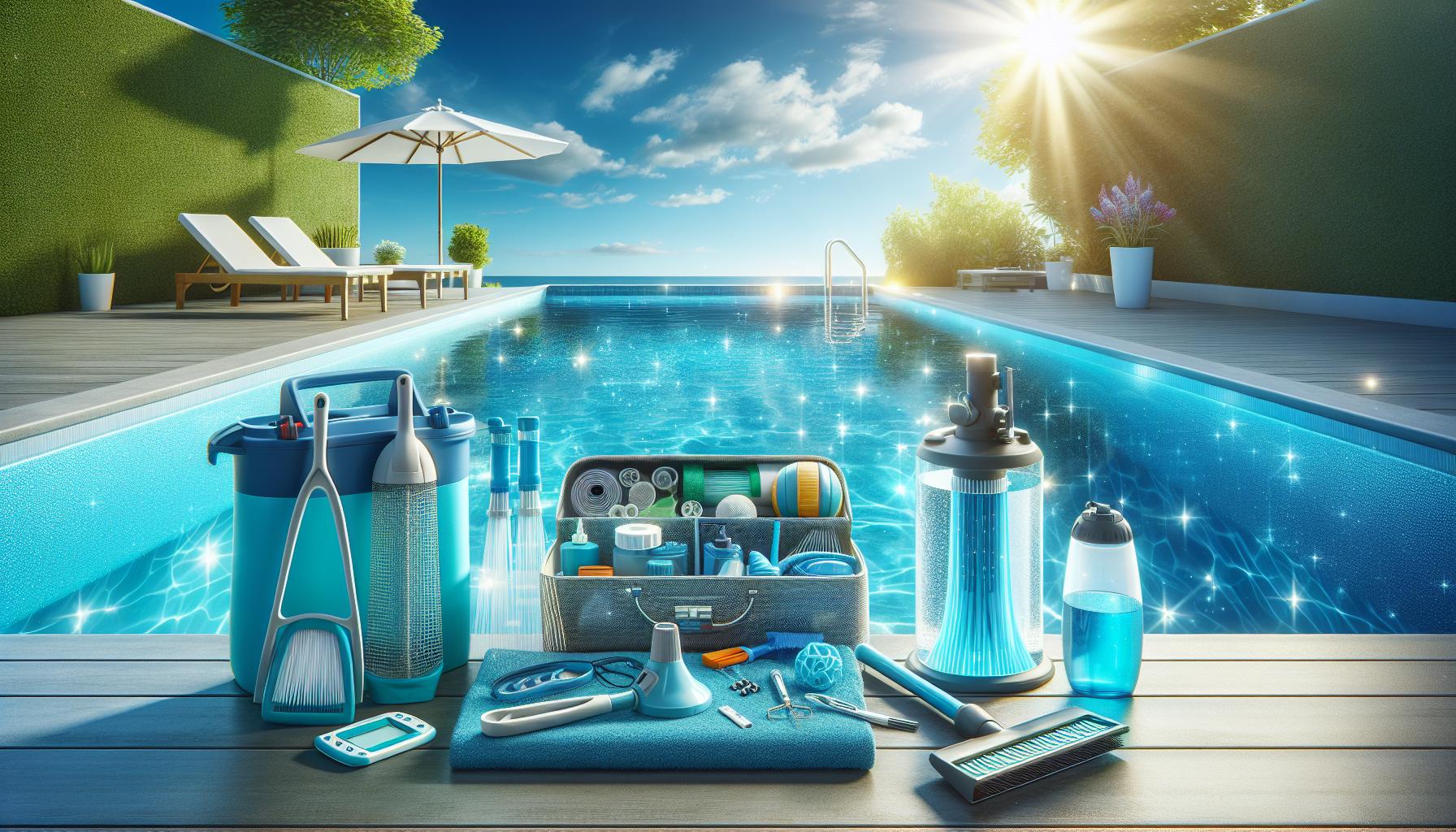
To ensure your pool remains an inviting oasis rather than a bug-infested swamp, maintaining crystal clear water is essential. Not only does clear water enhance the aesthetic appeal of your pool, but it also discourages pests like mosquitoes and algae, which thrive in dirty or stagnant water. Regular maintenance is your best weapon in this ongoing battle, and it can be broken down into straightforward, actionable steps.
Start with regular water testing. Use a reliable pool test kit to check the pH and chlorine levels at least once a week. Aim for a pH level between 7.2 and 7.8 and keep your chlorine levels around 1-3 parts per million (ppm). Imbalanced water chemistry not only makes the pool unattractive but also creates a favorable environment for algae growth and other pests. If the levels are off, adjust them immediately with appropriate chemicals.
Next, keep an eye on your filtration system. Ensure that the filters are clean and functioning correctly; this is vital for circulating and keeping water clear. Run your pump for at least 8-10 hours a day, especially during peak usage times or hot weather when bugs are more active. Also, routinely check and clean the skimmer and pump baskets to prevent debris buildup, which can create breeding grounds for insects.
Regular brushing and vacuuming of the pool surfaces also contribute to maintaining clear water. Brush the walls and floor of your pool weekly to remove any algae or dirt buildup. Follow this with vacuuming to eliminate sediment and debris. This routine helps to keep the water clean and less appealing to bugs that thrive in stagnant or dirty environments.
Finally, consider using automatic pool cleaners or robotic vacuums that can save you time and effort. These devices can work independently, ensuring your pool remains clean even during busy months, and they significantly minimize the chances of pests taking over. Keeping the water circulation steady, balancing chemical levels, and minimizing debris will help keep your pool clear and your summer experience bug-free.
Regular Cleaning Routines to Keep Bugs Away
Maintaining a clean pool is crucial not only for aesthetic reasons but also for keeping pesky bugs at bay. Regular cleaning routines serve as a powerful deterrent against insects such as mosquitoes and other nuisances that can thrive in stagnant water or debris. By adopting a comprehensive cleaning schedule, pool owners can significantly reduce the likelihood of infestations while ensuring a safe and enjoyable swimming environment.
Start by implementing a consistent skimming and vacuuming routine. Every day or at least every other day, use a skimmer net to remove leaves, bugs, and other debris floating on the surface. This small effort can have a big impact; stagnant debris can attract unwanted insects and contribute to water quality issues. Additionally, aim to vacuum the pool weekly to clean up any debris that has settled on the bottom. This contributes to overall cleanliness and reduces the organic matter that can attract bugs.
Incorporate brushing into your weekly maintenance plan. Use a pool brush to scrub the walls and floor of the pool, focusing on areas where algae or dirt often accumulate. This not only helps in maintaining a polished appearance but also disrupts habitats for any pests, keeping your pool environment less inviting for insects.
Regularly check and clean the filter system as well. A clogged filter can limit water circulation, creating an environment where insects may thrive. Depending on your pool type, you should backwash or clean your filters when they show a pressure increase of 8-10 psi above normal. Keeping your filtration system in top shape ensures that water is circulated effectively, minimizing stagnant spots that can attract bugs.
Also, consider adding an automatic pool cleaner to your routine. These devices can work independently and minimize manual cleaning efforts, ensuring that debris is consistently collected, and water remains clear. By pairing these automatic solutions with your regular cleaning tasks, you can maintain an attractive and bug-free pool throughout the swimming season.
By following these structured cleaning practices, pool owners can create an inhospitable environment for insects while enjoying crystal-clear water all summer long.
Choosing the Right Pool Lighting for Bug Control
Enhancing your pool area with the right lighting can significantly impact bug control, given that various insects are attracted to specific types of light. Choosing LED lights for your pool setting is a highly effective strategy. These lights emit less heat and are available in yellow or amber hues, which have been shown to attract fewer bugs compared to standard white lights. By minimizing insect attraction, you can create a more enjoyable swimming environment during warm evenings.
Incorporating motion sensor lights is another valuable approach. These lights illuminate only when they detect movement, reducing the constant light exposure that typically attracts bugs. Strategically placing these fixtures around the pool and backyard can not only add an element of safety but also reduce the likelihood of insects swarming your area.
Considerations for Effective Pool Lighting
When selecting the ideal lighting for bug control, consider the following:
- Type of Light: Opt for LED or yellow bug lights.
- Installation Style: Use under-water lights minimally, as they tend to attract bugs.
- Positioning: Aim lights away from the pool surface and direct them towards seating areas or pathways.
- Timer Systems: Install timers to control when lights turn on, reducing unnecessary exposure.
By implementing these lighting strategies and understanding how various fixtures influence bug behavior, pool owners can create a more pleasant and insect-free atmosphere. With careful selection of lighting options, you can drastically reduce the number of pests around your pool while enhancing the overall ambiance for nighttime swims and gatherings.
Natural Repellents: Eco-Friendly Options for Pool Owners
Creating a pleasant pool environment often involves more than just water and sun; keeping unwanted bugs at bay is an essential part of pool maintenance. Natural repellents provide an eco-friendly alternative to chemical solutions, allowing you to safeguard your outdoor space while maintaining its aesthetic appeal. Incorporating specific plants and natural products can significantly reduce the attraction of pests like mosquitoes and flies.
Plants such as marigolds, basil, and citronella are renowned for their repellent properties. Placing pots of these fragrant flowers and herbs around the pool area not only beautifies the space but also serves to deter bugs. Citronella, for example, is well-known for its ability to mask scents that attract insects. Not only do they provide a visual barrier, but their natural oils also act as a significant deterrent. Consider planting them in abundance near seating areas to create a protective perimeter.
In addition to plants, using essential oils is another effective method to repel insects naturally. Oils like lavender, eucalyptus, and peppermint can be mixed with a carrier oil and applied to the skin for personal protection or diffused around the pool area using a traditional diffuser or an ultrasonic diffuser. Moreover, homemade sprays can be created by mixing these essential oils with water in a spray bottle to refresh the outdoor area regularly. Simply spray it around the pool edges and seating areas every few days to maintain effectiveness.
Incorporating natural repellents not only helps to keep bugs away but also fosters a healthier environment for you and your guests. By opting for these sustainable choices, pool owners can ensure a more enjoyable swimming experience free from irritating pests, all while being environmentally conscious. Regularly refreshing your pool space with these natural solutions encourages outdoor relaxation, transforming your pool into an oasis.
Using Pool Fences and Screens for Added Protection
A well-placed pool fence or screen can serve as an effective barrier against unwanted pests while enhancing the safety of your swimming area. Not only does this addition provide peace of mind regarding safety, especially for households with young children or pets, but it also offers protection against a myriad of insects that may seek out the watery refuge of your pool, particularly during warm months.
To effectively shield your pool from bugs, consider installing a fence that stands at least four feet high, crafted from materials that ensure durability and visibility. Options such as aluminum, vinyl, or glass can create a stylish barrier that complements your outdoor aesthetic. Choosing a lockable gate is crucial for added security; not only does it deter insects but also ensures that children cannot access the pool area unsupervised. For optimum results, ensure that the fence encloses the pool entirely without gaps that insects can exploit.
Screens, on the other hand, provide a flexible and often more visually appealing solution. Screening in your patio or deck area maximizes your outdoor enjoyment while limiting your exposure to pesky bugs. Various options exist, including retractable screens for doors that can be opened when desired, allowing for airflow without compromising your bug defense. You can also opt for fine mesh screens specifically designed to keep out even the smallest insects, ensuring a more pleasant lounging experience.
For those looking to enhance their defenses further, consider adding a barrier of netting or mesh around the pool deck. This additional layer can protect against not only insects but also debris, lending a cleaner and more enjoyable swimming environment. Regular maintenance of these barriers, including checks for holes or weak spots, will keep them effective year-round, making your pool area a true retreat from both pests and potential hazards.
Tips for Seasonal Pool Maintenance and Bug Prevention
Maintaining your pool not only ensures it looks inviting but also plays a critical role in keeping pests at bay. Seasonal maintenance is key, especially as temperature changes can impact both water quality and insect activity. To effectively prevent bugs from making your pool their habitat, it’s essential to develop a systematic maintenance routine that aligns with seasonal shifts in climate and insect behavior.
Start by conducting regular water tests to monitor chemical balance, especially chlorine and pH levels. This is crucial because imbalanced water can attract pests, particularly algae-loving insects. Aim to test and adjust your water chemistry once a week, increasing frequency during periods of heavy use or after significant rainfall. Strongly emphasize the importance of maintaining clean surfaces both in and around the pool; a well-sanitized environment helps deter bugs that thrive in dirty water.
Additionally, ensure to clear any debris, such as leaves and twigs, that may collect in or near the pool. These can provide both a food source and a place for insects to breed. Try skimming the surface daily and vacuuming the pool at least once a week. Consider setting up a regular schedule for emptying skimmer baskets and cleaning filters, as this can further minimize breeding grounds for insects.
Another effective tactic is to adjust landscaping around your pool. Trim overhanging branches and shrubs as they can harbor bugs and create shade that encourages them. Instead, opt for plants that repel insects naturally, such as marigolds or citronella, to create a more insect-resistant environment. Implementing these seasonal pool maintenance strategies not only enhances your swimming experience but establishes a strong defense against unwanted poolside pests.
Advanced Solutions: Insect Traps and Sensors
In the battle against pool pests, insect traps and sensors can be game-changing allies. These devices not only help you monitor bug populations but also actively reduce their presence around your pool area. Utilizing innovative technology and strategic placement, insect traps and sensors offer a proactive approach to keeping your swimming environment bug-free.
One effective type of insect trap is the UV light trap, which attracts bugs with a bright light before trapping them on a sticky surface. Position these traps around the perimeter of your pool area, ideally at dusk when insects are most active. Ensure that they are away from your pool lighting to draw bugs away from the water. To maximize effectiveness, combine light traps with bait traps, which use specific bug attractants designed for particular pests like mosquitoes or flies. Regularly check and replace adhesive strips or bait refill cartridges to maintain their efficacy.
Advanced Monitoring with Sensors
Beyond simple traps, consider incorporating motion sensors or smart technology into your bug control strategy. Motion sensors can activate lights when pests approach, disorienting them and deterring further entry into your pool space. Some smart systems even send alerts to your smartphone when pest activity is detected, allowing you to take action swiftly. For an even broader approach, consider using a bug monitoring system that tracks pest populations over time, helping you identify patterns and peak seasons for effective interventions.
Utilizing these traps and sensors not only reduces the need for chemical treatments but also enhances your poolside experience. Embracing such technologies allows you to create a more enjoyable and safe swimming environment, ensuring that your time spent in the water is relaxing and free from unwanted guests. Regular maintenance of traps and updating sensor sensitivity ensures that your bug defense remains strong throughout the swimming season.
Creating a Bug-Resistant Environment Around Your Pool
Creating a serene and bug-free pool environment is not just about treatment; it begins with designing the surrounding landscape to deter pests before they even reach your oasis. A thoughtfully arranged outdoor space not only enhances the aesthetic appeal but also significantly reduces the chances of bug encounters. For instance, did you know that simply adjusting your landscaping could lead to a dramatic decrease in mosquito populations near your pool?
One effective strategy is to maintain a well-manicured lawn. Trim grass regularly and keep shrubs tidy, eliminating potential hiding spots for bugs. Additionally, consider integrating bug-repellent plants such as citronella, marigolds, or lavender around your pool area. These plants not only add beauty but release natural fragrances that repel pests.
Furthermore, drainage is vital. Ensure that any standing water, whether from sprinklers or rain, is eliminated. Mosquitoes are particularly attracted to stagnant water, so clear out any puddles or water features that aren’t actively filtered or circulated. If you have a pool cover, consider using it during off-hours to further discourage pests seeking water.
Another critical aspect is to limit nighttime lighting around the pool area. While soft ambiance lights are inviting, they can also attract bugs. Opt for yellow or LED lights, which are less attractive to insects compared to traditional white lights. Position lights farther from the water’s edge to draw insects away from your pool while also illuminating your space.
Implementing these strategies helps to develop an environment that naturally discourages unwanted pests, allowing you and your guests to enjoy a refreshing swim without the nuisance of bugs buzzing around.
Q&A
Q: What are the best plants to keep around a pool to deter bugs?
A: To deter bugs around your pool, consider planting mint, marigolds, or lavender. These plants not only add beauty but also naturally repel insects. Position them strategically around the pool area to create a buffer zone against bugs, enhancing both aesthetics and functionality.
Q: How often should I change pool water to prevent bugs?
A: Regularly changing pool water is essential for bug prevention. Aim to replace about a quarter of the water every week, especially during hot weather. This helps reduce organic debris and keeps the chemical balance in check, creating an unfriendly environment for pests.
Q: Can I use essential oils to keep bugs away from my pool?
A: Yes, essential oils like citronella, eucalyptus, and tea tree oil can effectively repel bugs. Mix a few drops with water in a spray bottle and apply around the pool area. Regular application will help maintain a bug-free environment while providing a pleasant aroma.
Q: What time of day are pool bugs most active?
A: Pool bugs, particularly mosquitoes, are typically most active during dawn and dusk. To minimize their presence, consider scheduling pool activities during midday when bugs are less active, and ensure proper cleaning protocols are followed before and after those times.
Q: How can I use lighting to prevent bugs around my pool?
A: Opt for yellow or LED lights around your pool, as they are less attractive to bugs compared to traditional white bulbs. Positioning lights further away from the pool can also reduce insect attraction, minimizing their likelihood of entering the swimming area.
Q: Are there any DIY traps I can use to catch pool bugs?
A: Yes, you can create a simple DIY trap using a mixture of sugar and vinegar. Place it in a jar covered with perforated plastic wrap; the scent attracts bugs while they become trapped. Position these traps around the pool for effective bug control.
Q: What signs indicate that I need to take action against pool bugs?
A: Look for signs like increased insect activity, bug bites on swimmers, or the presence of bug droppings around the pool area. If you notice these indicators, it’s time to implement preventative measures and possibly enhance chemical treatments to keep bugs at bay.
Q: How important is maintaining pH levels in pool water for bug prevention?
A: Maintaining balanced pH levels is crucial; a pH between 7.2 and 7.8 creates an environment less favorable for bugs. Regular testing and adjustments can help ensure clear water that is not only swim-friendly but also less attractive to pests.
For more effective tips and information on keeping bugs out of your pool, check out sections on Regular Cleaning Routines and Effective Pool Covers in our article.
The Way Forward
To keep your pool bug-free, consistent maintenance is essential-implement the proven strategies we’ve shared today and enjoy a cleaner, healthier swimming environment. Don’t let pesky insects dampen your summer fun; take action now and assert control over your pool’s maintenance! For further insights, explore our articles on Effective Pool Cleaning Techniques and The Importance of Regular Water Testing to bolster your pool care routine.
Ready to dive deeper? Join our newsletter for exclusive tips and products designed to enhance your pool experience. Have questions or additional tips? We’d love to hear from you in the comments below-engage with fellow pool owners and share your thoughts! Together, we can create a vibrant community dedicated to enjoying our pools to the fullest.