Maintaining the pristine condition of your swimming pool tiles is essential not only for aesthetic appeal but also for safety and hygiene. Did you know that dirty or grimy tiles can harbor bacteria and lead to slippery surfaces? Fortunately, with the right techniques, you can restore your pool tiles to their original shine without professional help.
In this guide, you’ll discover effective step-by-step methods for cleaning your pool tiles, ensuring a safe and inviting swimming environment for family and friends. Whether you’re dealing with stubborn stains or everyday grime, we’ll provide you with practical tips that empower you to tackle these challenges independently. So let’s dive in and transform your pool into a sparkling oasis!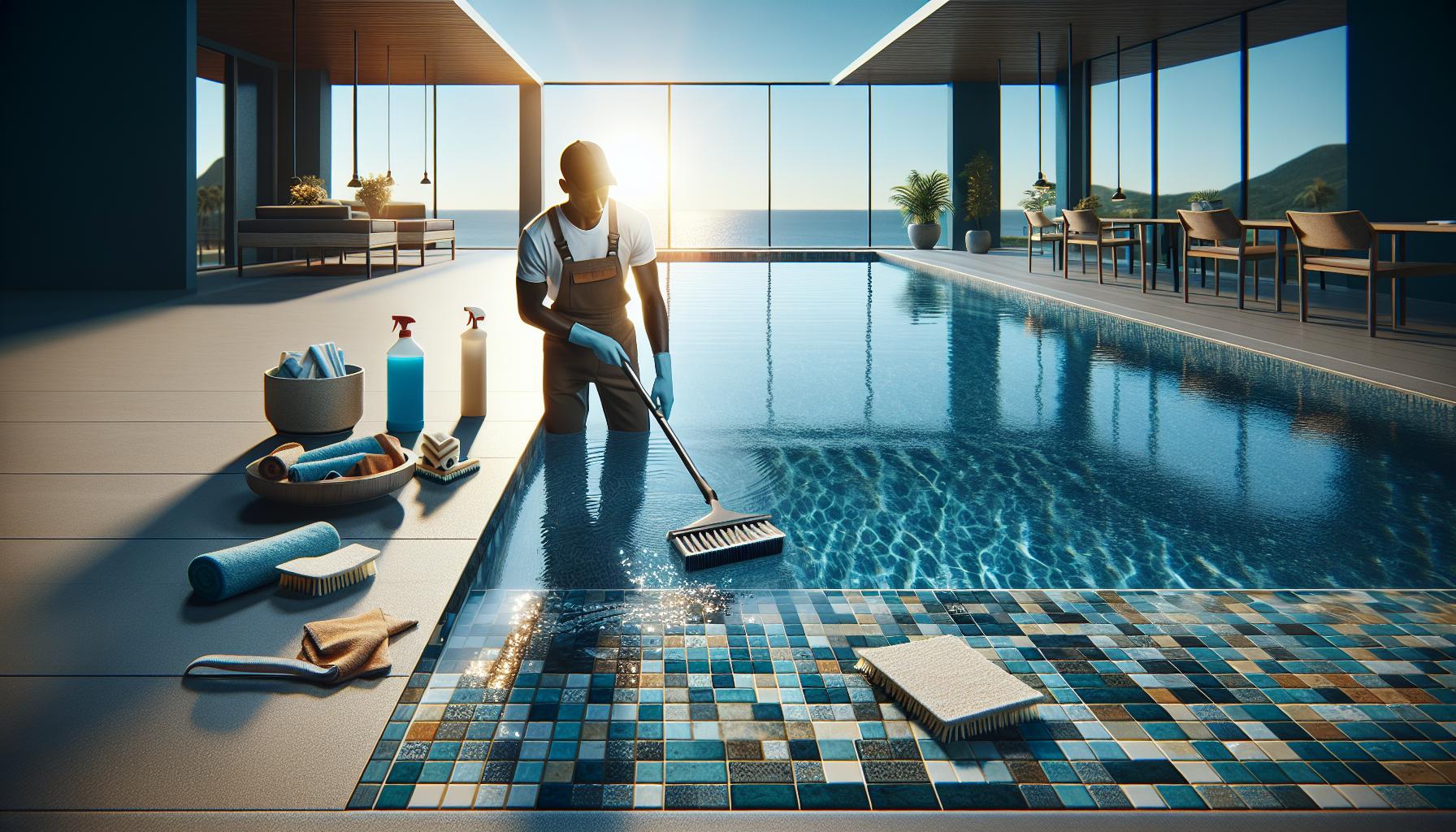
Preparing Your Tile Cleaning Supplies and Tools
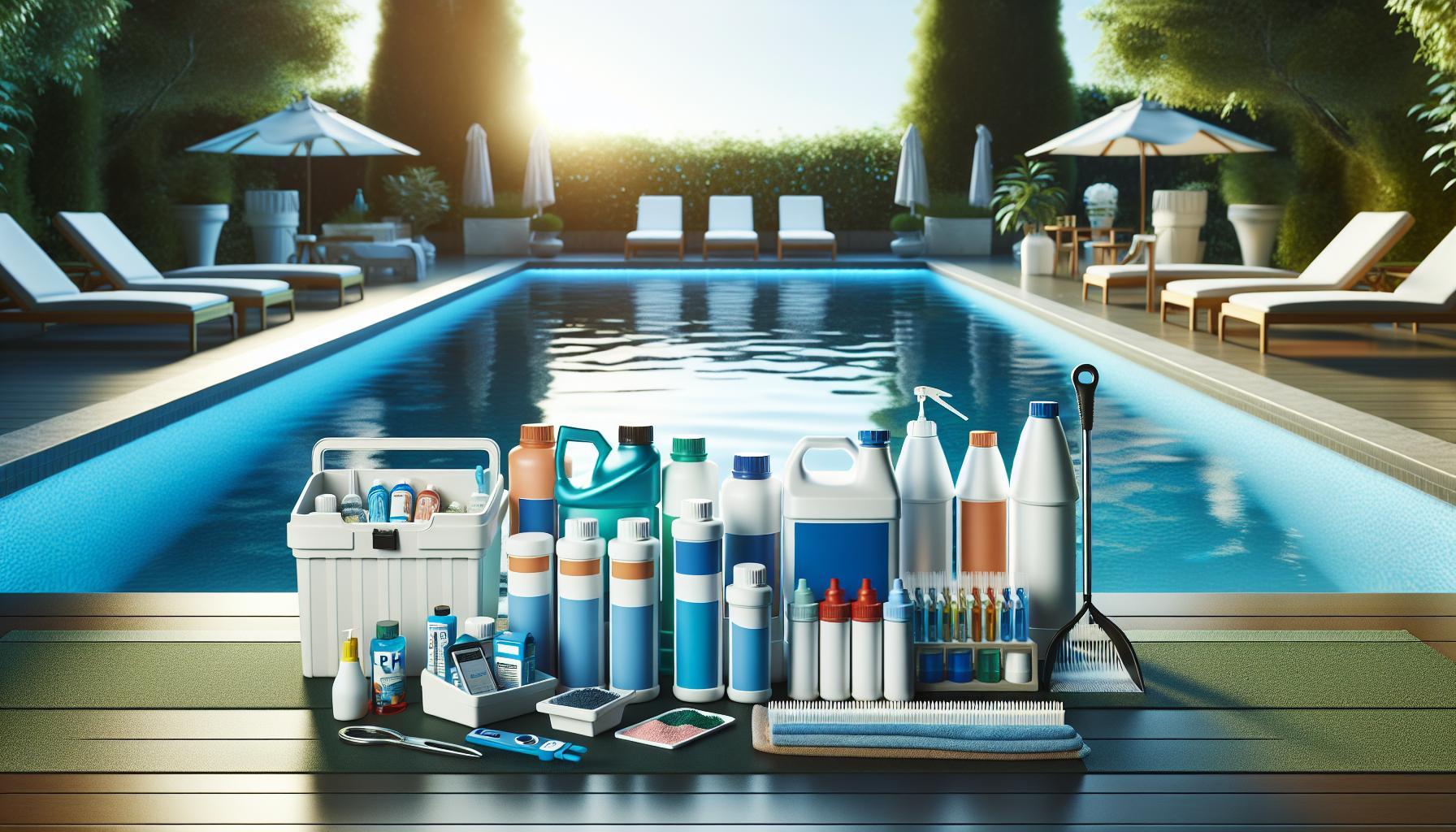
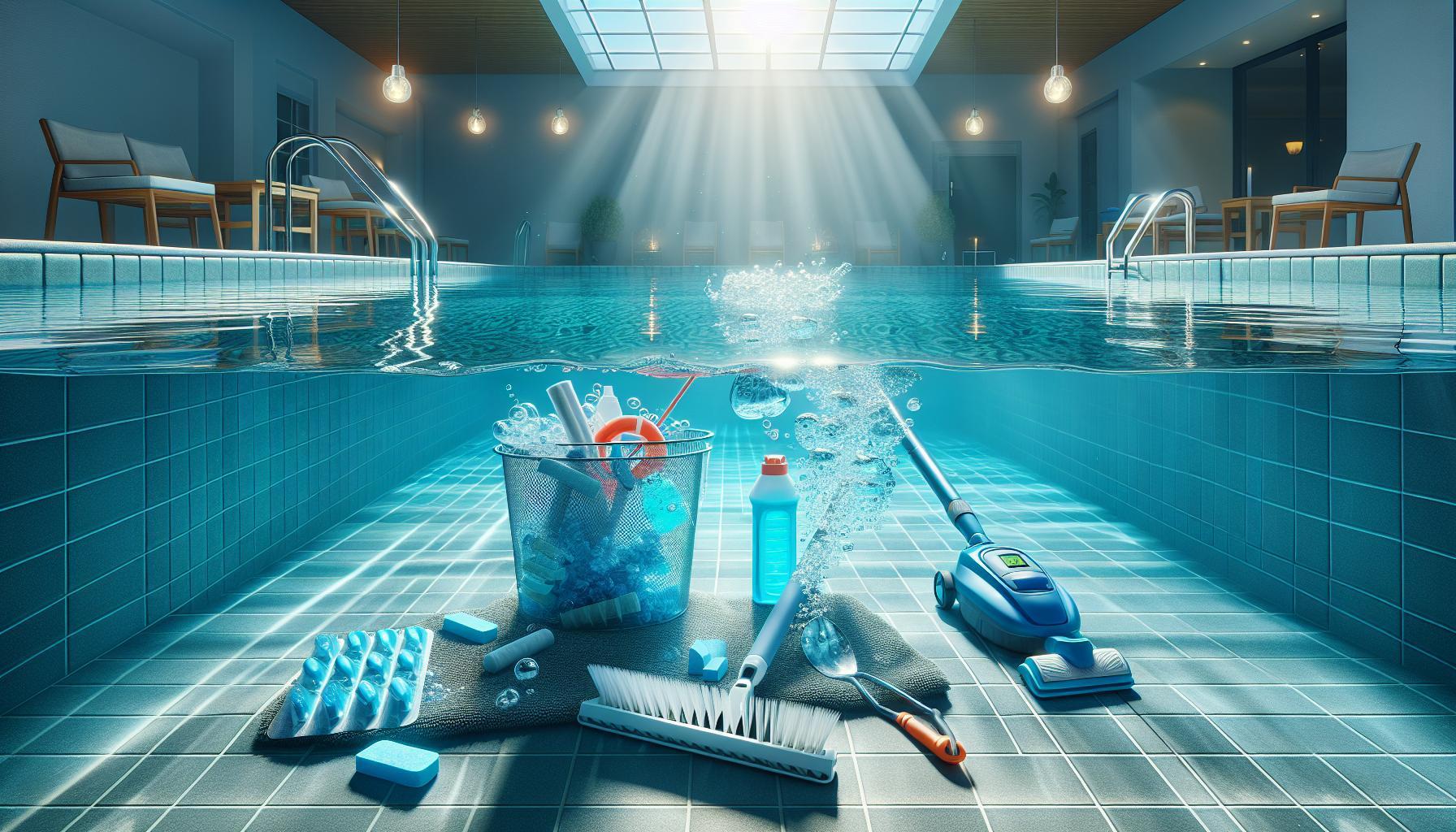
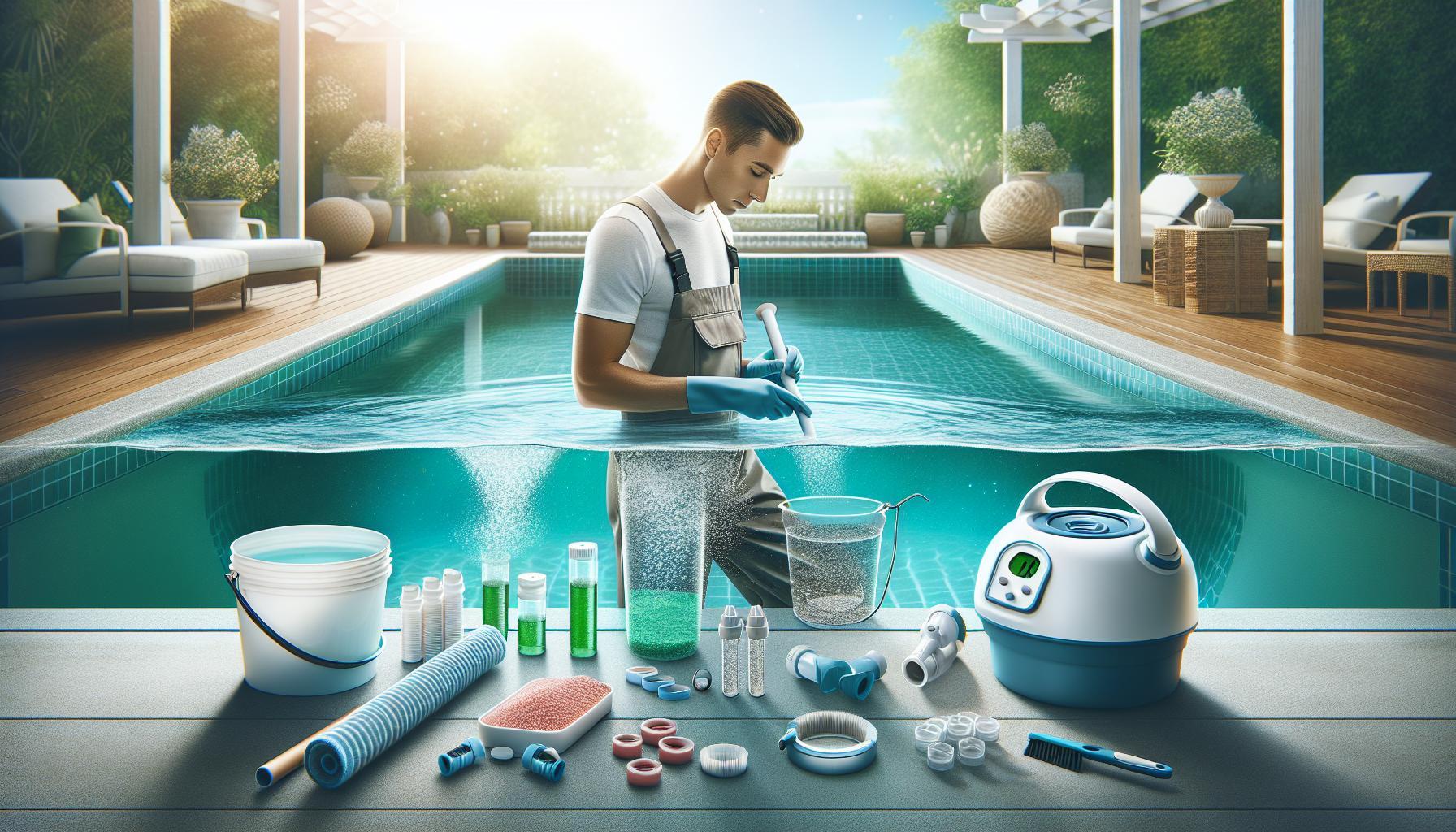
To clean pool tiles effectively, having the right supplies and tools on hand is essential. Starting with a well-prepared toolkit makes the cleaning process smoother and more efficient, ensuring your tiles regain that sparkling appearance with minimal hassle. Here’s a comprehensive list of items you will need, along with some tips to get you started.
- Tile Brush: A good-quality tile brush helps scrub away dirt and grime. Opt for one with stiff bristles for tougher stains, but make sure it’s suitable for your tile type to avoid scratching.
- Scrubbing Pad: Non-abrasive scrubbing pads can be used for delicate tiles like glass or ceramic to prevent damage while effectively removing build-up.
- Plastic Bucket: A bucket is necessary for mixing cleaning solutions and rinsing tools. It should be large enough to hold enough water and cleaning solution for your needs.
- Rubber Gloves: Protect your hands while cleaning by wearing rubber gloves, especially if you’re using harsh chemicals or dealing with algae.
- Cleansing Solutions: Choose appropriate cleaners that are safe for your tile type. Common options include vinegar for a natural solution, or commercial pool tile cleaners for tougher stains.
- Sponge or Soft Cloths: Use these for general cleaning and drying. They are great for wiping down tiles and can be used after scrubbing to ensure a polished finish.
- Vacuum or Pool Sweeper: Before you start scrubbing, it’s important to remove loose debris from the pool floor. A pool vac or robotic pool cleaner can efficiently handle this task.
Having these supplies ready will not only streamline your cleaning process but also equip you to tackle various types of stains or build-up around your pool tiles. Additionally, always remember to read the product labels of your cleaning supplies to ensure they are suitable for your specific tile type, as using the wrong cleaner may lead to unwanted damage. Starting with the right tools will empower you, giving you confidence to tackle even the most challenging cleaning tasks.
Understanding Tiled Pool Surfaces: Types and Care
Many pool owners may not realize that the type of tile used in swimming pools can significantly influence both maintenance routines and the effectiveness of cleaning methods. Tiled surfaces can vary widely, from ceramic and porcelain to glass and natural stone, each presenting unique challenges and care requirements. Understanding these variations is essential for proper maintenance and achieving that pristine look.
When it comes to types of pool tile, ceramic tiles are among the most common due to their durability and affordability. They are generally easy to clean and resistant to staining but may require regular scrubbing to avoid the buildup of stains, especially in areas exposed to high levels of chlorine. Porcelain tiles, while denser and less porous, can still accumulate dirt and debris over time. Their smooth surface helps repel stains, but they also need proper maintenance to prevent algae growth. Glass tiles are typically selected for their aesthetic appeal and ability to reflect light beautifully, but they can show stains and water spots more readily, making regular cleaning vital for maintaining their shine.
Special care must also be taken with natural stone tiles, such as travertine or slate, as they are more porous and prone to etching. For these surfaces, it’s crucial to use pH-neutral cleaners that won’t damage the stone or alter its texture. Regular sealing can also help protect natural stone from water damage and staining, ensuring longevity.
Regardless of the tile type, emphasizing a routine maintenance schedule can significantly prolong the life of the tiles and the overall appearance of the pool. Here are some practical steps to ensure proper care:
- Routine Cleaning: Regularly brush tiles to remove dirt and algae before they have a chance to set in.
- Use Appropriate Cleaning Solutions: Match your cleaning product to the tile type; for example, use acidic cleaners with caution on natural stones.
- Visual Inspections: Frequently check for cracks or chips, which can lead to more significant issues if not addressed promptly.
By staying vigilant and understanding the specific needs of your pool tile surfaces, you can maintain their beauty and functionality, creating an inviting oasis for relaxation and enjoyment. Each type of tile can shine brightly with the right care, transforming your pool area into a stunning focal point of your outdoor space.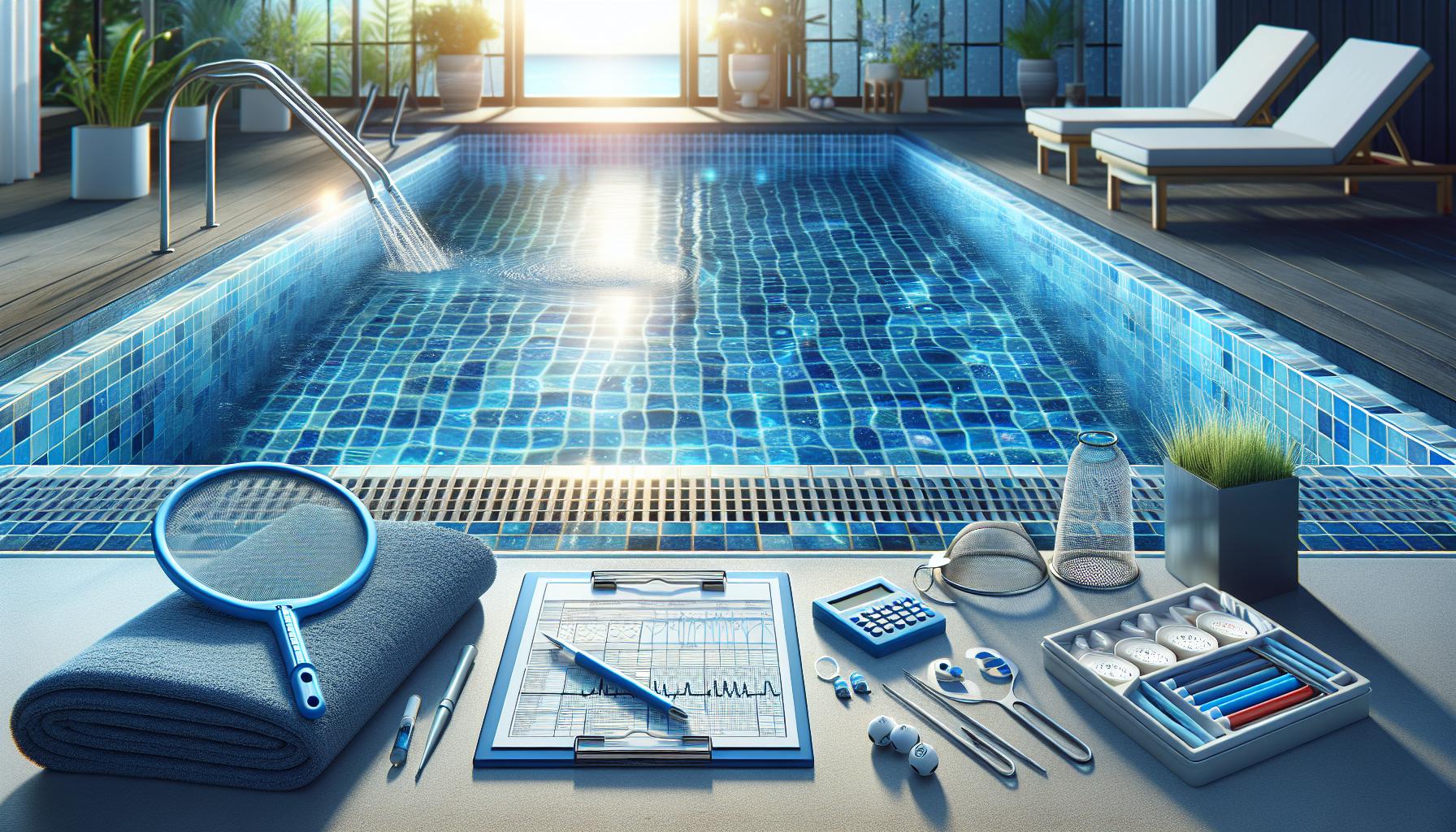
Step-by-Step Guide to Cleaning Pool Tile
Cleaning pool tiles doesn’t have to be a daunting task. With the right approach and a few tools at your disposal, you can effectively restore your tiled surfaces to their former glory. This step-by-step guide helps you navigate the cleaning process efficiently, transforming your pool area into a sparkling oasis.
Start with gathering your supplies. You will need a soft-bristle brush, a bucket, your preferred cleaning solution-this could be a vinegar-water mix for natural remedies, or a commercial cleaner suitable for your tile type-and a sponge or cloth for wiping. Before diving into the cleaning, it’s vital to inspect the tiles for any loose pieces or damage that might require immediate attention.
Once your supplies are ready, follow these steps:
1. Drain the Pool (if necessary)
If the tiles are heavily soiled or if the pool hasn’t been maintained in a while, consider partially draining the pool. This makes it easier to access the tiles, but ensure it’s compliant with your local regulations.
2. Pre-Treat Stains
For stubborn stains or calcium deposits, apply your cleaning solution directly onto the affected areas. Let it sit for 5-10 minutes to break down the grime.
3. Scrub the Tiles
Using the soft-bristle brush, gently scrub the tile surfaces in a back-and-forth motion. This technique lifts debris without scratching the tiles. For textured or anti-slip tiles, spend extra time to ensure all dirt is removed. Be sure to rinse the brush frequently to avoid redistributing dirt.
4. Rinse Thoroughly
After scrubbing, rinse the tiles with fresh water. If you’re working with a clean pool, simply allow the water to settle for a bit before circulating it again. For drained pools, you can use a hose or bucket to thoroughly rinse away any remaining cleaning solution.
5. Drying and Final Touch-ups
Once rinsed, dry the area with a clean cloth to prevent water spots. If you notice any remaining stains, repeat the treatment and scrubbing.
Achieving sparkling clean tiles involves routine maintenance; therefore, incorporate a weekly or bi-weekly cleaning schedule to keep buildup at bay. Regularly brushing the tiles and maintaining proper water chemistry in your pool will significantly reduce the amount of scrubbing needed during comprehensive cleanings.
By harnessing these straightforward steps, you’ll not only enhance the aesthetic appeal of your pool but also extend the life of your tile surfaces, creating a welcoming environment for family and friends. Stay consistent, and you’ll see how easily you can keep your pool tiles shining like new.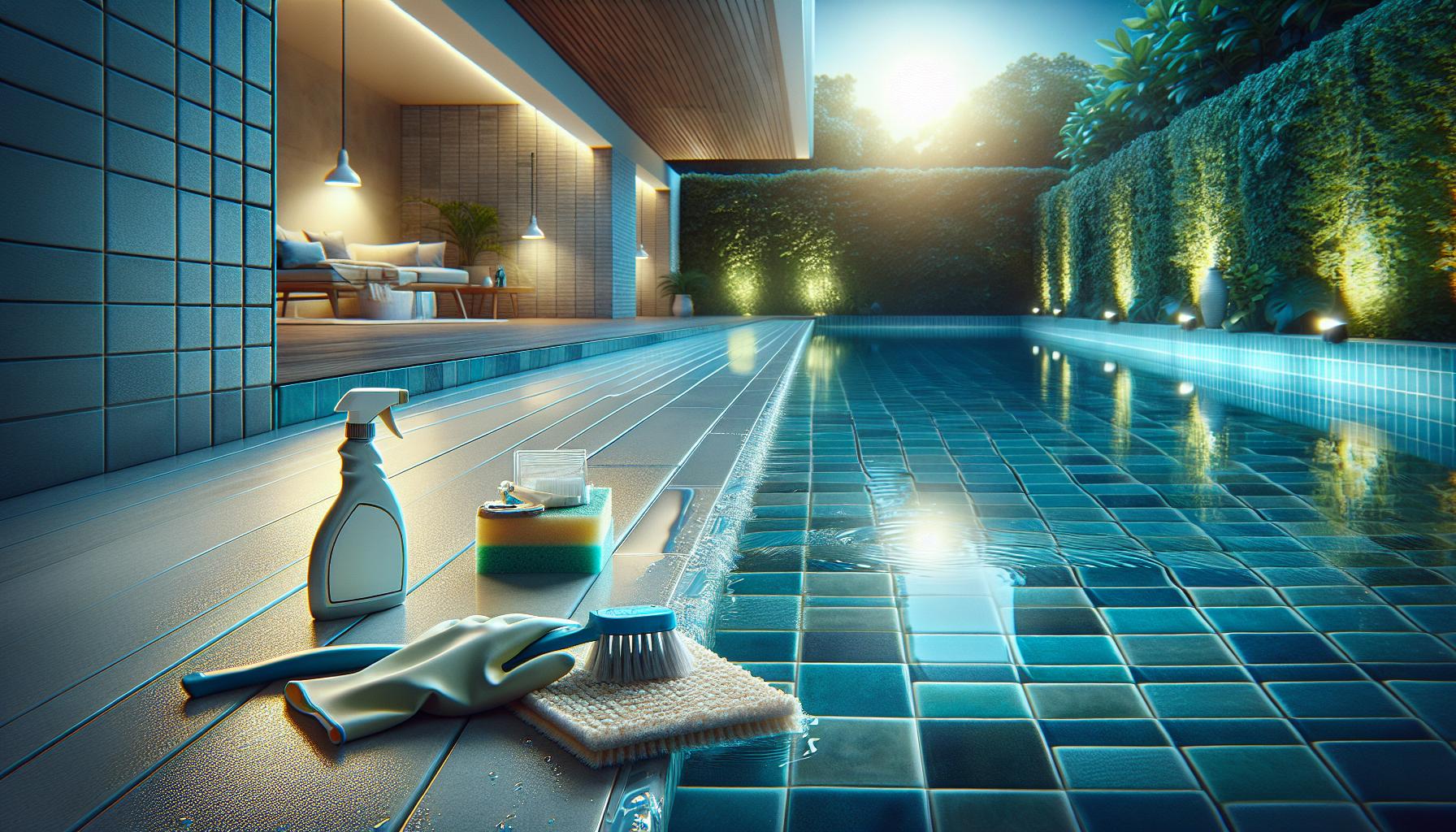
Effective Techniques for Stubborn Stains
Stubborn stains on pool tiles can be a source of frustration for many pool owners, but with the right techniques, these blemishes can be effectively tackled. Often, stains form due to the buildup of calcium, algae, and dirt, making it crucial to act decisively to restore your pool’s aesthetics. One of the best strategies is to pre-treat stained areas with a suitable cleaner tailored to the stain type. For example, a vinegar and water solution can work wonders on mineral deposits, while baking soda paste is excellent for greasy stains.
When confronting stubborn stains, start by applying a generous amount of your chosen cleaning solution directly onto the affected tile. Allow it to sit for at least 10-15 minutes to penetrate the grime and soften it. Following this, use a soft-bristle brush and scrub gently yet firmly in a circular motion. This will help lift the stains without damaging the tile’s surface. If you encounter particularly tough stains, consider creating a more concentrated paste by mixing baking soda with a small amount of water. Apply this paste directly to the stain, allowing it to work its magic for a longer period-up to 30 minutes can be beneficial.
Advanced Techniques for Stubborn Stains
In cases where standard cleaning methods aren’t effective, you can escalate your approach. A commercial tile cleaner formulated specifically for pool surfaces can yield significant results. Look for products containing muriatic acid or phosphoric acid, which are useful in breaking down severe scale buildup, but always handle these with care and follow safety guidelines. Always wear gloves and goggles when working with strong chemicals, ensuring that the pool is well-ventilated and adhering to instructions carefully.
Regular Maintenance to Prevent Stains
Lastly, keeping your pool tiles clean may often boil down to regular preventive maintenance. Implementing a structured cleaning routine helps reduce the occurrence of stubborn stains. Aim to brush and vacuum the tiles weekly, ensuring that organic matter and debris are not allowed to linger. Maintaining the proper chemical balance in your pool water is also critical, as it directly affects stain buildup on tiles.
By keeping these effective techniques in mind, you can equip yourself to fight against stubborn stains actively and maintain the pristine look of your pool tiles, ensuring a welcoming space for all your summer gatherings. Regular attention paired with strategic cleaning can make all the difference, leading to a tile surface that shines consistently.
Using Natural Remedies for Tile Cleaning
Using natural remedies for cleaning pool tiles is not only environmentally friendly but can also be highly effective against common stains. Many pool owners overlook the power of basic household items that can easily tackle mineral deposits, algae, and dirt. For instance, a simple mixture of vinegar and water can yield excellent results. This acidic solution is particularly potent against lime scale and hard water stains, making it a go-to for many pool maintenance enthusiasts.
To make your own natural cleaning solution, combine equal parts of white vinegar and water in a spray bottle. Spray the solution generously onto the stained areas and let it sit for about 15 minutes. This soaking time allows the vinegar to break down tough deposits effectively. Afterward, use a soft-bristle brush to scrub the tiles gently. This technique will lift the grime without scratching the surface of the tiles, preserving their integrity and finish.
Baking soda is another powerful ally in your cleaning arsenal. It is particularly effective for addressing greasy stains. Create a paste by mixing baking soda with a small amount of water to form a thick consistency. Apply this paste to the stained areas and allow it to work for at least 30 minutes. This method not only helps to lift stains but also deodorizes the area, leaving your pool tiles looking fresh and clean. For enhanced effectiveness, consider adding a few drops of dish soap to the baking soda paste, which increases its ability to cut through grease.
Mixing Natural Remedies for a Powerful Cleaning Solution
Combining natural cleaning agents can further boost their effectiveness. For instance, a mixture of vinegar, baking soda, and water can create a powerful foaming action that penetrates deep into tough stains. Here’s a simple recipe to try:
- 1 cup of white vinegar
- 1 cup of baking soda
- 1 gallon of warm water
Mix these ingredients in a large bucket and apply the solution to the pool tiles with a scrub brush or sponge. The fizzing action from the vinegar and baking soda not only helps to lift stubborn stains, but it also leaves a fresh scent, enhancing your overall pool experience.
By employing these natural cleaning solutions, you not only contribute to a healthier environment but also maintain the aesthetic appeal of your pool. Regular cleaning with these methods can significantly reduce the buildup of stains, ensuring that your pool tiles remain sparkling and inviting for summer gatherings. Remember, consistency is key-frequent maintenance will keep your pool hygiene in top shape, allowing you to fully enjoy every dip!
When to Use Commercial Tile Cleaners
While natural remedies can work wonders for general stains and occasional buildup, there are times when commercial tile cleaners become indispensable in maintaining a pristine pool surface. When the usual cleaning methods fall short against entrenched stains, heavy grime, or specific challenges like calcium deposits or algae growth, it’s time to consider the power of professional-grade cleaning solutions.
Using commercial tile cleaners is highly effective when dealing with stubborn stains that resist DIY efforts, such as rust, deep-seated algae, and mineral buildup from hard water. These products are formulated with specialized ingredients that target such issues, often providing a quicker and more thorough clean than household alternatives. Additionally, if your tiles have lost their shine or appear dull and lifeless, a commercial cleaner can restore their luster effectively.
Identifying When to Make the Switch
Know when to swap your homemade mixtures for powerful chemical solutions. Consider the following scenarios:
- Severe Staining: Persistent stains from leaves, rust, and algae can greatly diminish the aesthetic of your pool. If natural solutions aren’t working after a couple of attempts, a commercial cleaner may be necessary.
- Scale and Calcium Buildup: Hard water often leads to unsightly scale. Products specially designed for calcium removal can tackle these issues without damaging your tiles.
- Deep Cleaning Need: If it’s been a while since your last thorough cleaning, or if you’re preparing for a pool party, a stronger solution may expedite the cleaning process.
How to Safely Use Commercial Cleaners
With commercial products, safety always remains paramount. Be sure to wear gloves and eye protection, and follow the manufacturer’s instructions meticulously. It’s advisable to test the cleaner on a small, inconspicuous area before applying it widely to ensure it won’t react negatively with your tile type.
Incorporating commercial tile cleaners into your pool maintenance routine can save you time and offer results that make your pool shine like new. By understanding the right moments to use them, you can efficiently tackle the more challenging cleaning tasks while still benefiting from the advantages of natural remedies for regular upkeep. Stay vigilant, and don’t let stubborn stains detract from your swimming experience!
Maintaining Pool Tile to Prevent Future Stains
Maintaining clean and beautiful pool tiles doesn’t have to be an overwhelming task. Regular upkeep can greatly reduce the frequency and intensity of staining, making your pool look sparkling clean and inviting. One of the most effective strategies for preventing future stains involves establishing a routine maintenance schedule and implementing practical steps to keep both the tiles and the surrounding areas clear of debris and contaminants.
A robust cleaning routine should include weekly inspections of your pool tiles for any early signs of algae or mineral buildup. To effectively maintain pool tiles, consider incorporating these actionable steps:
- Routine Brushing: Use a soft-bristle brush to gently scrub the tiles, especially at the waterline. This will help remove any algae or dirt that might accumulate. Aim to do this at least once a week.
- Regular Vacuuming: Invest in a good pool vacuum to remove fine debris that might lead to buildup. Vacuuming helps eliminate dirt and leaves that can contribute to staining if left unchecked.
- Water Chemistry Management: Keep a close eye on the pH and chlorine levels in your pool water. Balanced water chemistry not only ensures a safe swimming environment but also helps prevent scale and stains from mineral deposits.
- Tile Cleaners for Prevention: Occasionally use a preventive tile cleaner that helps repel stains. These products create a barrier that makes it harder for dirt and algae to adhere to the tiles.
- Cover When Not in Use: During extended periods when the pool is not in use, using a cover can prevent leaves, dirt, and other debris from falling into the water and settling on the tiles.
It’s also wise to address any spills or splashes immediately; for instance, after a drink is spilled or if any oils or lotions are applied while lounging by the pool. Wiping these areas down promptly can prevent potential staining.
Establishing these practices not only enhances the aesthetic appeal of your pool but ensures a more enjoyable swimming experience. By taking proactive steps to care for your tiles, you will save time and effort in the long run, allowing you to focus more on enjoying your pool rather than constantly cleaning it. With diligence and the right approach, maintaining your pool tiles will become an effortless part of your swimming pool routine.
The Importance of Regular Pool Maintenance
Maintaining a swimming pool is akin to tending a thriving garden; it demands attention and care. Regular pool maintenance not only preserves the aesthetic appeal of your pool but also extends its lifespan and enhances safety for all users. A well-maintained swimming pool invites friends and family to enjoy its refreshing waters, while a neglected one can quickly become an eyesore filled with debris and algae, making it potentially unsafe for swimming.
Establishing a consistent maintenance routine is key to preventing common problems such as dirt accumulation and stubborn stains on tiles. To keep your pool tiles shining like new, consider the following essential practices:
- Weekly Inspections: Inspect your pool tiles once a week for early signs of wear, discoloration, or algae growth. Early detection allows for more manageable cleaning solutions.
- Regular Brushing: Use a soft-bristled brush to clean the tile surfaces, focusing on the waterline where dirt and grime tend to build up.
- Balancing Water Chemistry: Regularly test and adjust pH and chlorine levels to maintain a balanced environment that discourages staining and scale buildup.
- Debris Removal: Use a skimmer daily and vacuum the pool weekly to prevent organic materials from settling and contributing to staining.
Implementing these proactive measures not only makes your pool visually appealing but also enhances the overall swimming experience. By taking responsible preventive actions, such as promptly addressing any spills or debris, you’ll find that maintaining a clean and inviting pool becomes a simple part of your routine rather than a daunting task. With a little diligence, you can enjoy a sparkling pool, ensuring that it remains a beautiful centerpiece for relaxation and fun all summer long.
Troubleshooting Common Pool Tile Issues
Pool tiles can suffer from a variety of common issues that, if left unaddressed, detract from your swimming pool’s aesthetic and functionality. Recognizing these issues early and understanding how to resolve them not only restores the visual appeal of your pool but also enhances the overall swimming experience. Here’s how to troubleshoot and solve prevalent pool tile problems effectively.
One common issue is calcium buildup, which appears as white, crusty deposits around tile edges. To tackle this, mix equal parts of white vinegar and water in a spray bottle. Spray the affected areas and allow it to sit for a few minutes to loosen the buildup. Then, scrub gently with a non-abrasive brush until the calcium deposits are gone. Rinse thoroughly with water to ensure no residue is left, which can lead to further buildup.
Another frequent concern is stains caused by algae or organic matter. For stained areas, a paste made from baking soda and water can work wonders. Apply this paste directly to the stains and allow it to sit for about 15 minutes. Scrub the area with a soft brush to lift the stain effectively. If stains persist, consider using a diluted bleach solution, but always test on a small, inconspicuous area first to check for any adverse reactions.
Regarding grout problems, cracked or discolored grout can be both unsightly and a breeding ground for algae. To repair cracked grout, you may need to re-grout the affected areas. For discoloration, a simple combination of baking soda and water can help restore its original color. Apply it, let it sit, and scrub gently before rinsing with clean water.
Lastly, pool tile discoloration from harsh chemicals can often be rectified by adjusting your pool’s chemical balance. Regular testing and maintenance of pH and chlorine levels are crucial. If discoloration is more severe, try using a professional pool tile cleaner specifically designed to address this problem. Always follow the manufacturer’s instructions for safe application.
By familiarizing yourself with these common pool tile issues and employing effective troubleshooting techniques, you can ensure your pool remains a sparkling oasis. Regular maintenance and prompt attention to problems will not only keep your tiles looking great but also contribute to a better swimming experience.
Safety Tips for Cleaning Pool Tiles
Cleaning pool tiles not only keeps them aesthetically pleasing but also maintains the overall hygiene of your pool. However, safety should be your top priority during this process to prevent accidents or injuries. Here are some essential safety tips to consider when cleaning your pool tiles.
First, always wear appropriate protective gear. This includes rubber gloves to guard your hands against harsh chemicals and sharp tools, as well as safety goggles to protect your eyes from splashes. Additionally, slip-resistant shoes are vital to prevent accidents on wet surfaces. Laying down a mat or towel near the poolside can provide extra traction and stability.
Choosing the Right Cleaning Products
When selecting cleaning products, it’s crucial to read labels carefully. Opt for non-toxic, biodegradable cleaners when possible, as these are safer for both you and the environment. If you decide to use harsher commercial cleaners, ensure proper ventilation to avoid inhaling fumes. Consider conducting a patch test in a small, inconspicuous area to check for any adverse reactions with your pool tiles.
Working with Tools Safely
If you’re using scrub brushes or pressure washers, handle these tools with care. Ensure that any electrical tools are kept away from water to avoid electrocution risks. When using ladders or stools for hard-to-reach areas, make sure they are stable and positioned on flat ground. Avoid overreaching to prevent falls; instead, reposition your ladder or stool as needed.
Scrubbing and Rinsing Techniques
As you clean, use gentle scrubbing techniques to avoid damaging the tile surface. Rinsing with water regularly helps to minimize the buildup of dirt and cleaning solution, reducing slip hazards around the pool. Always put safety first by keeping tools and chemicals stored securely after use, especially out of reach of children and pets.
By implementing these safety tips, you can enjoy a more secure and effective tile cleaning experience, enhancing the beauty of your pool while protecting yourself from potential hazards. Regular maintenance not only keeps your pool sparkling clean but also ensures a safe swimming environment for you and your loved ones.
Enhancing Your Pool’s Aesthetic Appeal
Investing a little time and effort into your pool’s tile maintenance not only maintains hygiene but also enhances the overall beauty of your pool, making it a stunning centerpiece in your backyard. Clean, sparkling tiles can transform an ordinary pool into an inviting oasis, perfect for relaxation and entertainment. The aesthetic appeal of your pool begins with regular upkeep, which can dramatically improve the clarity of the water and the overall ambiance of the space.
To elevate your pool’s visual appeal, start by incorporating seasonal cleaning into your maintenance routine. This includes removing algae buildup, which can tarnish your tiles. Regular scrubbing with the appropriate tools-like soft brushes or sponge pads-takes just a few minutes but yields noticeable improvements. For those stubborn stains that don’t come off easily, don’t shy away from using mild acids like vinegar or specialized tile cleaners formulated for pool surfaces. Rinsing frequently during the cleaning process will ensure that no cleaning solution remains, preventing any potential residue build-up that can detract from the beauty of your tiles.
Another effective way to enhance your pool’s look is by considering the lighting around your pool area. Installing lights not only adds safety for nighttime swimming but emphasizes the beauty of clean tiles when illuminated. Underwater LED lights can create a captivating glow, making the tiles sparkle and shine while also enhancing the nighttime aesthetics.
Regular maintenance can prevent overwhelming issues. Keep your pool’s tiles looking pristine by creating a routine that includes weekly skimming of the surface, monthly deep cleaning, and visual inspections to identify wear or algae growth early. By committing to this straightforward maintenance schedule, your pool will always be a sight to behold, providing a beautiful backdrop for gatherings and peaceful retreats alike.
Saving Time and Effort in Pool Maintenance
Consistent maintenance of your pool tiles can save you significant time and effort, transforming what might seem like a daunting task into a manageable one. By integrating a few efficient strategies into your routine, you can maintain a pristine pool without spending endless hours scrubbing away grime and stains. Whether you are a seasoned pool owner or new to the game, these practical tips will empower you to keep your pool area sparkling with minimal hassle.
One of the first steps in streamlining your pool maintenance is to establish a regular cleaning schedule. Weekly skimming to remove debris, coupled with monthly deep cleaning sessions, can greatly reduce the accumulation of dirt and algae. This simple practice not only keeps your pool looking fresh but also minimizes the need for heavy-duty cleaning later on. Consider investing in a quality automatic pool cleaner-these devices can continuously scrub and clean your tiles while you relax poolside, saving you both time and effort.
- Use a telescopic pole: Attach a brush or net to easily reach corners and crevices.
- Deploy a tile cleaner: Incorporate mildly acidic cleaners designed for pool surfaces when needed to ensure stubborn stains don’t set in.
- Rinse during cleaning: Frequently rinsing tiles while cleaning eliminates residue, preventing future buildup.
Another valuable approach involves the use of modern technology. Smart pool maintenance solutions, such as automated monitoring systems, can provide real-time data on water quality and tile conditions. These tools can alert you to issues before they escalate, allowing for proactive measures that save time and effort down the line. When it comes to stubborn stains or tough grime, don’t shy away from using natural remedies like vinegar or baking soda, which can effectively lift stains without harsh chemicals.
Finally, regular maintenance not only keeps your pool tiles shining but also extends the life of your pool infrastructure. By committing to simple upkeep routines and utilizing effective cleaning products, you will find that maintaining your pool can be a straightforward task that enhances your outdoor enjoyment. This allows you to focus on what really matters: enjoying your beautifully maintained swimming oasis.
FAQ
Q: What is the best way to remove calcium buildup from pool tiles?
A: To remove calcium buildup, use a mixture of equal parts vinegar and water. Apply it to the affected tiles, let it sit for at least 10 minutes, then scrub with a soft brush. Rinse thoroughly with water. For persistent buildup, consider a commercial cleaner specifically designed for calcium removal.
Q: How often should I clean the tiles in my swimming pool?
A: Clean your pool tiles every 2-4 weeks to prevent algae growth and calcium buildup. Regular maintenance helps maintain the aesthetic appeal and hygiene of your pool. Refer to the “Maintaining Pool Tile to Prevent Future Stains” section for detailed tips.
Q: Can I use baking soda to clean swimming pool tiles?
A: Yes, baking soda is an effective and natural cleaner. Make a paste with water and apply it to stained areas. Scrub with a soft brush, then rinse off. This method is safe for all tile types and can help brighten your tiles.
Q: Are there specific tools needed for cleaning pool tiles?
A: Essential tools include a soft-bristle brush, a sponge, and a bucket. For tough stains, you may need a pumice stone or a specialized pool tile scraper. Check the “Preparing Your Tile Cleaning Supplies and Tools” section for more details on necessary equipment.
Q: Is it safe to use bleach on pool tiles?
A: Using bleach on pool tiles is not recommended, as it can damage the grout and tiles over time. Instead, opt for gentle cleaners or natural solutions like vinegar, which effectively clean without harmful effects. For safe cleaning methods, see the “Using Natural Remedies for Tile Cleaning” section.
Q: What should I do if my pool tile has mold or mildew?
A: For mold or mildew, use a solution of hydrogen peroxide and water (1:1 ratio) applied directly to the affected areas. Let it sit for 10-15 minutes, then scrub and rinse well. Regular maintenance can prevent these issues-refer to “Troubleshooting Common Pool Tile Issues” for further guidance.
Q: How can I keep my pool tiles shiny between cleanings?
A: To keep your pool tiles shiny, brush them weekly and use a water clarifier to maintain clarity. Additionally, regularly skim debris to prevent staining. For proactive maintenance strategies, check the “The Importance of Regular Pool Maintenance” section for tips.
Q: What natural ingredients can I use for cleaning pool tiles?
A: You can use vinegar, baking soda, and lemon juice as natural cleaning agents for pool tiles. These ingredients effectively remove stains and odors without harsh chemicals. For more natural remedies, refer to the “Using Natural Remedies for Tile Cleaning” section.
In Retrospect
Now that you know how to clean the tile in your swimming pool, don’t wait-get started today for sparkling results that transform your pool into an oasis! Remember, maintaining clean tile not only enhances the beauty of your pool but also promotes a healthier swimming environment. If you have lingering questions or need expert tips on pool maintenance, check out our articles on Pool Maintenance Essentials and Choosing the Right Pool Chemicals for comprehensive strategies.
Ready to take the next step? Subscribe to our newsletter for exclusive insights and special offers tailored to your pool care needs. Your sparkling pool awaits-share your cleaning success in the comments below and keep exploring our site for more valuable resources! Get back to enjoying your pool with confidence and shine like new!