


Is cloudy pool water ruining your summer fun? Don’t worry-you’re not alone. Many pool owners struggle with murky water that can turn a backyard oasis into a breeding ground for frustration. Understanding how to clear cloudy swimming pool water is crucial, not only for aesthetic reasons but also for ensuring a safe and inviting environment for everyone.
In this guide, we’ll explore quick and effective solutions to restore your pool’s clarity without overwhelming you with jargon. Whether it’s a sudden bloom of algae, inefficient filtration, or imbalanced chemicals, knowing how to tackle these issues will empower you to take control of your pool maintenance. Dive in to discover step-by-step methods to transform your cloudy water into a crystal-clear paradise, allowing you to enjoy your pool worry-free. Let’s get started on making your swimming experience enjoyable again!
How to Identify the Causes of Cloudy Pool Water
Identifying the root causes of cloudy pool water is essential for restoring its clarity and ensuring a safe swimming environment. One of the primary culprits is inadequate filtration; if the pool’s filter isn’t functioning properly or the filter media is dirty, debris can accumulate in the water, resulting in cloudiness. Regularly checking and cleaning the filter can significantly improve water clarity. Additionally, improper chemical balance often leads to murky water; high levels of total dissolved solids (TDS) or imbalanced pH can encourage the growth of microscopic organisms, contributing to a cloudy appearance.
Another common factor is organic debris. Leaves, grass, and other organic matter can fall into the pool, breaking down and increasing particulate levels in the water. Regular skimming, along with vacuuming the pool floor, can help reduce this load. Also, consider how much pool usage affects clarity. Heavy swimmer loads can introduce lotions, sunscreen, and hair products into the water, all of which can lead to cloudiness. Implementing good showering habits before entering the pool can help mitigate this issue.
In addition, algae growth is often a hidden threat that can transform clear water into a green, cloudy mess. Even if it isn’t visible on the surface, a simple test kit can reveal signs of algae growth. It is vital to regularly test your water for sanitizer levels and to shock the pool if you suspect a problem. Identifying these causes early on not only preserves the pool’s aesthetic appeal but also prolongs the life of your pool equipment and maintains a healthy swimming environment.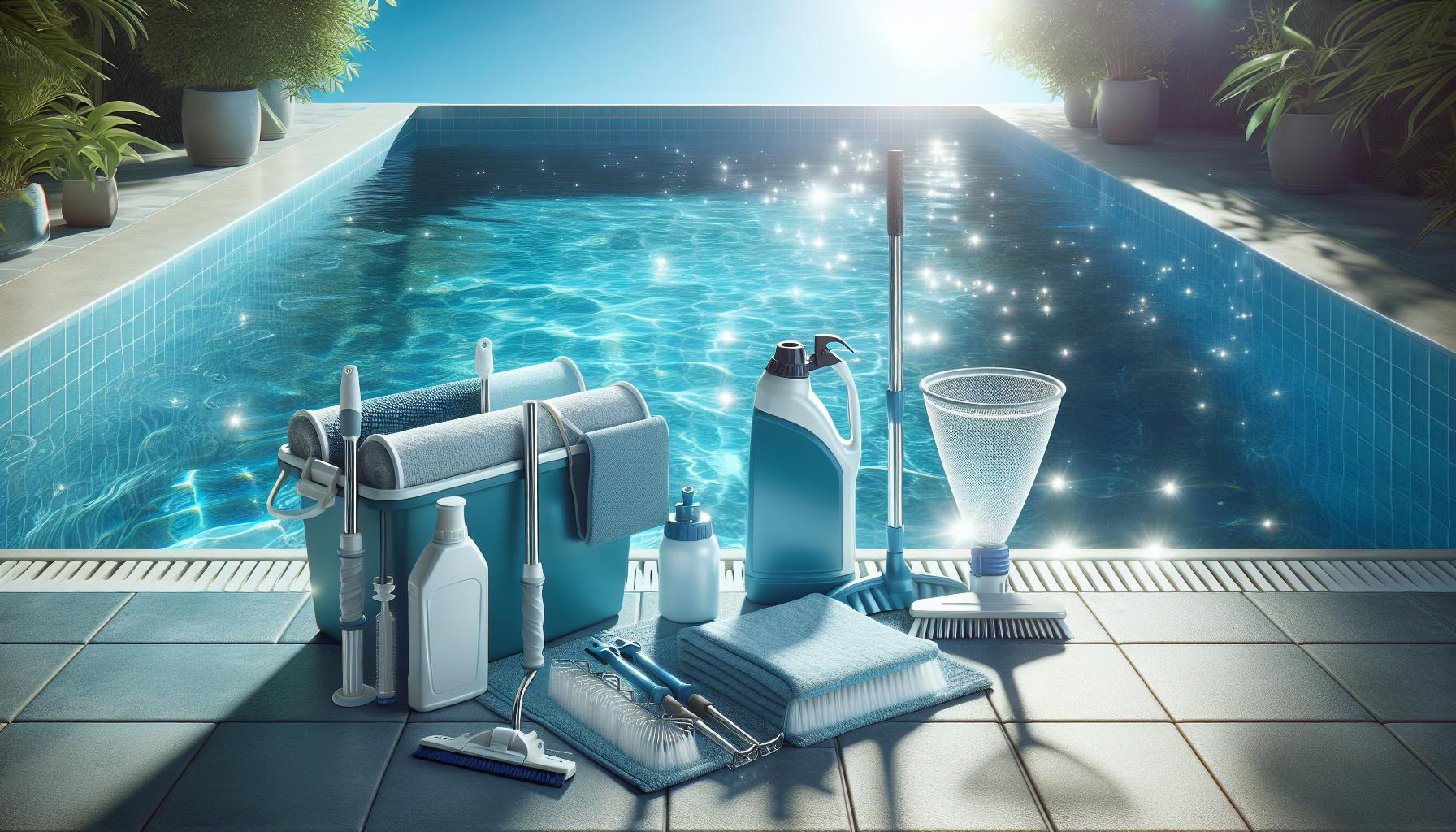
Essential Pool Maintenance Tips for Clear Water
Keeping your pool water crystal clear doesn’t have to be a daunting task. By implementing a few essential maintenance tips, you can ensure a sparkling pool that’s safe for swimming and enjoyable for everyone. Regular attention to your pool’s cleanliness and chemical balance not only preserves its beauty but also extends the life of your equipment.
Regular Skimming and Vacuuming
One of the simplest yet most effective ways to maintain clear water is through routine skimming and vacuuming. Use a net to remove leaves, bugs, and other debris from the surface of the water daily. Additionally, vacuum the pool using a manual or automatic vacuum at least once a week. This will help eliminate settled debris that can contribute to cloudiness. Don’t forget to check the skimmer basket and pump strainer regularly; empty them as needed to ensure optimal water flow.
Monitor and Maintain Chemical Balance
Maintaining the right chemical balance in your pool is crucial for keeping the water clear. Test your pool water at least once a week to monitor pH, alkalinity, and chlorine levels. Aim for a pH level between 7.2 and 7.8, and keep total alkalinity between 80-120 ppm. Chlorine levels should be maintained between 1-3 ppm. If any of these readings are off, adjust the chemicals as necessary. Using a quality test kit can make this process straightforward and allow you to address imbalances before they lead to cloudy water.
Proper Filtration
Filtration plays a vital role in maintaining clear water, so ensure your pool’s filtration system is functioning efficiently. Run your filter for 8-12 hours a day, depending on the pool size and usage. Clean the filter regularly according to the manufacturer’s recommendations. If you have a cartridge filter, rinsing or replacing the cartridges can significantly improve water clarity. For sand filters, backwashing can help remove trapped debris and improve performance.
Shock Treatment
Periodically shocking your pool is an effective way to eliminate contaminants and restore water clarity. This involves adding a large dose of chlorine to the water to destroy organic matter and kill bacteria. It’s usually recommended to shock your pool every two weeks or after heavy use. To perform this task properly, follow the manufacturer’s instructions on dosage and allow the pool to filter for at least 24 hours before testing the water again. A well-timed shock treatment can prevent and resolve cloudiness effectively.
By incorporating these maintenance practices, you’ll find it easier to keep your pool inviting and clear. With a proactive approach and consistent attention, anyone can enjoy the benefits of a beautifully maintained swimming pool all season long.
Step-by-Step Guide to Shock Your Pool Effectively
To restore your pool’s clarity and tackle cloudiness effectively, shocking your pool is a vital step. This process involves adding a concentrated dose of chlorine (or a non-chlorine shock) to your pool water, drastically increasing the chlorine level to eliminate contaminants like bacteria, algae, and organic debris that cloud the water. Regular shock treatments are essential, especially after heavy pool use or when you notice a murky appearance.
Start your shock treatment by gathering essential supplies, including pool shock (either granular or liquid), a clean bucket, and protective gear like gloves and goggles. Next, measure the pool’s current chlorine levels using a test kit. This will help you determine how much shock is necessary. Most shocking agents guide dosage based on the pool’s volume; typically, you should add 1 pound of shock per 10,000 gallons of water for a standard dose. For severe cloudiness, you may need to double this amount.
Once you’ve determined how much shock to use, dissolve granular shock in a bucket of water before adding it to the pool to prevent bleaching or damage to the surface. Slowly pour the solution around the edges of the pool and in front of the return jets for even distribution. If using liquid shock, it can be poured directly into the pool. After adding the shock, turn on your pump and filter to circulate the water, ensuring the treatment is effective.
Lastly, wait at least 24 hours before retesting the water. During this time, avoid swimming as the chlorine levels will be elevated. If your pool remains cloudy post-treatment, you might need to repeat the shocking process. Consistent shock treatments every two weeks, combined with your routine maintenance, will keep your pool clear and inviting. By following these steps, you’ll be empowered to manage your pool’s cleanliness confidently and independently.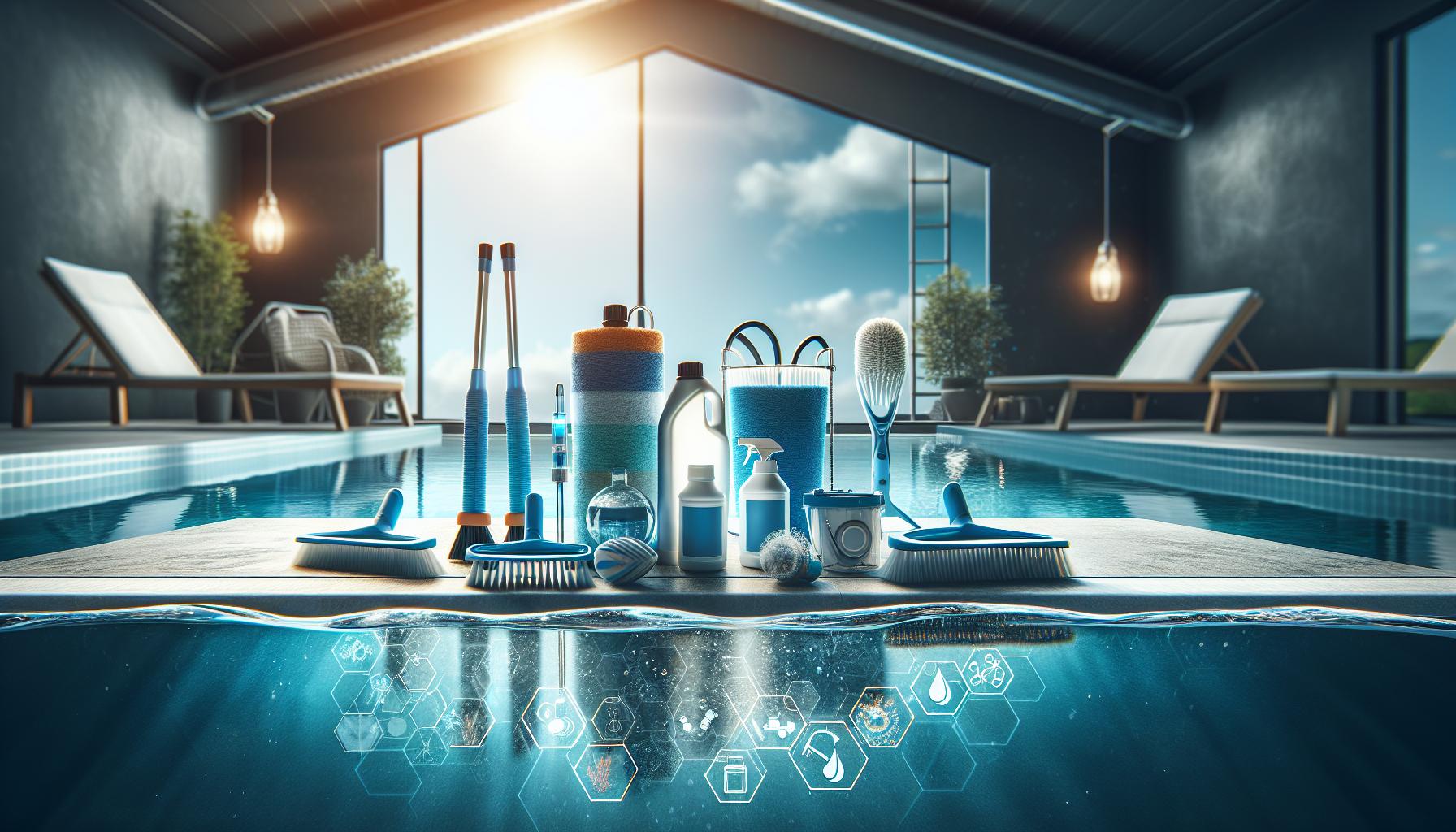
Choosing the Right Pool Chemicals for Clarity
To maintain sparkling clarity in your swimming pool, choosing the right chemicals is essential. The initial step in tackling cloudiness involves understanding the key chemicals that can correct imbalances in your water’s chemistry. Pool chemistries vary, but the main products used for clarity include chlorine, flocculants, clarifiers, and algaecides. Each plays a unique role in keeping your pool water inviting and clean.
Proper chlorine levels are fundamental; they help in sanitizing the water and eliminating contaminants that cause cloudiness. Regularly test your pool water to ensure chlorine levels are within the ideal range of 1 to 3 ppm (parts per million). When levels are low, adding chlorine tablets or granules is essential. However, if you have persistent cloudiness despite adequate chlorine, consider introducing a clarifier. This chemical binds small particles together, allowing your filtration system to remove them more effectively, leaving your water clearer.
Additionally, flocculants can provide an extra boost when dealing with significant cloudiness. They work by clumping together suspended particles, enabling them to settle at the bottom for easy vacuuming. Use flocculants sparingly and in accordance with version-specific instructions, as overuse can lead to debris accumulation on the pool floor, necessitating more extensive cleaning.
When dealing with biological issues, such as algae blooms, a selected algaecide can help prevent future outbreaks and keep your water clear. Ensuring effective filtration through regular maintenance of your pool pump and filters will complement your chemical treatments, maximizing their effectiveness. Always remember to observe the correct dosages recommended on product labels, as over-treating can lead to adverse effects. Consistency in monitoring and adjusting your pool’s chemical balance not only helps in maintaining clarity but also promotes a healthier swimming environment for you and your guests.
Effective Filtration Techniques for Crystal-Clear Water
To achieve crystal-clear water in your swimming pool, effective filtration techniques are essential. A well-maintained filtration system is the backbone of pool clarity, removing debris, contaminants, and particles that cloud your water. Regular filtration not only improves appearances but also supports overall water quality, making it safe and enjoyable for swimmers.
Begin by ensuring your filtration system is appropriate for your pool size and type. Most residential pools use either sand, cartridge, or diatomaceous earth (DE) filters. Each type has its advantages; for example, sand filters are highly durable and easy to maintain, while DE filters provide superior filtration by capturing microscopic particles. Regularly check and clean your filter to prevent clogs that reduce efficiency. Typically, you should backwash sand filters when the pressure gauge rises 8-10 psi above the normal level, while cartridge filters may need replacement or cleaning every 1-3 months depending on usage.
Routine Maintenance Steps
Incorporate the following maintenance steps into your pool care routine to enhance filtration effectiveness:
- Inspect the Pump: Ensure your pool pump is running smoothly. Clean the strainer basket regularly to remove debris that could hinder water flow.
- Maintain Proper Water Levels: Keep your pool water level above the skimmer intake to maintain optimal suction and water circulation.
- Adjust Circulation Times: Run your pump for at least 8-12 hours a day, especially during peak swim seasons or after adding chemicals.
- Utilize a Pool Skimmer: Use a skimmer net daily to remove leaves, bugs, and other floating debris before they sink into the water.
- Vacuum Regularly: Manually vacuum your pool weekly to eliminate settled dirt and debris that the filter might not catch.
Effective filtration not only removes visible debris but also contributes to the overall chemical balance of your pool. For persistent cloudiness, consider using a clarifier in conjunction with your filtering system. Clarifiers coagulate tiny particles, making them easier for the filter to catch. Ensure your filtration system is powerful enough to handle the extra load if you decide to use additional chemicals, as this can enhance water clarity further.
By implementing these filtration techniques and maintaining your equipment, you can significantly reduce cloudiness and enjoy a refreshing, sparkling pool throughout the swimming season. Regular attention to your pool’s filtration system empowers you to maintain a clean swimming environment, ensuring fun and safety for everyone.
Understanding pH Levels and Water Balancing
Maintaining the correct pH levels in your pool water is crucial for clarity and overall water quality. The pH scale ranges from 0 to 14, with 7 being neutral. A pH level that is too low (below 7.2) can cause corrosion to pool equipment, while a high pH (above 7.8) can lead to scale formation and disrupt chlorine effectiveness, resulting in cloudy water. The ideal pH range for swimming pools is between 7.4 and 7.6, as this level not only keeps the water clear but also ensures comfort for swimmers.
To monitor and adjust pH levels effectively, start by testing your pool water regularly using either test strips or a liquid test kit. Aim to test the water at least once a week, but increase frequency during peak usage times or after heavy rain. If you find that your pH is too high, you can lower it by adding a pH reducer (sodium bisulfate or muriatic acid). When adding pH reducers, follow these steps:
- Dilute the Reducer: If necessary, dilute the reducer in a bucket of pool water for even distribution.
- Add Gradually: Pour the solution into the deep end of the pool while the pump is running to help circulation.
- Retest: Wait a few hours, then retest the water to ensure the pH levels have adjusted to the desired range.
Conversely, if your pH is too low, you’ll want to raise it using a pH increaser, typically sodium carbonate (soda ash). Just as with reducing pH, add the increaser gradually, allowing adequate circulation and retesting afterward. Keeping your pH balanced not only promotes clear water but also enhances the effectiveness of your sanitizers, allowing for a clean and safe swimming environment.
It’s also important to consider other factors that contribute to water balance, such as alkalinity and calcium hardness, which can impact pH levels as well. Maintaining total alkalinity within the range of 80-120 ppm helps stabilize pH swings. Incorporating a regular water balancing routine into your pool care practice ensures that fluctuations are addressed promptly, preventing future cloudiness and providing a safer and more enjoyable swimming experience.
Quick Fixes for Algae Blooms and Cloudiness
Persistent cloudiness in your pool can often be traced back to algae blooms, which thrive in warm water and inadequate sanitation. Acting quickly is essential to restore clarity and prevent further growth. Start by providing your pool with a thorough inspection to identify any visible signs of algae, which can appear as green, yellow, or black spots on the pool surfaces. This will help you tailor your approach to effectively combat the specific type of algae present, ensuring faster results.
One quick and effective method to deal with algae blooms is to perform a shock treatment of your pool. This process involves raising the sanitizer levels to effectively kill off algae and other contaminants. Here’s how to go about it:
- Choose the Right Shock: Use a chlorine shock that’s appropriate for your pool type, either in granular or liquid form.
- Prepare the Shock: If you’re using granular shock, dissolve it in a bucket of water to avoid direct contact with your pool surfaces, which could cause bleaching or staining.
- Administer the Shock: Pour the dissolved solution evenly around the deep end of the pool while the filter is running to facilitate thorough mixing.
- Allow Time to Circulate: Let the pool filter run for at least 24 hours to ensure that the shock treatment circulates effectively.
- Retest Water Chemistry: After 24 hours, test your water for chlorine levels and pH. Do not swim until the chlorine levels return to safe levels, generally below 5 parts per million.
In addition to shock treatment, maintaining proper filtration is critical. Ensure your pool’s filter is clean and functioning correctly. Consider running it for a longer duration during periods of heavy use or after adding shock treatments. If the cloudiness persists even after shocking, it may indicate a need for additional filtration techniques, such as adding a clarifier to help clump suspended particles together for easier removal.
Lastly, regular cleaning schedules should include brushing pool surfaces, vacuuming debris, and skimming any floating materials. This kind of proactive approach keeps algae and cloudy water at bay while promoting a healthy swimming environment. Balancing chemistry and cleanliness will empower pool owners to tackle cloudy water effectively, maintaining their backyard oasis for enjoyment year-round.
Preventive Measures to Keep Your Pool Clear
Regular maintenance is crucial to keeping your pool water clear and inviting. One of the most effective ways to prevent cloudiness is to establish a consistent cleaning routine. Skimming the surface to remove leaves and debris prevents organic matter from decaying and affecting water clarity. Aim to do this at least once a day during heavy use periods, and more frequently in autumn when leaves are falling.
Maintaining proper water chemistry is also key in preventing cloudy water. Regularly test your pool water to ensure that pH, alkalinity, and chlorine levels are balanced. The ideal pH level is between 7.2 and 7.8, while total alkalinity should be within 80 to 120 ppm. Here’s a quick checklist for water maintenance:
- Test Your Water: Use a reliable testing kit weekly to monitor levels.
- Adjust Chemicals: Add necessary chemicals promptly if any levels are out of range.
- Shock Your Pool: Treat your pool with shock every two weeks or after heavy use.
- Use Algaecides: Consider adding a weekly algaecide to keep algae at bay.
In addition to these steps, keep your filtration system in optimal condition. Clean and replace filter media as needed to ensure thorough filtration of contaminants and debris. Running your filter for 8-12 hours a day, especially after swimming sessions or heavy rain, enhances clarity.
Finally, consider the role of pool covers during off-seasons or long periods of non-use. A good quality cover not only keeps debris out but also reduces evaporation and prevents algae growth. Taking these preventive measures seriously will not only facilitate clear water on a daily basis, but it also minimizes the risk of encountering serious issues that require extensive treatment later.
When to Call a Pool Professional for Help
Determining when to seek help from a pool professional is a crucial aspect of maintaining a clear and safe swimming environment. While routine care can often manage minor issues, specific situations can quickly escalate beyond a homeowner’s expertise. If you find your pool water persistently cloudy despite following your usual maintenance protocols, it may be time to call in an expert.
One common scenario is when pool chemistry becomes destabilized, leading to overwhelming cloudiness. If testing indicates consistently high or low levels of chlorine or pH that you cannot adjust through regular dosing, a professional can perform a more in-depth analysis. They have access to advanced tools and solutions that are not easily available to the average pool owner, including specialized chemicals and diagnostic equipment.
Additionally, if your filtration system appears to be functioning but fails to clear up the cloudiness, there could be a mechanical failure or blockage that you might not be able to diagnose or repair yourself. Signs that you should consult a professional include unusual noises from the pump, decreased water circulation, or visible dirt and debris that your filtration system is unable to manage. It’s crucial to address these technical flaws before they can compromise water quality further or lead to costly repairs down the line.
Finally, for situations where there are significant algae blooms or murky water that remains despite chemical treatments and thorough cleaning, professional intervention is often necessary. Algae can grow unchecked if not treated correctly, leading to potential safety hazards. Plus, professionals can utilize heavy-duty algaecides or clarifiers that require expertise to handle safely and effectively.
In summary, recognizing the limits of DIY maintenance is key to ensuring your pool remains a clean and enjoyable space. If you encounter persistent cloudiness, fluctuating water chemistry, mechanical issues with your filtration system, or serious algae outbreaks, don’t hesitate to reach out to a pool professional for expert guidance and support.
Troubleshooting Common Pool Water Issues
Cloudy pool water can catch any pool owner off guard, often creating confusion and concern about water safety and clarity. Fortunately, many causes of cloudiness can be easily diagnosed and remedied with a systematic approach. Here are some common issues to investigate, along with solutions that empower you to restore clarity to your pool quickly.
Start by testing the water chemistry. It’s crucial to maintain appropriate levels of pH, alkalinity, and chlorine. Generally, pH levels should be between 7.4 and 7.6, while chlorine levels should ideally be between 1 to 3 parts per million (ppm). If your tests reveal imbalanced water chemistry, adjust accordingly using appropriate pool chemicals. For instance, adding a pH increaser like sodium carbonate can help if your water is too acidic, while muriatic acid can lower pH levels too high.
Next, examine the filtration system. A malfunctioning filter can lead to a build-up of debris and cloudiness. Check for any clogs in the filter or blockage in the skimmer and pump baskets. Clean or replace the filter media, and ensure the filter is running for at least 8-12 hours a day, particularly during peak usage or after heavy rains which can introduce dirt and debris into the pool. If the water doesn’t clear up within a day after these adjustments, it might be time to shock the pool with a higher dose of chlorine to quickly kill off any organic contaminants that are contributing to cloudiness.
Additionally, consider the presence of algae blooms. Even a slight algae growth can cause murky water. If you notice a greenish tint or a slippery feel on surfaces, treat the pool with an algaecide or a chlorine shock treatment, ensuring to scrub the walls and floor to remove algae from surfaces. Regular brushing and vacuuming can help prevent this buildup from returning, making maintenance less labor-intensive down the line.
Lastly, if you’ve addressed these common issues but the water remains cloudy, check for any external factors that might affect water quality. Heavy rainfall, excessive pool usage, or even debris from nearby trees can introduce contaminants. Installing a quality pool cover can protect your water from debris accumulation, while enhancing your filtration system and maintaining a consistent cleaning routine keeps it clear and inviting.
With these troubleshooting steps in hand, you can tackle cloudy pool water confidently and effectively, ensuring a safe and pleasant swimming environment for you and your family.
Exploring Advanced Solutions for Persistent Cloudiness
Cloudy pool water can be a frustrating challenge, especially when the standard treatments seem ineffective. If you find yourself in a situation where water clarity evades you despite consistent maintenance, it may be time to consider advanced solutions tailored to tackle persistent cloudiness.
Utilizing a flocculant can be an effective method for addressing stubborn cloudiness. Flocculants work by clumping tiny particles together, making them large enough for your filter to capture. To use a flocculant, follow these steps:
- Adjust Chemicals: Ensure your pool’s pH, alkalinity, and chlorine levels are balanced before applying the flocculant. Ideal pH levels range from 7.4 to 7.6.
- Add Flocculant: Pour the recommended dose of flocculant into your pool, following the manufacturer’s instructions for proper application.
- Run the Pump: Let the pump run continuously for 24 hours. This helps circulate the flocculant throughout the pool.
- Wait and Vacuum: Allow the particles to settle to the bottom, typically overnight, then vacuum the pool to remove the accumulated debris.
Another advanced strategy involves enhancing your filtration system. A sand or cartridge filter may not be sufficient for clearing fine particles. Consider upgrading to a DE (Diatomaceous Earth) filter, known for its superior ability to trap microscopic impurities that can cloud the water. Installation involves:
- Choosing the Right Size: Select a DE filter that matches your pool’s volume and flow rate.
- Regular Maintenance: Regularly clean the filter media and replace it according to the manufacturer’s recommendations to keep it functioning optimally.
If algae remains an issue despite standard shock treatments, utilizing an algaecide specifically designed for tougher strains of algae may be necessary. After ensuring your water chemistry is balanced:
- Apply Algaecide: Choose a product labeled for control of the specific type of algae you’re facing.
- Brush and Scrub: Thoroughly brush the walls and floor of the pool to remove any surviving algae and algae spores.
- Shock the Pool Again: After a day or two, follow up with another shock treatment to eliminate any remaining threats.
Implementing these advanced tactics can significantly improve the clarity of your swimming pool, transforming it into the inviting oasis you’ve envisioned. Keeping an eye on environmental factors, such as leaf accumulation and debris from heavy storms, and adjusting your maintenance routines accordingly can further reduce the likelihood of recurring cloudiness. With persistence and the right tools, you can conquer even the most persistent pool challenges.
Maintaining Pool Clarity Beyond Seasonal Changes
Maintaining crystal-clear pool water isn’t just a warm-weather concern; it requires ongoing commitment throughout the year. Understanding that environmental and operational factors can change dramatically with the seasons is crucial for sustaining pool clarity. Rain, wind, and even temperature fluctuations can introduce new contaminants and alter your pool’s water chemistry, leading to potential cloudiness if not addressed promptly.
To ensure your pool remains inviting and clear beyond just the summer months, implement a consistent maintenance schedule that covers all aspects of water quality and cleanliness. Regularly check and adjust your pool chemistry, with particular emphasis on chlorine levels, pH balance, and alkalinity. Invest in a reliable water testing kit that allows you to monitor these parameters weekly, even during cooler periods. When treating your pool, aim for a pH level between 7.4 and 7.6 and maintain appropriate chlorine levels according to the manufacturer’s guidelines.
Incorporating preventive measures can also significantly reduce the chances of misty water. Regular skimming, vacuuming, and ensuring good circulation with your pool pump are essential tasks year-round, especially after heavy storms or windy days when debris is likely to accumulate. Aim to run your filter at least 8 to 12 hours a day, adjusting the duration based on pool usage and any environmental factors that may introduce excess dirt or algae.
Seasonal Preparations
As the seasons change, tailor your maintenance routine accordingly. In the fall, prepare for leaf season by investing in a leaf net specifically designed for pools. Watching for temperature changes in early spring can also help, as the warming water can trigger algae growth even before you’ve reopened your pool for swim season.
Additionally, consider using a pool cover during the off-season to minimize debris and prevent algae from settling in. Covers can keep your pool significantly safer during the harshest weather, reducing both the workload and the potential for water quality issues when it’s time to swim again.
In case issues arise despite your best efforts, remain proactive. Keep a supply of essential pool chemicals-chlorine, algaecides, clarifiers, and flocculants-on hand. This way, you can respond effectively to any unexpected changes in water clarity. By staying vigilant and adopting a flexible maintenance plan, you’ll not only enhance the look of your pool but also extend its lifespan and enjoyment all year long.
Frequently asked questions
Q: What causes cloudy water in swimming pools?
A: Cloudy water can be caused by several factors, including imbalanced pH levels, inadequate filtration, chemical imbalances, or the presence of algae. Regularly testing the water and maintaining proper chemical levels can help prevent and address cloudiness.
Q: How can I quickly remove cloudiness from my pool?
A: To quickly remove cloudiness, shock your pool with chlorine or a non-chlorine shock treatment. Ensure proper filtration is running and consider adding flocculants to help clump debris together for easier removal. Regular skimming and vacuuming are also essential.
Q: Can using too many pool chemicals cause cloudiness?
A: Yes, overusing pool chemicals can lead to imbalances, resulting in cloudy water. Always follow the instructions on chemical products and regularly test water to maintain optimal levels, preventing issues associated with excess chemicals.
Q: What is the best way to balance pool water for clarity?
A: The best way to balance pool water is to regularly test for pH, alkalinity, and chlorine levels. Adjust them as needed using pH increasers or decreasers, and ensure alkalinity is within the recommended range (80-120 ppm) to help stabilize pH levels.
Q: How often should I run my pool filter to prevent cloudiness?
A: It is advisable to run your pool filter for at least 8-12 hours a day, especially during peak usage periods. During heavy use or after storms, extending this time can significantly help maintain clear water.
Q: Are there natural remedies to clear cloudy pool water?
A: Yes, you can use natural remedies like baking soda to balance alkalinity or vinegar for minor pH adjustments. However, for significant cloudiness, traditional pool chemicals and treatments are often more effective.
Q: When should I consider hiring a pool professional for cloudiness issues?
A: If the cloudiness persists after attempting standard treatments, or if you are unsure about chemical balancing and maintenance procedures, it’s wise to consult a pool professional. They can provide expert diagnostics and solutions tailored to your pool’s condition.
Q: Will adding pool enzymes help clear cloudy water?
A: Yes, adding pool enzymes can help break down organic materials and reduce cloudiness. They work effectively alongside regular pool maintenance and chemical treatments by enhancing filtration and clarity.
Insights and Conclusions
Congratulations on taking the first step to clear your cloudy swimming pool water! Remember, maintaining clear and inviting pool water not only enhances your enjoyment but also keeps your swimming area safe and healthy. If you’re still facing challenges, consider checking out our detailed guides on pool chemistry balance and effective filtration techniques for further insights. Don’t forget to subscribe to our newsletter for more tips and tricks that will keep your pool maintenance on track.
Act now-your sparkling pool is just a few steps away! If you have any questions or want to share your experience, drop a comment below; we’d love to hear from you. Explore our other resources on pool maintenance for comprehensive support and confidence in your pool care journey. Let’s keep your pool perfect all season long!


