


Did you know that a green pool doesn’t have to mean weeks of frustration? With the right steps, you can transform murky water back to a sparkling oasis in no time. Shocking your green pool is essential not only for aesthetic appeal but also for your family’s safety and enjoyment.
If you’ve ever hosted a backyard gathering, you know how disappointing it can be to uncover a polluted pool, leaving you scrambling for a solution. Don’t worry-restoring your pool’s clarity is a straightforward process that anyone can master. In this guide, we’ll walk you through the essential steps to effectively shock your pool, ensuring it’s clean, safe, and ready for splashes without any hassle. Keep reading to learn how to reclaim your outdoor sanctuary and maximize your summer fun!
Understanding Green Pool Issues and Causes
The sight of a green pool can be disheartening, especially for those who anticipate relaxing by the water. A green pool is primarily a sign of an algae issue, which arises when the water chemistry is out of balance. Factors such as inadequate sanitization, poor filtration, and an influx of organic materials contribute to this problem. Algae thrive in warm temperatures and can quickly multiply when sunlight, nutrients from debris, and stagnant water are abundant. Without proper intervention, green pools can transform into murky breeding grounds for bacteria, leading to further complications.
Understanding the underlying causes of green pool issues is crucial for effective treatment. Inconsistent chlorine levels often allow algae to flourish. Regularly testing water chemistry is essential; chlorine levels should ideally be maintained between 1-3 parts per million (ppm). Additionally, a malfunctioning filtration system may fail to circulate and clean the water adequately. Organic debris, such as leaves and dirt, can accumulate and decompose, providing nourishment for algae. Regular skimming and cleaning of the pool surface can significantly reduce the likelihood of algae growth.
To address and prevent green pool issues effectively, it is vital to act promptly. Begin by cleaning the pool to remove any organic material and then shock the water with an appropriate chlorination treatment to eliminate existing algae. Following this, maintaining consistent water balance through regular testing and adjusting chemicals will help keep your pool crystal clear. Engaging in a routine maintenance schedule, including monitoring water levels, ensuring proper filtration, and addressing any environmental concerns, will aid in preventing future outbreaks of algae and keep your aquatic escape pristine.
Key Steps to Shock a Green Pool Effectively
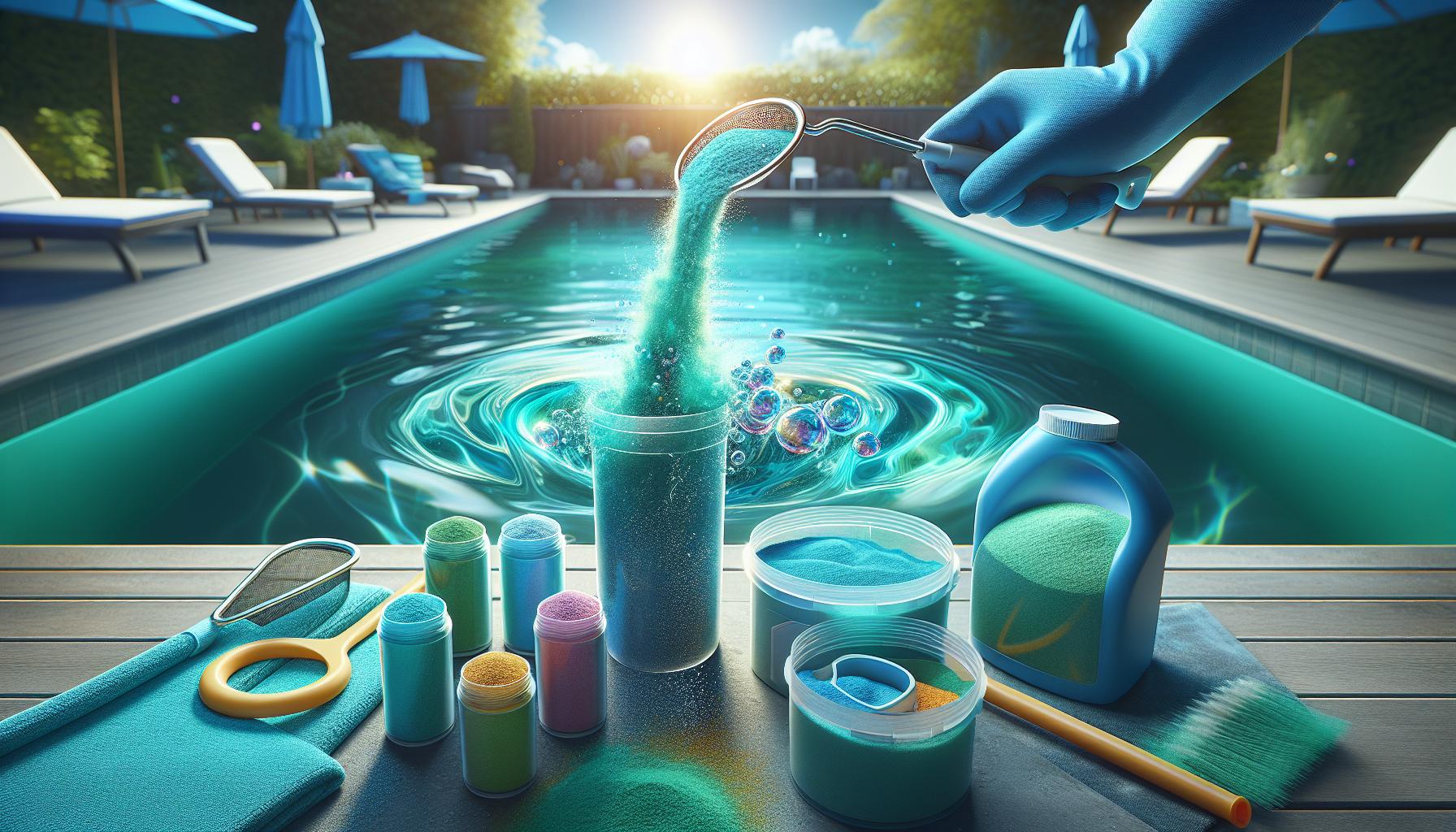
To restore a green pool to its pristine condition, shocking the water is an essential step. Pool shocking involves introducing a high dose of a chlorine-based or non-chlorine oxidizer to eliminate algae, bacteria, and other impurities. This process not only clears the water but also helps rebalance the chemicals necessary for maintaining a healthy swimming environment. Here are some key steps to shock your green pool effectively.
Start by ensuring safety and gathering the necessary materials. Before beginning the shocking process, wear protective gear such as gloves and goggles to protect yourself from chemical splashes. Gather essential items: a chlorine shock product, a pool brush, a skimmer net, and a water-testing kit. These tools will help you prepare the pool for shock treatment and manage the water quality afterward.
Next, pre-treat the pool by removing debris. Use a skimmer net to clear leaves, twigs, and other organic materials from the water. These contaminants can contribute to algae growth and make your shock treatment less effective. After skimming, brush the pool walls and floor to dislodge any algae or dirt stuck to the surfaces. This will allow the shock treatment to penetrate effectively.
Once the pool is clean, it’s time to shock the water. Follow the product instructions on the chlorine shock, but generally, you should add the shock treatment in the evening or at night when the sun isn’t as strong. This maximizes the effectiveness by preventing rapid chlorine evaporation. Calculate the appropriate amount based on your pool’s volume, usually measured in gallons, and disperse the shock evenly across the surface of the water. Make sure the pump is running to promote circulation, allowing the shock treatment to mix well.
After shocking, monitor the water quality closely. Check your pool’s chlorine levels after 24 hours using a testing kit. Levels should ideally be at least 5 ppm to ensure effective algae and bacteria elimination. If everything checks out and the chlorine levels are appropriate, you can resume swimming, but make sure to wait until they drop back within the ideal range of 1-3 ppm for safety.
By following these organized steps, you can effectively shock your green pool and enjoy clear water once again. Regular maintenance, including frequent skimming and chemical checks, will help prevent algae blooms and keep your pool inviting.
Essential Chemicals Needed for Pool Shocking
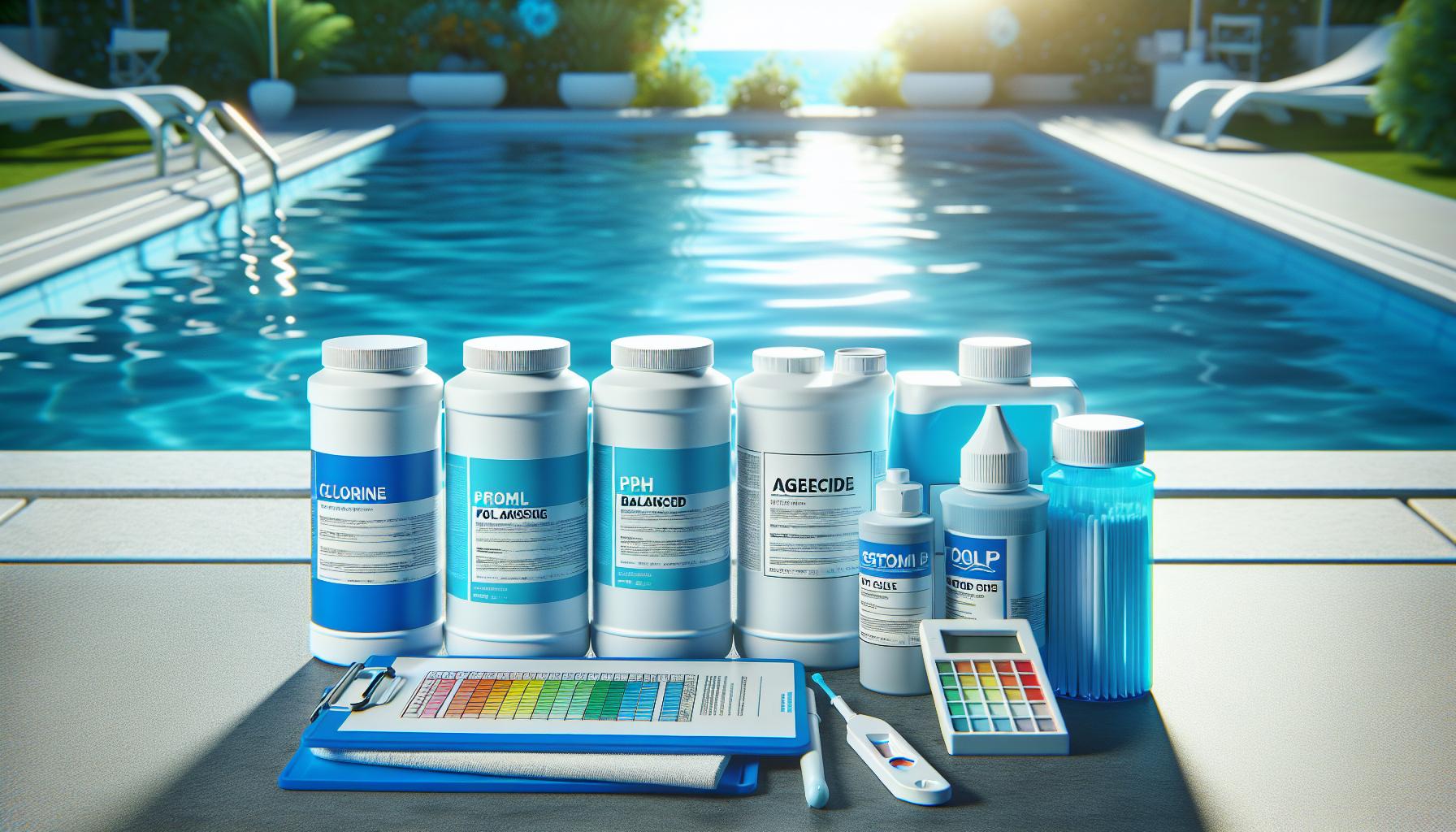
To effectively combat a green pool, understanding the essential chemicals required for the shock process is crucial. The primary ingredient needed is a chlorine shock, which can be either a calcium hypochlorite (granular) or a liquid chlorine product, both capable of raising chlorine levels rapidly to sanitize the water. Utilizing a quality chlorine-based product helps eliminate algae and bacteria, restoring clarity and safety for swimming.
In addition to chlorine, stabilizers such as cyanuric acid (CYA) may be necessary. CYA acts as a sunscreen for chlorine, protecting it from the sun’s UV rays that can quickly deplete chlorine levels, particularly when shocking during daylight hours. This chemical ensures that the chlorine’s effectiveness is maintained over time, making it a valuable addition to your treatment strategy.
You may also benefit from algaecides and clarifiers. Algaecides help prevent further algae growth and can be particularly effective following a shock treatment, while clarifiers bind tiny particles together, making it easier for your pool’s filtration system to remove them-ultimately leading to clearer water.
In summary, the vital chemicals which facilitate successful pool shocking include:
- Chlorine Shock: Either granular calcium hypochlorite or liquid chlorine.
- Cyanuric Acid (CYA): Stabilizes chlorine effectiveness.
- Algaecide: Prevents future algae blooms.
- Clarifier: Enhances water clarity by helping filters remove particles.
By equipping yourself with these chemicals and utilizing them correctly, you’ll set the stage for a quick recovery from a green pool, paving the way for a refreshing and enjoyable swimming experience. Remember to always read labels and follow manufacturer instructions to ensure safety and effectiveness during this process.
Step-by-Step Guide to Shocking Your Pool
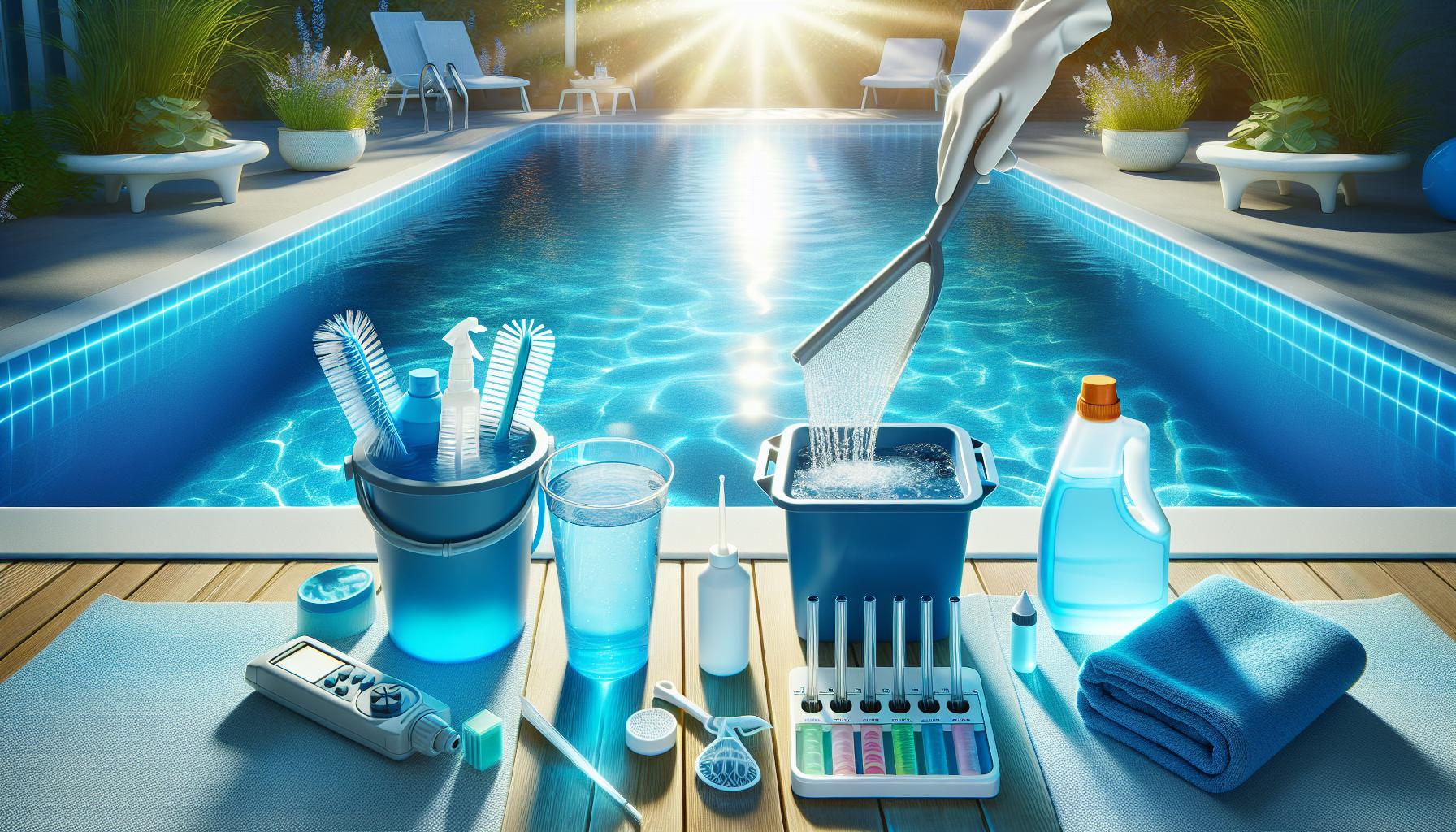
To effectively restore your pool’s clarity and eliminate green algae, following a structured approach to shocking your pool is essential. This process not only addresses the immediate problem but also sets up a foundation for ongoing maintenance. Begin by preparing your equipment and gathering the necessary chemicals, ensuring you have everything at hand for a smooth operation.
- Test the Water: Before starting the shock process, test your pool water to determine the current levels of pH, alkalinity, and chlorine. Ideal pH levels should be between 7.2 and 7.6 for optimal shock effectiveness.
- Calculate the Correct Dosage: Based on your water test, calculate the appropriate amount of chlorine shock needed. A general guideline is to use 1 pound of shock for every 10,000 gallons of water, but always refer to the product instructions for specific recommendations.
- Add the Shock: When adding the chlorine shock, ensure you are in a well-ventilated area or outside. It’s best to pre-dissolve granular chlorine in a bucket of water before pouring it into the pool. Pour the solution around the edges of the pool to ensure even distribution. For liquid chlorine, carefully distribute it around the pool perimeter while walking, allowing it to mix thoroughly.
- Run the Pump: Activate your pool pump and filter system to circulate the shocked water effectively. Running the pump continuously for at least 24 hours after shocking will help remove contaminants and further distribute the chlorine throughout the pool.
- Wait and Retest: Allow the chlorine levels to normalize before swimming. This usually takes about 24 hours, depending on the type and amount of shock used. Retest the water to ensure chlorine levels drop to a safe range (1-3 ppm) before reintroducing swimmers.
By adhering to these steps, you’ll effectively combat green pool issues and create a safe, inviting environment for swimming. Always remember to wear protective gear, like gloves and goggles, while handling pool chemicals to ensure your safety throughout the process. As you gain confidence in shocking your pool, you’ll find it becomes a straightforward part of your regular maintenance routine.
Tips to Boost Water Clarity Post-Shocking
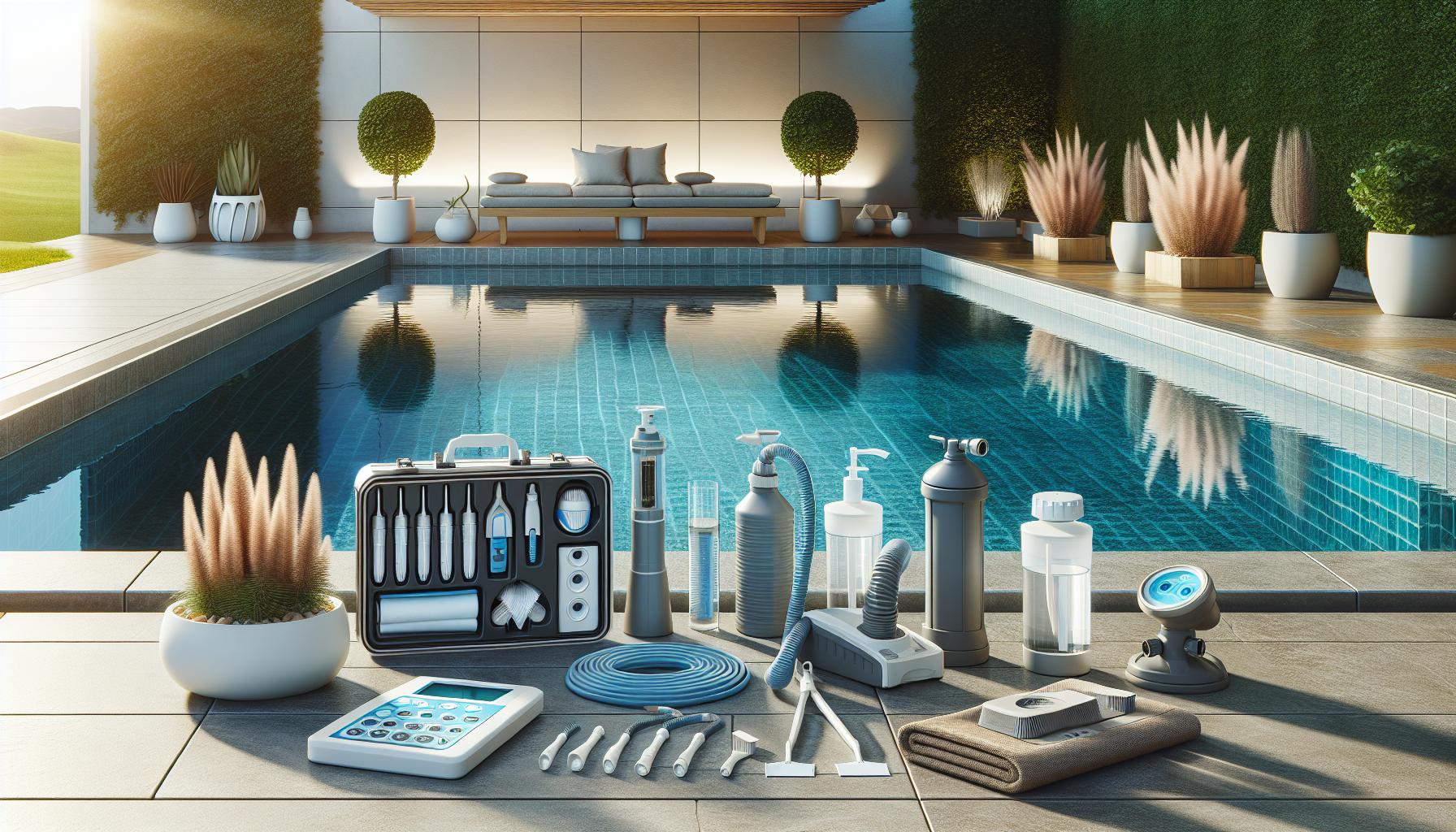
To transform your pool from a murky green to a sparkling oasis, it’s crucial to implement effective strategies after shocking. One powerful approach involves utilizing a combination of filtration, chemical treatments, and regular maintenance practices to enhance water clarity post-shocking.
First, ensure your pool’s filter is functioning optimally. Running the filter continuously for at least 24-48 hours after shocking not only aids in clearing away dead algae and debris but also helps in redistributing chemicals more effectively throughout the water. Regular backwashing or cleaning of the filter media can significantly improve filtration efficiency, ensuring that particles are trapped and not recirculated back into the pool.
Incorporating clarifiers can further help with water clarity. These chemicals work by coalescing smaller particles into larger clusters that your filter can trap, thus enhancing overall clarity. Follow the manufacturer’s instructions for dosage, and be sure to give the clarifier time to work before retesting and swimming. Additionally, maintaining the appropriate chemical balance is vital-keeping pH levels between 7.2 and 7.6 and alkalinity levels at a recommended range will optimize the effectiveness of both chlorine and clarifiers.
Finally, regular maintenance is key to sustaining clear water. Conduct routine checks on your pool’s chemistry, skimming debris, and brushing the walls and floor to disrupt any algae formation early. Invest in a good-quality pool cover to minimize debris accumulation during off-seasons or periods of inactivity. By consistently monitoring and maintaining these practices, you will uphold the clarity of your pool water, making it an inviting space for swimming and relaxation.
Safety Precautions During Pool Shock Maintenance
Safety is paramount when shocking your pool, as the process involves handling potent chemicals that can be hazardous if not managed correctly. First and foremost, always wear appropriate personal protective equipment (PPE). This includes chemical-resistant gloves and goggles to protect your skin and eyes from splashes. In particular, if you’re using chlorine-based shocks, the fumes can be irritating, so working in a well-ventilated area or wearing a mask can further safeguard your respiratory health.
Before initiating the shock process, ensure that your pool’s pump and filtration system are in proper working condition. A malfunctioning system can lead to improper distribution of the shock chemicals, reducing their effectiveness and possibly causing harmful chemical reactions. Additionally, double-check that you’re using the right type of shock for your specific pool-there are different formulations for chlorine and non-chlorine shock. Misusing these can not only harm the pool environment but may also compromise safety.
To maintain a safe environment during pool shock maintenance, it’s essential to have a plan for chemical storage and handling. Store shock chemicals in a cool, dry place away from direct sunlight and in a secure location out of reach of children and pets. When mixing or adding shock to the water, always follow the manufacturer’s instructions. Never mix different types of disinfectants or shock treatments, as this can produce dangerous gases or reactions. If you are unsure about the procedures, consulting a professional can help avoid any mishaps.
Lastly, after shocking the pool, keep people and pets out of the water for the recommended duration specified on the product label, usually until the shock levels drop back to a safe range. Testing the water with a reliable kit will help ensure it’s safe for swimming. By integrating these safety precautions, you empower yourself to tackle the task of shocking your pool while minimizing risks, ensuring the restoration process leads to a beautiful, clear swimming environment.
Common Mistakes to Avoid When Shocking Pools
When tackling the challenge of shocking a green pool, many homeowners unknowingly make mistakes that can hinder the clarity and safety of the water. One common error is not testing the water before applying shock. This crucial step provides insight into the current chemical levels, allowing for the appropriate type and amount of shock treatment to be applied. Always begin by using a reliable testing kit to measure pH, chlorine, and alkalinity levels, ensuring you add the correct shock that addresses the specific issues in your pool.
Another pitfall is adding shock directly into a pool without pre-dissolving it, especially with granular chlorine. This practice can lead to uneven distribution and potential damage to the pool’s surface. Instead, dissolve granular shock in a bucket of water according to the manufacturer’s instructions before adding it to the pool. For liquid shock formulations, ensure that you pour it around the pool’s perimeter while the pump is running to help disperse the chemicals evenly.
Timing also plays a significant role; shocking the pool during the day, especially under direct sunlight, can cause rapid chlorine loss due to UV rays. Ideally, carry out the shocking process in the evening or at night to maximize effectiveness. Additionally, failing to brush the pool walls and floor before treatment can result in algae or debris remaining after shocking, which may contribute to persistent cloudiness or green water issues.
Lastly, ignoring the manufacturer’s guidelines regarding the waiting period before swimming is a frequent oversight. Many pool owners often rush to jump back in without ensuring that chlorine levels have returned to a safe range. Stay informed by regularly testing the water post-shock and waiting for the recommended duration specified on your product label before allowing swimmers back into the pool. By avoiding these common mistakes, you empower yourself to restore your pool quickly and effectively, achieving that desired sparkling clarity with confidence.
How to Maintain Sparkling Water After Restoration
Maintaining clarity in your pool water after its restoration is essential for both aesthetic enjoyment and safety. After successfully shocking a green pool, the goal is to ensure that the water remains crystal clear and inviting for swimming. An effective maintenance routine is crucial to prevent the return of any green algae or cloudiness. Regular monitoring and proactive care play pivotal roles in keeping your pool sparkling clean.
To start, it is essential to monitor the chemical balance of your pool consistently. Use a reliable testing kit to check levels of pH, free chlorine, alkalinity, and stabilizer. Keeping pH levels between 7.2 and 7.8 and free chlorine levels above 1-3 ppm is key to preventing algae growth. Adding a shock treatment every couple of weeks, even if the pool looks clear, can help reset the chemistry and eliminate any developing contaminants. Be mindful to test the water a day or two after shocking to confirm that chlorine levels are safe for swimming.
In addition to chemical maintenance, proper filtration is vital for sustaining clear water. Make sure your pool filter is running for adequate hours each day-typically at least 8 to 12 hours, depending on pool use and environmental conditions. Clean the filter regularly and backwash when necessary to remove trapped debris. Using a pool vacuum every week can help eliminate fine particles that the filter might miss, ensuring cleanliness on all surfaces.
Finally, establish a routine for physical maintenance tasks. Skim the pool surface daily to remove leaves, bugs, and debris. Brushing the walls and floor weekly will disrupt any algae growth before it becomes visible. It’s also wise to monitor your pool’s water level and refill it as necessary, especially during hot months when evaporation rates can be significant. By following these proactive measures and maintaining an eye on your pool’s health, you will enjoy a sparkling oasis throughout the summer months.
Advanced Techniques for Persistent Green Pools
Having a green pool can be frustrating, especially if it seems resistant to your control efforts. If traditional shocking methods haven’t made a dent, it’s time to employ advanced techniques that can tackle persistent algae and restore clarity. First, understanding that some green conditions-such as mustard algae-are particularly stubborn will help you choose the right approach. These types of algae thrive in warm water and can cling to pool surfaces even after treatment, requiring more aggressive steps.
For particularly tough cases, consider using a chlorine boost. Instead of a simple shock, add a high dose of chlorinated shock treatment at dusk when UV rays are less intense. This allows the chlorine to work effectively without being rapidly depleted. In addition, opt for a polymeric algaecide that is specifically designed for mustard algae to enhance your chlorination efforts. When applying these chemicals, make sure to follow manufacturer instructions precisely, as overdosing can lead to complications.
Brushing and Vacuuming Techniques
Don’t underestimate the importance of physical cleaning. Regularly brushing the walls and floor of your pool with a bristle brush helps release stubborn algae from surfaces, making it easier for the shocked water to disperse and kill off remaining spores. Focus on corners and steps where algae frequently collect. Follow up by vacuuming the pool floor to remove any debris and dead algae, using a manual or robotic vacuum depending on your preference and equipment availability.
Adjusting Water Chemistry
Maintaining the right chemical balance is crucial during this remediation process. After shocking, regularly test and adjust your pool’s pH, alkalinity, and chlorine levels. Aim to keep pH between 7.2 and 7.8, as higher levels can hinder chlorine effectiveness. Also, consider using a flocculant if the water remains cloudy after shocking. This will clump up tiny particles and algae, making them easier to filter out. Allow the flocculant to work overnight and then vacuum the settled sludge in the morning.
Despite your best efforts, algae can persist in warm weather and high bather loads. Regularly monitor and adjust your pool’s filtration system to run longer during peak usage periods-consider increasing the daily operation time to 12-24 hours until the water stabilizes. For stubborn cases, using a diatomaceous earth (DE) filter can vastly improve your filtration efficiency and clarity.
Utilizing these advanced techniques will not only help restore your pool but also equip you with valuable skills for ongoing maintenance. Remember, persistence is key; consistent monitoring and proactive cleaning can ultimately lead to a sparkling oasis that you’ll be proud to enjoy.
Monitoring and Testing Water Quality Post-Shock
Monitoring the water quality after shocking your pool is crucial in ensuring that your efforts to remove algae are effective and that the water remains safe for swimming. The transition from a green pool to crystal-clear water is not just about the initial shock treatment; it’s about maintaining the right chemistry and filtration afterwards. Regular testing helps you catch any imbalances early, preventing future algae blooms and ensuring a healthy swimming environment.
To begin, focus on regularly testing the following key parameters:
- Chlorine Levels: After shocking, the chlorine levels will likely be elevated. Use a reliable test kit to confirm the levels drop back to the ideal range of 1 to 3 parts per million (ppm) before swimming.
- pH Level: Keep the pH between 7.2 and 7.8 to optimize chlorine effectiveness. Ideally, test the pH the day after shocking and adjust if necessary.
- Alkalinity: Total alkalinity should be within the range of 80 to 120 ppm. It acts as a buffer for pH adjustments, helping stabilize the water balance.
- Calcium Hardness: Ensuring calcium levels are 200 to 400 ppm can prevent corrosion or scaling in your pool.
Utilizing a quality pool test kit that measures these parameters will give you a comprehensive view of your water quality. After conducting your tests, make necessary adjustments using appropriate chemicals-a notable example is adding muriatic acid to lower pH or sodium bicarbonate to increase alkalinity.
H3>Maintaining Filtration Efficiency
Another critical element of water quality is ensuring your filtration system is functioning optimally. Increased debris and particles from dead algae require prolonged filtration, so consider running your pump continuously for at least 24 hours post-shock. If your pool remains cloudy despite proper chemistry levels, backwashing or cleaning your filter may be necessary.
To enhance clarity, employing a flocculant can help by clumping tiny particles together, making them easier for your filter to remove. Allow the flocculant to settle overnight, then vacuum the pool to remove the accumulated sludge. This step can significantly accelerate the recovery of water clarity.
H3>Regular Monitoring Schedule
Setting a routine monitoring schedule post-shock can reinforce the gains you’ve made. Testing water daily for the first week and then reducing the frequency to weekly or bi-weekly can help you stay on top of any chemical fluctuations and troubleshoot potential issues quickly. Keep a pool maintenance log to track your readings and adjustments; this will aid in decision-making for future treatments, especially as pool conditions change with weather and usage patterns.
With consistent monitoring and adjustments, you can maintain healthy, clear water while enjoying your pool without the past frustrations of green conditions. By being proactive, you’ll not only enhance your swimming experience but prolong the life of your pool and equipment.
Understanding Pool Filtration and Its Role in Clarity
Proper filtration is the backbone of maintaining clear, inviting pool water. When dealing with a green pool, the filtration system plays a crucial role in removing algae and other contaminants that cloud the water. Many pool owners underestimate the power of a well-functioning filter, yet it is the first line of defense against impurities. Understanding how your pool’s filtration system works and how to optimize it can significantly improve the clarity of your water following treatment.
To start, ensure that your filter is suitable for your pool size and type. There are different types of filters-sand, cartridge, and diatomaceous earth (DE)-each with its unique benefits. For a quick recovery from green conditions, it’s often recommended to run your filtration system continuously for at least 24 hours after shocking. This constant circulation not only helps to break down the dead algae but also allows the chemicals used in shock treatments to work more effectively.
Maximizing Filtration Efficiency
To enhance your filtration process, it’s essential to regularly clean and maintain your filter. This involves checking the filter pressure gauge and backwashing or cleaning the filter as needed. High pressure indicates that the filter is clogged and needs cleaning. If your pool remains cloudy despite apparent chemical balance, series of backwashing or cleaning will help recover the efficiency of the pump and filter.
For optimal results, use a flocculant as part of your maintenance routine. Flocculants work by clumping tiny particles together, making them easier for your filtration system to remove. After treating the pool with a flocculant, allow it to settle overnight and then vacuum the bottom to remove the accumulated debris. This step can significantly accelerate the return of crystal-clear water.
Routine Maintenance and Performance Monitoring
Establishing a maintenance schedule for your filter system can maximize its performance. Regularly inspect your filter elements and clean them based on your pool usage and environmental factors such as patio debris or foliage. Keeping a log of your maintenance schedule can help ensure that your filtration system is always up to the task, particularly after an algae bloom. By understanding your filtration system’s capacity and keeping it maintained, you can enjoy sparkling pool water and minimize the likelihood of recurring green conditions.
With consistent attention to your pool’s filtration performance, you not only enhance clarity but also prolong the lifespan of your pool equipment, making it a worthwhile investment. By actively engaging in the maintenance process, you can reclaim your pool as a beautiful oasis ready for enjoyment.
Preventative Measures to Keep Your Pool Clear
To maintain a crystal-clear pool and prevent the frustrating green water issue from reoccurring, it’s crucial to implement a consistent maintenance routine. The saying “an ounce of prevention is worth a pound of cure” holds especially true for pool care; by taking proactive steps, you can save time and resources while enjoying a pristine swimming environment.
Start by establishing a regular schedule for testing and adjusting your pool’s chemical balance. It’s recommended to test your water at least once a week using a reliable test kit. Ensure your pH levels stay between 7.2 and 7.6, while chlorine levels should be maintained between 1-3 ppm. This not only aids in clear water but also prevents algae growth. If your pool is experiencing heavy usage or surrounding foliage, increase the frequency of testing to every 3-4 days.
Regular Cleaning Protocols
In addition to chemical balance, routine cleaning can significantly reduce algae buildup. Skim the surface to remove debris daily, incorporating a vacuuming session at least once a week. Pay special attention to the pool corners and steps where debris tends to settle. Moreover, brushing the walls and floor of the pool weekly disrupts algae growth on surfaces, making it easier for your filtration system to eliminate unwanted particles.
It is also advisable to keep the filter clean, as it plays a pivotal role in maintaining water clarity. Depending on the type of filter you use, the cleaning process may differ: for sand filters, backwashing should occur when the pressure gauge indicates a spike; cartridge filters should be rinsed regularly; while DE filters require more thorough maintenance. Make it a practice to inspect the filter monthly to ensure it’s functioning optimally.
Cover and Secure Your Pool
Investing in a pool cover can drastically cut down on debris and contaminants entering your pool. A well-fitted cover helps keep the water clean when the pool is not in use and minimizes evaporation and chemical loss. This is especially helpful during off-seasons or when severe weather is expected.
Finally, establish a balanced environment around your pool. Trim nearby trees and shrubs to reduce leaves and pollen in your water. Regularly clean and repair any deck surfaces, as cracks may harbor dirt and debris. These simple preventative measures can help maintain your pool’s clarity, ensuring it remains an inviting oasis throughout the season.
Q&A
Q: What are the signs that my pool needs shocking?
A: Key signs that your pool needs shocking include a green or cloudy appearance, strong chemical odors, or skin irritation after swimming. Regular testing of water parameters such as pH, chlorine levels, and total alkalinity can also help identify when shocking is necessary. For more details, check the section on understanding green pool issues.
Q: How long after shocking a pool can I swim?
A: It’s best to wait at least 24 hours after shocking your pool before swimming. Ensure that the chlorine levels have dropped back to safe levels (1-3 ppm) measured by a test kit. Refer to your pool shock instructions for specific guidance based on the product used.
Q: Can I shock a pool when it’s raining?
A: Shocking a pool during rain is not ideal. Rain can dilute chemicals and diminish effectiveness. It’s best to wait for dry conditions to ensure optimal results. For ongoing maintenance tips, look into our preventive measures section in the article.
Q: What type of shock is best for a green pool?
A: Calcium hypochlorite and sodium dichlor are effective for shocking green pools due to their high chlorine content. Liquid chlorine is also a good option for fast action. Check the essential chemicals needed section to select the right type for your situation.
Q: How often should I shock my pool to prevent algae growth?
A: Shocking your pool every 1-2 weeks during peak swimming season can help prevent algae growth. Regular maintenance, including proper filtration and balanced chemical levels, plays a crucial role in keeping your pool clear. See the section on maintaining sparkling water for additional strategies.
Q: Will shocking a pool remove algae completely?
A: Shocking a pool helps kill algae but may not remove all debris. Regular brushing, combined with proper filtration and vacuuming, is necessary for complete cleanup. For comprehensive strategies, consult our tips to boost water clarity post-shocking.
Q: What should I do if my pool is still green after shocking?
A: If your pool remains green after shocking, ensure your filtration system is running continuously and consider a secondary shock. Additionally, using an algaecide can aid in clearing persistent algae. For advanced techniques, review the section on persistent green pools in the article.
Q: Why is my pool water still cloudy after shocking?
A: Cloudy water post-shocking may result from dead algae, the presence of fine particles, or improper water balance. Ensure chlorine levels are stable and use a pool clarifier if necessary. For troubleshooting, visit the monitoring and testing water quality section.
Closing Remarks
Now that you’re equipped with the steps to shock a green pool and restore its sparkling clarity, it’s time to put this knowledge into action! The sooner you shock your pool, the quicker you’ll enjoy swimming in clean, safe water. If you have any lingering questions or need more tips, be sure to check out our articles on “Essential Pool Maintenance Tips” and “Choosing the Right Pool Chemicals” for further guidance.
Don’t forget to subscribe to our newsletter for the latest updates and expert advice on pool care. Join our community of pool owners who are successfully managing their outdoor oasis! Your dream pool is just a few steps away-start implementing these strategies today and watch your green pool transform.
Engage with us in the comments below; share your experiences or ask for help! Remember, maintaining your pool not only enhances its beauty but also ensures a safe environment for your family and friends. Let’s dive into a better pool experience together!


