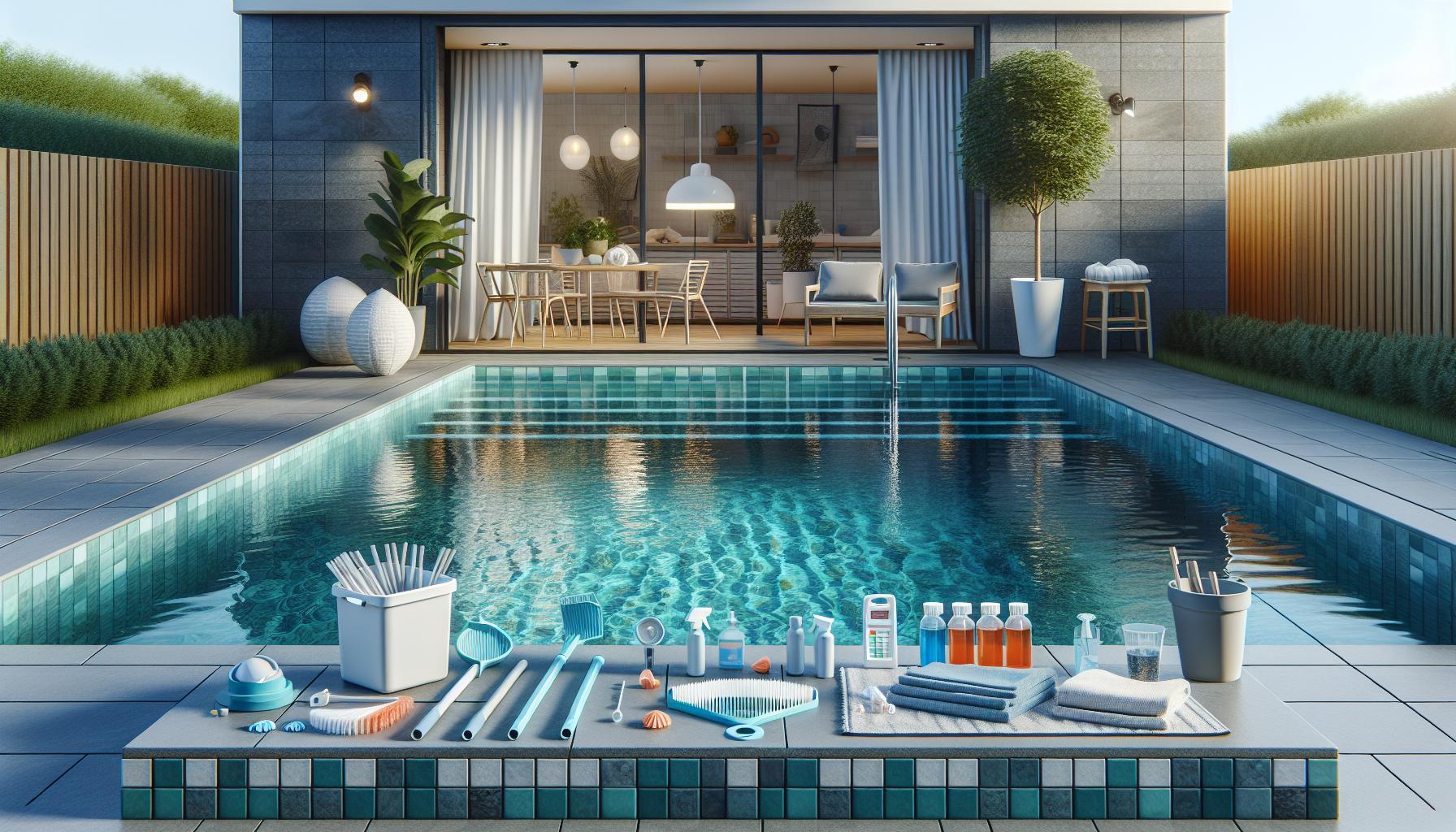
Investing in an inground pool can transform your backyard into a personal oasis, but understanding the full scope of costs involved is crucial for any homeowner. On average, installing an inground pool can range significantly depending on materials, design, and additional features. This guide will walk you through every conceivable expense, from initial installation to ongoing maintenance, empowering you to make informed decisions.
Many people dream of leisurely summer days spent by the pool, but the financial commitment can be daunting. It’s essential to consider not just the price tag for the pool itself, but also the hidden costs that can add up over time, like landscaping, heating, and equipment upkeep. By the end of this guide, you’ll gain insights into budgeting effectively and be better prepared to enjoy your backyard paradise worry-free. Let’s dive into the details and uncover what it takes to bring your dream pool to life!
Understanding the Factors Influencing Inground Pool Costs
The cost of installing an inground pool can vary widely, influenced by numerous factors that prospective pool owners should consider. Understanding these elements is crucial not only for budgeting but also for ensuring that the pool meets individual needs and preferences. Key factors include materials, design, site location, excavation requirements, and the choice between self-installation and professional services.
Material Choices
The type of pool material significantly impacts total expenses. Common options include concrete, fiberglass, and vinyl. Concrete pools, known for their durability and customization, generally carry higher installation costs but offer longer-term value. Fiberglass pools are quicker to install and may require less maintenance, resulting in savings over time; however, they can have a higher upfront cost compared to vinyl pools, which tend to be the most economical option but may not last as long.
Site Location and Preparation
The geographical location and specific site conditions play a pivotal role in the overall cost. Factors such as local labor rates, accessibility of the site for heavy machinery, and the need for additional excavation or landscaping can all add to the final expenses. For example, if the yard has rocky soil or requires extensive grading, costs can escalate due to increased labor and equipment use.
Pool Design and Features
Beyond the basic structure, the choice of design, shape, and features such as lighting, heating, and water features will also influence cost. Custom designs and additional amenities can significantly increase both initial investment and maintenance expenses. It’s essential to weigh the desire for unique aesthetics against budget constraints.
Installation Method
Deciding between DIY installation or hiring professionals is another critical cost factor. While self-installation can save money, it requires a significant commitment of time, skill, and access to tools. Mistakes made during the installation can lead to costly repairs down the line. Conversely, investing in professional services provides expertise and peace of mind, though it understandably comes at a higher price tag.
Taking these factors into account can help potential pool owners make informed decisions that align with their financial circumstances and lifestyle, ensuring the exciting addition of an inground pool doesn’t lead to unintended stress or financial strain.
Types of Inground Pools and Their Price Differences
Choosing the right type of inground pool can significantly influence both initial investment and long-term satisfaction. Each pool material-concrete, fiberglass, and vinyl-comes with its own characteristics, pricing, and implications for maintenance, making it crucial to weigh these options carefully before committing.
Concrete Pools are the most customizable option, allowing for various shapes, sizes, and finishes. They offer a robust and long-lasting structure, appealing to homeowners looking for durability. However, the price point for concrete pools typically ranges from $50,000 to over $100,000 depending on the design complexity and site preparation needed. Though they are an investment, their longevity and customization options can make them a worthwhile choice.
Fiberglass Pools are pre-manufactured and known for their quick installation. This material eliminates many potential installation issues found in concrete pools. Average costs for fiberglass pools fall between $40,000 and $80,000, making them somewhat more affordable upfront than concrete. Fiberglass pools require less ongoing maintenance, which can save money in the long run. Their smooth finish also reduces chemical usage and prevents algae build-up, enhancing safety and ease of cleaning.
Vinyl Pools represent the most economical alternative, with initial costs typically starting around $30,000 and going up to $60,000. These pools come with a vinyl liner that is less durable than a concrete or fiberglass shell. While vinyl pools offer the flexibility of various shapes and designs, the liner must be replaced every 5 to 9 years, incurring additional costs over time. Despite the lower upfront price, it’s essential to factor in the potential long-term maintenance, as issues with liners can lead to costly repairs.
Comparison Table
| Type of Pool | Initial Cost Range | Durability | Maintenance |
|---|---|---|---|
| Concrete | $50,000 – $100,000+ | High | Moderate to High (longer-lasting) |
| Fiberglass | $40,000 – $80,000 | High | Low to Moderate |
| Vinyl | $30,000 – $60,000 | Moderate | High (liner replacement needed) |
Ultimately, the choice of pool type should align with your budget, aesthetic preferences, and how much effort you’re willing to invest in maintenance. Each option has its pros and cons, so understanding these differences is key to making a decision that provides enjoyment for years to come.
Breakdown of Inground Pool Installation Expenses
The journey to owning an inground pool begins with a clear understanding of the various expenses involved in its installation. While many homeowners anticipate the fun and relaxation a pool can bring, it’s essential to approach this investment with a well-informed mindset, as installation costs can quickly add up beyond just the price of the pool itself.
One of the most significant components of installation expenses is the site preparation, which includes land clearing, excavation, and grading. Depending on your yard’s condition, this can range from $1,000 to $5,000. For pools that require extensive groundwork, such as those in hilly or uneven terrains, costs may increase. Following site preparation, the actual installation process begins, which varies according to the pool type.
Key Installation Expenses
- Pool Shell: This is the core structure. Concrete pools tend to be the most expensive, typically ranging from $50,000 to over $100,000, while fiberglass pools range from $40,000 to $80,000, and vinyl options can start at $30,000.
- Plumbing and Electrical Work: These are critical for proper operation and can cost between $2,000 and $4,000, depending on the complexity of your setup.
- Pool Equipment: Essential items such as filters, heaters, and pumps are necessary for maintenance and can add another $2,000 to $6,000.
- Decking and Landscaping: Surrounding your pool with a deck can enhance aesthetics and usability, costing anywhere from $4,000 to $15,000.
Another often-overlooked aspect is the permitting and inspection fees, which can range from $500 to $2,000, depending on local regulations. Always factor in these costs and ensure you comply with all local building codes to avoid future issues. The total range for installing an inground pool, considering all aspects, typically starts around $28,000 and can exceed $65,000, especially with custom features.
Understanding these various costs upfront not only helps to formulate a realistic budget but also allows homeowners to make informed decisions about their pool project, ensuring that it fits both their needs and financial capacity.
Hidden Costs of Owning an Inground Pool
Owning an inground pool is often seen as a luxurious investment that brings joy and relaxation, but many homeowners are caught off guard by the hidden costs that come with pool ownership. Beyond the initial installation expenses, various elements can quickly inflate your budget, leading to unexpected financial strain. Understanding these hidden costs can empower pool owners to make informed decisions and plan their finances more effectively.
One of the most significant ongoing expenses is water. Filling your pool initially can cost anywhere from $200 to $500, depending on your local water rates and the size of your pool. However, water costs don’t stop there; regular maintenance such as topping off the pool due to evaporation, splashing, or leaks can add to your monthly water bill. Additionally, chemicals for balancing water pH and sanitization typically amount to around $300 to $600 annually, which is essential for maintaining clean and safe pool water.
Insurance costs are another aspect to consider. Many homeowners see an increase in their homeowner’s insurance premiums after installing a pool. This can add $50 to $200 to your monthly expenses, depending on your policy and coverage needs. Also, installing safety features such as fences or pool covers may result in additional costs, but these can potentially save money on insurance by demonstrating that you are taking safety precautions.
Janitorial services can be another hidden drain on your budget. While you might initially plan to maintain the pool yourself, many homeowners find that hiring professionals every week or month is more practical, especially during peak swimming season. Costs for this service can range from $80 to $150 per visit, quickly adding up over the summer. If choosing to handle maintenance yourself, be prepared for routine tasks like cleaning filters, vacuuming debris, and checking the overall condition of the pool equipment-these tasks can be time-consuming but are crucial for longevity.
Finally, don’t overlook potential repairs. Despite proper maintenance, pool components like pumps, filters, and heaters can fail and lead to unexpected repair costs. Setting aside a repair fund of 10-15% of your pool investment annually can help cushion the blow when unexpected issues arise.
By recognizing these hidden costs, you’re better positioned to address them proactively. Owning a pool can be a delight, but proper budgeting is essential to enjoy your oasis without financial stress.
Maintenance Costs to Consider for Inground Pools
Owning an inground pool can feel like a dream come true, offering a refreshing escape during warm months. However, the responsibility of maintaining it often takes new pool owners by surprise. On average, maintenance costs can range anywhere from $1,200 to $2,000 annually, depending on various factors, including pool size and the maintenance method chosen.
To breakdown these costs comprehensively, start by considering the essentials:
Water and Chemical Costs
Maintaining proper water levels and chemical balance is crucial for a safe swimming environment. Initial water filling can be a one-time cost but topping off due to evaporation and splashing is ongoing. Here are typical costs you can expect:
- Water Filling: $200 – $500 (initial fill)
- Regular Topping Off: $50 – $150 annually
- Chemicals: $300 – $600 annually for pH balancing and sanitization
Cleaning and Maintenance
Routine cleaning plays a vital role in preserving pool health. Many owners opt to hire professional pool cleaning services, which can cost $80 to $150 per visit. If you prefer a DIY approach, consider investing in essential cleaning tools. Here’s a maintenance checklist to work through:
- Weekly skimming and vacuuming to remove debris
- Brushing pool walls to prevent algae buildup
- Checking and cleaning filters monthly
Repairs and Equipment Replacement
Every pool has components that may require replacement or repair over time. It’s wise to set aside a small annual budget as a precautionary measure against unexpected failures. A common recommendation is to allocate about 10-15% of your initial pool investment to this fund.
Seasonal Considerations
Seasonal changes can impact maintenance costs too. For example, winterizing a pool may incur additional expenses, such as purchasing a winter cover or antifreeze, while reopening the pool in spring will require a thorough cleaning and possibly new chemicals. Budgeting for these seasonal tasks ensures smooth transitions throughout the year.
In conclusion, vigilant maintenance is the key to enjoying your inground pool to its fullest. By understanding potential costs and addressing them proactively, you can ensure that your pool remains a source of relaxation and summer fun rather than a financial burden.
Financing Options for Your Inground Pool Project
Financing an inground pool can seem daunting, but with the right approach, it can be manageable and even rewarding. Many homeowners view installing a pool as a premium investment, offering outdoor recreation and increased property value. Understanding your financing options is crucial to making that dream a reality.
Home equity loans or lines of credit are popular choices, especially for homeowners with substantial equity built into their properties. This option typically offers lower interest rates compared to personal loans and can often be tax-deductible. For those who might not have sufficient equity, personal loans from banks or credit unions provide a viable alternative. These loans generally come with fixed terms and set interest rates, making budgeting simpler.
Another route to consider is financing through the pool contractor. Many companies offer in-house financing or partnerships with third-party lenders. This can simplify the process since they understand the specifics of pool installation costs, often facilitating quicker approvals. Additionally, promotional financing options, such as zero-interest deals for a specified period, can help spread out the investment while managing payment thresholds.
For those who are budget-conscious, saving in advance remains a prudent strategy. Setting up a dedicated savings account to store funds for pool installation can keep financial goals clear. Many recommend using a budgeting approach, calculated as a specific percentage of monthly income, which can cushion the cost over time. This preemptive strategy might provide the flexibility to make more choices without the pressure of high-interest loans or stress about monthly payments.
Regardless of the route you choose, careful consideration of your budget and long-term goals is essential in financing your inground pool project successfully.
Long-Term Value: Is an Inground Pool Worth It?
Investing in an inground pool can transform your backyard into a personal oasis, offering endless opportunities for relaxation, recreation, and entertainment. However, the decision comes with a range of long-term considerations that will impact its overall value. One key aspect is the potential boost to your property’s market price. A well-maintained inground pool can significantly increase the appeal of your home to prospective buyers, particularly in warm climates, where outdoor living is a major selling point. Buyers are often willing to pay a premium for a property that includes desirable amenities like a pool, which can translate into a higher return on your investment.
In addition to enhancing property value, an inground pool provides various lifestyle benefits that contribute to its worth. For families, a pool can serve as a gathering place, fostering quality time with loved ones and creating lasting memories. It can also provide a healthy outlet for exercise and relaxation, encouraging outdoor activity that benefits physical and mental well-being. Furthermore, the decision to invest in an inground pool often allows for customization to fit your specific preferences, whether that means incorporating features like waterfalls, lighting, or eco-friendly heating systems, which can add both aesthetic and functional value.
Consideration Factors
When weighing the long-term value of an inground pool, it’s important to consider the following factors:
- Maintenance Costs: Regular upkeep is essential to preserve your pool’s condition. This includes tasks like cleaning, chemical balancing, and seasonal preparations.
- Energy Efficiency: Investing in energy-efficient systems like variable-speed pumps and solar heating can result in long-term savings and reduce environmental impact.
- Insurance Implications: Pools may increase homeowners’ insurance premiums due to added liability risks, so it’s vital to check with your insurer about coverage.
- Safety Features: Installing safety measures such as fences, covers, or alarms will not only enhance safety for children and pets but also increase your property’s appeal to families.
While an inground pool requires an upfront investment and ongoing commitment to maintenance, the lifestyle changes it can inspire and the potential appreciation in property value often outweigh the initial concerns about costs. Doing your homework on maintenance practices, safety compliance, and installation quality will empower you to enjoy the full benefits of your investment, ensuring that your pool remains a cherished feature of your home for years to come.
Cost-Effective Alternatives to Inground Pools
Investing in an inground pool can be quite costly, often exceeding the budgets of many homeowners. However, several cost-effective alternatives can still provide the enjoyment of swimming and outdoor leisure without the hefty price tag associated with traditional inground pools. Options like above-ground pools, natural swimming ponds, or even portable inflatable pools can serve as excellent substitutes, allowing for flexibility in design and use.
Above-ground pools are one of the most popular alternatives, combining affordability with ease of installation. These pools come in various sizes and designs, making it easy to find one that fits your space and aesthetic preferences. The setup typically requires less labor and can be done as a DIY project, which significantly reduces installation costs. Additionally, above-ground pools can be taken down or relocated at any point, providing versatility for changing needs.
Natural swimming ponds are another intriguing option. They blend seamlessly with the landscape, using plants and natural filtration systems to maintain clear water without the use of harsh chemicals. While the initial investment can be comparable to a traditional inground pool, the savings in maintenance and operational costs, such as lower energy usage for filtration and heating, can make this option more economical over time. Moreover, these ponds create a unique and inviting outdoor space that enhances the natural beauty of your yard.
For those who want the experience of a pool without permanent installation, inflatable or portable pools offer a practical solution. These options are particularly appealing for families or individuals who might only use a pool seasonally. Inflatable pools come in various styles and sizes, making them easy to set up, store, and maintain. They also come at a fraction of the cost of inground or above-ground options, allowing families to enjoy summer fun without a long-term financial commitment.
Exploring these cost-effective alternatives allows homeowners to enjoy the joys of swimming and outdoor recreation without the financial strain of an inground pool. From above-ground pools that can be customized and relocated, to the eco-friendly charm of natural swimming ponds, or the seasonal flexibility of inflatable options, there are plenty of ways to create a refreshing escape right in your backyard-without the steep costs traditionally associated with permanent pool installations.
DIY vs. Professional Installation: Cost Comparisons
When it comes to installing an inground pool, the choice between DIY and hiring professionals can significantly affect both the overall cost and the success of the project. Undertaking a DIY installation can seem appealing, particularly for budget-conscious homeowners. However, it’s essential to weigh the potential savings against the complexity and risks involved.
Opting for a DIY installation typically saves on labor costs, which can range from $30 to $100 per hour, depending on the contractor’s expertise. While you might save $5,000 to $10,000 on labor alone, you’ll need to consider the time commitment and skill level required for such an undertaking. A DIY project involves not only physical labor but also essential knowledge about pool regulations, permitting processes, and construction techniques. Without proper planning, a DIY installation can lead to costly mistakes and even safety hazards.
On the other hand, hiring professionals guarantees a level of expertise and quality assurance that can be invaluable. Those with experience in pool installation understand the nuances of local building codes, soil conditions, and design requirements. Professional installation might range from $15,000 to $50,000 altogether, including materials, labor, and additional features. This upfront investment may save long-term headaches and unforeseen expenses associated with repairs or redoing the work.
Ultimately, the decision should align with your budget, time availability, and comfort level with home improvement projects. For homeowners who are confident in their DIY skills, taking the plunge can yield significant savings. However, for those who prefer a hassle-free experience with the peace of mind that comes from hiring professionals, the initial higher costs may prove worthwhile. In both cases, understanding the intricacies involved in the installation will help you make an informed decision that best suits your needs and expectations.
Seasonal Expenses for Inground Pool Ownership
Owning an inground pool can be a dream come true for many homeowners, offering a refreshing escape during hot summer days. However, it’s essential to be prepared for the seasonal expenses that come along with pool ownership. Although the initial investment is significant, ongoing costs can add up throughout the year, impacting your overall budget. Understanding these seasonal expenses helps you create a realistic plan for maintaining your pool.
During the summer months, when the pool is in full use, costs can increase substantially. Regular expenses include water, electricity for pumps and heaters, and chemicals for maintaining balanced water quality. Here’s a helpful breakdown of what to expect:
Typical Seasonal Expenses
- Chemicals: Expect to spend anywhere between $300 and $800 annually on chlorine, pH balancers, and algaecides, depending on your pool type and usage.
- Electricity: Monthly costs can range from $100 to $300, influenced by the size of your pool and the efficiency of your pump and filtration system.
- Water: Refilling your pool can add $50 to $100 per month in summer, particularly during hot weeks that require frequent top-ups.
As seasons change, so do the responsibilities associated with pool maintenance. Fall and winter months often introduce unexpected costs linked to preparing your pool for cooler temperatures. This includes winterizing your pool, which involves adding winterizing chemicals, using a cover, and possibly even hiring professionals, costing between $200 and $500. Additionally, ice damage from harsh winters can result in costly repairs if not addressed properly, so investing in protective measures-such as a good-quality cover-can save you from hefty future expenses.
Proactive Maintenance Steps
To help mitigate these seasonal costs, consider implementing regular maintenance routines throughout the year. For example, maintaining proper water chemistry can extend the life of pool finishes and equipment, thus saving money on repairs and replacements. Here are some actionable steps:
- Check your water chemistry weekly during peak season and adjust chemicals as necessary.
- Regularly brush and vacuum the pool to prevent algae buildup and reduce chemical usage.
- Inspect and clean your filtration system monthly to ensure optimal operation.
- Use a pool cover during the off-season to reduce debris and conserve water and energy.
By approaching pool maintenance with proactive strategies, you not only enhance your enjoyment of your pool but also keep its operating costs manageable. This way, you can spend more time enjoying your space without the stress of unexpected expenses looming overhead.
Tips for Reducing Inground Pool Costs
Owning an inground pool can indeed lead to significant expenses, but with some thoughtful strategies, you can effectively reduce those costs while still enjoying your beautiful oasis. One of the best ways to save money is by proactively managing maintenance and operational efficiencies. By optimizing your pool’s performance and minimizing waste, you’ll find that you can enjoy your pool without breaking the bank.
Start by investing in a high-efficiency pool pump and filter system. Upgrading to energy-efficient models can lower your electricity costs significantly. For example, a variable-speed pump, while initially more expensive, uses less energy compared to traditional pumps, resulting in savings over time. Additionally, ensure that your equipment is well-maintained; regularly cleaning your filter and inspecting the pump will help them run more efficiently, extending their lifespan and saving on repair costs.
Another effective method for reducing costs is to implement a robust water management plan. This entails regularly checking and adjusting the pool’s water chemistry to prevent issues like algae growth, which can lead to costly treatments. Utilize a pool cover when the pool is not in use to minimize evaporation and maintain water temperature; this can also help reduce chemical usage. Aim to check your water chemistry at least once a week during peak usage times, adjusting as needed to keep everything in balance.
Utilizing Smart Technology
Consider integrating smart technology into your pool maintenance routine. Automated systems that monitor pH and chlorine levels can alert you when adjustments are needed, minimizing the risk of major imbalances. Additionally, smart controllers can regulate your pool lighting and heating based on use patterns, further reducing energy consumption.
Regular DIY Maintenance
Engage in regular DIY maintenance tasks to save on labor costs. Simple actions such as skimming debris from the surface, brushing the walls, and vacuuming the bottom can keep your pool clean and reduce chemical use. Creating a maintenance schedule can help you stay on top of these tasks, preventing the need for professional services regularly.
By combining these strategies-investing in efficient equipment, managing water chemistry, utilizing technology, and engaging in regular maintenance-you can significantly cut down on the costs associated with owning an inground pool. Embracing this proactive approach not only enhances your pool experience but also helps safeguard your financial investment over the long term.
Maximizing Your Inground Pool Budget: Smart Choices
Investing in an inground pool is a significant financial commitment, but strategic decisions can help maximize your budget and enhance your enjoyment. To stretch your dollars further, consider focusing on energy efficiency and maintenance habits that prevent expensive repairs and upkeep. A few smart choices can lead to substantial savings over time while ensuring that your pool remains a source of joy and relaxation.
One of the most impactful decisions involves selecting energy-efficient equipment. Upgrading to a variable-speed pump is a prime example-though the initial outlay may be higher, these pumps consume substantially less electricity than single-speed models. This efficiency not only lowers your monthly utility bills but can also extend the lifespan of your equipment, resulting in long-term savings. Ensure your pool’s filtration system is well-maintained by regularly cleaning filters and checking for leaks; a small issue can escalate into a costly repair if left unaddressed.
Implementing Smart Maintenance Practices
Every pool owner can benefit from proactive maintenance routines. Start by establishing a reliable maintenance schedule that includes routine cleaning, chemical balancing, and equipment checks.
- Skim Debris: Remove leaves and debris daily to prevent clogging.
- Brush Walls: Lightly scrub the walls and floor weekly to prevent algae build-up.
- Check Water Chemistry: Test pH and chlorine levels at least once a week and adjust as necessary.
- Inspect Equipment: Regularly check your pump, filter, and heater for any signs of wear.
Using a pool cover when the pool is not in use can also drastically reduce evaporation, helping to conserve water and save on chemical costs. Combining these simple maintenance tasks will not only keep your pool clean and inviting but also extend its lifespan, reducing the likelihood of pricey repairs.
Consider DIY Options
For those inclined to take on a more hands-on approach, many maintenance tasks can be managed independently. Engaging in DIY cleaning and minor repairs allows you to save significantly on labor costs. If you encounter small leaks or equipment malfunctions, tackle these issues promptly to prevent them from escalating. Online tutorials can provide step-by-step guidance for common repairs, empowering you to maintain both your pool’s appearance and functionality.
By weaving together energy-efficient choices, smart maintenance practices, and a DIY attitude, you can make the most of your inground pool investment. Each of these strategies will not only contribute to immediate savings but also enhance your pool ownership experience, ensuring that your backyard oasis remains enjoyable for years to come.
Q&A
Q: How much should I budget for an inground pool renovation?
A: For an inground pool renovation, budgeting between $5,000 and $15,000 is common, depending on the scale of updates like resurfacing, tile replacement, or equipment upgrades. Ensure to get multiple quotes from contractors to maximize your budget.
Q: What are the cheapest types of inground pools?
A: Vinyl liner pools are typically the most affordable option for inground pools, averaging between $28,000 to $40,000. This type allows for customization while still being budget-friendly. Explore options to enhance aesthetic value without major cost increases.
Q: Are there financing options available for inground pools?
A: Yes, financing options for inground pools include personal loans, home equity loans, and specialized pool loans. Research different financial institutions to find the best interest rates and terms that fit your budget and project needs.
Q: How do I calculate the ongoing maintenance costs for an inground pool?
A: To calculate ongoing maintenance costs, consider expenses for chemicals ($300-$800 annually), utilities ($300-$1,200), repairs, and seasonal requirements like winterizing. Create a maintenance schedule to help manage these costs effectively throughout the year.
Q: What additional amenities can increase the cost of an inground pool?
A: Adding amenities like waterfalls, lighting, heating systems, and custom decking significantly increases costs. These features can add anywhere from $5,000 to over $15,000, depending on complexity and materials used. Prioritize features that align with your aesthetic and usage goals.
Q: Do inground pools add value to a home?
A: Yes, inground pools can add value to your property, typically between 5% to 10%, depending on your local market and buyer preferences. A well-maintained pool can enhance curb appeal and attract more buyers if you decide to sell.
Q: How can I reduce the overall cost of installing an inground pool?
A: To reduce costs, consider opting for a simpler pool design, using cost-effective materials, and scheduling construction during off-peak seasons. Obtaining multiple quotes and doing partial DIY work can also help lower your overall installation expenses.
Q: What is the average lifespan of an inground pool?
A: The average lifespan of an inground pool varies by type: concrete pools can last 50 years or more, fiberglass pools typically last 25-30 years, and vinyl liner pools usually need liner replacements every 7-15 years. Regular maintenance can extend their life significantly.
To Wrap It Up
Now that you have a comprehensive understanding of the costs associated with installing an inground pool, it’s time to take the next step toward your backyard paradise. Whether you’re looking for financing options, maintenance tips, or exploring beautiful pool design ideas, we have you covered. Don’t forget to check out our articles on “Essential Pool Maintenance Tips” and “Popular Pool Designs for Every Backyard” to expand your knowledge.
If you still have questions or uncertainties about the process, we’re here to help. Sign up for our newsletter for exclusive insights and expert advice right in your inbox, or consider reaching out for a personalized consultation. Remember, investing in an inground pool not only enhances your property but also transforms your outdoor experience. Dive into your dream pool today-your ideal summer retreat awaits!