


Replastering your 20×40 pool is an essential maintenance task that not only enhances its aesthetic appeal but also extends its lifespan. Did you know that neglecting to address surface wear could lead to more extensive damage and higher repair costs? Understanding the costs associated with this process is crucial for pool owners who aim to maintain a safe and inviting swimming environment.
In this guide, we’ll break down the factors influencing replastering costs, providing you with a clear picture of what to expect. Whether you’re facing peeling, discoloration, or surface cracks, knowing how much replastering your pool might cost allows you to budget accordingly and avoid unexpected expenses. Stay with us as we navigate the ins and outs of swimming pool replastering, empowering you to make informed decisions for your outdoor oasis.
How Replastering Affects Your Pool’s Look and Feel
Replastering your pool can dramatically enhance both its aesthetic appeal and functionality. When you invest in replastering, you’re not just refreshing the surface; you’re also breathing new life into your entire backyard oasis. A freshly plastered pool often brings a vibrant, inviting look, highlighting the water’s clarity and depth. The contrast of a new, smooth surface against the shimmering blue water can turn your pool area into a true centerpiece for gatherings and relaxation.
Moreover, the feel of the water changes significantly after replastering. A smooth, newly plastered finish feels much more pleasant against the skin, encouraging family and friends to enjoy longer swims without concern for abrasions from rough, worn surfaces. The texture of the plaster impacts not just the overall look but also the user experience. A well-finished plaster can prevent issues that are often associated with old, crumbling surfaces, such as algae growth and the need for excessive cleaning.
Maintaining your pool’s aesthetic and structural integrity becomes easier with a quality replastering job. By choosing the right materials and finishes, you can customize the appearance to your liking-whether you prefer a classic blue hue, a more contemporary mosaic design, or even a unique color that reflects your personal style. This transformation not only improves the visual makeup of your pool but also contributes to the longevity of the structure, ensuring that your swimming experience remains enjoyable for years to come.
In summary, replastering offers an effective solution to revive your pool’s look and feel, making it more inviting and enjoyable while also mitigating maintenance issues that arise from surface deterioration. By prioritizing this essential upgrade, you’re not just enhancing beauty; you’re investing in the all-around experience of your pool.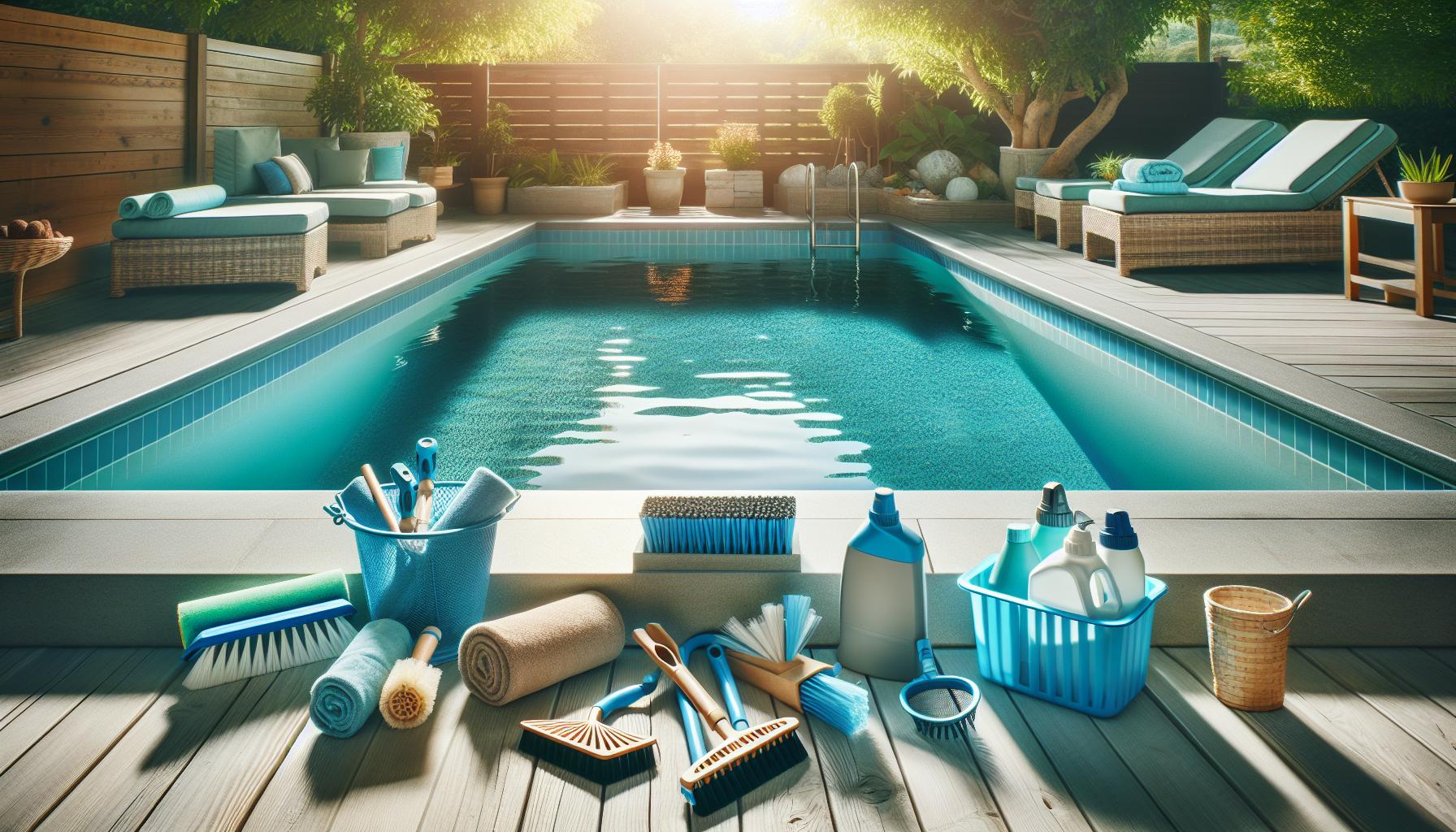
Understanding the Costs of Replastering a 20×40 Pool
The cost of replastering a 20×40 pool can vary significantly based on several factors, but understanding these elements can help you budget effectively for this important maintenance task. On average, homeowners can expect to pay between $4,500 and $10,000 for replastering, depending on the type of plaster used, the region where you live, and the condition of the existing surface.
When estimating expenses, consider the following components:
- Material Costs: Different types of plaster, such as traditional cement plaster, pebble finishes, or quartz aggregates, come at varying price points. For example, a basic plaster might cost around $5 per square foot, while high-end finishes can exceed $15 per square foot.
- Labor Costs: Labor costs can account for a significant portion of the total expense. Rates can differ based on local market conditions and the complexity of the job. Be prepared for labor costs ranging from $2,000 to $6,000.
- Site Preparation: If your pool requires extensive preparation before replastering, such as draining, cleaning, or repairing underlying issues, these additional labor and material costs need to be factored in.
- Pool Size: While we’re focusing on a 20×40 pool, larger pools naturally require more material and, consequently, may increase overall costs.
It’s essential to gather multiple quotes from qualified pool contractors to get a clear idea of what your specific project will entail. This not only helps in finding competitive pricing but also verifies that all aspects of the job are covered. Don’t forget to ask about warranties or service guarantees for both the materials and workmanship to ensure your investment is protected.
In conclusion, while the initial expense of replastering may seem daunting, it’s an opportunity to enhance the longevity and enjoyment of your pool. By understanding the cost factors involved, you can make informed decisions that align with your budget and aesthetic desires, ensuring your pool remains a cherished feature of your outdoor space.
Factors Influencing the Cost of Pool Replastering
Determining the cost of replastering your pool is not a one-size-fits-all scenario; several key factors come into play that can significantly impact your overall budget. For starters, the type of plastering material you choose will carry different price tags, with traditional cement plaster being the most economical and elaborate finishes like pebble or quartz adding to your expenses. Homeowners often opt for upgraded materials not just for aesthetics, but for longevity and improved texture, which can elevate the enjoyment of your pool.
Another critical element is labor costs, which can vary widely depending on your geographical location and the complexity of the job. In urban areas, where construction rates are typically higher, you might encounter labor charges at the upper end of the scale. Additionally, if your pool requires significant site preparation, such as repairing cracks or cleaning the existing surface, these added steps will necessitate more time and materials, thus raising the overall cost.
Also, consider the size and shape of your pool. While a standard 20×40 pool provides a baseline for estimating costs, any unusual shapes or features like steps, ledges, or integrated spas can complicate the replastering process, affecting labor and materials required.
Finally, it’s essential to factor in warranties and service guarantees from contractors. This investment not only protects you against future issues but can also indicate the quality of materials used. Always obtain multiple quotes to compare prices and services, ensuring you understand what’s included in each offer, so you can make the best choice for your needs. Remember, the right preparation can lead to a successful replastering project that enhances both the look and feel of your pool, ultimately providing you with a refreshing space to enjoy for years to come.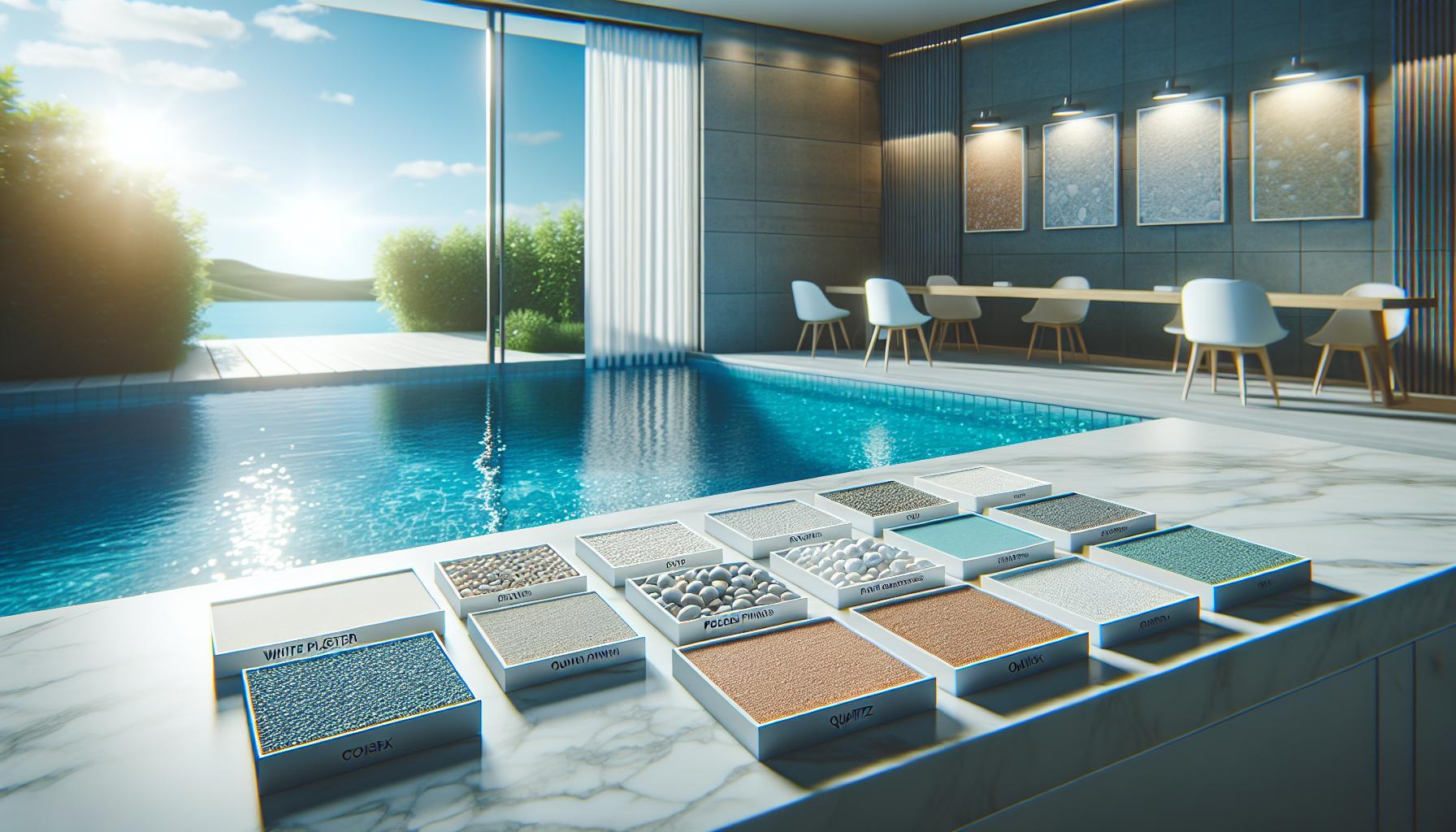
Different Types of Pool Plastering Materials
Choosing the right plastering material for your pool is crucial, as it not only affects the overall look and feel of the water but also determines its longevity and maintenance requirements. The most common options available today include traditional cement plaster, pebble finishes, quartz plaster, and more advanced materials like glass bead plaster. Each option has its unique characteristics, benefits, and price points that can significantly influence your replastering costs.
Traditional Cement Plaster
This is the most economical choice and is favored for its simplicity and effectiveness. Cement plaster offers a smooth finish that is easy to maintain. However, it can be prone to staining and may not withstand harsh chemicals as well as other materials. Generally, this option is suitable for those on a tighter budget who still want a reliable surface.
Pebble Finishes
Pebble finishes are more aesthetically pleasing and provide a natural look that many homeowners love. These surfaces consist of pebbles set in cement, offering a rougher texture that’s appealing for those who enjoy a more tactile experience. Although pebble plaster is often more expensive than traditional plaster, it is incredibly durable and can last for many years without significant wear.
Quartz Plaster
Quartz plaster brings the best of both worlds-beauty and resilience. This option incorporates quartz crystals into the plaster mix, making it highly resistant to stains and etching. With its vibrant colors and smooth texture, quartz plaster gives a luxurious appearance, often justifying its higher price tag compared to traditional cement plaster.
Glass Bead Plaster
For homeowners looking for the pinnacle of luxury, glass bead plaster is a premium option. It features a blend of crushed glass beads and cement, resulting in an iridescent finish that sparkles under sunlight. This type is not only visually stunning but also extremely durable and resistant to fading and staining, making it an excellent choice for those willing to invest in top-tier materials.
When deciding on a plastering material, consider factors such as your budget, preferred aesthetic, and how much maintenance you are willing to commit to over time. Each material presents its advantages and challenges, impacting both the initial replastering costs and long-term upkeep. Understanding these differences can empower you to make the best choice that aligns with your vision for your pool.
Step-by-Step Guide to the Replastering Process
Replastering a pool is not just a maintenance task; it’s an opportunity to renew its aesthetic appeal and prolong its lifespan. The process involves careful planning and execution, but with the right approach, you can achieve a professional look without the usual headaches. Here’s a step-by-step guide to help you through the replastering process effectively.
1. Draining the Pool
Start by completely draining the pool. It’s crucial to ensure that all water is removed to allow for safe and effective plaster application. Depending on the type of pool and its drainage system, this could take a few hours to a day. Make sure to check local regulations concerning pool drainage, as improper disposal can lead to fines.
2. Removing Old Plaster
Once drained, you need to remove the old plaster. This can be done using a jackhammer or chisel, depending on the condition of the current plaster. Target the areas that have significant wear or damage. Be meticulous – ensuring the surface is clean will help the new plaster adhere properly and provide a smoother finish.
3. Surface Preparation
After the old plaster is removed, the surface must be thoroughly cleaned. This involves rinsing the surface with a pressure washer or hose to eliminate any dust and debris. For best results, you may also need to treat the surface with an acid wash, particularly if staining is present. Once clean, inspect for any cracks or structural issues that may need repair before the new plaster can be applied.
4. Applying Bond Coat
A bond coat enhances adhesion between the old surface and the new plaster. Mix the bond coat according to manufacturer instructions and apply it to the entire pool surface. This step is essential for ensuring that the newly applied plaster does not peel or flake over time.
5. Mixing and Applying New Plaster
Prepare the new plaster mix as per the specific requirements of your chosen plaster type. It’s crucial to properly follow the mixing instructions to achieve the right consistency. Start applying plaster at the deep end of the pool, working your way toward the shallow end. Use a large trowel or plastering machine for an even application. Ensure that the plaster is applied thick enough to withstand water pressure but smooth enough for a seamless finish.
6. Curing the Plaster
Once applied, the plaster needs to cure properly. Curing involves keeping the surface damp for a specific duration – typically around a week, depending on the type of plaster used. This can be done by spraying water on the plaster surface multiple times a day or using a curing compound. Proper curing is vital for achieving durability and preventing cracks.
7. Filling the Pool
Once the curing period is complete, it’s time to fill the pool. Begin filling it slowly and ensure that the water is balanced with appropriate chemicals to prevent damage to the new plaster. Avoid filling the pool too quickly, as the water pressure can cause the plaster to crack if not evenly distributed.
By following these steps, you can transform your pool from a worn-out shell into a sparkling oasis. Each stage requires care and attention to detail, ensuring that your replastering project achieves a long-lasting and beautiful finish.
When to Replaster: Signs Your Pool Needs It
When it comes to maintaining your pool’s integrity, recognizing the signs that indicate it’s time for a replastering job is crucial. Over time, the plaster surface of your pool can wear down due to exposure to chemicals, weather, and usage patterns. Ignoring the need for replastering can not only affect the pool’s appearance but may also lead to more serious issues down the line.
Look for these key indicators that your pool is in desperate need of a facelift:
- Surface Cracking: Small cracks can develop over time due to settling or temperature fluctuations. If these cracks begin to widen or feel rough to the touch, it’s a sign that the plaster may be compromised and should be examined further.
- Stains and Discoloration: If your pool has noticeable stains or the plaster appears discolored, this could indicate underlying issues with the plaster quality. Staining can make your pool look uninviting and is often a signal that the plaster is degraded.
- Blemishes and Defects: Pitting or scaling on the plaster surface is a common occurrence, especially in older pools. These blemishes not only detract from the visual appeal but can also hamper water chemistry balance, leading to more extensive maintenance needs.
- Texture Changes: If the plaster surface has become rough or abrasive, it may cause discomfort for swimmers and can lead to future peeling or chipping. A smooth finish is essential for both safety and enjoyment.
If you notice one or more of these signs, it’s time to consider replastering your pool. A proactive approach can save you money in the long run by preventing more extensive repairs due to neglecting the surface condition. Regular inspections and embracing a maintenance schedule will keep your pool looking great and performing optimally for years to come. Stay ahead by assessing your pool’s plaster condition whenever you prepare for pool season or during routine cleaning sessions.
Preparing Your Pool for Replastering
Preparing for the replastering of your pool is a critical step that sets the stage for a successful finish and extended longevity of your pool’s surface. Effective preparation not only helps ensure a smoother replastering process but also maximizes the quality of the final result. Before the work begins, it’s essential to take a few key actions that will guarantee the job is carried out efficiently and correctly.
First, you’ll want to thoroughly drain the pool. This step must be done carefully to avoid damage to the pool structure, especially in gunite pools, which can pop out of the ground if there’s a significant water table. Make sure to remove all water from the pool and dry the surface completely before proceeding. After this, inspect the plaster surface for any underlying issues, such as structural cracks or leaks that need addressing prior to replastering. Make necessary repairs to these problem areas, as they can compromise the integrity of the new plaster if not fixed.
Next, it’s time to prep the surrounding area. Clear away any plants, furniture, or obstacles that may hinder the workers’ access to the pool. This will not only ease the process but also protect your landscaping and property from any mishaps during the work. It’s also a good idea to create a clean work environment by covering areas likely to be affected by dust and debris during the replastering process.
Finally, schedule a proper time for the replastering, considering factors such as weather conditions and temperature. Ideal conditions are essential for the curing process of the plaster. Many professionals recommend replastering during warm, dry weather, as this helps ensure the plaster cures effectively and maximizes durability.
By taking these steps to prepare your pool for replastering, you’ll help ensure that the project can proceed smoothly and that the new surface will look great and last for years.
How Long Does Replastering Typically Take?
Replastering a pool is an essential maintenance task that can significantly upgrade both its appearance and functionality. Many pool owners often wonder how long this process will take, as it involves not just the application of new plaster but also necessary preparation and curing time. Typically, the entire replastering process for a standard 20×40 pool spans about 1 to 2 weeks from start to finish, depending on various factors.
The actual application of new plaster usually takes only a few days. A professional crew can often complete the plastering phase in about 2 to 4 days, depending on the size of the crew and the specific techniques used. However, this timeframe can be influenced by weather conditions, as plaster needs to cure properly, with temperature and humidity playing critical roles.
After applying the plaster, a crucial curing period follows, which typically lasts between 7 to 14 days. During this time, the pool must remain filled with water to ensure that the plaster sets correctly. It’s essential to maintain water chemistry levels to facilitate this process and prevent any premature wearing or damage. Users should also refrain from using the pool during this curing phase to allow the new surface to harden adequately.
In conclusion, understanding the timeline for replastering not only helps with planning but also sets realistic expectations for enjoying your refurbished pool. Engaging with professionals familiar with local conditions and best practices will ensure that this rejuvenating project is completed efficiently and with great results.
DIY vs. Professional Replastering: Pros and Cons
Choosing between DIY and professional replastering for your pool can be daunting, but understanding the advantages and disadvantages of each approach can help you make an informed decision. Tackling this project yourself may save you money, yet it comes with significant responsibilities that require skill, time, and patience. For instance, if you’re handy and confident in your abilities, replastering can be a fulfilling DIY project. You would control the pace and potentially reduce costs significantly since professional services can run high-typically between $4,000 to $10,000 for a 20×40 pool, depending on the materials used and the complexity of your pool’s design.
On the flip side, while the DIY route may be cost-effective, it often leads to challenges such as uneven surfaces, improper mixing of materials, or inadequate curing times, which can ultimately result in a finish that requires touching up or complete overhauls. Moreover, the plastering process demands rigorous attention to detail, especially when preparing the substrate or mixing the plaster correctly. If done incorrectly, you could face costly redoing down the line, which diminishes any initial savings.
Professional replastering services, although more expensive, bring expertise that can lead to a more durable, high-quality finish. These professionals are trained to handle various challenges such as weather constraints and surface irregularities, ensuring that every step-from cleaning and prep work to the application and curing-is performed to industry standards. They also often offer warranties that can provide peace of mind should any issues arise post-project.
Asking the right questions can guide your choice: Do you have the time and skills necessary for this project? Can you dedicate a few weeks to ensuring everything goes according to plan? If your answer leans towards hesitation, hiring professionals might be the more prudent choice. Consider creating a list of local contractors, comparing quotes, and reading reviews to ensure that the investment yields the best possible results for your swimming pool.
Maintenance Tips Post-Replastering for Longevity
One of the most crucial factors in maintaining the stunning appearance and structural integrity of your replastered pool is adhering to a well-defined maintenance routine. After replastering, it’s vital to prioritize care during the initial curing period, usually the first 30 days. During this time, the plaster is still “setting,” and the pool owner must take specific steps to ensure longevity and protect their investment.
Start by carefully monitoring the water chemistry. New plaster can leach minerals, so maintaining proper pH levels between 7.2 and 7.8 is essential (adjust as needed with muriatic acid or soda ash). Alkalinity levels should also be between 80-120 ppm, as this helps buffer pH levels, preventing them from swinging too wildly. Furthermore, keep the calcium hardness in check; ideally, it should be between 200 and 400 ppm. You may want to avoid using a chlorine or bromine shock for the first few weeks unless the pool really needs it; other oxidizers like non-chlorine shock can be gentler on new plaster.
Cleaning and Maintenance Practices
Regular cleaning should involve brushing the walls and floor of your pool to remove any algae or debris. Use a soft-bristle brush in the first month, as plaster is still relatively sensitive. A vacuum system can help keep the bottom clean without being abrasive. Set a routine for skimming leaves and debris off the surface daily. Weekly, check for any signs of scaling or discoloration; if this is spotted, tackle it immediately with specialized products formulated for plaster finishes.
Water Level Management
Managing your pool’s water level is another paramount task. Ensure the water level remains at the midpoint of your skimmer. Lower water levels can expose the plaster to air, causing it to dry too quickly and potentially leading to cracking. If you experience heavy rainfall, consider using a submersible pump to lower water levels when needed.
Finally, always keep an eye on the condition of the plaster. Over time, wear and tear are inevitable, but prompt attention to cracks or rough spots can prevent more expensive damage down the line. If you notice areas where the plaster seems to be flaking or fading, consult a professional for assessment. Implementing these practices can significantly extend the life of your pool’s new plaster while ensuring it remains a beautiful and inviting oasis.
Common Mistakes to Avoid During Replastering
When embarking on a replastering project for your pool, avoiding common pitfalls can save you time, money, and frustration. One of the most critical mistakes is not adequately preparing the surface before applying new plaster. If the existing plaster has not been properly removed or treated, the new layer won’t adhere correctly, potentially leading to peeling or cracking in the future. Always ensure that the surface is clean, free of debris, and properly prepared to ensure a strong bond.
Another frequent error is neglecting to choose the right materials for your specific pool type. Different plaster mixes are designed for various swimming environments, and using a one-size-fits-all approach can result in premature wear. Opt for high-quality plaster suited to your pool’s water chemistry and usage patterns. Additionally, be wary of trying to save costs by opting for cheaper materials, as this can lead to greater expenses down the road with repairs and replacements.
Timing is also crucial during the replastering process. Many homeowners underestimate the essential curing time required after the plaster is applied. Rushing through this phase can compromise the integrity of the finish. It’s advisable to follow the recommended curing period and ensure the pool is filled with water at the appropriate time to prevent the plaster from drying out too quickly, which can lead to cracks.
Lastly, one must not overlook ongoing maintenance, particularly during the initial month after replastering. Failing to monitor water chemistry can lead to issues like scaling or efflorescence, significantly affecting the appearance of the plaster. Regularly checking and adjusting your pool’s pH, alkalinity, and calcium hardness levels is essential to protect your investment and ensure the longevity of your new surface. By avoiding these common mistakes and adhering closely to recommended practices, you’ll enjoy a beautifully resurfaced pool for years to come.
Real User Experiences: Costs and Results
Real user experiences highlight both the costs and the transformative results of replastering a 20×40 pool, revealing a comprehensive view that can guide potential pool owners. On average, homeowners report spending between $4,000 to $7,500 for replastering a pool of this size, though variances depend significantly on location, choice of materials, and labor costs. Some users shared that while they initially faced sticker shock, they recognized replastering as an investment that significantly enhanced their property value and aesthetic appeal.
For instance, one pool owner detailed how a plaster material upgrade from standard white to a premium colored aggregate plaster added a remarkable depth to their pool’s appearance, enhancing its allure with a stunning blue hue that reflected beautifully in the sunlight. This upgrade, costing around $6,000 in total, was well worth it for them, especially since they frequently entertained guests and wanted to create a resort-like atmosphere.
Moreover, users noted practical costs associated with the process, such as water refilling and increased maintenance during the initial weeks post-replastering. Many emphasized the importance of budgeting for these additional expenses, often recommending setting aside 10-20% more than the initial replastering quote to cover incidentals.
Challenges and Rewards
While many experiences are overwhelmingly positive, a few users encountered challenges, particularly with the timing of the project. Some found that selecting the right contractor, who understood curing times and proper maintenance, was pivotal in avoiding costly mistakes. The necessity of balancing water chemistry immediately after replastering also emerged as a common learning point, with a few regretting not being proactive in this area and facing issues like scaling.
Overall, testimonials affirm that a well-executed replastering project not only rejuvenates the pool’s appearance but can also bring a renewed sense of enjoyment and pride in pool ownership. Leveraging shared insights from fellow pool owners can significantly empower potential replasterers to navigate costs effectively and embrace the transformational journey that comes with revitalizing one’s pool.
Faq
Q: What are the average costs associated with replastering a 20×40 pool?
A: The average cost to replaster a 20×40 pool ranges from $4,000 to $7,000, depending on factors such as region, plaster type, and contractor fees. For a more accurate estimate, consider obtaining quotes from multiple local professionals to compare prices.
Q: How long does replastering a 20×40 pool usually take?
A: Replastering a 20×40 pool typically takes about 3 to 7 days, depending on weather conditions and the complexity of the project. Ensure that you allow additional time for curing the plaster before adding water, which can vary by material type.
Q: What signs indicate that my pool needs replastering?
A: Signs that your pool may need replastering include rough surfaces, visible cracks, peeling plaster, or discoloration. If you notice these issues, it’s crucial to assess the situation promptly to prevent further damage and retain your pool’s aesthetic appeal.
Q: Can I replaster my pool myself, or should I hire a professional?
A: While DIY replastering is possible, it is often recommended to hire a professional. Pros have the necessary skills and equipment for a high-quality finish, which can save you time and ensure durability. Check the DIY vs. Professional Replastering section of the article for detailed insights.
Q: What is the best type of plaster for a pool?
A: The best type of plaster for a pool includes options like standard white plaster, colored plaster, or pebble finishes. Each type varies in durability and aesthetic appeal, so evaluate your budget and desired look before making a choice. Refer to the Different Types of Pool Plastering Materials section for more details.
Q: Are there maintenance tips to extend the life of newly plastered pools?
A: Yes, proper maintenance is essential for extending the life of newly plastered pools. Regularly balance your pool’s chemistry, clean the surfaces, and consider a weekly vacuum to avoid buildup. For more in-depth guidance, check the Maintenance Tips Post-Replastering for Longevity section.
Q: How can I prepare my pool for replastering?
A: Preparing your pool for replastering involves draining it completely, cleaning the surfaces thoroughly, and repairing any underlying issues. Ensure you follow each step carefully to set a solid foundation for the new plaster. Learn more in the Preparing Your Pool for Replastering section.
Q: What are common mistakes to avoid during the replastering process?
A: Common mistakes during replastering include inadequate surface preparation, rushing the curing process, and choosing the wrong materials. Educate yourself on these pitfalls by reviewing the Common Mistakes to Avoid During Replastering section to ensure a successful project.
Insights and Conclusions
Now that you have a clear understanding of the costs associated with replastering a 20×40 pool, it’s crucial to take timely action. Whether you’re ready to begin the replastering process or simply want to gather more insights, don’t hesitate to explore our related resources, such as our guides on pool maintenance and cost-saving tips. The more informed you are, the better decisions you can make for your pool’s longevity and appearance.
Keep in mind that proper maintenance can extend the life of your new plaster, saving you even more in the long run. Consider subscribing to our newsletter for expert advice tailored to your pool care needs or use our PoolMath calculator to assess your water chemistry and ensure optimal conditions for your newly plastered pool.
Remember, a well-maintained pool is not just an investment in your property; it’s a gateway to countless memorable moments with family and friends. Dive deeper into our content, share your thoughts in the comments, and let us guide you on this journey to a beautifully maintained pool!


