


As the pollen season peaks, many pool owners find themselves grappling with the unwelcome task of cleaning their pools. Did you know that a single tree can release millions of pollen grains, quickly transforming your serene swimming space into a greenish mess? Understanding how to effectively remove pollen not only restores your pool’s beauty but also protects your investment and ensures a safe, enjoyable environment for family and friends.
Whether you’re preparing for a sunny afternoon dip or just want to maintain crystal-clear water, tackling pollen buildup is essential. In this guide, we’ll share practical, quick cleaning hacks that empower you to efficiently clear pollen and keep your pool looking pristine all season long. Let’s dive into effective strategies that make pool maintenance manageable, so you can focus on enjoying those warm, sunny days.
How Pollen Affects Your Pool Water Quality
Maintaining a pristine pool can be particularly challenging during pollen season, as the microscopic particles can severely affect water quality. Pollen not only clouds the water, making it uninviting, but it can also lead to an increase in organic debris and unwanted chemical reactions in your pool. As pollen settles on the water’s surface, it provides a fertile ground for algae and bacteria, which can rapidly deteriorate water clarity and health if not managed promptly.
When pollen combines with other pool materials, it can influence the pH balance and chlorine effectiveness, potentially leading to more significant issues like cloudy or green water. In particular, the presence of pollen can cause high phosphate levels, which promote algae growth. This biological activity demands regular monitoring and additional maintenance efforts to mitigate the adverse effects on your pool. For example, ensuring proper filtration and using chemicals like phosphate removers can be essential in keeping your water clean and clear during peak pollen times.
To manage these issues effectively, it’s crucial to implement both immediate cleaning practices and proactive preventive strategies. Regular skimming and vacuuming help remove the accumulated pollen, while maintaining optimal filtration cycles can significantly reduce the concentration of pollen and other debris before they impact your pool’s water quality. By being diligent about cleaning, you not only preserve the aesthetic appeal of your pool but also ensure a safer and more enjoyable swimming environment.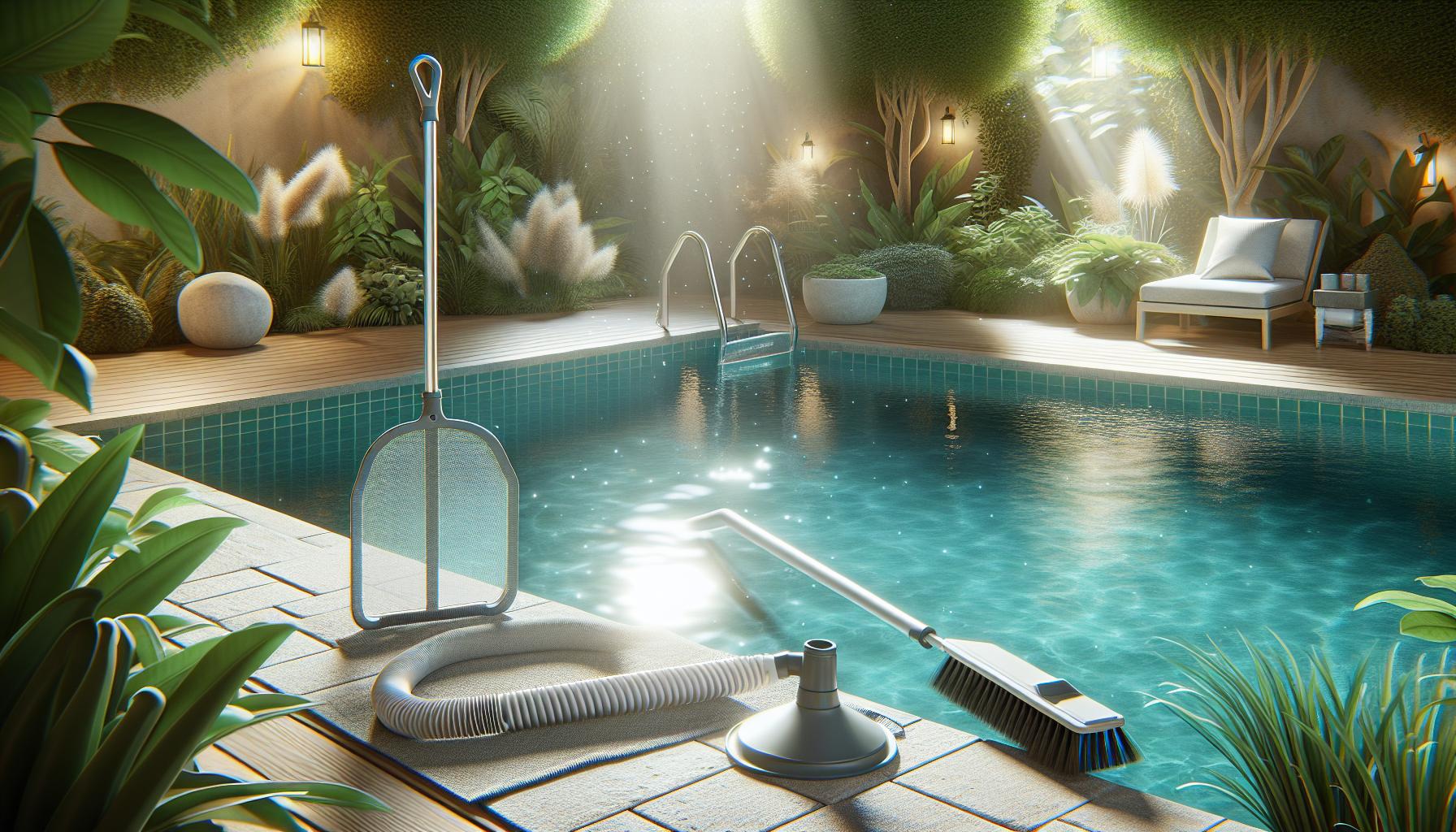
Understanding Different Types of Pollen
Understanding the different types of pollen that can infiltrate your swimming pool is essential for effective maintenance and cleaning. Pollens released from trees, grasses, and flowers vary in texture, size, and seasonal presence, playing a pivotal role in how they affect your pool’s water quality. For example, tree pollen, which often appears in spring, is typically larger and can form easily seen clusters, while grass pollen is finer and more airborne, making it more pervasive during summer months. Recognizing these differences not only helps in identifying the source but also in planning appropriate cleaning strategies.
Pollens can serve as a food source for algae and bacteria. This undesirable scenario is particularly likely when pollen settles on the water’s surface, promoting biological activity that can cloud your pool. To combat this, it’s essential to understand that lighter, floating pollens can often be skimmed off easily with a net, while heavier particles may settle and require brushing and vacuuming to remove effectively. Ensuring effective filtration is vital, especially since many pollens can elevate phosphate levels when decomposed, leading to further algae growth.
Moreover, specific geographic areas can influence the types of pollen you encounter. Regions with abundant flowering plants may experience significant pollen influx during peak bloom seasons, while urban environments might see increased debris from wind-blown sources. Familiarizing yourself with local flora and understanding peak pollen times can greatly aid in scheduling your pool maintenance activities, ensuring timely cleaning before pollen can significantly impact your pool’s water quality.
Being proactive is vital; integrating effective removal techniques tailored to the specific types of pollen prevalent in your area will not only maintain your pool’s attractiveness but also contribute to a healthier swimming environment. Establishing a routine based on the pollen you’re likely to encounter can help mitigate the build-up and ensure your pool remains crystal clear throughout the season.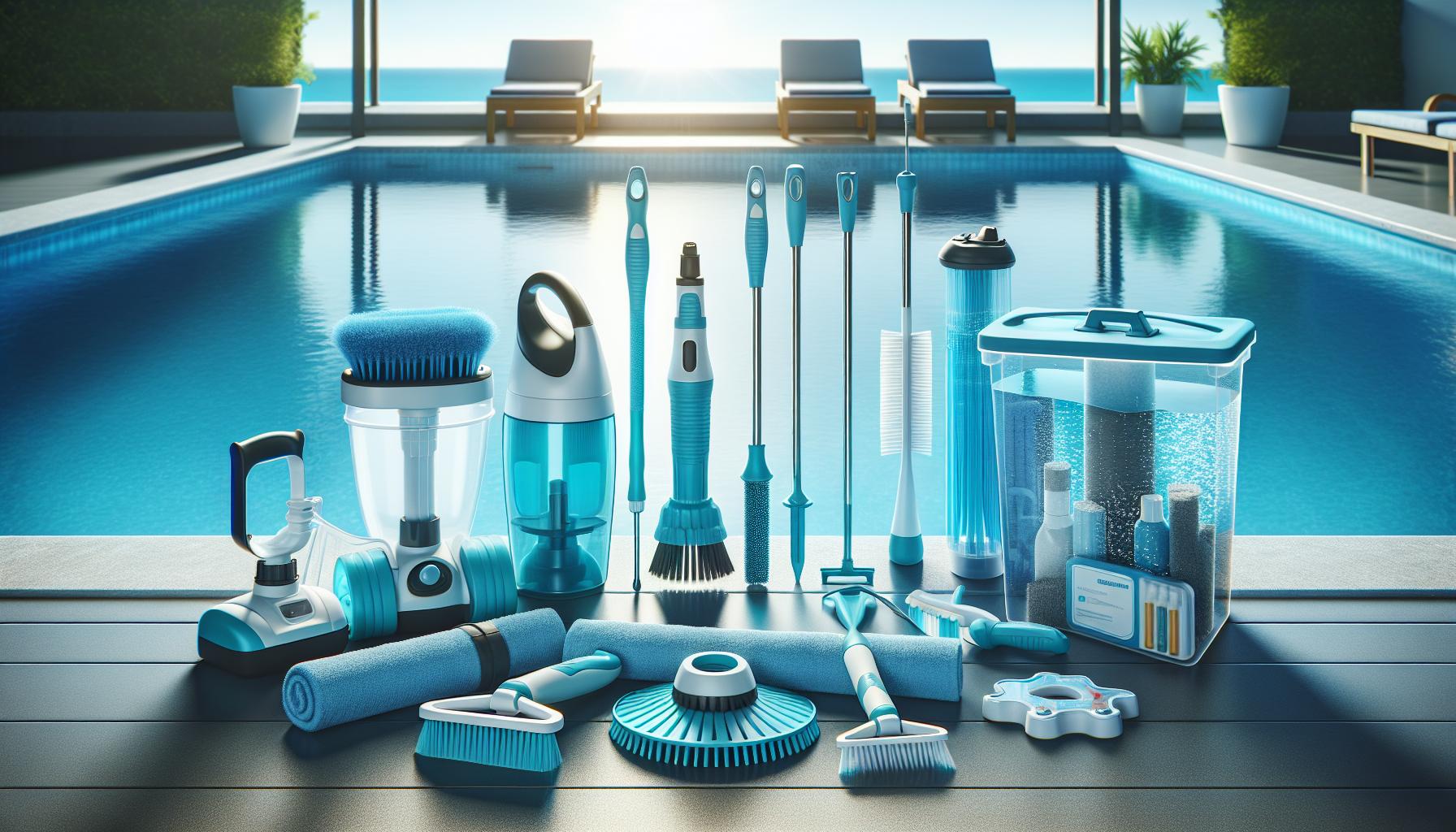
Essential Tools for Quick Pool Cleaning
To effectively tackle the persistent issue of pollen in your swimming pool, having the right tools at your disposal can make a significant difference in your cleaning routine. With the right equipment, you can turn what may seem like an overwhelming task into a manageable chore, ensuring your pool stays clear and inviting all season long. Here are key tools that every pool owner should consider for quick and effective pollen removal.
Skimmer Net
A skimmer net is your first line of defense against pollen accumulation. Designed to float on the surface of the water, this tool allows you to easily scoop up debris before it sinks. Regular skimming can prevent piles of pollen from merging and forming a layer that is harder to remove later. Aim to skim at least once a day during peak pollen seasons, particularly in spring and early summer, when tree and flower pollens are at their highest.
Pool Vacuum
When skimming isn’t enough, a pool vacuum becomes essential. There are different types of pool vacuums such as manual, robotic, and automatic suction vacuums. For pollen, a manual vacuum can be particularly effective for targeted cleaning, allowing you to address specific areas where pollen has settled. Be sure to vacuum the pool floor and walls weekly, as this will help in removing pollen that has sunk and mixed with dirt and other debris.
Water Test Kit
While it may seem unrelated, maintaining the right chemical balance can help combat pollen-induced issues. A water test kit will help you measure pH levels, chlorine, and alkalinity, ensuring that your pool chemistry is optimal for cleanliness and preventing algae growth, which can exacerbate the effects of pollen. Regular testing allows for timely adjustments, keeping your pool in a condition that is less conducive to the proliferation of unwanted organisms.
Aluminum Sulfate
For those who deal with particularly heavy pollen loads, consider using aluminum sulfate as a chemical treatment. When added to the pool water, it clumps pollen particles together, making them easier to vacuum out. This method is especially useful if pollen has saturated your pool, resulting in a cloudy appearance. Always follow manufacturer guidelines for chemical usage to ensure safety and effectiveness.
With these essential tools in hand, you can confidently address and manage pollen in your pool effectively. Maintaining a routine with skimming and vacuuming, along with proper water chemistry, will keep your pool clean, clear, and ready for enjoyment throughout the hot months.
Step-by-Step Guide: Removing Pollen from Your Pool
When it comes to maintaining a pristine swimming pool, pollen can pose a significant challenge, especially during peak seasons of bloom. It can cloud your water, creating an uninviting swimming environment. Fortunately, by following a straightforward process, you can effectively remove pollen from your pool and keep it crystal clear. Here’s how you can tackle this problem step-by-step.
Start by arming yourself with the essential tools: a skimmer net, pool vacuum, and water test kit. First, utilize your skimmer net to scoop up as much pollen from the water surface as possible. This step is crucial because it prevents pollen from sinking and combining with other debris, making it easier to manage.
Next, move on to using your pool vacuum to clean the floor and walls of your pool. For best results, a manual vacuum is recommended as it allows for targeted cleaning. Attach the vacuum to your pool’s filtration system and begin working from one end to the other, ensuring you cover areas where pollen tends to accumulate, like corners and stairs. Frequent vacuuming is a good habit to develop-aim for at least once a week during high pollen seasons.
After vacuuming, it’s essential to check and adjust the water chemistry using a water test kit. Pollen can disrupt the balance of chemicals in your pool, leading to potential algae growth and cloudy water. Test for pH levels, alkalinity, and chlorine, and make necessary adjustments based on the kit’s instructions to keep your water safe and clean.
If you’re dealing with particularly heavy pollen accumulation, consider adding aluminum sulfate to the pool. This treatment works by clumping the pollen particles together, allowing for easier removal during your next vacuuming session. Be sure to follow the manufacturer’s guidelines carefully to ensure safe application and effectiveness.
By systematically following these steps-skimming, vacuuming, testing, and potentially treating with chemicals-you can maintain a clean pool environment even in the thick of pollen season. Remember, consistency is key! Keep your pool maintenance routine regular to ensure it remains inviting and enjoyable all summer long.
Using a Pool Vacuum Effectively Against Pollen
To keep your pool water crystal clear during pollen season, mastering the use of a pool vacuum is essential. Whether you’re dealing with an influx of pine pollen or a blanket of goldenrod fluff, a pool vacuum can make a significant difference in maintaining water quality and enhancing your swimming experience. Utilizing your vacuum effectively not only removes visible pollen but also helps to clear away small particles that can contribute to murky water. Here’s how to achieve optimal results.
Start by selecting the right type of vacuum for your pool’s needs. A manual vacuum is generally recommended for tackling pollen, as it allows for more precise control over where you clean. Attach it to your skimmer line or a dedicated vacuum port, ensuring that it is securely connected. Before you begin, check the water level in your pool; it should be high enough to cover the skimmer inlet to avoid losing suction.
Now, it’s time to get to work. Slowly move the vacuum across the pool floor in a systematic manner, ensuring that you cover every corner and step. Focus on areas where pollen tends to settle, such as the shallow end, corners, and steps. For the most effective cleaning, use a grid pattern-vacuuming one section at a time and overlapping slightly with the previous area to avoid missing spots. Additionally, allow your vacuum to sit in one spot for a moment to ensure that it picks up the collected debris effectively.
After vacuuming, pay attention to the filtration system. It’s crucial to backwash your filter if you’re using a sand filter, or clean the filter cartridge if you have a cartridge system. This action removes the accumulated pollen and debris, preventing potential clogs and maintaining efficient water circulation. Regularly checking and cleaning your filter ensures that the vacuuming effort translates into cleaner water, as any trapped pollen can re-enter the pool.
Keeping a consistent vacuuming schedule, especially during peak pollen seasons, can greatly reduce the accumulation of debris and keep your pool inviting. Set reminders to vacuum at least once a week or more frequently if your area is particularly pollen-heavy. By turning your pool vacuum into an ally against pollen, you empower yourself to enjoy a clean, clear swimming environment year-round.
Chemical Treatments for Pollinated Pool Water
Chemical treatments can be a game changer when it comes to tackling pollen-laden pool water. Pollen, especially during peak seasons, can introduce organic material that not only clouds the water but also encourages the formation of algae and bacteria. By effectively utilizing certain chemicals, you can enhance your pool’s clarity and protect your filtration system from the adverse effects of this natural nuisance.
One of the first steps is to use pool clarifiers, which work by binding tiny particles, including pollen, together, making them easier for your filter to catch. These clarifiers are particularly effective after you’ve physically removed the bulk of the debris through skimming and vacuuming. Simply add the recommended dosage according to your pool size and filter the water for several hours. This action should result in noticeably clearer water.
In addition to clarifiers, employing enzyme-based treatments can help in breaking down organic materials like pollen. These enzymes target and digest the pollen proteins, reducing their prevalence in your water. Choose an enzyme product specifically designed for pools and follow the instructions for application. Regularly using these treatments during high pollen seasons can prevent accumulation and help maintain water quality.
Lastly, it’s crucial to monitor and adjust the pH and chlorine levels in your pool. Pollen can influence these chemical balances, so perform routine tests to ensure both are within optimal ranges (typically pH between 7.2 and 7.6 and chlorine levels around 1-3 ppm). Adjust with appropriate chemicals as needed, since maintaining proper chemical levels not only aids in clarity but also keeps your pool safe and inviting for swimmers.
Using chemical treatments in conjunction with regular physical cleaning methods creates a comprehensive approach to keeping your pool clear of pollen and other debris, ensuring a pleasant swimming experience.
Preventive Measures to Minimize Pollen Accumulation
To keep your pool clean and inviting during high pollen seasons, implementing a series of proactive measures can significantly reduce pollen accumulation before it becomes an issue. By anticipating the seasonal influx of pollen, you can preserve your pool’s clarity and reduce the amount of time spent on cleaning tasks.
One of the most effective strategies is to regularly check and clean any vegetation around your pool. Trim back trees and bushes that may be shedding pollen, and consider replacing highly allergenic plants with low-pollen species in your landscape design. Additionally, keeping a clean and clutter-free deck area allows for easier access to skimming debris before it has the chance to settle in the water.
Utilizing a pool cover is another essential preventive measure, especially during peak pollen seasons. A quality cover can effectively block airborne pollen from entering the pool when not in use. Ensure the cover is installed correctly and regularly check for debris accumulation on the surface before removal.
Implementing a routine maintenance schedule is also crucial. Regular skimming and vacuuming, even when the pool appears clean, can prevent pollen from gaining a foothold. Aim to skimming the surface daily if possible, particularly during times of heavy pollen exposure. Setting a specific day each week for deeper cleaning, including brushing the walls and checking filter systems, will also help maintain water quality.
Lastly, encourage regular water circulation. Ensure that your pool pump is running efficiently and that the water is circulating properly. This helps to disperse pollen and other organic materials, making them easier to filter out. Keeping your filtration system well-maintained will maximize its ability to catch any airborne particles before they drop to the bottom of your pool. By taking these steps and being proactive, you can enjoy a sparkling clean pool throughout pollen-heavy seasons.
The Best Time of Year for Pool Maintenance
The changing seasons bring not only the beauty of nature but also the challenge of maintaining your pool, especially when pollen is in full swing. Timing your maintenance activities throughout the year can dramatically enhance your pool’s resilience against pollen accumulation and improve overall water quality. By understanding when to ramp up your cleaning efforts, you can enjoy a pristine pool while reducing the workload during peak pollen seasons.
Spring: Preparing for Pollen Season
As spring blossoms, so does the pollen production from trees, flowers, and grasses. This season offers an opportune moment to prepare your pool for the months ahead. Begin with a thorough cleaning of your pool area-removing debris, skimming, and checking your filtration systems. This proactive approach will help you level the playing field against the impending pollen. Consider installing a pool cover for use during peak pollen production, particularly on windy days or during flowering seasons.
Summer: Regular Maintenance is Key
During the summer months, pollen levels typically peak, making regular maintenance crucial. A daily routine of skimming the surface and checking pump functions can help keep your pool clear. Schedule a deep clean at least once a week, focusing on brushing down the walls and checking for clogs in your filter. With higher temperatures, algae can thrive alongside pollen, so monitor water chemistry to ensure sanitizer levels remain appropriate.
Fall: Aftermath Cleanup
Once the pollen season subsides in the fall, it’s still essential to maintain your pool. While there may be less pollen, leaves and other debris can become an issue. Use this time to perform a comprehensive cleaning, balancing your chemicals and preparing your pool for the colder months. Covering the pool after cleaning can help prevent a buildup of debris and keep it in good shape for spring.
Winter: Prep for Reopening
Lastly, while winter might seem like a downtime for pool maintenance, it’s the perfect time to review equipment and prepare for the coming seasons. Take this opportunity to service filters and pumps, ensuring they are ready to tackle both the pollen and debris that spring brings.
By embracing a systematic maintenance approach tailored to seasonal changes, you empower yourself to confidently enjoy a cleaner pool, regardless of the challenges that pollen may pose. Regular attention and strategic planning throughout the year can save you substantial cleanup effort during peak pollen times, letting you make the most of your swimming experience.
Seasonal Pool Cleaning Tips to Reduce Pollen
To maintain a pristine pool during pollen season, implementing strategic maintenance steps can significantly ease the burden associated with pollen accumulation. Knowing when and how to tackle the clean-up empowers pool owners to enjoy their swimming spaces without the hassle of dark green, algae-ridden water.
Start by regularly skimming the pool surface, ideally every day if pollen counts are high. This simple task can dramatically reduce the amount of pollen that sinks to the bottom or clogs filters. Investing in a quality skimmer net can enhance your efficiency, allowing you to quickly remove the majority of floating debris. Along with skimming, consider using a leaf blower to clear pollen and debris from the surrounding deck area, which helps prevent it from blowing into the water.
During peak pollen months, set a routine for maintaining the pool filter, as it can quickly become clogged with accumulated pollen. Check and clean pre-filters weekly to ensure optimal function. You might also want to chlorinate your pool regularly; a shock treatment may become necessary if pollen levels rise significantly, as it helps combat any algae growth encouraged by the organic material in pollen.
Keep water levels balanced, as this fosters a healthier pool environment. Use chemical treatments like clarifiers to help consolidate pollen particles, making them easier to filter out. This combination of proactive skimming, routine maintenance on your filtration system, and timely chemical treatments creates a winning strategy to keep your pool clear and enjoyable throughout the pollen-heavy seasons. By devoting a little more attention during these times, you’ll save yourself from a significant clean-up later on.
DIY Hacks for Easy Pollen Removal
The battle against pollen in your pool can feel relentless, but arming yourself with some clever DIY hacks can make the process much simpler. A little ingenuity goes a long way, allowing you to enjoy a clean, inviting pool without too much hassle. From household items to simple techniques, here are some effective strategies to keep your pool free from the pesky yellow dust.
Start by utilizing your garden hose! Turn the hose to a high-pressure setting and direct the water towards the surface of your pool. This action will help to dislodge any pollen clinging to the surface, pushing it towards the skimmer basket for easy removal. Further enhancing this process, you can create a DIY skimmer sock by placing a clean, old sock over the skimmer basket. This acts as a fine mesh filter, capturing even the smallest pollen particles as water flows through.
Another handy method involves using a tennis ball. Placing a few in your pool may sound strange, but tennis balls are excellent at attracting and absorbing oils and debris, including pollen. Their unique texture picks up unwanted particles, which you can easily remove later. It’s a low-cost tool that can help keep your water clearer and your filters cleaner during high pollen periods.
Additionally, keep a close eye on the surrounding landscape. Maintaining your garden or yard can greatly minimize pollen influx. Regularly trimming trees and shrubs can prevent excessive pollen from entering your pool area. If you do not want to invest much time in maintenance, consider laying down mulch around the deck to mitigate the amount of airborne debris reaching the pool.
Never underestimate the power of baking soda! It can serve two purposes: it helps to balance your water’s pH and acts as a gentle abrasive to help scrub away any settled pollen. Simply mix some baking soda in a bucket of water to create a cleaning solution and apply it to any stubborn spots in the pool.
These practical DIY hacks equip you with tools to tackle pollen effectively, making routine maintenance less burdensome. By integrating these simple techniques into your cleaning regimen, you can significantly reduce the impact of pollen on your pool and enjoy a refreshing swim all season long.
When to Call a Professional for Pool Cleaning
If your efforts to keep pollen at bay result in a pool that remains cloudy or green, it might be time to consider seeking professional help. A persistent pollen problem can lead to deeper issues with water quality that DIY methods might not fully resolve. Professionals are equipped with advanced tools and the expertise to tackle stubborn contaminants and restore your pool’s condition effectively.
Identifying signs that indicate a need for professional intervention includes:
- Cloudy Water: If the water appears milky and typical cleaning measures fall short, professionals can employ specialized filtration techniques that clear the water more efficiently.
- Unbalanced Chemicals: A pool expert can test and balance chemical levels quickly and accurately, ensuring safe swimming conditions.
- Stubborn Debris: Large amounts of pollen that clogs filters or clings to surfaces may require powerful commercial equipment that most homeowners don’t possess.
- Algae Growth: If algae begins to develop due to excess organic matter from pollen, professionals can administer treatments that are both effective and environmentally safe.
Additionally, if you simply find the maintenance overwhelming or time-consuming, outsourcing the job can be a practical solution. Many pool services offer seasonal packages that proactively address potential pollen problems before they escalate. Their expert knowledge can provide long-term strategies to minimize pollen accumulation and ensure your pool remains a refreshing oasis.
Maintaining your pool after professional services will also be crucial. Regular upkeep will help you avoid similar problems in the future. Investing in routine cleanings can save you both time and money, ensuring your pool is consistently ready for enjoyment.
Maintaining Clear Water After Pollen Removal
After dealing with pollen accumulation, ensuring your pool water remains clear requires diligent follow-up maintenance. Pollen can introduce not only unsightly debris but also organic matter that can disrupt water balance, leading to algae growth and cloudy water. To keep your pool sparkling, establish a regular maintenance routine that focuses on both filtration and chemical balance.
Start by running your pool filter for at least 8 to 12 hours a day, especially after pollen removal efforts. This helps to ensure that any remaining particles are effectively captured. Regularly check and clean your filter to prevent clogging, which can decrease its efficiency. Depending on the type of filter, the cleaning process may vary-cartridge filters can be hosed down, while sand filters may require backwashing.
In addition to filtration, monitoring your water chemistry is crucial. Test your water at least once a week, focusing on pH levels, alkalinity, and chlorine concentrations. A pH level of 7.4 to 7.6 is ideal, while total alkalinity should be between 80-120 ppm. If levels are off, adjust them using appropriate chemicals. Consider introducing algaecides as a preventive measure, particularly during high pollen season, to inhibit algae growth caused by organic debris.
Lastly, keep your pool area free from additional pollen sources. Regularly trim nearby trees and bushes, and consider installing windbreaks or planting pollen-resistant foliage. This proactive step not only reduces the amount of pollen entering your pool but also enhances the overall aesthetics of your outdoor space. By following these practices, you’ll maintain clear water and a healthy pool environment, allowing you and your family to enjoy a refreshing swim throughout pollen season.
Frequently asked questions
Q: What are the best times to clean pollen from my pool?
A: The best time to clean pollen from your pool is early morning or late afternoon when pollen levels are usually lower. This timing helps reduce the amount of pollen that can settle back into the pool after cleaning. Refer to the “The Best Time of Year for Pool Maintenance” section for more details.
Q: How can I use a skimmer to remove pollen from my pool?
A: To effectively use a skimmer for pollen removal, glide it along the water surface regularly, especially after windy days. This action lifts pollen before it sinks, keeping your pool cleaner. For additional tips, see the “Step-by-Step Guide: Removing Pollen from Your Pool.”
Q: Can I use pool chemicals to help with pollen removal?
A: Yes, certain pool chemicals, like clarifiers, can help with pollen by coagulating the particles, making them easier to filter out. Always follow the instructions and ensure the water balance is optimal. For more information, check the “Chemical Treatments for Pollinated Pool Water” section.
Q: What DIY hacks are best for quick pollen removal?
A: Simple DIY hacks include using a leaf blower to sweep pollen off the pool cover or surrounding patio areas and adding a mesh cover while not in use. Refer to the “DIY Hacks for Easy Pollen Removal” section for more effective strategies.
Q: How does pollen affect my pool water quality?
A: Pollen can cause cloudiness and contribute to algae growth if not cleaned promptly. Its proteins can also react with pool chemicals, affecting water balance. For more details, review the “How Pollen Affects Your Pool Water Quality” section.
Q: Why is regular pool maintenance important during pollen season?
A: Regular maintenance during pollen season prevents buildup, maintains water clarity, and reduces the risk of algae growth, keeping your pool safe and enjoyable. Visit “Preventive Measures to Minimize Pollen Accumulation” for comprehensive insights.
Q: What type of vacuum is best for removing pollen from a pool?
A: A manual vacuum with a fine mesh bag is most effective for removing pollen from a pool, as it can capture tiny particles. Explore the “Using a Pool Vacuum Effectively Against Pollen” section for detailed advice on choosing the right vacuum.
Q: How can I prevent pollen from entering my pool in the first place?
A: To minimize pollen entering your pool, regularly trim nearby trees and shrubs, cover the pool during high pollen seasons, and consider using a windbreak. More prevention strategies can be found in the “Preventive Measures to Minimize Pollen Accumulation” section.
In Retrospect
Now that you have the quick cleaning hacks to effectively get pollen out of your pool, it’s time to take action! Regularly maintaining your pool not only keeps it pristine but also enhances your swimming experience. If you have any lingering questions about pool care, don’t hesitate to explore our articles on “Essential Pool Maintenance Tips” and “Choosing the Right Pool Filter” for further insights.
For personalized advice or products that can aid in your pool cleaning journey, consider signing up for our newsletter, where you’ll receive expert tips and exclusive deals! Remember, keeping your pool clear isn’t just about aesthetics; it’s about creating an inviting space for family and friends. Join our community by leaving a comment below and share your own tips or questions. Let’s keep those pools sparkling together!


