When considering an above ground pool, many homeowners wonder about its lifespan and durability. Did you know that with proper care, an above ground pool can last anywhere from 7 to 15 years or more? Understanding the factors that influence longevity is crucial for ensuring your investment provides years of fun and relaxation for your family.
Maintaining an above ground pool can be a manageable process if you know how to tackle common challenges and pitfalls. From regular maintenance tasks to protecting your pool from environmental factors, addressing these aspects can significantly extend its life. As you read on, you’ll uncover practical strategies for enhancing durability, troubleshooting common issues, and making informed decisions to enjoy your pool to its fullest potential. Let’s dive into the details of how to maximize the lifespan of your above ground pool!
How Long Do Above Ground Pools Last? Understanding Lifespan Factors
Above ground pools can serve as a delightful recreation space for families, but understanding their lifespan is crucial for prospective buyers and current owners alike. Typically, these pools can last anywhere from 7 to 15 years, depending on various factors such as construction materials, maintenance routines, and environmental influences. Recognizing these lifespan factors helps ensure you get the most enjoyment out of your investment, whether you’re diving in for fun or looking for a peaceful retreat.
Several key elements influence the durability of above ground pools. Material choice plays a crucial role; steel and aluminum pools tend to offer greater longevity compared to those made from polymer or inflatable materials. Installation quality is also vital-properly setting the pool up on a leveled surface and ensuring adequate support can prevent premature damage. Regular maintenance practices, such as consistent water chemistry checks, cleaning debris, and covering the pool during harsh weather, can further enhance its lifespan. On the other hand, neglecting these aspects can lead to deterioration, significantly reducing the pool’s usability.
It’s equally important to consider the local climate and environmental conditions. Pools in areas with harsher winters may require additional winterizing measures, while those exposed to intense sunlight may need protective coverings to prevent liner fading and degradation. Paying attention to these environmental factors, combined with proactive maintenance, can optimize the longevity of your pool, providing endless memories for many summers to come.
Key Factors Affecting Above Ground Pool Durability
Several factors play a critical role in determining how long an above ground pool can last, and understanding these elements is essential for both prospective buyers and current owners. One primary factor is the material used in the pool’s construction. Steel and aluminum frames generally offer superior durability compared to polymer or inflatable options. Steel pools, for instance, are robust and can withstand harsh conditions, while aluminum provides corrosion resistance, which is crucial for longevity. Choosing a high-quality liner also impacts durability; thicker liners resist punctures and tears better than their thinner counterparts.
Another influential aspect is the installation quality. A properly installed pool, set on a level surface with adequate support, significantly reduces the risk of damage over time. It’s advisable to follow manufacturer guidelines closely and, if possible, hire professionals for the installation. This attention to detail during setup can prevent common issues, such as warping or collapsing.
Routine maintenance practices are essential for prolonging your pool’s lifespan. Regularly checking and balancing water chemistry, cleaning debris, and ensuring proper filtration can mitigate problems like algae growth and liner deterioration. It’s also important to cover your pool during harsh weather conditions or when not in use, as this protects both the water and the pool structure itself. For example, using a winter cover can help prevent freeze damage in colder climates, while a solar cover can minimize evaporation and heating costs during summer.
Environmental conditions also impact durability. Pools located in regions with intense sunlight may experience liner fading and surface wear, necessitating protective measures. Conversely, climates with severe winters require appropriate winterizing steps to prevent ice damage. By being proactive and attentive to these various factors, pool owners can enhance the longevity of their above ground pools, ensuring they enjoy countless summers of fun and relaxation.
Maintenance Tips for Extending Pool Lifespan
Regular maintenance is the cornerstone of ensuring your above ground pool lasts for many summers. With proper care, you can significantly extend your pool’s lifespan and enhance your overall swimming experience. A well-maintained pool not only looks inviting but also promotes better water quality and safety for you and your family.
To begin with, routine water testing is crucial. Aim to test the water at least once a week for pH, chlorine levels, and alkalinity. Keeping these levels balanced is essential to prevent algae growth and keep the water clear. Most pool supply stores offer test kits, or you can use test strips for quick results. If you detect any imbalances, adjust the chemicals according to the manufacturer’s instructions.
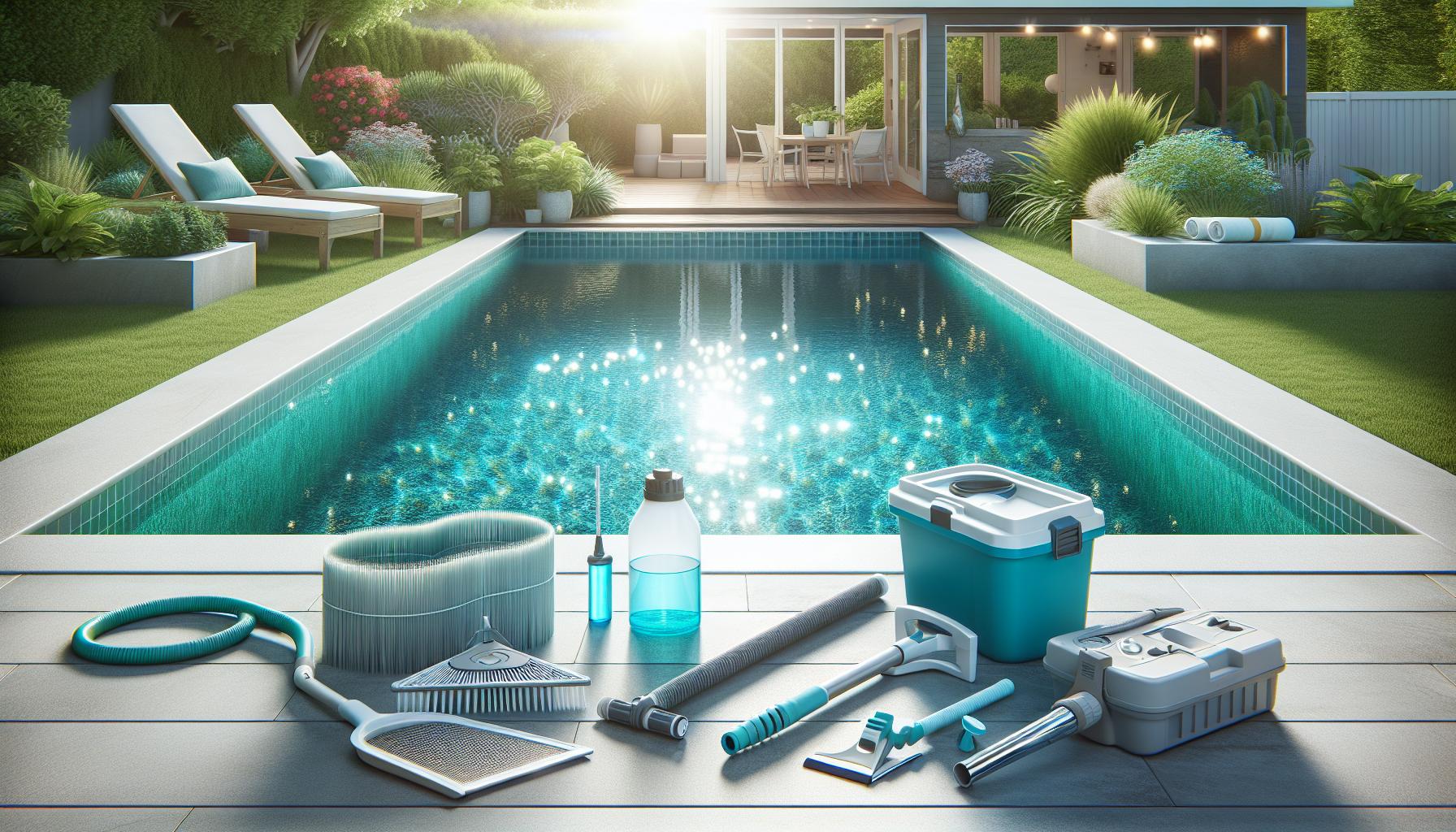
Cleaning is another critical aspect. Make it a habit to remove debris daily using a skimmer nets, which simplifies the upkeep and enhances water flow. Additionally, investing in a pool vacuum can help remove dirt and algae that impair water quality. Aim to scrub the walls and floor of the pool at least once a month; this helps prevent buildup and prolongs the life of the liner.
Finally, using appropriate covers can greatly reduce maintenance time and protect your pool from environmental damage. For colder climates, a winter cover helps shield the water from freezing temperatures and freeze damage. In summer, a solar cover can help maintain water temperature and prevent evaporation, saving you on chemical and heating costs.
By following these maintenance tips, owners can not only enjoy a clean and inviting pool but also ensure that their above ground pool stands the test of time, providing endless enjoyment for years to come.
Common Issues That Reduce Pool Longevity
The life of an above ground pool can often be shortened due to a variety of common issues that pool owners may overlook. While the average lifespan of these pools is around 10 to 15 years, certain factors can accelerate wear and tear, leading to earlier replacement. Recognizing these pitfalls is crucial for maintaining your investment and extending the enjoyment of your pool for years to come.
One major issue stems from neglecting proper water balance. When pH, alkalinity, and chlorine levels are not regularly monitored and adjusted, it can lead to corrosive water that damages both the pool liner and the structure. Over time, improper chemical balance can cause fading, stains, and premature deterioration of the liner. To counteract this, make it a routine to test your water at least once a week and adjust as needed. Don’t forget to check for stabilizer levels; inadequate stabilizers can result in sun damage to the chlorine, rendering it ineffective.
Another significant factor is physical damage from debris and environmental elements. Leaves, twigs, and even small animals can cause tears or punctures in the pool liner. Additionally, sharp items setting too close to the pool can also pose a threat. Regularly inspect your pool area and keep it free from any potential hazards. Implementing a weekly cleaning schedule that includes skimming debris and using a vacuum can greatly reduce this risk.
Also detrimental is poor installation. A pool that is not level, improperly anchored, or poorly assembled can lead to several complications, such as structural failure or water accumulation issues. It’s essential to ensure professional installation, or if you choose a DIY approach, to follow all guidelines meticulously. An uneven surface can lead to stress on certain parts of the pool, increasing the likelihood of leaks or structural issues.
Lastly, consider the climate in your area. Pools in regions with harsh weather conditions, whether extreme heat, heavy rainfall, or freezing temperatures, require more attention. Utilizing protective covers when not in use and regularly checking for signs of wear on the pool’s structure during seasonal changes can help mitigate climate-related damage. For instance, using a winter cover can minimize water freezing and extend the liner’s life.
By being proactive about these common issues, you can enhance your pool’s longevity and ensure a safe, enjoyable swimming experience for many summers to come. Regular inspections, appropriate care, and seasonal preparations will go a long way in preserving the integrity of your above ground pool.
Types of Above Ground Pools and Their Durability
When considering the durability of above ground pools, it’s essential to understand that the type of pool you choose significantly affects its lifespan. Generally, above ground pools are categorized into three main types: inflatable, metal frame, and resin. Each type comes with its own set of characteristics that contribute to how long it will last under various conditions.
Inflatable Pools
Inflatable pools, often favored for their lower cost and easy setup, typically have the shortest lifespan, averaging around 2 to 5 years. Their construction usually involves vinyl material that is more susceptible to punctures and UV damage. To maximize the durability of an inflatable pool, owners should prioritize careful placement away from sharp objects, regularly check for leaks, and deflate the pool seasonally to avoid unnecessary stress on the material.
Metal Frame Pools
Metal frame pools are a popular choice as they offer a sturdier structure compared to inflatable ones. These pools can last anywhere from 5 to 10 years, depending on maintenance and environmental factors. They feature a metal frame that provides more resilience against structural damage. Regularly checking the connections and ensuring that the liner is free from excessive wear can help extend the life of these pools. Additionally, it is advisable to apply protective coatings to the metal frame to prevent rusting, especially in moist environments.
Resin Pools
On the higher end of the durability spectrum are resin pools, which are constructed with a combination of resin and polymer materials. These pools are designed to resist rust, corrosion, and UV damage, often lasting between 10 to 15 years or more with proper care. A significant advantage of resin pools is their resistance to fading, cracking, and other forms of wear that affect other pool types. To ensure longevity, regular maintenance tasks should include checking the integrity of the liner and addressing any signs of wear promptly.
In all cases, the installation process plays a critical role in determining how long your pool will last. A properly leveled and secured pool reduces stress on the structure, which is vital for all types. Additionally, understanding your specific climate and adapting your maintenance routine accordingly-such as using winter covers or protective chemicals-can significantly impact your pool’s lifespan. By choosing the right type of pool and committing to its care, you can enjoy safe and refreshing swim seasons for years to come.
Signs Your Pool Needs Replacement
As your above ground pool ages, certain signs indicate it may be time for a replacement. Observing these indicators not only helps maintain safety for users but also ensures an enjoyable swimming experience. One of the clearest signs that replacement is necessary is persistent leaks. If you find yourself constantly adding water to your pool, despite regular maintenance, it could point to significant deterioration or damage in the pool lining or structure.
Cracks and Structural Damage are critical considerations. If your pool’s walls or liner start showing visible cracks, bulges, or rust (especially in metal frame pools), this can compromise the entire structure. Not only does this affect the pool’s aesthetics, but it also poses safety risks for swimmers. It’s crucial to address these issues promptly, as neglecting them may lead to larger, more costly repairs down the line.
Another significant factor is the pool liner’s condition. Over time, liners may fade, become brittle, or develop tears. If you observe excessive fading or visible discoloration, it indicates the liner has been subjected to prolonged UV exposure and may require replacement. A failing liner can lead to leaks and increased maintenance demands.
Lastly, consider the overall functionality of the pool. If you’re experiencing repeated issues with filtration, water clarity, or corrosion that traditional maintenance fails to resolve, these could signify deeper problems potentially necessitating a new installation.
By staying vigilant and addressing these essential signs, you can ensure your swimming area remains safe and enjoyable for years to come. Regularly inspect your pool and proactively manage repairs, which will not only enhance the longevity of your investment but also keep your swimming experience pleasant.
Cost-Effectiveness: Is an Above Ground Pool Worth It?
Investing in an above ground pool often raises the question of cost-effectiveness, leading many to wonder if such an expense is worthwhile in the long run. One compelling advantage of above ground pools is their initial affordability compared to in-ground alternatives. Typically, the cost to purchase and install an above ground pool ranges from $1,500 to $5,000, depending on size, materials, and accessories, which is significantly less than the $20,000 to $50,000 often associated with in-ground installations. This lower entry point makes it easier for families to enjoy the benefits of pool ownership without a heavy financial burden.
Long-Term Savings and Maintenance
Maintaining an above ground pool can also be less costly over time. With fewer materials and simpler designs, maintenance tasks such as water balancing, cleaning, and equipment repairs tend to be more straightforward, allowing owners to tackle them independently. Here are some cost-saving maintenance tips:
- Regular Cleaning: Keeping the pool clean by skimming debris and vacuuming can prevent costly repairs later, such as algae growth or liner damage.
- Water Testing: Regularly testing water balance can reduce chemical costs and improve the longevity of pool components.
- Winterizing: Preparing the pool for winter can extend its life significantly and help lower repair costs in the spring.
Value of Enjoyment and Lifestyle
Beyond monetary considerations, above ground pools offer substantial lifestyle benefits that contribute to their overall worth. They provide a private oasis for relaxation, exercise, and quality family time during hot months. Many owners find that their initial investment pays off in priceless memories and experiences. Moreover, having a pool can enhance the property’s appeal and potentially increase its market value, making it an attractive feature if you decide to sell your home.
In conclusion, while the lifespan of an above ground pool typically ranges from 7 to 15 years, careful maintenance and care can maximize your enjoyment and investment benefits. By weighing the initial costs against potential savings and lifestyle enhancements, many homeowners find that above ground pools are indeed a worthwhile addition to their homes.
Weather and Environmental Impact on Pool Lifespan
Extreme weather conditions and environmental factors significantly impact the lifespan of above ground pools, ranging from storm damage to UV exposure. For instance, pools in regions with harsh winters or intense summer heat can face unique challenges that diminish their durability. Heavy rain, strong winds, and snow accumulation can place undue stress on the pool’s structure, leading to issues such as bending walls or liner tears. Conversely, prolonged exposure to the sun’s ultraviolet rays can cause the pool liner to fade and degrade more rapidly.
To protect your investment, it’s crucial to develop a weather-specific maintenance routine. This may include using a winter cover in colder months to prevent ice formation and minimize debris buildup, which can weigh down the walls of the pool. In warmer climates, you should consider applying a UV protectant to the liner to extend its life. Regularly checking and maintaining your pool’s chemical balance can also mitigate damage from fluctuating weather conditions, as unbalanced water can lead to corrosion and algae growth.
Taking these proactive steps not only enhances the durability of your above ground pool but also provides peace of mind against unpredictable weather. Establishing a habit of regularly inspecting your pool after storms or extreme weather events will help you identify and address potential issues before they escalate. Simple actions like tightening the supports and securing the cover can enhance resilience against environmental stressors. Ultimately, being attentive to weather-related challenges will ensure that your above ground pool remains a source of enjoyment for many years.
Comparing Above Ground Pools to In-Ground Options
When considering pools, the debate between above ground and in-ground options often hinges on longevity, maintenance, and cost-effectiveness. Generally, above ground pools can last anywhere from 5 to 20 years, depending largely on construction quality, maintenance, and environmental factors. In contrast, in-ground pools, depending on materials and installation, can last 25 years or more, with many exceeding this average with proper care. This extended lifespan is primarily due to their more permanent structures that withstand weather impacts better than many portable above ground models.
One key factor in comparing these two types is the maintenance required. Above ground pools often have simpler maintenance routines, making them ideal for casual users who may not want to engage in extensive upkeep. Conversely, in-ground pools can require more intricate systems to keep the water balanced and the structure intact, especially if they are made of more complex materials like gunite or fiberglass. However, while the initial installation of above ground pools is generally less expensive, the cumulative costs of replacing liners and managing potential repairs can add up over time.
In terms of customization, in-ground pools often offer a wider range of designs, depths, and features such as built-in spas or waterfalls, enhancing their aesthetic appeal and functionality. Above ground pools, while limited in customization, are available in various sizes and shapes that can fit smaller backyards, making them accessible for many homeowners. Regardless of the choice, understanding the specific environment and your lifestyle is essential. If budget constraints and temporary setups are your primary concerns, an above ground pool could be the best option. However, if you’re looking for a long-term investment with ample features and design options, an in-ground pool may be the way to go.
To maximize the lifespan of any pool type, a strong emphasis should be placed on regular maintenance, appropriate seasonal preparations, and protective measures against environmental damage. For instance, regardless of type, using appropriate covers, monitoring chemical balances, and performing routine inspections can prevent many common issues that shorten a pool’s lifespan. Making informed choices tailored to your situation ensures that whether you choose above ground or in-ground, your pool remains a source of enjoyment for years to come.
User Experiences: Lifespan Testimonials and Reviews
Experiences with above ground pools vary widely, but many owners find a blend of joy and frustration in their longevity and maintenance. One of the most common sentiments shared by users is the happiness of having a pool ready for summer enjoyment, but this is often tempered by the reality of upkeep. A homeowner from Texas shared that their initial experience was delightful; they enjoyed countless summers with the pool sparkling and inviting. However, as the years passed, they found that maintaining water chemistry and replacing the liner every few years became a regular chore, leading them to consider the long-term investment of an in-ground option for future years.
Many users emphasize the importance of regular maintenance for extending their pool’s life. One couple in Colorado mentioned that they made it a weekend ritual to check the chemical levels and clean the filter. This commitment not only kept their pool functional but helped them identify small issues before they turned into bigger problems. They shared a tip: “Invest in a good-quality cover for winter. It saves a ton of work when it’s time to open the pool in spring!”
Another significant factor noted by users is the environmental impact on their pools. A family from Florida remarked that their above ground pool suffered due to the intense summer heat and storms, leading to quicker wear and tear. They discovered that shading their pool with a canopy during peak sun hours significantly helped in reducing fading and heat-related damage. Conversely, a user in a temperate climate found that their pool thrived for over a decade with minimal issues, attributing this to the more balanced environmental conditions.
Users also commonly share milestones that indicate it’s time for a pool replacement or upgrade. A frequent signal mentioned is visible wear and tear, such as cracking or peeling of the sides. If repairs become a nuisance, many find it’s more cost-effective to invest in a new pool. Others advise being mindful of the pool’s age; as one experienced pool owner put it, “Once you hit that 10-year mark, start planning for a replacement. It’s worth it to avoid a major leak down the road.”
In conclusion, while testimonies do highlight challenges faced by above ground pool owners, these experiences often come with valuable lessons and practical advice that help new users navigate the path of maintenance and longevity. Whether it’s through regular inspections, learning to troubleshoot minor issues, or adapting maintenance routines to specific environments, these insights can empower users to enhance their pool experience significantly.
Maintenance Mistakes That Shorten Lifespan
Neglecting maintenance can significantly diminish the lifespan of an above-ground pool, leading to costly repairs or premature replacement. Many pool owners overlook routine tasks that, if not addressed, can escalate into serious issues. For instance, failing to check and adjust the water chemistry regularly can cause problems like algae growth, which not only makes the pool unattractive but can also damage the lining and filter systems over time. To keep your pool healthy and inviting, it’s essential to establish a consistent maintenance routine.
One of the most common mistakes is not cleaning the pool regularly. Debris such as leaves, dirt, and bugs can accumulate and clog the filters, leading to inefficient water circulation and increased wear on the pool’s equipment. To combat this, aim to skim the surface regularly and brush the sides and bottom weekly. It’s also crucial to clean the filter according to the manufacturer’s recommendations to maintain optimum performance and extend the life of the pool’s components.
Inadequate winterization practices are another critical oversight that can shorten an above-ground pool’s life. Improperly closing the pool for the winter can lead to significant damage from freezing temperatures, especially in regions with harsh winters. Take the time to properly winterize your pool by draining water, using winterizing chemicals, and covering the pool securely to prevent debris accumulation and freeze damage. This not only protects your investment but saves you time and effort when reopening the pool in the spring.
Lastly, using subpar or harsh chemicals can lead to deterioration of the pool materials. Always opt for high-quality pool chemicals and follow the recommended dosage to avoid over-chlorination, which can weaken the liner and other components. Familiarize yourself with the right balance of chemicals needed to maintain clear, safe water while protecting the pool’s structure. By avoiding these common maintenance pitfalls, you can significantly enhance your pool’s durability and ensure many enjoyable summers ahead.
Upgrades and Accessories to Enhance Pool Durability
Upgrading your above-ground pool with the right accessories can dramatically improve its durability and lifespan. Investing in quality enhancements not only makes your swimming experience more enjoyable but also protects your pool from the environmental factors that can lead to premature wear and tear.
One of the most effective upgrades is a protective pool cover. During the off-season, a good cover prevents debris buildup and shields the pool from harsh weather conditions. Opt for a durable, winter-grade cover that fits securely to minimize the risk of damage from freezing temperatures or falling branches. For added convenience, consider a cover reel system to make deploying and retracting the cover easier, which encourages regular use and enhances protection.
Installing a pool liner protector is another critical upgrade. This barrier sits between the pool wall and the liner, minimizing the risk of punctures and scrapes caused by sharp objects on the ground, like rocks or sticks. Additionally, using a quality pool vacuum can help maintain cleanliness, reducing algae growth and prolonging the life of the liner and pump. Regular vacuuming ensures that you are not only keeping the pool clean but also preventing any buildup that could lead to deterioration.
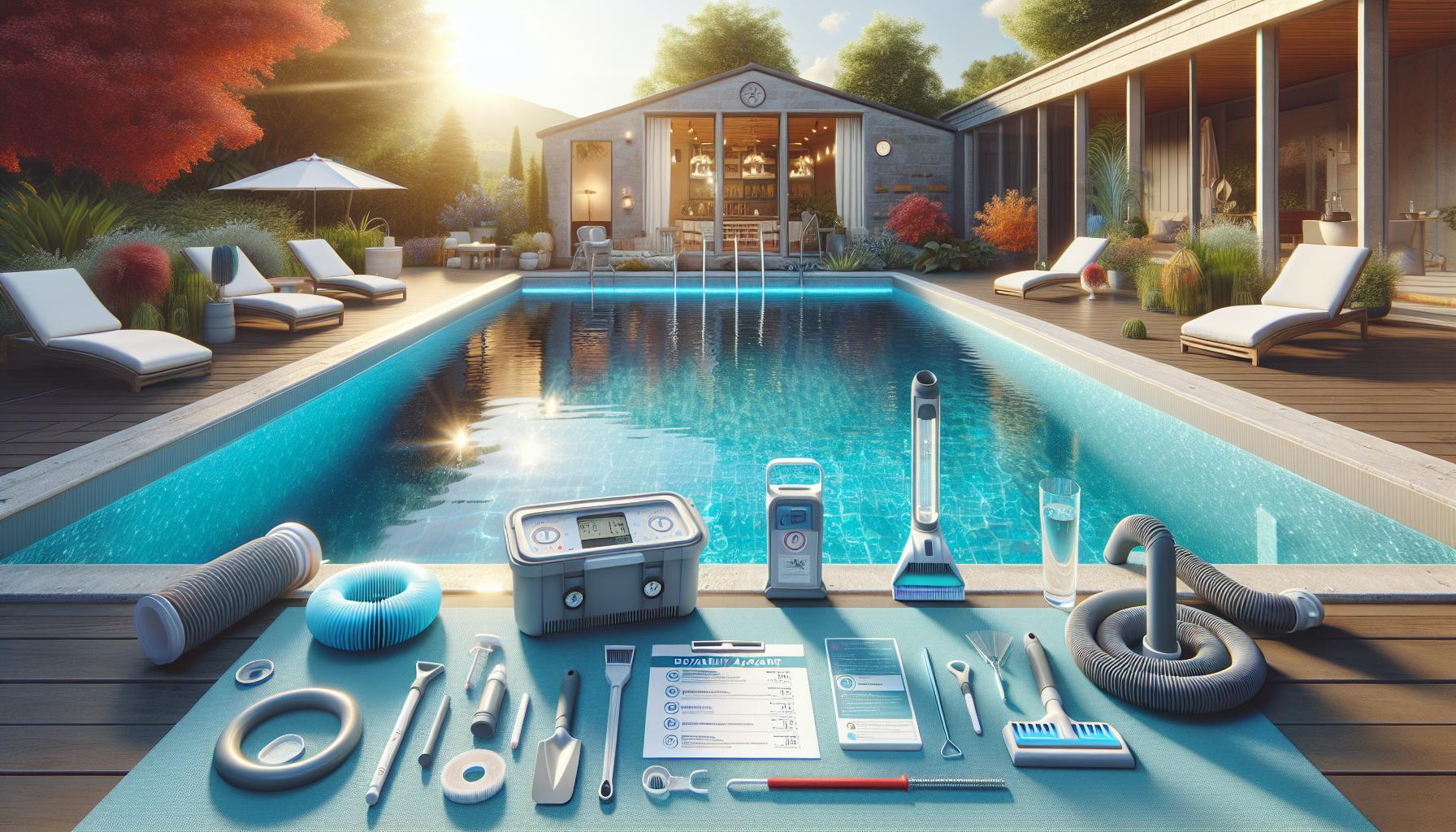
Another smart accessory is a dedicated pool maintenance kit, which should include essential tools like brushes, skimmers, and chemical test kits. Consistent testing and adjustment of pool chemicals prevent corrosion and damage to both the liner and the filtration system. Did you know that maintaining the correct pH balance can extend the life of your pool by up to 50%? A maintenance kit allows you to easily monitor and maintain the health of the water, thus preserving your pool’s components.
Lastly, consider upgrading to a high-efficiency pump and filter system. Modern systems use significantly less energy while providing better filtration, which not only improves water clarity but also reduces wear on your pool’s structural components. These systems often include advanced features such as programmable timers and multi-speed options for enhanced efficiency.
By integrating these upgrades and accessories, you can significantly enhance the durability of your above-ground pool, ensuring you enjoy many seasons of fun with family and friends.
Frequently asked questions
Q: How long can an above-ground pool last with proper maintenance?
A: An above-ground pool can last between 10 to 20 years with proper maintenance. Regular upkeep, including cleaning, water balancing, and protective winter storage, significantly extends its lifespan. Refer to the section on “Maintenance Tips for Extending Pool Lifespan” in our article for detailed strategies.
Q: What factors influence the lifespan of an above-ground pool?
A: Several factors influence an above-ground pool’s lifespan, including the quality of materials, installation method, climate conditions, and maintenance routines. Understanding these elements can help you maximize your pool’s durability. Check “Key Factors Affecting Above Ground Pool Durability” in our full guide for more insight.
Q: Can weather conditions damage above-ground pools?
A: Yes, extreme weather conditions, such as heavy rain, snow, or intense sunlight, can damage above-ground pools. Proper winterizing techniques and using protective covers can mitigate weather-related wear. For more tips, explore “Weather and Environmental Impact on Pool Lifespan.”
Q: When should I consider replacing my above-ground pool?
A: You should consider replacing your above-ground pool if you notice significant structural damage, persistent leaks, or excessive wear. Signs like rust, cracks, or an inconsistent water level indicate that replacement may be necessary. For specific indicators, refer to “Signs Your Pool Needs Replacement.”
Q: What upgrades can enhance an above-ground pool’s durability?
A: Upgrading your above-ground pool with a sturdy cover, better filtration systems, or protective liners can enhance durability. Quality accessories can also help reduce wear and tear over time, making a considerable difference. See “Upgrades and Accessories to Enhance Pool Durability” for a comprehensive list.
Q: Are above-ground pools more susceptible to damage than in-ground pools?
A: Generally, above-ground pools can be more susceptible to damage than in-ground pools due to their construction and exposure. However, with proper maintenance and care, they offer a cost-effective and durable alternative. Discover more in “Comparing Above Ground Pools to In-Ground Options.”
Q: What are common mistakes that can shorten an above-ground pool’s lifespan?
A: Common mistakes include neglecting regular maintenance, using improper chemicals, and failing to winterize properly. Avoiding these pitfalls is crucial to maintaining your pool’s longevity. Strategies to avoid these errors can be found in “Maintenance Mistakes That Shorten Lifespan.”
Q: How can I effectively winterize my above-ground pool to prolong its life?
A: To winterize your above-ground pool, clean it thoroughly, lower the water level, and cover it securely to prevent debris accumulation. Using winterizing chemicals can also protect it during cold months. Refer to our full article for detailed guidance on effective winterization techniques.
To Wrap It Up
As you consider the durability and lifespan of your above ground pool, remember that regular maintenance is key to maximizing enjoyment and longevity. By following simple care tips and being proactive about repairs, you can significantly extend the life of your pool. If you’re ready to take your pool maintenance to the next level, explore our guides on common maintenance errors to avoid and seasonal preparation tips to keep your pool in top shape.
Don’t wait for issues to arise-act now! Subscribe to our newsletter for expert advice and exclusive resources that will keep your pool pristine all summer long. Have questions or experiences to share? Leave a comment below; your insights may benefit fellow pool owners. Dive into our related articles on pool covers and water maintenance to enhance your knowledge and ensure countless hours of fun in the sun. Embrace the journey of pool ownership with confidence and make the most of your investment!