
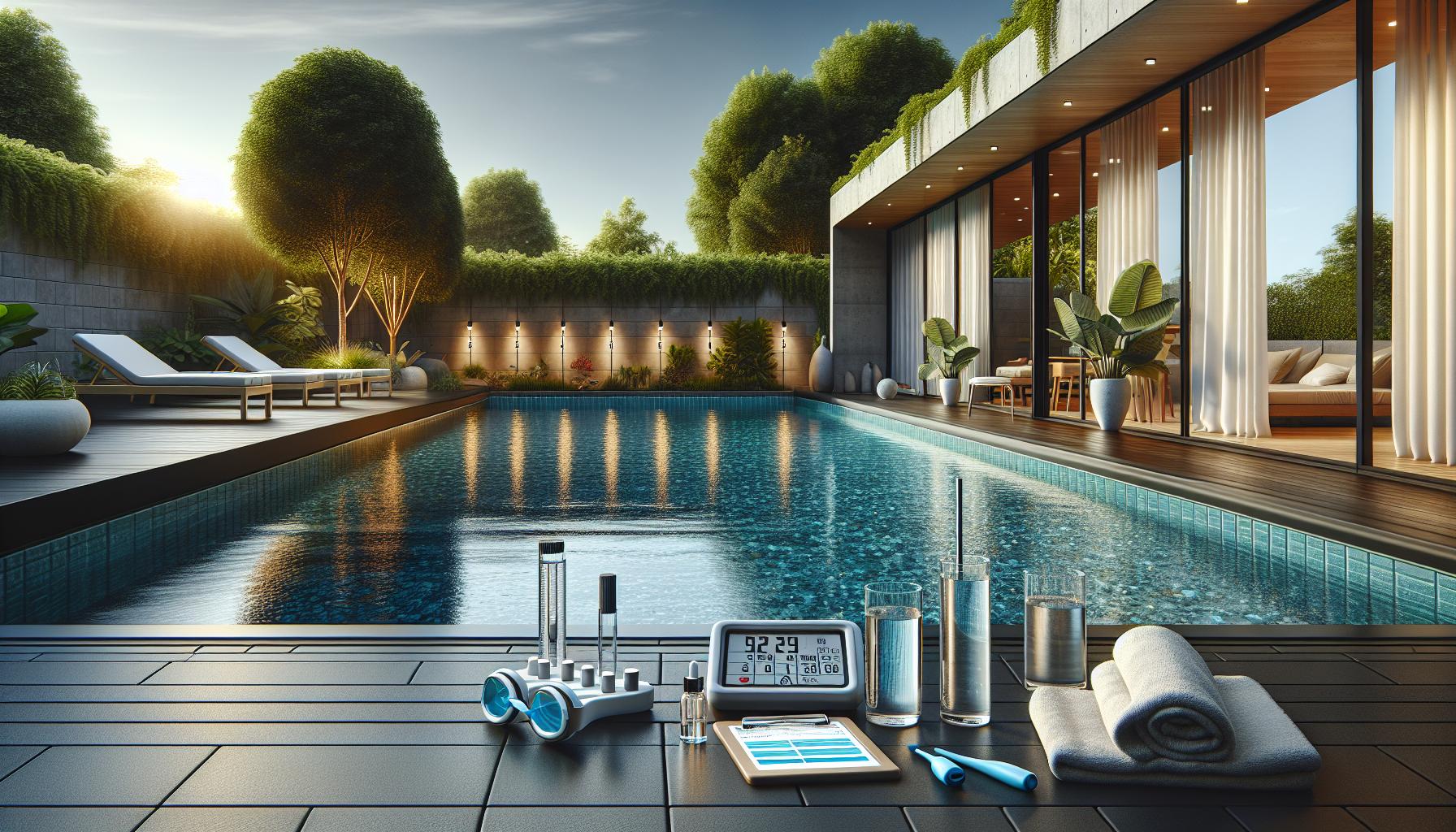

In today’s fast-paced world, staying active is more important than ever, and lap pools offer a unique solution that blends fitness with leisure. A lap pool is designed primarily for swimming workouts, providing a long, narrow space perfect for exercise, relaxation, and fun. With a narrower profile than traditional pools, they fit seamlessly into smaller yards, making them an ideal option for homeowners looking to maintain a healthy lifestyle without sacrificing outdoor space.
Imagine a tranquil oasis right in your backyard where you can swim laps, unwind after a long day, or entertain family and friends. Lap pools not only cater to fitness enthusiasts but also serve as striking focal points for outdoor spaces. As we explore the benefits of lap pools, you’ll discover how they can enhance your fitness routine, provide a refreshing remedy during hot summer days, and ultimately support your goals for a healthier, more active lifestyle. Dive in and learn how a lap pool can transform your home and wellness journey!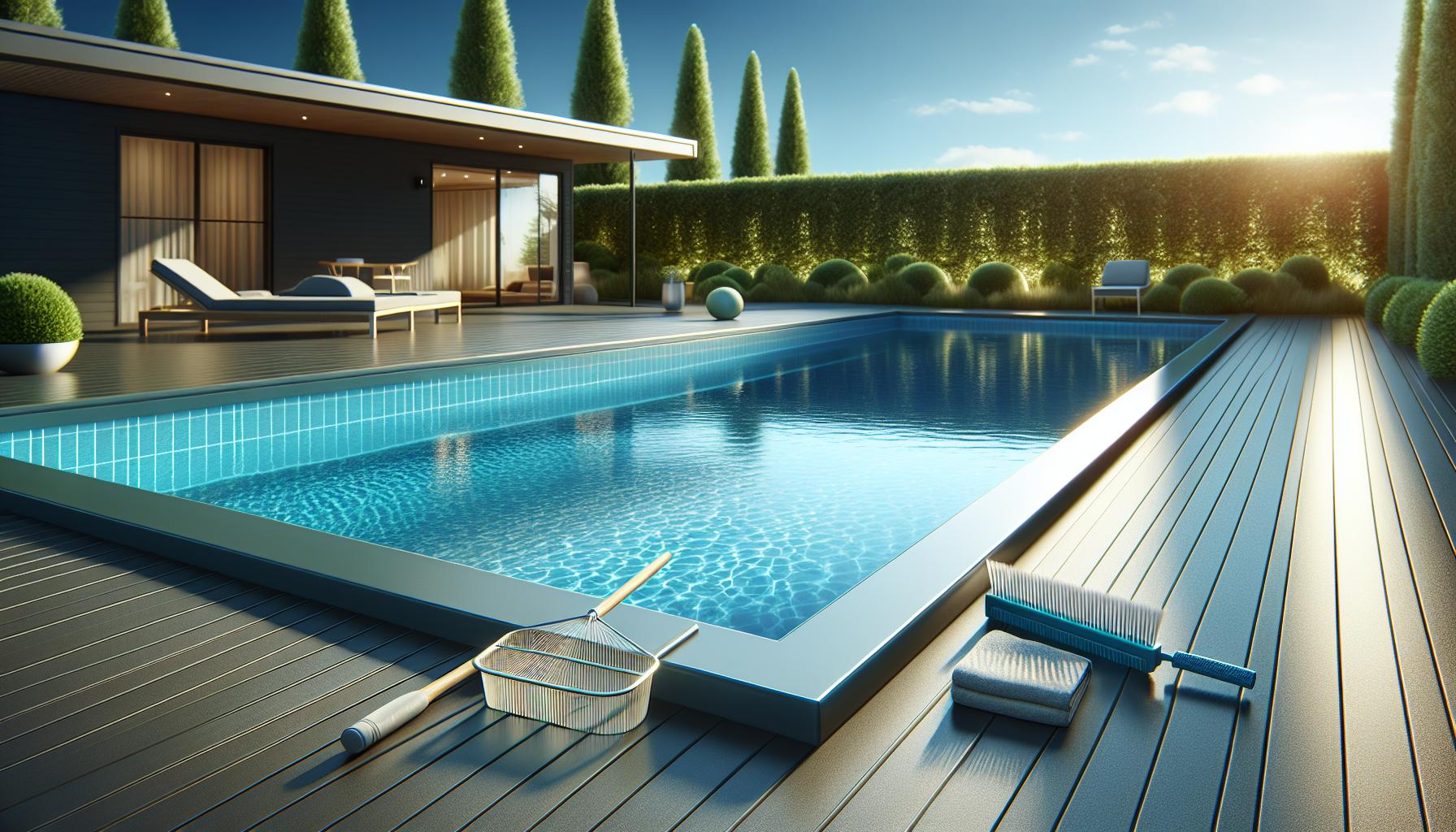
What Is a Lap Pool and How Does It Work?
A lap pool is specifically designed for swimming laps, typically elongated and narrow in shape, making it ideal for fitness enthusiasts looking to maintain an effective workout routine. Unlike standard swimming pools that may prioritize leisure and relaxation, lap pools focus on providing a space for continuous swimming. They often range from 30 to 75 feet in length, accommodating different residential or commercial settings. The streamlined design not only enhances the swimming experience but also encourages a consistent stroke without the interruptions often found in larger pools.
When it comes to functionality, lap pools can feature variable depths and may include features like current generators to provide resistance swimming. This allows users to swim in place, effectively maximizing workout efficiency within smaller spaces. Installation options can vary from above-ground models to in-ground constructions, with many homeowners opting for designs that integrate seamlessly with their landscaping, promoting both aesthetic appeal and functionality.
A key component to ensuring a lap pool’s effectiveness is its maintenance. Regularly checking water chemistry, maintaining equipment functionality, and cleaning the pool’s surfaces are critical. For busy individuals, implementing a routine maintenance schedule can be beneficial. This could include testing chemical levels weekly, vacuuming the pool bi-weekly, and ensuring filters are clean and functioning properly. By staying proactive about these tasks, pool owners can enjoy a consistently inviting environment for both fitness and recreational activities.
Ultimately, the advantages of a lap pool go beyond simply having a place to swim; it encompasses building a routine that promotes health, wellness, and enjoyment. Whether it’s for a morning workout or a family gathering, a lap pool can serve multiple purposes, making it a valuable addition to any home.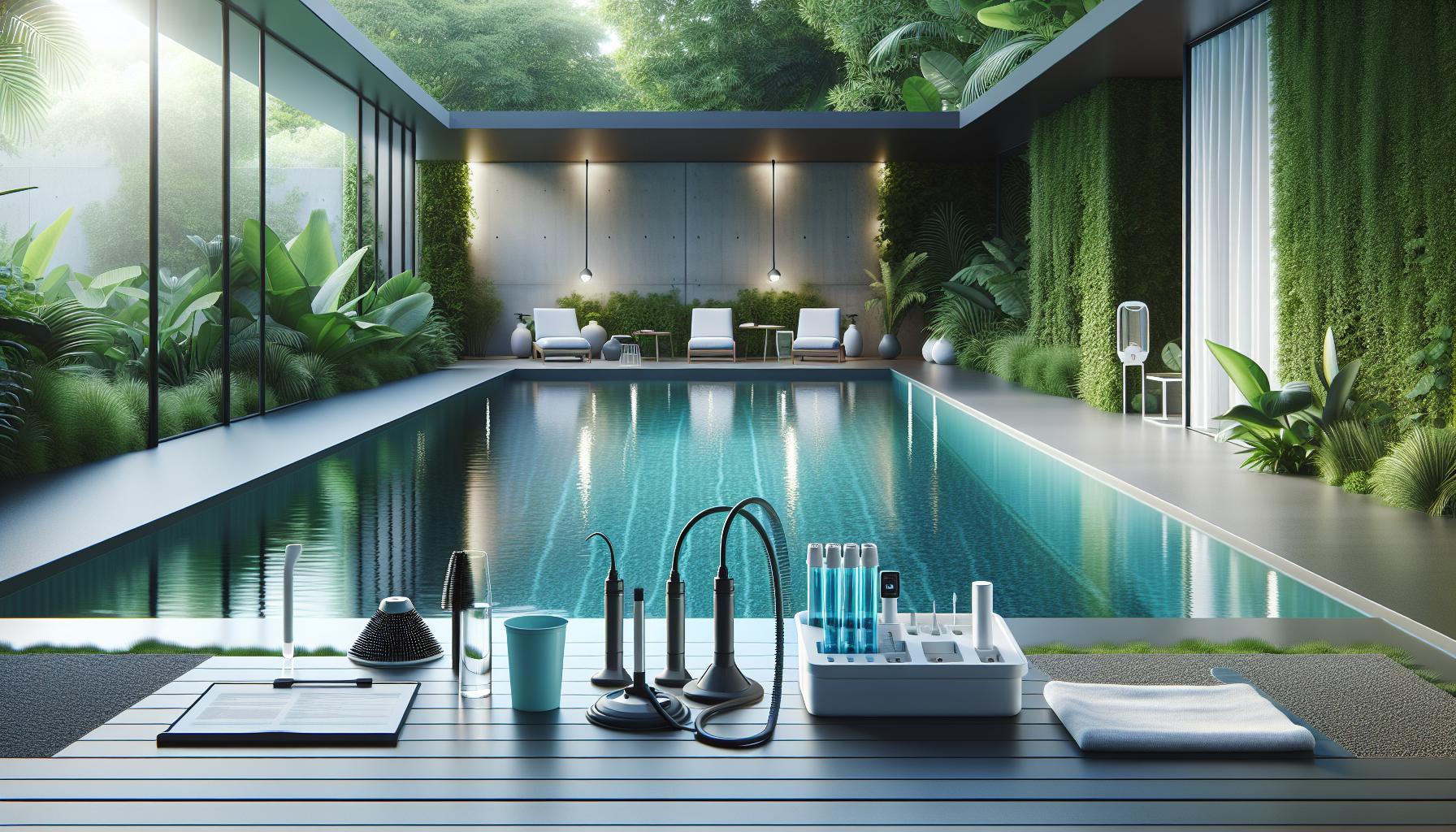
Key Benefits of Lap Pools for Fitness Enthusiasts
Swimming offers a full-body workout that combines cardiovascular endurance with strength building, and lap pools are purposefully designed to optimize this experience. With their elongated shape, lap pools provide a dedicated space for swimming laps, allowing fitness enthusiasts to engage in uninterrupted workouts. This focused environment not only enhances the effectiveness of your swimming sessions but can also significantly improve your technique and stamina over time. Whether you are a competitive swimmer or simply aiming to maintain fitness, the structured design of lap pools promotes consistent training habits.
One of the standout benefits of lap pools is the versatility they offer for different exercise routines. In addition to traditional lap swimming, these pools can easily accommodate a range of water-based fitness activities such as aqua aerobics or resistance training. The option to include features like adjustable current generators means that swimmers can tailor their experience, regardless of their skill level. For example, novice swimmers can start with slower currents while seasoned athletes can push themselves against stronger currents, effectively simulating a variety of environmental conditions in a controlled setting.
Furthermore, the compact nature of lap pools makes them an excellent solution for homeowners with limited space who still want to enjoy the fitness benefits of swimming. These pools can be installed above or in-ground, tailored to fit seamlessly into the landscape of your home, ensuring that you have a resource for exercise that enhances the overall aesthetic of your outdoor space. Importantly, the ability to swim laps regularly can lead to noticeable improvements in overall health metrics, including cardiovascular health and muscle tone, providing a compelling reason to consider adding one to your home.
Incorporating lap swimming into your fitness routine not only fosters a low-impact exercise option, protecting joints, but also builds mental resilience as you strive for personal bests in terms of speed and technique. Enjoying the tranquility of swimming at home allows for stress relief and a deeper connection to your physical well-being. Ultimately, lap pools serve not only as a means for fitness but also as a sanctuary for relaxation, making them a valuable investment for anyone committed to their health.
Fun Ways to Use Your Lap Pool for Recreation
Engaging with a lap pool extends far beyond the realm of rigorous workouts; it also sets the stage for exciting recreational activities that the whole family can enjoy. With a bit of creativity, you can transform your lap pool into a hub of fun and entertainment. Consider incorporating water games that break the monotony of traditional swimming. For instance, organizing a friendly pool volleyball match or a game of water basketball not only brings energy and laughter but also encourages teamwork and friendly competition. You can easily set up floating nets or hoops to facilitate these activities.
Family-Friendly Activities
Involving children and family members in pool games can create lasting memories. Fun activities like pool treasure hunts, where you toss in waterproof toys for kids to find, can make for exhilarating adventures. Additionally, hosting themed pool parties, such as a pirate or mermaid theme, can spark imaginative play. These gatherings can include fun challenges like floatie races or diving contests, where prizes can be awarded for unique feats or teamwork, keeping everyone engaged and active.
Relaxation and Socializing
While exercise is a crucial aspect of having a lap pool, it’s equally important to provide opportunities for relaxation and socializing. Installing comfortable seating around the pool area can encourage lounging and conversation. You might consider adding features like a adjacent hot tub or spa where friends can gather. Even a simple setup with floating lounge chairs can offer a serene space to unwind after a swim, making it a perfect spot for casual social events or family gatherings.
Wellness and Leisure Options
For those interested in wellness, using the lap pool for low-impact activities such as water yoga or floating meditation can be quite fulfilling. The soothing aquatic environment allows you to connect with your mind and body while enjoying the calming effects of water. Experiment with gentle movements and breathing exercises while floating, creating a tranquil experience that contributes to overall well-being.
By leveraging the versatility of your lap pool, you can create an engaging environment that balances fitness and fun, appealing to all ages. This adaptability not only enhances your swimming experience but also promotes healthy social interactions, contributing to cherished moments spent with loved ones.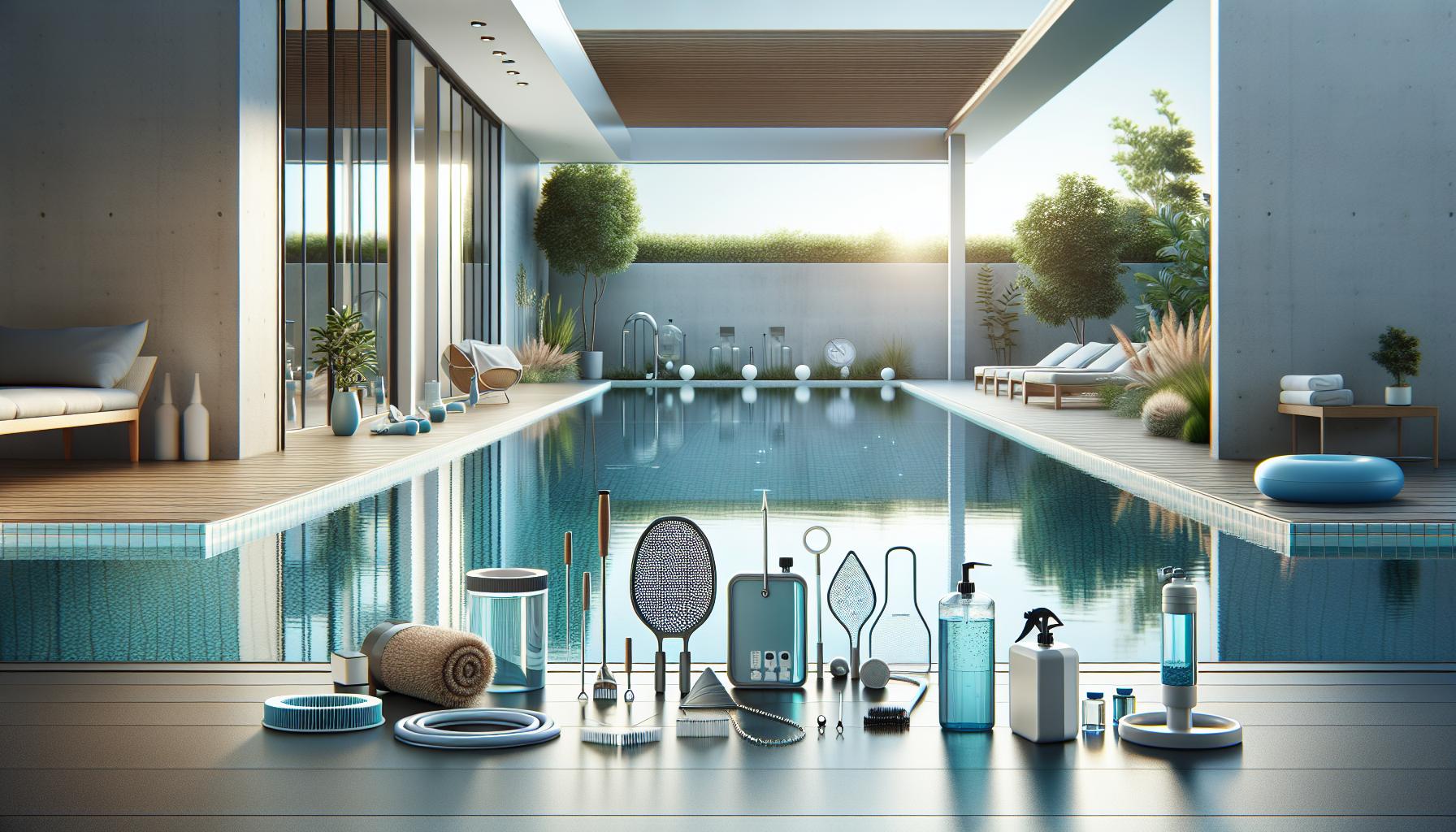
Lap Pool Design Options: Choosing the Best One for You
When contemplating the design of your lap pool, it’s essential to recognize that each choice contributes not only to aesthetic appeal but also to functionality, allowing you to maximize workouts while enhancing leisure experiences. The beauty of lap pools lies in their adaptability; whether you envision a sleek, modern aesthetic or a more traditional feel, the options are nearly limitless. Consider factors such as space, intended use, and landscape integration as you explore various designs.
Size and Shape Considerations
Start by determining the size and shape that best suits your property and activity needs. Lap pools can range from long rectangular designs meant for serious swimming to L-shapes or even custom curves that integrate with surrounding landscapes. Typically, a standard lap pool measures about 10 feet wide and can vary in length; optimal lengths are often 40 feet or more for competitive swimmers looking to maintain an uninterrupted stroke. Smaller designs can work well in compact spaces, ensuring you still have a designated area for exercise without overwhelming your backyard.
Material Options
The choice of materials profoundly impacts both appearance and maintenance. Common materials include fiberglass, concrete, and vinyl.
- Fiberglass: Quick to install and known for its durability, fiberglass pools often require less maintenance.
- Concrete: Offers customization in shape and finish, making it highly versatile, though it may need more upkeep.
- Vinyl: Cost-effective with a smooth surface that minimizes algae growth but may need replacements every 5-9 years.
Choose a material that fits your budget and maintenance preference while considering the environmental conditions of your area.
Features to Enhance Your Experience
Incorporating additional features can elevate your lap pool design. Consider installing swim jets for resistance training, which allows for swimming in place and adds an exciting challenge to your workout. If relaxation is also a priority, integrating built-in benches, lighting, or even a spa area can create a multifunctional space. Access points, such as steps or a beach entry, can facilitate easier access for all ages, ensuring safety while adding an elegant touch to the overall design.
Lastly, be sure to consult with pool design professionals to align your needs with the best possible options. Their insights can provide valuable guidance on optimizing design for your lifestyle and available space, ultimately ensuring you create a lap pool that fulfills both fitness and recreational purposes seamlessly.
Essential Maintenance Tips for Keeping Your Lap Pool Clean
Maintaining a lap pool in pristine condition can significantly enhance your swimming experience, ensuring both cleanliness and safety. A regular maintenance routine not only prolongs the life of the pool but also maintains water quality and clarity, creating an inviting atmosphere for exercise and relaxation. Here are essential tips to keep your lap pool clean and enjoyable.
Start with a consistent cleaning schedule, which should include removing debris from the surface and cleaning the pool walls. Use a skimmer net to catch leaves and insects, ideally on a daily basis, particularly during the fall months. Additionally, brushing the pool walls and floor weekly helps prevent algae buildup and removes any stains. When brushing, focus on areas that might be prone to algae growth, such as corners and steps.
Water Chemistry Management
Maintaining proper water chemistry is crucial for a healthy swimming environment. Regularly test the water’s pH, chlorine, and alkalinity levels using a reliable pool testing kit. Aim for a pH level between 7.2 and 7.6 and keep chlorine levels between 1-3 ppm. This can help reduce algae and bacteria, ensuring a safe swimming experience. If imbalances occur, adjust the chemical levels accordingly with appropriate products.
Filtration and Circulation
An efficient filtration system is key to keeping your lap pool clean. Run your pool filter for at least 8-12 hours a day to ensure proper circulation and filtration of the water. Check and clean the filter regularly; a clogged filter will hinder its ability to keep the water clear. Depending on the type of filter you have-sand, cartridge, or diatomaceous earth-cleaning methods may vary. Replacement of filter media should also be done according to the manufacturer’s recommendations to maintain optimum performance.
Incorporating these maintenance practices into your routine will allow you to enjoy the many benefits of your lap pool fully. Establishing good habits early on can alleviate larger issues down the line, ensuring that your pool remains a refreshing retreat for fitness and fun. Remember, the investment in regular maintenance pays dividends through a cleaner, safer, and more enjoyable swimming environment.
Common Challenges with Lap Pools and How to Overcome Them
Creating and maintaining a lap pool can be an incredibly rewarding endeavor, but it comes with specific challenges that require careful attention and proactive solutions. One common issue is maintaining water clarity and sanitation. Cloudy water can be a sign of imbalanced chemicals or inadequate filtration. To address this, regularly test your water using a reliable pool testing kit and adjust the pH and chlorine levels as needed. For optimal clarity, run your filter for at least 8-12 hours a day and consider using a flocculant to help clear murky water.
Another prevalent challenge is algae growth, which can thrive in unbalanced chemicals or stagnant water. Combat this problem by brushing the pool walls weekly and using algaecide as a preventative measure. Focus on high-risk areas, such as corners and steps, where algae are more likely to take hold. To further deter algae, ensure your circulation system is functioning properly by regularly checking and cleaning the filter, replacing media as recommended, and keeping the water chemically balanced.
Temperature control can also be an issue, especially in outdoor lap pools. In hot climates, water can become uncomfortably warm, while cooler temperatures can hinder swimming in chillier seasons. Installing a solar cover can help retain heat during cooler nights, while a heater can maintain a comfortable swimming temperature when the weather is less than ideal. Remember to monitor the water temperature regularly to ensure it meets your preferences.
Finally, you may face the challenge of physical space and layout. Lap pools often need to fit within specific patio or yard dimensions and can feel cramped. To overcome this, consider creative landscaping solutions or pool covers that can also serve as a safety feature, providing space when the pool is not in use. Customize your pool area with proper decking and furniture to enhance functionality and aesthetic appeal.
By recognizing these common challenges and implementing effective solutions, you can ensure that your lap pool remains a valuable asset for both fitness and recreation, providing an inviting and enjoyable space for years to come.
Hydrotherapy: The Healing Benefits of Lap Swimming
Experiencing the soothing embrace of water while swimming in a lap pool offers more than just a fitness routine; it serves as a powerful method of hydrotherapy that can significantly improve both physical and mental well-being. The unique characteristics of lap pools-typically longer and narrower than traditional pools-allow for continuous swimming, which can be particularly beneficial for rehabilitation and relaxation. With every stroke, the buoyancy of water reduces the strain on joints, making swimming an ideal exercise for individuals recovering from injuries or dealing with chronic pain.
The therapeutic benefits of lap swimming are manifold. It can enhance cardiovascular fitness, increase muscle strength, and improve flexibility. Swimming engages many muscle groups simultaneously, promoting a full-body workout while the supportive aquatic environment minimizes impact. This makes it an excellent choice for those with arthritis or other mobility issues, as the water’s buoyancy alleviates pressure on the joints. Regular lap swimming stimulates blood circulation, which can facilitate healing and reduce soreness, ultimately aiding in quicker recovery from strains or injuries.
Additionally, hydrotherapy can offer profound mental health benefits. Engaging in a repetitive, rhythmic activity like swimming can induce a meditative state, reducing stress and promoting relaxation. The sensory experience of water-from its coolness to the soothing sounds it generates-can enhance mindfulness, allowing for a mental escape from daily stressors. To maximize these benefits, consider integrating focused breathing techniques while swimming; this can further enhance relaxation and improve lung capacity.
Incorporating hydrotherapy into your routine doesn’t need to be complicated. Start by establishing a consistent lap swimming schedule, aiming for at least 30 minutes a session a few times a week. Focus on slow, steady strokes, and take breaks as necessary to avoid fatigue. Complement your swimming with light stretches both before and after to maintain flexibility and prevent stiffness. With these practices, swimming in your lap pool can become not just a fitness endeavor but a vital component of your overall wellness strategy.
Cost Considerations: Building vs. Buying a Lap Pool
Building a lap pool in your backyard can be a significant investment, but it also opens up a world of options tailored to your specific needs. When contemplating whether to build a lap pool or buy a pre-made one, understanding the cost implications is crucial. A custom-built lap pool can offer flexibility in design, materials, and features, whereas a ready-made pool might save time and often has a lower initial cost.
For those opting to build a lap pool, costs can range significantly based on various factors such as size, shape, installation type (in-ground vs. above-ground), materials used (concrete, fiberglass, or vinyl), and additional features like heating systems, lighting, and landscaping. On average, building a lap pool can cost anywhere from $30,000 to over $100,000. This option allows you to create a pool that perfectly fits your space and lifestyle. Here are some financial considerations to keep in mind:
- Custom Design: Tailor the dimensions and features to meet personal preferences.
- Installation Costs: Hiring professionals adds to the budget, including excavation, plumbing, and electrical work.
- Long-Term Maintenance: Consider ongoing costs for upkeep and repairs, which can increase over time for uniquely designed pools.
In contrast, buying a lap pool might seem more straightforward. Pre-fabricated options often come in standard sizes and are less expensive upfront. Prices for above-ground lap pools can start at around $10,000, with installation generally simpler and quicker. Buying a pre-made pool presents its own considerations:
- Initial Savings: Lower construction and installation costs can make this option appealing.
- Limited Customization: Options may be restricted to standard dimensions and features.
- Transport and Site Preparation: Ensure your yard can accommodate the delivery and setup, which may incur additional costs.
In conclusion, the decision to build versus buy your lap pool should be driven by personal preferences, budget constraints, and long-term goals for your swimming experience. Analyze your financial situation, desired features, and how you envision using your lap pool to make the best choice tailored to your lifestyle.
Lap Pool Accessories to Enhance Your Swimming Experience
Enhancing your lap swimming experience can transform a simple workout into a truly enjoyable routine. By incorporating various accessories, you can not only increase comfort but also boost your performance and make the most of your time in the pool. From swim aids to technology, the right gear can help you achieve your fitness goals while having fun.
Swim Aids for Performance Improvement
Swim aids are an excellent way to improve technique and build strength. Consider adding some of the following items to your pool setup:
- Kickboards: Perfect for isolating your legs and improving your kick, kickboards help develop lower body strength and enhance overall swimming technique.
- Paddles: These handheld devices increase resistance as you paddle through the water, helping to build upper body strength and improve stroke mechanics.
- Buoyancy Belts: Ideal for those looking to focus on specific strokes or do swim workouts without compromising their body position, buoyancy belts can enhance stability and support while swimming.
Technology for Tracking Progress
Embrace technology to monitor your workouts and track your improvements. Many swimmers use various gadgets such as:
- Swim Watches: These devices not only keep track of lap times but also provide information about heart rate, calories burned, and stroke count, allowing for precise workout tracking.
- Apps: Consider using mobile applications designed for swimmers that can record performance metrics and help plan workouts. These apps often offer insights into your swimming style and areas for improvement.
Personal Touch with Comfort Features
Adding comfort features can significantly enhance your swimming experience. From poolside lounges to hydration stations, think about these additions:
- Floating Mattresses: Great for warming up or cooling down, floating mattresses can provide a comfortable space to relax and stretch.
- Poolside Accessories: Consider a small table or shelf for drinks and snacks, ensuring you stay hydrated and fueled during your workouts.
By integrating these accessories into your lap pool experience, you can create an environment that promotes both fitness and fun. Tailor your accessory choices to meet your unique swimming habits and goals for a more fulfilling journey in your lap pool.
How to Incorporate Lap Swimming into Your Workout Routine
Incorporating lap swimming into your workout routine not only enhances cardiovascular fitness but also builds strength and endurance in a low-impact environment. By strategically weaving lap swimming into your exercise regimen, you can enjoy a full-body workout that complements other forms of exercise, such as strength training or high-intensity interval training (HIIT). Start with a warm-up consisting of 5-10 minutes of light swimming or dynamic stretches to prepare your muscles for more intense activity.
To maximize the benefits of lap swimming, consider structuring your sessions with varying intervals and strokes. For example, you might alternate between fast and slow laps to enhance your stamina and speed. A suggested workout could include swimming 50 meters at a fast pace followed by 50 meters of a recovery stroke, such as the breaststroke. This combination not only keeps your heart rate elevated but also allows time for muscle recovery. Aim for sessions lasting between 20 to 60 minutes depending on your fitness level, gradually increasing the duration and intensity as you build endurance.
Incorporating lap swimming is also about setting specific goals to keep you engaged and motivated. Tracking your progress-such as lap times and distance swum-provides tangible benchmarks to reach for during your workouts. Consider using swim apps or gadgets like swim watches that can monitor distance and pace, giving you feedback and helping you plan your workouts effectively. You might set weekly targets, such as increasing your total distance or improving your speed on specific swim sets.
It’s essential to stay flexible and adjust your routine to ensure it remains enjoyable. Integrate swim drills focusing on technique, such as drills for breathing or kicking, to enhance your overall swimming skills. Additionally, mixing in other water-based activities, like water aerobics or resistance training with aquatic equipment, can add variety and keep your workouts exciting. Don’t forget to cool down at the end of your session with light swimming or stretching to promote recovery and flexibility. By embracing lap swimming as a core component of your fitness routine, you not only reap the physical benefits but also enjoy the soothing and refreshing experience that water provides.
Safety Tips for Using Your Lap Pool Responsibly
While lap pools offer a fantastic way to engage in fitness and fun, ensuring your safety while using them is paramount. Accidents can happen, but with the right precautions, you can significantly reduce risks and enjoy your swimming sessions. Here are essential strategies to maintain a safe environment around your lap pool.
First and foremost, supervision is crucial. If children or inexperienced swimmers are present, it’s essential to have an adult supervising at all times. Even if you’re alone, consider informing someone of your swimming schedule to ensure help is available in case of an emergency. Implementing safety barriers, such as pool fences with self-closing gates, can also prevent unauthorized access, particularly from children or pets.
Next, always adhere to pool rules and guidelines. This includes prohibiting running, diving, or engaging in rough play around the pool. Establish a clear set of rules for anyone using the pool to foster a safe swimming culture. Additionally, ensure that all users are aware of emergency procedures, including the locations of safety equipment such as life rings, pool towels, and first-aid kits.
When it comes to equipment, keeping your pool area well-maintained helps prevent accidents. Regularly check the pool’s floor for slippery spots or hazards that might lead to slips or falls. Ensure that pool covers are securely fastened when the pool is not in use, and consider investing in a safety cover that can support the weight of an adult. Furthermore, maintaining your pool’s water chemistry-including pH levels and chlorine balance-not only protects swimmers from irritation but also ensures the water is safe for swimming.
Lastly, ensure that you are equipped with basic first aid knowledge and CPR skills. This preparedness can be vital during emergencies and can make a significant difference in response time until professional help arrives. Having a dedicated area for medical supplies neatly stored and easily accessible can streamline emergency procedures.
By embedding these safety practices into your routine, you can create a secure and enjoyable swimming environment in your lap pool, allowing you to focus on the fitness and fun aspects of your swimming experience.
Choosing the Right Location for Your Lap Pool Setup
Choosing the right location for your lap pool is crucial not only for maximizing the benefits of swimming but also for ensuring safety, accessibility, and enjoyment. A well-placed lap pool can enhance your property and provide a dedicated space for fitness and leisure. Start by considering sunlight exposure, as natural light not only keeps the water warm but also contributes to a pleasant swimming environment. Ideally, you want a location that receives ample sunlight throughout the day, while also having some shaded areas for relaxation.
Accessibility is another vital factor in your decision-making process. Make sure the location is easy to reach from your home, whether you’re stepping out for a quick workout or preparing for a pool party. Consider the proximity to changing areas, restrooms, and outdoor seating. If you’re planning on having family or guests enjoy the pool, think about the flow of traffic and how you can create a welcoming environment around the pool area.
Environmental Considerations
Evaluate your surroundings and the impact they may have on your lap pool experience. For instance, choose a location away from large trees to minimize debris and maintenance needs. While it can be tempting to place a pool under a beautiful tree, falling leaves can quickly turn into a cleaning nightmare. It’s also worth considering wind patterns; too much wind can lead to colder water and more debris accumulation.
When planning your installation, don’t forget to check local zoning regulations and any necessary permits. Understanding these legal aspects will save you headaches down the line and ensure that your lap pool is compliant. Additionally, consult with a professional to analyze the terrain and drainage systems to avoid any flooding issues during heavy rain.
Ultimately, creating the perfect lap pool setup is a blend of aesthetics, convenience, and strategic planning. By assessing sunlight, accessibility, environmental factors, and legal requirements, you can find a location that not only enhances your home’s value but also supports your fitness goals and recreational needs.
Q&A
Q: What are the dimensions of a standard lap pool?
A: A standard lap pool typically measures at least 25 meters in length and 2.5 meters wide. This size is ideal for serious swimmers to perform laps efficiently. However, pool dimensions can vary based on personal preference and available space, with common lengths ranging between 15 to 50 meters.
Q: How can I enhance my workout routine with a lap pool?
A: To enhance your workout routine, incorporate interval training, varying your speed for short bursts followed by recovery laps. Use pool workouts like aqua jogging or resistance exercises with water weights. Refer to the section on “How to Incorporate Lap Swimming into Your Workout Routine” for more tips.
Q: What is the best type of lap pool for small backyards?
A: A compact, fiberglass or above-ground lap pool is ideal for small backyards. These options save on space while still offering adequate length for swimming laps. Consider modular designs that can fit tighter spaces without compromising the swimming experience.
Q: What maintenance tasks are essential for lap pools?
A: Essential maintenance tasks include regularly checking pH and chlorine levels, skimming debris from the surface, and vacuuming the pool floor. Additionally, cleaning filters and ensuring proper circulation is crucial for water clarity. Refer to the section on “Essential Maintenance Tips for Keeping Your Lap Pool Clean” for detailed guidance.
Q: Can I use a lap pool for relaxation, or is it just for exercise?
A: Yes, lap pools can be used for relaxation! Many people enjoy unwinding in the water after a workout or hosting poolside gatherings. Explore fun ways to use your lap pool for recreation in the relevant section of your article for creative ideas.
Q: What are the benefits of adding a heater to a lap pool?
A: Adding a heater to your lap pool allows for year-round swimming, improving comfort during colder months. It can also extend your swim season and provide therapeutic benefits. For more on maintaining a comfortable temperature, check the pool accessories section.
Q: How do I deal with algae growth in my lap pool?
A: To combat algae growth, ensure proper chemical balance in your pool water and maintain a consistent cleaning routine. Shock your pool with chlorine and brush the walls to remove any stubborn patches. The section on “Common Challenges with Lap Pools and How to Overcome Them” offers additional strategies.
Q: What environmental factors should I consider when installing a lap pool?
A: Consider factors like sunlight exposure, wind patterns, and local climate when installing a lap pool. Adequate sunlight can enhance water temperature, while wind barriers can minimize debris. For location tips, refer to the section on “Choosing the Right Location for Your Lap Pool Setup.”
The Way Forward
Now that you understand the advantages of a lap pool for both fitness and leisure, it’s time to take the plunge! Whether you’re considering installation or just exploring options to enhance your home, a lap pool can drastically elevate your lifestyle. To dive deeper into pool maintenance, check out our articles on “Essential Pool Care Tips” and “Choosing the Right Pool Equipment”.
Don’t miss out on the benefits a lap pool can bring to your daily routine. Take the first step today by subscribing to our newsletter for expert insights and exclusive offers, or contact us for a consultation. The journey to a healthier, more enjoyable lifestyle starts now-what are you waiting for? Share your thoughts or questions in the comments below; we’d love to hear from you!


