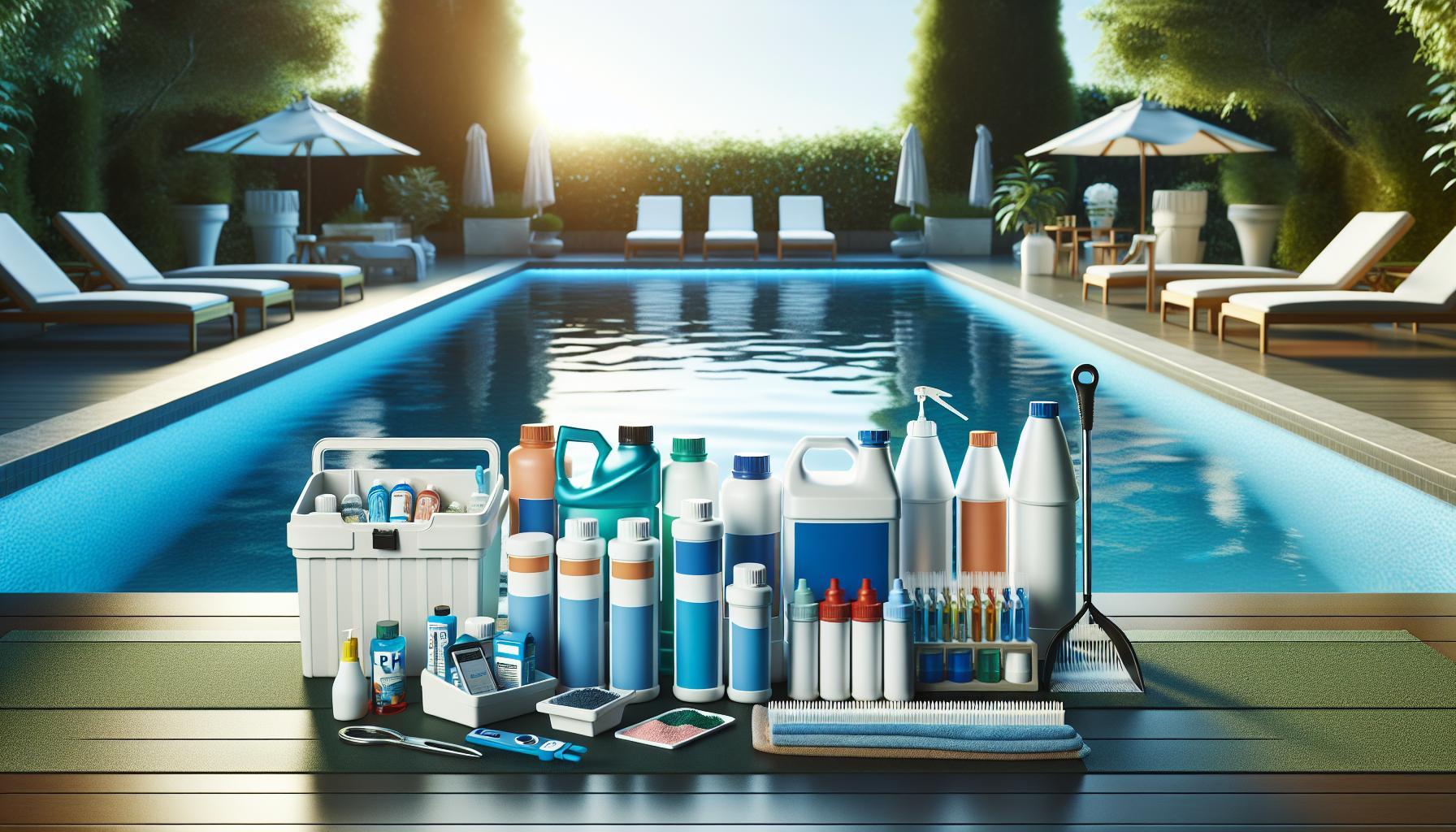
As the temperatures drop, protecting your pool becomes essential to ensure its longevity and functionality. Winterizing your pool not only prevents expensive repairs from freeze damage, but it also keeps the water clean and helps reduce your workload when spring arrives. Many pool owners overlook this critical maintenance step, risking costly consequences.
By taking the time to properly winterize your pool, you can safeguard your investment while ensuring that it’s ready for enjoyment as soon as the warm weather returns. In this guide, we’ll walk you through the essential steps needed to prepare your pool for cold weather, making the process straightforward and manageable. Let’s explore how you can effectively shield your pool from winter’s harsh conditions, keeping it in top shape for years to come.
How to Assess Your Pool for Winterization Needs
Assessing the winterization needs of your pool is crucial to ensure its longevity and integrity through the colder months. A well-prepared pool minimizes the risk of damage caused by freezing temperatures and adverse weather conditions. Start by examining the pool’s overall condition: check for cracks in the pool surface, wear on the liner, and any damage to the decking or surrounding areas. Addressing these issues early on can prevent significant problems when you reopen the pool in the spring.
Next, consider the pool’s plumbing and equipment. Inspect all pipes, filters, and pumps for signs of leaks or wear. Make sure that the heater is functioning correctly, as any malfunction during winterization can lead to costly repairs. Additionally, look at the water level; lowering it below the skimmer is typically recommended to prevent damage from ice expansion. If you have a saltwater pool, assess the salt level, as this can also affect the pool’s components during winter.
Additionally, take into account your local climate and the specific winter challenges it presents. For areas prone to heavy snowfall, a sturdier cover may be necessary. If ice is a common concern, consider investing in equipment specifically designed to protect against freezing temperatures. Document your findings-creating a checklist can help streamline the winterization process and ensure that no critical step is overlooked. By conducting a thorough assessment, you empower yourself to take informed actions that will safeguard your pool during the winter months.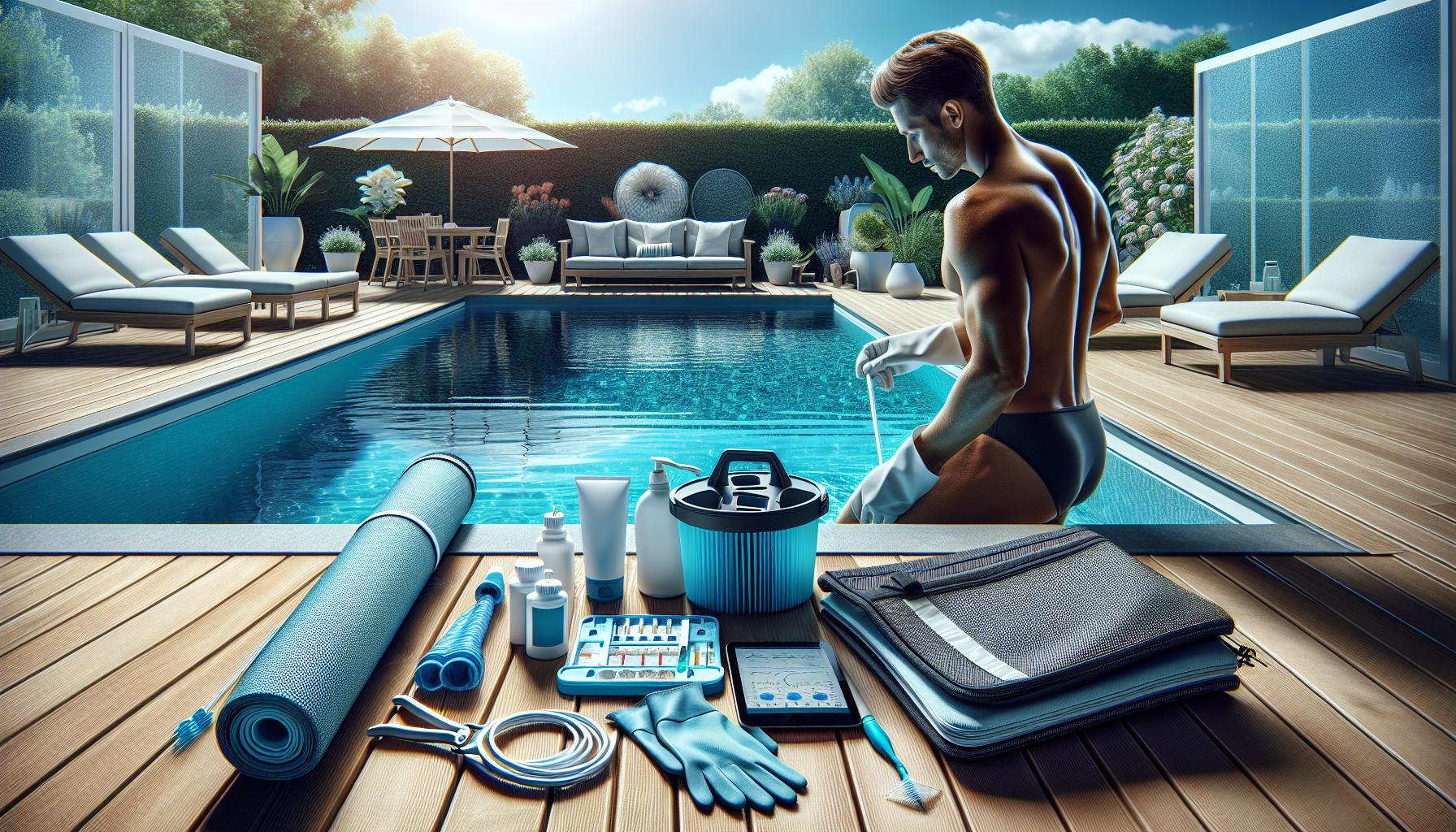
Essential Tools and Supplies for Winterizing a Pool
To ensure your pool emerges from winter ready for fun in the sun, having the right tools and supplies on hand is essential. A well-stocked winterization kit not only streamlines the process but also safeguards your investment from harsh winter elements that can cause significant damage. Here’s a comprehensive list of must-have items to aid in effectively winterizing your pool.
Start with the basics: water testing kits and chemical balancing supplies are crucial for prepping your pool water. You’ll need chlorine stabilizer, algaecide, and pH balancers to ensure your water remains free from algae and won’t corrode your pool surfaces. Invest in a pool cover – ideally, a solid cover that can withstand winter weather, keeping debris and snow out while allowing for water drainage.
For physical maintenance, prepare a pool brush and a skimmer net to remove any remaining debris before covering the pool. A submersible pump can also be invaluable for draining leftover water or melting ice, preventing excess weight on the cover. Additionally, have on hand pipes and fittings specific to your pool system, as replacement parts may be necessary to prevent leaks during the thawing process in spring.
In terms of equipment protection, consider using insulating pipe covers or heat tape for vulnerable plumbing. A winterizing kit that includes pool antifreeze designed for swimming pools will help protect your plumbing from freezing, which is essential for maintaining integrity across your system. Lastly, having a ladder or step stool can assist you in reaching areas more easily, making the winterization process smoother.
By preparing a thorough list of tools and supplies before you begin the winterization process, you can tackle your pool maintenance confidently and safeguard against common vulnerabilities associated with cold weather. This proactive approach ensures that when warmer temperatures return, your pool will be ready for immediate enjoyment.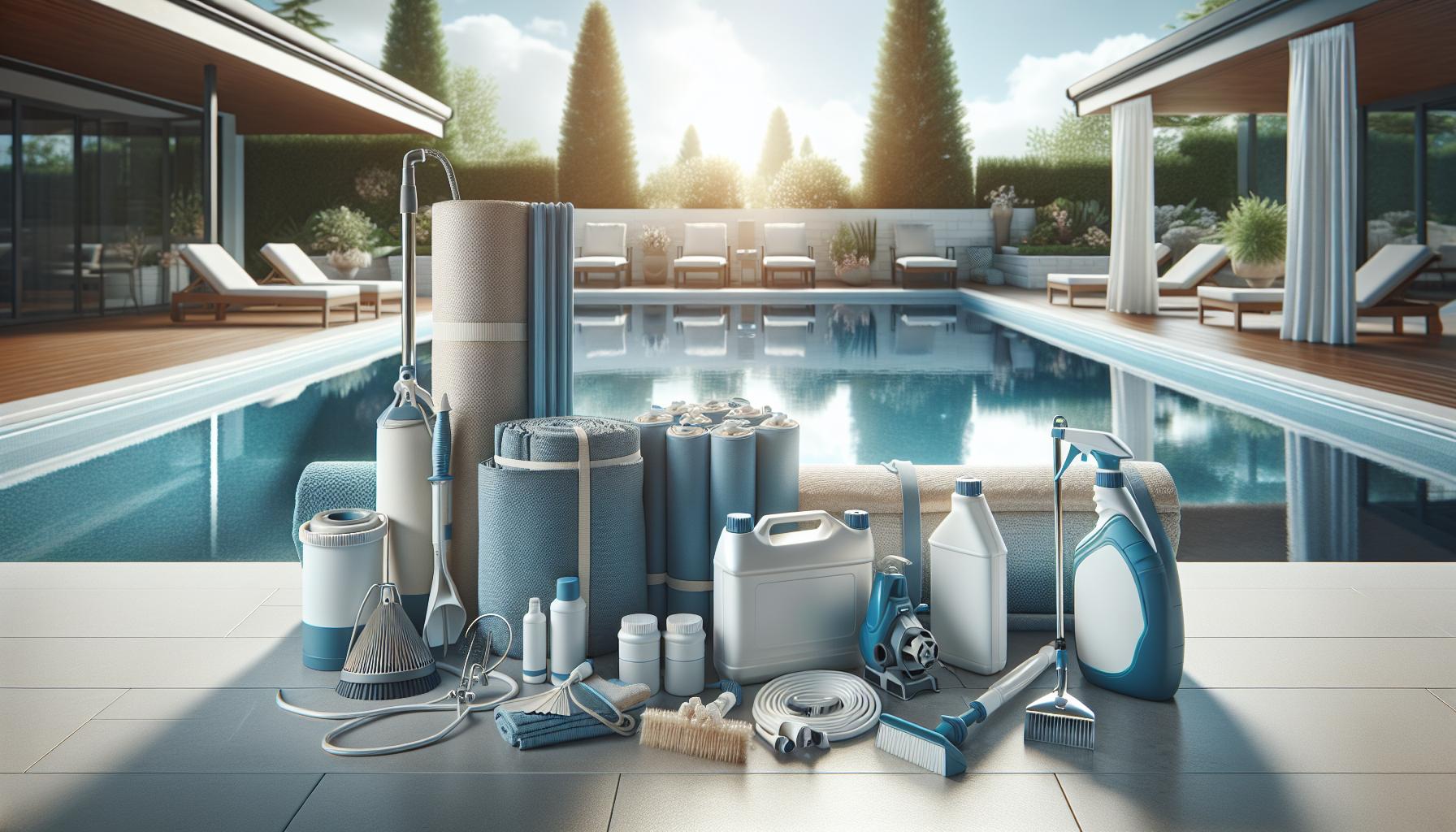
Step-by-Step Guide to Draining Your Pool Safely
Draining your pool safely is a critical step in the winterization process, particularly if you live in an area where freezing temperatures can cause significant damage. Taking the time to do this properly can save you from costly repairs and ensure your pool is ready for reopening when warmer weather returns. Following a step-by-step approach not only increases efficiency but also safeguards the structural integrity of your pool.
Begin by gathering the necessary tools: a submersible pump, hoses, and a backwash valve or multiport valve. Ensure that the submersible pump is in good condition, as its performance is essential for a smooth draining process. Start the draining by positioning the pump at the deepest end of the pool, connecting it to your discharge hose, and ensuring that the discharge end is directed away from the pool area to prevent water from pooling near the foundation of your home.
Next, check for local regulations or guidelines on pool water disposal, as some areas have specific requirements for discharging pool water to minimize environmental impact. Once wastewater is adequately directed, turn on the pump. Monitor the draining process closely, ensuring that the water level doesn’t drop below the skimmer, as this could lead to plumbing issues. If your pool has a main drain, utilize it to accelerate the draining process while maintaining the skimmer’s water level.
As water levels drop, take the opportunity to skim and brush the walls and floor of the pool. This will help eliminate debris and prevent potential staining during the off-season. Once the water is sufficiently drained-typically until it reaches the appropriate level for winterization-turn off the pump and disconnect the hoses. Be mindful of any remaining water in the pump, as it’s essential to thoroughly remove any moisture to prevent freezing in the motor during winter storms.
To finalize the process, inspect the pool for any visible signs of damage or wear before adding antifreeze to protect your plumbing system. By adhering to these steps, you can effectively drain your pool while ensuring that it remains in top condition through the cold months, preparing it for a quick and easy reopen come spring.
The Importance of Cleaning Before Winterization
Ensuring that your pool is clean before winterization is a crucial step that goes beyond mere aesthetics; it’s essential for protecting your investment. Debris and contaminants left in the pool can lead to staining, algae growth, and potential damage to your pool’s surface and equipment throughout the winter months. By dedicating time to a thorough cleaning, you set the stage for a smooth transition into the colder season and minimize your workload when reopening the pool in spring.
Start by skimming the surface to remove leaves, insects, and other floating debris. Follow this up with a thorough vacuuming of the pool floor to collect dirt and silt that has settled, particularly in hard-to-reach corners. For added measure, use a pool brush to scrub the walls and tile line, taking care to remove any visible algae or buildup. This not only helps maintain a clean pool but also allows you to inspect for cracks or damage that may need addressing before winter sets in.
After the physical cleaning, it’s vital to balance the water chemistry. The appropriate levels of chlorine, pH, and alkalinity will help prevent algae growth and combat any remaining contaminants. You may also consider adding a pool algaecide, which provides extra protection during the stagnant winter months. Remember that even minor imbalances can cause significant problems over time, so testing and adjusting your water chemistry is a key component of your winterization strategy.
In summary, maintaining a clean pool prior to winterization is not just about aesthetics; it’s about safeguarding your pool’s surfaces and systems against several adversities that cold weather can bring. This proactive approach ensures that when the sun returns and you’re ready to enjoy your pool again, it’ll be in optimal condition, ready for immediate use.
How to Properly Balance Your Pool’s Water Chemistry
Balancing your pool’s water chemistry before winterization is not only essential for maintaining a healthy pool environment but also for ensuring that your investment is protected during the colder months. When water chemistry is out of balance, it can lead to a myriad of problems, including corrosion, scaling, and the growth of algae. The primary elements to focus on are pH, chlorine, alkalinity, and calcium hardness.
Start by testing the pool water using a reliable water testing kit. Most test kits will measure pH, total alkalinity, and free chlorine levels. Here’s a quick guide on the ideal ranges:
- pH: 7.2 to 7.6
- Alkalinity: 80 to 120 ppm
- Free Chlorine: 1 to 3 ppm
- Calcium Hardness: 200 to 400 ppm
If the pH is too high, which can lead to cloudiness and reduced chlorine effectiveness, add an appropriate amount of pH reducer (sodium bisulfate). Conversely, if the pH is too low, utilize pH increaser (sodium carbonate) to bring it within the ideal range. Next, total alkalinity acts as a buffer to stabilize pH levels. Should your test indicate low alkalinity, add sodium bicarbonate, while high alkalinity can be lowered by partially draining the pool and refilling it with fresh water.
After adjusting pH and alkalinity, focus on chlorine levels, which disinfect the water and help prevent algae growth. Chlorine can be added in granular or liquid form. Finally, assess calcium hardness; if it’s too low, add calcium chloride to prevent the water from being corrosive, which can damage your pool equipment and surfaces.
Keeping these levels balanced is crucial. For example, an imbalanced pH can lead to cloudiness or scaling, while low chlorine levels can allow unwanted organisms to thrive. Regular testing and maintaining proper water chemistry not only safeguard your pool but also ease the reopening process come spring. By taking this proactive approach, you’ll find that maintaining your pool’s condition is more manageable, allowing you to focus on enjoying your pool when warmer weather returns.
Winter Cover Options: Choosing the Right Type
Choosing the right winter cover for your pool is crucial for protecting your investment from harsh winter conditions. Not only does a good cover prevent debris from contaminating your water, but it also helps to maintain the water’s chemical balance and minimize algae growth over the colder months. When selecting a cover, it’s essential to consider factors such as material, weight, and additional features that suit your specific pool needs.
One of the most common types of pool covers is the mesh cover, which allows water to drain through while keeping debris out. This type is ideal if you live in an area with high precipitation, as it prevents the buildup of stagnant water that can strain your pool’s structure. On the other hand, solid covers provide a complete barrier against dirt and debris but require more maintenance to remove accumulated water that can weigh down the cover. Consider investing in a solid cover with a built-in drainage system to alleviate this issue.
Additionally, consider the safety aspect of your winter cover. If children or pets are around, a safety cover, which is securely anchored and designed to support weight, can provide peace of mind. Another option is a bubble cover, typically made of a lightweight, floating material that provides insulation by trapping heat under the surface. This can be beneficial if you plan on opening your pool early in the spring.
To sum up, when choosing a winter cover, evaluate the typical weather conditions in your area, the specific requirements of your pool, and any safety concerns. Make sure to measure your pool correctly to ensure a snug fit and invest in high-quality anchors and straps to secure the cover effectively. With the right cover, you’ll safeguard your pool from winter’s wear and tear, making the spring opening smoother and hassle-free.
Preparing Pool Equipment for Cold Weather
As temperatures drop, ensuring that your pool equipment is ready for the winter months is crucial to prevent damage and extend its lifespan. Taking the time to properly prepare your equipment will save you from potential headaches and costly repairs come springtime. From filters to pumps, each component of your pool system requires specific care to withstand the cold weather.
Start by cleaning and removing your pool’s filter. Whether you have a sand, cartridge, or DE filter, it’s essential to thoroughly clean it according to the manufacturer’s instructions. This helps prevent any lingering contaminants from damaging the filter over the winter. Once cleaned, store your filter indoors, or, if it’s too large, ensure that it is well insulated to protect it from freezing temperatures. For pumps and heaters, drain all water to avoid freezing, which can cause cracking and other damage. Disconnect hoses and remove any attachments, allowing them to dry completely before storage.
Winterizing Other Pool Equipment
Additionally, don’t forget to winterize other essential equipment like the pool cleaner and automatic chlorinators. For the pool cleaner, remove it from the water, clean any debris, and store it in a dry space. If your cleaner has electrical components, ensure these are also protected from moisture and freezing temperatures. For chlorinators, be sure to remove any leftover chlorine or chemicals as residues can lead to deterioration over time.
Keep your pool’s plumbing system safe by blowing out the lines to eliminate any remaining water. This process helps prevent ice from forming in the pipes, which could lead to significant damage. Use a shop vacuum or air compressor, if one is available, to force the water out of the pipes. To add an additional layer of protection, consider using pool antifreeze specifically designed for plumbing systems. After completing these steps, cover any exposed pipes and components to prevent damage from the harsh winter elements.
With the right preparation, your pool equipment will be better equipped to handle the winter while saving you time and money in the long run. Stay proactive and thorough to ensure a seamless transition when it comes time to reopen your pool in the spring.
Protecting Pool Plumbing from Freezing Damage
As winter approaches, the threat of freezing temperatures can pose a serious risk to your pool’s plumbing system. Water left in the pipes is prone to freezing, which expands and can lead to cracked pipes or damaged fittings, resulting in costly repairs come spring. Taking proactive steps to safeguard your plumbing will ensure that your pool is ready for the warmer months without the aftermath of winter woes.
Start with a thorough blowout of your pool’s plumbing lines. This process is essential for eliminating any residual water that could freeze. Using a shop vacuum or air compressor, carefully force all the water out of the lines. Begin at the return jets and work your way towards the skimmer, ensuring that any water trapped in bends or corners is removed. After clearing the lines, it’s wise to use a specialized pool antifreeze, which is designed for plumbing systems. This antifreeze will help prevent any remaining moisture from freezing and causing damage.
Another important aspect of protecting your plumbing is insulating any exposed pipes. Wrap vulnerable sections of your plumbing, including skimmer lines, return lines, and any above-ground pipes, with foam insulation or heat tape. This will provide an additional layer of protection against extreme cold. Additionally, if you have a pool cover, make sure it is securely in place; this helps to insulate the entirety of your pool area and mitigate temperature drops.
Lastly, consider regular checks throughout the winter. If temperatures are expected to drop significantly, run the pump just enough to keep water circulating. Moving water is less likely to freeze, which can provide an added safeguard against winter damage. Following these steps will give you peace of mind, knowing that you’ve done everything possible to protect your pool plumbing from freezing damage. Taking the time to prepare effectively now will save you from future headaches and costly repairs.
Tips for Maintaining Your Pool Cover
One of the most crucial aspects of winterizing your pool is maintaining its cover. An effective pool cover not only protects your pool from debris and potential damage but also plays a significant role in retaining water warmth and minimizing chemical use. Ensuring your pool cover is well-maintained can prevent unnecessary headaches come springtime.
To start, regularly check your pool cover for any signs of damage or wear, especially after storms or heavy winds. Look for tears, holes, or areas where the cover may have sagged and water has pooled on top. If you notice any issues, it’s essential to repair them promptly, as even small tears can lead to larger problems, such as debris entering the pool or algae growth. For minor tears, a strong waterproof tape can suffice; however, larger issues may require a patch kit designed for pool covers.
Additionally, maintaining the surface of your pool cover is vital. Clear off any leaves, dirt, or snow accumulation that can weigh down the cover and cause it to sag. Utilizing a pool cover pump can help remove standing water, preventing strain on the cover and potential damage. Ensure the pump is placed correctly and is operational, as stagnant water can create an environment for mold and mildew, which could lead to deterioration of the cover material.
Lastly, consider using a cover pump or a blower to regularly dry the cover during colder months, as excess moisture can deteriorate the fabric over time. If your pool cover is equipped with straps or stakes, make sure they are secured tightly to withstand strong winds, preventing the cover from lifting and becoming damaged. Properly maintaining your pool cover will not only prolong its life but will also ensure that your pool is ready for a smooth transition when you reopen it in the spring.
Troubleshooting Common Winterization Problems
When winterizing your pool, unexpected problems can arise that may leave you feeling overwhelmed. However, understanding these common issues and knowing how to address them can make the process smoother and more manageable. For instance, if you find that your pool water is clouding up after chemical treatment, this could indicate an improper balance of chemicals. To fix this, test the water using a reliable kit and adjust your pH, alkalinity, and chlorine levels accordingly, ensuring everything is within the recommended ranges before winterizing. This proactive approach helps prevent algae growth and ensures your pool is crystal clear come spring.
Another frequent challenge involves freeze damage to pool equipment and plumbing. To prevent this, properly drain your pool equipment, including the filter, pump, and heater. It’s essential to add specific non-toxic antifreeze to the plumbing lines that cannot be drained completely. In cases where equipment has already sustained damage, assess for cracks or leaks and have them repaired promptly. If you discover any cracks in the pool’s structure or skimmer, utilize a waterproof sealant to prevent further water ingress and freeze damage during the winter months.
In addition, maintaining the integrity of your winter cover is crucial. If you notice pooling water or debris on top, it could indicate that the cover is sagging or not secure. Promptly remove excess water with a cover pump, and ensure that the cover’s straps or anchors are tightly secured against strong winds. If the cover is damaged, repair small tears with waterproof tape or consider replacing it if the damage is extensive. A well-maintained cover protects your pool from unwanted debris and harsh winter conditions, contributing to a smoother opening in the spring.
Lastly, keep an eye out for pests or wildlife that may find their way into your pool area during the off-season. Installing barriers or fencing around your pool can provide additional protection. If you do encounter any critters, safely and humanely remove them to avoid any unintended damage to your pool’s equipment or structure. By anticipating these issues and taking steps to resolve them, you set the stage for a successful winterization, ensuring that your pool remains in excellent condition for when you’re ready to swim again.
Spring Preparation: Transitioning from Winter to Summer
As the days lengthen and temperatures rise, the anticipation of summer swims becomes palpable. Transitioning from winter to summer requires careful steps to ensure your pool is not only clean and inviting but also safe and ready for use. The first order of business is to remove your winter cover. Once this is done, inspect it for damage; any tears or punctures should be repaired or replaced to ensure it’s ready for the next winter season.
Next, it’s crucial to assess the pool’s water chemistry. Start by filling the pool back to its normal water level if it has been drained, and conduct a comprehensive water test. This involves checking pH, alkalinity, and chlorine levels. Ideally, pH should be between 7.2 and 7.6, alkalinity should be 80-120 ppm (parts per million), and chlorine around 1-3 ppm. Adjust these levels as necessary using appropriate chemicals, and consider shocking the pool with a high dose of chlorine to eliminate any residual contaminants that may have accumulated during winter.
Equipment Check and Maintenance
With the water settled, turn your attention to the pool equipment. Inspect the filter, pump, and heater for any signs of wear or damage. Clean or replace the filter cartridges, and ensure that the pump is functioning smoothly. Run the pump for at least 24 hours to circulate and filter the water thoroughly before swimming. Also, check for any leaks in the plumbing connections and tighten or replace any parts as needed.
Spring Cleaning and Safety Measures
Post-winter cleaning is equally important. Skim the surface of the pool to remove leaves and debris, and scrub the walls to eliminate any algae buildup. Vacuum the pool floor to maintain that pristine look. Additionally, ensure that any safety measures, such as pool covers or barriers, are in place to protect children and pets from accidental entry into the water.
Finally, take time to check on the surrounding area. Trim back any overgrown foliage that may have developed over the winter months, and inspect the deck for any loose boards or hazards. By following these steps, you’ll not only ensure your pool is in top shape for summer but also create a safe and enjoyable environment for family and friends to enjoy the cool waters all season long.
Q&A
Q: How do I prepare my pool chemicals for winterization?
A: To prepare your pool chemicals for winterization, ensure your water is balanced properly. Test and adjust pH, alkalinity, and calcium hardness. Shocking the pool with chlorine will help kill algae and bacteria, providing a clean start for winter. Refer to the section on balancing water chemistry for detailed steps.
Q: What is the best type of winter cover for my pool?
A: The best type of winter cover for your pool depends on size and climate. Solid covers prevent debris and sunlight, reducing algae growth, while mesh covers allow water to drain and reduce the risk of ice formation. Choose one that suits your pool’s needs effectively.
Q: How can I protect my pool heater from winter damage?
A: To protect your pool heater from winter damage, turn it off and drain all water to prevent freezing. Follow the manufacturer’s directions for winterization, and insulate any exposed pipes with foam covers. This prevents ruptures and prolongs the heater’s lifespan.
Q: When should I winterize my pool?
A: You should winterize your pool before temperatures drop consistently below freezing. Typically, this occurs in fall, around when trees lose their leaves. Winterizing before freezing temperatures will help prevent damage to your pool and equipment.
Q: Can I leave water in my pool during the winter?
A: While some water is necessary to keep the pool cover in place, it’s recommended to lower the water level beneath the skimmer to prevent freezing in the plumbing. Refer to the draining section for specifics on how to safely lower the water level.
Q: How do I prevent algae growth during winter?
A: To prevent algae growth during winter, ensure proper chemical balance and shock the pool with chlorine before closing it. Cover your pool with a reliable winter cover, which also helps block sunlight that promotes algae growth.
Q: What steps should I take if there is a pump freeze?
A: If you suspect a pump freeze, turn off the pump immediately to avoid damage. Drain the pump as per the manufacturer’s guidelines and insulate it with thermal covers. Monitor freezing temperatures and act quickly to prevent issues.
Q: What maintenance should be done on my pool cover during winter?
A: Regularly check your pool cover for debris and standing water. Clear any snow accumulation promptly, and use a cover pump if needed to keep the surface clear. This maintenance ensures longevity and effectiveness of the cover throughout winter.
To Wrap It Up
Winterizing your pool is essential for protecting your investment and ensuring a trouble-free spring opening. By following these crucial steps, you can prevent damages from freezing temperatures and keep your pool in top condition. Don’t wait until the first frost; start your winterization process now to ensure a smooth transition into colder months.
For further insights, check out our guides on troubleshooting common pool issues or enhancing your pool’s longevity through proper maintenance. If you have specific questions, feel free to explore our dedicated community forums, where thousands of pool owners share their experiences and tips. Join our newsletter for the latest updates and expert advice tailored for your pool needs. Remember, a well-winterized pool is your ticket to enjoying a refreshing summer-act now and stay ahead of the season!