


As temperatures soar, your pool should be a refreshing escape, not an overheated disappointment. Keeping water cool not only enhances your swimming experience but also helps maintain chemical balance and prevents algae growth. Whether you’re grappling with summer heat or just seeking a more enjoyable swim, discovering effective solutions to cool your pool is essential.
In this guide, we’ll explore practical methods to beat the heat, equipping you with actionable strategies that are easy to implement. From natural techniques like shade solutions to high-tech options like pool chillers, you’ll find a variety of tools at your fingertips. Dive in to learn how to transform your pool into the perfect summer oasis, allowing you and your family to enjoy every moment in cool comfort.
Understanding the Importance of Pool Cooling Solutions
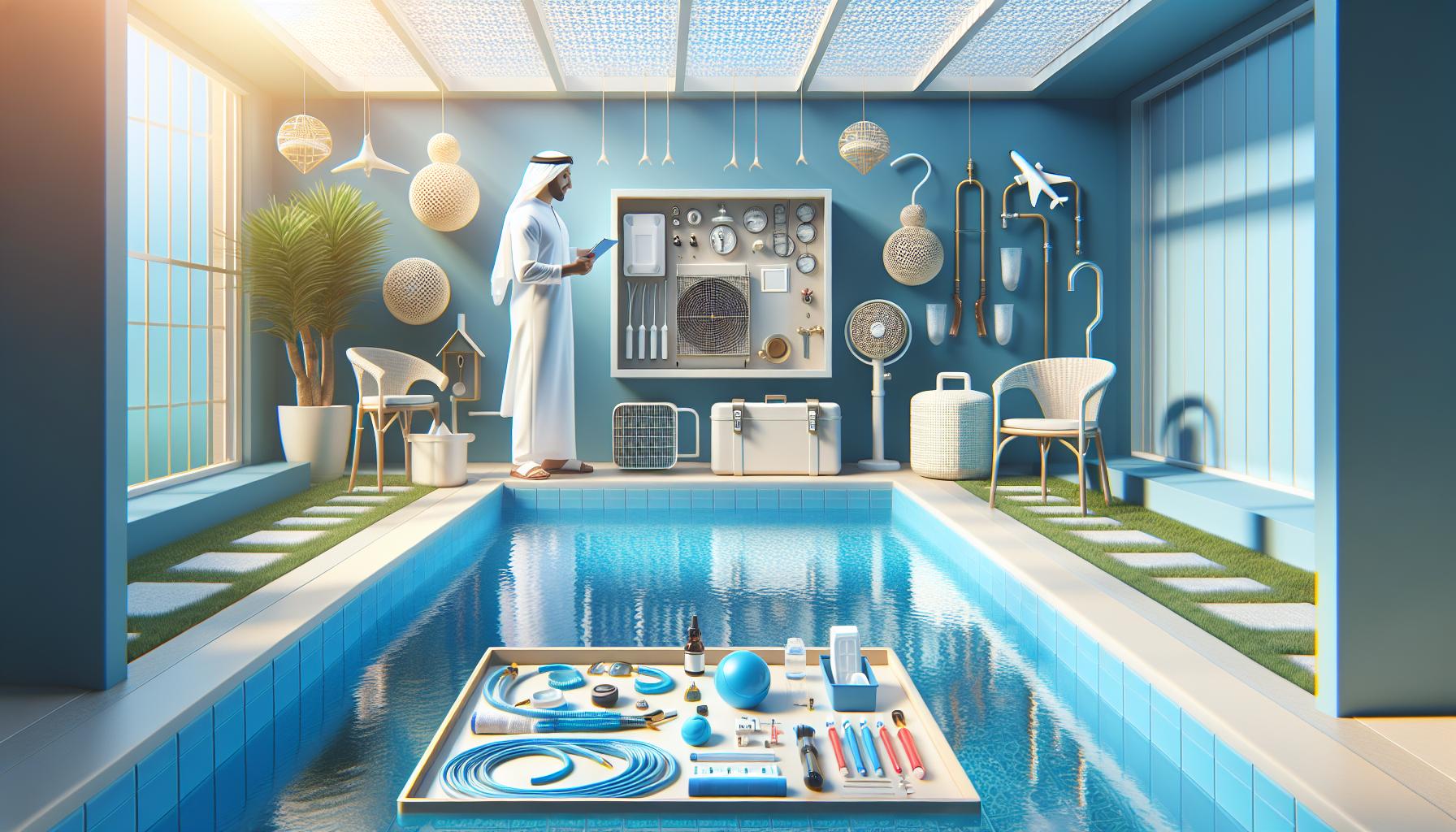
As the summer heat intensifies, ensuring that your pool remains a refreshing oasis becomes essential. The importance of effective pool cooling solutions cannot be understated, especially as high temperatures can deter you and your family from enjoying your pool. Warm water can lead to unpleasant swimming experiences and may even promote algae growth, cloudiness, and other water quality issues. Therefore, implementing cooling strategies not only enhances comfort but also helps maintain the overall health of your swimming pool.
One key approach to understanding pool cooling is to consider the various methods available, each suited to different needs and pool types. For instance, natural cooling techniques, such as utilizing shade from landscaping or implementing water features like fountains, can significantly reduce water temperatures. These options enable you to cut back on energy consumption while still enjoying a crisp swimming pool environment. Additionally, recognizing the highest temperature differences between air and water will guide you in selecting the most effective cooling method for your specific climate and pool setting.
Homeowners should also keep in mind that the right cooling solutions can save money on pool maintenance and water chemistry adjustments. A cooler pool is less likely to suffer from excessive evaporation and chemical imbalances. By investing time in exploring different cooling options-whether through simple natural means or more advanced technologies such as pool chillers-you can enhance both your comfort and your pool’s longevity. Embracing these strategies allows you to maximize your pool experience, turning it into a perfect retreat even during the hottest months.
Lastly, regularly monitoring your pool’s temperature can help you adjust your cooling methods effectively. Employing simple thermometers or smart pool monitoring systems can empower you to maintain the right balance, ensuring that your pool provides a pleasant escape regardless of external conditions. Remember, a well-cooled pool is not just a luxury-it’s a necessity for enjoyable summer lounging and swimming.
Choosing the Right Cooling Method for Your Pool
Choosing a cooling method for your pool is crucial in transforming it into the perfect summer haven. With temperatures soaring, selecting the right solution not only enhances your comfort but also safeguards your pool’s water quality and overall maintenance. There are several methods at your disposal, ranging from the simple to the sophisticated, each catering to different pool setups and lifestyles.
One effective approach to cooling your pool is through the implementation of shade. This can be achieved by strategically placing trees, planting shrubs, or erecting structures like gazebos or umbrellas at key locations around the pool. These not only block direct sunlight but also create a comfortable lounging area. Consider using pergolas or canopies that can provide shade while enhancing your outdoor aesthetic.
If you’re seeking a more advanced solution, pool chillers are an excellent investment, particularly for larger or in-ground pools. They work by circulating water through refrigeration coils to lower temperatures quickly. For a cooler option that’s eco-friendly and cost-effective, a solar-powered chiller can be the perfect choice, providing efficient cooling while minimizing energy costs. Installation typically involves connecting the chiller to your pool’s filtration system, requiring some plumbing expertise, so consulting with a professional may be beneficial.
For those who prefer a DIY approach, consider using water features like fountains or waterfalls, which not only introduce a refreshing splash of water but also promote evaporation-an effective method to cool the water. Pairing these features with a good pool cover can significantly impact temperature stabilization, minimizing heat retention during the day and reducing overall evaporation.
Remember, the ideal solution balances practicality with your personal style and energy efficiency. Evaluating your specific pool type, climate, and budget will empower you to choose the most effective cooling method, ensuring your pool remains a refreshing retreat all summer long.
5 Effective Ways to Cool Your Pool Naturally
To keep your pool cool during the hot summer months, exploring natural cooling methods can be both effective and environmentally friendly. Utilizing the natural elements around your yard not only helps decrease water temperatures but also enhances the overall aesthetic of your outdoor space. Here are five effective strategies to help cool your pool naturally.
Shade Solutions
One of the most straightforward methods to reduce your pool temperature is by adding shade. Trees, tall shrubs, or strategically placed pergolas can block the harsh sun, lowering water temperatures and providing a more comfortable lounging area. Consider fast-growing trees or plants that provide ample cover over time; this will not only cool your pool but benefit your garden too. Additionally, installing retractable awnings or canopies can help manage sun exposure as the sun’s position changes throughout the day.
Water Features
Introducing water features like fountains or waterfalls into your pool area can add a refreshing element while naturally cooling the water. As the water from these features cascades, it promotes evaporation, which effectively lowers the surrounding temperature. The sound of flowing water can also create a tranquil atmosphere for relaxation. Even basic DIY features, such as a simple spout or nozzle, can provide this effect without a significant investment.
Evaporative Cooling Techniques
Increased evaporation is a powerful natural cooling method. Create a cross-breeze around your pool using fans strategically positioned near the water’s surface. This approach helps evaporate some of the water and cools the pool down as the breeze circulates. Additionally, consider leaving your pool cover on during the hottest parts of the day; it helps to minimize water temperature spikes while minimizing evaporation during cooler night temperatures.
Use of Natural Covers
Natural pool covers, such as floating plants or an aquatic garden, can also assist in regulating water temperatures. For instance, using lily pads or other floating plants can block direct sunlight while providing shade, thus maintaining cooler water. These plants can also enhance the environmental quality of your pool by promoting biodiversity.
Strategic Landscaping
Finally, carefully planning your landscape around the pool area can contribute significantly to its cooling. Utilize hardscaping elements, such as stone pathways and walls, to absorb heat while allowing for airflow. Incorporate materials that reflect rather than absorb sunlight, and create windbreaks with shrubbery or fencing that channels breezes toward the pool.
By implementing these natural methods, you not only help your pool stay cool but create a more enjoyable and inviting outdoor retreat. These solutions not only highlight the importance of natural cooling techniques but also contribute to a sustainable and beautiful backyard environment.
How Pool Covers Can Help Maintain Temperature
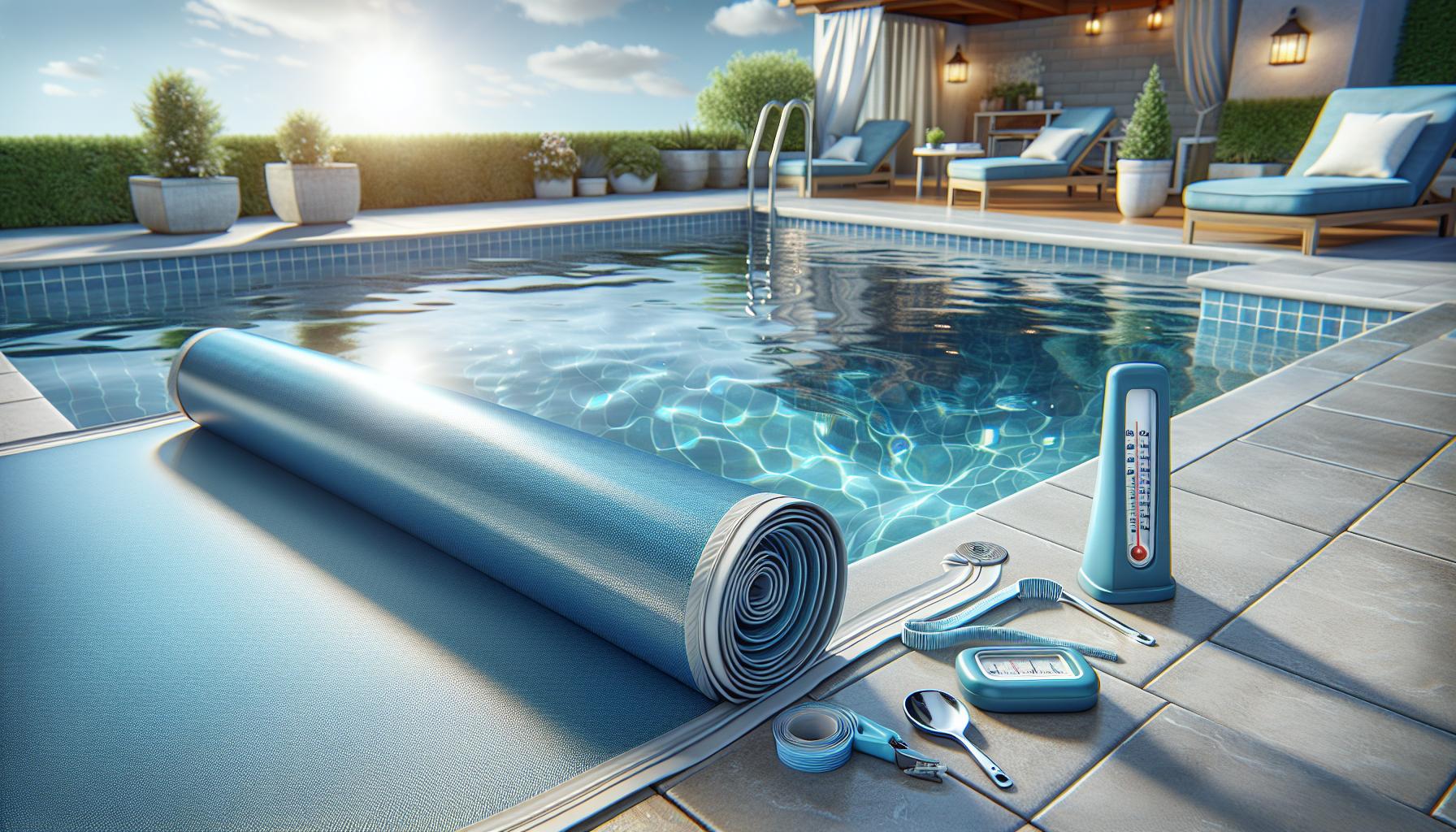
Covering your pool is not just about keeping debris out; it plays a pivotal role in temperature regulation, ensuring your swimming experience remains comfortable even during the hottest days of summer. Many pool owners overlook the benefits of pool covers, but utilizing them can significantly reduce water evaporation and heat loss, especially during nighttime. Research indicates that a significant amount of pool water can evaporate when left uncovered, leading to higher heating costs and wasted water, not to mention a less enjoyable swimming environment.
To maximize the cooling effect, choose a thermal pool cover. These are designed specifically to retain heat during cooler nights while minimizing heat gain during hotter days. During peak sun exposure hours, a high-quality thermal cover can lower the water temperature by preventing direct sunlight from warming the surface and helping to reflect some of the sun’s rays. This can lead to a more stable water temperature throughout the day, enhancing swimming comfort. Additionally, the cover acts as a barrier against wind, which can further cool the water through increased evaporation.
Regularly using your pool cover offers both immediate and long-term financial benefits. Firstly, it can reduce your heating costs by up to 70%, making your pool much more energy-efficient. Secondly, by minimizing temperature fluctuations, your pool’s overall maintenance can become more manageable. This stability prevents the rapid growth of unwanted algae and bacteria often fueled by temperature spikes, which means less chemical usage and fewer expensive treatments for pool clarity and sanitation.
Here are some tips for effectively using pool covers to maintain temperature:
- Cover During the Day: Especially during peak sun hours, this will help keep the water cooler.
- Invest in a Quality Cover: Choose a solar blanket or thermal cover that suits your pool size and shape.
- Regular Maintenance: Ensure the cover is clean and free of any debris that may hinder its insulating properties.
- Monitor Water Levels: Keep an eye on water levels to maintain adequate pool performance, especially if using a solid cover.
By considering the advantages of covering your pool, you empower yourself to create a more economical and enjoyable swimming environment. Embracing this simple yet effective method can make a considerable difference in both water temperature and overall pool maintenance, setting you up for a refreshing and pleasant experience all summer long.
Advanced Techniques for Rapid Pool Cooling
To achieve rapid cooling of your pool, implementing effective techniques can significantly enhance your swimming experience, especially during the sweltering summer months. One of the most immediate methods is to increase water circulation and agitation. By utilizing pool fountains or waterfalls, you can distribute cool water throughout the pool and promote evaporation, which has a natural cooling effect. For those with a variable-speed pump, it’s beneficial to run your pump at higher speeds during the hottest parts of the day to maximize water movement and create a refreshing current.
Utilize Shade Strategically
Another advanced strategy involves harnessing natural and artificial shade. Consider integrating awnings, canopies, or even strategically placed trees to block direct sun exposure from hitting the water. This can lead to noticeably cooler water temperatures. Furthermore, movable shade structures allow flexibility in positioning according to the time of day and sun angle, maximizing shade benefits when the heat is most intense.
Investing in a Pool Chiller
For a more permanent solution, pool chillers are an excellent investment. These devices function like an air conditioner for your pool, circulating water through a cooling coil and returning it to the pool at a lower temperature. Installation can be straightforward, particularly if you select models designed for DIY setups. Ensuring proper sizing and capacity relative to your pool’s volume is essential for optimal performance and efficiency.
Implementing Ice and Salt Solutions
For quick, cost-effective cooling, an ice and salt method can yield results. By creating a slurry of ice and salt-where salt lowers the freezing point of water-you can pour this mixture into the pool. The icy effect can persist longer in the water, and it’s a simple temporary fix to quickly lower the temperature. However, moderation is crucial; excessive salt can throw off your water chemistry and lead to algae growth.
Ultimately, regularly checking your pool’s chemistry and temperature after employing these techniques can guide you in maintaining an ideal swimming environment. By thoughtfully blending these distinct approaches, you can enjoy a cool oasis at just the right temperature, regardless of the heatwave outside.
Pool Landscaping Tips for Natural Shade and Cooling
Creating an inviting pool environment goes beyond just maintaining clear water; landscaping plays a crucial role in keeping your pool cool and comfortable during hot summer days. Ingenious landscaping can provide the natural shade necessary to lower your pool’s temperature, not only enhancing your swimming experience but also contributing to energy efficiency by reducing reliance on mechanical cooling methods. For instance, well-placed trees and plants can block direct sunlight, creating microclimates around your pool that help maintain a refreshing atmosphere.
When assessing your pool area, consider incorporating tall trees with dense foliage around the perimeter. Species such as oaks or maples can provide substantial shade without overwhelming the space. To maximize cooling without sacrificing aesthetics, opt for medium-sized trees that won’t cast shadows all day long, allowing sunlight to filter through at different angles. Additionally, using fast-growing varieties like willows can create instant shade as they mature.
Another effective strategy is to implement hedges or tall ornamental grasses alongside the pool. These not only serve as privacy screens but also act as windbreaks, thereby enhancing comfort levels while swimming. Groupings of plants can also help to absorb heat, as greenery provides a natural cooling effect through the process of transpiration. Be sure to select native plants that are drought-resistant to ensure low maintenance and sustainability.
Incorporating hardscaping elements such as pergolas or trellises can be a stylish way to add shade. Drape them with climbing vines like wisteria or trumpet vine to create a natural canopy. You might also consider installing large umbrellas or shade sails for a more flexible coverage option, allowing you to adjust shade based on the time of day.
By integrating these landscaping techniques, you can create a serene oasis around your pool that not only enhances its visual appeal but actively contributes to cooler water temperatures. This thoughtful approach not only beautifies the area but also promotes a more enjoyable and tranquil swimming experience.
Using Pool Chillers: Benefits and Installation Guide
Pool chillers are becoming increasingly popular among homeowners looking to beat the summer heat and maintain a comfortable swimming environment. Unlike traditional methods of cooling, such as simply running a fountain or employing shade structures, a pool chiller actively lowers the water temperature, providing relief from sweltering days. These units work by circulating pool water through a refrigeration system that cools it before returning it to the pool, effectively delivering refreshingly cool water that enhances your swimming experience.
Benefits of Using Pool Chillers
Investing in a pool chiller offers numerous advantages. For starters, it allows you to enjoy your pool throughout the hottest months, making it more usable regardless of ambient temperatures. Additionally, this kind of system can significantly reduce water temperature fluctuations, maintaining optimal conditions for swimming. Efficient chillers also often come with energy-efficient features, which can help manage operational costs compared to traditional cooling methods. Moreover, some models include built-in heating capabilities, providing versatility by allowing homeowners to heat their pool during cooler seasons as well.
Installation Guide
For those considering a pool chiller, installation can be broken down into manageable steps that you can tackle yourself or with the help of a professional.
- Choose the Right Chiller: Assess your pool size and usage to select a chiller with adequate cooling capacity. Check the specifications to ensure it meets your needs.
- Prepare the Location: Find an appropriate area near your pool to place the chiller. The spot should allow for proper airflow and be within reach of the pool plumbing connections.
- Connect the Plumbing: Use appropriate piping to connect the pool’s circulation system to the chiller. Ensure all connections are secure to prevent leaks. Follow manufacturer guidelines for this process.
- Power Up: Install the electrical connections according to local codes. Some chillers require hardwiring, while others may operate on standard outlets. Always prioritize safety and consider hiring a licensed electrician for electrical installations.
- Test the System: Once installed, run the chiller to ensure it’s functioning correctly. Monitor the water temperature and check for any leaks or unusual noises.
- Regular Maintenance: To keep your chiller operating efficiently, schedule regular maintenance. This includes cleaning filters and ensuring the unit is free of debris, which can impair performance.
By following these steps, you can confidently integrate a chiller into your pool environment, enhancing comfort and usability during hot days. Whether you decide to install it yourself or hire help, a pool chiller can be a game-changer for your summer swimming experience.
Cost-Effective DIY Solutions for Pool Cooling
As temperatures soar during the summer months, finding affordable and effective ways to cool your pool becomes essential for maintaining a refreshing swimming environment. Fortunately, there are several DIY solutions that can significantly lower your pool’s temperature without breaking the bank. These methods allow you to enhance your pool experience while being mindful of your budget.
One of the simplest and most effective strategies is to utilize shade. By strategically placing umbrellas, canopies, or shade sails around your pool area, you can reduce direct sunlight exposure, thereby lowering water temperatures. Consider planting trees or tall shrubs around the pool to provide natural shade, which not only cools the water but also enhances your outdoor space. Regular landscaping maintenance will ensure that these plants continue to provide adequate coverage as they grow.
Another innovative DIY approach is creating a cooling fountain. A small solar-powered fountain can add both aesthetic appeal and functionality. The moving water increases evaporation, which cools the surface temperature of the pool. Plus, the gentle sound of water can enhance your relaxation experience. To build a cooling fountain, purchase a small solar pump and install it with minimal plumbing to circulate water continuously from the pool. This not only cools the water but also increases the overall ambiance of your backyard.
Finally, consider using water features to promote evaporation. Installing a misting system around your pool area can significantly lower the ambient temperature. When the mist evaporates, it cools the surrounding air, making it more comfortable to be outside. You can create a DIY misting system using a garden hose with fine nozzles attached. Position the nozzles to spray a fine mist over the pool area, ensuring that it doesn’t directly drench the pool but enhances the cooling effect.
By implementing these cost-effective DIY solutions, you can enjoy a cooler pool environment all summer long while keeping expenses low. Embrace your creativity and resourcefulness, and don’t hesitate to experiment with different setups to find what works best for your space!
Promoting Evaporation: Techniques You Need to Try
When it comes to cooling your pool, harnessing the power of evaporation can be one of the most effective and natural methods. Evaporation is the process by which water molecules transition from a liquid to a gaseous state, taking heat with them and thus lowering the temperature of the remaining water. By implementing specific techniques to promote evaporation, you can significantly reduce the temperature of your pool while creating a more enjoyable swimming environment.
One easy way to boost evaporation is by increasing water movement. Installing a pool fountain can create ripples in the water surface, which enhances evaporation. A simple solar-powered fountain can be both aesthetically pleasing and practical. Just submerge the pump in your pool, attach the fountain head, and let it do the work. This simple addition not only helps cool the pool but also adds dynamic beauty to your outdoor setting.
Consider a Misting System
Implementing a misting system around your pool area is another excellent solution. This setup works by spraying a fine mist of water into the air. As the mist evaporates, it cools the surrounding air, effectively lowering the overall temperature of your pool area. Creating a DIY misting system can be achieved using a garden hose fit with fine nozzles. Position the nozzles strategically to avoid drenching the pool, maintaining a dry area while enhancing temperature reduction.
Use Pool Covers Wisely
While pool covers are often associated with heat retention, certain types designed to allow for airflow can promote evaporation when you remove them during hot days. Lightweight mesh covers can let moisture escape while still shielding the water from debris. This can be particularly effective during the day when temperatures rise.
Incorporating these evaporation-promoting techniques not only helps to maintain a cooler pool but also creates a more inviting atmosphere for you and your guests. Remember, the goal is to find a balance that keeps your pool enjoyable without excessive energy costs. With these straightforward solutions, you can effectively harness the natural processes of evaporation to keep your pool comfortable and refreshing throughout the hot summer months.
How to Monitor and Maintain Ideal Pool Temperature
Maintaining the ideal temperature of your pool is essential for ensuring a pleasant swimming experience. Regular monitoring of water temperature not only enhances comfort but also plays a crucial role in preventing the growth of harmful bacteria and algae. Pool water that becomes too warm can lead to an array of issues, making it important to find a balance and keep the temperature within a desirable range, typically between 78°F and 82°F (25°C to 28°C).
To efficiently monitor your pool’s temperature, start by investing in a reliable pool thermometer. Digital thermometers offer the advantage of quick readings, while floating thermometers are also good options for constant temperature checks. Place the thermometer in various areas of the pool to get a more accurate understanding of any temperature variations resulting from sunlight exposure or water circulation patterns. Additionally, integrating a smart pool system can provide real-time temperature readings and notifications directly to your smartphone, making it easier to maintain the ideal conditions.
Once you know the current temperature, it’s time to implement strategies to maintain or adjust it. If your pool tends to overheat, consider using solar covers during the hottest parts of the day to limit direct sunlight, thus reducing heat gain. Conversely, if your pool is too cool, using a pool heater or a solar heater can help elevate the water temperature. Also, scheduling pool maintenance in the early morning or late evening can mitigate the amount of heat loss, particularly during cooler nights.
In terms of troubleshooting common temperature issues, always check your pool’s circulation system. A malfunctioning pump can lead to stagnation, which affects temperature uniformity. Ensure your pump and filtration system are running efficiently and regularly clean or backwash the filter to maintain optimal performance. Lastly, always observe the weather; prolonged cloudy conditions or cooler temperatures can inherently drop your pool’s temperature, so plan your heating strategy accordingly. By prioritizing these steps, you can enjoy a consistently comfortable swimming environment throughout the season.
Troubleshooting Common Pool Cooling Issues
Maintaining a cool pool can sometimes feel like an uphill battle, especially when the sun blazes overhead, but it doesn’t have to be overwhelming. Understanding common pool cooling issues and their solutions can be the key to enhancing your swimming experience. One of the most frequent challenges pool owners encounter is inadequate cooling, often stemming from circulation problems, equipment malfunctions, or environmental factors. By tackling these issues head-on, you can keep your pool refreshing and inviting even on the hottest days.
A pivotal step in troubleshooting cooling inefficiencies is to evaluate your pool’s circulation system. Start by checking the pool pump; a pump that is running irregularly or is completely non-functional can lead to stagnant water, which not only causes temperature inconsistencies but can also create ideal conditions for algae growth. If you notice that your pump is functioning poorly, inspect the basket for debris and clean or replace cartridges as necessary. Don’t forget to backwash your filter regularly to ensure it’s not obstructing water flow.
Another important component to consider is your pool heater. If your heater is malfunctioning, it might fail to provide warmth when needed, leading to an unpleasantly cool swimming environment. Regularly scheduled maintenance on your heating unit, including inspection and cleaning, can prevent unexpected breakdowns. If after these checks your pool remains cooler than desired, consider external influences such as shade or wind. Use plants, canopies, or pool covers strategically to block excessive wind and reduce evaporation, maintaining your pool’s temperature more effectively.
Lastly, monitor the overall water chemistry. If chlorine or pH levels are unbalanced, it can influence the feel of the water and its perception of temperature. Regular testing and adjustment of your pool water is crucial; ideally, aim for a pH level between 7.4 and 7.6 to enhance comfort while swimming. By swiftly addressing these cooling challenges through proper maintenance and environmental control, you can create an oasis that stays inviting, no matter how high the mercury rises.
Seasonal Tips for Preparing Your Pool for Heat
As the temperature rises and summer approaches, preparing your pool for the heat is crucial to ensure a refreshing swimming experience. One of the most effective strategies involves a thorough pre-season check-up that covers both your equipment and your environment. A well-maintained pool will not only stay cool but also enhance your overall enjoyment throughout the hot season.
Start by examining your pool’s circulation system; a properly functioning pump is vital for maintaining water quality and temperature. Begin with the following steps:
- Inspect the Pool Pump: Look for signs of wear or potential issues. Ensure the pump runs smoothly without unusual noises, which might indicate a malfunction.
- Clean the Skimmer and Pump Basket: These components often collect leaves and debris, which can impede water flow.
- Check and Backwash the Filter: A dirty filter restricts water circulation, causing uneven temperatures and fostering algae growth. Ensure the filter is clean and backwash it if necessary.
Regular maintenance should also extend to your pool’s chemicals. Before peak swimming season, balance the pH level (ideally between 7.4 and 7.6) and ensure chlorine levels are sufficient to maintain water clarity and safety. This not only ensures a pleasant swimming experience but also helps in efficient cooling.
Consider external factors that can raise your pool’s temperature. One effective solution is landscaping for shade. Zone your yard with strategic planting of trees and shrubs, or consider a pergola or shade sail to limit direct sunlight exposure on your pool. This natural barrier can significantly reduce heat absorption, keeping the water cooler during the day.
Lastly, for those particularly hot days, don’t hesitate to employ temporary solutions like using pool covers or implementing a misting system around the pool area. Pool covers can trap coolness at night and reduce heat gain during the day. Implementing these tips ensures your pool doesn’t just survive the heat but thrives as a refreshing retreat for you and your family.
FAQ
Q: How can I lower my pool temperature quickly?
A: To rapidly cool your pool, consider using a pool chiller or installing a fountain. Additionally, using pool covers during the night can trap cooler air, and adding ice can help reduce temperatures quickly. For more details, check the section on Advanced Techniques for Rapid Pool Cooling in the article.
Q: What are the benefits of using a pool cover for cooling?
A: Pool covers help maintain lower temperatures by reducing heat absorption from the sun and decreasing evaporation. This not only keeps the water cooler but also saves energy costs. For specific types of covers, see the section on How Pool Covers Can Help Maintain Temperature.
Q: Is it effective to use plants or landscaping for pool cooling?
A: Yes, introducing landscaping elements such as trees or shrubs can provide natural shade, significantly cooling the pool area. Position plants strategically to block direct sunlight without obstructing views. Explore the Pool Landscaping Tips for Natural Shade and Cooling section for more insights.
Q: Can using a solar blanket help keep my pool cooler?
A: A solar blanket primarily retains heat, but it can keep the pool cooler during the day by reducing heat gain. Use it during the night to retain cooler nighttime temperatures. Refer to the article for guidance on effective use of pool covers.
Q: What are some affordable DIY methods for pool cooling?
A: Cost-effective DIY methods include using a solar fountain, building shade structures, or using a misting system in the pool area. These solutions are practical and enhance your swimming experience without significant expenses. Check the Cost-Effective DIY Solutions for Pool Cooling for more ideas.
Q: How often should I monitor my pool temperature?
A: Regular monitoring of your pool temperature is recommended during hot months, ideally daily. This ensures you can implement cooling methods effectively and maintain a comfortable swimming environment. For monitoring tools, see the How to Monitor and Maintain Ideal Pool Temperature section.
Q: What should I do if my pool remains too warm despite cooling efforts?
A: If your pool isn’t cooling as expected, check for potential issues such as faulty equipment or inadequate shade. It might be necessary to adjust your cooling methods or consider additional solutions listed in the Troubleshooting Common Pool Cooling Issues section.
Q: When is the best time to implement cooling techniques for my pool?
A: Implement cooling techniques during peak heat hours, typically between 10 AM and 4 PM. Early morning or late evening works best for reducing pool temperatures. Seasonal adjustments are discussed in the Seasonal Tips for Preparing Your Pool for Heat section.
Wrapping Up
Now that you have effective strategies to cool your pool, it’s time to put them into action! Whether you’re opting for natural methods or investing in equipment, each solution can significantly enhance your swim experience during hot weather. Remember, a well-maintained cool pool not only invites relaxation but also contributes to the longevity of your pool system.
For more tips on pool maintenance and to explore our extensive resources, check out our guides on the ABCs of Pool Water Chemistry and the top tools for pool care. Join our community of over 400,000 members at Trouble Free Pool for support and shared experiences from passionate pool owners. Don’t let the heat hold you back from enjoying your pool-start cooling it down today! And if you have questions or need personalized advice, consider signing up for our newsletter for the latest tips and exclusive insights. Happy swimming!


