

Did you know that pool noodles are not just fun pool toys but also made from a fascinating material used in various applications? Understanding what pool noodles are made of can enhance your enjoyment, safety, and even maintenance of poolside fun. Generally composed of polyethylene foam, these colorful, buoyant creations provide both entertainment and support for swimmers of all ages.
As you immerse yourself in summer days spent lounging or playing games in the water, it’s essential to know how these simple tools can enhance your experience and the importance of safety around them. This article will delve into the materials, fun facts, and crucial safety information about pool noodles, ensuring you have everything you need for enjoyable and worry-free water fun. Let’s dive in!
What Materials Are Pool Noodles Made From?
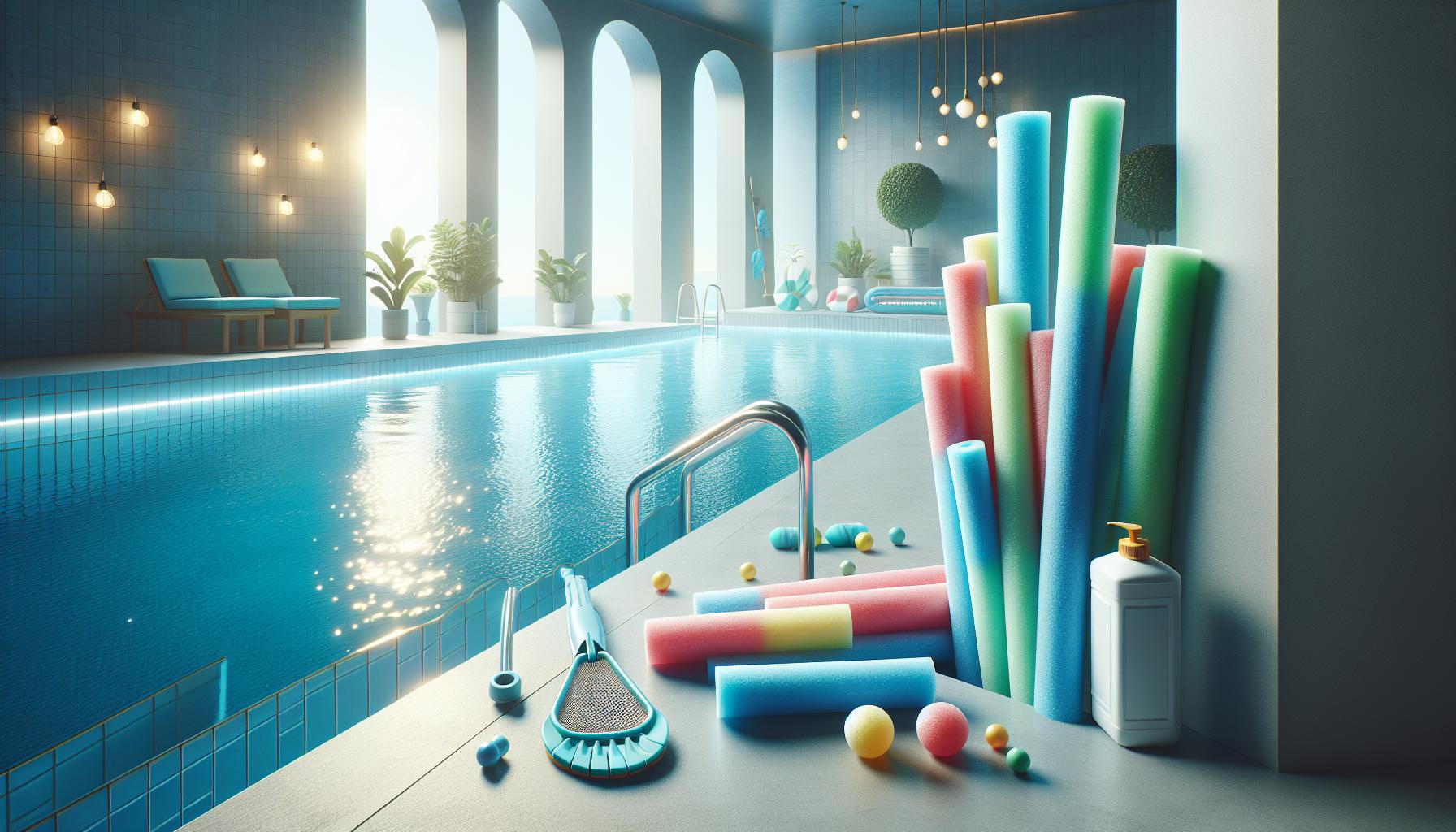
Pool noodles, those colorful floating wonders we often see in pools, are primarily made from a type of plastic known as polyethylene foam. This material is not only lightweight and buoyant, but it also has excellent insulating properties, making it perfect for prolonged use in water environments. The foam is created through a process called extrusion, where heated plastic is forced through a mold to create the long, cylindrical shapes we recognize as pool noodles. Their structure allows them to float effortlessly, adding a fun element to pool activities while also providing support for those who may not be strong swimmers.
In addition to polyethylene, pool noodles may sometimes contain additives for color or to enhance durability and flexibility. While most pool noodles are non-toxic and safe for casual use, it’s important to choose products that are specifically labeled as pool toys, which ensures they meet safety standards. The bright colors that adorn these noodles are not merely for aesthetics; they also help improve visibility in the water, increasing safety for children and adults alike when enjoying pool time.
It’s interesting to note that some manufacturers are beginning to explore more eco-friendly materials in response to growing environmental concerns. While traditional pool noodles take years to break down, alternatives like biodegradable foam are in development, aiming to reduce the environmental impact. Whether you’re lounging in the pool or engaging in playful water fights, understanding the materials behind your pool noodles not only enhances your knowledge but also informs you about their safeness and ecological footprint.
The Manufacturing Process of Pool Noodles
The process of turning raw materials into the beloved pool noodles starts with the key ingredient: polyethylene foam. This versatile material forms the core of every pool noodle, offering buoyancy, durability, and insulation properties that are ideal for aquatic environments. The manufacturing journey begins with a mixture of polyethylene pellets and additives that help enhance the noodle’s flexibility and color.
To create pool noodles, manufacturers utilize a method known as extrusion. During this process, the polyethylene mixture is heated until it becomes malleable and is subsequently forced through a specially designed mold. This mold shapes the hot plastic into the familiar long, cylindrical form that we associate with pool noodles. Once extruded, the noodles are cooled, allowing them to retain their shape. The extrusion process is significant not only for creating the noodle’s structure but also for ensuring uniform density and buoyancy, which are crucial for safety and performance in the water.
After forming, the noodles undergo a finishing process where they are cut to desired lengths and often treated with additional coatings for color and UV resistance. This step ensures that the pool noodles not only provide fun and safety but also withstand the damaging effects of the sun and chlorine, prolonging their lifespan. The final phase involves quality control checks, ensuring that each noodle meets safety standards before packaging and shipment.
In summary, the manufacturing of pool noodles is a fascinating blend of materials science and engineering. From the initial mixing of polyethylene pellets to the final product ready for your swimming pool, each step is designed to create a fun, safe, and buoyant accessory for water play. Understanding this process can deepen your appreciation for these colorful flotation devices and inform your choices when selecting the right noodle for your summer adventures.
Different Types of Pool Noodle Materials
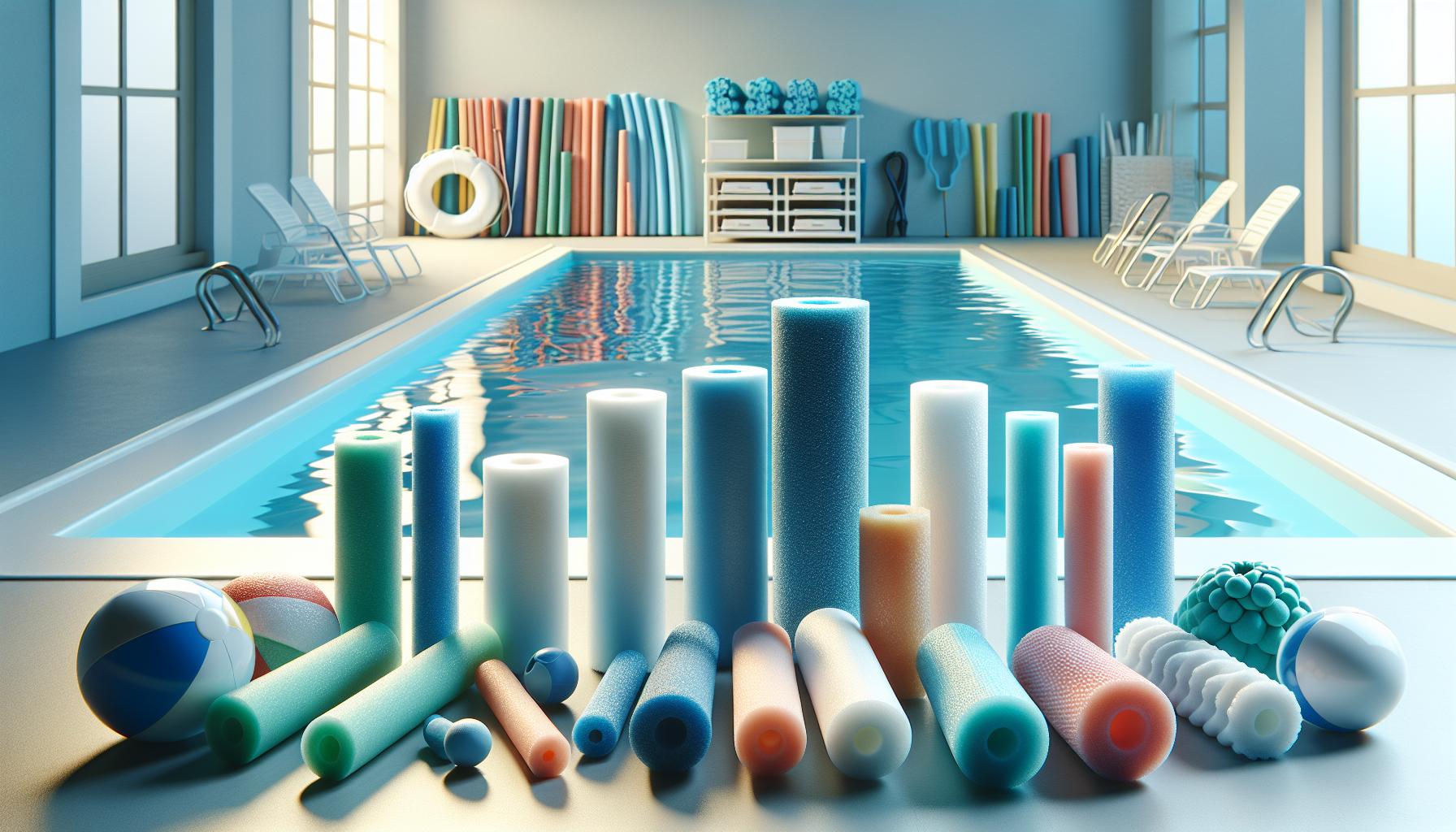
When it comes to pool noodles, the materials used can significantly influence their performance, durability, and suitability for different activities. While polyethylene foam is the primary material, variations exist that cater to distinct uses, designed to enhance safety and enjoyment in the water. Understanding these differences allows you to choose the right noodle for your specific needs, ensuring maximum fun while maintaining safety standards.
The most common type of pool noodle is made from closed-cell polyethylene foam, which is lightweight, buoyant, and resistant to water absorption and mildew. This type of foam offers excellent insulation and is flexible enough to withstand bending and twisting without losing its shape. It’s ideal for recreational use, such as floating, swimming aids for children, or for leisurely lounging in the pool.
Another variant is the EVA (Ethylene Vinyl Acetate) foam, which is often used in higher-end or specialty noodles. EVA foam noodles tend to be more durable and provide better resistance to UV rays, making them less likely to degrade when exposed to sun and chlorine. Additionally, they often possess improved color retention, ensuring they look vibrant throughout the swimming season. These noodles are particularly suitable for water exercise classes as they offer enhanced buoyancy and stability.
For added safety and functionality, some pool noodles incorporate soft, textured surfaces or integrated handles. These features can aid in grip and ensure that users, especially young children or those less accustomed to water activities, have a safer experience while using the noodles. Additionally, various designs include hollow centers for enhanced buoyancy or are contoured to serve specific purposes, such as flotation devices for physical therapy or swimming lessons.
In summary, selecting the appropriate type of pool noodle goes beyond simple aesthetics; it involves understanding the materials and their characteristics to ensure safety, comfort, and durability in the water. Whether opting for classic polyethylene or advanced EVA foam, the right noodle can greatly enhance your aquatic experience.
Fun Facts About Pool Noodles You Didn’t Know
Pool noodles might seem like simple, whimsical toys for the pool, but they come packed with a surprising amount of history and versatility. Did you know that pool noodles were originally designed for industrial purposes? They were created in the 1980s as floatation devices for use around swimming pools, but their fun colors and buoyant design quickly made them popular as playful aquatic accessories.
One interesting fact is that the classic pool noodle only became a staple of pool culture due to its affordability and adaptability. These noodles are not just for lounging or floating; they serve multiple purposes. For instance, they can be used as an aid in water aerobics, providing support and resistance, or even as makeshift equipment in a variety of games and exercises. Their lightweight design means they can be easily transported and used in pools, lakes, or even the ocean-a testament to their universal appeal.
In terms of safety, modified versions of pool noodles often incorporate features such as non-slip textures and handles, enhancing grip for younger users or those who need extra assistance in the water. Additionally, bright colors not only add a fun aesthetic but also enhance visibility, making it easier for guardians to spot children playing in the water.
Beyond their traditional usages, pool noodles can also be repurposed creatively in your home or garden. For example, cut them up to create soft edge protectors for sharp furniture corners or use them in gardening to keep plants upright. This versatility makes pool noodles not just a summer essential but also a handy tool year-round. So, while you enjoy their primary function in the pool, remember their potential and innovative uses that can extend far beyond the water!
Pool Noodle Safety Tips for All Ages

While pool noodles are often seen as simple summer toys, understanding their safe use can greatly enhance enjoyment for swimmers of all ages. Pool noodles, made from soft, buoyant polyethylene foam, provide excellent flotation support, but safety must always come first, especially for children and less experienced swimmers. Here are essential safety tips to ensure a fun and secure experience in the water.
First and foremost, supervision is key. Never leave children unattended while using pool noodles in or around water. This simple rule can prevent accidents and ensure that help is immediately available if needed. Additionally, it’s important to teach young swimmers how to properly use their pool noodles. Show them how to grip the noodle securely and demonstrate how to float safely without the risk of slipping off. Creating a fun environment around these lessons can make them more engaging.
Another important aspect of pool noodle safety is ensuring that the products themselves are in good condition. Regularly inspect the noodles for any signs of wear and tear, such as cracks or brittleness. Damaged noodles should be replaced to avoid any risks of breaks that could lead to accidents. Moreover, for older adults or anyone needing extra assistance, opt for pool noodles with added features like non-slip textures or handles, which can enhance grip and stability in the water.
Finally, remember that while pool noodles are great flotation devices, they are not a substitute for proper swimming skills or safety equipment. Encourage swimmers to wear appropriate life jackets if they are uncomfortable in deep water, even while using a noodle. Equipping young or inexperienced swimmers with personal flotation devices can provide peace of mind and encourage confidence in their swimming abilities. By combining supervision, proper usage, equipment maintenance, and education on swimming safety, pool noodles can provide a delightful and secure way to enjoy the water.
Creative Uses for Pool Noodles Beyond Swimming
Pool noodles are incredibly versatile and can be repurposed for a variety of creative projects that extend well beyond the pool. Their lightweight, buoyant structure makes them not only fun for floating but also practical for crafting, home organization, and even outdoor decor. Here are some innovative uses that can spark your imagination and make use of those colorful noodles languishing by the pool.
One popular creative use is transforming pool noodles into fun and functional garden markers. Simply cut the noodles into shorter sections and use a permanent marker to label each segment with the name of your plants. Not only does this provide an easily visible marker for your garden, but the buoyancy of the noodles means they will stay upright despite rain or wind. Another exciting project is using pool noodles to create a DIY wreath. By shaping a noodle into a circle and securing it with tape or glue, you can adorn it with artificial flowers, ribbons, or other seasonal decorations to enhance your home’s curb appeal.
Introducing pool noodles into your home’s organization strategy can also lead to efficient and creative solutions. For example, a sliced pool noodle can serve as a simple cable organizer. Just slice a noodle down one side and glue it to your desk or wall to hold and arrange cords away from the floor. They can also protect furniture; wrapping a pool noodle around the edges of a table can act as a soft bumper to prevent bumps and bruises for young children.
Beyond practical uses, pool noodles can also enhance playtime for kids. Cut the noodles into smaller pieces to create boisterous obstacle courses or use them for a fun game of toss. They’re great for imaginative play and can even be painted or decorated to become themed props for children’s parties. With a bit of creativity, the possibilities for using pool noodles are nearly endless, making them a valuable addition to any family’s toolkit.
How to Properly Store and Maintain Pool Noodles
To extend the life of your pool noodles and keep them in top shape, proper storage and maintenance are essential. Pool noodles are typically made from closed-cell foam, which can be sensitive to environmental factors such as heat and prolonged exposure to sunlight. By following a few simple steps, you can ensure that they remain in great condition for many summers to come.
First, after each use, rinse your pool noodles with fresh water to remove any pool chemicals, dirt, or debris that may have accumulated. Let them dry completely before storing to prevent mildew or mold growth. For storage, consider a designated area that is cool and dry, away from direct sunlight. A simple method is to hang them on a wall-mounted rack or a shower curtain rod, which not only saves space but also keeps them organized. If hanging isn’t feasible, secure them in a large bin or tote, ensuring they’re not compressed, which could lead to deformation.
In addition to proper storage, inspect your pool noodles regularly for signs of wear and tear. Look for cracks, splits, or any areas where the foam may have degraded. If you notice any significant damage, it’s a good idea to replace them, as compromised noodles may not provide the same level of buoyancy and safety in the water. Importantly, children’s safety should always be prioritized, so encourage routine checks before they dive into fun.
Lastly, if your pool noodles are showing visible dirt or grime but are otherwise in good condition, consider giving them a gentle clean. Mix a solution of mild soap and warm water, and use a soft cloth or sponge to wipe them down. Avoid harsh chemicals, which can break down the foam material. By implementing these straightforward maintenance and storage tips, your pool noodles will remain functional and fun for years to come.
Environmental Impact of Pool Noodle Production
The production of pool noodles, while seemingly innocuous, carries an environmental footprint that merits examination. Primarily composed of closed-cell foam made from materials like polyethylene, pool noodles are lightweight and buoyant, but their manufacturing processes and disposal contribute to broader ecological concerns. The raw materials used in creating pool noodles often derive from non-renewable resources, particularly petroleum. This reliance on fossil fuels not only affects resource depletion but also contributes to carbon emissions during both extraction and manufacturing.
Furthermore, the chemical processes involved in producing pool noodles can release pollutants into the atmosphere if not managed properly. As with many plastic products, the life cycle of pool noodles raises questions about waste and sustainability. Foam materials are not biodegradable, which means once they reach the end of their use, they can linger in landfills for hundreds of years. A significant portion of pool noodles ends up in the environment, contributing to the global issue of plastic pollution. This can harm marine life if they enter oceans or freshwater systems.
Mitigating Environmental Impact
To combat these effects, eco-conscious consumers can seek out alternatives. Many companies are beginning to produce biodegradable or recycled foam noodles, which offer similar benefits without the same long-term impacts. When shopping for pool noodles, look for labels indicating sustainable materials or certifications, ensuring that your choices minimize environmental harm.
Additionally, proper maintenance and care can prolong the life of pool noodles, reducing the frequency of replacement and thus their waste contribution. By rinsing, drying, and storing noodles correctly, you can extend their usability and delay their journey to a landfill. When it’s finally time to dispose of old pool noodles, consider recycling options or repurposing them for creative projects, which can transform waste into celebration while promoting a more circular economy. By making informed choices and taking steps to minimize waste, pool owners can help mitigate the environmental impacts associated with pool noodle production and use.
Choosing the Right Pool Noodle for Your Needs
When selecting a pool noodle, it’s essential to consider factors that enhance your aquatic experience, whether for relaxation, play, or exercise. Pool noodles come in a variety of sizes, colors, and materials, each designed for different purposes. For instance, thicker noodles provide more buoyancy and support, making them ideal for adults or individuals who may need extra flotation assistance. Conversely, thinner noodles might be more suitable for children who enjoy maneuvering through water or using them as props in games.
Another significant aspect to consider is the noodle’s material. While traditional pool noodles are made from closed-cell polyethylene foam, newer variations are increasingly available in eco-friendly materials. If environmental sustainability is important to you, look for noodles made from recycled materials or biodegradable options. These choices not only reduce your environmental footprint but also assure you that your fun doesn’t come at a cost to the planet.
Safety features are also key when choosing a pool noodle, especially if children will be using them. Ensure that any noodle you select is free from sharp edges and made from non-toxic materials. Additionally, noodles with textured surfaces can prevent slipping, providing extra safety for users. Opt for brightly colored noodles for better visibility in the water, making them easier to spot and preventing potential accidents.
Finally, think about versatility in your purchase. Some pool noodles can double as exercise equipment for various water workouts, while others are great for crafting or DIY projects outside the pool. When selecting your noodle, consider not only how you plan to use it in the water but also how it may contribute to other fun activities on land. With the right pool noodle, your aquatic adventures will be safer and more enjoyable!
Common Myths About Pool Noodles Debunked
There are many misconceptions about pool noodles that can mislead consumers and casual users alike. For instance, some people believe that all pool noodles are essentially the same, but this couldn’t be further from the truth. While traditional pool noodles are made from closed-cell polyethylene foam, variations exist that cater to different needs, including those made from eco-friendly materials or those designed for specific aquatic activities. Understanding this diversity is crucial for selecting the right noodle for your intended use, whether for lounging, playing, or exercising in the water.
Another common myth is that pool noodles are solely meant for fun. While they do provide entertainment, they’re also incredibly versatile tools. Many athletes use robust pool noodles for water aerobics and rehabilitation exercises due to their buoyancy and support. Additionally, they can serve as effective flotation devices for non-swimmers, making the pool a safer space. When approached correctly, a pool noodle can enhance physical fitness routines or recreational water activities, shattering the stereotype of it being just a toy.
Safety is often a concern when it comes to children using pool noodles. There’s a lingering belief that because these are soft foam objects, they pose no risk at all. In reality, while pool noodles are much safer than many flotation devices, it’s essential to supervise children whenever they are in the pool. Noodles can slip away easily in the water, and rough play could lead to accidents. Opting for brightly colored noodles not only adds a fun element but also enhances visibility, assisting in keeping the little ones safe.
Lastly, some users think that all pool noodles will last indefinitely, but like many products, they do have a lifespan. Exposure to sunlight, chemicals, and frequent use can wear them down, making them less effective. Regularly inspect your pool noodles for signs of wear, such as discoloration or cracks, and replace them when necessary to ensure optimal safety and performance. Addressing these myths helps users make informed decisions, enhancing both safety and enjoyment in the pool.
DIY Projects Using Pool Noodles
Pool noodles aren’t just for splashing around in the pool; they can become versatile materials for a variety of creative DIY projects. Their buoyant nature and lightweight foam make them perfect for fun, functional, and even educational crafts that can be enjoyed by people of all ages. Whether you’re looking to spruce up your outdoor space, create storage solutions, or engage the kids in a fun project, pool noodles have you covered.
One popular DIY project involves making a floating drink holder, perfect for summer pool parties. To create this, you’ll need a pool noodle cut into slices about 2 inches thick. Next, take a small plastic cup and insert it into the center of each noodle slice to create a cup holder. You can personalize these holders by painting them or adding decorative stickers. This inexpensive project not only keeps your drinks close while lounging in the pool but also adds a pop of color to your aquatic setting.
Another innovative use is as a safety feature for sharp corners in your home. Simply cut the noodles lengthwise and place them over the edges of tables or countertops. This simple modification can make your home safer for young children, preventing potential injuries from unexpected impacts. Additionally, pool noodles can be easily removed or replaced without damage to underlying surfaces, making them an effective, temporary solution.
Creative Boot and Shoe Storage
If you’re looking for a way to organize your footwear, consider putting a pool noodle to work. A straightforward and effective method is to cut pool noodles into sections that are about 5-6 inches long. Then, line these slices along your closet or shoe rack. They can be used to hold your boots upright, preventing them from slouching and maintaining their shape. This not only helps to organize your footwear but also extends the life of your favorite pairs.
Garden Support
Gardeners can also benefit from pool noodles by using them as supports for plants. Cut a pool noodle into pieces and insert them into the soil next to your plants to provide lightweight stakes. You can easily clip the plants to the noodle using clothespins or garden ties. This approach works particularly well with lighter-stemmed plants that need a bit of assistance as they grow, allowing for a creative and cost-effective way to support your garden.
These projects not only demonstrate the functionality of pool noodles but also showcase their adaptability beyond traditional pool use. By engaging in DIY activities with pool noodles, you can enhance your living spaces while having fun with family and friends. These simple, safe, and innovative ideas can turn everyday pool accessories into practical household solutions.
Signs It’s Time to Replace Your Pool Noodles
Pool noodles can be delightful additions to your summer fun, but like all items, they have a lifespan. Understanding when it’s time to replace your pool noodles can help ensure safety and better enjoyment during your water activities. Here are some critical signs to watch for that indicate replacement is necessary.
One of the most noticeable indicators is physical wear and degradation. Pool noodles are typically made from buoyant polyethylene foam, which, over time, can become brittle, cracked, or discolored. Look for signs of fading color, particularly if they look dull or if the foam begins to crumble. Cracked noodles not only lose their buoyancy but can also pose safety hazards, causing injury to users or others nearby. If you notice any of these changes, consider replacing your noodles for safety and performance.
Another sign is water absorption. Ideally, pool noodles should remain buoyant and dry. If you notice that your noodles are starting to retain water, they may be breaking down internally. Water-logged noodles can become heavy and less effective for floating or supporting anyone while swimming. Additionally, water retention can lead to mold growth, which could pose health risks. If you’re finding your noodles are frequently waterlogged, it’s time for a new set.
It’s also wise to assess the usability of your noodles after any severe weather events, especially if they’ve been exposed to harsh conditions like extreme heat, cold, or prolonged sun exposure. When exposed to the elements, pool noodles can degrade faster; therefore, after a summer season of heavy use, inspect them for any signs of wear or damage. If they fail to bounce back, replacing them ensures a safe swimming experience.
Lastly, if your pool noodles have transformed from a functional accessory to mere decor due to extensive wear that discourages their use, it’s a clear signal they need to be retired. Enjoying your time in the pool should involve reliable and effective gear, and investing in fresh noodles can enhance your experiences immensely. By staying vigilant about these indicators, you can keep your poolside adventures safe and enjoyable.
FAQ
Q: What are pool noodles made of?
A: Pool noodles are primarily made from polyethylene foam, a lightweight and buoyant material. This foam is closed-cell, meaning it does not absorb water, making it ideal for pool use. Additionally, some noodles may have coatings or additives for color and durability.
Q: Are pool noodles safe for kids?
A: Yes, pool noodles are generally safe for children when used properly. Their soft foam construction helps prevent injuries. However, adult supervision is crucial, especially for younger kids, to ensure safe play in and around water. Check safety tips in our section on Pool Noodle Safety Tips for All Ages.
Q: How can pool noodles be repurposed?
A: Pool noodles are versatile and can be repurposed in many creative ways, including as door stoppers, pool floats for pets, or even crafting materials for DIY projects. For more ideas, see our section on Creative Uses for Pool Noodles Beyond Swimming.
Q: Can pool noodles be used for exercise?
A: Absolutely! Pool noodles can be excellent for low-impact workouts, involving water aerobics or resistance training. They provide buoyancy and support, which can enhance stability during exercises. Check out our section on Fun Facts About Pool Noodles to learn more.
Q: How should pool noodles be stored?
A: Pool noodles should be stored in a cool, dry place away from direct sunlight to prevent degradation. For long-lasting use, consider hanging them or keeping them in a container when not in use. More storage tips can be found in our section on How to Properly Store and Maintain Pool Noodles.
Q: Do pool noodles have an environmental impact?
A: Yes, pool noodles can have an environmental impact due to their manufacturing and disposal processes. They are made from foam, which is not biodegradable. Explore our section on Environmental Impact of Pool Noodle Production for more insights.
Q: How do you know when to replace pool noodles?
A: Signs it’s time to replace your pool noodles include cracks, diminished buoyancy, or if they become too brittle. Regularly inspect them to ensure safety and function. Refer to our section on Signs It’s Time to Replace Your Pool Noodles for guidance.
Q: Are there any myths about pool noodles?
A: Yes, there are several myths about pool noodles, such as the idea that they are only for swimming. In reality, they have various uses, including safety measures and crafts. Debunk these misconceptions in our section on Common Myths About Pool Noodles Debunked.
To Conclude
Now that you know what pool noodles are made of and the fun facts and safety information surrounding them, it’s time to explore more! Whether you’re planning a fun day at the pool or ensuring safety for your loved ones, understanding these essentials will enhance your poolside experience. Don’t miss out on our detailed guides on pool safety tips and essential maintenance for a sparkling clean pool-check them out here and dive deeper into your pool care journey.
Ready to take action? Make sure your pool area is safe and inviting! Consider signing up for our newsletter to stay updated on expert tips and to access exclusive pool care resources. If you have any lingering questions or need personal advice, don’t hesitate to leave a comment or reach out to our knowledgeable community. Together, we’ll ensure your pool is the highlight of your summer! Your adventure starts now-happy swimming!