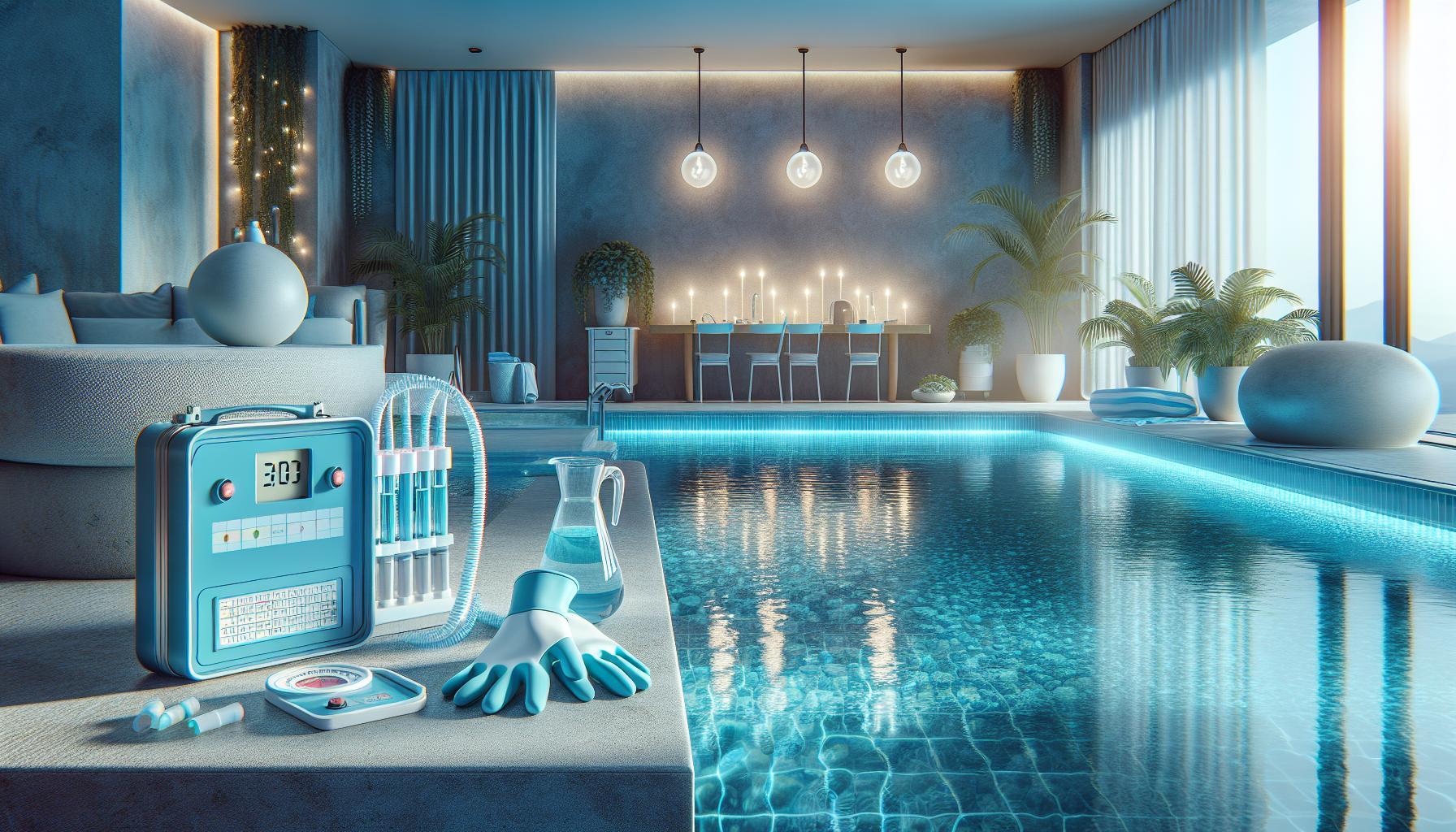
Did you know that regular pool shocking can significantly enhance water quality and safety, making your swimming experience much healthier? Shocking a pool refers to the process of adding a large dose of chlorine or other sanitizers to eliminate contaminants, such as bacteria and algae, that build up over time.
As a pool owner, understanding the importance of this essential care routine is vital for maintaining a sparkling and safe swimming environment. Without proper shocking, you risk murky water and potential health hazards for swimmers. Keep reading to discover the best practices for shocking your pool and ensure a refreshing oasis that invites family and friends to dive in year-round.
What Is Pool Shocking and Why Is It Important?
Regularly shocking your pool is vital for maintaining clear, safe water and preventing harmful bacteria and algae growth. Pool shocking refers to the process of adding a concentrated dose of sanitizer to the pool to rapidly elevate the chlorine levels. This not only kills off contaminants but also breaks down chloramines-compounds that form when chlorine reacts with organic matter, such as sweat and debris. By regularly shocking your pool, you ensure a healthier swimming environment, allowing you and your family to enjoy your pool without worry.
When the water becomes cloudy, has a strong chlorine smell, or when you notice an increase in algae, it’s usually a clear sign your pool needs shocking. These conditions indicate that bacteria and other impurities have overwhelmed the chlorine’s ability to sanitize effectively. Especially after heavy pool usage or following a rainstorm that may introduce debris and contaminants, shocking the pool acts as a reset for your water quality, restoring its clarity and safety.
It’s important to recognize the nuances of pool shocking that can lead to optimal results. Not all shocks are created equal; understanding the difference between chlorine-based and non-chlorine shock treatments can influence your choice based on the current state of your pool. Selecting the right product and applying it at the right time will set the foundation for a consistently clean and inviting pool. Always follow the manufacturer’s instructions for dosage and frequency, and consider testing your water’s chemical balance before and after shocking to monitor your efforts effectively.
Signs That Your Pool Needs Shocking
Recognizing when your pool needs shocking is crucial for maintaining its cleanliness and safety. There are several telltale signs that indicate it’s time to treat your water. If you’ve noticed cloudy water, it’s a strong indicator that contaminants are present and the chlorine levels may be insufficient to keep your pool sanitary. Cloudiness often stems from debris, algal growth, or improperly balanced chemicals, all of which can compromise your swimming environment.
Another clear sign is a strong chlorine smell that seems out of place. While chlorine is essential for pool sanitation, an overwhelming odor signifies the presence of chloramines, which form when chlorine combines with organic matter like sweat, hair, and oils. These compounds not only reduce the effectiveness of your chlorine but can also irritate your skin and eyes. Regular shocking can help eliminate these odors by breaking down those unwanted compounds.
Increased algae growth is also a major red flag. If you spot green, yellow, or black patches forming along the walls or floor of your pool, it’s crucial to act quickly. Algae not only detracts from your pool’s appearance but it can also spread rapidly and pose health risks. Shock treatment will help eradicate algae and restore the clarity and safety of your pool.
Do keep in mind that external factors can also necessitate shocking, such as heavy pool usage or a rainstorm that introduces contaminants. After a particularly busy day of swimming or following inclement weather, it’s wise to assess the water quality and consider a shock treatment to ensure your pool remains a welcoming oasis. By staying vigilant and attentive to these signs, you can maintain a clean, safe pool that enhances your enjoyment all season long.
Step-by-Step Guide to Shock Your Pool
To maintain a healthy and inviting pool, knowing how to shock it correctly is essential. Pool shocking involves adding a large dose of chlorine or other chemical oxidizers to the water, which helps to quickly eliminate contaminants and restore clarity. Here’s a clear, step-by-step guide to effectively shock your pool, ensuring that you can enjoy a fresh swimming experience without worry.
Gather Your Supplies
Before you start the shocking process, make sure you have the following items on hand:
- Pool shock (calcium hypochlorite, sodium dichlor, or potassium monopersulfate)
- A bucket for diluting the shock (if necessary)
- Protective gloves and goggles
- A pool skimmer and brush
- A test kit to check water chemistry
Test Your Water
Begin by testing your pool water to determine the current levels of chlorine, pH, and alkalinity. Use a reliable test kit to ensure accurate readings. Optimal conditions for shocking are when:
- Chlorine levels are low (below 1-3 ppm)
- pH levels are between 7.2 and 7.8
This step is crucial because it helps you understand how much shock to use and ensures that the shock treatment will be effective.
Dissolve and Apply the Shock
If you’re using a granular shock, it’s advisable to dissolve it in water before adding it to the pool. Fill a bucket with water and gradually mix in the shock according to the instructions on the product label. Once dissolved, pour the mixture around the perimeter of the pool. This practice evenly distributes the shock without causing localized damage to the liner or surfaces.
Run the Filter and Allow to Circulate
After applying the shock, run your pool’s filter continuously for at least 8-12 hours. This ensures that the shock is properly mixed throughout the water and that contaminants are effectively removed. You can monitor the water quality during this time and check again with your test kit after circulation is complete.
By following these steps, you can efficiently shock your pool, ensuring it remains a safe and enjoyable space for swimming. Regular shocking paired with diligent maintenance practices will create a pristine swimming environment, free from harmful bacteria and algae. Always consult product instructions and safety guidelines for the best results.
Choosing the Right Pool Shock Product
is vital for maintaining crystal-clear water and a healthy swimming environment. With various options available, it can be overwhelming for pool owners to determine which product best suits their needs. Understanding the different types of pool shock and their specific applications will empower you to make an informed choice that keeps your pool inviting and safe.
There are primarily three types of pool shock products: calcium hypochlorite, sodium dichlor, and potassium monopersulfate. Each has unique features that cater to different pool conditions and user preferences:
- Calcium Hypochlorite: This is a powerful chlorine-based shock that is highly effective at eliminating bacteria and algae. It’s cost-effective and chlorine stable, making it a popular choice for traditional chlorine pools. However, it can raise calcium levels in the pool, so it’s essential to monitor those levels regularly.
- Sodium Dichlor: This type of shock is stabilized with cyanuric acid, which protects chlorine from degradation caused by sunlight. It is a fantastic option for outdoor pools that receive a lot of sunlight. Sodium dichlor dissolves quickly and is convenient to use, offering an immediate solution for pool contamination.
- Potassium Monopersulfate: Often labeled as non-chlorine shock, this shock is suitable for those looking to avoid adding additional chlorine. It is excellent for sensitive skin and works well in combination with chlorinated shock treatments. This type of shock helps break down organic matter and is particularly useful for regular maintenance between heavy shocking sessions.
In choosing the appropriate shock type, consider your pool type, the season, and the chlorine levels. For instance, if your pool water appears cloudy or you notice a rise in organic contaminants, a calcium hypochlorite shock will provide robust chlorine levels to cleanse and clarify. However, if you’re preparing for a sunny weekend with guests, sodium dichlor might be the better option for maintaining stable chlorine levels. For regular upkeep, integrating potassium monopersulfate could enhance water quality without the harshness of chlorine.
When purchasing pool shock products, always read labels for active ingredients and recommended usage. It’s important to consider your pool’s specific needs and adjust the type of shock you use based on environmental factors and pool usage patterns. This diligence will ensure that your pool remains healthy and inviting, ready for enjoyment whenever you wish to dive in.
Common Mistakes When Shocking Your Pool
Pool shocking is an essential part of maintaining a clean and healthy swimming environment, yet many pool owners inadvertently make critical mistakes during this process. One common error is not testing the water’s chemistry before shocking. Skipping this step can lead to using the wrong product or dosage, making it ineffective or potentially harmful. Always start by measuring the pH, total alkalinity, and chlorine levels. This initial assessment guides you on how much shock to use and what type of shock will be most effective for your pool’s specific conditions.
Another frequent mistake is adding shock directly into the skimmer. While this may seem convenient, it can damage your pool’s equipment and reduce the efficacy of the shock treatment. Instead, dissolve the shock product in a bucket of water first, then evenly distribute it around the pool to ensure proper circulation and minimize localized high concentrations of chlorine. This method promotes a more uniform distribution in the water and avoids potential harm to your pool’s plumbing and surfaces.
Timing is also crucial. Many pool owners shock their pools without considering the best time of day. Shocking your pool during the hottest part of the day can lead to rapid chlorine loss due to sunlight degradation. It’s better to shock in the evening or at night when the sun is down, allowing the shock to work effectively without being burned off by UV rays. Additionally, ensure that there are no swimmers in the pool during and immediately after shocking, as high chlorine levels can be harmful.
Finally, understanding the needed aftercare is key. Some may assume that once shocking is done, the job is over. This is not the case; you should always allow adequate time for the chlorine levels to return to safe swimming conditions before reopening the pool. Testing the water again after shocking is essential to ensure the pool is safe for your family and guests. By avoiding these common mistakes, you can maintain clearer water and a healthier swimming pool environment.
How Often Should You Shock Your Pool?
Regularly monitoring your pool and appropriately shocking it is vital to maintaining a clean, safe swimming environment. But how often should this process be carried out? The general recommendation is to shock your pool at least once every one to two weeks during the swimming season. However, several factors can influence this frequency and help alert you when it’s time to act.
First, consider the pool usage. If your pool sees heavy traffic-whether from family, friends, or events-pool shock may be necessary more frequently, potentially every week. Heavy bather loads increase contaminants like sunscreen, oils, and organic material, which can lead to cloudy water and make shocking essential for clarity and sanitation.
Additionally, environmental factors play a critical role. Rain, wind, and debris can introduce organic matter and debris into the pool, requiring more frequent treatments. If unexpected rainstorms occur or if you notice leaves and dirt accumulating in your pool, it’s wise to shock it. Furthermore, after any significant weather events or algae blooms, you should also shock your pool to ensure you eliminate all harmful substances.
Here’s a quick check-list to guide the shocking frequency based on your pool conditions:
- Normal Use: Every 1-2 weeks
- Heavy Usage: Weekly
- After Rain or Debris: Shock immediately
- Post-Algae Bloom: Shock immediately
By establishing a routine and being attentive to conditions, you can maintain optimal water quality and ensure a pleasant swimming experience. Don’t forget: always test your water chemistry after shocking and before allowing swimmers back in, ensuring safety and comfort during your pool season.
Aftercare: What to Do After Shocking
After shocking a pool, the next steps are crucial to ensure a safe and clean swimming environment. Immediate action is necessary to maximize the efficacy of the shock treatment and maintain the quality of your pool water.
First and foremost, wait for the recommended time before allowing swimmers back into the water. Typically, you should give your pool at least 24 hours after shocking before reintroducing anyone into the pool. This waiting period is essential because it allows the chemicals to work effectively to eliminate contaminants without posing a risk to swimmers.
Next, check the chlorine levels using a reliable test kit or strips. After shocking, the chlorine levels will be significantly elevated, and it’s critical to verify that they have returned to a safe range (usually between 1-3 parts per million). If the levels are still high, wait until they drop back to the safe zone before swimming is allowed again.
Additionally, it’s a good practice to run your pool filter continuously for at least 24 hours after shocking. This helps to circulate the treated water, ensuring that contaminants are effectively removed and that the shock treatment is evenly distributed throughout the pool. Regularly cleaning your pool filter during this time can enhance water clarity and optimize the filtration process.
Monitoring the water’s pH and alkalinity levels is another important aspect of aftercare. Shocking can temporarily alter these levels, so after 24 hours, test and adjust them as necessary to keep the pool balanced. Ideally, the pH should be between 7.2 and 7.6, while the total alkalinity should fall between 80 and 120 parts per million.
Lastly, keep an eye out for any lingering contaminants or changes in water clarity. If the water appears cloudy or if you spot any algae starting to form, consider additional treatments to address these issues quickly. Regular monitoring and maintenance play vital roles in sustaining a crystal-clear pool. By attentively managing these aftercare steps, you not only enhance the safety of your swimming space but also extend the life and enjoyment of your pool throughout the season.
Understanding the Chemistry Behind Pool Shocking
To maintain a healthy swimming environment, understanding the chemistry behind shocking your pool is essential. Shocking refers to the process of adding a high dose of chlorine or other chemical sanitizer to the water to quickly raise the sanitizer level. This spike in chemicals serves to eliminate contaminants such as bacteria, algae, and organic materials that can accumulate over time. Without proper shocking, pools can become breeding grounds for unwanted pathogens, leading to water quality issues and health risks for swimmers.
When pool shock is added, chemical reactions occur that help to break down these contaminants. For chlorine-based shocks, the chlorine molecules react with organic matter, effectively oxidizing it. This process leads to the generation of compounds that are less harmful and easier to filter out. In addition, shocking raises the free available chlorine (FAC) levels in the pool, which is crucial for sanitizing the water. A well-maintained FAC level ensures that the pool can effectively combat bacteria, viruses, and algae, providing a safe swimming environment.
It’s worth noting that pool water pH and total alkalinity also play significant roles in the effectiveness of shocking. Ideal pH levels (between 7.2 and 7.6) allow chlorine to work optimally, while the total alkalinity should be maintained between 80 and 120 parts per million to buffer pH against drastic fluctuations. Testing these parameters before and after shocking can help you adjust the water chemistry accordingly, ensuring maximum efficacy of your sanitation efforts.
In summary, grasping the underlying chemistry of pool shocking not only empowers pool owners to maintain clear and safe water but also enhances their ability to troubleshoot potential issues. Regular shocking, combined with proper pH and alkalinity management, is key to achieving a sparkling clean pool that is both enjoyable and safe for all its users.
Troubleshooting: Issues When Shocking Your Pool
Ensuring that your pool remains a refreshing oasis can sometimes be tricky, especially after shocking. Even the best efforts can lead to unexpected issues. If your pool water appears cloudy, the chemicals are improperly balanced, or you notice unusual odors following a shock treatment, don’t panic. These problems can often be traced back to a few key factors during or after the shocking process.
One common issue is inadequate mixing of the shock treatment. After adding a shock product, it’s crucial to circulate the water for a few hours. If you don’t run the pool pump to distribute the shock evenly, you may end up with untreated patches that cause haziness or algae growth. To remedy this, ensure that your pump is operating continuously for at least 8 to 12 hours following the shock. This will help disperse the chemicals properly and allow them to work effectively.
Another frequent challenge is related to the pH level and total alkalinity of your pool. If these levels are not within the ideal ranges-pH between 7.2 and 7.6 and total alkalinity between 80 and 120 ppm-shocking may not be effective. High pH levels can render chlorine less effective, and if your alkalinity is too low, it can lead to unstable pH fluctuations. To resolve this, check your water chemistry before shocking. If adjustments are needed, use pH increasers or decreasers as necessary and allow the chemicals time to balance before performing a shock treatment.
Post-Shocking Clarity Issues
If, after shocking, you find that the water remains cloudy, this could indicate a high level of dead algae or organic matter that needs to be filtered out. Consider running a pool clarifier to aid in removing fine particles that may cause cloudiness. As an alternative, you might also be dealing with the presence of high total dissolved solids (TDS), requiring a partial drain and refill of the pool to dilute the concentration of unwanted substances.
Finally, always remember to test your chemicals regularly, not just before and after shocking. This proactive approach allows for early detection of potential issues, ensuring that your water remains clear and safe for swimming. By addressing these common pitfalls with the right preventative and corrective measures, your pool will continue to be a source of enjoyment all season long.
Pool Shock Alternatives: Safe and Effective Options
If you’re seeking alternatives to traditional pool shocking methods, consider opting for safer, environmentally-friendly options that can still deliver effective results. Some pool owners are hesitant to use harsh chemicals due to their potential side effects on both health and the environment. Fortunately, there are several alternatives that can help maintain water clarity and safety without the use of heavy-duty shocks.
One popular alternative is the use of non-chlorine shock products. These types of shocks typically contain compounds such as potassium peroxymonosulfate, which eliminates organic contaminants and oxidizes debris without significantly affecting chlorine levels. This means you can achieve clear water without dealing with the harshness of chlorine-based products. Non-chlorine shock can be particularly effective after heavy pool usage, such as parties or gatherings, when water quality might be compromised.
Another natural option involves the use of hydrogen peroxide. When added to your pool, hydrogen peroxide acts as an oxidizing agent that breaks down contaminants and organic matter, similar to traditional shock treatments. It’s especially beneficial because it decomposes into water and oxygen, minimizing residual chemicals in your pool. When using hydrogen peroxide, it’s essential to ensure that your pool’s pH and alkalinity levels are balanced pre-application for maximum efficacy, as extreme pH levels can impede its performance.
For those looking for a more preventive approach, pool enzymes can also serve as a viable alternative. Enzyme treatments work by breaking down organic residues-such as oils, lotions, and leaves-before they can affect water clarity. Regularly integrating enzymes into your maintenance routine can reduce the need for occasional shocking by preventing buildup that necessitates a shock treatment.
Regardless of the alternative chosen, following proper dosing instructions and maintaining consistent water balance is key. Regular monitoring of your pool’s chemistry, complemented by these alternative maintenance options, ensures that you can enjoy clear, safe water without relying solely on traditional pool shock treatments.
In summary, safe and effective alternatives to pool shocking exist, providing options that are both environmentally friendly and effective. Non-chlorine shocks, hydrogen peroxide, and enzyme treatments can all contribute to maintaining a clean and healthy swimming environment. By embracing these alternatives, you can continue to enjoy your pool while also being mindful of the products you use.
The Benefits of Regular Pool Shocking
Regularly shocking your pool is one of the most effective ways to maintain a safe and sparkling swimming environment. When water conditions deteriorate, chlorine can become less effective at sanitizing due to contaminants like bacteria, algae, and combined chlorine (chloramines). Shock treatments help to eliminate these issues, ensuring your pool remains healthy and enjoyable. The importance of this process goes beyond just cleanliness-it significantly contributes to the longevity of your pool equipment and overall pool maintenance.
One of the key benefits of shocking your pool is the rapid oxidation of organic contaminants, such as sweat, oils, and leaves. This oxidation process clears away debris and prevents foul odors, creating a much more pleasant swimming experience. By using the right shock product, you can significantly reduce the microbiological load in your water, which is particularly crucial during peak usage seasons or after heavy rain when debris can wash into your pool.
Enhancing Chlorine Efficiency
Shocking your pool also enhances the overall efficiency of your chlorine. When you shock the pool, you break down any chloramines that may have built up, which are responsible for that “chlorine smell” and itchy eyes after a swim. By doing so, you free up chlorine to work effectively against bacteria and algae. This ensures that your pool remains clear and safe while using fewer chemicals over time, ultimately saving you money.
Preventing Algae Growth
Another significant advantage of regular shocking is its role in preventing algae growth. Algae can proliferate quickly in warm water, especially in poorly balanced chemistry. Regular shocks help keep the levels of free chlorine high enough to inhibit algae blooms, thus reducing the amount of algaecide you might need to use. Moreover, maintaining algae-free water reduces the risk of slippery sides and surfaces, making for a safer swimming environment.
In conclusion, extend far beyond mere aesthetics. By ensuring cleaner, safer water and maximizing the efficacy of your sanitizers, regular shocking sets the stage for a thriving swimming pool environment. Regular maintenance that includes shocking will not only make your pool more inviting but will ultimately lead to less time and money spent on unexpected repairs and treatments.
Expert Tips for Maintaining a Crystal-Clear Pool
Maintaining a crystal-clear pool is essential for both aesthetic appeal and safety. One of the most effective habits pool owners can adopt is to establish a consistent shock treatment schedule. Shocking your pool helps eliminate contaminants that cloud the water and fosters a healthier environment for swimmers. It’s important to engage with your pool maintenance holistically, embracing best practices that ensure the water remains inviting and safe.
Here are some expert tips to keep your pool sparkling clear:
- Regular Testing: Use a reliable test kit to check pH, chlorine levels, and alkalinity at least once a week. This proactive approach allows you to make adjustments before issues arise.
- Routine Skimming and Vacuuming: Remove debris daily with a skimmer net and utilize a pool vacuum weekly. This maintenance step prevents dirt and leaves from breaking down and affecting water clarity.
- Filter Maintenance: Clean your filters regularly according to manufacturer instructions. A clogged filter can hinder water circulation and clarity. If using a sand filter, consider backwashing it every few weeks.
- Proper Chemical Balancing: Beyond shock treatments, maintaining a balanced chemical environment prevents algae bloom and enhances chlorine efficiency. Ensure that your total alkalinity and pH levels are in a balanced range.
- Monitor Water Levels: Ensure water levels are maintained so that your skimmer can function effectively. Low water levels can lead to strain on your pump, affecting its performance and efficiency.
Furthermore, keeping the area around the pool clean reduces dirt that can enter the water. Regularly sweep surrounding pavement and remove any plants or foliage that may drop debris into the pool. Emphasizing these steps not only enhances visual clarity but also fosters a safe swimming environment by mitigating potential hazards, such as slippery surfaces.
By integrating these maintenance strategies into your routine, you will ensure that your pool remains a refreshing oasis all summer long. Adopting these expert tips empowers you to address challenges proactively, making your pool maintenance less daunting and more efficient.
Q&A
Q: What happens to pool water after shocking?
A: After shocking, pool water undergoes a chemical reaction that eliminates contaminants like bacteria and algae. The chlorine levels will initially spike and then gradually decrease, restoring clear and safe swimming conditions. Monitor the water chemistry to ensure it returns to safe levels before swimming.
Q: How long does it take for shocked pool water to be safe for swimming?
A: Generally, it’s safe to swim 24-48 hours after shocking a pool, once the chlorine levels drop back to 1-3 ppm. Always test the water before allowing swim activities, especially after heavy shocking sessions. Refer to the “Aftercare: What to Do After Shocking” section for detailed guidelines.
Q: Can shocking a pool cause cloudy water?
A: Yes, shocking can cause temporary cloudiness due to suspended particles and chemical reactions. This usually clears up within a few hours to a couple of days. Regular filtration can help expedite the clarity. Check the “Troubleshooting: Issues When Shocking Your Pool” section for more insights.
Q: Is it necessary to shock a pool in the winter?
A: Yes, shocking a pool in winter is beneficial, particularly for closing it down. Shocking helps to eliminate contaminants and reduces algae growth, making pool maintenance easier in the spring. Refer to the “How Often Should You Shock Your Pool?” section for frequency recommendations.
Q: What type of shock is best for a vinyl pool?
A: For vinyl pools, a calcium hypochlorite shock is ideal due to its quick dissolving properties. This prevents potential damage to pool liners. Explore the “Choosing the Right Pool Shock Product” section for more product insights and considerations.
Q: Can sunlight affect the effectiveness of pool shock?
A: Yes, sunlight can diminish the effectiveness of pool shock. UV rays can break down chlorine, so it’s best to shock your pool in the evening or at night for optimal results. This is mentioned in the “Understanding the Chemistry Behind Pool Shocking” section.
Q: How does the frequency of pool shocking relate to water usage?
A: The frequency of shocking should increase with higher water usage or heavy rainfall, as both can introduce more contaminants. Regular monitoring will help maintain clean water. For more on this, check the “Signs That Your Pool Needs Shocking” section.
Q: Can I use household bleach instead of pool shock?
A: While household bleach can work to disinfect, it may not provide the same stabilization and balance as pool-specific shock products. It’s advisable to use dedicated pool shock to ensure effective cleaning and safety. Visit “Pool Shock Alternatives: Safe and Effective Options” for more information.
Key Takeaways
Shocking your pool is an essential step in maintaining a clean and healthy swimming environment. By regularly shocking, you are effectively eliminating harmful contaminants and ensuring that your water remains safe and enjoyable. Remember, tackling this task sooner rather than later can prevent larger issues down the line, so don’t wait-get started today!
For more in-depth guidance, explore our detailed articles on PoolMath Calculator for precise chemical measurements. If you’re curious about more advanced pool care techniques, our Pool School offers a wealth of information to empower you as a pool owner.
Engagement is vital-share your experiences or questions in the comments below, and don’t forget to subscribe to our newsletter for the latest tips and tricks in pool maintenance. Keeping your pool sparkling clean isn’t just a task; it’s an ongoing process, and we’re here to support you every step of the way!