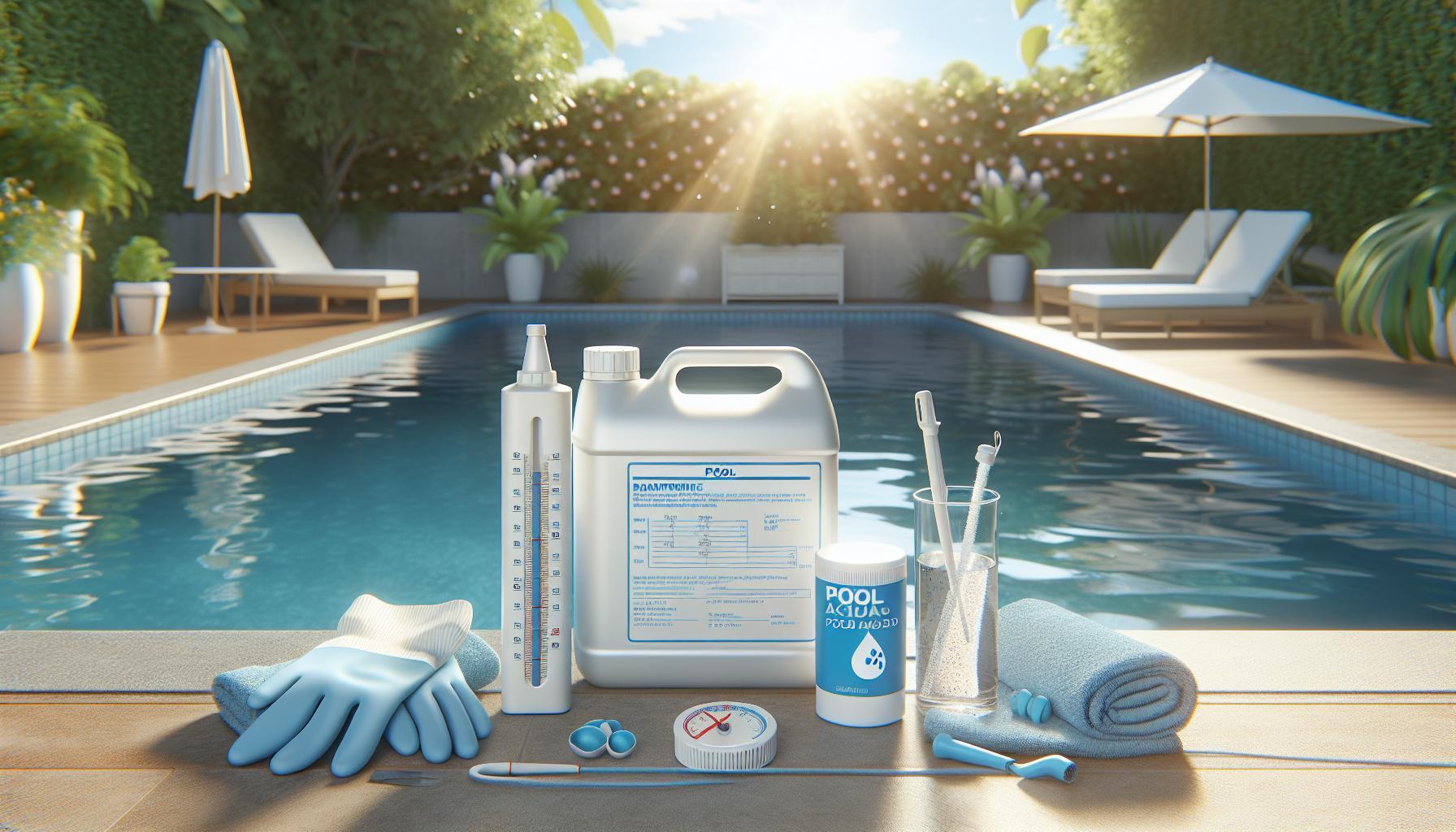
Maintaining the right alkalinity level in your pool is crucial for ensuring a safe and enjoyable swimming environment. High alkalinity can lead to cloudy water, skin irritation, and difficulties in balancing pH levels. Fortunately, with the right methods, you can effectively lower alkalinity and restore the clarity and comfort of your pool water.
Are you frustrated by uninviting pool conditions that keep you from enjoying your swimming space? You’re not alone. Many pool owners grapple with alkalinity issues, but this guide will empower you with easy, step-by-step solutions. Discover how to tackle this common challenge and transform your pool into a refreshing oasis. Read on to learn the essential techniques that will help you achieve the perfect water balance.
Understanding Alkalinity in Your Pool Water
Understanding the chemical balance of your pool water is crucial for maintaining a healthy swimming environment. One key component in this balance is alkalinity, which acts as a buffer against pH fluctuations. High alkalinity in pool water can lead to several complications, primarily affecting the overall water chemistry and the effectiveness of sanitizers. When the total alkalinity is elevated, it can hinder any attempts to lower pH levels, leading to cloudy water and scale formation on pool surfaces.
In practice, total alkalinity serves as a stabilizer for your pool’s pH level, allowing it to resist changes caused by various factors such as rain, debris, or added chemicals. If you notice that your pool frequently requires adjustments to its pH, this is often an indicator of high alkalinity levels. To effectively manage this, it’s essential to regularly test your water using a reliable test kit; ideally, your total alkalinity should be maintained within the 80-120 parts per million (ppm) range. Regular monitoring not only helps pinpoint alkalinity issues early on but also allows for timely corrective actions that can prevent extensive challenges linked to water chemistry imbalance.
Understanding how alkalinity interacts with other pool parameters empowers you to take charge of your pool’s maintenance. This knowledge helps you make informed decisions when you encounter unexpected changes in water clarity or ease of maintaining appropriate sanitizer levels. By keeping an eye on your total alkalinity, you can contribute to a more enjoyable swimming experience while minimizing the possibility of needing costly corrective measures.
Signs of High Alkalinity You Shouldn’t Ignore

High alkalinity in your pool water can often go unnoticed until it transforms into a significant issue. One of the most telling signs is persistent cloudy water, which indicates that the water’s ability to maintain balanced pH is compromised. This cloudiness often results from scale formation, where minerals precipitate out of the water due to improper chemistry, leading to less inviting swimming conditions. Furthermore, if your pool requires frequent adjustments to the pH levels without success, it’s likely that elevated alkalinity is interfering with your efforts to achieve the desired balance.
Another sign to watch for is the reduced effectiveness of chlorine sanitizers. If your chlorine levels are fluctuating and not performing as expected, high alkalinity might be the culprit, as it diminishes the chlorine’s ability to act effectively. Swimmers may also begin to notice skin or eye irritation, which can stem from imbalances in water chemistry, amplifying the discomfort caused by elevated alkalinity. When these symptoms arise, it’s crucial to address the alkalinity promptly to restore clarity and safety to your pool.
To simplify the process of managing high alkalinity, it’s essential to regularly test your water using a reliable test kit. Look out for test results indicating total alkalinity above the optimal range of 80-120 ppm, as this is typically a clear warning sign that adjustments are necessary. Additionally, keep an eye on your pool surfaces; if you begin to notice scaling or deposits forming, this is another immediate cue to investigate your alkalinity levels.
Recognizing these signs early can dramatically enhance your pool maintenance routine. By being vigilant about water quality, you empower yourself to take timely action and maintain an inviting and safe swimming environment, ensuring that you and your guests enjoy every dip in the pool. If you spot any of these red flags, be proactive in addressing them before they escalate into more complex problems.
Step-by-Step Guide to Lowering Alkalinity
To bring your pool’s high alkalinity levels back into an optimal range, follow this structured guide that empowers you to tackle the issue with confidence. Managing total alkalinity is essential not only for the clarity and comfort of your pool water but also for the effective performance of chlorine, which keeps your swimming environment safe and enjoyable.
Start by testing your pool water using a reliable test kit to determine the current alkalinity level. Ideally, total alkalinity should be maintained between 80-120 ppm. Once you have your results, if they indicate a higher level, prepare to take corrective action.
Next, you will need to select a suitable acid to lower your alkalinity. Muriatic acid is a popular choice due to its effectiveness and availability. Alternatively, dry acid can be used but may require more careful handling. Whatever option you choose, make sure to wear appropriate safety gear, including gloves and goggles, as these substances can be corrosive.
Now it’s time to apply the acid:
- Dilution: If using muriatic acid, dilute it in a bucket with water (always add acid to water, not the other way around). A typical starting amount is one quart of acid for each 10,000 gallons of water.
- Application: With the pool pump running, slowly pour the diluted acid into the shallow end of the pool, distributing it evenly to prevent concentrating the acid in one area.
- Circulation: Allow the pump to run for at least 4-6 hours to ensure thorough mixing of the acid throughout the pool.
- Retest: After the circulation period, retest the alkalinity to determine the effectiveness of your adjustments. Repeat the process if necessary, making gradual changes to avoid dramatic shifts that could throw your pH levels off balance.
Lastly, remember to keep a close watch on your pool maintenance routine. Regular testing and adjustments will help you avoid future spikes in alkalinity. By being proactive and methodical about these steps, you can ensure your pool remains a beautiful and inviting place for everyone to enjoy.
Choosing the Right Chemicals for Pool Alkalinity

Maintaining proper alkalinity in your pool is crucial for ensuring that your water chemistry remains balanced and that your chlorine treatments are effective. When it comes to selecting the right chemicals for lowering alkalinity, the primary choices are muriatic acid and dry acid. Muriatic acid, a strong liquid acid, is preferred by many pool owners due to its effectiveness and rapid action in reducing total alkalinity levels. On the other hand, dry acid, typically available as sodium bisulfate, can be a safer option for those who may be apprehensive about handling liquid acids.
When choosing between these options, consider the size of your pool and the level of alkalinity that needs adjustment. For example, it takes around 25.6 ounces of muriatic acid to lower the alkalinity by 10 ppm in a 10,000-gallon pool, making it a cost-effective solution for significant reductions. In contrast, dry acid might require additional quantities, leading to longer treatment times. Regardless of which chemical you opt for, ensure that you are equipped with safety gear, including gloves and goggles, to protect against exposure to these corrosive substances.
Application Tips: To maximize the effectiveness of these chemicals, follow these guidelines. For muriatic acid, always dilute it in a bucket of water before introducing it to the pool-never the reverse. Pour this mixture into the shallow end of the pool while the pump runs to promote even distribution. For dry acid, sprinkle it evenly across the water surface, ideally in the deepest part of the pool, and allow your filtration system to circulate the water adequately.
Regular testing of your pool water after applying any chemicals is vital. Use reliable test strips or kits to monitor alkalinity levels and ensure your adjustments have been effective. If your pool’s alkalinity is still above the acceptable range after treatment, it may be necessary to repeat the process, taking care to avoid drastic shifts that could destabilize your pool’s overall chemistry. Making informed choices about your pool chemicals not only leads to a clearer and more inviting swimming experience but also protects your equipment and extends the life of your pool water.
Using Acid Safely to Balance Your Pool pH
Using muriatic acid or dry acid to lower alkalinity in your pool can be highly effective, but safety should always be your priority when handling these chemicals. Both acids can significantly affect your pool’s chemical balance when used correctly, but improper handling can lead to hazards. To keep your swimming environment safe while effectively managing alkalinity, adhere to the following guidelines.
Before you begin, equip yourself with the appropriate safety gear. Always wear gloves, goggles, and a mask to protect your skin and eyes from potential splashes and fumes. This is especially crucial when working with muriatic acid, which is a more aggressive chemical. It’s advisable to use a well-ventilated area for preparing your acid solution to avoid inhaling any harmful vapors.
When using muriatic acid, the first step is to dilute it in a bucket of water before introducing it to your pool. This prevents the risk of exothermic reactions that can cause splashing. Remember the rule: always add acid to water, never the reverse. Once diluted, pour the solution gently into the shallow end of your pool while the pump is running. This ensures even distribution throughout the water, maximizing its effectiveness in lowering alkalinity.
If you opt for dry acid, sprinkle it evenly across the surface of the pool, ideally in the deeper end. As the pool’s filtration system circulates, the dry acid will dissolve and distribute itself, gradually impacting the total alkalinity. After applying either type of acid, it’s essential to run the pool pump for at least 4-6 hours and then retest your alkalinity levels to assess the effectiveness of the treatment.
In summary, managing pool acidity safely is about preparation, protection, and proper application. By following these safety measures, you can confidently lower your pool’s alkalinity without compromising your health or safety, ensuring that your swimming area remains inviting and well-maintained.
Monitoring Alkalinity Levels After Treatment
Monitoring the alkalinity levels after treatment is crucial to ensure that your pool remains balanced and safe for swimming. Staying on top of pool chemistry not only enhances water clarity and comfort but also extends the lifespan of your pool equipment. Once you have introduced chemicals to adjust alkalinity, the next step is to vigilantly track shifts in alkalinity to confirm that your interventions are effective and safe.
After the initial application of your chosen acid, it’s recommended to wait at least 4 to 6 hours. This time allows the chemical to disperse evenly throughout the pool, making a precise measurement more reliable. Once this period has passed, gather the necessary tools: a clean test kit or test strips specifically designed for measuring total alkalinity. Testing at this stage provides a clear picture of how effective your treatment has been. If the alkalinity level is still outside the ideal range of 80-120 ppm, further adjustments may be necessary.
To take readings consistently, consider creating a monitoring schedule that reflects your pool usage and local weather patterns. Here are some practical steps to follow:
- Test Regularly: Perform tests at least once a week during peak swimming season and biweekly in cooler months to keep an eye on fluctuations.
- Document Results: Keep a log of your readings, noting the alkalinity levels, pH levels, and any adjustments made. This historical data will help you recognize trends and anticipate adjustments.
- Stay Educated: Familiarize yourself with the effects of weather, swimmer load, and chemical interactions, as these can all influence alkalinity levels. For instance, heavy rain can dilute pool chemicals, necessitating another test.
If your readings indicate levels that are still too high, it’s essential to understand that results from repeated treatments may vary. Sometimes, you may need to increase the volume of acid used or adjust your technique. Conversely, if the alkalinity levels are too low, focus on slowly adding products designed to raise alkalinity, such as sodium bicarbonate, while continuously monitoring the pH to avoid excessive swings.
In maintaining optimal water quality, remember that consistency and attentiveness are key. Regular monitoring not only safeguards your pool but also enhances the overall experience by ensuring your water is both inviting and comfortable.
Common Mistakes to Avoid When Adjusting Alkalinity
Adjusting the alkalinity in your pool is a vital maintenance task, yet many pool owners stumble when navigating this process. Awareness of common pitfalls can save time, money, and frustration. One major mistake is not testing the water prior to adding chemicals. Each pool is unique and using a one-size-fits-all approach may lead to overcorrection, pushing alkalinity levels too low. Always begin with a reliable testing kit to gauge your current alkalinity and pH levels before proceeding with any treatment.
Another frequent oversight is adding too much acid at once. While it might seem efficient to dump in a large quantity to promptly resolve high alkalinity, this can lead to drastic pH fluctuations. Instead, take a gradual approach: add acid in small amounts, wait several hours for it to circulate, and then retest. This method allows you to monitor the change and make precise adjustments without overshooting your target range. Additionally, avoid the temptation to significantly alter multiple pool chemicals simultaneously, as this can obscure which adjustment worked or backfired.
Neglecting to account for environmental factors can also lead to miscalculations in maintenance. Rainy weather or heavy pool usage can dilute existing chemical balances, leading to inaccurate readings after treatment. Make it a habit to test your water regularly and after significant weather changes or events. Not documenting your test results is another easy-to-avoid mistake; keeping a log of alkalinity levels and interventions helps identify trends and areas needing attention, enhancing your overall pool management strategy.
Lastly, remember to monitor your pool’s alkalinity consistently after adjustments. High alkalinity can cause scaling and cloudy water, leading to subsequent costly repairs. Combine regular maintenance checks with the understanding of the relationship between alkalinity and pH to maintain a crystal-clear swimming experience, ensuring both safety and enjoyment each time you dive in.
How to Maintain Optimal Alkalinity Levels
Maintaining optimal alkalinity levels in your pool is essential for keeping the water balanced, preventing damage to your pool equipment, and ensuring a comfortable swimming experience. Alkalinity acts as a buffer for pH levels, helping to resist drastic changes that could lead to cloudy water or corrosion. To manage alkalinity effectively, regular testing and timely adjustments are critical.
Start by testing your water at least once a week, especially during peak swimming season or after heavy rainfall. Use a reliable test kit to measure total alkalinity, ideally keeping it between 80-120 ppm (parts per million). If you notice alkalinity levels are creeping up, consider the following practical steps:
- Gradual Chemical Adjustments: If tests reveal high alkalinity, use muriatic acid for adjustment. Follow the guideline of approximately 25.6 ounces of full-strength acid per 10,000 gallons of water to lower levels by 10 ppm. Always add acid to the water, never the other way around, to avoid dangerous reactions.
- Monitor pH Influence: After adjusting alkalinity, wait a few hours and retest both alkalinity and pH. This ensures that adjustments work harmoniously and reduces chances of overshooting the desired levels.
- Document Your Maintenance: Keep a maintenance log. Documenting test results, chemical additions, and weather events can help track patterns in your pool’s chemistry, making it easier to identify when adjustments are necessary.
- Regular Pool Cleaning: Maintain cleanliness through regular skimming, vacuuming, and brushing. Debris can contribute to water imbalances, including increased alkalinity due to organic matter breakdown.
If your pool’s alkalinity is consistently high despite regular maintenance, consider environmental factors such as heavy bather loads or rainfall that may alter chemical balances. Additional treatments like adding a pH decreaser in small amounts, or seeking the guidance of a professional pool service, may be necessary to stabilize your pool chemistry effectively. By following these steps and remaining proactive in monitoring, you can maintain optimal alkalinity levels that ensure a crystal-clear and enjoyable swimming environment.
DIY vs. Professional Pool Maintenance: What to Know
When it comes to maintaining pool alkalinity, homeowners often find themselves weighing the merits of DIY methods versus enlisting professional help. While tackling pool chemistry independently can be rewarding, understanding the complexities of pool maintenance is key to making informed decisions. Many pool owners successfully handle minor adjustments, such as lowering alkalinity, but knowing when to call in the experts can save time, ensure safety, and achieve the best results.
For those who enjoy hands-on maintenance, keeping alkalinity levels stable requires commitment and knowledge. Regular testing is essential, ideally done weekly, as fluctuations from rain, swimmer loads, or the addition of chemicals can impact water balance. If DIY adjustments are needed, using products like muriatic acid, according to precise measurements (about 25.6 ounces per 10,000 gallons to reduce alkalinity by 10 ppm), can effectively manage levels. Don’t forget the importance of retesting after chemical application to ensure pH and alkalinity remain in harmony.
However, for those who feel overwhelmed or those experiencing chronic imbalances, hiring a professional can be advantageous. Professionals bring expertise and experience to the table, capable of diagnosing underlying issues such as equipment malfunction or specific environmental factors. They can offer tailored solutions that a DIY approach might miss, ultimately preserving your pool’s longevity and safety. Moreover, they often have access to advanced testing tools and products not readily available to the general public, which can expedite the process of achieving optimal water chemistry.
Ultimately, the choice between DIY and professional maintenance depends on your comfort level with pool care and the specific needs of your pool. Embrace the challenge if you enjoy the process and have the time; however, don’t hesitate to seek expert support for a less stressful and more efficient approach to maintaining a pristine swimming environment.
Additional Tips for Crystal Clear Pool Water
Maintaining crystal clear pool water is more than just ensuring the pH and alkalinity are properly balanced; it encompasses a comprehensive approach to pool care that includes regular testing, chemical management, and filtration. By integrating a few essential practices, you can ensure that your swimming environment remains inviting and safe.
To start, regular water testing is crucial. Utilize a reliable testing kit to monitor both pH and alkalinity levels weekly. Ideal alkalinity should fall between 80-120 ppm, while pH levels should hover around 7.4-7.6. These measurements not only promote swimmer comfort but also maximize the efficiency of chlorine, reducing the chance of algae development and cloudiness. Any irregularities in these levels can signal a need for immediate adjustments.
Chemical addition must be approached carefully. When using acids such as muriatic acid or dry acid to lower alkalinity, always follow the manufacturer’s guidelines for dosage precisely. A common recommendation is to add about 25.6 ounces of muriatic acid per 10,000 gallons to achieve a 10 ppm reduction. It’s essential to add chemicals gradually and retest the water several hours afterward to avoid over-adjusting and creating new imbalances.
Additionally, proper filtration is an integral part of keeping your pool water clear. Ensure your pool’s filtration system operates optimally, running for at least 8-12 hours daily, depending on usage and environmental conditions. Frequent cleaning or backwashing of the filters helps maintain maximum efficiency.
Finally, maintaining a routine for surface cleaning and debris removal helps prevent contaminants from entering the water, which can cloud clarity. Skim the surface daily and brush the walls and floor weekly to eliminate any buildup. By staying proactive with these routines, you’ll enhance your pool’s clarity and create a more enjoyable swimming experience.
Understanding the Relationship Between pH and Alkalinity
Understanding the delicate relationship between pH and alkalinity is crucial for maintaining a safe and comfortable swimming environment. Total alkalinity acts as a buffer for pH levels; it helps prevent drastic changes in pH when acids or bases enter the water. Essentially, when alkaline substances are present, they stabilize the pH, ensuring that the water remains within the ideal range for both swimmer comfort and effective sanitization.
A typical swimming pool should have a total alkalinity level between 80 and 120 parts per million (ppm). When alkalinity is too high, the pH tends to become resistant to adjustment, which can lead to cloudy water and other quality issues. Conversely, if alkalinity is too low, changes in pH can occur rapidly, causing discomfort for swimmers, and can even result in corrosive water. Understanding where your alkalinity sits not only helps you address immediate chemical imbalances but also sets the stage for long-term pool health.
To effectively manage these levels, it is essential to regularly test water parameters. This routine provides insight into how the two measurements interact. For instance, if you identify high alkalinity levels, you might need to use appropriate chemicals, such as muriatic acid, to lower both alkalinity and pH simultaneously. Achieving the right balance requires careful adjustment; adding too much acid at once can lead to overshooting the desired values, resulting in more headaches down the line.
In summary, maintaining the proper ratio between pH and alkalinity is fundamental to a well-functioning pool. By regularly monitoring these levels and making informed adjustments, you can enhance the overall swimming experience and preserve the long-term condition of your pool equipment.
FAQ
Q: How can I tell if my pool’s alkalinity is too high?
A: You can determine if your pool’s alkalinity is too high by testing the water with a pool testing kit. If the total alkalinity level is above 120 ppm, it’s considered high, leading to issues such as pH imbalance and cloudy water. Monitor these levels regularly.
Q: What chemicals do I need to lower alkalinity in my pool?
A: To lower alkalinity in your pool, you can use muriatic acid or sodium bisulfate. Muriatic acid is stronger and can be poured directly into the deep end while diluted, while sodium bisulfate is easier to handle. Always follow the instructions on the product label.
Q: Can high alkalinity affect my pool’s chlorine effectiveness?
A: Yes, high alkalinity can limit the effectiveness of chlorine. When alkalinity levels are elevated, it can hinder the chlorine’s ability to maintain a proper pH balance, thereby reducing its disinfectant capabilities. Keeping alkalinity in check is essential for effective sanitation.
Q: How often should I check my pool’s alkalinity levels?
A: It’s recommended to check your pool’s alkalinity levels at least once a month. If you experience heavy rainfall or significant temperature changes, test more frequently as these factors can affect water chemistry. Regular testing helps maintain optimal water conditions.
Q: What is the ideal level of alkalinity for a swimming pool?
A: The ideal alkalinity level for a swimming pool is between 80 and 120 ppm (parts per million). Maintaining this range helps stabilize the pH level and prevents fluctuations that can lead to pool maintenance issues and discomfort for swimmers.
Q: How long after adding chemicals should I wait to test alkalinity again?
A: After adding chemicals to lower alkalinity, wait at least 24 hours before retesting the alkalinity levels. This allows the chemicals to fully circulate and reach an equilibrium in the pool water for accurate measurement.
Q: Is it safe to swim in a pool with high alkalinity?
A: Swimming in a pool with high alkalinity may not be immediately harmful, but it can cause skin irritation and discomfort. It’s best to adjust alkalinity levels before swimming to ensure the water is safe and comfortable for all users.
Q: Should I adjust alkalinity before or after other water balance issues?
A: You should adjust alkalinity before addressing other water balance issues like pH levels. Proper alkalinity stabilizes pH, making it easier to achieve the right balance to maintain clear and safe pool water.
Closing Remarks
Lowering the alkalinity in your pool doesn’t have to be a daunting task-implementing the steps outlined can lead to clearer water and a safer swimming environment. Remember, consistent monitoring is key to achieving and maintaining the right balance. If you have further questions, consider exploring our detailed guide on pool water chemistry essentials to deepen your understanding.
Don’t forget to sign up for our newsletter for regular tips and effective solutions tailored to your pool maintenance needs. And if you’re curious about how to keep your pool pristine all season long, check out our article on pool maintenance tips. Your satisfaction matters-comment below with any lingering questions or share your success stories, and help others in our community tackle their pool challenges!