


Black algae can turn your stunning pool into a daunting challenge, often clinging stubbornly to surfaces and defying standard cleaning efforts. Understanding the root causes of this pesky invader is crucial for maintaining a clean and inviting swimming environment. This article explores the factors that contribute to black algae growth and provides effective prevention and treatment strategies that empower pool owners like you.
Did you know that black algae thrives in pools with poor circulation and imbalanced chemical levels? By learning how to diagnose and address these issues, you can protect your investment and ensure a safe swimming experience for everyone. Dive in as we share practical tips and solutions, enabling you to reclaim your pool from the clutches of black algae and enjoy crystal-clear water all season long.
Causes of Black Algae in Pools: Understanding the Science
Black algae can be one of the most stubborn types of algae that pool owners encounter, often lurking in hard-to-reach spots and leaving many frustrated. Understanding the causes behind black algae growth is crucial for effective prevention and treatment. This particular type of algae thrives in warm, humid conditions, often taking hold in poorly maintained or unbalanced pool environments. Its ability to form resilient spores allows it to resist chlorine, making it a challenge that requires attention and action.
Several factors contribute to the emergence of black algae in pools. Firstly, it tends to flourish in areas where water circulation is insufficient, such as in corners, behind ladders, or in crevices of pool surfaces. Poor filtration and cleaning practices can exacerbate the problem by allowing these spores to settle and establish themselves. Additionally, low levels of chlorine or improper pH balance create favorable conditions for its growth. pH levels outside the ideal range of 7.2 to 7.6 can impede chlorine’s effectiveness, allowing black algae to proliferate.
To combat these favorable conditions, regular pool maintenance is key. Ensuring that your pool’s chemical levels are properly balanced, along with maintaining good circulation and filtration, can significantly reduce the chances of black algae taking hold. Regular brushing of pool surfaces, particularly in high-risk areas, can also help to detach any spores that may begin to settle, preventing their establishment. Lastly, diligent monitoring and quick response to any signs of algae can ensure that your pool remains a clean and inviting space.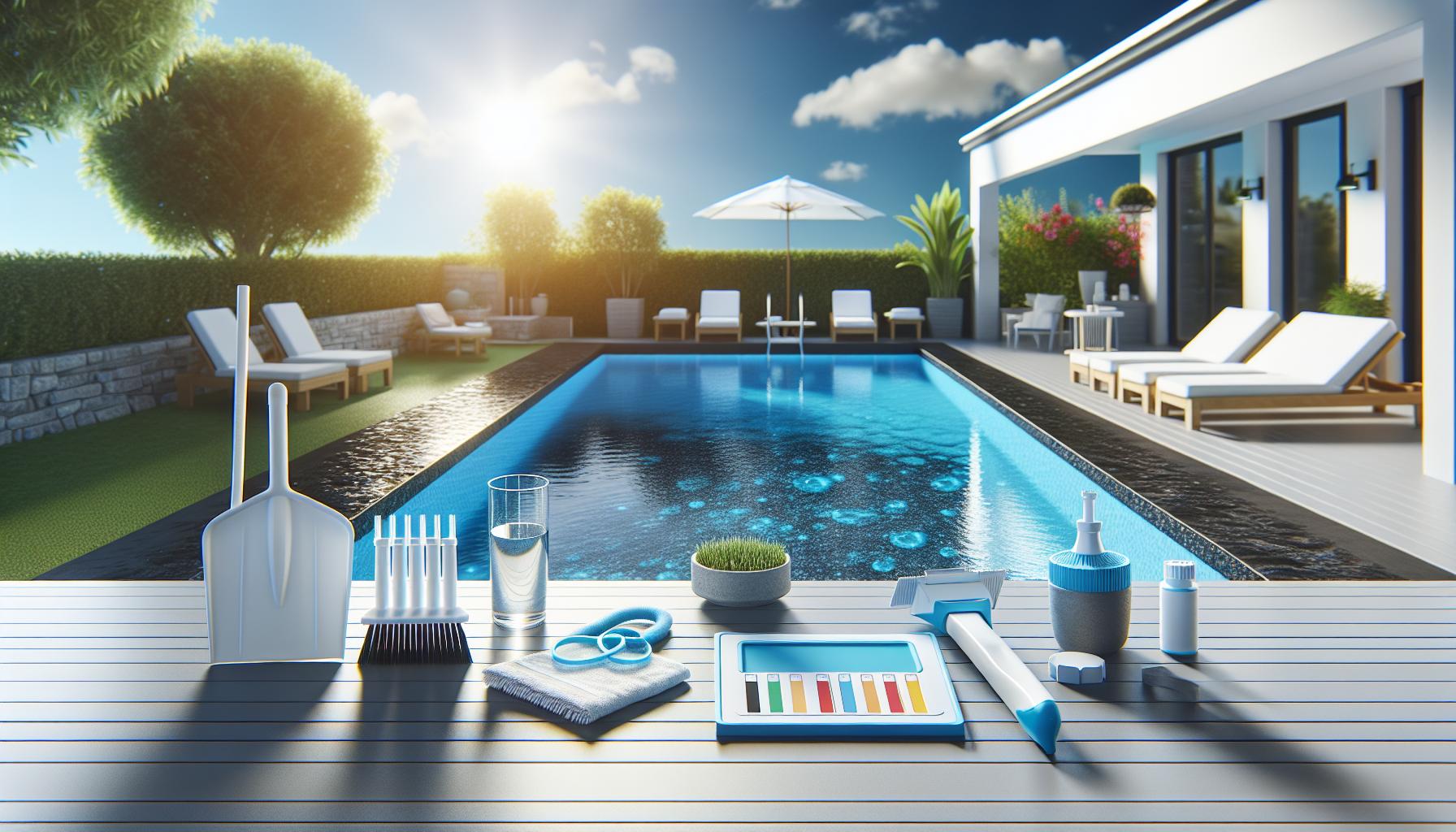
Identifying Black Algae: Visual Characteristics and Signs
Black algae can often be mistaken for other types of algae, but its distinctive characteristics set it apart. Identifying black algae early is crucial for effective treatment, as it can quickly take root and spread in your pool if not addressed. Typically found in shady, poorly circulated areas of the pool, such as corners, steps, or seams, black algae forms dark, stubborn spots that can be difficult to remove.
Visually, black algae appear as dark green or black spots on the pool surface. Unlike other algae, black algae have a unique texture-often described as rough or slimy-due to their ability to root into the pool’s plaster or tile. This resilient structure allows black algae to resist normal chlorination, making them a challenge for pool maintenance. When examining the affected areas, you might observe small tentacle-like structures emanating from the base of the spots as they anchor themselves into the surface of the pool. If you brush the area and the algae does not easily remove, it is likely black algae rather than a lighter green variant.
To further distinguish black algae from others, consider performing a simple test: take a small sample with a pool brush or a scrub pad and check if it breaks apart easily. Green algae tend to dissolve readily in chlorine, while black algae will resist this treatment and remain intact. Understanding these visual cues and behavior of black algae can arm pool owners with the knowledge needed to address infestations promptly and effectively.
Key visual signs to watch for include:
- Color: Dark green or black spots that appear on surfaces.
- Texture: Rough, almost velvety feeling as opposed to slimy.
- Location: Often found in shaded, stagnant areas of the pool.
- Resistance to brushing: Stubbornly clings to surfaces even when scrubbed.
By closely monitoring your pool for these indicators, you can better manage and prevent the escalation of black algae before it becomes a larger issue. This proactive approach not only helps maintain your pool’s cleanliness but also ensures a safe and enjoyable swimming experience.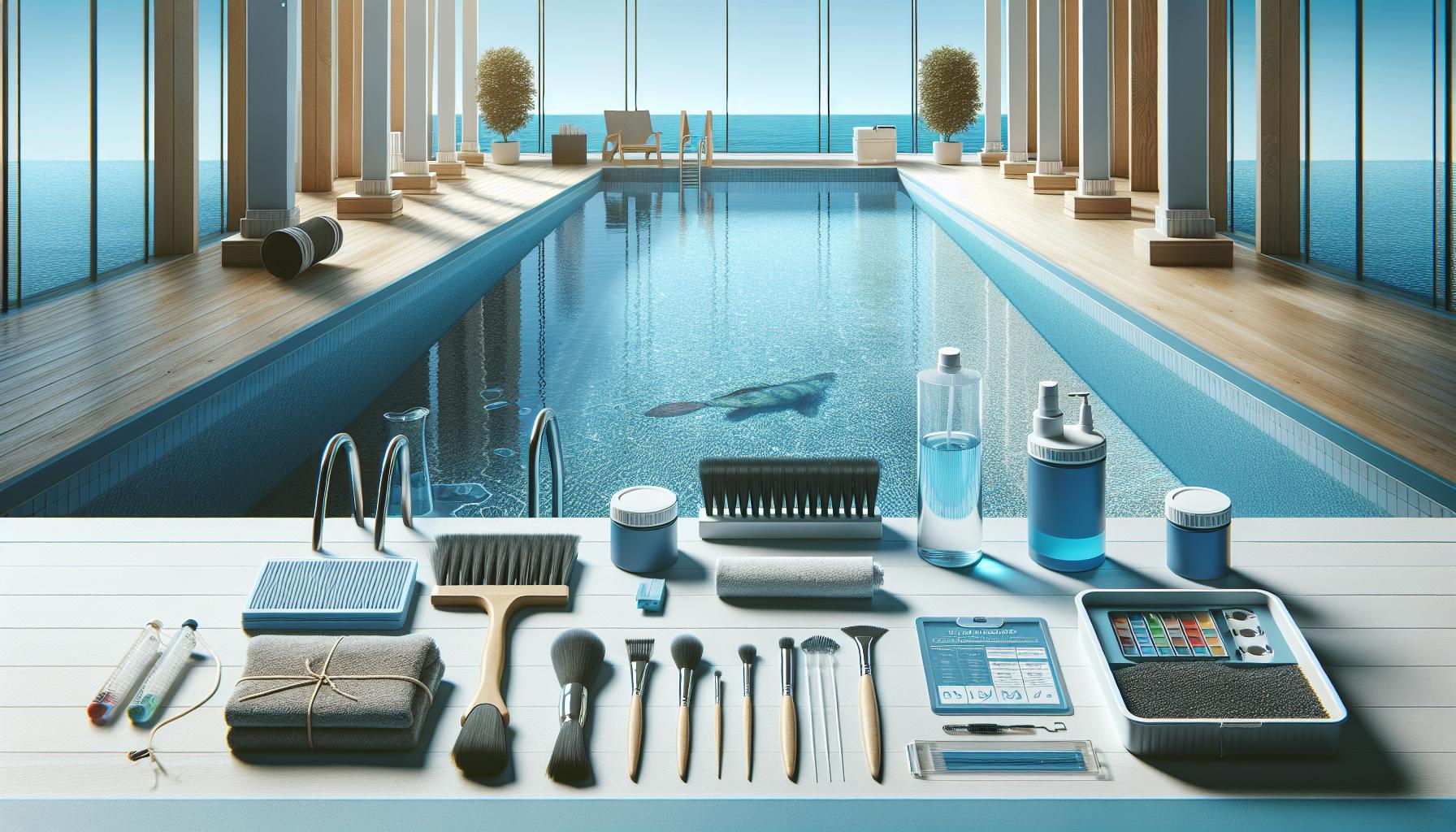
Impact of Environment on Black Algae Growth
Sustainable pool maintenance is crucial, especially considering the factors that influence the growth of black algae. One of the primary contributors to black algae infestations is the environmental conditions surrounding your pool. These hardy organisms thrive in areas where humidity is high and sunlight is minimal, making shaded corners or poorly circulated areas prime real estate for their development. Understanding these conditions can significantly enhance your ability to combat and prevent black algae.
The temperature and overall climate also play substantial roles. Warmer waters create an ideal breeding ground for algae, including black algae, while cooler temperatures can inhibit their growth. If you live in a region with high humidity or frequent rainfall, chances are your pool may be exposed to organic debris commonly found in such environments, which provides nutrients for algae. Regularly cleaning leaves and other plant debris from your pool can mitigate this problem and disrupt the nutrient cycle that promotes algae growth.
Another critical factor to consider is the pool’s circulation system. Ensuring that water flows consistently throughout your pool helps prevent stagnant areas, which are often breeding grounds for algae. Maintaining the right flow rate through your pump and ensuring the cleaner is adequately functioning will promote better circulation. If your pool has features like steps, ledges, and corners where water tends to stagnate, these areas require extra attention during cleaning.
To effectively manage the environmental impact on black algae growth, here are some actionable steps you can take:
- Regularly skim: Ensure leaves and debris are removed from the surface to minimize organic buildup.
- Check flow rates: Regularly assess your pool’s circulation system for obstructions and ensure it operates efficiently.
- Monitor water temperature: Use a thermometer to keep track of your pool’s temp and control it if it rises too high.
- Adjust chemical balance: Regularly test pH and chlorine levels, as algae thrive in imbalanced water conditions.
By taking these proactive measures, you can create an environment that is less hospitable to black algae, thus maintaining a cleaner and healthier swimming space.
Essential Pool Chemistry: Balancing pH and Chlorine Levels
Maintaining the right chemical balance in your pool is essential for preventing black algae and ensuring a clean, safe swimming environment. pH and chlorine levels are two of the most critical aspects of pool chemistry that directly influence algae growth. When these levels are not properly managed, it can lead to nutrient-rich conditions that black algae thrive in.
The ideal pH range for swimming pools is between 7.2 and 7.8. If the pH level is too low, the water can become acidic, which can irritate skin and eyes while also corroding pool surfaces and equipment. Conversely, a high pH level can cause chlorine to become less effective, allowing algae to flourish. Regularly testing your pool water is vital. Utilize a reliable test kit or strips at least once a week, adjusting the pH with appropriate chemicals like sodium bicarbonate to raise it or muriatic acid to lower it as needed.
Chlorine acts as the first line of defense against algae and other contaminants. The recommended chlorine level for pools is between 1 and 3 parts per million (ppm). When chlorine levels drop below this range, it results in poor sanitation, making your pool susceptible to bacterial growth and algae, including black algae. One effective way to maintain proper chlorine levels is to use chlorine tablets in a skimmer or floating dispenser. Additionally, shock your pool regularly (typically bi-weekly, or more frequently during heavy usage or after storms) to reinvigorate chlorine levels and eliminate any accumulated organic matter that can feed algae.
Practical Steps for Maintaining pH and Chlorine Levels
- Test Regularly: Check your pool water at least once a week for both pH and chlorine levels.
- Adjust pH: If pH is out of range, adjust with pH increaser (sodium bicarbonate) or pH decreaser (muriatic acid).
- Monitor Chlorine: Ensure chlorine levels are between 1-3 ppm; add chlorine tablets or shock if levels are low.
- Clean Filters: Keep your pool’s filters clean and well-maintained to ensure optimal circulation and sanitation.
By staying vigilant with your water chemistry, you can create conditions less conducive to black algae growth, promoting a healthier swimming experience. Remember that a well-maintained pool not only enhances enjoyment but also extends the longevity of your pool equipment and surfaces.
Preventing Black Algae: Best Practices for Pool Maintenance
Black algae can be a persistent problem in swimming pools if not addressed promptly and effectively. To keep your pool free from this resilient nuisance, adopting best practices in maintenance is crucial. One essential strategy is to foster a clean and well-circulated water environment. Regularly brushing the walls and floor of the pool-especially areas where algae might take hold-ensures that dirt and organic matter are kept at bay, thus reducing the potential for black algae growth.
It’s also vital to maintain proper water chemistry consistently. Regular testing and adjusting of pH and chlorine levels cannot be overemphasized. Aim for a pH range of 7.2 to 7.8, as elevated levels can impede chlorine effectiveness, allowing algae to proliferate. Always ensure chlorine levels remain between 1 and 3 parts per million (ppm). Shock your pool at intervals-typically every week or more frequently after heavy usage or rain-to prevent the conditions that enable algae to thrive.
In addition to chemical balance, consider the surrounding environment. Heavy debris accumulation can provide a perfect breeding ground for algae. Ensure that leaves, twigs, and other contaminants are regularly removed. Decreasing pool water temperature can also help, as black algae generally thrive in warmer conditions. To further protect your pool against infestations, install a high-quality cover during off-seasons or when the pool is not in use. This will not only keep debris out but also reduce exposure to sunlight, which can promote algae growth.
Lastly, investing in high-quality pool equipment can make a significant difference. Ensure your filtration system is powerful enough to maintain clear water and regularly check and replace filters as needed. Opt for robotic pool cleaners that can tackle hard-to-reach areas. By implementing these preventative measures, you can significantly reduce the likelihood of black algae in your pool and enjoy a cleaner, healthier swimming environment year-round.
Step-by-Step Treatment for Black Algae Infestations
Addressing black algae infestations in your pool requires a systematic approach to effectively eliminate this stubborn algae type. With a few straightforward yet diligent steps, you can reclaim your pool’s clarity and beauty, ensuring a safe and enjoyable swimming environment.
Begin with a thorough inspection of the pool. Identify areas with visible signs of black algae-often appearing as black or dark green spots on the pool surface. Pay special attention to the walls, ladders, and corners, as these are common breeding grounds. Once located, it’s crucial to brush the affected areas with a pool brush designed for your pool surface type (tile, plaster, or vinyl). This action helps dislodge algae and prepares it for treatment.
Next, it’s time to shock the pool. Use a chlorine-based shock treatment to drastically increase the chlorine levels in your pool. For black algae, it’s recommended to use a higher dose than usual; typically, this is about double the standard shock amount. Ensure the shock treatment is evenly distributed and allow the chlorine to circulate for several hours, preferably overnight. This step is vital as it kills off a significant portion of the algae spores lurking in the water.
After shocking, you’ll want to follow up with a specialized algaecide. Choose a product specifically formulated to combat black algae, as these contain stronger ingredients designed to penetrate the protective outer layer of the algae. Apply the algaecide according to the manufacturer’s instructions-often requiring the pump to run for a specified time to ensure thorough distribution.
Lastly, maintain your regular cleaning schedule. Keep brushing the pool walls and floors weekly, and vacuum any remaining debris. Additionally, test your water chemistry consistently to keep pH levels between 7.2 and 7.8, ensuring that chlorine levels remain optimal. Regular maintenance and monitoring will help prevent black algae from reestablishing.
By following these steps diligently and staying proactive with your pool care, you can effectively eliminate black algae and maintain a crystal-clear swimming pool all season long.
Effective Cleaning Techniques for Black Algae Removal
Despite its stubborn nature, effectively tackling black algae in pools is possible with the right techniques. Black algae can latch onto various surfaces, making it imperative to combine powerful cleaning methods with persistence. Begin by equipping yourself with the proper tools; a nylon-bristled pool brush specialized for your pool type is essential. Use this brush to scrub the affected areas with vigor, focusing on corners, underpool ladders, and any crevices where algae thrive. The scratching action removes the protective layer of the algae, making it easier for subsequent treatments to penetrate and work effectively.
Once brushing is complete, the next step involves a thorough vacuuming of the pool. Utilize a manual vacuum rather than a robotic one, as manual vacuums allow for targeted cleaning in areas that may still harbor algae. This ensures that debris disturbed during brushing is completely removed rather than left to settle back into the pool. Regularly check your vacuum bag or filter, as a clogged filter may reduce the efficiency of your cleaning efforts.
Following vacuuming, perform a shock treatment to elevate chlorine levels significantly. It’s advisable to use a particularly high dose for black algae, often around double the standard shock treatment. This abrupt spike in chlorine will kill off any remaining spores and help inhibit regrowth. Allow the pool to circulate the shocked water for at least 24 hours to maximize effectiveness. After calling it a day, consider continuing the cleaning process with a qualified algaecide targeted specifically at black algae. This dual approach of brushing, vacuuming, shocking, and applying algaecide creates an environment where black algae struggles to survive and multiply.
To sustain clarity and health in your pool, maintaining a routine of cleaning and testing is fundamental. Inspect areas weekly and brush as needed, especially during warmer weather when algae is more likely to thrive. Keep your water chemistry balanced, ensuring pH levels remain within a suitable range, which promotes healthier conditions for your pool’s ecosystem and keeps algae at bay. Effective cleaning is not just a targeted event; it’s an ongoing commitment that significantly contributes to a stunning and safe swimming environment.
Choosing the Right Algaecide: Quick Guide for Pool Owners
Choosing the right algaecide for your pool can significantly enhance your battle against persistent black algae. Unlike standard pool algae, black algae have a protective layer that makes them particularly resilient, requiring specialized treatments to effectively eliminate them. Understanding the various types of algaecides available and their specific properties is essential for maintaining a clear and healthy pool.
First, consider selecting an algaecide specifically formulated for black algae. These products typically contain quaternary ammonium compounds (Quats) or copper-based ingredients, both of which are effective against stubborn algae strains. When shopping, look for labels that mention efficacy against black algae, as not all algaecides will specify this on their packaging. Using a product designed for this specific algae type can lead to faster and more effective results.
When applying algaecides, timing and method also matter. The best practice is to apply the algaecide after thoroughly brushing and vacuuming the pool to maximize its effectiveness. Ensure that your pool’s chlorine levels are balanced, as having too high or too low levels can reduce the effectiveness of the algaecide. Generally, it is recommended to wait until the pool’s pH levels are between 7.2 and 7.6 before application. After applying the algaecide, make sure to run the pool pump continuously for at least 24 hours to help distribute the treatment evenly.
It’s also crucial to follow the manufacturer’s directions for dosage. Over-application can lead to increased chemical levels that are harmful both to swimmers and the environment, while under-application may not effectively eliminate the algae. Keep in mind that even after treating with an algaecide, routine maintenance, such as brushing, vacuuming, and regular chemical testing, should continue to prevent future outbreaks.
By being proactive and informed about your options, you empower yourself to protect your pool against the relentless nature of black algae. Always remember that effective pool care is a combination of the right products, consistent maintenance, and keen observation of water quality.
Long-Term Strategies to Prevent Black Algae Recurrences
Maintaining a pool free from black algae is a marathon, not a sprint, and understanding the long-term strategies for prevention is vital for every pool owner. This resilient algae thrives in specific conditions, so staying proactive will help you thwart its re-emergence. One key factor in preventing black algae is ensuring consistent water balance. Regularly test your water chemistry, targeting a pH of 7.2 to 7.6 and maintaining chlorine levels around 1 to 3 parts per million. Consider investing in a quality pool testing kit to simplify this process and enhance your ability to promptly address any chemical imbalances.
Additionally, regular brushing and vacuuming of your pool surface significantly contribute to preventing black algae from gaining a foothold. Make it a habit to brush the walls and floor of your pool weekly and to vacuum thoroughly at least once every two weeks. Pay special attention to corners and areas around steps or in-shallow places where debris collects, as these are prime locations for algae to proliferate. Introduce a weekly cleaning routine that includes skimming for leaves and debris, which not only improves the aesthetic appeal of your pool but also reduces organic matter that feeds algae growth.
Another cornerstone of long-term prevention is monitoring filtration systems and maintaining your pool equipment. Ensure that your filtration system runs long enough each day to keep your water clear and circulating effectively, typically around 8 to 12 hours. Clean or replace your pool filter cartridges regularly, as clogged filters can hinder proper water circulation, creating a perfect environment for black algae. Adopting these practices creates a less favorable environment for algae, making it more difficult for them to establish themselves.
Finally, consider using preventative algaecides as a part of your regular chemical routine, especially during warmer months when algae growth is more likely. Applying algaecide monthly can provide an extra layer of protection against black algae. When choosing an algaecide, consult with a pool professional to select a product that specifically tackles black algae. Combine these strategies to build a formidable defense against recurrence, ensuring your pool remains a safe and inviting space.
Expert Tips for Maintaining a Healthy Pool Environment
Maintaining a pristine pool isn’t just about aesthetics; it’s critical for health, safety, and the longevity of your equipment. The presence of black algae signals deeper issues in water chemistry and overall maintenance, but with proactive strategies, you can cultivate a welcoming environment that deters these tough intruders. One proven method is to adopt a consistent cleaning schedule that encompasses regular skimming, brushing, and vacuuming. This can significantly reduce debris and organic matter that facilitate algae growth. Aim to brush the pool surfaces weekly, focusing on high-risk areas where algae prefer to take hold.
- Test Water Chemistry: Regularly test your pool water, ideally every few days, to keep pH levels within the ideal range of 7.2 to 7.6. Adjust the alkalinity and calcium levels as needed to support effective chlorine action, which deters algae growth.
- Run Filtration System: Your filtration system should operate at least 8 to 12 hours daily. This ensures effective water circulation, reducing stagnant areas that black algae favor. Periodically check the filter’s performance and clean or replace cartridges to maintain optimal efficiency.
- Use Algaecide Proactively: Incorporate algaecides into your maintenance routine, especially during high temperatures when algae bloom is more common. Consult a pool professional for tailored advice on the best products for combatting black algae.
Investing in a high-quality vacuum or a robotic cleaner can simplify upkeep, helping to reach those pesky corners where algae thrive. Additionally, securing a cover for your pool can minimize debris accumulation when the pool is not in use, further reducing algae risks.
Incorporating these expert tips will not only foster a healthier pool environment but will also empower you, creating a system for ongoing success in pool maintenance. The goal is to stay one step ahead of black algae, ensuring your pool remains clean, inviting, and a source of enjoyment all season long.
Q&A
Q: What environmental factors contribute to black algae growth in pools?
A: Black algae thrive in warm, stagnant water and can flourish when pool maintenance is neglected. High temperatures and sunlight, combined with poor circulation, create ideal conditions. Regular maintenance and proper filtration are crucial to prevent these conditions from encouraging black algae growth.
Q: How can I tell if I have black algae or other types of algae in my pool?
A: Black algae are typically dark green or black with a textured, slimy appearance and may adhere tightly to surfaces. Unlike green algae, they often require scrubbing to remove. If you see this type of growth, it’s essential to address the issue swiftly to prevent further infestation.
Q: Can black algae survive winter conditions in an outdoor pool?
A: Yes, black algae can survive winter in outdoor pools, especially if the water remains stagnant or improperly treated. Winterizing your pool and maintaining proper chemical levels are important to prevent algae from thriving in dormant stages.
Q: What are some common mistakes pool owners make when dealing with black algae?
A: Common mistakes include inadequate brushing of surfaces to dislodge algae, underestimating the need for high chlorine levels during treatment, and not following up with regular maintenance. Understanding these pitfalls can help you effectively manage and prevent black algae growth.
Q: How often should I check my pool’s chemistry to prevent black algae?
A: Test your pool water chemistry at least once a week. Focus on checking pH and chlorine levels regularly, particularly during peak swimming seasons or after heavy rain, to ensure an environment that is hostile to algae growth.
Q: What types of algaecides are effective against black algae?
A: Algaecides containing quaternary ammonium compounds or copper-based formulas are effective against black algae. Always follow the manufacturer’s instructions for application and consider using them in conjunction with proper brushing and filtration.
Q: Why is brushing important in treating black algae infestations?
A: Brushing your pool surfaces irritates and helps dislodge black algae, making it easier for chemicals to penetrate and kill the spores. This mechanical action is essential to effective treatment and should be performed regularly for best results.
Q: How can I prevent future black algae outbreaks in my pool?
A: To prevent black algae, maintain stable pool chemistry, ensure proper circulation and filtration, regularly brush pool surfaces, and clean any debris promptly. Regular shock treatments during warm months can also deter algae growth effectively.
Insights and Conclusions
Now that you understand what causes black algae in pools and how to effectively prevent and treat it, don’t let these pesky invaders take over your oasis. Act swiftly by applying the cleaning techniques discussed and maintaining a regular pool care routine. Consistency is key! If you found this guide helpful, check out our in-depth articles on “Pool Maintenance Tips” and “Best Pool Sanitizers” for more valuable insights.
Feel empowered to tackle your pool challenges head-on! Remember, keeping your pool clean not only enhances your enjoyment but also protects your investment. For even more tips or to discuss your specific pool concerns, subscribe to our newsletter for the latest updates and expert advice. Dive into a cleaner pool experience today! Share your thoughts or ask questions in the comments below, as we love hearing from our community of pool enthusiasts.


