


Are you tired of cloudy water and unsightly green patches in your pool? You’re not alone; algae growth is a common issue that can turn your oasis into a breeding ground for bacteria, jeopardizing your family’s health. Understanding how to eliminate algae effectively is crucial for maintaining a safe and enjoyable swimming environment.
In this guide, we’ll explore proven methods for eliminating algae, ensuring your pool remains sparkling clear. From routine maintenance tips to advanced treatments, you’ll discover actionable steps that empower you to tackle algae challenges head-on. Wave goodbye to the stress and embarrassment of a murky pool and dive into a clean, refreshing swim that your friends and family will love! Keep reading to reclaim your pool and enjoy the summer days ahead.
Understanding Algae: Types and Causes in Pools
Algae can seem like a minor inconvenience, but understanding its nature is essential for pool maintenance. This diverse group of photosynthetic organisms thrives in warm, nutrient-rich environments, which can include backyard pools. Algae can vary significantly in type, with the most common varieties in pools being green algae, yellow/mustard algae, and black algae. Each type presents unique challenges in terms of growth and removal.
Green algae are the most common culprits and typically appear as a green, slimy layer on the pool walls or surface. This type can grow rapidly, especially in warm conditions, and can make the water appear cloudy. Yellow or mustard algae are often found in sandy or cloudy areas of pools and may adhere tightly to surfaces; they can be challenging to eliminate due to their greater resistance to common sanitizers. Black algae, identifiable by their dark, stubborn spots, are the toughest to deal with because they embed themselves into the pool’s plaster or concrete surfaces.
Algae growth in pools is primarily driven by a combination of factors including inadequate sanitation, insufficient circulation, and an imbalance in water chemistry. If chlorine levels are low, or if the pH is not properly balanced, algae can flourish. Additionally, debris accumulating in the water or on surfaces can provide a breeding ground for these organisms. To maintain a pristine swimming environment, regular testing and adjustments of your pool water are vital to keep algae at bay. This proactive stance will help you enjoy a clean and safe swimming experience.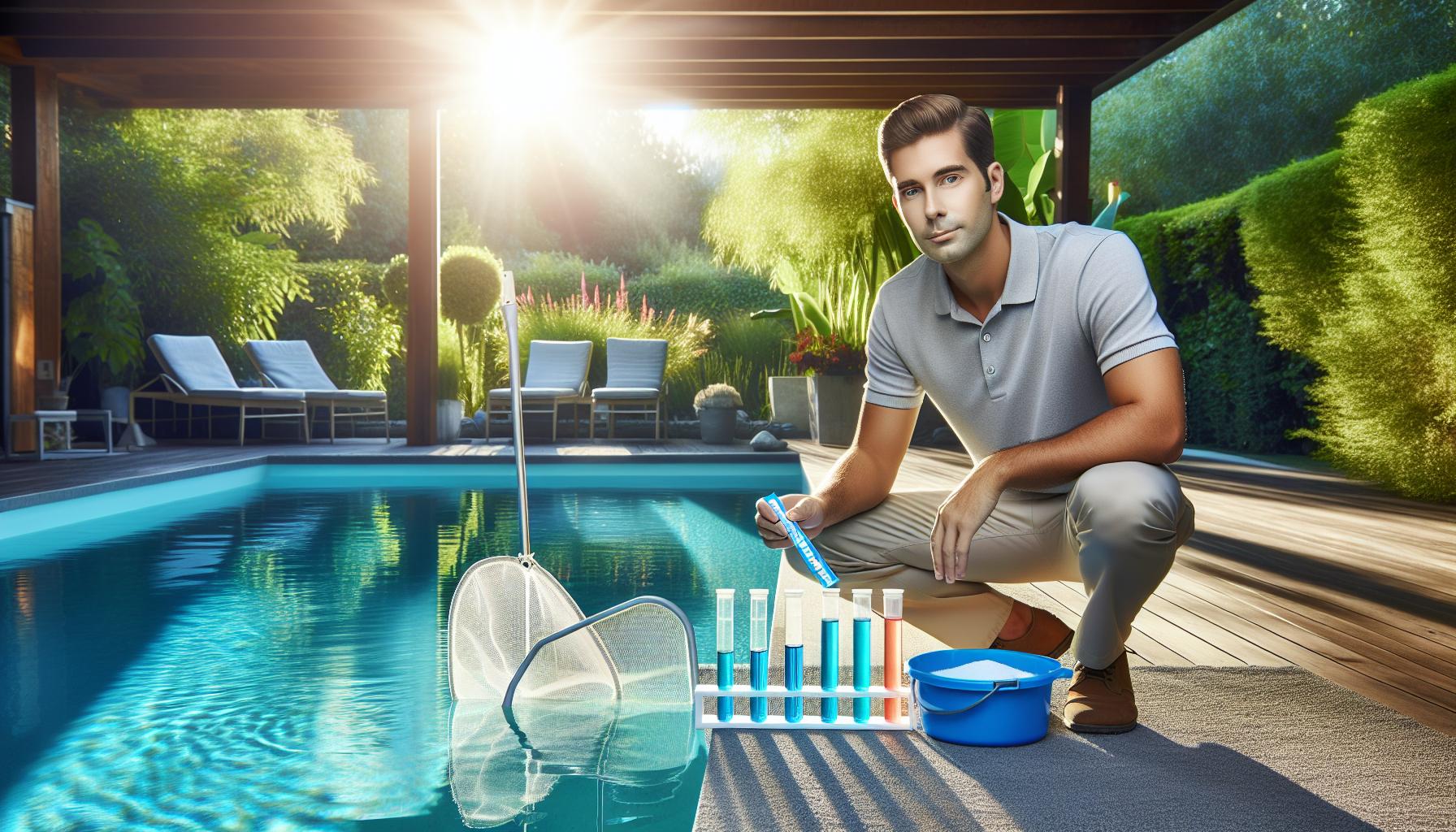
The Impact of Algae: Why Prompt Removal is Crucial
Algae may seem like a mere nuisance in your pool, but their impact can be profound if not addressed promptly. Algae not only degrade the aesthetic appeal of your swimming area but also pose significant health risks. When left unchecked, algae can cloud the water, making it unsafe for swimming and inviting unwanted bacteria. For example, green algae can proliferate quickly, while black algae not only remain visible but embed themselves into pool surfaces, leading to costly repairs and prolonged cleaning efforts.
Removing algae swiftly is essential to maintaining a safe swimming environment. Rapid removal not only ensures clear water but also prevents the formation of slippery surfaces, which can result in accidents or injuries. Moreover, establishing a routine for algae management can save you time and money in the long run. Regular treatment and monitoring allow you to identify early signs of growth, ensuring that minor issues don’t escalate into major infestations. Think of it as a proactive approach; addressing the problem when it’s small can significantly reduce the workload later.
To tackle algae effectively, begin with a careful evaluation of your pool’s condition. You might discover increased debris, poor water circulation, or imbalanced chemistry – all of which contribute to algae growth. By maintaining your pool’s cleanliness and ensuring that filters and pumps operate efficiently, you can create an unwelcoming environment for algae. A simple bi-weekly cleaning schedule, combined with monitoring chlorine levels, can make a substantial difference.
Choosing the right treatment method is crucial for effective algae removal. Chemical solutions like chlorine shocks can offer immediate results, but high-quality brushing and vacuum techniques will help remove any remaining spores. By maintaining vigilance, you guarantee that your swimming experience remains enjoyable and safe, fostering a clean pool environment for you and your guests. Regularly attending to algae growth not only preserves the visual appeal of your pool but also enhances its safety for everyone who enjoys it.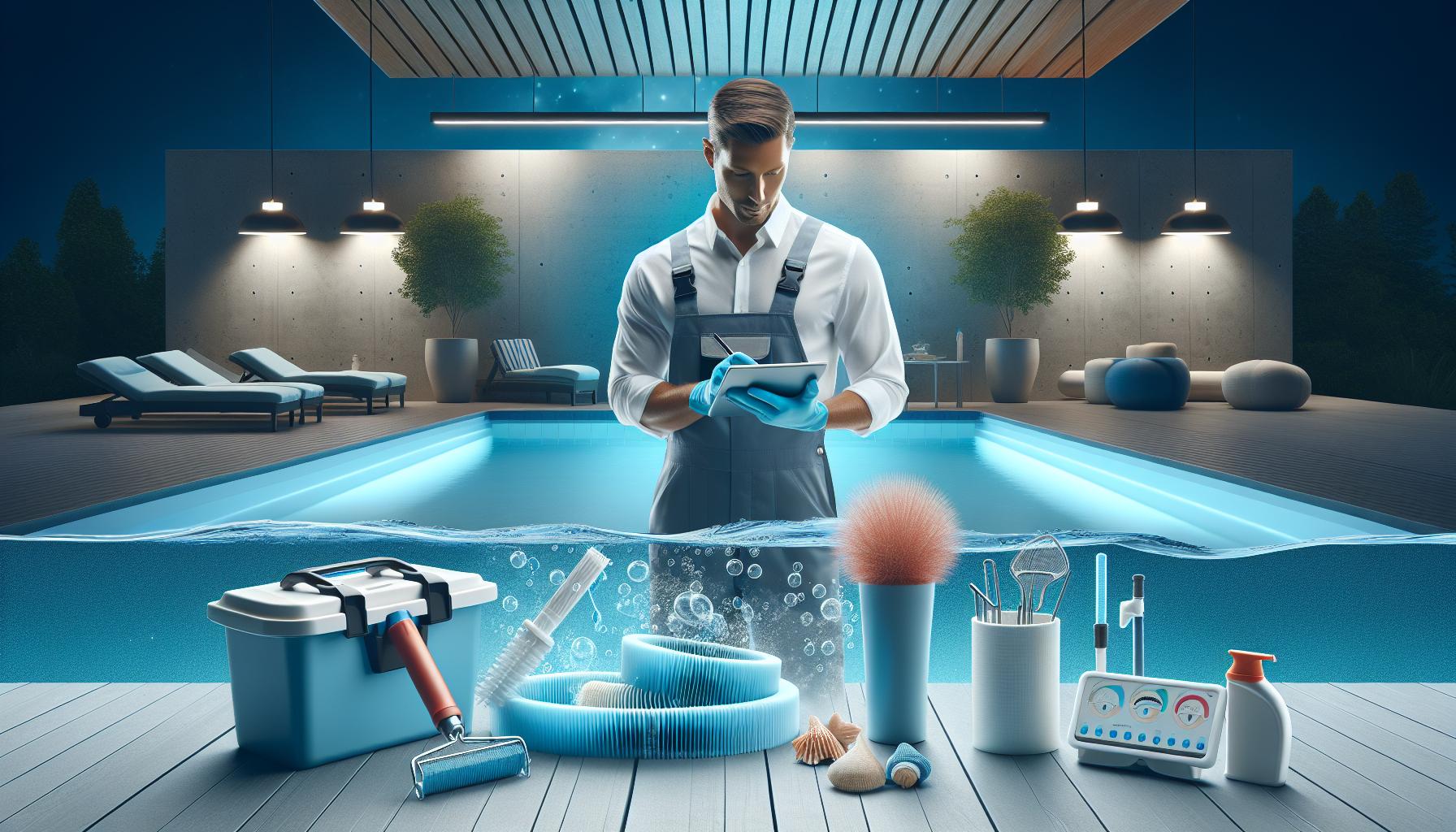
Proven Chemical Treatments for Algae Elimination
To effectively combat algae in your pool, understanding and utilizing proven chemical treatments is essential. These treatments not only eliminate existing algae but also help prevent future outbreaks, ensuring your swimming environment remains clean and safe. The key to successful algae management lies in choosing the right chemicals and applying them correctly according to the type of algae present.
Chlorine Shock Treatments are among the most widely used solutions for tackling algae infestations. During the treatment, a concentrated dose of chlorine is added to the pool water, drastically increasing the sanitizer levels. This process works by killing algae spores and breaking down organic debris that can contribute to their growth. For optimal results, it’s recommended to apply chlorine shock in the evening or at night when UV rays from the sun are minimal, as sunlight can degrade chlorine quickly.
Algaecides
are another powerful option, specifically designed to target and combat different types of algae. There are several types of algaecides, including quaternary ammonium compounds (quats), copper-based algaecides, and polyquat. Polyquat algaecides are particularly effective against green and yellow algae and are known for their non-foaming properties, making them ideal for pool contexts. Always follow the manufacturer’s instructions regarding dosage and frequency of application, as overuse can lead to chemical imbalances.
For more severe infestations, it might be necessary to combine treatments. Start with a shock treatment to kill existing algae, followed by the application of a suitable algaecide to prevent regrowth. After treatment, use proper filtration techniques; run your pool filter continuously for 24 to 48 hours post-application to ensure any dead algae particles are adequately removed from the water.
Regular Monitoring and Maintenance
is crucial after chemical treatments. Test your pool water frequently to ensure sanitizer levels are within the recommended ranges to combat any new algae growth effectively. By maintaining a preventive approach with routine shock treatments and careful monitoring of chemical levels, your pool can remain a refreshing oasis rather than a breeding ground for unwanted algae.
By following these chemical treatment strategies and maintaining vigilance in your pool care routine, you can effectively eliminate algae and enjoy clear, inviting swimming water all season long.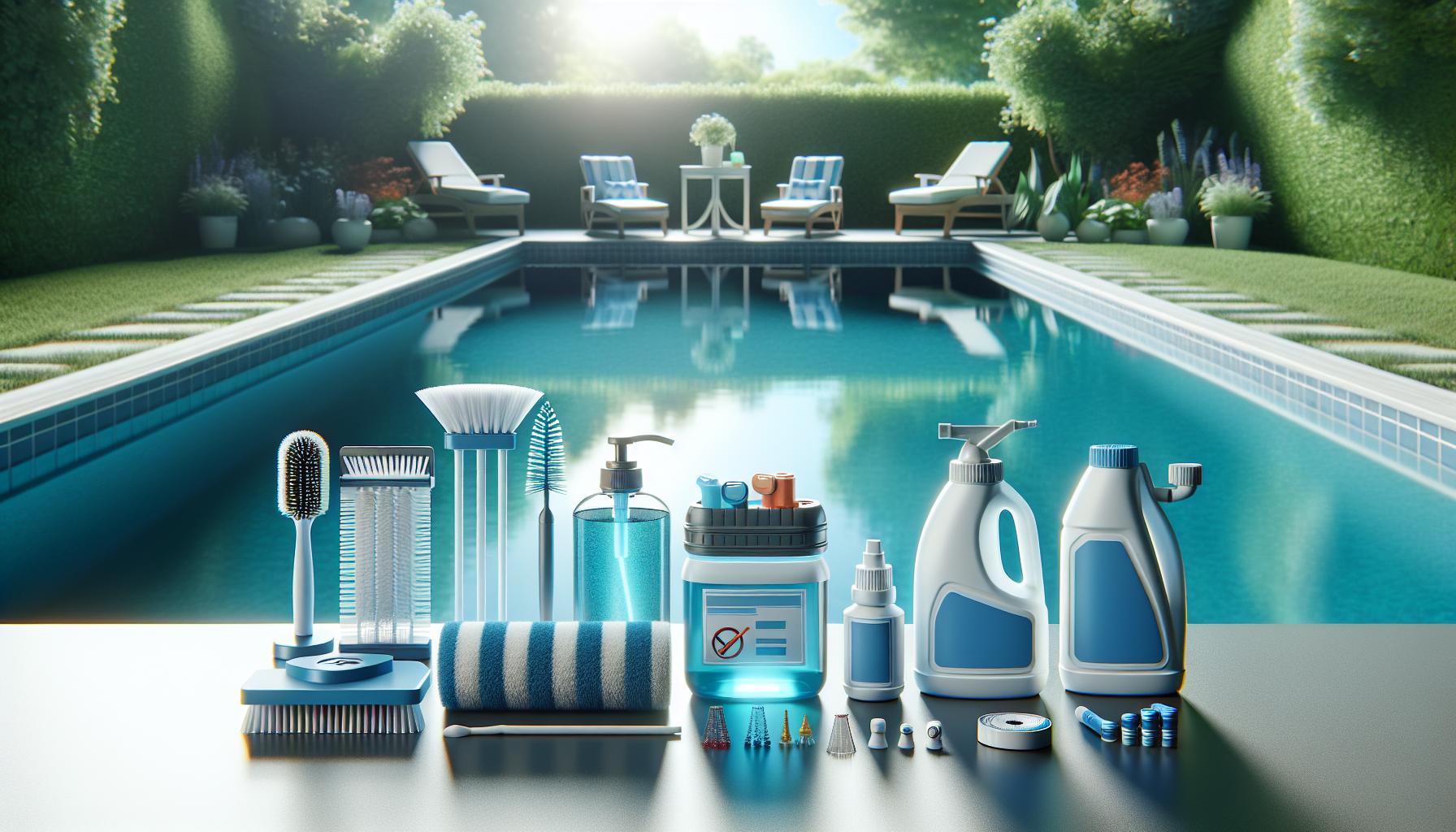
Effective Physical Methods: Scrubbing and Vacuuming
Algae can quickly turn a beautiful swimming pool into an unsightly mess, making immediate cleaning essential. One of the most effective ways to tackle this issue is through physical removal methods, specifically scrubbing and vacuuming. By physically targeting areas where algae thrive, you can significantly reduce or eliminate the presence of these unwanted organisms, ensuring your pool stays clean and inviting.
Start by using a sturdy pool brush to scrub the walls and floor of your pool. Focus on corners, steps, and areas where water circulation may be limited, as these are prime spots for algae buildup. Ideally, use a brush specifically designed for your pool’s surface-nylon brushes work well for vinyl and fiberglass pools, while stainless steel brushes are suitable for concrete surfaces. Scrub in a systematic pattern to ensure complete coverage, applying extra pressure to stubborn spots. This manual brushing dislodges algae and prepares it for removal via vacuuming.
Once you’ve thoroughly scrubbed the affected areas, it’s time to vacuum the pool. If your pool has a portable vacuum, connect it to your skimmer or dedicated vacuum line. Begin by vacuuming slowly and methodically to ensure that you pick up all the dislodged debris. If your pool is equipped with an automatic pool cleaner, run it after scrubbing to catch any remaining particles. After vacuuming, be sure to check and clean the skimmer and pump baskets, as they can become clogged with algae debris, potentially affecting your circulation system.
For optimal results, consider doing this entire scrubbing and vacuuming process in the evening or during hours with low sunlight. This prevents any residual algae from reproducing, allowing for a more effective cleaning. Regular maintenance, including brushing the pool at least once a week and vacuuming as needed, will help deter future algae growth and keep your pool looking pristine. By committing to these physical cleaning methods, you empower yourself to maintain a safe and beautiful swimming environment where everyone can enjoy themselves.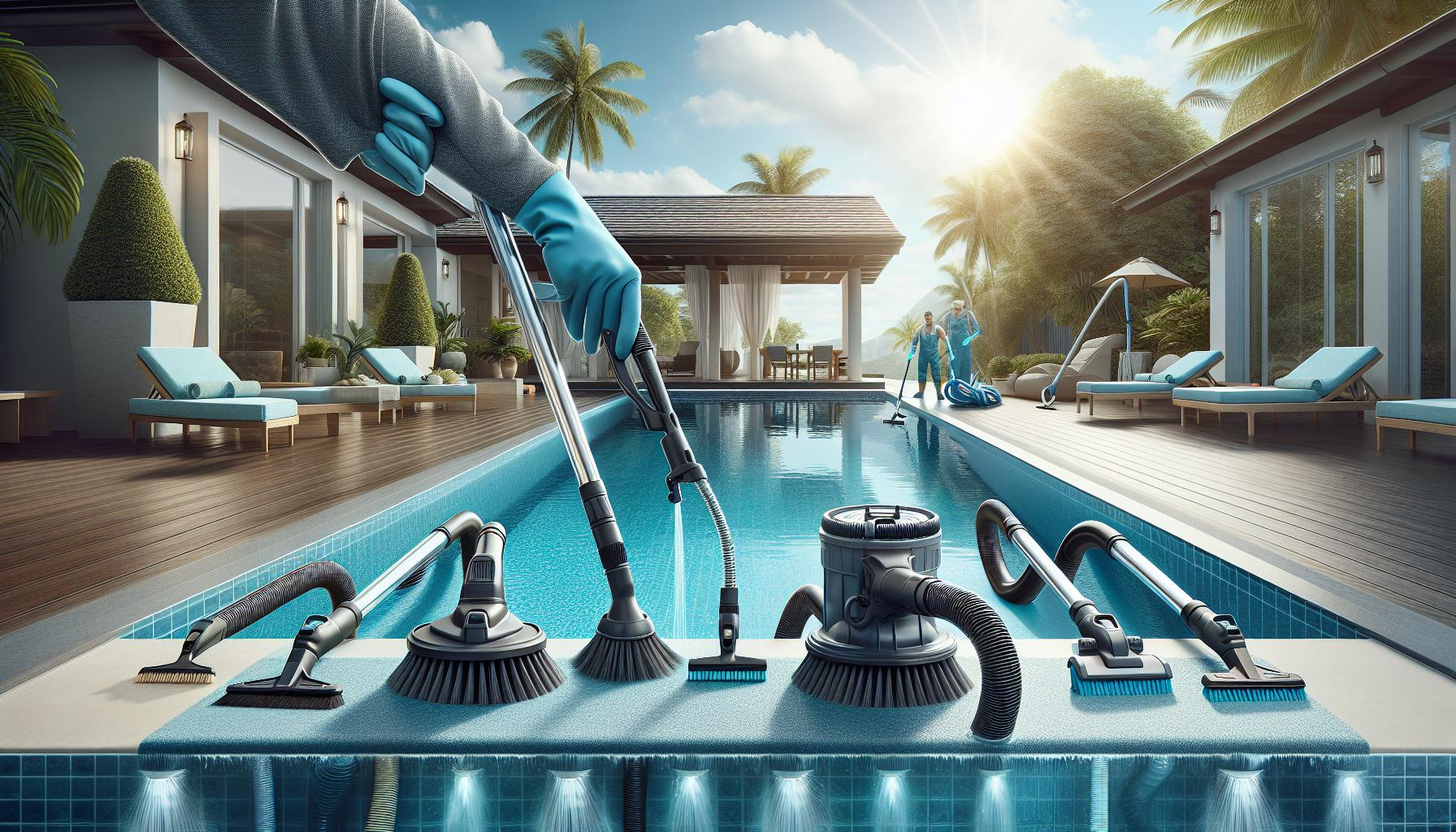
Preventative Measures: Keeping Algae at Bay
Maintaining a pristine swimming pool goes beyond just scrubbing and vacuuming; preventative measures are essential in keeping algae at bay. Algae thrive in warm, stagnant water, and without proper upkeep, your pool can quickly become a breeding ground for these unwanted organisms. One of the most impactful strategies is ensuring excellent water circulation and filtration. This can be achieved by running your pool pump for at least 8-12 hours a day, especially during the warmer months when algae growth accelerates. Regularly check and clean your pool filters to ensure they are functioning effectively.
Controlling the chemical balance of your pool water is crucial. Test your water regularly to maintain proper pH levels (between 7.2 and 7.6) and keep chlorine levels in the ideal range of 1-3 ppm. This balance not only enhances swimmer comfort but also creates an environment less conducive to algae growth. Adding a polymer or phosphate remover can also help in preventing the formation of algae, as these substances bind with nutrients that would otherwise nourish algae.
In addition to chemical treatments, consider physical barriers to keep algae out. Cover your pool when it’s not in use, especially during the fall when leaves and other debris can fall in, contributing to algae growth. Additionally, if you have landscaping near your pool, trim back plants to prevent leaves and debris from entering the water, and regularly sweep the surrounding area to minimize organic material that could contribute to algae formation.
Lastly, engage in regular maintenance routines that include brushing the pool walls and surfaces weekly. This action disrupts any initial signs of algae colonization, making it harder for them to establish themselves. By implementing these simple yet effective preventative strategies, you empower yourself to keep your pool sparkling clean and inviting year-round.
Maintaining Balanced Pool Chemistry for Algae Control
To effectively combat algae growth in your pool, maintaining a balanced chemical environment is crucial. Algae thrive in conditions where the pool’s water chemistry is off balance, particularly when pH levels are not optimal. The ideal pH range for pool water is between 7.2 and 7.6. This range not only promotes swimmer comfort but also helps ensure that chlorine-your primary disinfectant-is working at its most efficient level. Regularly testing your water with a reliable test kit or test strips will help you stay on top of these levels and make necessary adjustments.
In addition to pH, chlorine levels should ideally remain between 1-3 ppm (parts per million). This not only disinfects the water but also inhibits the growth of algae. If your chlorine levels are too low, it can allow algae to flourish; conversely, too much chlorine can irritate swimmers’ eyes and skin. To keep the chlorine level steady, consider adding a stabilizer, like cyanuric acid, especially if your pool is exposed to a lot of sunlight. The stabilizer protects chlorine from being rapidly degraded by UV rays, ensuring it remains effective for longer.
Another key aspect of controlling algae involves monitoring total alkalinity, which should be between 80-120 ppm. Proper alkalinity acts as a buffer for pH, preventing large fluctuations that can sap your chlorine’s efficiency. To raise alkalinity, sodium bicarbonate (baking soda) is an effective option, while muriatic acid can lower it when necessary. Always add chemicals separately and allow time for them to circulate before retesting.
Additionally, introducing a phosphate remover can be beneficial. Phosphates serve as nutrients for algae, and by binding to these compounds, you create an environment less conducive to algae growth. Regularly testing for phosphates, particularly after rainstorms or high bather loads, will help gauge the need for this treatment.
By proactively managing these chemical levels, you are empowering yourself to maintain a clean, clear swimming pool. This not only enhances the aesthetics of your pool but also significantly reduces the likelihood of algae infestations. Regular water tests, prompt adjustments, and the right chemical treatments create a balanced environment that keeps your pool inviting and safe for swimming.
Using Algaecides: Best Practices for Effective Use
To effectively combat algae growth in your pool, understanding how to use algaecides correctly is vital. Algaecides are specially formulated chemicals designed to eliminate and prevent algae, making them a powerful ally in maintaining a crystal-clear swimming pool. However, their efficacy relies heavily on proper application and adherence to specific best practices.
Before applying an algaecide, ensure that you conduct a thorough water test to ascertain the current chemical levels in your pool. This includes testing for pH, chlorine, and alkalinity. It’s crucial to address any imbalances before introducing algaecides, as these chemicals perform best in pools where the water chemistry is within the ideal ranges. Adjusting your water chemistry appropriately can significantly enhance the effectiveness of the algaecide you choose.
When selecting an algaecide, consider the type of algae present; whether it’s green, yellow, or black algae dictates the most suitable product. Always read the label carefully to determine the recommended dosage based on your pool’s size. It’s advisable to dilute concentrated liquid algaecides in a bucket of water before adding them to the pool to ensure even distribution. For granular algaecides, sprinkle them around the pool’s perimeter while the pump is running to help with even distribution and avoid concentrating in one area.
After adding the algaecide, let the pump run for at least 24 hours to allow thorough mixing and effectiveness. Following this, you should vacuum the pool and remove any dead algae or debris. It’s also beneficial to shock the pool with chlorine post-application, as this further helps to eradicate any remaining algae spores and enhances water clarity. Always allow a sufficient time after treatment for the pool chemistry to balance again before swimming-typically, waiting 24-48 hours is a safe guideline.
Lastly, following a routine maintenance schedule that includes regular testing and periodic addition of algaecides can be crucial in preventing algae growth long-term. By becoming familiar with these best practices, pool owners can tackle algae challenges with confidence, ensuring a clean and inviting swim for everyone.
Natural Remedies for Algae: Eco-Friendly Solutions
Harnessing the power of natural remedies can be an effective and eco-friendly approach to combat algae growth in your pool. Utilizing non-chemical solutions not only benefits the environment but can also be safer for swimmers and pets. A notable fact to consider: the pH balance of your pool, ideally between 7.2 and 7.6, can significantly influence algae growth, making it crucial to focus on both maintenance and natural interventions.
One simple yet effective natural remedy involves using baking soda, which can help raise the alkalinity of your pool while also combating algae. To implement this, dissolve about 1 to 2 pounds of baking soda in a bucket of water before evenly distributing it around your pool. This not only boosts the swimming environment’s clarity but also makes the conditions less hospitable for algae spores. Additionally, vinegar acts as a natural cleaning agent. You can spray white vinegar directly onto algae patches and scrub them away, ensuring to rinse thoroughly afterward.
Another powerful natural solution is copper sulfate, a traditional organic remedy that can effectively kill algae when used in moderation. To apply, dissolve copper sulfate in a bucket of water and add it to your pool, being cautious with the dosage to avoid staining surfaces or harming aquatic life. Lastly, consider using a manual pool vacuum alongside these alternatives to remove physical algae debris. Not only does this physical method complement your natural treatments, but it also prevents the release of additional algae spores into the water.
Regular maintenance is key to keeping your pool algae-free. Ensure you routinely check and adjust the pH balance while performing slight water changes to dilute any built-up nutrients that may encourage algae growth. Embracing these natural remedies empowers you as a pool owner, allowing you to maintain a clean, safe, and sparkling pool environment without overly relying on harsh chemicals.
Visual Indicators: Identifying Algae Growth in Your Pool
Identifying algae growth in your pool can be pivotal in maintaining a healthy and enjoyable swimming environment. In many cases, the presence of algae can manifest in obvious visual signs before it becomes a more significant problem. One of the first indicators is a change in water color; clear water can shift to shades of green, brown, or even yellow, depending on the type of algae present. Green algae, the most common, creates a vibrant green hue, while yellow (or mustard) algae may appear as a slight stain on surfaces. This visual cue can signal that immediate action is needed.
Pay close attention to texture and surface presence as well. Algae can often feel slippery or slimy to the touch. If you notice this on pool walls, ladders, or any surfaces in contact with water, it’s likely a sign of the accumulation of algae. Additionally, floating algae clumps or patches may appear on the surface of the water. These unsightly formations not only diminish the pool’s appearance but can also lead to health concerns for swimmers if left untreated.
Maintaining regular visual inspections can help you catch algae growth early. Here are some helpful indicators to look for:
- Water Color: Green or cloudy water may indicate algae growth.
- Surface Texture: Slick or slimy surfaces suggest algae presence.
- Floating Debris: Clumps or patches of algae on the water’s surface.
- Stains or Discoloration: Discoloration on pool walls or floors may signal algae.
Understanding these visual indicators enables pool owners to react quickly and effectively. If you identify any signs of algae, consider immediate cleaning measures, such as brushing the surfaces and testing the water balance to ensure proper chemical levels. By being vigilant and proactive in your observations, you can maintain a clean and inviting pool for leisure and enjoyment. Regular checks can make a significant difference in the longevity of your pool’s aesthetics and health.
Emergency Procedures for Severe Algae Infestations
When faced with a severe algae infestation, swift and decisive action is crucial for restoring the health and clarity of your pool. Algae can multiply rapidly, turning a sparkling oasis into a murky pond within a matter of days. If you notice drastic changes, such as thick green or black layers over surfaces or water that resembles pea soup, it’s time to implement an emergency action plan. Here are the essential steps to take when combating a significant algae outbreak.
Start by testing your pool water using a reliable test kit to determine the levels of chlorine, pH, and alkalinity. This will provide a clear picture of your pool’s chemical levels and how they contribute to the algae growth. Ideally, your pH should be between 7.2 and 7.6, and chlorine levels should be sufficient to combat algae. If chlorine levels are low, perform a super chlorination (shocking) immediately by adding a large dose of chlorine to the water, which can be calculated based on the volume of your pool. This initial step is vital in killing off algae spores and preventing further growth.
After shocking the pool, use a vacuum specifically designed for algae cleaning to remove the dead algae from the pool bottom. A manual vacuum may be necessary, as automatic vacuums can struggle with clumps of algae. In addition to vacuuming, thoroughly scrub the sides and steps of the pool with a brush to loosen the algae and allow the chlorine to penetrate effectively. Pay special attention to areas that may have been ignored during regular maintenance, such as corners and crevices where algae tend to cling.
While cleaning, ensure that your pool filter is running continuously. This helps to trap dead algae particles and maintain clear water. Depending on the extent of the algae bloom, you might need to backwash or clean your filter several times during this process. It’s also beneficial to monitor your water chemistry closely over the following days, adjusting the pH and alkalinity if necessary to maintain an optimal environment for your pool.
In cases of persistent or particularly overwhelming infestations, consider using an algaecide that’s appropriate for your pool type. It’s essential to follow the product’s instructions closely to achieve the best results without damaging your pool. After applying these treatments, keep the pool covered (if applicable) to prevent new algae from entering and to allow the treatments to work most effectively.
Implementing these methods may seem daunting, but with attention to detail and timely intervention, you can restore your pool to a clean and inviting state. Regular checks and ongoing maintenance will also help mitigate future infestations, ensuring your swimming environment remains safe and pleasant for everyone.
The Importance of Regular Pool Maintenance
Regular maintenance of your pool is paramount for ensuring a clean, safe swimming environment. Neglecting routine upkeep not only increases the likelihood of algae proliferation but can also lead to more severe problems such as equipment failure or significant water quality issues. Just like a well-maintained garden flourishes, a well-cared-for pool can be an oasis of relaxation and enjoyment.
To keep your pool in top shape, establish a consistent maintenance schedule that includes daily, weekly, and monthly tasks. Daily tasks should involve checking the water level and skimming off any debris floating on the surface. This simple act prevents leaves and dirt from sinking and decomposing in the water, which can fuel algae growth. Additionally, test the water chemistry-a quick check of pH and chlorine levels can tell you if adjustments are needed to ensure optimal swimming conditions.
Weekly tasks are more comprehensive and should include grooming your pool’s surfaces. Vacuum the pool to remove dirt and algae that might have settled on the bottom, and brush the walls and steps to prevent build-up. This not only helps in immediate algae control but also makes the pool inviting for swimming. Furthermore, clean the skimmer and pump baskets weekly to maintain good water circulation, which is vital in preventing stagnant areas where algae can thrive.
Monthly tasks should focus on deeper cleaning and maintenance checks. Inspect your pool filter and backwash or clean it as necessary to optimize its performance. An underperforming filter can contribute to rising algae levels, making it harder to keep your pool clean. Additionally, consider checking and adjusting the calcium hardness and total alkalinity levels, as these play a critical role in maintaining proper balance and clarity in your pool water.
By prioritizing regular maintenance, you empower yourself to combat algae growth effectively. A proactive approach not only saves you time, effort, and expense in the long run but also transforms your pool into a sparkling retreat ready for enjoyment at any time. Through diligent care, you not only preserve the aesthetics of your pool but also enhance its longevity and safety for all users.
Expert Tips for Long-Lasting Algae Prevention
To maintain a crystal-clear pool and prevent algae growth, there are several expert tips that can make a significant difference in your maintenance routine. One of the standout strategies is maintaining a consistent circulation of water. Algae thrive in stagnant environments, so running your pool pump for at least 8-12 hours a day is essential. This not only keeps the water moving but also helps distribute chemicals evenly throughout your pool, minimizing the risk of algae proliferation.
Another key approach is to regularly monitor and adjust your pool’s chemical balance. The ideal pH level for pool water is between 7.2 and 7.8, while the chlorine levels should be maintained between 1-3 ppm (parts per million). Invest in a reliable test kit and check your water chemistry at least once a week. If you notice any fluctuations, make the necessary adjustments immediately to avoid creating a hospitable environment for algae. Additionally, algaecides can be preemptively used as a preventive measure, especially during warmer months when algae growth is more likely.
Routine physical cleaning cannot be overstated. Weekly vacuuming and brushing of pool walls and floors will remove debris and sediment that can serve as nutrient sources for algae. Don’t forget the skimmer and pump baskets; clean them weekly to ensure optimal water flow. A clogged filter can lead to diminished water circulation, increasing the likelihood of algae taking root.
Lastly, consider investing in a pool cover. This simple addition minimizes debris accumulation when the pool is not in use, thus reducing the chances of algae growth. Make sure to clean and maintain the cover regularly, as trapped moisture can also promote algae under the right conditions. By following these expert tips and making minor adjustments to your pool care routine, you can significantly enhance your pool’s resilience against algae and foster an inviting swim environment all season long.
Q&A
Q: How can I tell if my pool has algae?
A: You can identify algae in your pool by looking for green, brown, or black stains on the walls or floor. Cloudy water and a strong musty odor are also indicators. Regular checks, as described in the “Visual Indicators” section of our article, can help maintain clarity.
Q: What should I do immediately if I spot algae in my pool?
A: If you spot algae, begin by immediately brushing the affected areas and increasing the filtration time. Consider vacuuming the pool and ensuring your chemical levels are balanced for effective treatment, as discussed in our “Emergency Procedures for Severe Algae Infestations” section.
Q: How often should I check my pool for algae?
A: You should routinely check your pool for algae at least once a week, especially during warm months. This includes inspecting water clarity and pH levels, helping to catch early signs of growth, as highlighted in our “Maintaining Balanced Pool Chemistry for Algae Control” section.
Q: Can high temperatures cause algae in pools?
A: Yes, high temperatures can promote algae growth in pools due to warm water favoring algae proliferation. Regularly monitoring water temperatures and following preventative measures can significantly reduce this risk, as noted in our article on “Preventative Measures: Keeping Algae at Bay.”
Q: Are there bleach alternatives for cleaning algae out of my pool?
A: Yes, alternatives like hydrogen peroxide or natural enzymes can be effective against algae. These eco-friendly options can be utilized as described in our section on “Natural Remedies for Algae: Eco-Friendly Solutions.”
Q: What are the benefits of using an algaecide compared to shock treatments?
A: Algaecides target algae growth specifically and can be more effective for prevention, while shock treatments address existing algae and general water sanitation. For best outcomes, use them in conjunction, as detailed in our “Using Algaecides: Best Practices for Effective Use” section.
Q: How can proper circulation help prevent algae?
A: Proper circulation ensures uniform distribution of chemicals and prevents stagnant areas where algae can thrive. Regularly running the pump and adjusting return jets, as suggested in our “Expert Tips for Long-Lasting Algae Prevention” section, can significantly help.
Q: What seasonal changes should I be aware of that could affect algae growth?
A: Seasonal changes, such as warmer weather and increased sunlight during spring and summer, can accelerate algae growth. It’s crucial to adjust your maintenance routine accordingly, as discussed in our section on “The Importance of Regular Pool Maintenance.”
Key Takeaways
Congratulations on taking the steps to ensure a clean swim by effectively eliminating algae from your pool! Remember, consistent maintenance and quick action are key to preventing future outbreaks. For ongoing guidance, explore our articles on “Best Pool Cleaning Tools” and “Essential Pool Maintenance Tips” to further enhance your pool care routine. Don’t wait until algae strikes again-commit to a maintenance plan today!
Feel free to share your experiences or ask questions in the comments section below; we love hearing from you! If you found this guide helpful, consider signing up for our newsletter to receive the latest tips and exclusive offers right in your inbox. Stay empowered in your pool maintenance journey, because a sparkling clean pool awaits you!


